
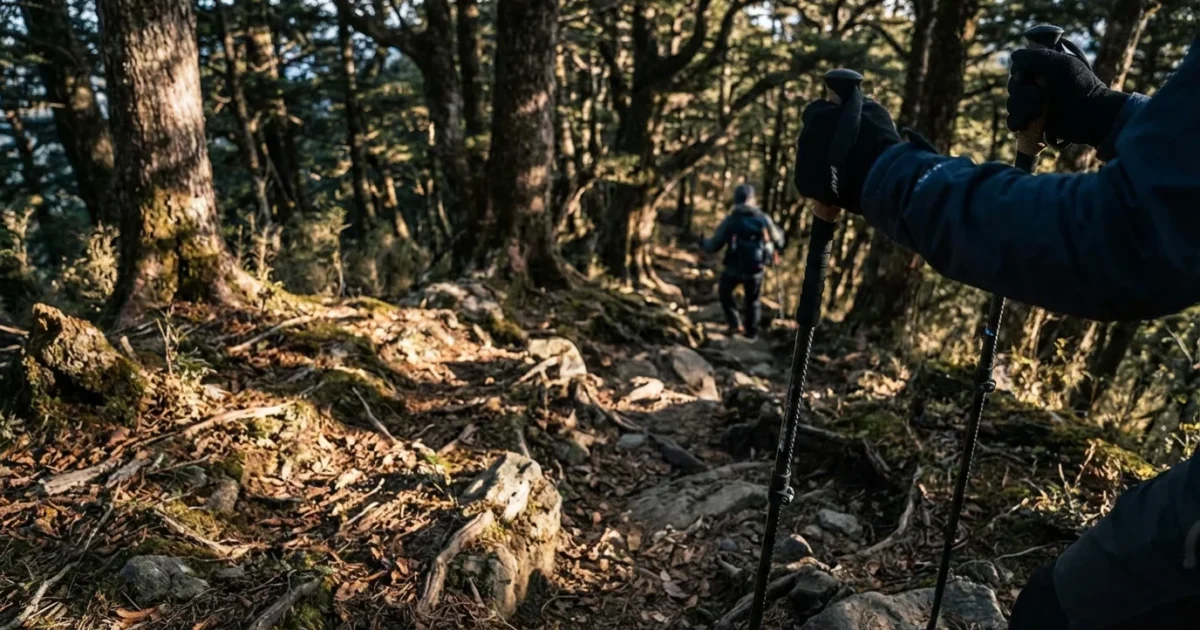
Embracing the call of the trail means preparing for any path ahead. As you journey through life, staying active and exploring new vistas remains a priority. Whether you plan a serene walk in a local park, an invigorating hike through a national forest, or an international adventure that involves extensive walking, walking poles offer a powerful advantage. They provide crucial support, enhance stability, and significantly reduce the strain on your joints, allowing you to venture further with confidence and comfort.
Many active seniors discover that walking poles transform their outdoor experiences. You gain greater balance, which is vital on uneven terrain. These tools become an extension of your body, helping you maintain a steady rhythm and conserve energy. This article guides you through understanding the benefits, selecting the right poles, mastering proper technique, and incorporating them into all your explorations.
Disclaimer: This article is for informational purposes only. Travel conditions, accessibility, and requirements change frequently. We encourage readers to verify current information with official sources before traveling. Always consult with healthcare providers about travel considerations for your specific health situation.
Table of Contents
- The Undeniable Benefits of Walking Poles for Seniors
- Choosing Your Perfect Walking Poles: A Practical Guide
- Mastering the Art of Pole Usage: Techniques for Every Terrain
- Preparing for Your Adventure: Pole Maintenance and Accessories
- Where to Take Your Poles: Ideal Senior-Friendly Adventures
- Safety First: Important Considerations for Pole Users
- Frequently Asked Questions
The Undeniable Benefits of Walking Poles for Seniors
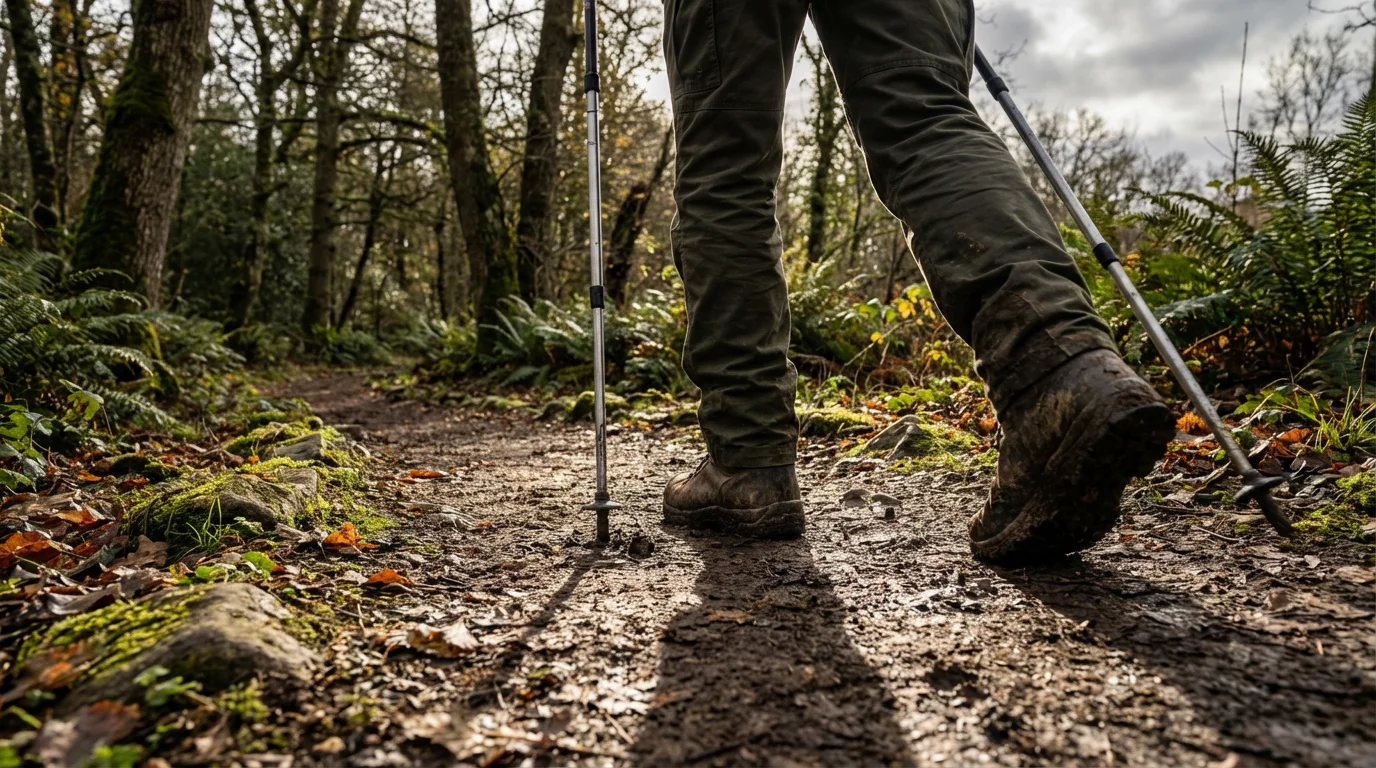
Walking poles are far more than simple accessories; they are essential tools that actively enhance your walking and hiking experiences. You gain increased stability and a noticeable reduction in physical exertion. These benefits are particularly pronounced for active Americans aged 55 and over.
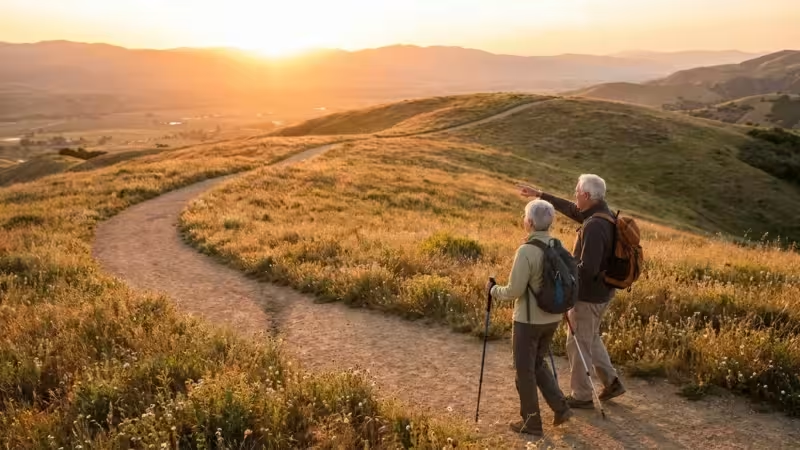
Using poles is particularly helpful on senior-friendly hiking trails, where the varying terrain can challenge your balance.
Firstly, walking poles significantly improve your balance. By providing two additional points of contact with the ground, you create a wider base of support. This reduces your risk of falling, especially on slippery, rocky, or uneven trails. A study published in the Journal of Sport and Health Science highlighted how pole use improves postural stability, a critical factor in fall prevention for older adults.
Secondly, these hiking aids effectively reduce the load on your lower body joints. When you plant your poles, you transfer some of your body weight and impact forces to your arms and shoulders. This can lessen the stress on your knees, hips, and ankles by up to 25%, according to research by the American Council on Exercise. This is invaluable for preventing discomfort and prolonging your ability to enjoy longer walks and more challenging trails.
Thirdly, walking poles boost your overall endurance. They engage your upper body muscles, turning walking into a full-body workout. This distributes the effort more evenly, allowing your leg muscles to work less intensely. You can cover greater distances with less fatigue, making longer adventures more feasible and enjoyable.
Finally, walking poles contribute to better posture. They encourage you to walk more upright, opening your chest and improving your breathing. This alignment can alleviate back strain and enhance your overall comfort during extended periods of activity.
Choosing Your Perfect Walking Poles: A Practical Guide
Selecting the right pair of walking poles is crucial for maximizing their benefits. Consider your typical terrain, travel plans, and personal preferences. The market offers a range of options, each designed to meet specific needs.
For those committed to staying active on the road, finding lightweight, adjustable gear is essential.
Along with your poles, choosing the right walking shoes is a critical step in ensuring comfort and stability on the trail.
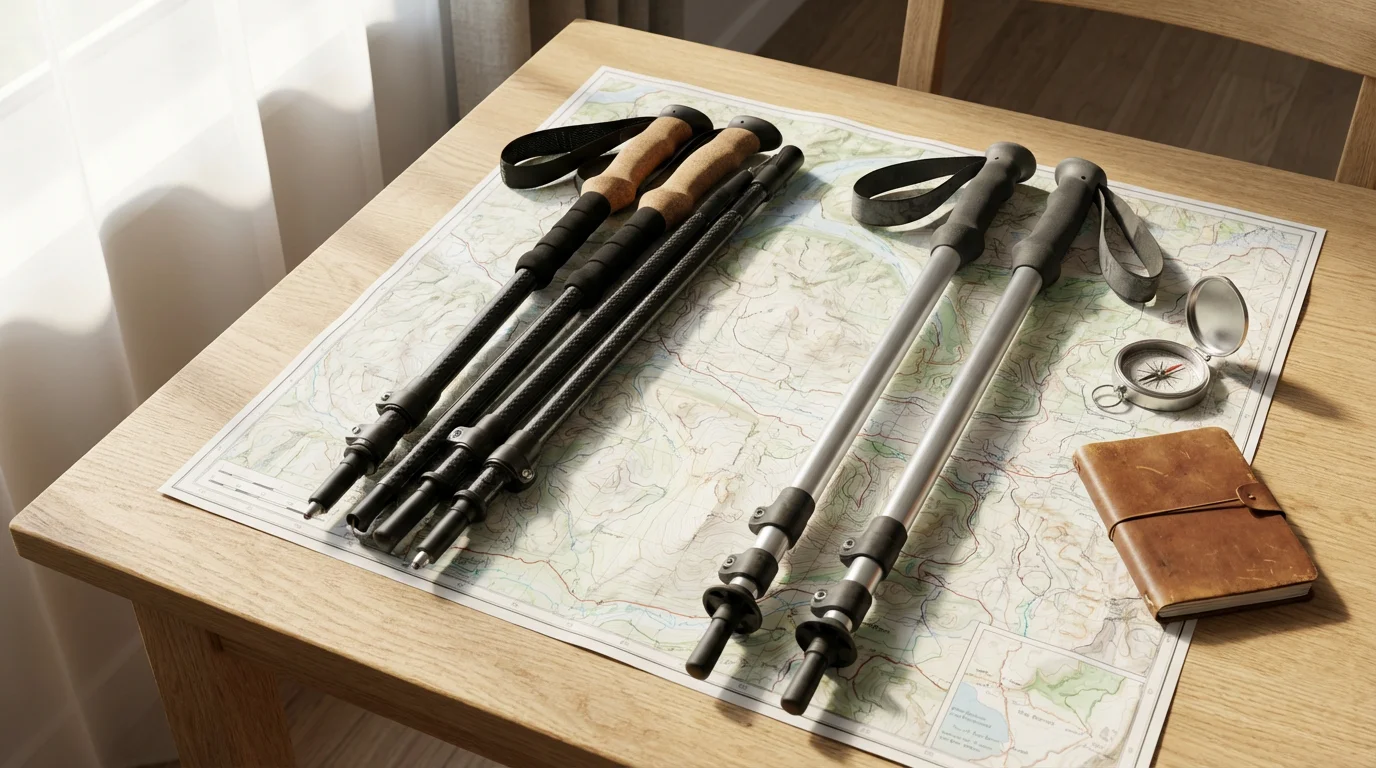
Poles come in various types. Fixed-length poles offer maximum rigidity and durability, ideal if you consistently walk on similar terrain and do not need to pack them frequently. Adjustable poles are versatile, allowing you to modify their length for different inclines or for sharing among users. Collapsible poles, often using a Z-fold or tent pole design, are perfect for travel or when you need to store them in a backpack; they compact down quickly and easily.
Materials play a role in weight and vibration absorption. Aluminum poles are robust and affordable, making them a great choice for general use. Carbon fiber poles are lighter, reducing swing weight and fatigue, but typically come at a higher price point. If you plan extensive or multi-day hikes, the reduced weight of carbon fiber can make a significant difference.
Consider the grip material for comfort and sweat absorption. Cork grips mold to your hand over time and wick away moisture effectively. Foam grips are soft and lightweight, providing good insulation in colder weather. Rubber grips are durable and offer a firm hold, suitable for wet conditions.
Straps are important for control and support. Ensure the straps are comfortable and adjustable. A well-fitted strap prevents you from needing to clench the grip too tightly, which can lead to hand fatigue.
Here is a comparison of common walking pole features:
| Feature | Aluminum Poles | Carbon Fiber Poles | Adjustable Poles | Collapsible Poles |
|---|---|---|---|---|
| Weight | Moderate to heavy | Lightweight | Varies (can be heavier due to locking mechanisms) | Lightweight to moderate |
| Durability | Very high, resistant to bending | High, but can be brittle under specific impacts | Good, depends on locking mechanism quality | Good, depends on joint strength |
| Vibration Absorption | Moderate | High | Moderate | Moderate to high |
| Packability | Low (fixed) to moderate (adjustable) | Moderate (adjustable) to very high (Z-fold) | Good (telescoping sections) | Excellent (folds down small) |
| Price Range | Entry-level to mid-range | Mid-range to high-end | Entry-level to mid-range | Mid-range to high-end |
| Best Use Case | General hiking, rough terrain | Long distances, weight-sensitive trips | Varied terrain, shared use, easy packing | Travel, backpacking, fast deployment |
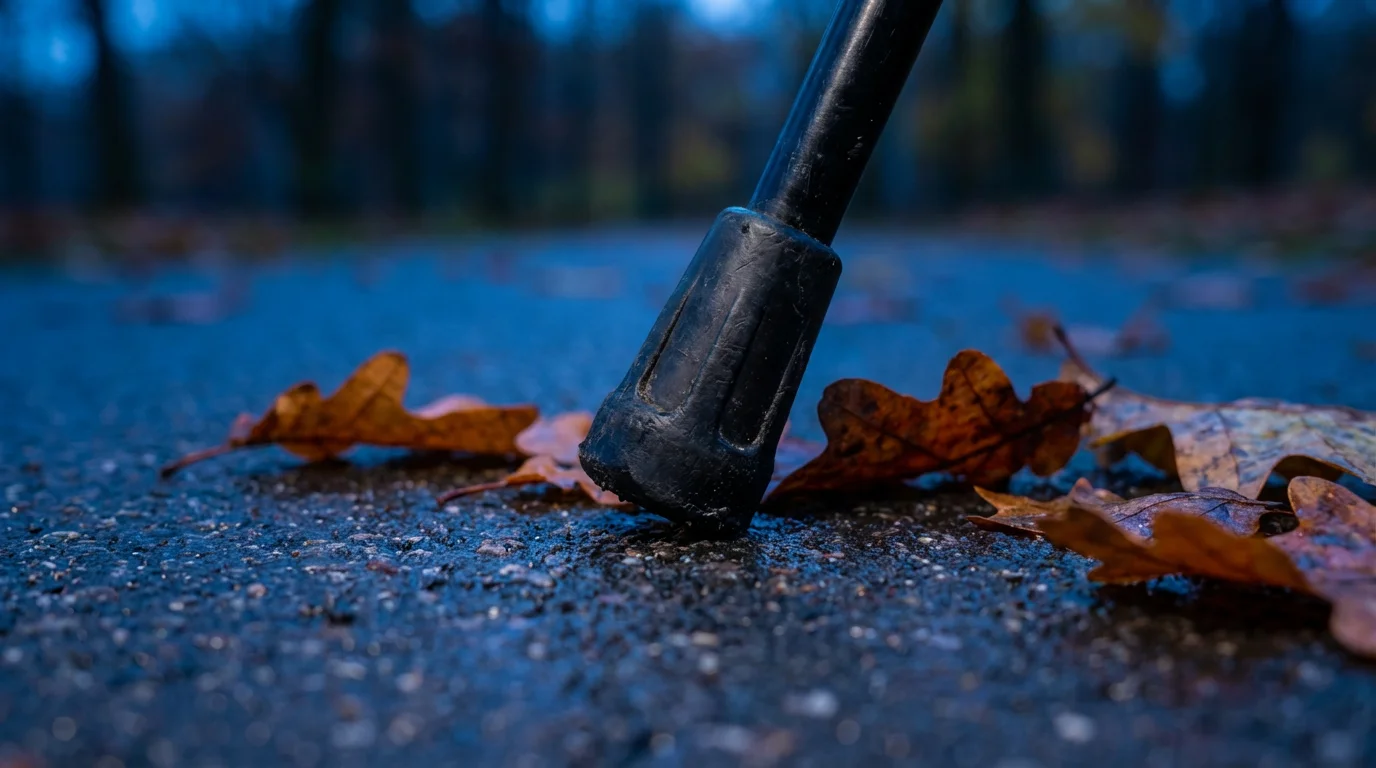
Finally, examine the tips. Carbide or steel tips provide excellent grip on dirt, ice, and rock. Rubber tips, often removable, are ideal for paved surfaces or sensitive natural areas, preventing damage and noise. Some poles also feature anti-shock mechanisms, which absorb impact, reducing strain on your wrists and elbows, particularly beneficial on hard surfaces or descents.
Mastering the Art of Pole Usage: Techniques for Every Terrain
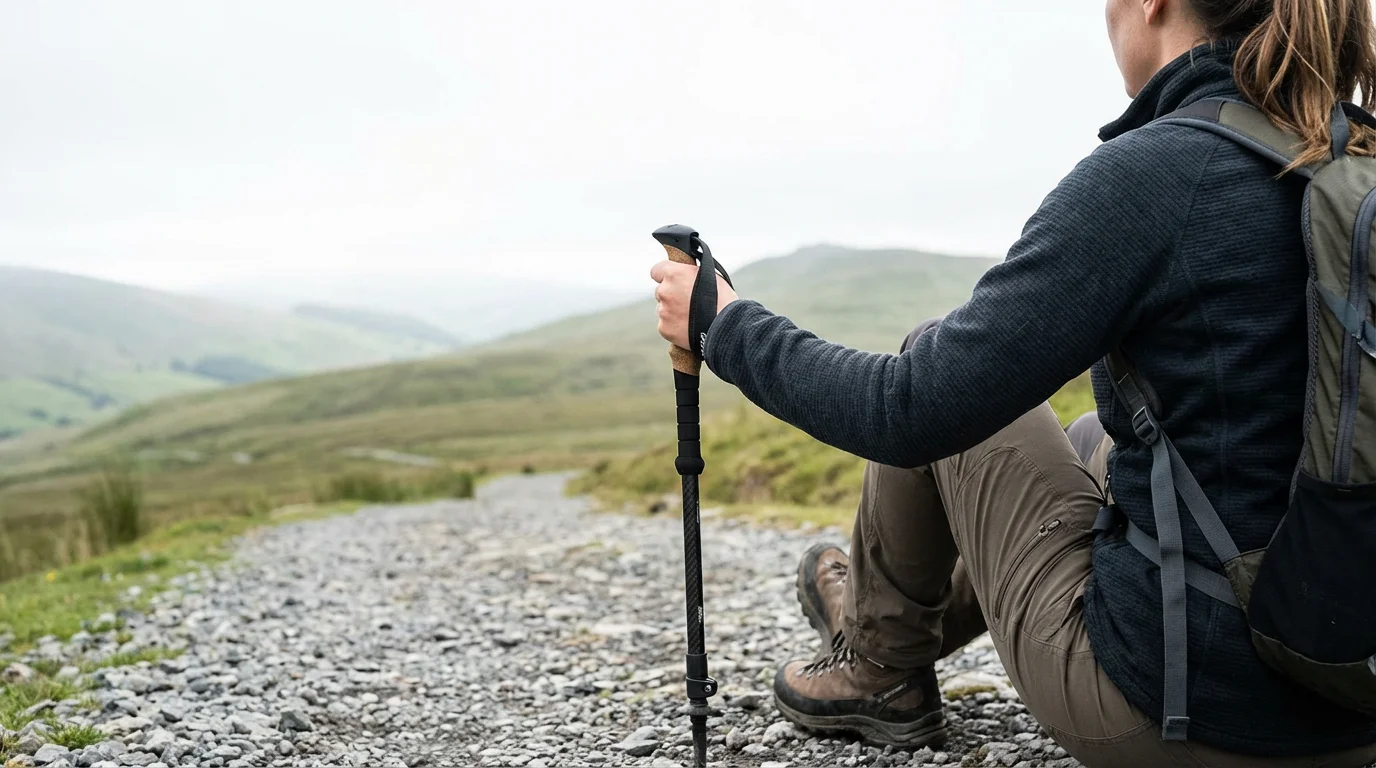
Proper pole usage ensures you get the most out of your hiking aids. Incorrect technique can diminish their benefits. Start by setting the correct pole height; a good starting point is to adjust the pole so your elbow forms a 90-degree angle when your hand is on the grip and the pole tip is on the ground. You may adjust this slightly based on terrain.
Once you feel confident in your technique, joining group hikes is a fantastic way to practice while meeting other outdoor enthusiasts.
For flat or gently rolling terrain, use a natural swing with a diagonal stride. As your left foot steps forward, your right pole swings forward, and vice versa. Plant the pole tip firmly beside or slightly ahead of your leading foot. Push off the pole to propel yourself forward, engaging your upper body.
-
Adjust Pole Length: Set poles so your elbows form a 90-degree angle when holding the grip with the pole tip on the ground.
-
Utilize Straps: Thread your hand up through the strap from below, then grasp the grip and the top of the strap. This allows you to push down on the strap, reducing grip fatigue.
-
Flat Ground Technique: Walk naturally, swinging the opposite arm and leg forward simultaneously. Plant the pole ahead of your lead foot and push off.
-
Uphill Technique: Shorten your pole length by 5-10 cm. Plant poles closer to your body for support as you climb. Use them to push upwards, taking some strain off your legs.
-
Downhill Technique: Lengthen your poles by 5-10 cm. Plant them out in front of you to brace for impact and slow your descent. This absorbs shock and maintains balance.
-
Traversing Slopes: Adjust the pole on the uphill side to be shorter and the pole on the downhill side to be longer, or use only the downhill pole for balance.
-
Crossing Obstacles: Use poles to test depth in water crossings or stability on loose rocks. Plant one pole securely before stepping with your foot.
On uphill climbs, shorten your poles by a few inches. This provides better leverage for pushing yourself upward. Plant the poles ahead of you and push through your straps as you step. On descents, lengthen your poles slightly. This allows you to plant them further ahead, absorbing impact and providing a stable brace as you step down. Focus on smooth, controlled movements.
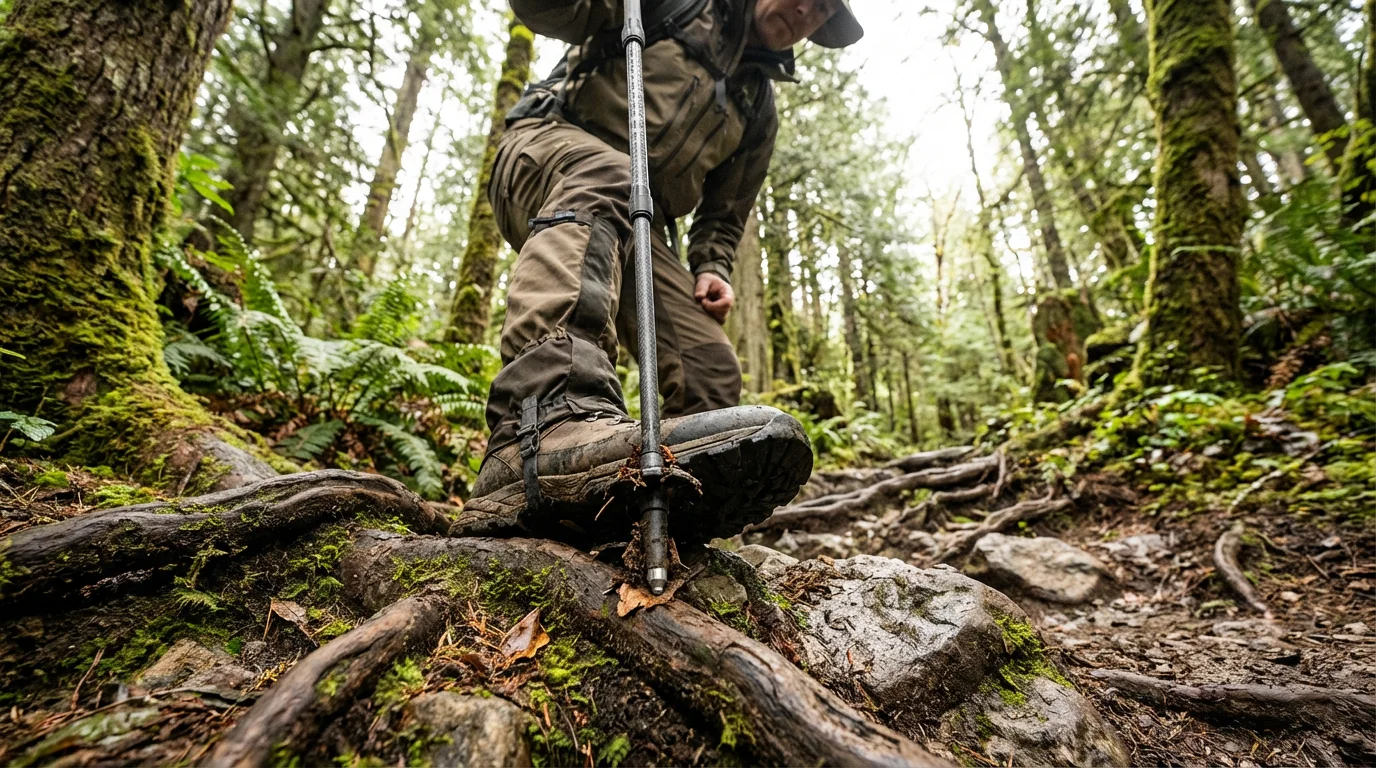
When navigating varied terrain, adapt your technique. On rocky paths, use poles to test the stability of footholds before committing your weight. In muddy conditions, plant poles firmly to prevent slips. Practice in familiar environments to build confidence before tackling more challenging trails. The goal is to make pole usage feel like a natural extension of your stride.
“The forest is a peculiar organism of unlimited kindness and benevolence that makes no demands for its sustenance and extends generously the products of its life activity; it affords protection to all beings, offering shade even to the ax-man who destroys it.” — Buddha, often adapted for environmental wisdom, reflecting the generosity of nature found in places like national forests.
Preparing for Your Adventure: Pole Maintenance and Accessories
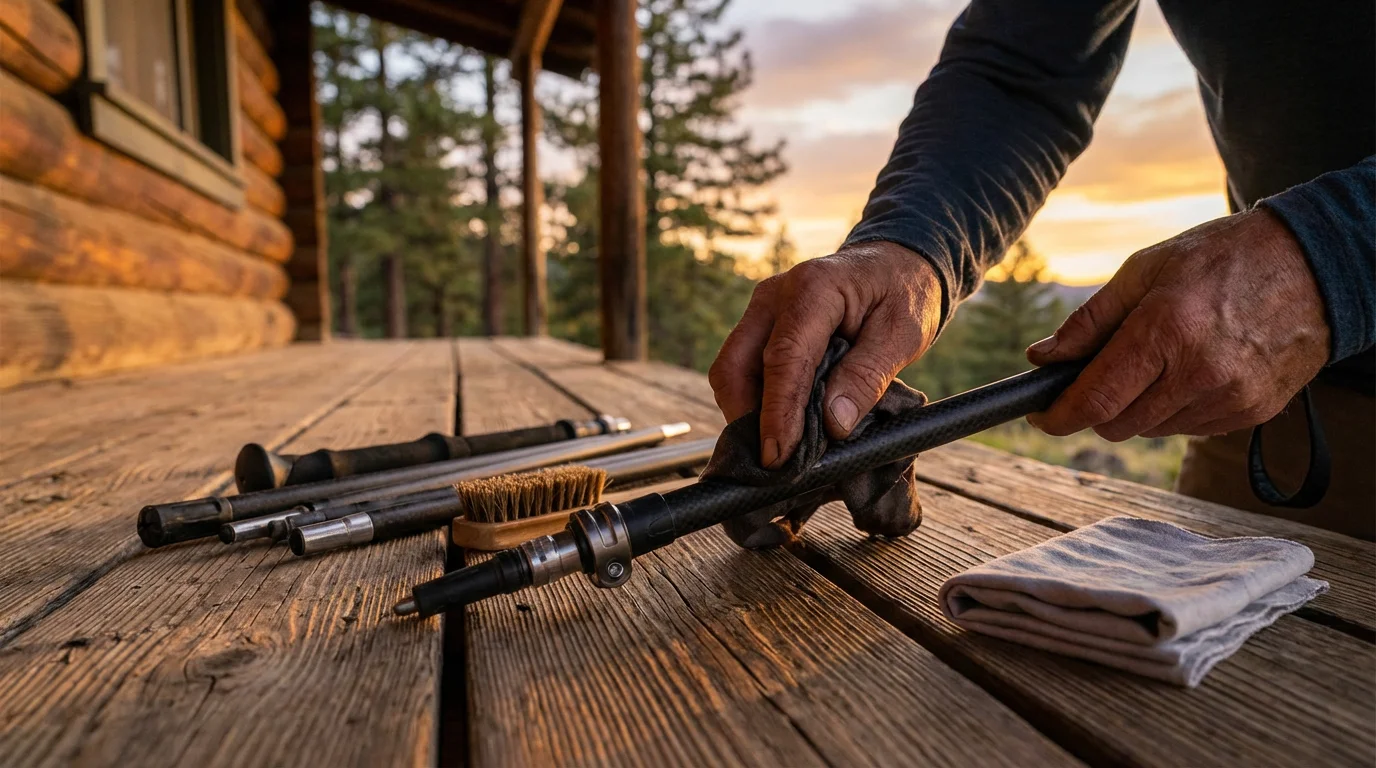
Proper care of your walking poles ensures their longevity and reliable performance. A little maintenance goes a long way in keeping your gear trail-ready. After each use, especially in wet or muddy conditions, clean your poles. Wipe down the shafts with a damp cloth, paying attention to the locking mechanisms. Dirt and debris can interfere with telescoping sections and clamps.
When getting ready for your next trip, remember to consult our ultimate senior travel packing list to ensure no essential gear is left behind.
Periodically, disassemble adjustable poles to clean and dry the internal sections thoroughly. This prevents corrosion and ensures smooth operation. Store your poles in a dry place, ideally unextended, to reduce stress on the locking mechanisms. Check the tips regularly for wear and replace them when they become dull or worn down, as a good grip is essential for stability.
Several accessories enhance the functionality of your walking poles:
-
Rubber Tips: Essential for walking on pavement, asphalt, or indoors. They prevent slipping and protect the carbide tips from wear.
-
Baskets: Small baskets prevent poles from sinking too deeply into soft ground or sand. Larger snow baskets are indispensable for winter hiking or snowshoeing.
-
Carrying Cases: Protect your poles during travel and keep them together. Collapsible poles often come with their own compact storage bags.
-
Replacement Parts: Keep extra rubber tips, basket sets, or even strap replacements on hand, especially for extended trips.
Before any major outing, perform a quick check of your poles. Ensure all locking mechanisms are secure, straps are properly adjusted, and tips are in good condition. This simple pre-adventure routine prevents issues on the trail and ensures you can rely on your equipment.
Where to Take Your Poles: Ideal Senior-Friendly Adventures
Walking poles are versatile companions for a wide range of senior adventures. Their benefits extend far beyond rugged mountain trails. You can integrate them into almost any activity that involves walking, enhancing your experience and providing crucial support.
Explore the diverse landscapes of America’s National Parks. From the gentle paved paths of Acadia to the stunning overlooks of Zion, walking poles offer stability on varied park trails, whether they are gravel, dirt, or boardwalks. They help you navigate uneven steps, small inclines, and crowded viewpoints with greater confidence. Many parks feature senior-friendly trails suitable for day hikes.
Consider local and regional parks for regular exercise. Urban trails, nature preserves, and greenways often feature a mix of paved and unpaved surfaces. Walking poles make these accessible walks more comfortable, especially for longer distances. They assist with maintaining a steady pace and engaging your core muscles.
Group tours and guided adventures, such as those offered by Road Scholar, often involve significant walking in diverse environments. From historical walking tours in European cities to nature walks in Costa Rica, your poles provide extra balance on cobblestones, ancient ruins, and unexpected terrain. They help manage fatigue during extensive sightseeing days.
Even for everyday activities, such as navigating a bustling farmers market or a long walk through a shopping center, walking poles provide postural support and a rhythmic gait. They become a natural extension of your movement, giving you greater freedom and energy to engage with your surroundings.
Safety First: Important Considerations for Pole Users
While walking poles greatly enhance safety, responsible use is paramount. You must remain aware of your surroundings and understand your physical limits. Always prioritize your well-being on any adventure.
Practice proper pole technique before tackling challenging terrain. Familiarize yourself with how the poles feel and how they integrate with your natural stride. This builds muscle memory and confidence. Watch for potential hazards; while poles help you navigate obstacles, they do not eliminate them. Pay attention to roots, rocks, and slippery surfaces.
Communicate your plans to someone before embarking on a solo adventure, especially in remote areas. Let them know your route and estimated return time. Carry essential safety items, even on shorter walks, such as water, a snack, a fully charged phone, and a small first-aid kit. The AARP Travel resources offer excellent advice on general travel safety for seniors.
If you have pre-existing health conditions, consult your healthcare provider before beginning any new exercise regimen, including extensive walking or hiking with poles. Your doctor can offer personalized advice on appropriate activity levels and any specific precautions you should take. Listen to your body; if you experience pain or discomfort, stop and rest. Pushing yourself too hard can lead to injury.
Remember that poles are an aid, not a crutch. They are there to enhance your capabilities, not to replace the need for careful footing and good judgment. Use them as partners in exploration, allowing them to support your adventurous spirit safely.
Frequently Asked Questions
What are the primary benefits of walking poles for senior hikers?
Walking poles offer significant advantages for senior hikers, primarily enhancing stability, reducing strain on joints, improving balance to prevent falls, and increasing overall endurance by engaging upper body muscles. They help distribute effort, allowing you to walk further with greater comfort and confidence on varied terrain.
How do I choose the right size for my walking poles?
To find the correct size, stand upright and hold the pole with its tip on the ground next to your foot. Your elbow should form roughly a 90-degree angle. Adjustable poles allow you to fine-tune this length for different inclines, shortening them for uphill climbs and lengthening them for descents.
Are walking poles helpful on paved paths or only on trails?
Walking poles are beneficial on both paved paths and natural trails. On paved surfaces, they offer excellent postural support and help maintain a consistent rhythm, making long walks more comfortable. Always use rubber tips on paved surfaces to protect the pole tips and prevent slipping. On trails, they provide critical stability and shock absorption for uneven ground.
Can walking poles help prevent falls?
Yes, walking poles significantly contribute to fall prevention. They provide two additional points of contact with the ground, creating a wider and more stable base. This added support is invaluable for maintaining balance, especially on challenging terrain, reducing your risk of slips and stumbles.
What are the best walking poles for senior hikers?
The best walking poles for senior hikers often balance weight, durability, and adjustability. Look for lightweight carbon fiber or sturdy aluminum poles. Adjustable or collapsible models are ideal for versatility and travel. Prioritize comfortable grips, secure locking mechanisms, and the option for both carbide and rubber tips to suit various surfaces.
Do I need an anti-shock feature on my walking poles?
An anti-shock feature is a personal preference that many find beneficial, especially on hard surfaces or during long descents. It helps absorb impact, reducing stress on your wrists, elbows, and shoulders. If you have joint sensitivities or plan to walk extensively on pavement, anti-shock poles can enhance your comfort.

Leave a Reply