
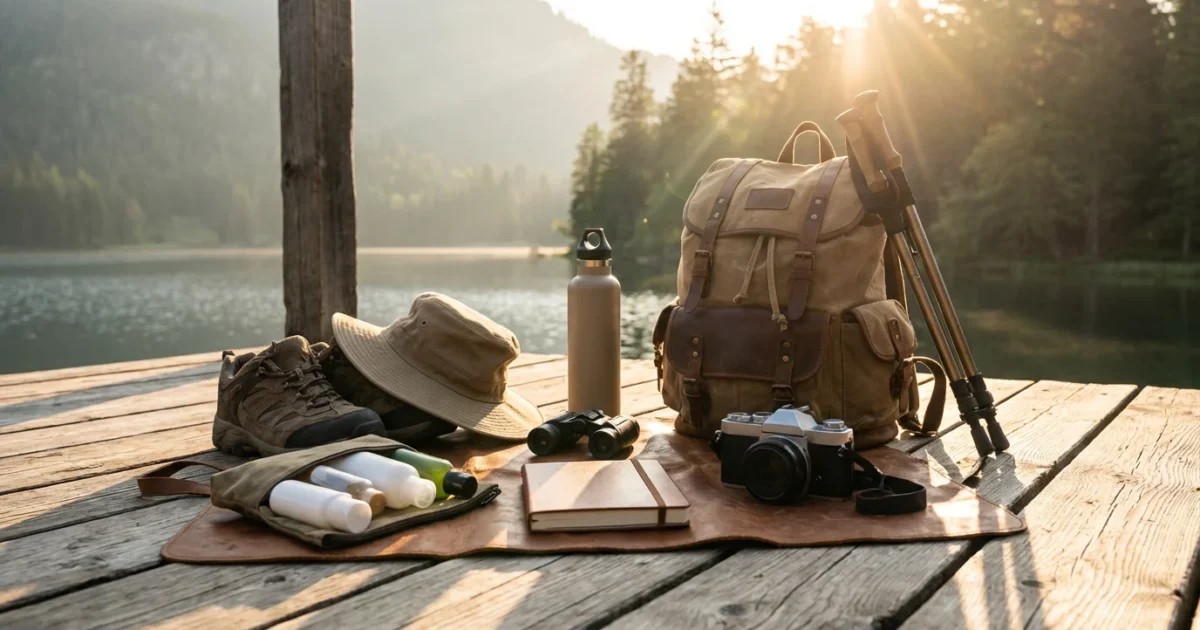
Travel defines freedom and discovery. As a senior adventurer, you possess the wisdom and often the time to explore the world in ways you once only dreamed. Whether you plan a serene national park visit, an adventurous international tour, or a spontaneous road trip, smart packing lays the foundation for a successful journey. Proper preparation ensures comfort, convenience, and safety, allowing you to fully immerse yourself in every new experience.
Properly planning your road trip itinerary before you zip up your suitcase ensures you hit all the major landmarks comfortably.
Connecting with adventure clubs for seniors is a wonderful way to find travel companions who share your passion for exploration.
For those joining a structured trip, mastering the art of packing light is a skill that makes navigating hotels and terminals much simpler.
This comprehensive guide helps you assemble the perfect senior travel packing list. You gain practical, actionable insights designed to make your next adventure seamless and unforgettable. We cover everything from essential clothing to vital documents and smart packing strategies, ensuring you feel empowered and ready for any destination.
Table of Contents
- The Foundation: Your Luggage Choice
- Clothing Essentials for Comfort and Climate
- Health and Wellness: Prioritizing Your Well-being
- Essential Documents and Financial Preparedness
- Tech and Connectivity for the Modern Senior
- Personal Comfort and Convenience Items
- Smart Packing Strategies: Maximize Space, Minimize Stress
- Pre-Departure Checklist: Beyond the Suitcase
- Frequently Asked Questions
The Foundation: Your Luggage Choice
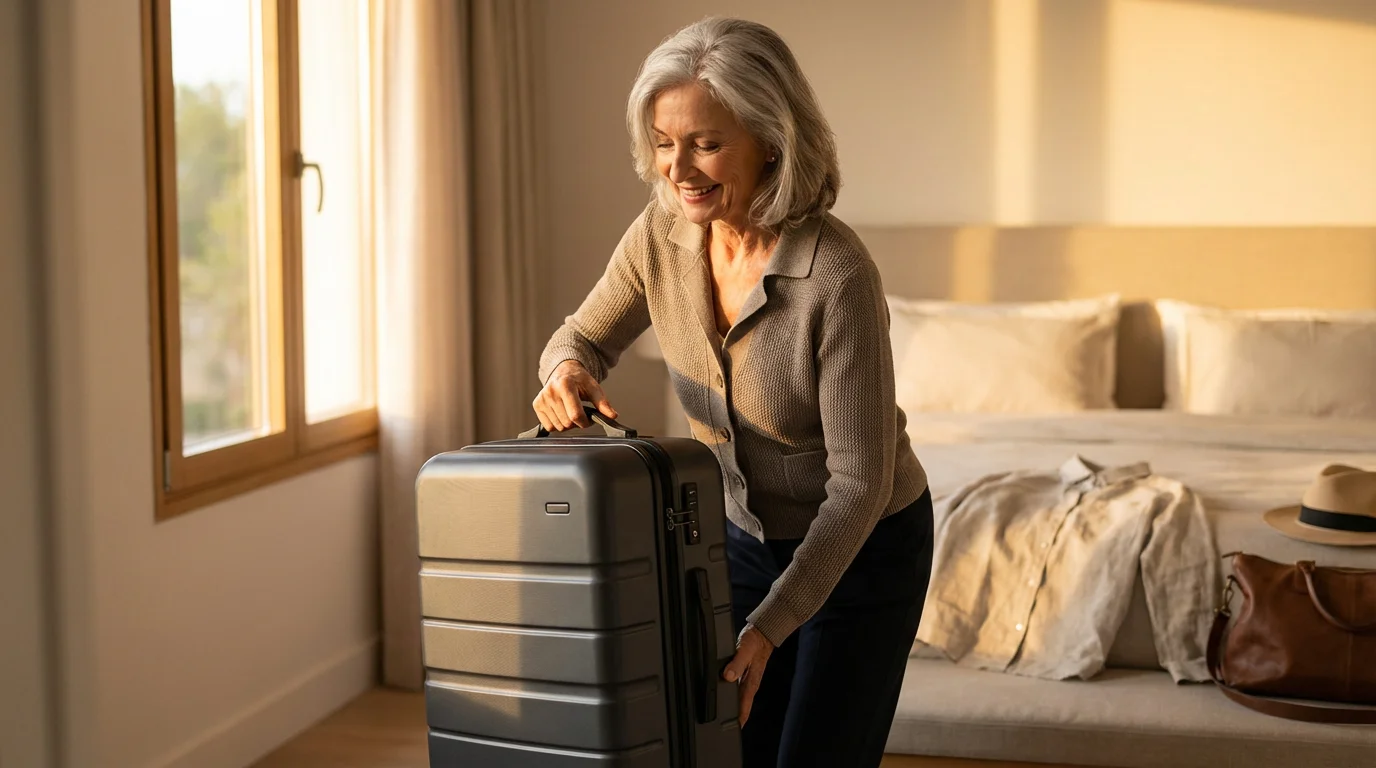
Selecting the right luggage sets the tone for your entire trip. Consider your destination, trip duration, and planned activities. Your choice impacts ease of movement and overall comfort.
For travelers managing physical challenges, exploring accessible adventures for seniors can help identify destinations and accommodations that cater specifically to limited mobility.
For shorter trips or carry-on only travel, a lightweight, durable rolling bag makes an excellent choice. Many airlines restrict carry-on sizes and weights, so verify these limits before you depart. Opt for bags with sturdy wheels and comfortable handles to navigate airports and train stations with ease.
If your adventure requires more gear, a checked bag provides ample space. Look for luggage constructed from robust materials that withstand the rigors of travel. Evaluate the weight of the empty bag; a lighter suitcase means you can pack more essentials without exceeding airline weight limits. For active adventures like hiking or safaris, a travel backpack or duffel bag might serve you better, offering flexibility and hands-free mobility.
Carry-on vs. Checked Bag Considerations for Seniors
| Feature | Carry-On Bag | Checked Bag |
|---|---|---|
| Convenience | Immediate access to belongings, no waiting at baggage claim. | More space for items, less to carry through the airport. |
| Security | Stays with you, lower risk of loss or damage. | Handled by airline staff, higher risk of delays or loss. |
| Packing Limits | Strict size and weight limits (usually 22x14x9 inches, 15-20 lbs). | Generous weight limits (usually 50 lbs), larger dimensions allowed. |
| Cost | Often free on most airlines, especially for domestic travel. | Typically incurs additional fees per bag, per flight segment. |
| Mobility | Easier to manage independently, fits in overhead bins. | Requires handling at check-in and baggage claim, heavier to lift. |
Choosing wisely helps you avoid unnecessary stress and ensures your belongings arrive with you.
Clothing Essentials for Comfort and Climate
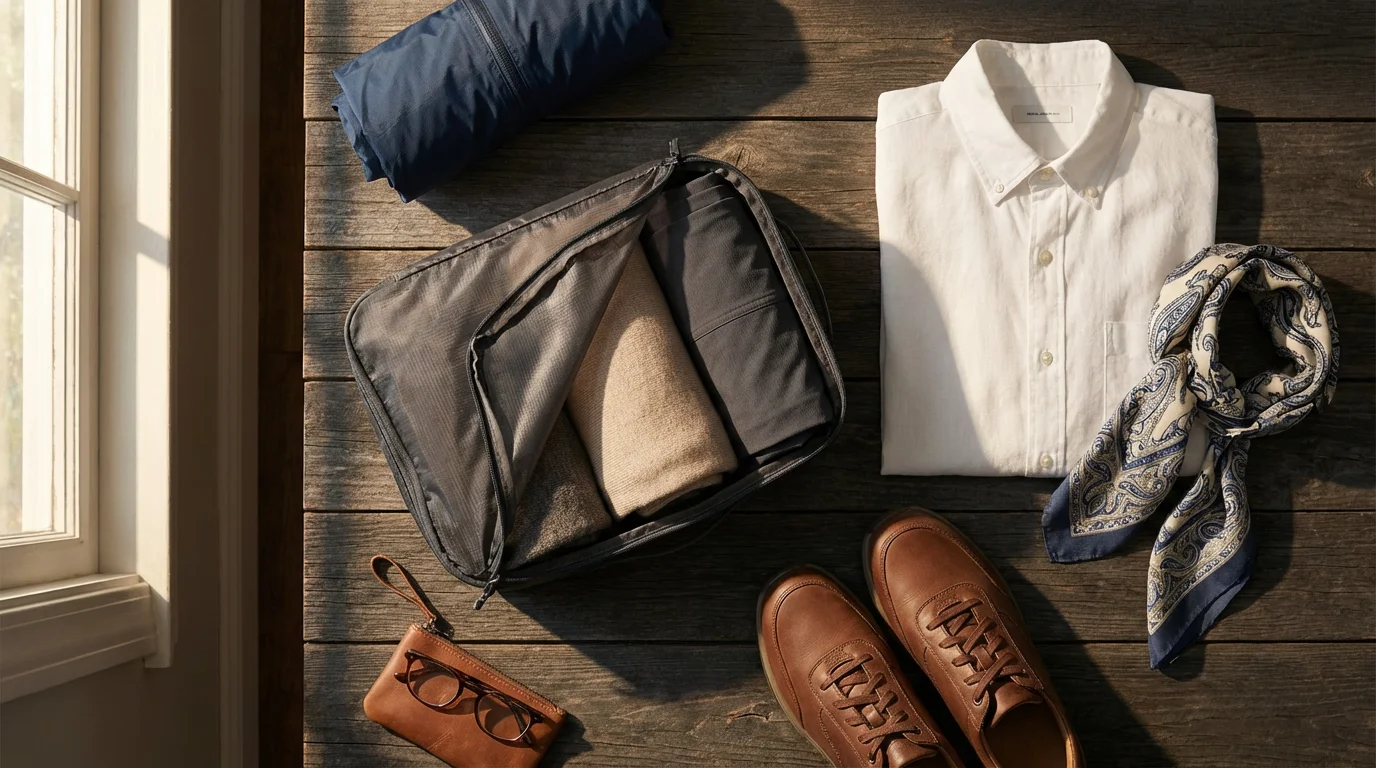
Smart clothing choices significantly enhance your travel experience. You need versatility, comfort, and adaptability to various climates and activities. Embrace the power of layering to manage fluctuating temperatures throughout your journey.
Preparing for senior-friendly camping adventures requires a specific focus on gear that balances rugged durability with personal comfort.
If your journey takes you off the beaten path, remember to check a list of essential items for a senior hiker’s backpack to stay safe on the trail.
Pack items that mix and match easily, creating multiple outfits with fewer pieces. Focus on comfortable, breathable fabrics that dry quickly. Avoid heavy cotton which retains moisture and takes longer to dry. Prioritize comfortable walking shoes, as you will likely spend significant time on your feet exploring.
Your Versatile Clothing Checklist
- Undergarments: Enough for your trip duration, plus a few extra. Consider quick-drying fabrics for easier washing on the go.
- Socks: Moisture-wicking socks prevent blisters and keep your feet comfortable, especially important for active travel.
- Comfortable Walking Shoes: Two pairs are ideal, allowing one to dry if wet and providing variety. Ensure they offer good support.
- Sandals or Slip-ons: Perfect for relaxing evenings, hotel rooms, or beach destinations.
- Pants/Shorts: Pack versatile options like travel pants, jeans, or comfortable shorts. Two to three pairs usually suffice for a week-long trip.
- Shirts/Blouses: Focus on breathable, wrinkle-resistant tops. Three to five shirts offer enough variety.
- Sweater/Fleece Jacket: A warm layer is essential even in warmer climates, especially for evenings or air-conditioned spaces.
- Lightweight Rain Jacket: A waterproof and windproof jacket provides protection against unexpected weather.
- Sleepwear: Comfortable pajamas or lounging clothes for a good night’s rest.
- Swimsuit: If your trip includes water activities or hotel pools.
- Dressier Outfit: One adaptable outfit for special dinners or events.
Remember to check the weather forecast for your destination just before departure to fine-tune your clothing choices.
Health and Wellness: Prioritizing Your Well-being
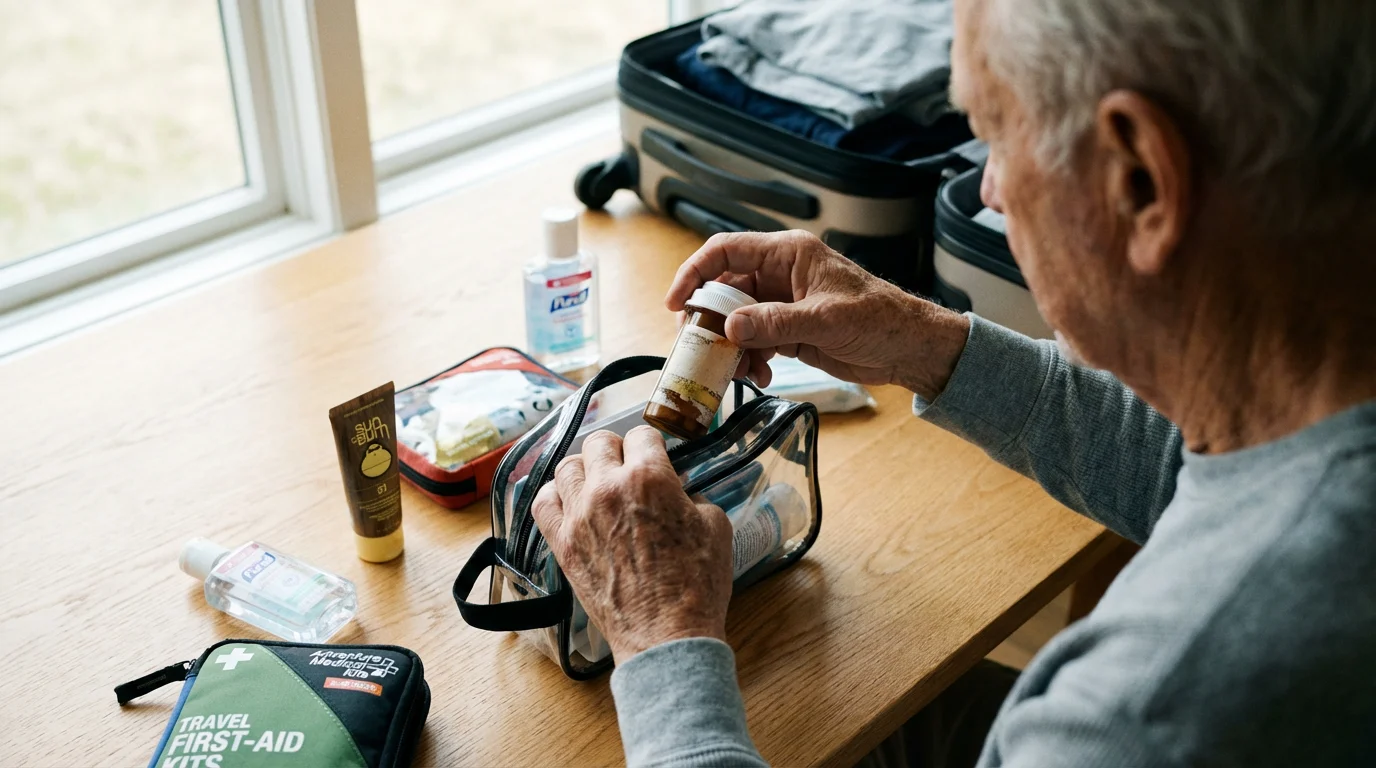
Your health and safety remain paramount while traveling. Proactive planning ensures you address any medical needs and prepare for minor emergencies. Carrying your essential medications and a basic first aid kit provides peace of mind.
If you are part of a larger group, review these practical tips for staying healthy to maintain your energy throughout the trip.
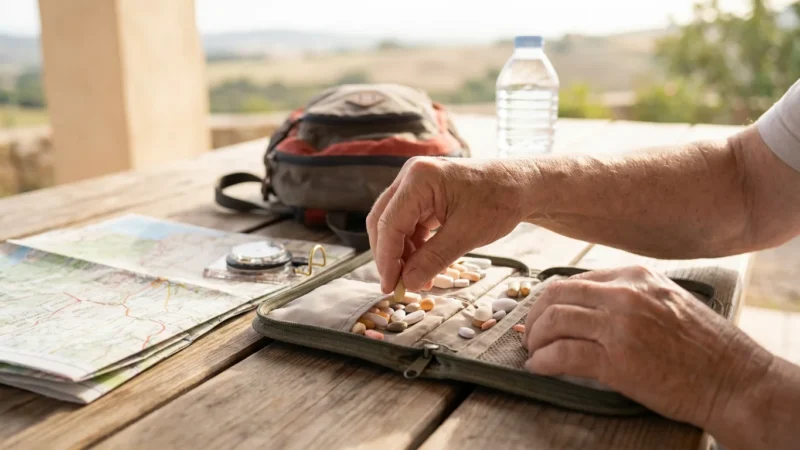
Always pack prescription medications in your carry-on bag, in their original containers, with accompanying prescriptions. This simplifies customs checks and ensures access if your checked luggage gets delayed. Inform your doctor about your travel plans, especially for international trips, to discuss necessary vaccinations or precautions. Consult the CDC Travelers’ Health website for country-specific health recommendations.
Essential Health and Safety Items
- Prescription Medications: Pack more than you need for the trip duration. Include a copy of your prescription and doctor’s contact information.
- Over-the-Counter Medications: Pain relievers, antacids, allergy medicine, motion sickness remedies.
- Basic First Aid Kit: Band-aids, antiseptic wipes, sterile gauze, medical tape, antibiotic ointment, hydrocortisone cream.
- Sunscreen: Protect your skin from harmful UV rays, regardless of the climate.
- Insect Repellent: Especially crucial for outdoor activities or destinations with mosquito-borne illnesses.
- Hand Sanitizer: Maintain hygiene easily when soap and water are unavailable.
- Moisturizer/Lip Balm: Combat dry airplane air and unfamiliar climates.
- Reading Glasses/Spare Pair: Never get caught without clear vision.
- Medical Alert Bracelet/Information: If you have specific medical conditions.
- Travel Insurance Documents: Keep these accessible in case of medical emergencies or trip interruptions.
Stay hydrated, listen to your body, and do not hesitate to seek medical assistance if needed. Your well-being directly impacts your ability to enjoy the adventure.
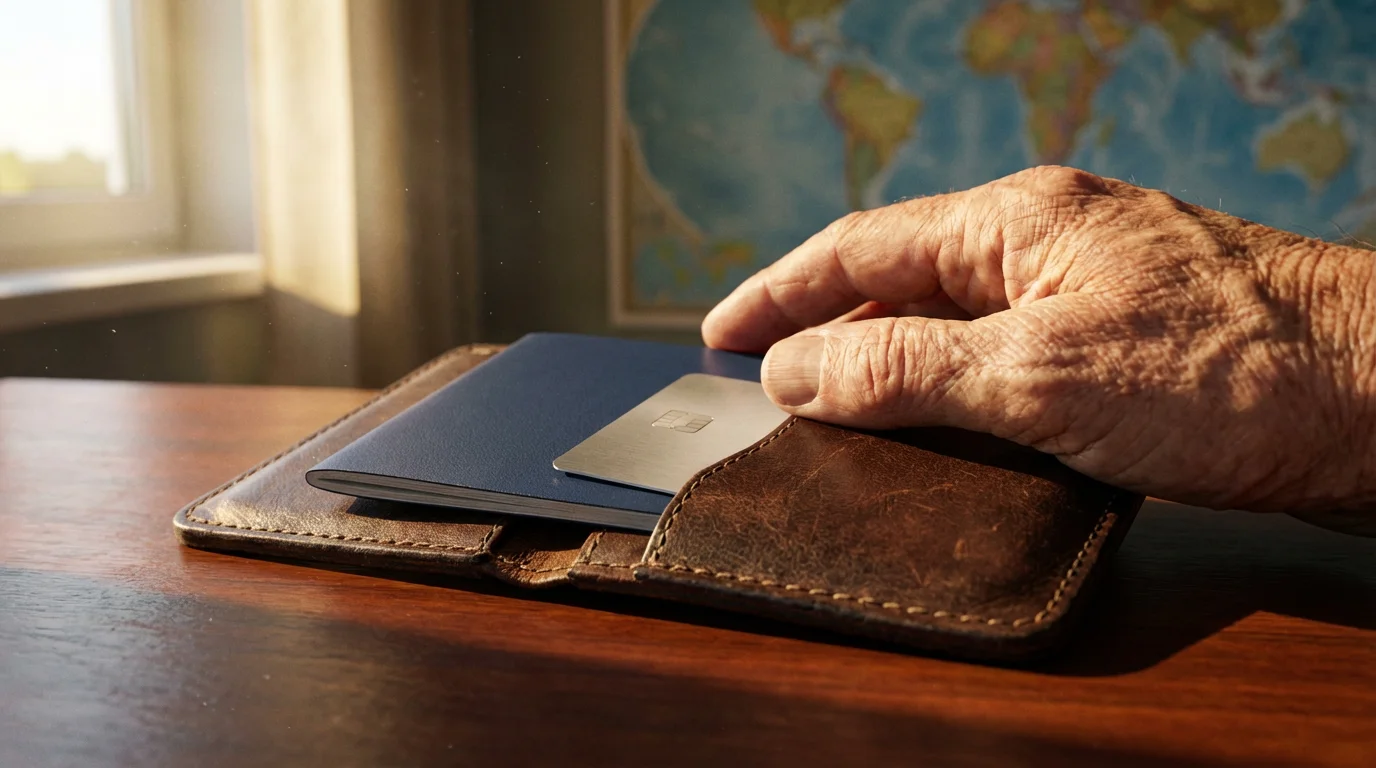
Essential Documents and Financial Preparedness
Careful organization of your travel documents and finances prevents significant headaches on the road. Losing vital papers or running into financial troubles can quickly derail an otherwise perfect trip. Take proactive steps to secure your important information.
Combining a great packing list with affordable senior travel strategies allows you to explore more destinations while staying within your budget.
Make both physical and digital copies of all essential documents. Store digital copies securely in the cloud or on an encrypted USB drive. Share copies with a trusted family member or friend. Notify your bank and credit card companies of your travel plans to prevent holds on your accounts due to unusual spending patterns.
Crucial Documents and Financial Necessities
- Identification:
- Passport (valid for at least six months beyond your return date for international travel).
- Visa (if required for your destination, check State Department Travel for specific country requirements).
- Driver’s License (if you plan to drive or as a secondary ID).
- Travel Itinerary & Booking Confirmations: Flights, accommodations, tours, car rentals. Keep both printouts and digital copies.
- Insurance Cards: Health insurance, travel insurance, car insurance (if driving).
- Emergency Contact Information: A list of family members, doctors, and your embassy/consulate.
- Financials:
- Credit and debit cards (inform your bank of your travel dates).
- Emergency cash (local currency and a small amount of USD for international travel).
- Small secure money belt or neck pouch for valuables.
Carry a photocopy of your passport and visa separately from the originals. This expedites replacement if the originals are lost or stolen.
“The world is a book and those who do not travel read only one page.” — Saint Augustine
Tech and Connectivity for the Modern Senior
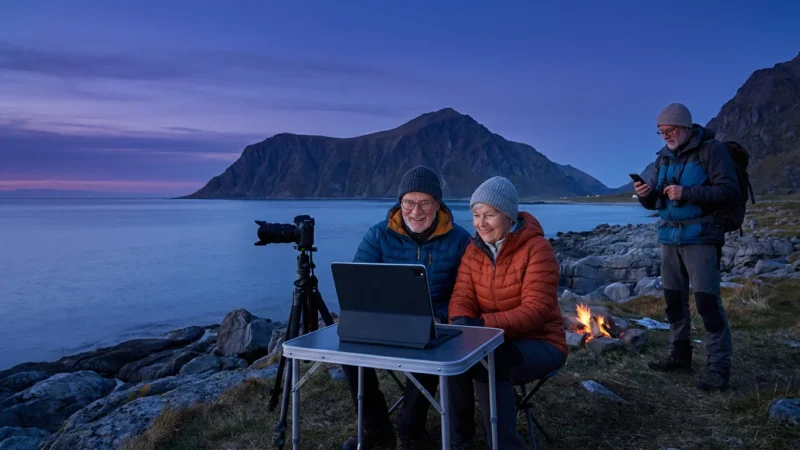
Staying connected and capturing memories adds another layer of enjoyment to your travels. While disconnecting can be part of the adventure, having essential tech ensures communication, navigation, and entertainment. Choose your gadgets wisely to avoid unnecessary bulk.
Proper tech choices are particularly important for staying safe and connected on the road when traveling alone.
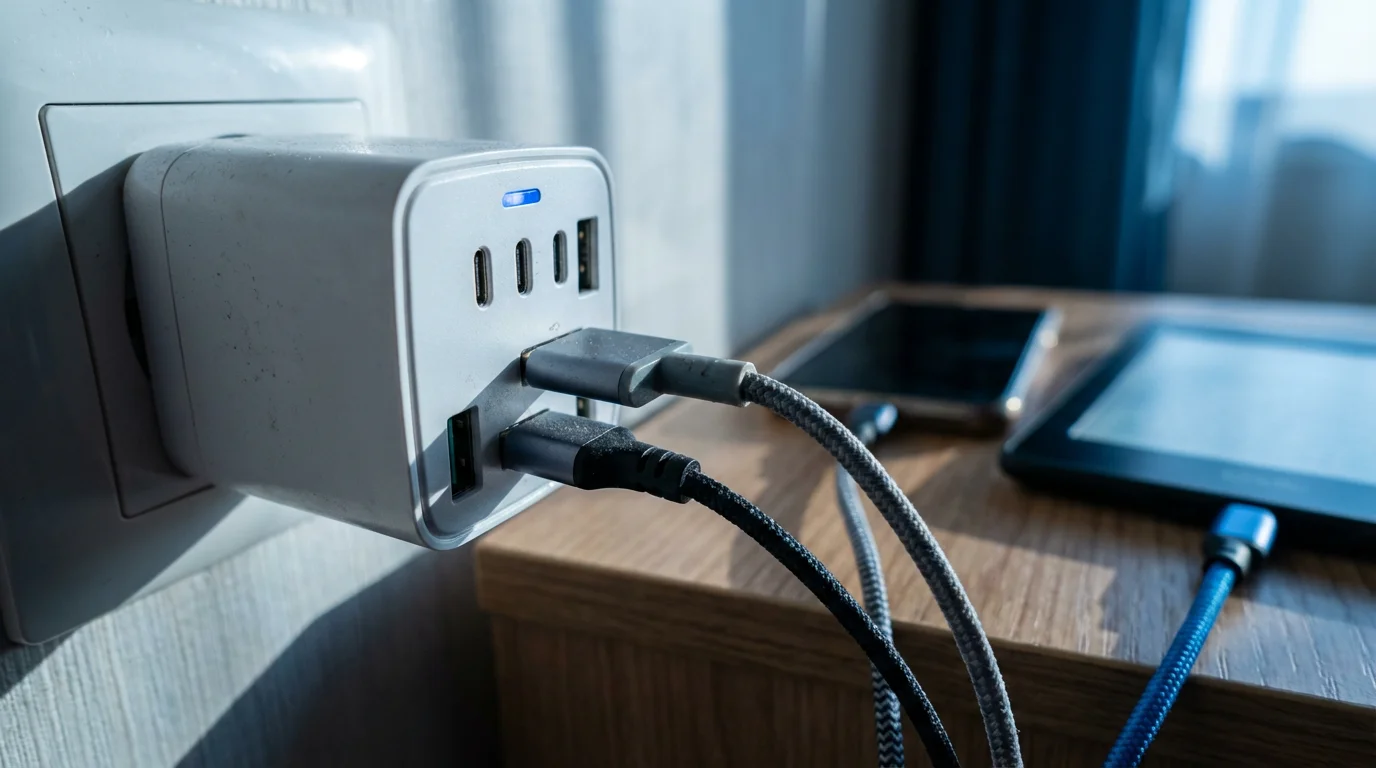
Your smartphone often serves as your primary tool, providing a camera, GPS, communication, and access to travel apps. Ensure you have the necessary chargers and adapters for all your devices. Consider a portable power bank, which proves invaluable for long travel days or when power outlets are scarce.
Your Tech and Connectivity Toolkit
- Smartphone and Charger: Pre-load with maps, translation apps, and your airline/hotel apps.
- Portable Power Bank: Keeps your devices charged on the go.
- Universal Travel Adapter: Essential for international travel, ensuring compatibility with various power outlets.
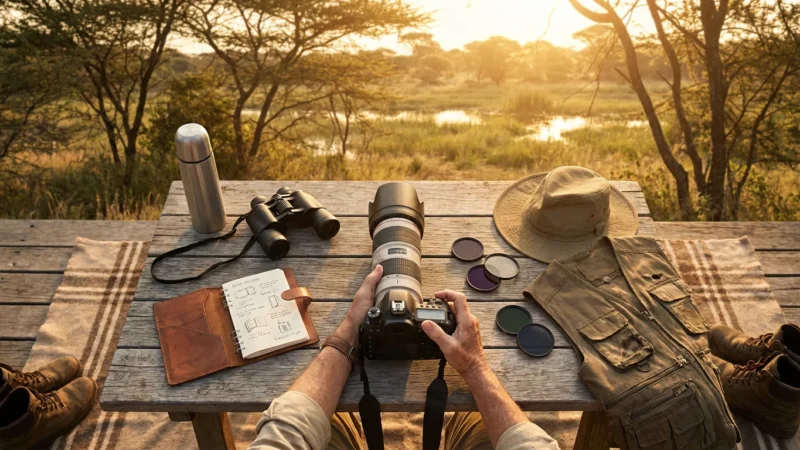
- Camera (and spare battery/memory card): If you prefer dedicated photography over your phone.
- E-reader or Tablet: For entertainment during downtime. Download books or movies before you leave.
- Headphones: Noise-canceling headphones enhance comfort on flights or busy public transport.
- Small Flashlight or Headlamp: Useful for navigating unfamiliar spaces at night or during power outages.
Before you depart, download offline maps and content to your devices. This saves data and provides access even without an internet connection. Remember to secure your devices in public places.
Personal Comfort and Convenience Items
Enhancing your personal comfort transforms a good trip into a great one. Small, thoughtful items make a significant difference in how you experience travel, particularly on long journeys or during unexpected delays. These items address minor inconveniences and promote relaxation.
Think about what makes you feel at home and how you can replicate that comfort in a portable form. A good travel pillow, for instance, can drastically improve sleep quality on a plane or bus. Packing a few familiar snacks helps ward off hunger pangs and provides a taste of home.
Items for Enhanced Comfort and Convenience
- Travel Pillow, Eye Mask, Earplugs: Crucial for rest on planes, trains, or in noisy accommodations.
- Reusable Water Bottle: Stay hydrated and reduce plastic waste. Many airports offer refill stations.
- Small Daypack or Tote Bag: Perfect for daily excursions, carrying essentials like water, snacks, and a light jacket.
- Reading Material: A book, magazine, or journal provides personal entertainment and a chance to reflect.
- Pens and Small Notebook: For jotting down notes, addresses, or travel memories.
- Snacks: Healthy, non-perishable snacks provide energy between meals.
- Personal Toiletries: Travel-sized versions of your favorite shampoo, conditioner, body wash, toothbrush, and toothpaste.
- Comfortable Slippers: For relaxing in your hotel room.
- Small Sewing Kit: For quick repairs to clothing.
These items, though seemingly minor, contribute significantly to your overall well-being and enjoyment throughout your adventure.

Smart Packing Strategies: Maximize Space, Minimize Stress
Efficient packing involves more than just selecting items; it requires strategic organization. Smart packing saves space, reduces wrinkles, and makes finding what you need effortless. You minimize the chances of overpacking, which often leads to extra fees and unnecessary burdens.
Consider the “rule of three” for many items: three tops for every two bottoms, and one outer layer for every three outfits. This promotes versatility and reduces bulk. Distribute weight evenly across your luggage, especially if you carry more than one bag. Always check airline restrictions on liquids and prohibited items before packing. The TSA website offers comprehensive guidelines for security screening.
Top Packing Tips for Senior Travelers
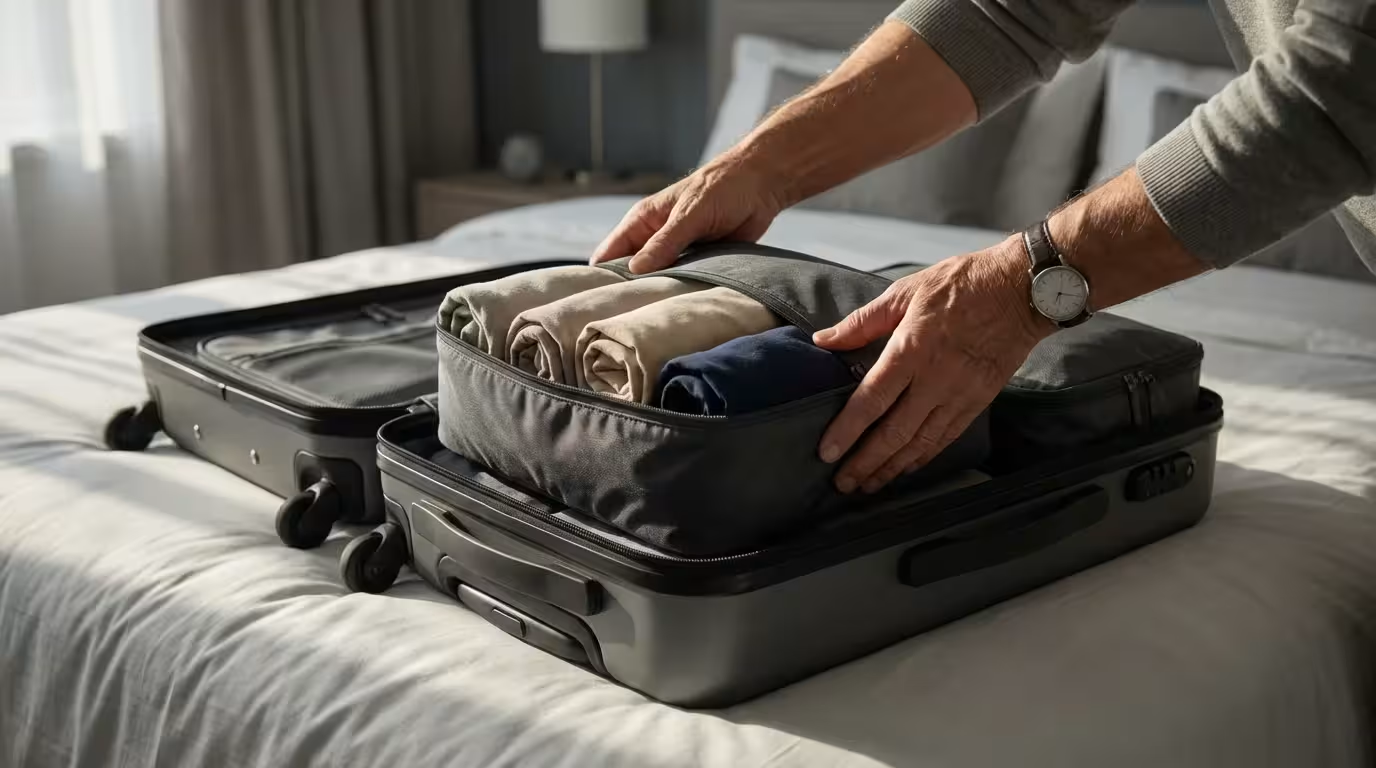
- Roll Your Clothes: Rolling items tightly saves space and minimizes wrinkles more effectively than folding.
- Utilize Packing Cubes: These organizational tools compress clothes and keep different types of items separate, making unpacking and repacking simpler.
- Wear Your Heaviest Items: Wear your bulkiest shoes and heaviest jacket on the plane or during transit. This frees up valuable luggage space.
- Strategize Toiletries: Use travel-sized containers or solid toiletries. Place liquids in a clear, resealable bag at the top of your carry-on for easy access during security checks.
- Stuff Small Items: Fill shoes with socks, underwear, or small accessories to maximize every inch of space.
- Plan Outfits: Lay out each day’s outfit, or plan mix-and-match combinations. This prevents overpacking unnecessary items.
- Leave Room for Souvenirs: Resist the urge to pack your bag to its absolute limit. You might want space for treasures you discover.
Remember, the goal is to pack smart, not just to pack light. You want everything you need without any excess.

Pre-Departure Checklist: Beyond the Suitcase
Your preparation extends beyond packing your bags. A thorough pre-departure checklist ensures your home remains secure and your travel plans are in order. This proactive approach allows you to leave with confidence and fully enjoy your adventure, knowing everything at home is handled.
Confirm all bookings and reservations, from flights to hotel stays and tour operators. Share your itinerary with a trusted family member or friend. This provides a safety net and keeps others informed of your whereabouts. Managing your affairs at home before you leave means you return to a smooth transition.
Essential Steps Before You Go
- Confirm All Reservations: Double-check flight times, hotel bookings, and tour schedules.
- Notify Your Bank and Credit Card Companies: Inform them of your travel dates and destinations to prevent fraud alerts or account freezes.
- Arrange for Home Security: Stop mail delivery, hold newspaper subscriptions, set light timers, and inform a trusted neighbor.
- Pet and Plant Care: Arrange for sitters or automatic feeders for pets, and ensure plants receive care.
- Pay Bills: Settle any upcoming bills or set up automatic payments to avoid late fees.
- Charge All Devices: Ensure your phone, e-reader, and power bank are fully charged.
- Organize Home Documents: Store important personal documents in a secure location.
- Share Your Itinerary: Give a detailed copy of your travel plans to a trusted contact.
- Review Travel Insurance: Understand your coverage for medical emergencies, trip cancellations, and lost luggage. AARP Travel offers resources on travel insurance.
Completing these steps creates a foundation of security and preparedness, letting you focus entirely on the excitement of your upcoming journey.
Frequently Asked Questions
How can I minimize luggage weight for air travel?
To minimize luggage weight, focus on versatile, lightweight, quick-drying fabrics that you can layer. Roll your clothes tightly or use compression packing cubes. Wear your heaviest shoes and jacket on the plane. Limit the number of shoes you bring, as they weigh the most. Opt for travel-sized toiletries or solid alternatives instead of full-sized bottles.
What are the common medication rules for air travel?
You should always pack prescription medications in your carry-on bag. Keep them in their original labeled containers, which helps streamline security checks. You can generally carry liquid medications in quantities exceeding the 3-1-1 rule, but you must declare them at security. Carry a copy of your prescription and your doctor’s contact information, especially for international travel.
Is travel insurance necessary for seniors?
Travel insurance is highly recommended for seniors. It provides crucial protection against unforeseen events such as medical emergencies, trip cancellations, lost luggage, and travel delays. Medical coverage is particularly important as existing health conditions may require specific attention, and standard health insurance often has limitations outside your home country. Research policies carefully to find one that fits your specific needs.
How do I handle money securely while traveling?
Carry a combination of credit cards, a debit card, and a small amount of local currency. Inform your bank of your travel dates and destinations to prevent your cards from being flagged. Use a money belt or a secure neck pouch for larger sums of cash and essential documents. Avoid displaying large amounts of cash. Use ATMs located inside banks or reputable establishments for withdrawals, and keep an eye on your surroundings.
What are essential items for a day trip from my main accommodation?
For a day trip, pack a small daypack with essentials such as a reusable water bottle, a few non-perishable snacks, a light rain jacket or compact umbrella, sunscreen, a small first aid kit, your phone, portable power bank, and any necessary medications. Also, carry local currency and a copy of your ID. Comfort remains key for an enjoyable day out.
Packing for your next adventure becomes an exciting part of the journey itself. You now possess a comprehensive guide to ensure you bring everything necessary for a comfortable, safe, and fulfilling travel experience. Embrace the spirit of exploration with confidence, knowing you have prepared well. The world awaits your discovery, so pack smart, travel often, and create unforgettable memories.
If you are still deciding on your next trip, consult our guide on choosing the right senior group tour to find an adventure that matches your style.
Disclaimer: This article is for informational purposes only. Travel conditions, accessibility, and requirements change frequently. We encourage readers to verify current information with official sources before traveling. Always consult with healthcare providers about travel considerations for your specific health situation.



Leave a Reply