
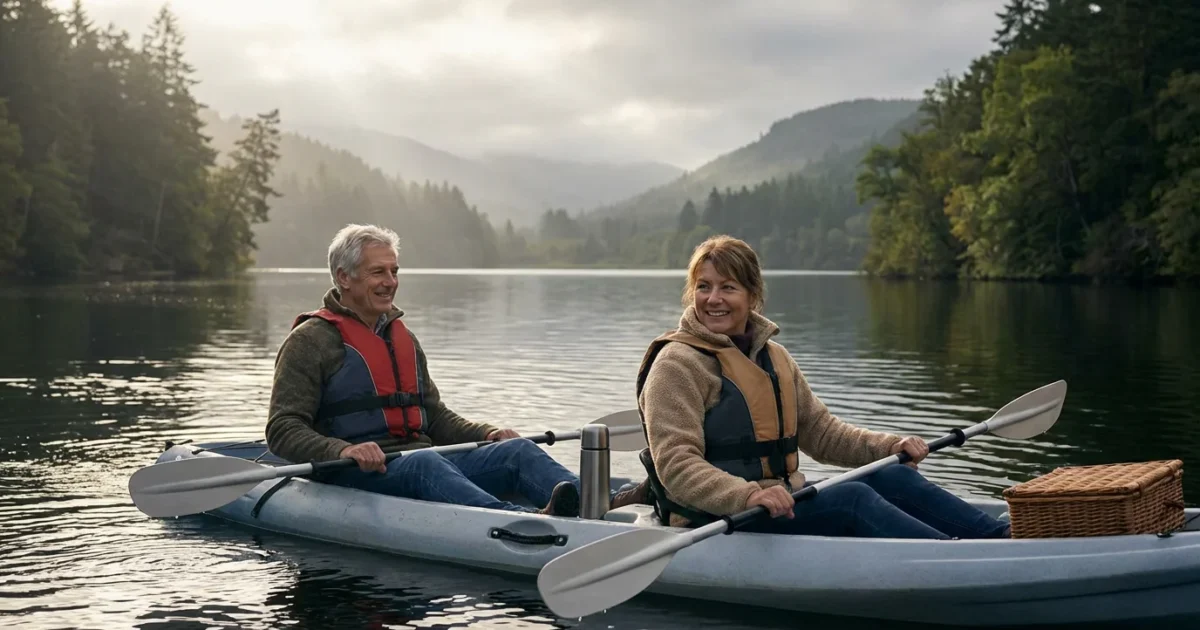
Embrace the tranquility of the water and the joy of discovery. Kayaking offers seniors a wonderful way to connect with nature, stay active, and explore breathtaking landscapes. It is a low-impact activity, gentle on your joints, and incredibly rewarding.
For those who enjoy the serenity of the water, fishing for relaxation is another fantastic way to spend a quiet morning outdoors.
Imagine gliding across a calm lake, the only sounds a gentle splash of your paddle and birdsong. You do not need to be an athlete to enjoy this peaceful adventure. With the right approach and equipment, senior kayaking becomes an accessible and invigorating pursuit for everyone.
Table of Contents
- Choosing Your Kayak: Comfort and Stability
- Essential Gear for a Safe Paddle
- Mastering Basic Kayaking Techniques
- Prioritizing Kayaking Safety
- Finding the Perfect Paddling Spots
- Planning Your Kayaking Adventure: Tips and Tricks
- Health Benefits of Kayaking for Seniors
- Frequently Asked Questions
Choosing Your Kayak: Comfort and Stability
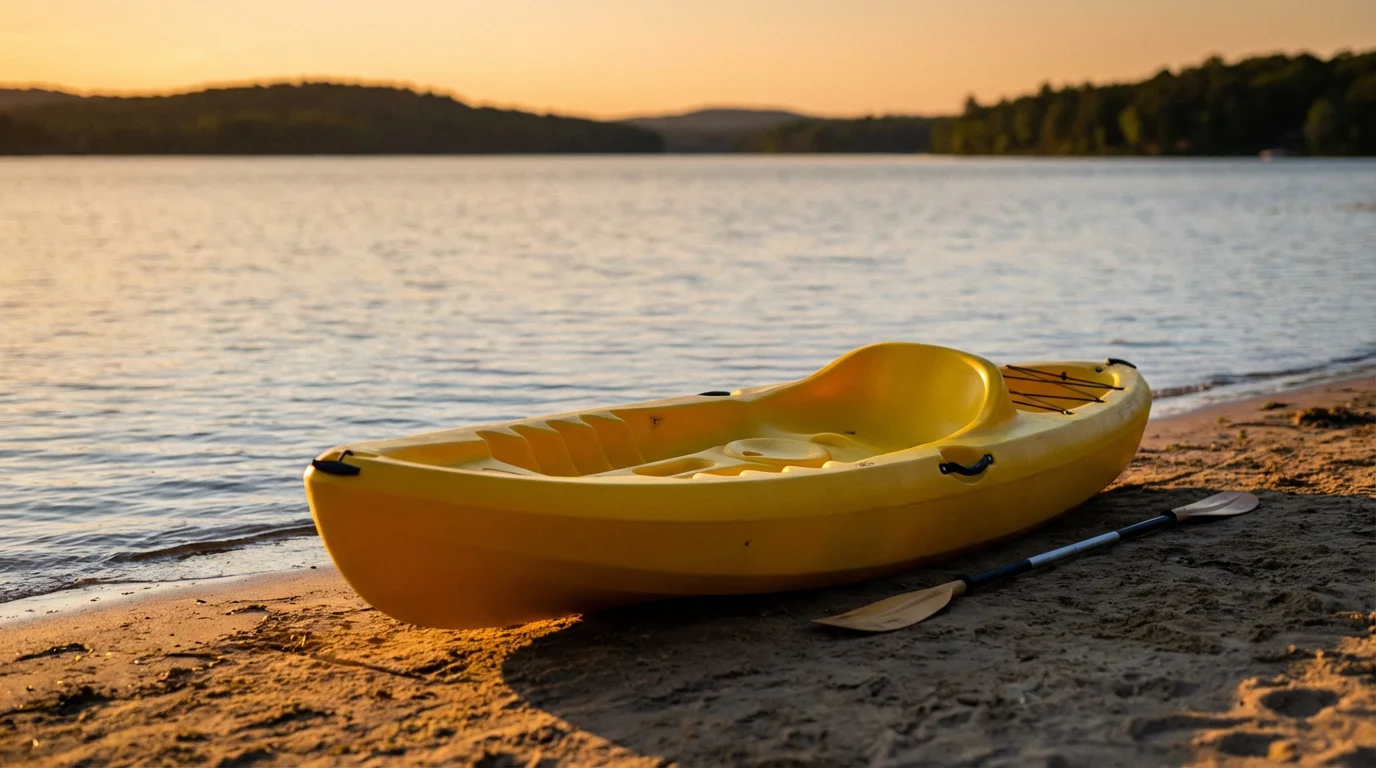
Selecting the right kayak makes all the difference for a comfortable and enjoyable experience. Focus on stability, ease of entry, and comfortable seating. Your kayak should feel like an extension of you, not a challenge to conquer.
For many, planning RV adventures provides the ultimate way to bring their own kayak and gear to remote, beautiful locations.
Consider the “sit-on-top” kayak design first. These kayaks offer excellent stability and allow for easy entry and exit, even from the water. Their open design means you do not feel enclosed, which many seniors find reassuring.
Another excellent option for senior comfort is a wider, recreational sit-in kayak. These models often feature larger cockpits, making it easier to get in and out. They also provide good primary stability, preventing tips.
Kayak Type Comparison for Seniors
| Kayak Type | Pros for Seniors | Cons for Seniors |
|---|---|---|
| Sit-on-Top Kayak | Very stable, easy entry/exit, self-bailing (water drains out), open feel. | Less protection from elements, generally slower. |
| Recreational Sit-in Kayak | Good stability, moderate protection from elements, often more efficient paddling. | Entry/exit can be slightly harder than sit-on-top, can feel enclosed. |
| Inflatable Kayak | Portable, often very stable, comfortable seats. | Slower, susceptible to punctures, requires inflation/deflation. |
| Tandem Kayak | Shares paddling effort, good for couples or with a friend, enhanced stability. | Requires coordination with a partner, heavier to transport. |
When asking, what is the best kayak for senior comfort?, prioritize features like adjustable, padded seats and spacious footwells. Many kayaks now come with comfortable backrests that provide essential lumbar support, preventing aches during longer paddles.
Essential Gear for a Safe Paddle
Proper gear enhances your comfort and ensures your safety on the water. Never compromise on safety equipment. A small investment in quality gear pays dividends in peace of mind and enjoyment.
If you want to stay near the water overnight, you can find tips for camping comfortably to ensure a restful experience between paddling sessions.
Always check the weather forecast before heading out. Dress in layers, using quick-drying synthetic fabrics. Even on warm days, water temperatures can be cooler, and unexpected splashes are common.
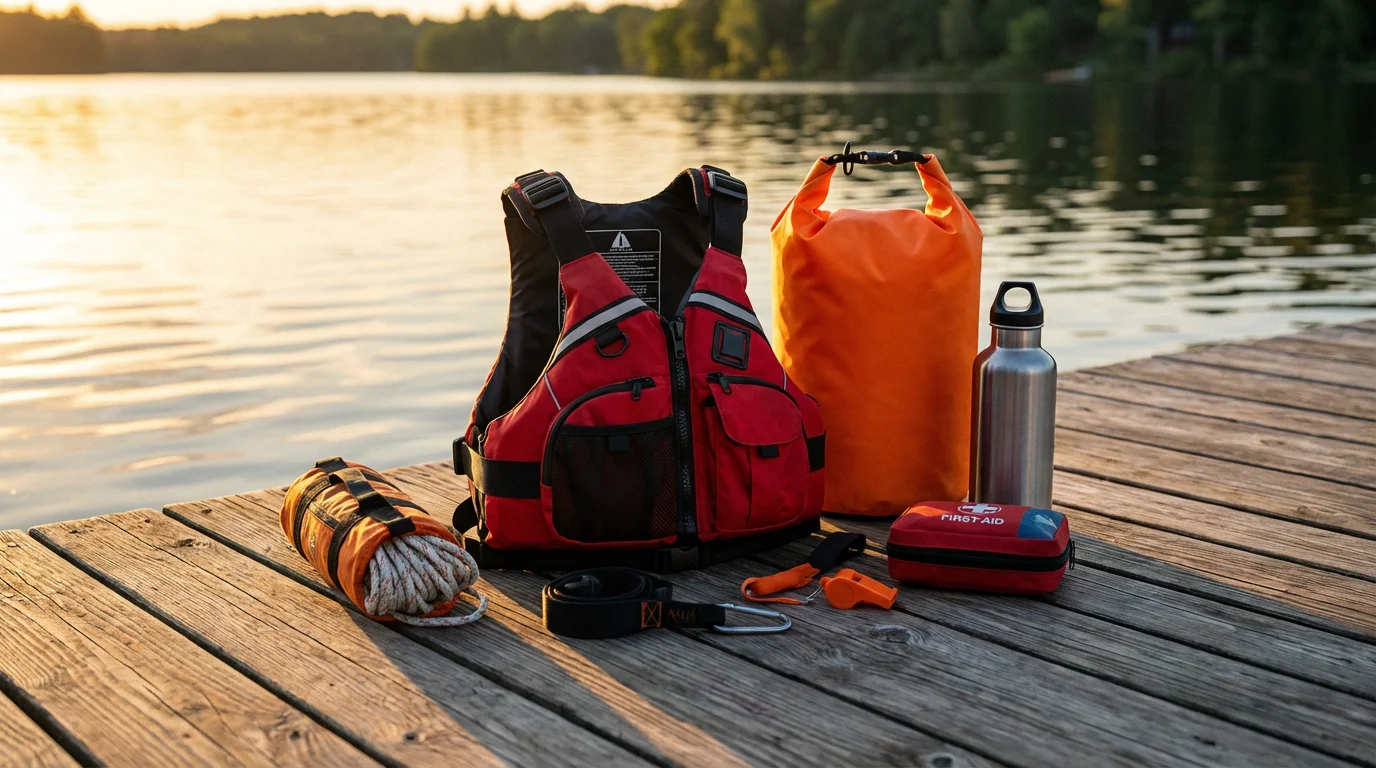
Mandatory Kayaking Gear List
- Personal Flotation Device (PFD): A Coast Guard-approved life vest is non-negotiable. Wear it at all times on the water. Ensure it fits snugly but comfortably.
- Paddle: Choose a lightweight paddle of appropriate length for your height and kayak width. A lighter paddle reduces arm fatigue.
- Whistle: Attach a marine-grade whistle to your PFD for signaling in emergencies.
- Sun Protection: Wide-brimmed hat, sunglasses with a retention strap, and waterproof sunscreen (SPF 30+).
- Water Bottle: Stay hydrated, even if you do not feel thirsty.
- Dry Bag: Protect your phone, keys, and snacks from water.
- First-Aid Kit: A basic kit for minor scrapes, blisters, or insect bites.
- Water Shoes or Sandals: Protect your feet from sharp rocks or shells when launching or landing.
Mastering Basic Kayaking Techniques
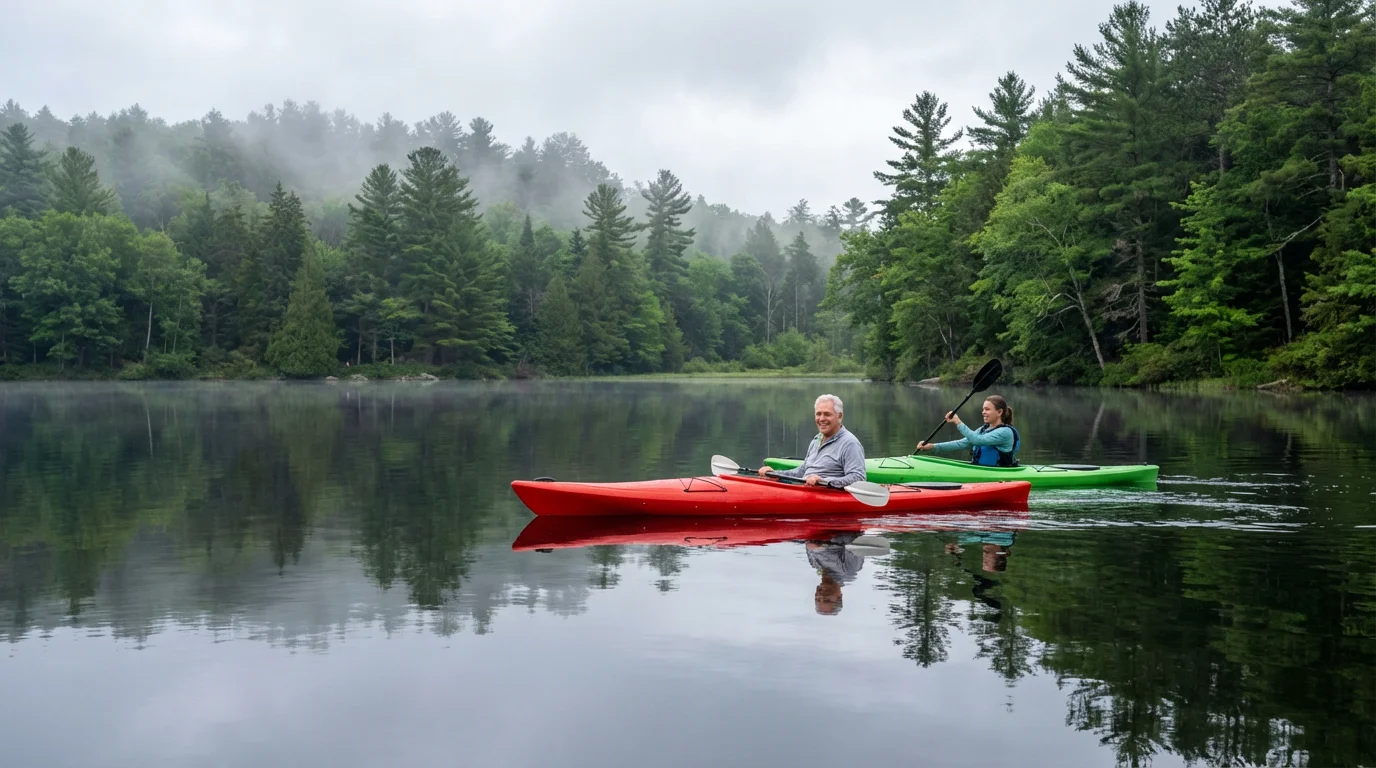
You do not need to be a paddling pro to enjoy kayaking. Mastering a few fundamental techniques helps you navigate efficiently and conserve energy. Gentle paddling is key to an enjoyable experience for seniors.
Paddling is also a great social outlet, much like joining a group hike, which allows you to connect with other nature-loving seniors.
Start with a lesson or two from a certified instructor. Many local outfitters offer beginner courses that cover launching, basic strokes, and recovery techniques. These lessons build confidence and reduce common beginner frustrations.
Fundamental Kayaking Strokes
- Forward Stroke: Reach forward, immerse the blade fully, and pull back smoothly alongside the kayak. Emphasize torso rotation over arm strength to conserve energy.
- Backward Stroke: To move backward or stop, place the blade near your hip and push forward.
- Sweep Stroke: For turning, extend the paddle out and sweep it in a wide arc from front to back on the side opposite your desired turn.
- Rudder Stroke: Hold the paddle blade in the water behind you like a rudder to maintain direction.
Practice these strokes in calm, shallow water first. Focus on a relaxed grip and smooth, controlled movements. Remember, consistent gentle paddling is more effective than short bursts of intense effort.
Prioritizing Kayaking Safety
Safety is paramount for any senior adventure, especially on the water. Understanding and mitigating risks ensures you have a positive and secure experience. This helps answer how can seniors safely enjoy kayaking?
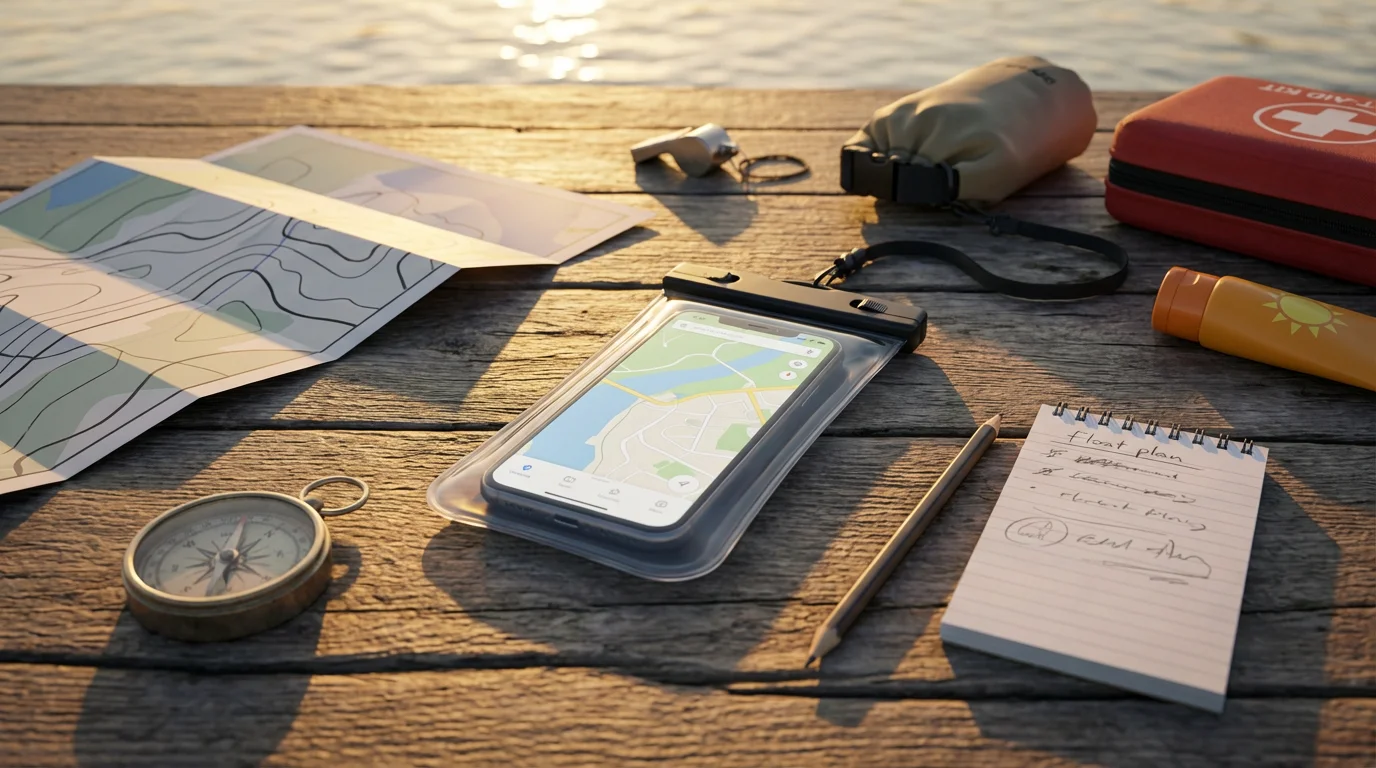
Always let someone know your float plan. Tell a friend or family member where you are going, your expected return time, and who is with you. Carry a fully charged phone in a waterproof case.
Be aware of weather conditions. Wind and currents can change quickly, making paddling much more challenging. Avoid kayaking in strong winds, currents, or rough water. Stay close to the shore on your first few outings.
“Twenty years from now you will be more disappointed by the things that you didn’t do than by the ones you did do. So throw off the bowlines. Sail away from the safe harbor. Catch the trade winds in your sails. Explore. Dream. Discover.” — Mark Twain
Key Kayaking Safety Practices
- Paddle with a Buddy: Always kayak with at least one other person, especially when starting out. Safety in numbers provides assistance if needed.
- Check Weather and Water Conditions: Look for calm waters and favorable forecasts. Avoid high winds, strong currents, or impending storms.
- Know Your Limits: Do not overexert yourself. Plan shorter trips initially and gradually increase duration as your stamina improves.
- Learn Self-Rescue: While many senior-friendly kayaks are stable, practice getting back into your kayak in shallow water with assistance.
- Stay Hydrated and Fueled: Bring enough water and snacks. Dehydration or low blood sugar can impair judgment and energy.
- Emergency Contacts: Carry a waterproof bag with emergency contact information and any necessary medications.
For more detailed information on water safety, consult resources like the National Park Service, which offers guidance on safe recreation in natural environments. https://www.nps.gov/
Finding the Perfect Paddling Spots
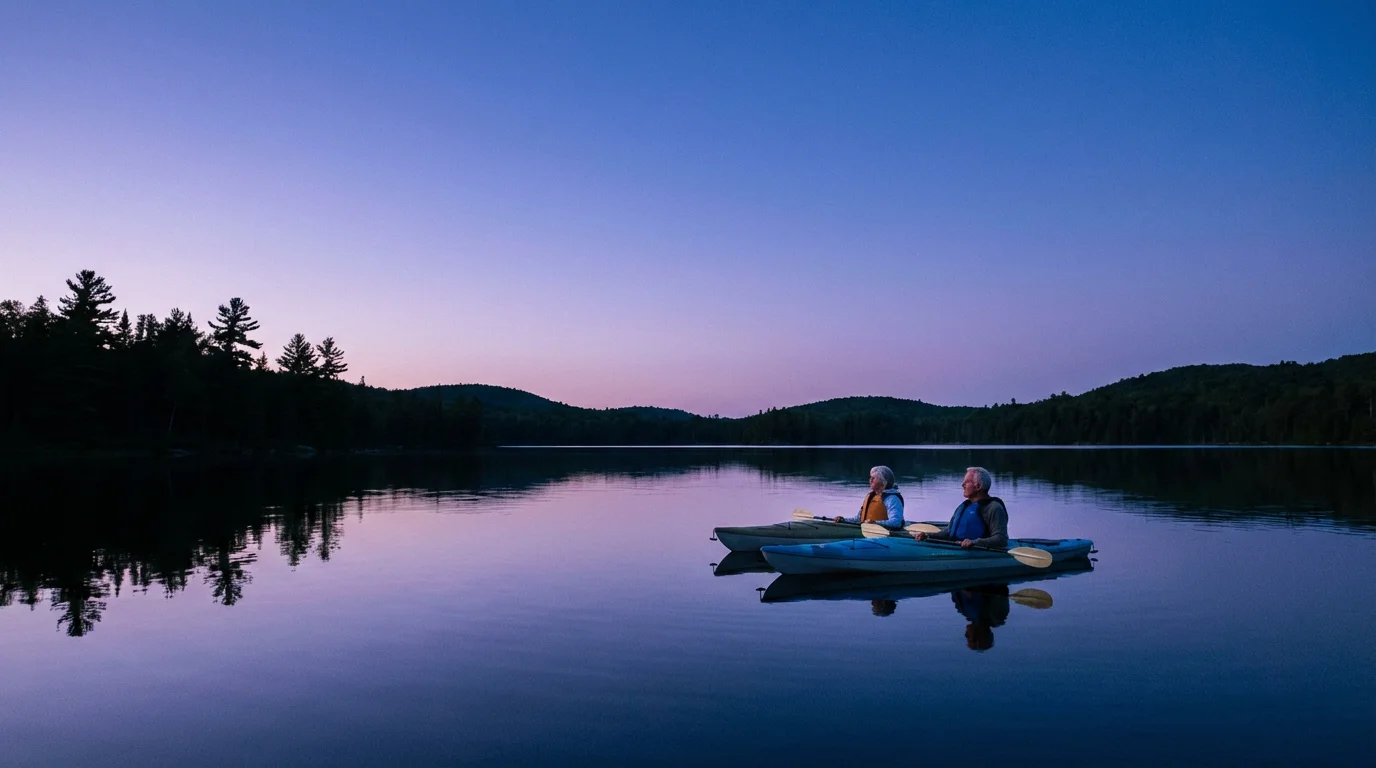
The beauty of senior kayaking lies in the endless array of serene waterways waiting for you. From glassy lakes to gentle rivers, countless locations offer safe and scenic paddling. Look for places designated for non-motorized boats.
The surrounding landscape often features scenic hiking trails that provide beautiful views of the water from a higher vantage point.
State parks and local recreation areas often feature calm lakes or slow-moving rivers ideal for beginners and seniors. Many also provide easy access points, picnic areas, and restroom facilities, enhancing your overall experience.
Ideal Senior Kayaking Destinations
- Local Lakes and Ponds: Often calm, protected from wind, and offer easy put-in points. Check for designated paddling areas.
- Slow-Moving Rivers: Rivers with minimal current provide a gentle downstream drift, reducing the effort needed for longer distances. Look for “no wake” zones.
- Coastal Bays and Inlets: Protected saltwater areas can be wonderful for wildlife viewing, but always be mindful of tides and boat traffic.
- National Parks and Forests: Many offer pristine waterways, providing unparalleled natural beauty. Sites like https://www.recreation.gov/ allow you to search for accessible recreation areas.
Before you go, research the launch and landing points. Look for accessible docks or sandy beaches that allow for easy entry and exit from your kayak. Consider renting first to explore different locations and kayak types.
Planning Your Kayaking Adventure: Tips and Tricks
Careful planning transforms a good outing into a great adventure. Thinking ahead about logistics, comfort, and potential challenges ensures a smooth and enjoyable senior kayaking trip. This step-by-step guide helps you organize your next paddle.
There are many budget-friendly travel tips that can help you plan a kayaking getaway without breaking the bank.
Start small and gradually increase the distance and duration of your trips. This approach builds your endurance and confidence. You will find that regular paddling improves your strength and balance over time.
Step-by-Step Kayaking Trip Planning
- Assess Your Physical Condition: Consult your doctor before starting any new physical activity. Be honest about your comfort level and stamina.
- Research Locations: Identify local lakes, rivers, or bays known for calm waters and senior-friendly access. Check reviews for launch difficulty.
- Gather Gear: Ensure you have all mandatory safety gear, comfortable clothing, and sun protection. Renting can be a great way to try different kayaks and gear without a large initial investment.
- Check Weather Forecasts: Never paddle in adverse weather. Strong winds, heavy rain, or thunderstorms pose significant risks.
- Pack Essentials: Water, snacks, first-aid kit, whistle, dry bag for electronics, and a fully charged phone.
- Inform Someone: Share your float plan with a trusted friend or family member.
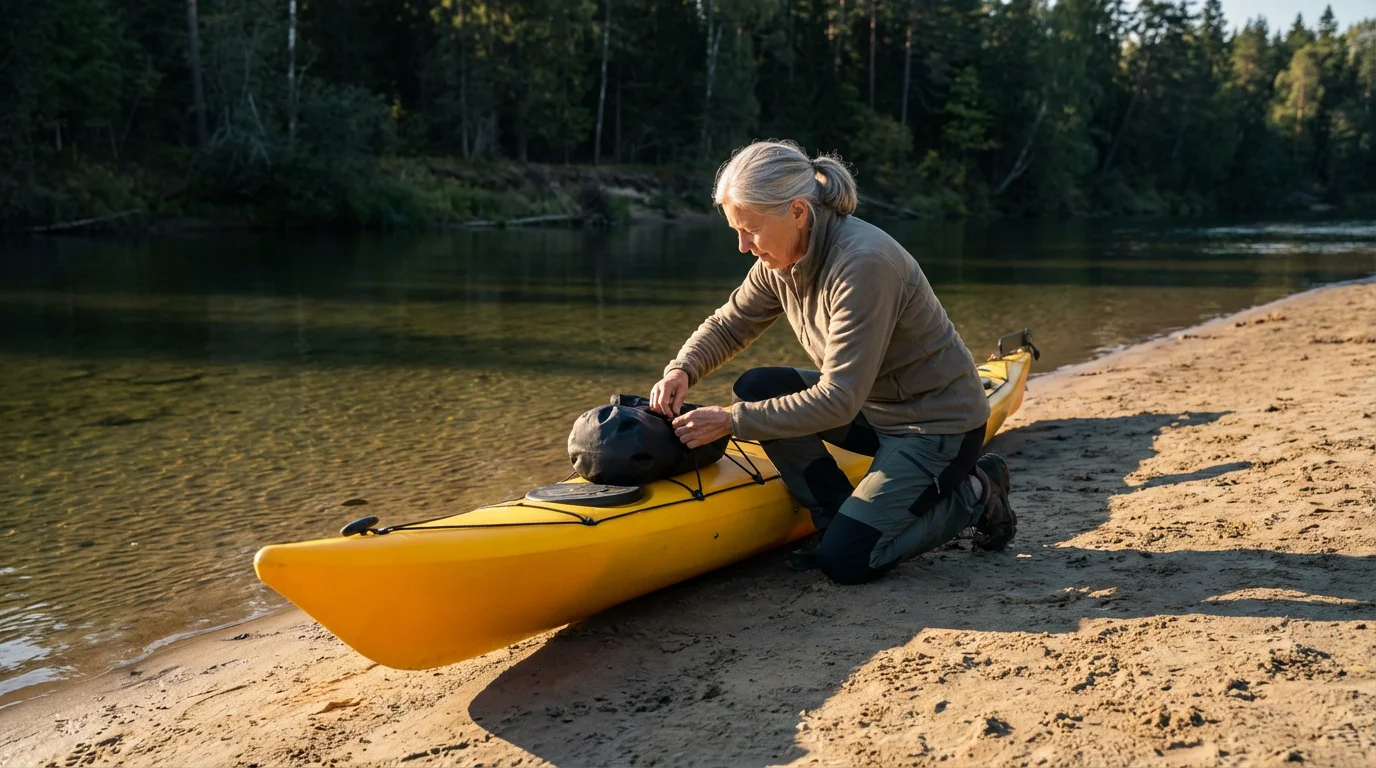
- Launch and Land Safely: Use accessible launch points. Take your time entering and exiting the kayak. Ask for assistance if needed.
- Pace Yourself: Paddle at a comfortable pace. Take breaks as needed. Enjoy the scenery.
Consider joining a local paddling club or guided tour. Organizations often offer trips tailored for various skill levels, including those perfect for seniors. This provides social interaction and expert guidance.
Health Benefits of Kayaking for Seniors
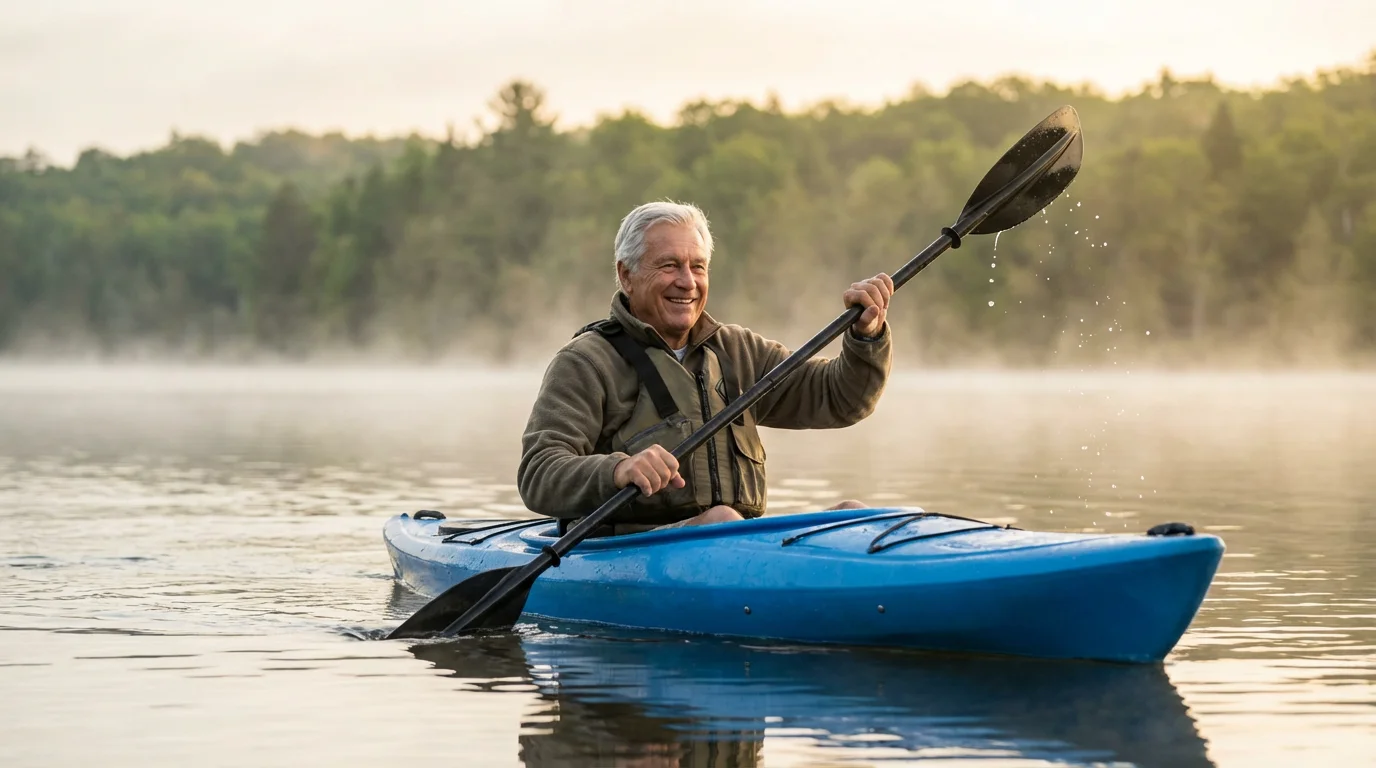
Kayaking offers a compelling combination of physical exercise and mental relaxation, making it an excellent activity for active aging. Engaging in regular paddling boosts your overall well-being in numerous ways.
You build core strength, arm strength, and shoulder strength without high-impact strain. The rhythmic motion of paddling also improves cardiovascular health and endurance. Plus, spending time outdoors in nature reduces stress.
Advantages of Kayaking for Seniors
- Low-Impact Exercise: Gentle on joints, making it suitable for those with arthritis or other mobility concerns.
- Improved Cardiovascular Health: Consistent paddling elevates heart rate, benefiting your heart and circulatory system.
- Enhanced Core and Upper Body Strength: The primary muscles used in kayaking are in your back, shoulders, arms, and abdomen.
- Better Balance and Coordination: Kayaking requires subtle balance adjustments, strengthening stabilizing muscles.
- Stress Reduction: The peaceful environment of natural waterways calms the mind and reduces anxiety.
- Vitamin D Exposure: Safe sun exposure supports bone health and mood. Always protect your skin.
- Social Connection: Group paddles or tandem kayaking offer opportunities for companionship and shared experiences.
Regular physical activity like senior kayaking contributes to a healthier, more vibrant lifestyle. It helps maintain cognitive function and fosters a sense of accomplishment. Explore more active aging tips at AARP Travel. https://www.aarp.org/travel/
Frequently Asked Questions
Is kayaking safe for seniors with limited mobility?
Yes, kayaking can be safe and enjoyable for seniors with limited mobility, provided you choose the right equipment and location. Sit-on-top kayaks with wide, stable hulls and accessible launch points are ideal. Look for kayaks with comfortable, supportive seats that offer easy entry and exit. Always paddle in calm, protected waters and consider a tandem kayak with a more experienced paddler.
What is the easiest type of kayak to get into for seniors?
Sit-on-top kayaks are generally the easiest type for seniors to get into and out of. Their open design means you simply sit on top of the hull, rather than having to slide your legs into a cockpit. They are also very stable, which adds to ease and confidence. Inflatable kayaks can also be easy to enter due to their soft sides and often higher seating positions.
How can seniors safely enjoy kayaking if they are beginners?
Beginner seniors should start by taking a basic kayaking lesson from a certified instructor. Always paddle with a partner or in a group. Choose calm, shallow waters, such as a small lake or slow-moving river, for your first outings. Wear a properly fitted personal flotation device at all times. Keep initial trips short, perhaps 30-60 minutes, and gradually increase duration as you gain confidence and stamina. Inform someone of your float plan before you depart.
Do I need special permits to kayak in national parks or forests?
Permit requirements vary depending on the specific national park, forest, or waterway. Some areas may require a permit for launching a boat, especially if you are using your own kayak. Others might have entry fees for the park itself. Always check the specific park or forest website or contact the ranger station in advance of your trip. You can often find this information on sites like Recreation.gov or the National Park Service website.
What should I do if I capsize while kayaking?
First, stay calm. Your personal flotation device will keep you afloat. If you are in a sit-on-top kayak, you can often flip it upright, climb back on, and continue paddling, especially if you practiced self-rescue. If you are in a sit-in kayak, swim to shore with your kayak, or signal for help. If you are with a partner, they can assist you. Never try to swim against a strong current or abandon your kayak. It serves as a flotation device.
How long should a senior kayaker paddle for?
The ideal duration for a senior kayaker depends entirely on individual fitness levels and experience. Begin with short sessions, around 30 to 60 minutes, to assess your comfort and stamina. As you build strength and confidence, gradually increase your paddling time. Always listen to your body, take breaks as needed, and hydrate frequently. The goal is enjoyment and gentle exercise, not strenuous endurance.
Kayaking opens up a world of serene exploration and gentle adventure. You can embrace the water, challenge yourself mildly, and discover new perspectives from the unique vantage point of a kayak. Do not let age be a barrier to experiencing the joy of the paddle. Get out there, explore those gentle waters, and create unforgettable memories.
Disclaimer: This article is for informational purposes only. Travel conditions, accessibility, and requirements change frequently. We encourage readers to verify current information with official sources before traveling. Always consult with healthcare providers about travel considerations for your specific health situation.






Leave a Reply