
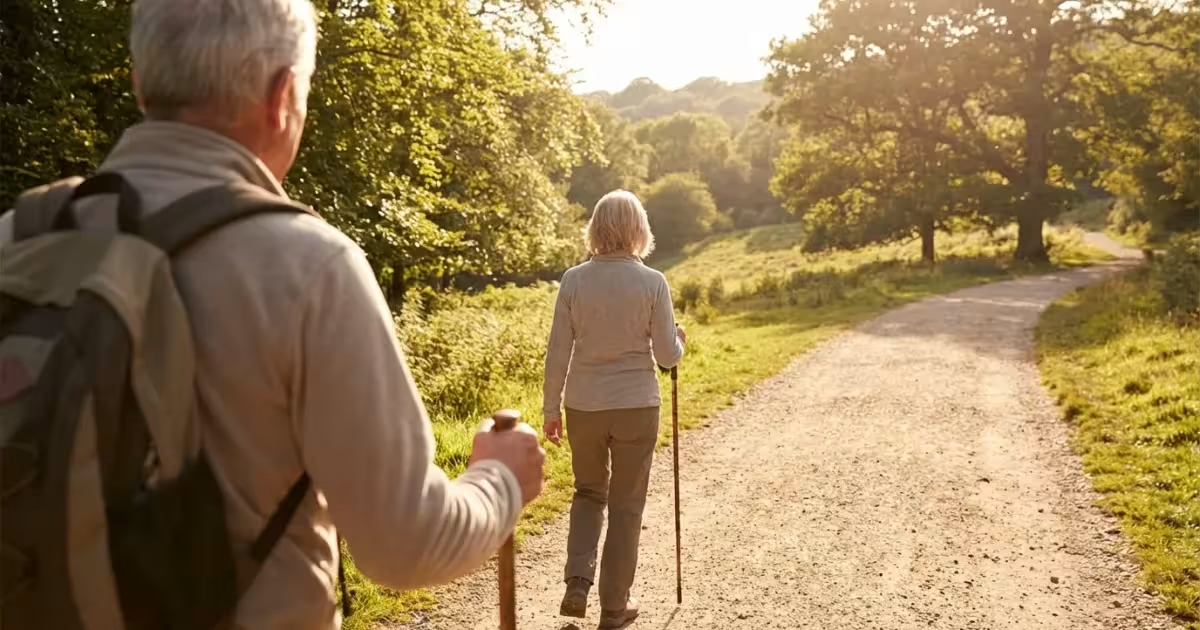
The call of the wild echoes deeply within many of us, inviting exploration and discovery. For active Americans aged 55 and beyond, hiking offers an unparalleled opportunity to connect with nature, stay fit, and create lasting memories. You possess a unique blend of wisdom and zest for life, making this an ideal time to embrace the myriad benefits of outdoor recreation.
Hiking does not demand extreme athleticism. Instead, it invites you to explore at your own comfortable pace, enjoying breathtaking vistas and the simple beauty of the natural world. This guide empowers you with the knowledge and inspiration to discover senior-friendly hiking trails, ensuring your adventures are both safe and immensely rewarding.
Table of Contents
- Embrace the Call of the Trail: Why Hiking Benefits Seniors
- Preparing for Your Adventure: Essential Steps for Senior Hikers
- Gear Up for Success: Your Essential Hiking Checklist
- Finding Your Perfect Path: What Makes a Trail Senior-Friendly?
- Curated Trails: Inspiring Senior-Friendly Hiking Destinations Across the U.S.
- Safety First: Smart Hiking Practices for Seniors
- Group Adventures and Guided Tours: Exploring with Company
- Beyond the Trail: Cultivating a Lifelong Love for Nature
- Frequently Asked Questions

Embrace the Call of the Trail: Why Hiking Benefits Seniors
Stepping onto a hiking trail offers more than just fresh air, it provides a holistic boost for your health and well-being. Engaging in outdoor recreation actively contributes to your physical and mental vitality. Regular hiking is a powerful tool for maintaining senior fitness.
Physical benefits abound when you hit the trails. Hiking strengthens your cardiovascular system, improves balance, and builds muscle, supporting joint health. Studies show that even moderate outdoor activity significantly reduces risks associated with heart disease, diabetes, and osteoporosis. The rhythmic motion of walking enhances circulation and flexibility.
Beyond the physical, hiking nourishes your mind and spirit. Spending time in nature lowers stress hormones and improves mood. The tranquility of natural settings can sharpen cognitive function and reduce feelings of anxiety. Many hikers report a profound sense of peace and accomplishment after completing a trail.
Social connections also flourish on the trail. Joining a hiking group or exploring with a partner strengthens bonds and provides shared experiences. These interactions combat loneliness and add another layer of enjoyment to your outdoor pursuits. Your adventures become stories you share with friends and family.
Preparing for Your Adventure: Essential Steps for Senior Hikers
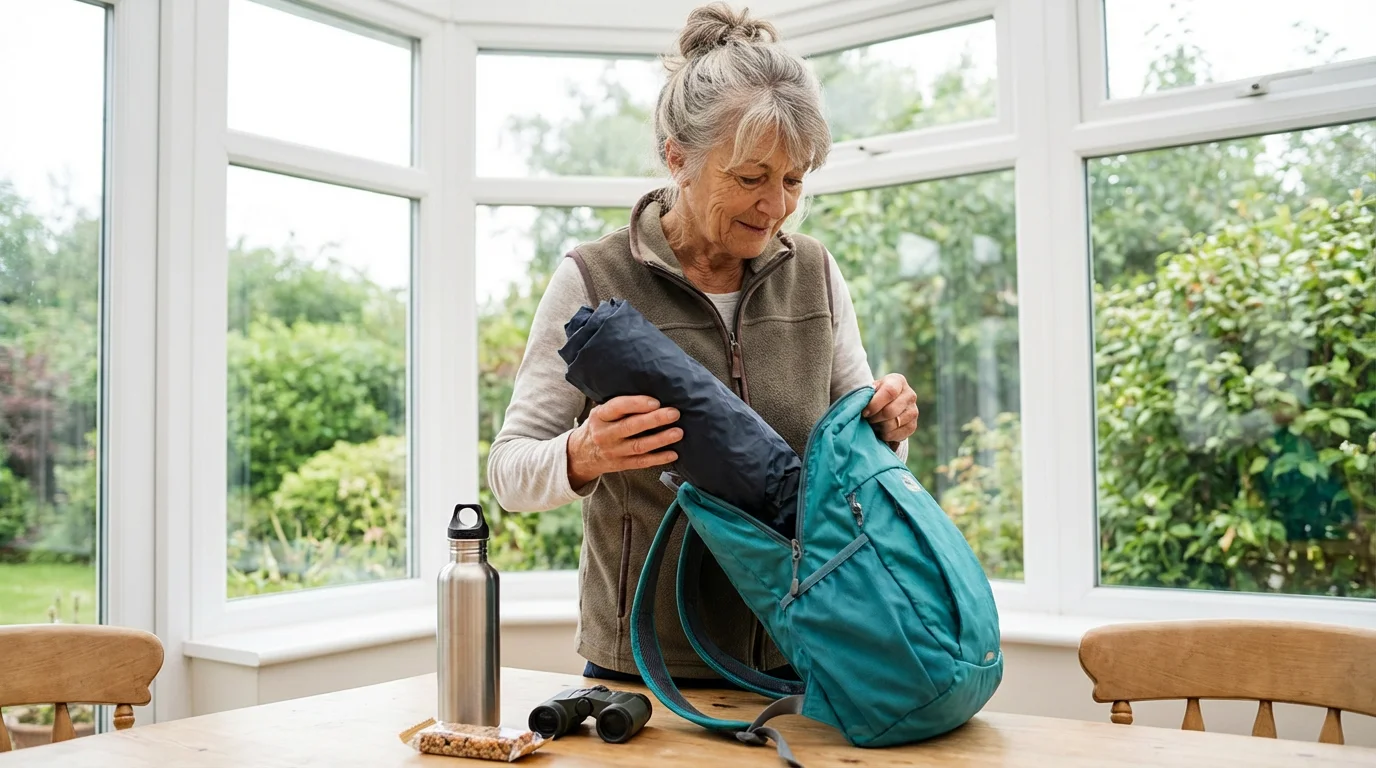
Embarking on a hiking adventure requires thoughtful preparation to ensure a safe and enjoyable experience. Proper planning helps you maximize your enjoyment and minimize potential risks. Consider these essential steps before you lace up your boots.
Before you set off, you might also want to look into adventure travel insurance to cover any unexpected situations on the trail.
Start with a visit to your doctor. Discuss your hiking plans and ensure your current health status supports the activity. Your healthcare provider can offer personalized advice, especially if you have existing medical conditions or take medications. They help you understand your limits and capabilities.
Gradually build your senior fitness level. Begin with short, flat walks in your neighborhood and progressively increase distance and incline. Incorporate strength training and balance exercises into your routine. This preparation helps your body adapt to the demands of the trail and reduces injury risk, answering the question of how should seniors prepare for a hike.
- Consult your doctor for a pre-hike check-up and personalized advice.
- Start with regular walks, gradually increasing duration and intensity.
- Include exercises for strength, flexibility, and balance in your routine.
- Practice walking on varied terrain, such as grassy parks or gravel paths.
- Hydrate consistently in the days leading up to your hike.
- Get adequate rest before your planned excursion.
Mental preparation proves equally important. Research your chosen trail thoroughly, understanding its length, elevation changes, and specific features. Visualize yourself successfully navigating the path, embracing challenges, and enjoying the scenery. A positive mindset enhances your overall experience.

Gear Up for Success: Your Essential Hiking Checklist
Having the right gear transforms a good hike into a great one, especially when prioritizing comfort and safety. Investing in quality equipment provides reliability and enhances your outdoor experience. Your packing list should address various conditions and potential needs.
When exploring wilderness areas, it’s essential to know how to avoid wildlife encounters to ensure a safe journey.
If you’re heading out during the off-season, make sure you’re prepared for cold weather hiking to stay warm and safe.
If your journey involves an overnight stay, consider camping comfortably by choosing gear that prioritizes rest and recovery.
Begin with proper footwear. Choose hiking shoes or boots offering excellent ankle support, traction, and comfort. Break in new shoes thoroughly before a long hike to prevent blisters. Consider waterproof options for damp conditions.
Dress in layers. This allows you to adjust to changing temperatures throughout the day. Opt for moisture-wicking fabrics, avoiding cotton which retains sweat and can chill you. A lightweight rain jacket is always a smart addition, even on clear days.
Hydration is non-negotiable. Carry sufficient water, more than you think you need, especially for longer trails or warm weather. A water filter or purification tablets offer a backup for extended trips. Pack energy-boosting snacks like nuts, fruit, or energy bars to sustain your energy levels.
Navigation tools, a first aid kit, sun protection, and a headlamp are also crucial. A fully charged phone is useful for emergencies, but do not rely on it as your sole navigation device. Understand how to use a map and compass, or a reliable GPS device.
| Gear Item | Key Features for Seniors | Terrain Suitability | Pros | Cons |
|---|---|---|---|---|
| Hiking Shoes (Low-Cut) | Lightweight, flexible, good traction, less ankle restriction. | Paved trails, gentle paths, well-maintained dirt paths. | Comfortable for short distances, breathable, easy to walk in. | Less ankle support, limited protection in rough terrain. |
| Hiking Boots (Mid/High-Cut) | Excellent ankle support, waterproof options, durable sole. | Uneven terrain, rocky paths, moderate to challenging trails. | Superior protection, stability, often waterproof. | Heavier, requires break-in period, can feel bulky. |
| Trekking Poles (Adjustable) | Reduces strain on knees, improves balance, aid ascent/descent. | All terrains, especially inclines and declines, rocky ground. | Enhances stability, distributes weight, improves posture. | Requires proper technique, can be cumbersome in dense brush. |
| Hydration Pack/Bladder | Hands-free hydration, larger water capacity, even weight distribution. | Moderate to long hikes, challenging terrain where hands are needed. | Easy access to water, minimizes stops, comfortable to carry. | Can be harder to clean, difficult to see remaining water level. |

Finding Your Perfect Path: What Makes a Trail Senior-Friendly?
Choosing the right hiking trail significantly impacts your enjoyment and safety. A “senior-friendly” trail prioritizes accessibility, manageability, and natural beauty without excessive challenge. Understanding these criteria helps you select the perfect adventure.
Consider the trail’s length and elevation gain. Shorter trails, typically under five miles, allow you to enjoy nature without overexertion. Look for trails with minimal elevation changes or gentle, gradual inclines. Steep ascents and descents place extra strain on joints, so moderate trails are often best.
The terrain makes a substantial difference. Paved paths, boardwalks, or well-maintained dirt trails offer stable footing. Avoid trails with extensive rocky sections, roots, or slippery surfaces if you prefer a smoother experience. The easiest hiking trails for seniors often feature level ground and clear pathways.
Accessibility is another key factor. Check for trails with accessible restrooms, benches for resting, and clear signage. Many state and national parks offer designated accessible trails designed for a wider range of mobility levels. Utilize resources like the National Park Service website or Recreation.gov to research specific trail conditions. These sites often provide detailed descriptions, user reviews, and accessibility information.
“The world is a book and those who do not travel read only one page.” — Saint Augustine

Curated Trails: Inspiring Senior-Friendly Hiking Destinations Across the U.S.
The United States boasts an incredible diversity of landscapes, offering countless senior-friendly hiking trails. These curated recommendations provide excellent starting points for your next outdoor adventure, focusing on accessibility and natural beauty. These spots exemplify ideal outdoor recreation opportunities.
For those who prefer a more structured experience, there are many senior group tours that visit these iconic national parks.
Many of these stunning locations serve as perfect highlights for national park road trips that offer accessible adventures for all ages.
Great Smoky Mountains National Park, Tennessee/North Carolina
This iconic park offers stunning scenery and many gentle paths. The Gatlinburg Trail is a prime example.
- Gatlinburg Trail: A relatively flat, 3.8-mile roundtrip paved and gravel path running alongside the West Prong of the Little Pigeon River. You enjoy river views and remnants of old homesites. This trail is one of only two in the park where you can walk your dog or ride a bicycle.
- Sugarlands Valley Nature Trail: A 0.5-mile paved loop, perfect for a leisurely stroll through the forest. It is wheelchair and stroller accessible, offering a taste of the park’s natural beauty.
Acadia National Park, Maine
Acadia combines rugged coastline with serene forest trails. Its famous carriage roads provide an expansive network of senior-friendly options.
- Ocean Path: A 4.5-mile roundtrip path that winds along the dramatic coastline, offering stunning views of Thunder Hole and Otter Cliff. Paved sections make it accessible for many, with opportunities to stop and admire the Atlantic.
- Carriage Roads: Over 45 miles of historic gravel roads, meticulously maintained and free of motor vehicles. These wide, gently graded paths offer picturesque loops through the park’s interior, past lakes and over granite bridges. You choose your distance and enjoy the tranquility.
Zion National Park, Utah
While known for strenuous hikes, Zion also offers accessible options that showcase its breathtaking canyon views.
- Pa’rus Trail: A 3.5-mile roundtrip paved path following the Virgin River. It is flat, wheelchair-accessible, and allows dogs on leash. You enjoy unparalleled views of the canyon walls without significant elevation gain. It is a fantastic way to experience Zion’s grandeur.
- Riverside Walk: The beginning of the famous Narrows hike is a paved, mostly flat 2.2-mile roundtrip path. It leads along the Virgin River to the point where the canyon narrows, offering magnificent views and a unique perspective of the towering sandstone cliffs.
Myakka River State Park, Florida
Florida’s natural beauty extends beyond its beaches, offering unique ecosystems for exploration. Myakka River State Park provides excellent opportunities for senior fitness in a different environment.
- Boardwalk Trail: Features a long boardwalk extending into the river, allowing you to observe alligators, birds, and other wildlife safely. The “Canopy Walkway” provides a unique aerial perspective of the hammock forest, though it involves stairs.
- Myakka Trails: Many flat, well-marked dirt trails wind through pine flatwoods, prairies, and oak hammocks. These trails are generally easy walking, offering abundant wildlife viewing opportunities. Always check for current conditions, especially during rainy seasons.
These national treasures offer diverse landscapes and well-maintained `hiking trails`, perfect for `senior fitness` and `outdoor recreation`. Always check the National Park Service website for the latest trail conditions and accessibility information before your visit.

Safety First: Smart Hiking Practices for Seniors
Prioritizing safety ensures your hiking adventures remain positive and fulfilling. Even on well-trafficked senior-friendly hiking trails, unforeseen circumstances can arise. Adopting smart hiking practices empowers you to handle challenges effectively.
Always inform someone of your hiking plans. Share your chosen trail, estimated return time, and who you are with. A reliable contact person can alert authorities if you do not return as expected. This simple step provides a crucial safety net.
Check the weather forecast meticulously before heading out. Conditions can change rapidly, especially in mountainous regions. Dress appropriately for the predicted weather and pack layers for unexpected shifts. Avoid hiking during extreme heat, heavy rain, or thunderstorms.
Stay hydrated consistently throughout your hike. Dehydration can quickly lead to fatigue, dizziness, and other serious issues. Drink water regularly, even if you do not feel thirsty. Carry enough water for your entire outing.
Know your personal limits and respect them. Do not feel pressured to keep pace with others or push yourself beyond your comfort zone. Take frequent breaks to rest, rehydrate, and enjoy the scenery. Turn back if you feel overly fatigued or experience pain. Your health takes precedence over reaching a specific destination.
- Share your itinerary with a trusted friend or family member.
- Monitor weather forecasts closely and be prepared for changes.
- Stay hydrated by drinking water frequently, even on shorter hikes.
- Pace yourself and take regular breaks to rest and re-energize.
- Carry a fully charged phone and a portable power bank.
- Pack a basic first aid kit and know how to use its contents.
- Consider carrying a personal locator beacon (PLB) for remote areas.
- Wear bright colors to be visible to others.
- Be aware of your surroundings, including wildlife and trail markers.
Group Adventures and Guided Tours: Exploring with Company
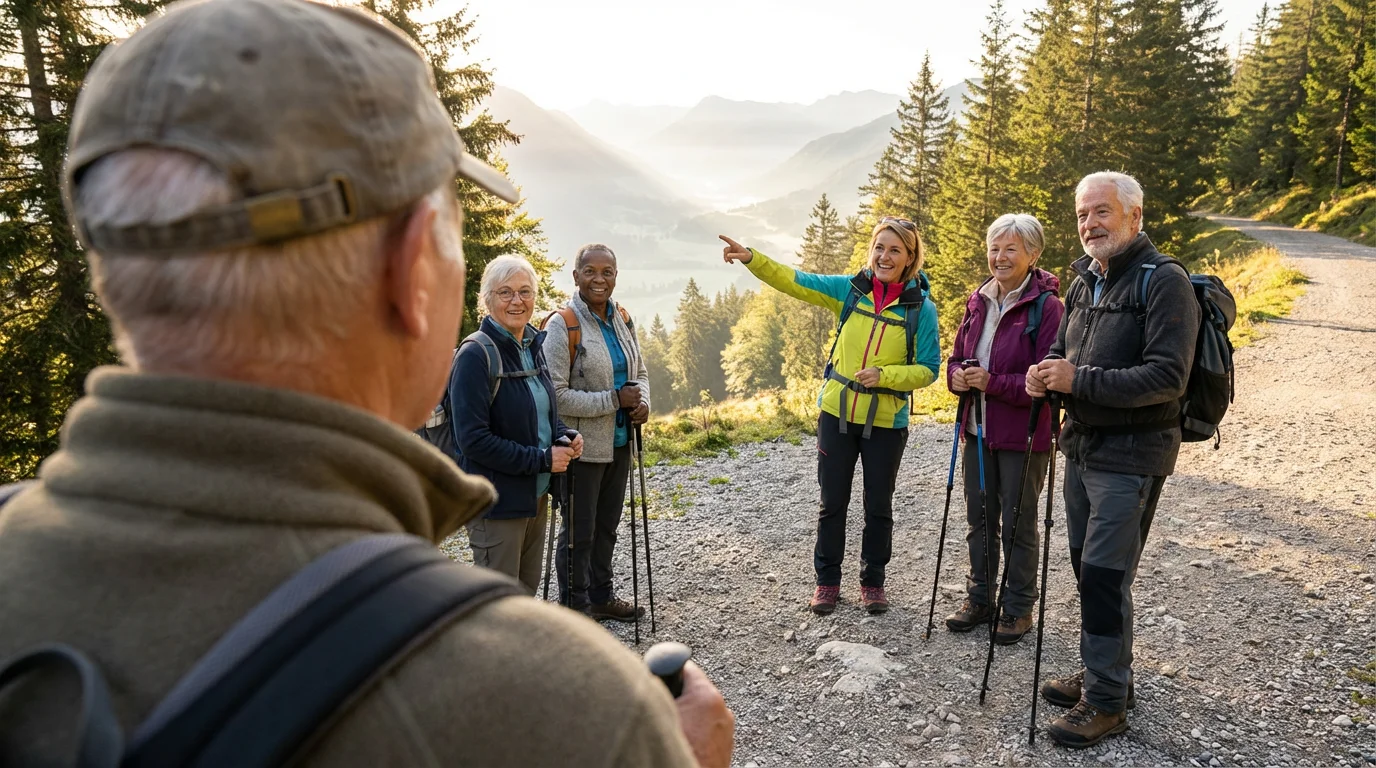
For many seniors, the thought of exploring new hiking trails becomes even more appealing with the companionship and structure of a group tour. Group adventures offer numerous benefits, from enhanced safety to enriching social experiences. They provide excellent opportunities for `outdoor recreation` without the stress of solo planning.
Joining a guided tour removes the logistical burdens of trip planning. Tour operators handle accommodations, transportation, and even meal arrangements. This frees you to fully immerse yourself in the natural beauty and camaraderie of the group. Many tours specifically cater to the active senior demographic, ensuring a comfortable pace and appropriate activities.
Organizations like Road Scholar specialize in educational travel for adults 50 and over. They offer a wide array of programs that include hiking and nature exploration, led by expert guides. These guides provide invaluable insights into the local ecology, history, and culture, transforming a simple hike into a learning experience. You might discover fascinating facts about the flora and fauna you encounter.
The social aspect of group tours proves immensely rewarding. You meet like-minded individuals who share your passion for adventure and discovery. New friendships often blossom on these trips, leading to future travel companions or simply enriching your social circle. Sharing the beauty of a `hiking trail` with others amplifies the joy.
These organized trips prioritize your safety. Guides possess first aid training and extensive knowledge of the terrain and local conditions. They manage emergencies and ensure everyone stays together and on track. This added layer of support gives you peace of mind, allowing you to relax and enjoy the journey.
Beyond the Trail: Cultivating a Lifelong Love for Nature
Embracing `senior fitness` through hiking is just one step in fostering a deeper connection with the natural world. Your journey into `outdoor recreation` extends far beyond specific `hiking trails`. It involves cultivating a lifelong love and respect for nature, enriching every aspect of your life.
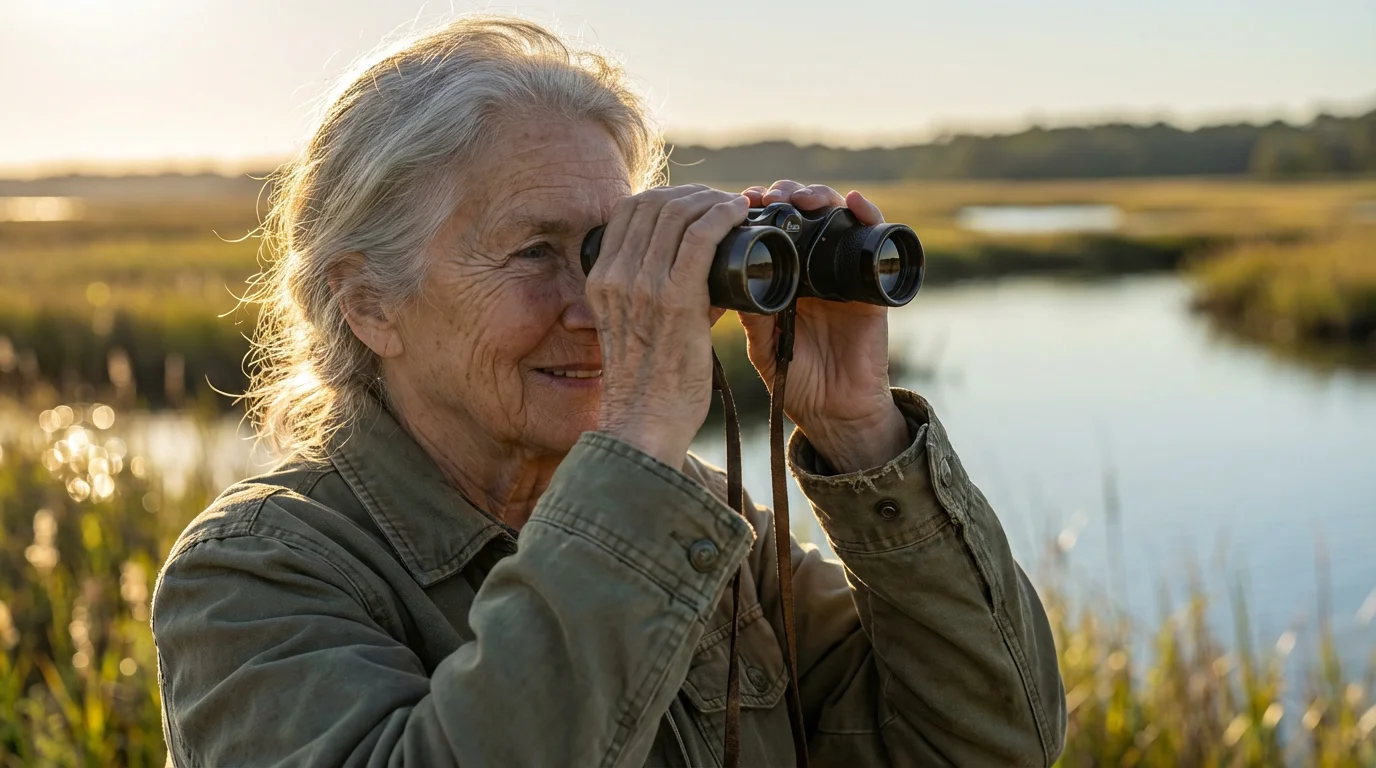
Look for opportunities to integrate nature into your daily routine. Spend time in local parks, tend a garden, or simply enjoy a cup of coffee on your patio. These small acts of connection reinforce the benefits you gain from more extensive adventures. Observing local birds or the changing seasons keeps your spirit alive.
Consider becoming an advocate for nature conservation. Many national and state parks, as well as local environmental organizations, welcome volunteers. You can contribute to trail maintenance, assist with educational programs, or participate in wildlife monitoring. This allows you to give back to the environments that provide you so much joy. The National Forest Foundation offers various ways to get involved and support these vital spaces.
Continue seeking new experiences and challenging yourself within reasonable limits. The world offers an endless array of landscapes and activities waiting for you. Whether it is exploring a new national park, trying a different type of `outdoor recreation`, or simply discovering a hidden gem in your own community, keep that spirit of adventure vibrant. Your golden years are a prime time for continuous exploration and discovery.
Frequently Asked Questions
What are the easiest hiking trails for seniors?
The easiest hiking trails for seniors typically feature flat or gently rolling terrain, well-maintained surfaces like pavement or packed dirt, and short distances, usually under three miles. Examples include paved park loops, boardwalks, and accessible trails found in many national and state parks. Always check trail descriptions for length, elevation gain, and surface type.
How should seniors prepare for a hike?
Seniors should prepare for a hike by consulting their doctor, gradually increasing their physical activity with walks and strength exercises, and researching the chosen trail. Hydrate well, pack appropriate gear like comfortable shoes, layered clothing, water, and snacks. Always inform someone of your plans.
What essential gear do I need for senior-friendly hiking?
Essential gear includes comfortable, supportive hiking shoes, moisture-wicking clothing, layers for warmth and rain protection, sufficient water, energy-boosting snacks, a first aid kit, sun protection, and a charged phone. Trekking poles provide excellent stability and reduce joint strain.
How can I find senior-friendly hiking groups or guided tours?
You can find senior-friendly hiking groups through local community centers, senior organizations, or online platforms like Meetup. Organizations such as Road Scholar specialize in guided tours for active seniors, offering expertly led trips with tailored activity levels. Many park systems also host guided walks.
What are the health benefits of hiking for older adults?
Hiking offers numerous health benefits for older adults, including improved cardiovascular health, stronger muscles and bones, better balance, and enhanced flexibility. It also reduces stress, boosts mood, and provides cognitive benefits through engagement with nature. Regular `outdoor recreation` contributes significantly to `senior fitness` and overall well-being.
The world awaits your discovery, one gentle `hiking trail` at a time. Embrace the freedom, the beauty, and the profound sense of accomplishment that `outdoor recreation` brings. Your senior years are a vibrant chapter, perfect for exploring, learning, and enjoying the magnificent natural world around you.
Disclaimer: This article is for informational purposes only. Travel conditions, accessibility, and requirements change frequently. We encourage readers to verify current information with official sources before traveling. Always consult with healthcare providers about travel considerations for your specific health situation.








Leave a Reply