
Disclaimer: This article is for informational purposes only. Travel conditions, accessibility, and requirements change frequently. We encourage readers to verify current information with official sources before traveling. Always consult with healthcare providers about travel considerations for your specific health situation.
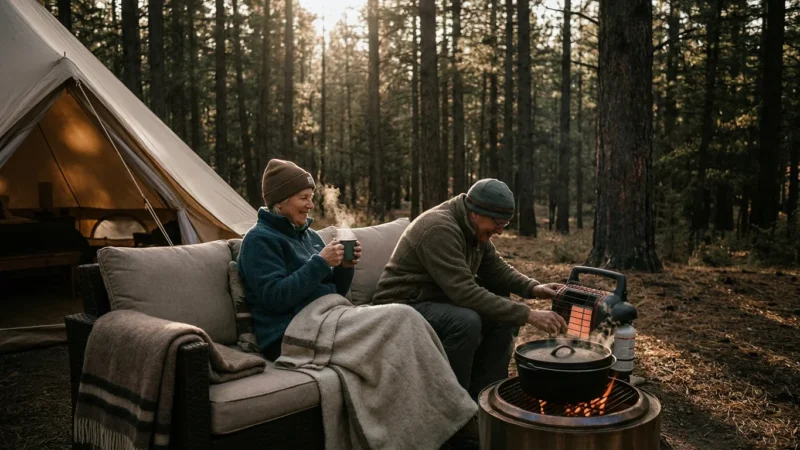
For those looking to extend their time in nature, senior-friendly camping adventures offer a perfect way to experience the great outdoors over several days.
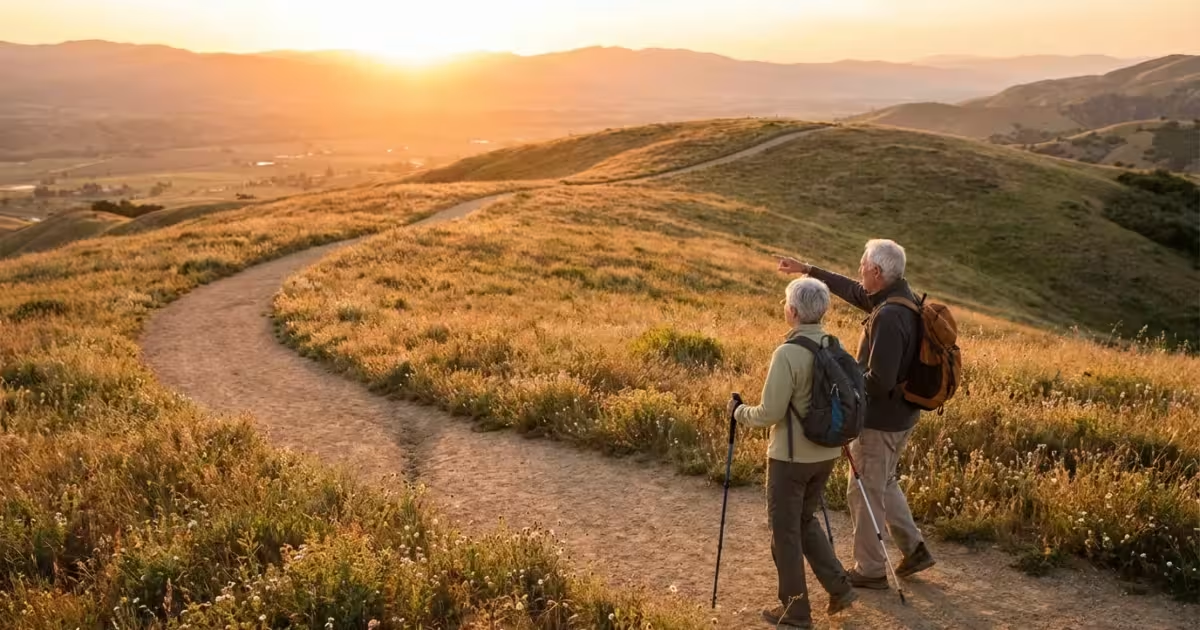
Stepping onto a hiking trail offers a unique blend of adventure, tranquility, and invigorating physical activity. For seniors, hiking provides a fantastic way to stay active, connect with nature, and discover breathtaking landscapes. You do not need to be an expert mountaineer to enjoy the trails. The key lies in finding the right path that matches your abilities and preferences.
This guide empowers you to confidently choose senior-friendly hiking routes, ensuring every outing is both safe and immensely rewarding. We will walk you through understanding trail classifications, essential preparation, and how to maximize your enjoyment on every adventure.
Table of Contents
- Embrace the Trail: The Joys of Senior Hiking
- Understanding Trail Ratings and Features
- Essential Gear for the Trail: Comfort and Safety
- Prioritizing Trail Safety: Your Well-being First
- Finding Your Perfect Path: How to Choose Hiking Trails
- Nutrition, Hydration, and First Aid on the Trail
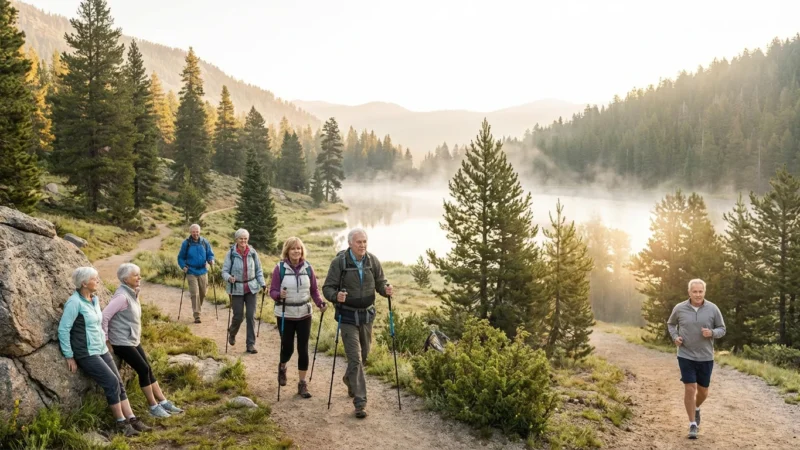
- Group Adventures and Guided Tours
- Embracing the Journey: Mindset Matters
- Frequently Asked Questions
Embrace the Trail: The Joys of Senior Hiking
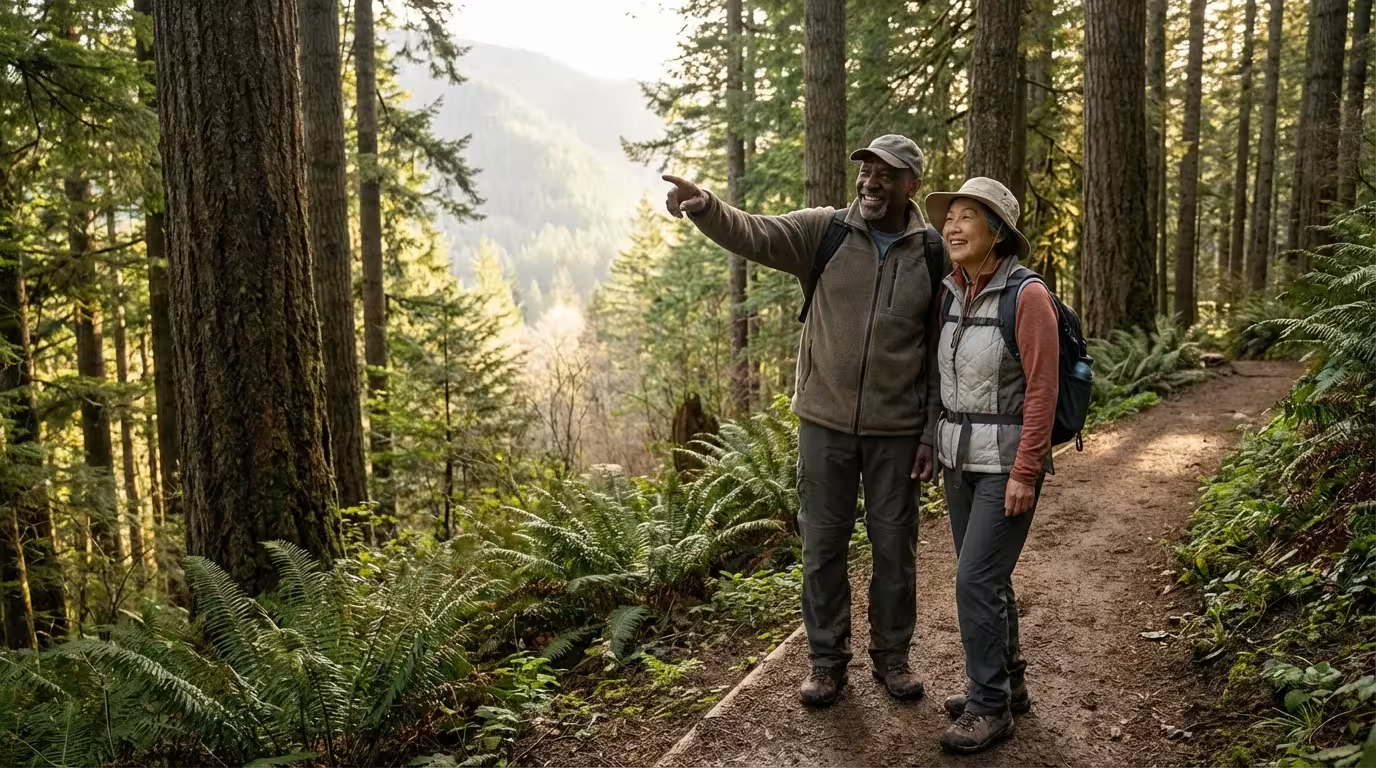
Hiking offers countless benefits for your physical and mental well-being, especially as you embrace your senior years. Regular walking strengthens your heart, improves balance, and boosts bone density. The fresh air and natural surroundings reduce stress, enhance mood, and sharpen cognitive function. Every step on a trail is an investment in your active, vibrant future.
Connecting with local adventure clubs for seniors can help you find like-minded partners for your outings.
Many seniors discover a renewed sense of purpose and adventure through hiking. It provides opportunities for exploration, learning about local flora and fauna, and forging new friendships. You build confidence with each completed trail, knowing you have overcome challenges and earned stunning views.
“Of all the paths you take in life, make sure a few of them are dirt.” — John Muir
Understanding Trail Ratings and Features
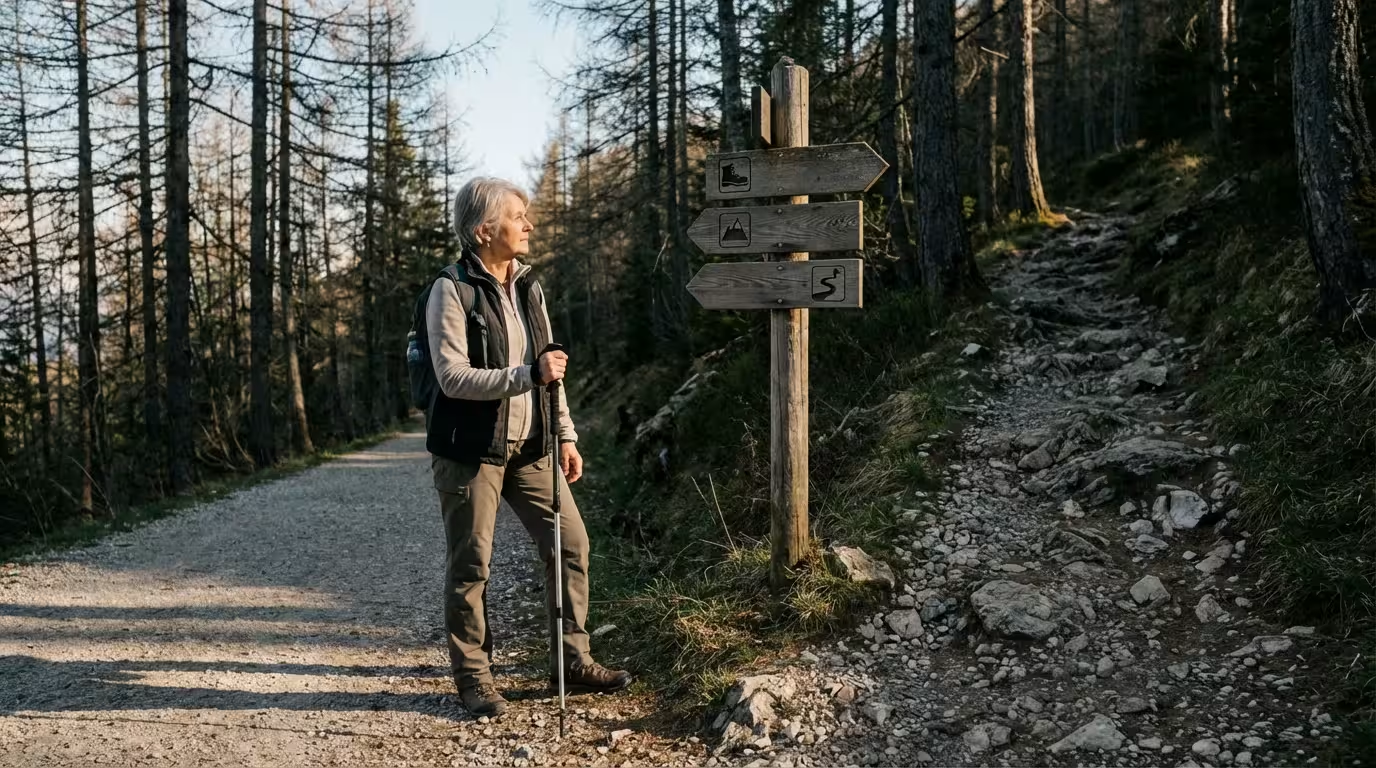
The first step in finding the right trail involves understanding how park systems classify their routes. Trail ratings vary slightly between locations, but generally follow a similar pattern. Familiarizing yourself with these categories helps you make informed choices that align with your fitness level and comfort.
Consider more than just distance when evaluating a trail. Elevation gain, surface type, and overall accessibility play equally important roles. A short trail with steep inclines and rocky terrain can be far more challenging than a longer, flat, paved path. Always review the detailed description provided by the park or trail guide.
Common Trail Difficulty Ratings Explained
Parks and trail organizations often use a system to categorize the difficulty of their trails. Understanding these classifications helps you select a route suitable for your experience and fitness.
- Easy: These trails typically involve minimal elevation gain, smooth surfaces, and are well-maintained. They are often short, perfect for a leisurely stroll or a quick outing. Easy trails are excellent for beginners, families, or those seeking a gentle walk.
- Moderate: Moderate trails may feature some elevation changes, rougher terrain with roots or rocks, and longer distances. They require a reasonable level of fitness and sure footing. These paths offer a greater challenge without being overly strenuous, perfect for regular walkers.
- Strenuous/Difficult: These trails involve significant elevation gain, uneven and challenging terrain, and often longer distances. They demand good physical condition, stamina, and experience. You typically find these on mountain slopes or wilderness areas.
Trail Feature Checklist
Before you commit to a trail, assess its specific features. This proactive approach helps you prevent surprises and ensures a comfortable, enjoyable experience.
- Length: How many miles does the trail cover? Plan for an appropriate time duration.
- Elevation Gain: What is the total climb from lowest to highest point? Significant gain increases difficulty.
- Surface Type: Is it paved, gravel, dirt, rocky, or root-laden? Smooth surfaces are generally easier for `senior hiking`.
- Shade/Exposure: Will you be in direct sun or have tree cover? This impacts hydration and sun protection needs.
- Accessibility: Does the trail accommodate wheelchairs or walkers if needed? Look for specific accessibility notes.
- Amenities: Are restrooms, benches, or picnic areas available along the route?
Essential Gear for the Trail: Comfort and Safety
Proper gear makes a significant difference in your hiking experience. Investing in a few key items enhances both your comfort and `trail safety`. You do not need expensive, specialized equipment, but prioritizing quality in certain areas pays off.
For longer expeditions, knowing how to camp comfortably can make your multi-day hiking trips much more enjoyable.
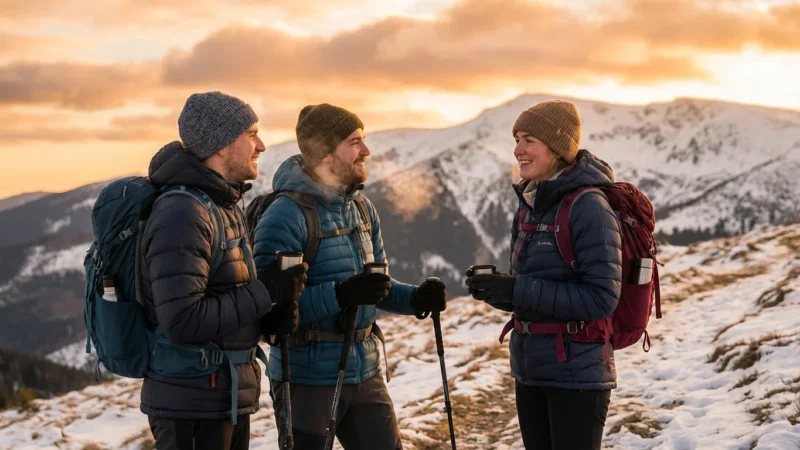
If you enjoy hitting the paths year-round, understanding the unique challenges of cold weather hiking is essential for staying comfortable in lower temperatures.
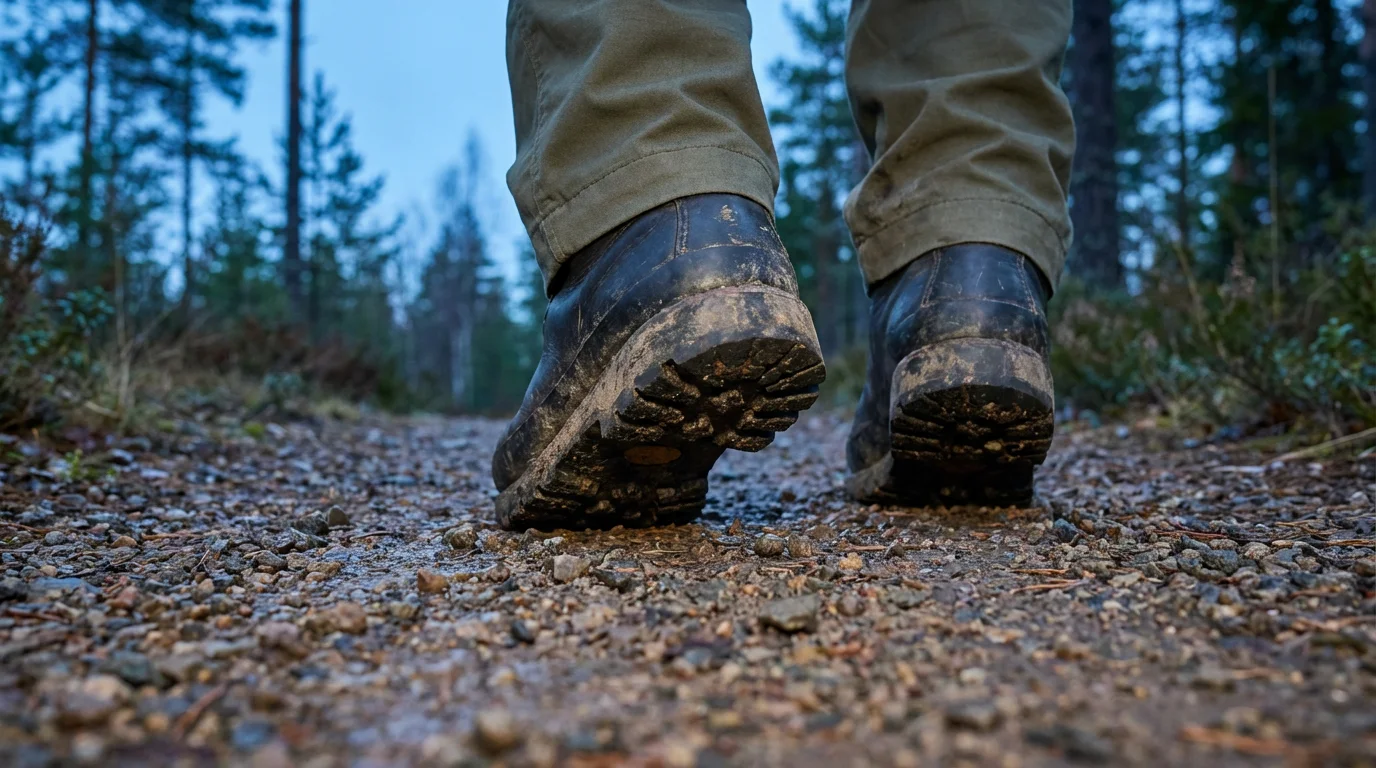
Your footwear is paramount. Choose hiking shoes or boots that provide good ankle support, excellent grip, and comfort. Break in new shoes before a long hike to avoid blisters. Layered clothing also allows you to adapt to changing weather conditions, a common occurrence in many outdoor settings.
Your Essential Hiking Gear List
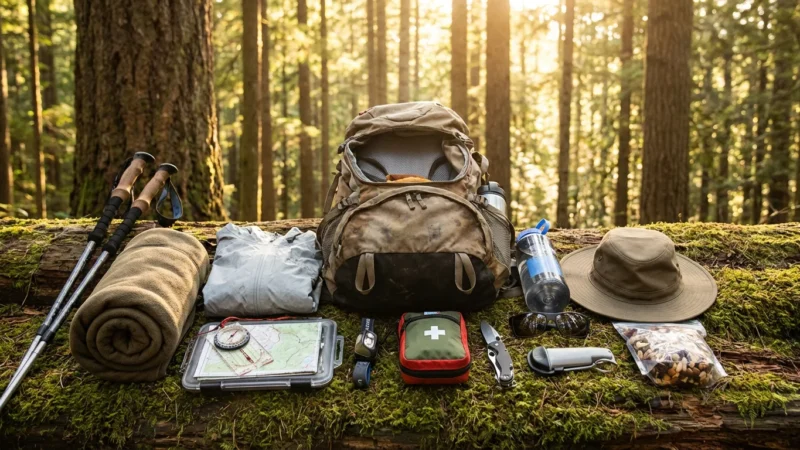
Prepare yourself for a successful outing with this checklist of vital items. Packing these ensures you are ready for varying conditions and minor mishaps.
- Footwear: Sturdy, waterproof hiking shoes or boots with good traction.
- Socks: Moisture-wicking socks to prevent blisters.
- Layered Clothing: Breathable, quick-drying fabrics. Include a rain jacket or windbreaker.
- Backpack: A comfortable daypack to carry your essentials.
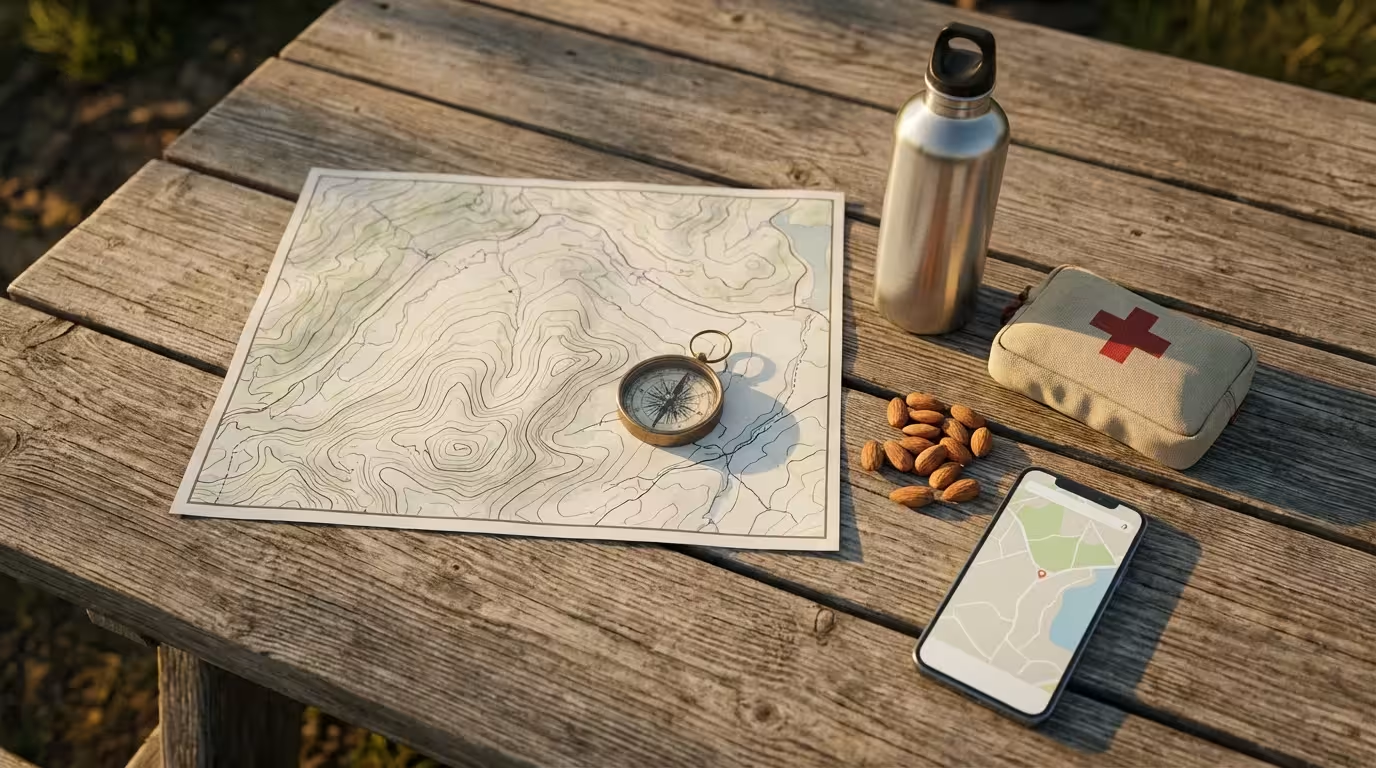
- Water Bottles or Hydration Bladder: Crucial for staying hydrated.
- Snacks: Energy bars, fruit, or trail mix.
- First Aid Kit: Bandages, antiseptic wipes, pain relievers, any personal medications.
- Sun Protection: Hat, sunglasses, sunscreen.
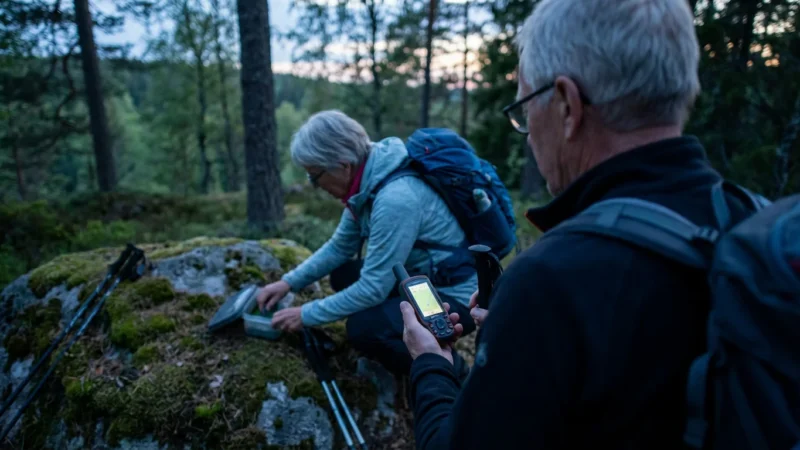
- Navigation Tools: Map and compass (and know how to use them), or a reliable GPS app on your phone.
- Trekking Poles: Provide stability, reduce strain on knees, and aid balance on uneven terrain. These are excellent `hiking tips` for seniors.
- Whistle: For emergencies or to alert others to your presence.
- Headlamp or Flashlight: Even for day hikes, in case you are out longer than expected.
- Fully Charged Cell Phone: For emergencies, but do not rely on it for navigation in areas without service.
Prioritizing Trail Safety: Your Well-being First
Safety should always be your top priority when planning and executing any `senior hiking` adventure. A few simple precautions prevent most common hiking mishaps. Your responsible planning ensures you enjoy the outdoors without unnecessary risks.
Safety is particularly crucial for those venturing out alone; be sure to review our guide on solo senior adventures before your trip.
Always tell someone your hiking plans, including where you are going, your expected route, and when you anticipate returning. Stick to marked trails and be aware of your surroundings. Do not hesitate to turn back if weather conditions worsen or you feel fatigued. Your well-being is more important than reaching a specific destination.
Key Trail Safety Practices
Follow these steps to enhance your `trail safety` and make your outdoor excursions more secure.
- Plan Your Route: Research the trail, know its length and difficulty, and check the weather forecast.
- Share Your Itinerary: Inform a trusted friend or family member about your exact hiking route and estimated return time.
- Dress Appropriately: Wear layers, sturdy footwear, and bring rain gear if there is any chance of precipitation.
- Carry Essentials: Always bring water, snacks, a first aid kit, sun protection, and a charged phone.
- Stay on Marked Trails: Avoid shortcuts or unmarked paths, as these can lead to disorientation or dangerous terrain.
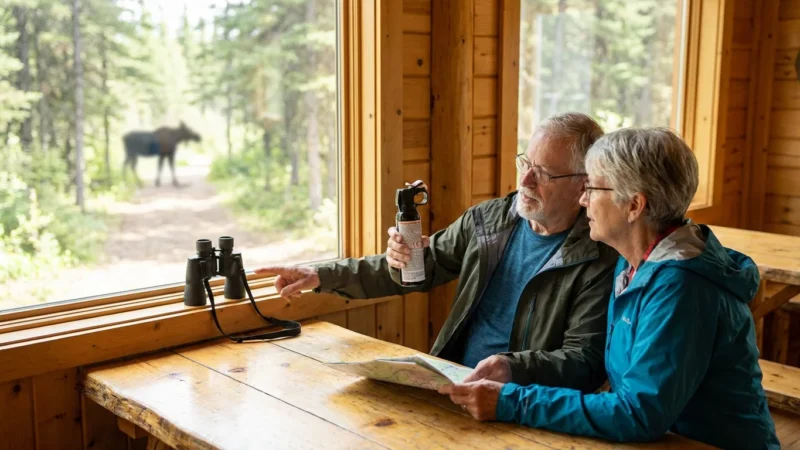
- Be Aware of Wildlife: Learn about common wildlife in the area and how to react if you encounter them. Carry bear spray in bear country.
- Hydrate and Fuel: Drink water regularly and eat snacks to maintain energy levels.
- Listen to Your Body: Do not push yourself beyond your limits. Take breaks as needed and turn back if you feel unwell.
- Check for Ticks: After your hike, thoroughly check your body and clothing for ticks, especially in wooded areas.
- Emergency Preparedness: Know who to call in an emergency and consider carrying a personal locator beacon for remote areas.
Finding Your Perfect Path: How to Choose Hiking Trails
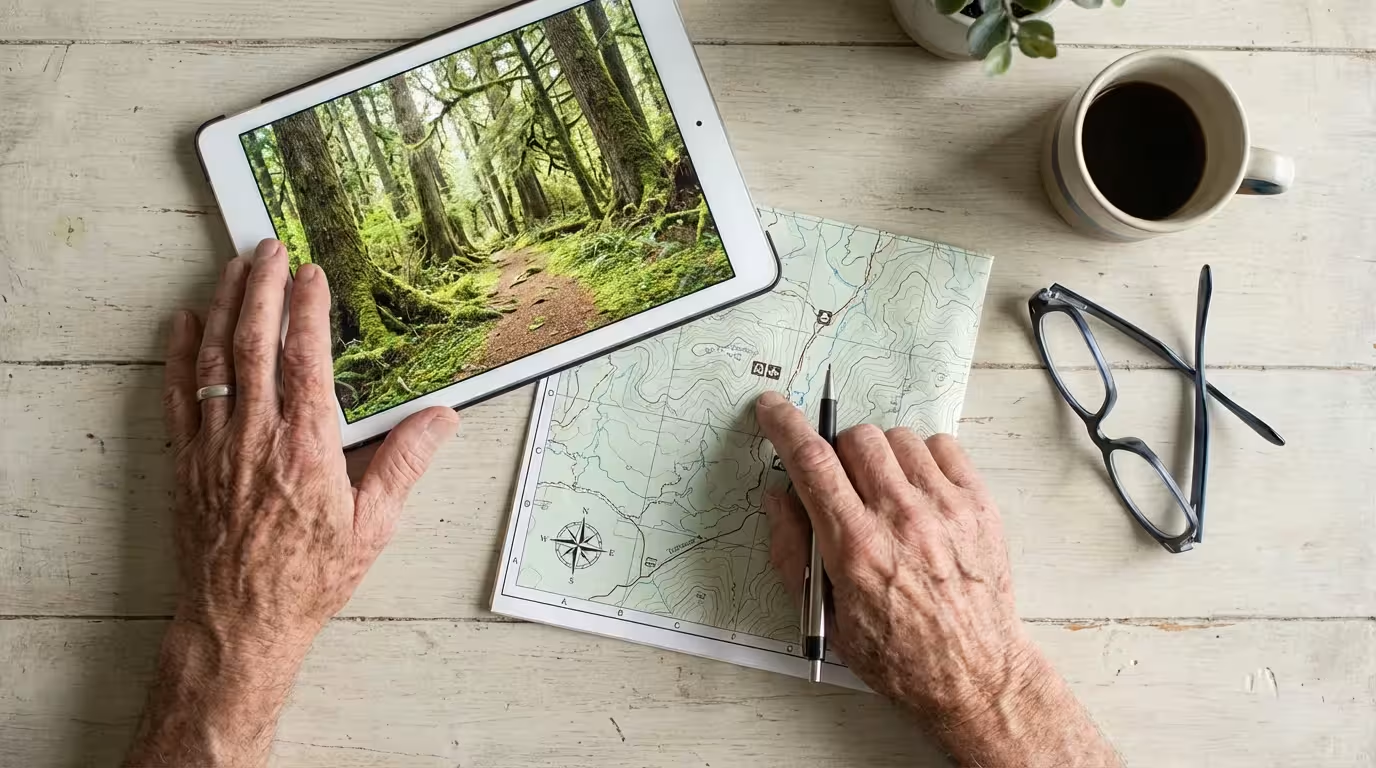
With an understanding of trail ratings and essential gear, you are ready to identify `what are good hiking trails for seniors`. The abundance of resources available makes this process easier than ever. You can explore options from the comfort of your home before lacing up your boots.
Many seniors find that a well-planned road trip is the best way to access multiple high-quality trails in one journey.
Start by considering your current fitness level and your desired experience. Are you looking for a leisurely stroll through a scenic park or a more challenging trek with rewarding views? Be honest with yourself about your capabilities to ensure an enjoyable outing, not an overwhelming one.
Resources for Trail Selection
Utilize these valuable resources to pinpoint trails that match your criteria. Each offers unique insights to help you plan your next adventure.
- National Park Service (NPS): The NPS website, www.nps.gov, provides comprehensive information on trails within national parks, often including detailed descriptions, maps, and accessibility notes. You can filter by difficulty.
- State Park Websites: Similar to national parks, state park systems offer detailed trail guides and often cater to a wider range of abilities with many easy to moderate options.
- AllTrails and Gaia GPS Apps: These popular apps offer extensive databases of trails worldwide, with user reviews, photos, and GPS tracking. Filter by difficulty, length, and features.
- Local Tourism Offices: Many local visitor centers and tourism websites highlight regional trails, often emphasizing senior-friendly or accessible routes.
- Recreation.gov: Visit www.recreation.gov to discover trails on federal lands, reserve campsites, and purchase passes. Their detailed search features assist in finding suitable options.
- Talk to Park Rangers: Park rangers are invaluable resources. They possess firsthand knowledge of local trails and can recommend routes based on current conditions and your specific needs. They can suggest `what are good hiking trails for seniors` in their area.
Step-by-Step Trail Selection Process
Follow these practical steps to systematically identify the ideal `senior hiking` trail for your next outing.
- Define Your Goals: Determine the desired length, elevation, and type of scenery. Do you want a paved path or a nature walk?
- Assess Your Fitness: Be realistic about your current physical condition. Start easy and gradually increase difficulty.
- Utilize Online Search Filters: On websites or apps, filter by “easy,” “accessible,” or “short loop” trails.
- Read Reviews: Pay attention to what other hikers, especially seniors, say about the trail’s condition, crowd level, and true difficulty.
- Check Trail Maps and Descriptions: Look for details on surface type, shade, and any potential hazards.
- Verify Current Conditions: Check park websites or call ahead for recent trail closures, weather advisories, or any unexpected obstacles.
- Consider Group Tours: If you prefer companionship or guided experiences, research local hiking groups or companies like Road Scholar at www.roadscholar.org, which offers active outdoor tours for older adults.

Nutrition, Hydration, and First Aid on the Trail
Proper fueling and hydration are critical components of an enjoyable and safe hike, particularly for `senior hiking`. Your body performs best when adequately supplied with energy and fluids. Do not underestimate the importance of these elements, even on shorter trails.
Carry more water than you think you need, especially on warm days or longer treks. Dehydration can quickly lead to fatigue, dizziness, and other health issues. Pack easily digestible snacks to replenish your energy throughout your hike. A well-stocked first aid kit also addresses minor injuries quickly, preventing them from becoming larger problems.
Hydration and Nutrition Strategies
Implement these practices to maintain your energy and well-being during your hike. These `hiking tips` focus on practical aspects of your health on the trail.
- Pre-Hydrate: Drink water before you even start your hike.
- Hydrate Continuously: Sip water regularly, do not wait until you feel thirsty.
- Electrolyte Balance: Consider sports drinks or electrolyte tablets for longer or hotter hikes.
- Snack Smart: Pack nutrient-dense snacks like nuts, dried fruit, granola bars, or sandwiches.
- Easy Access: Keep water and snacks within easy reach in your backpack.
- Post-Hike Recovery: Replenish fluids and nutrients after your hike to aid recovery.
First Aid Kit Essentials
A compact, well-organized first aid kit is an indispensable item for `trail safety`. Customize it to your personal needs and potential risks.
- Adhesive bandages of various sizes
- Antiseptic wipes or hand sanitizer
- Pain relievers (e.g., ibuprofen, acetaminophen)
- Allergy medication (e.g., antihistamines)
- Blister treatment (moleskin, blister pads)
- Gauze pads and medical tape
- Small scissors and tweezers
- Any personal prescription medications
- Insect repellent
Group Adventures and Guided Tours
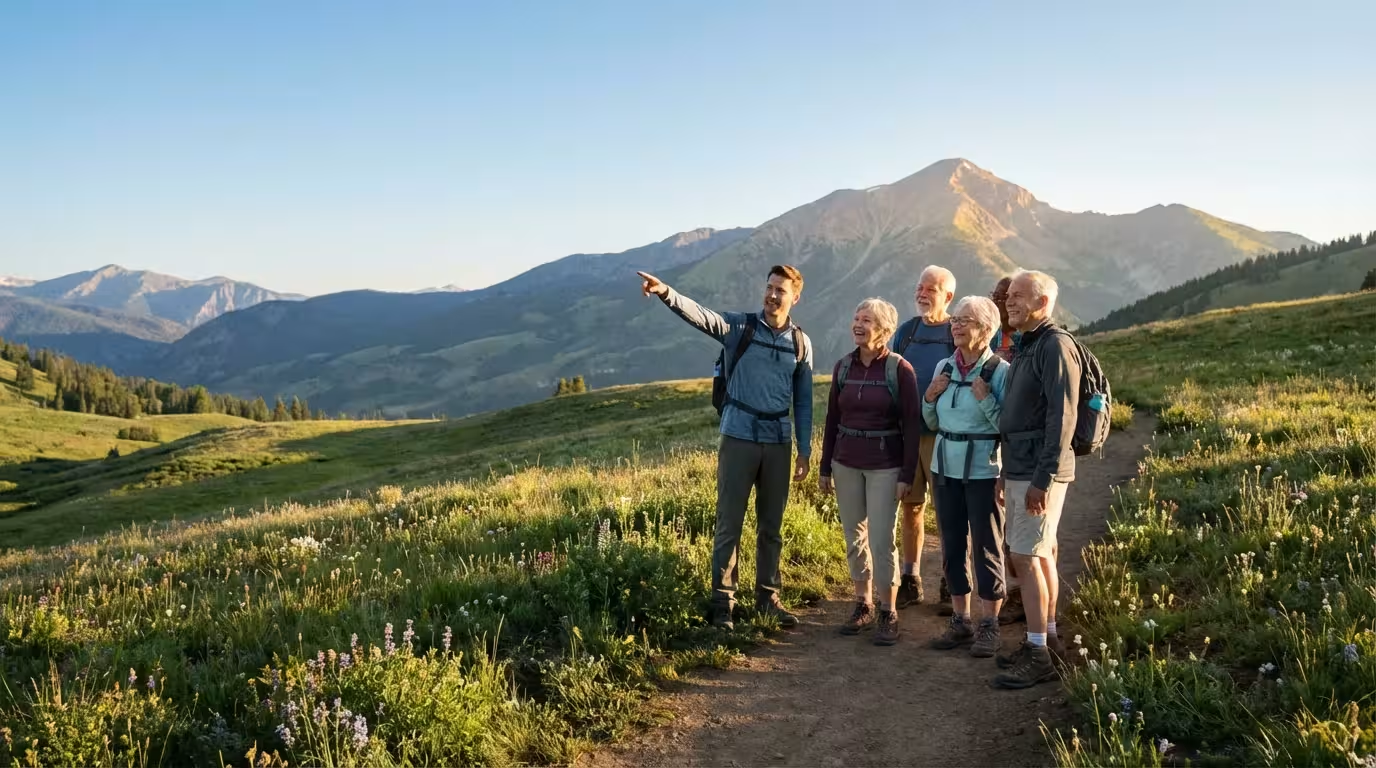
If you prefer companionship or desire expert guidance, group adventures and guided tours offer excellent options for `senior hiking`. These tours remove the stress of planning and navigation, allowing you to fully immerse yourself in the experience. They also provide a fantastic opportunity to meet like-minded travelers.
Many organizations specialize in senior travel, offering itineraries specifically designed for older adults. These tours often include transportation, accommodation, meals, and professional guides who share insights into the local environment. Road Scholar, for example, features many active outdoor programs, perfect for those seeking organized adventure.
Benefits of Group Hiking Tours
Consider these advantages when deciding if a group tour is right for your next `senior hiking` journey.
- Enhanced Safety: You hike with experienced guides and other people, reducing risks.
- No Planning Required: Logistics like route planning, permits, and transportation are handled for you.
- Social Connection: Meet new friends who share your passion for exploration.
- Expert Knowledge: Guides offer insights into local history, ecology, and wildlife.
- Variety of Destinations: Access to a wider range of trails, including some that might be challenging to navigate independently.
- Support and Encouragement: Enjoy the camaraderie and motivation of a group setting.
Embracing the Journey: Mindset Matters
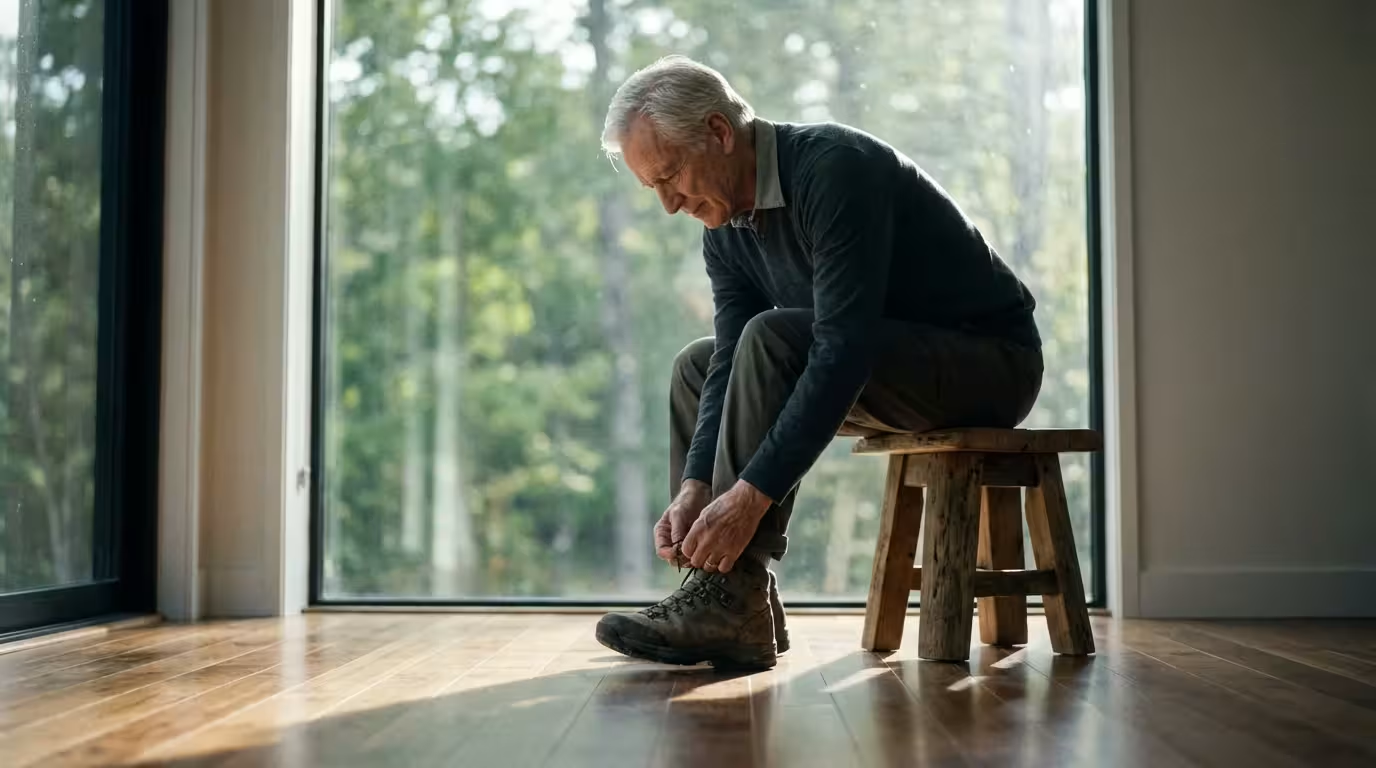
Beyond physical preparation and gear, your mindset plays a crucial role in your hiking enjoyment. Embrace a spirit of curiosity and resilience. The trail is not just about reaching a destination; it is about the journey itself, the sights, sounds, and sensations along the way.
Do not let concerns about age or ability deter you. Many trails cater to all levels, and adapting your expectations ensures a positive experience. Celebrate every small victory, whether it is completing a new distance or simply enjoying a peaceful moment in nature. Your adventurous spirit knows no age.
“The journey of a thousand miles begins with a single step.” — Lao Tzu
Cultivating an Adventurous Mindset
Adopt these perspectives to maximize your enjoyment and fulfillment on every `senior hiking` trip.
- Stay Curious: Look for new plants, listen to bird calls, observe the geology around you.
- Practice Mindfulness: Be present in the moment, appreciating the beauty of nature.
- Celebrate Progress: Acknowledge your accomplishments, no matter how small.
- Be Flexible: Weather changes, plans shift. Adapt and enjoy the unexpected.
- Listen to Your Body: Respect your limits. There is no shame in taking breaks or turning back.
- Seek Joy: Focus on the pleasure of movement, fresh air, and discovery.
- Learn and Grow: Each hike teaches you something new about yourself and the world.
Frequently Asked Questions
What are good hiking trails for seniors?
Good hiking trails for seniors often feature relatively flat terrain, well-maintained paths, and clear signage. Look for trails designated as “easy” or “accessible” by park services. Consider paved paths, boardwalks, or wide dirt trails with minimal roots and rocks. Many state and national parks offer such options, ensuring a pleasant and safe experience.
How do I choose the right hiking trail if I am a beginner?
Beginners should start with short, well-trafficked trails that have minimal elevation gain. Look for trails under two miles in length with smooth surfaces. Utilize online resources like park websites or apps that provide detailed trail descriptions, including distance, elevation, and user reviews. Do not hesitate to call a park ranger for their recommendations, they often know the best local options for all ability levels.
What essential gear do I need for senior hiking?
Essential gear for senior hiking includes sturdy, comfortable hiking shoes, layered clothing appropriate for weather changes, a small backpack, plenty of water, and snacks. Consider trekking poles for added stability and knee support. Always carry a basic first aid kit, sun protection, and a fully charged phone for emergencies.
Is it safe to hike alone as a senior?
Hiking alone can be safe with proper planning and precautions. Inform someone of your hiking plans, including your chosen trail and estimated return time. Stick to well-trafficked trails, especially if you are new to solo hiking. Carry a whistle and a fully charged cell phone. If you prefer company or added safety, consider joining a hiking group or going with a trusted friend.
How can I improve my trail safety?
Improve your trail safety by researching your chosen trail thoroughly, checking weather forecasts, and wearing appropriate footwear and clothing. Bring ample water and snacks. Always tell someone your itinerary. Stay on marked trails, carry a map or GPS, and know basic first aid. Do not push your limits and turn back if conditions become challenging or you feel unwell. Carrying trekking poles can also enhance stability and reduce fall risk.
Embarking on a senior-friendly hiking adventure offers unparalleled rewards for your body, mind, and spirit. By understanding trail options, preparing adequately, and approaching each outing with a positive mindset, you unlock a world of exploration. Choose your trail wisely, step out with confidence, and let the beauty of nature invigorate your life. Your next great adventure awaits.
Leave a Reply