
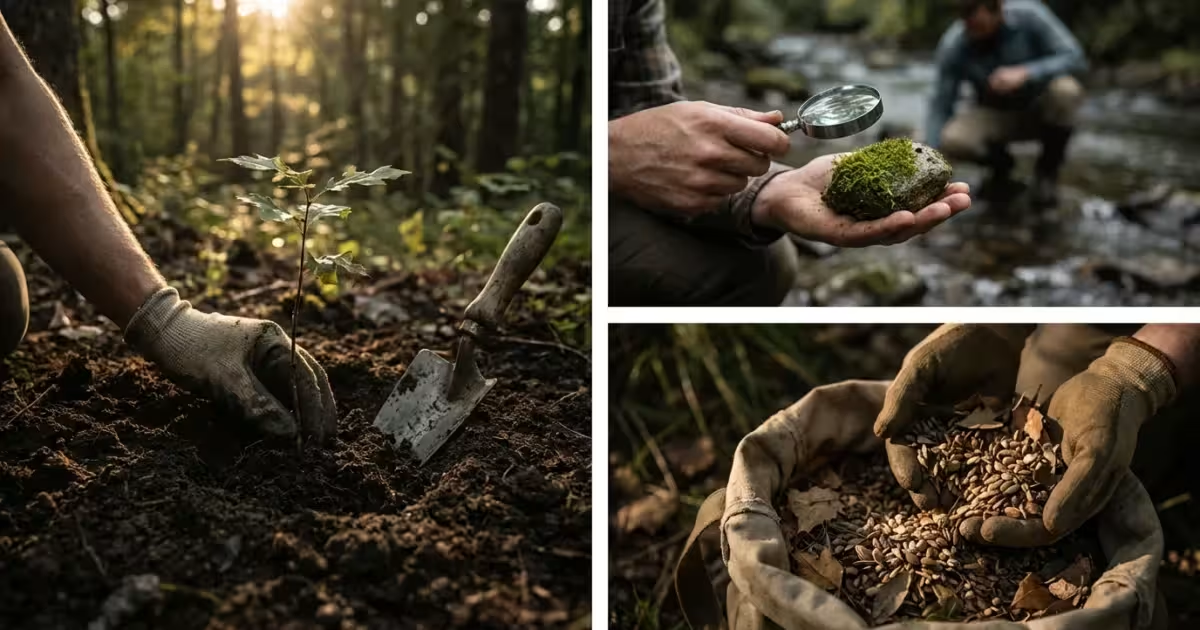
As you navigate your seasoned years, you likely seek new ways to engage with the world, contribute meaningfully, and maintain an active lifestyle. Volunteering in nature offers a powerful avenue to achieve these goals. Imagine dedicating your time to preserving the very places that bring you peace and joy, while simultaneously enriching your own life.
This path provides opportunities for seniors to embrace adventure, connect with like-minded individuals, and make a tangible difference in conservation efforts. You gain the satisfaction of giving back, experiencing unique outdoor environments, and staying physically and mentally sharp. The following guide explores how you can become a vital part of nature’s preservation.
Table of Contents
- Benefits of Volunteering in Nature for Seniors
- Diverse Opportunities: What Can You Do?
- Finding Your Perfect Nature Volunteer Role
- Preparation and Safety for Outdoor Volunteering
- Stories from the Field: Real-World Impact
- Tips for a Successful Volunteering Experience
- Beyond the United States: International Nature Volunteering
- Frequently Asked Questions

Benefits of Volunteering in Nature for Seniors
Engaging in nature volunteering brings a wealth of advantages, directly impacting your physical, mental, and social well-being. You contribute to vital conservation efforts, preserving our natural heritage for future generations.
While local efforts are incredibly valuable, some retirees also look into volunteering abroad as a way to combine ecological stewardship with international travel.
Engaging in field work is a rewarding way to build your stamina and maintain physical health during your retirement years.
Physical Health Boost
Outdoor activities inherent in nature volunteering keep your body moving. Tasks like trail maintenance, planting trees, or conducting wildlife surveys involve walking, bending, lifting light loads, and stretching. This regular physical engagement improves cardiovascular health, strengthens muscles, and enhances flexibility, all crucial components of active aging.
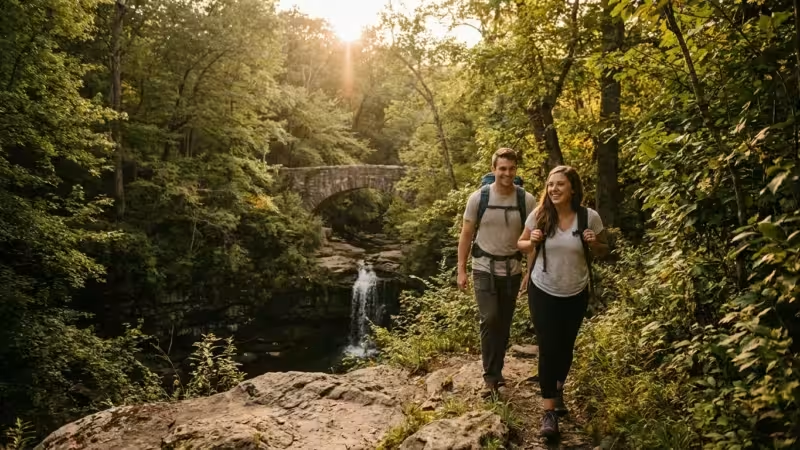
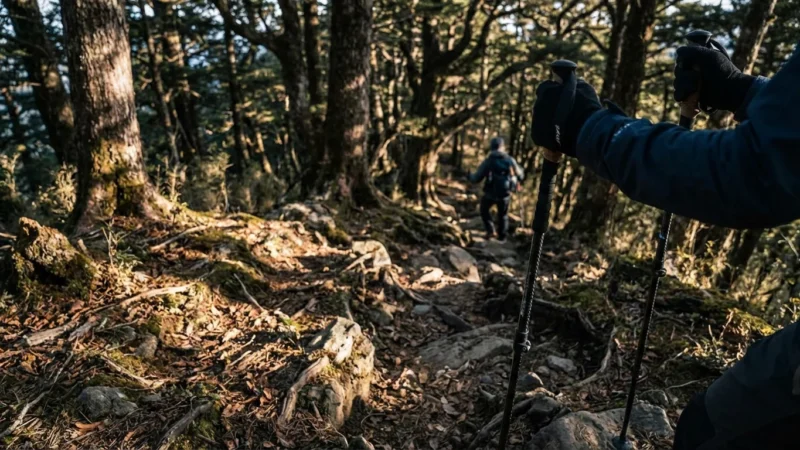
Incorporating regular senior-friendly hiking into your routine is an excellent way to prepare your body for outdoor projects.
Scientific studies consistently show that spending time outdoors reduces blood pressure and improves sleep quality. You receive your daily dose of vitamin D from sunlight exposure, which is essential for bone health and immune function. Even moderate activity outdoors can significantly boost your overall vitality.
Mental and Emotional Well-being
Connecting with nature is a powerful stress reducer. The serene environment of parks and forests calms the mind and reduces feelings of anxiety. Your focus shifts from daily worries to the task at hand, offering a refreshing mental break.
Volunteering fosters a strong sense of purpose and accomplishment. Knowing your efforts directly support conservation efforts creates a profound feeling of contribution. This meaningful engagement combats feelings of isolation and contributes to greater life satisfaction, promoting a positive outlook on your later years.
Social Connection and Community
Most nature volunteering roles involve working as part of a team. This provides excellent opportunities to meet new people who share your passion for the outdoors and conservation. You build friendships, share experiences, and become part of a supportive community.
These social interactions are vital for mental health, helping to prevent loneliness and build a robust support network. Sharing stories and laughter with fellow volunteers creates lasting bonds. Many volunteers find these connections as rewarding as the work itself.
Environmental Impact and Legacy
Your efforts directly contribute to the health of ecosystems. Whether you remove invasive species, restore habitats, or educate visitors, your work helps maintain biodiversity and ecological balance. You play a crucial role in protecting critical natural resources.
By participating in conservation efforts, you leave a lasting legacy for future generations. You help ensure that natural spaces remain vibrant and accessible for years to come. This gift of preserved nature is invaluable, reflecting your commitment to environmental stewardship.
The National Forest Foundation states, “Volunteers are the heart and soul of our efforts to restore and enhance America’s 193 million acres of National Forests.” Your involvement directly supports these vast, precious landscapes.
Diverse Opportunities: What Can You Do?
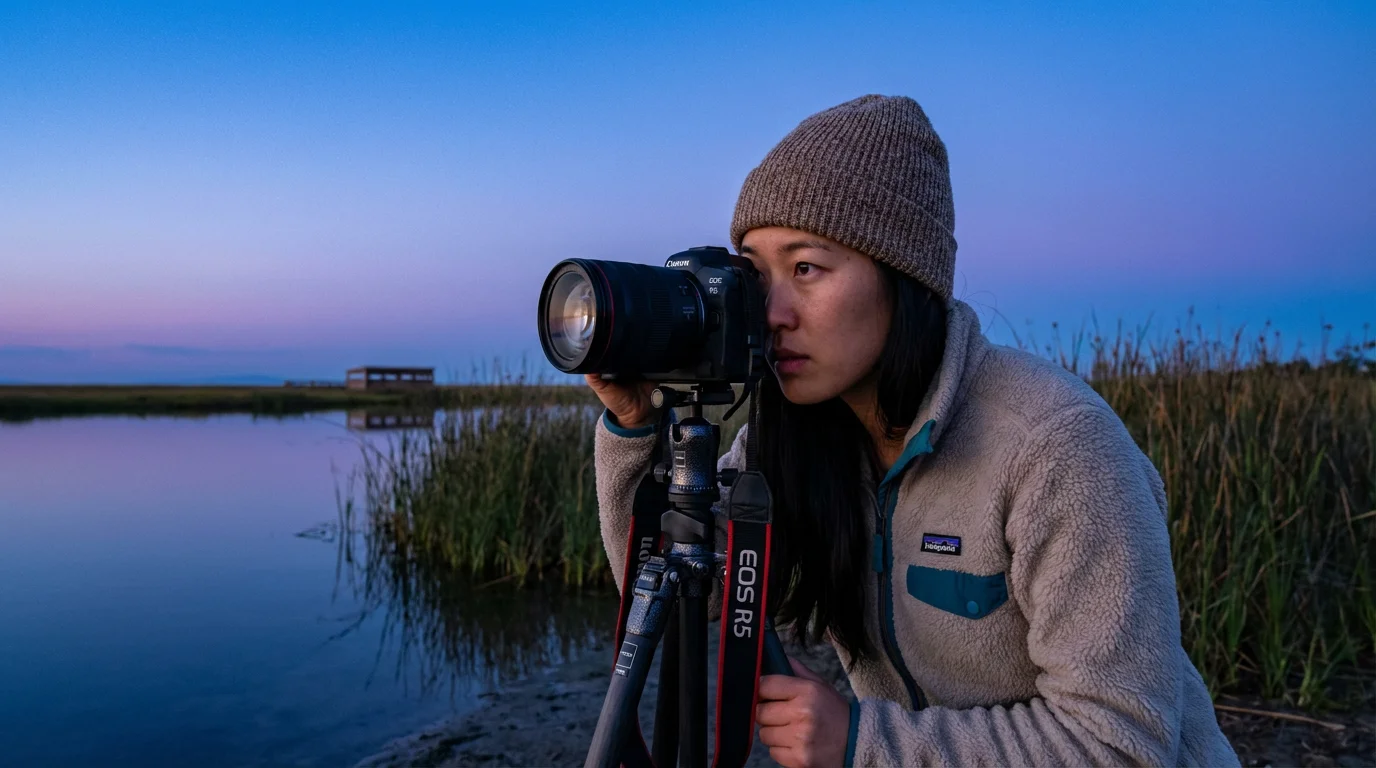
Nature volunteering encompasses a wide range of activities, ensuring there is a role suitable for almost every interest and physical ability. You can choose from active outdoor tasks to more supportive, behind-the-scenes roles. Consider what type of contribution you wish to make.
Many of the park areas that rely on volunteers feature wonderful senior-friendly hiking trails, meaning your work directly enhances the experience of everyday visitors.
Common Nature Volunteer Roles
- Trail Maintenance: Clear debris, repair pathways, and build bridges to ensure trails are safe and accessible for hikers.
- Habitat Restoration: Plant native species, remove invasive plants, or participate in reforestation projects to support local ecosystems.
- Wildlife Monitoring: Assist researchers with bird counts, butterfly surveys, or tracking animal populations. This often involves observation and data collection.
- Park Interpretation and Education: Greet visitors, provide information about local flora and fauna, lead guided walks, or assist at visitor centers.
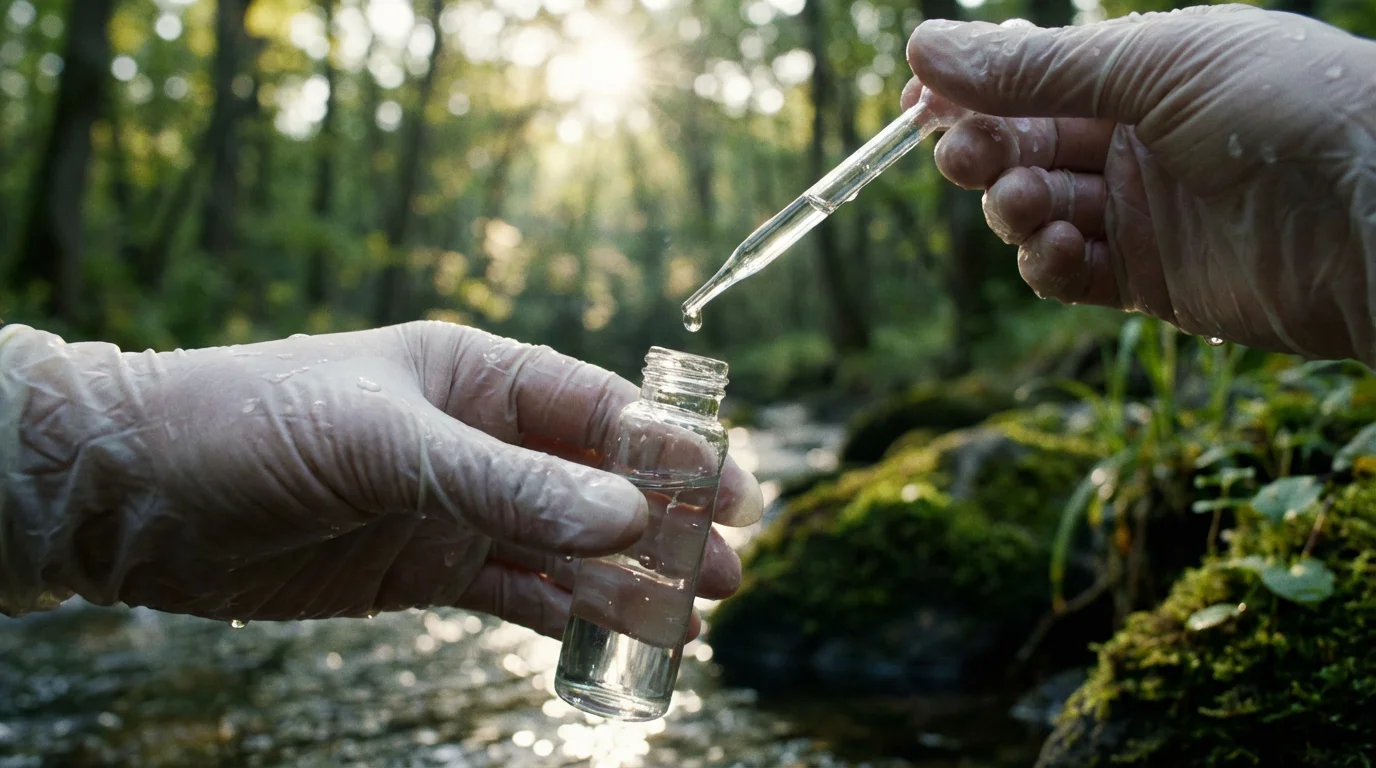
- Citizen Science Projects: Collect data on environmental changes, water quality, or specific plant and animal observations. Many apps and organizations support these initiatives.
- Administrative Support: Help with office tasks, fundraising, social media, or event planning for conservation organizations. These roles are vital and often less physically demanding.
- Cleanup and Litter Removal: Participate in organized cleanups of beaches, rivers, or park areas. This visible work directly improves public spaces.
Many organizations welcome volunteers with specific professional skills, such as photography, writing, or graphic design. You can leverage your lifelong expertise to further conservation goals.
Finding Your Perfect Nature Volunteer Role
Locating the right nature volunteering opportunity requires some research, but numerous resources simplify the process. Begin by considering your interests, available time, and desired level of physical activity. Remember, even a few hours a month make a difference.
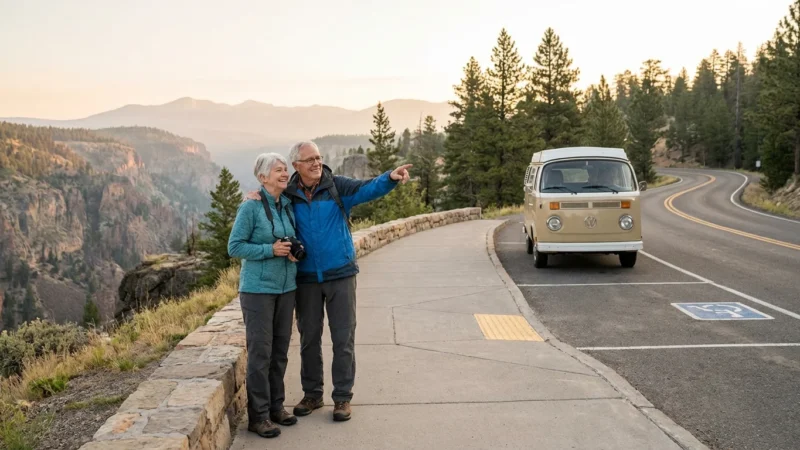
If you enjoy organized travel, you might also consider group tours in national parks to find inspiration for pristine locations where you can help out.
If you are interested in exploring further afield, volunteering vacations offer a structured way to combine global travel with meaningful environmental service.
- Start Locally: Investigate local city or county parks departments, nature centers, and botanical gardens. These organizations frequently need volunteers for various tasks, from gardening to leading tours.
- Explore National Parks and Forests: The National Park Service offers a “Volunteers-in-Parks” program, and the National Forest Foundation supports volunteer efforts in National Forests. These programs provide diverse roles in iconic landscapes across the country. You can find opportunities on the National Park Service website or the National Forest Foundation site.
- Search Conservation Organizations: Large national groups, such as The Nature Conservancy or local Audubon chapters, often have volunteer programs. Smaller, regional land trusts also depend heavily on volunteer support.
- Utilize Online Volunteer Platforms: Websites like VolunteerMatch.org or Idealist.org allow you to filter opportunities by interest, location, and commitment level. These platforms can connect you with a wide array of environmental organizations.
- Connect with Road Scholar: While known for educational travel, Road Scholar occasionally offers service-learning programs that combine travel with volunteer activities, sometimes focused on environmental projects.
- Ask About “Friends Of” Groups: Many parks, trails, and natural areas have “Friends Of” groups. These volunteer-run organizations typically focus on local conservation and stewardship.
When you contact an organization, clearly state your interests and any specific skills you bring. They can guide you towards roles that match your capabilities and aspirations. Do not hesitate to ask questions about expectations, training, and scheduling flexibility.
Preparation and Safety for Outdoor Volunteering
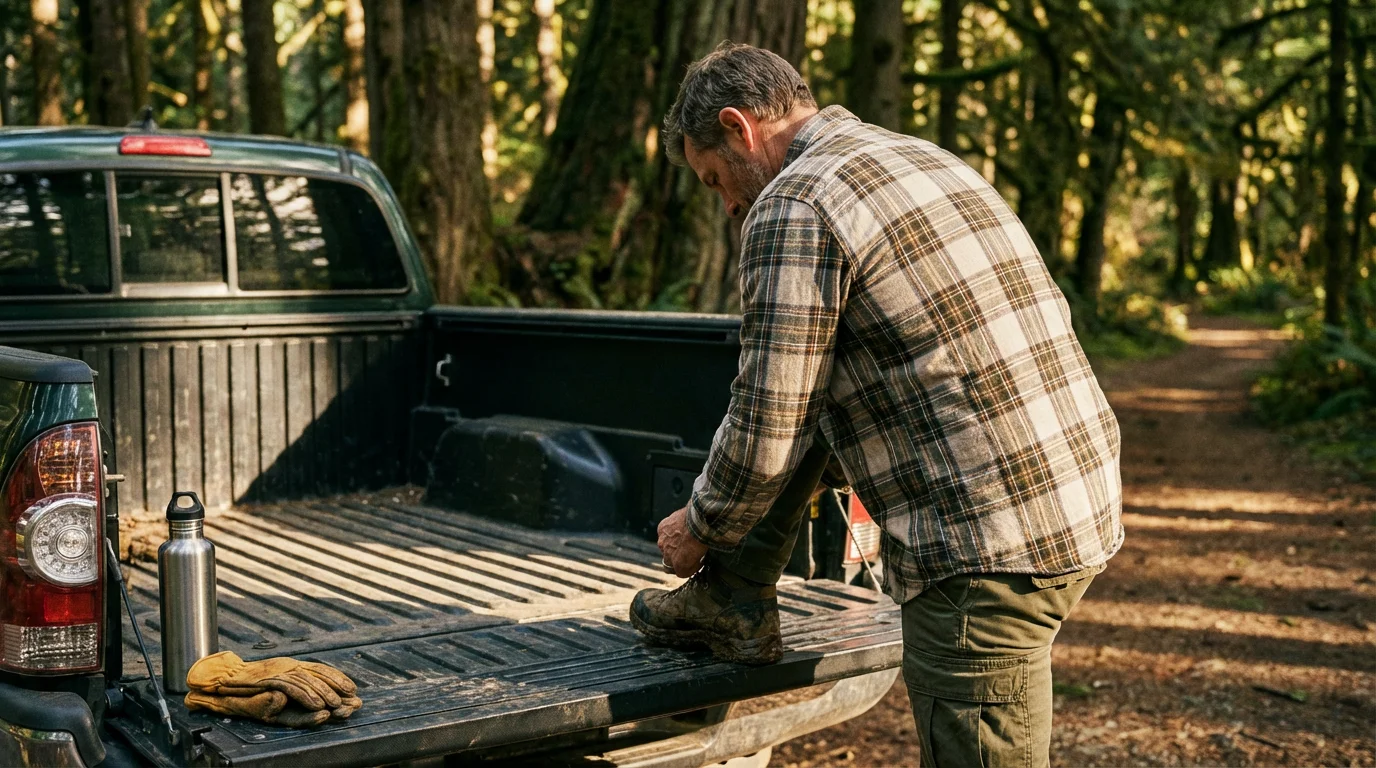
Prioritizing your safety and comfort ensures a positive and sustainable nature volunteering experience. Proper preparation addresses potential challenges and allows you to focus on your important work. Always consult your healthcare provider before starting any new physical activity, especially if you have pre-existing health conditions.
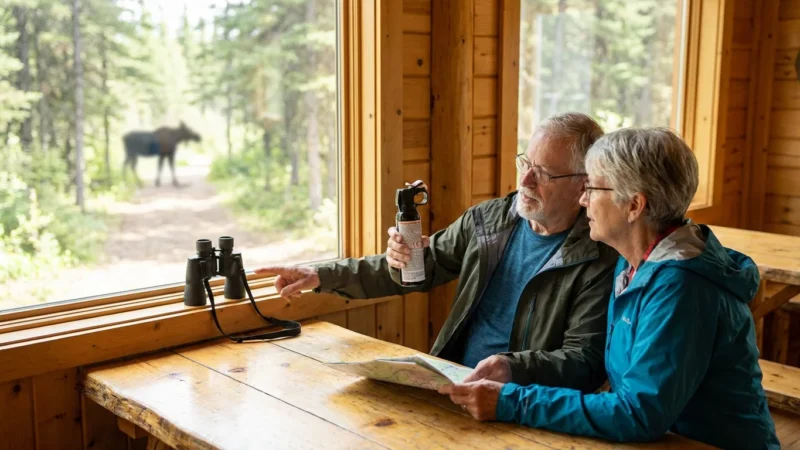
In addition to general physical prep, understanding how to stay safe by avoiding wildlife encounters will give you peace of mind while working in remote habitats.
Beyond specific work tools, carrying the ten essential items for outdoor safety ensures you are prepared for any changes in the environment.
Assessing Your Physical Readiness
Many nature volunteering tasks involve moderate physical activity. Be realistic about your current fitness level. Start with less strenuous activities if you are new to outdoor work, gradually building your endurance. Remember, most organizations offer a variety of roles, some requiring minimal physical exertion.
If you are just starting to rebuild your fitness, simple nature walks for beginners are an excellent way to prepare for more demanding field projects.
Consider roles that align with your mobility and strength. For example, bird counting or visitor center duties might be more suitable than heavy trail clearing if you have joint issues. Open communication with volunteer coordinators about your capabilities is key.
Essential Gear for Outdoor Volunteers
Having the right equipment enhances your comfort and safety in various weather conditions and environments. Your specific role might require specialized tools, but these general items are universally useful.
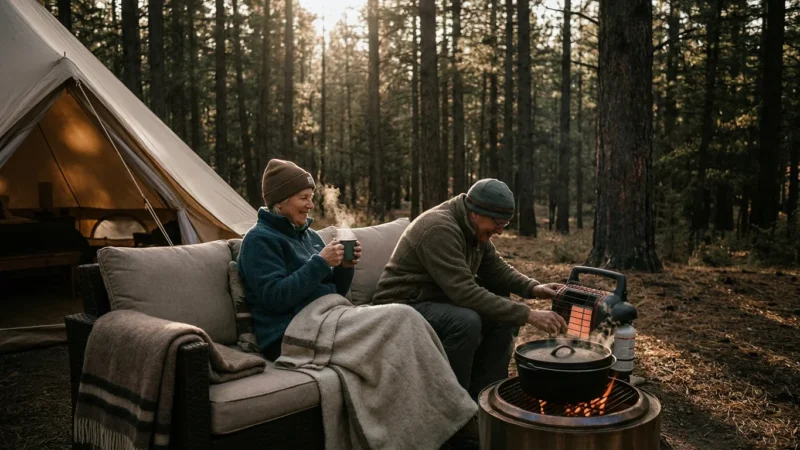
Many of these recommendation lists overlap with the gear tips used for camping comfortably, focusing on lightweight and high-quality utility items.
- Appropriate Clothing: Layers are crucial. Wear moisture-wicking fabrics, comfortable long pants, and long-sleeved shirts to protect against sun and insects. A rain jacket is a must.
- Sturdy Footwear: Closed-toe shoes with good ankle support are essential. Hiking boots or sturdy walking shoes protect your feet on uneven terrain.
- Hydration System: A reusable water bottle or hydration pack. Staying hydrated prevents fatigue and heat-related issues.
- Sun Protection: Wide-brimmed hat, sunglasses, and broad-spectrum sunscreen.
- Insect Repellent: Protect yourself from ticks and mosquitoes, especially in wooded or wetland areas.
- Work Gloves: Protect your hands from blisters, thorns, and dirt, especially for tasks like weeding or clearing brush.
- First-Aid Kit: A small personal kit with bandages, antiseptic wipes, pain relievers, and any personal medications.
- Snacks: Energy bars, fruit, or nuts to maintain your energy levels throughout the day.
Always check the weather forecast before heading out. Inform someone of your location and expected return time, especially if you are volunteering in a remote area. Learn about any specific hazards in your volunteering location, such as poison ivy or local wildlife.
Stories from the Field: Real-World Impact
The impact of senior volunteers in nature conservation is profound and far-reaching. Across the nation, individuals like you are dedicating their time and talents to protect our planet. These stories highlight the tangible differences made by committed seniors.
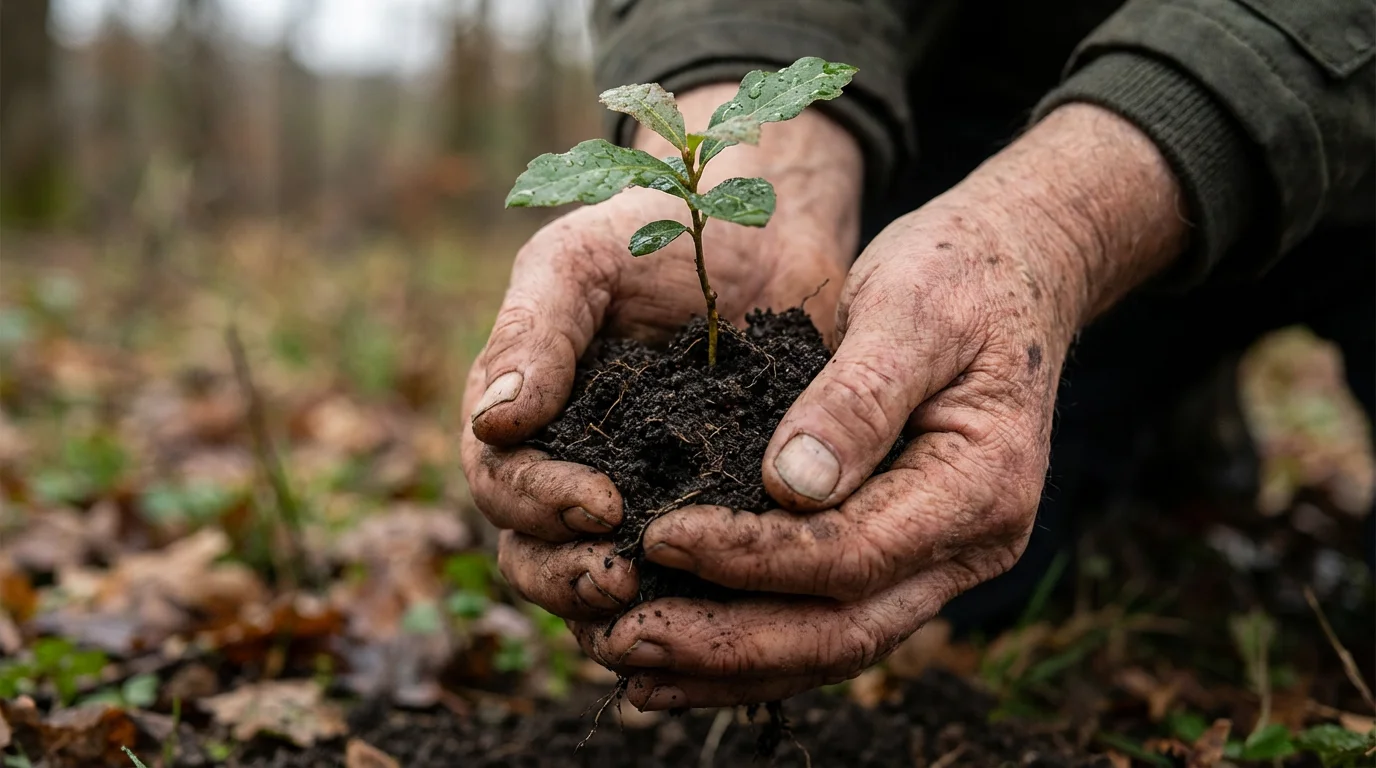
Consider Martha, a retired teacher, who now volunteers weekly at a local nature center. She leads school groups on educational hikes, sharing her extensive knowledge of local ecology. Her passion inspires young minds to appreciate the natural world, fostering a new generation of environmental stewards. Martha finds deep satisfaction in seeing the children’s eyes light up as they discover a new plant or animal.
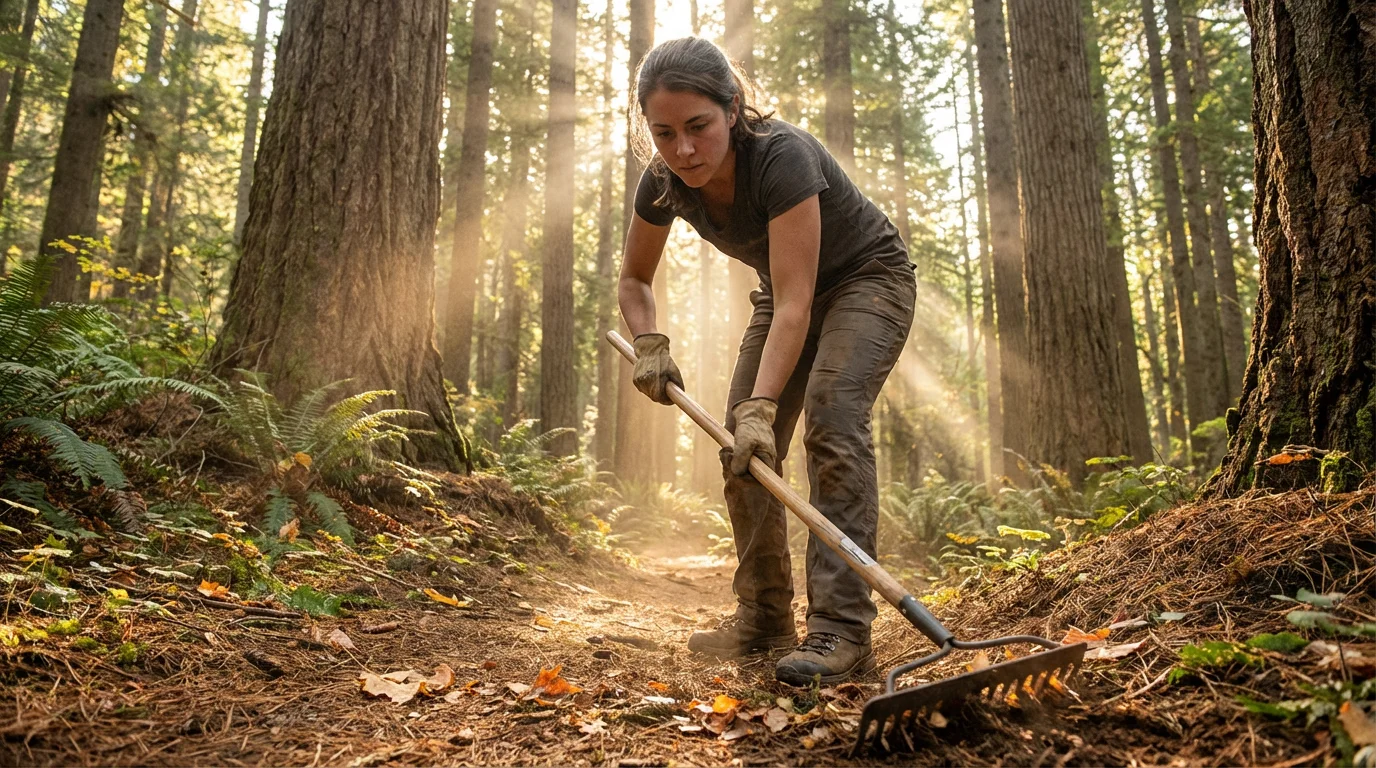
Then there is Robert, a former engineer, who applies his problem-solving skills to trail maintenance in a state park. He organizes volunteer crews, designs drainage solutions, and repairs boardwalks, making trails safer and more accessible for thousands of visitors each year. Robert remarks that the physical labor keeps him fit, and the camaraderie with fellow volunteers is invaluable.
These examples illustrate that senior volunteers bring invaluable experience, dedication, and a lifetime of skills to conservation efforts. Your contributions are not just labor, they are an investment in the future of our natural world, ensuring its beauty and health for generations to come.
Tips for a Successful Volunteering Experience
To maximize your enjoyment and impact as a nature volunteer, consider these practical tips. They will help you find a sustainable rhythm and ensure your contributions are both rewarding for you and beneficial for the environment.
- Start Small: Begin with a short-term project or a few hours a week to see if the role suits you. You can always increase your commitment later.
- Communicate Clearly: Discuss your expectations, physical capabilities, and availability with the volunteer coordinator. This ensures a good match and avoids misunderstandings.
- Embrace Learning: Be open to learning new skills, whether it is identifying invasive plants or using specific tools. Many organizations provide training.
- Be Flexible: Nature is unpredictable, and project needs can change. A flexible attitude helps you adapt to new tasks or weather delays.
- Prioritize Self-Care: Listen to your body. Take breaks, stay hydrated, and do not overexert yourself. Your well-being is paramount for sustained volunteering.
- Engage with Fellow Volunteers: Build relationships. Sharing the experience with others enhances enjoyment and strengthens the volunteer community.
- Enjoy the Process: Remember why you started. Take time to appreciate the natural beauty around you and the positive impact you are making.
Your passion and dedication are immense assets. Approach each opportunity with an open mind and a spirit of adventure, and you will find profound fulfillment.
Beyond the United States: International Nature Volunteering
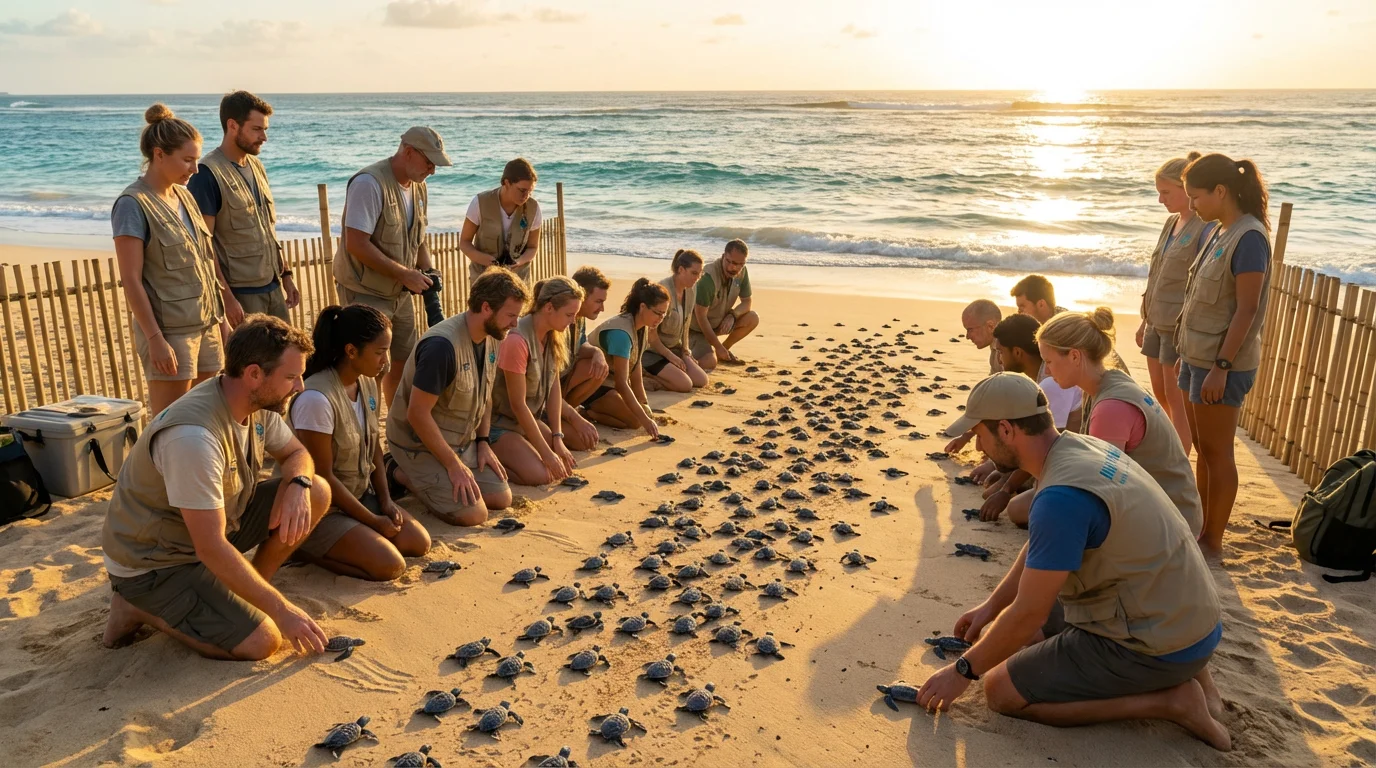
While numerous opportunities exist within the United States, your adventurous spirit might lead you to explore nature volunteering options abroad. Many international programs focus on conservation efforts in diverse ecosystems, from rainforests to marine environments. These experiences offer unique cultural immersion alongside environmental work.
Organizations like Earthwatch Institute or Global Volunteers offer programs where you can contribute to wildlife research, reforestation, or community-based conservation projects around the globe. These typically involve a financial contribution to cover program costs, travel, and accommodation. Always research programs thoroughly, ensuring they align with your values and safety standards.
When considering international travel for volunteering, consult the U.S. Department of State Travel Advisories for destination-specific information. The CDC Travelers’ Health website provides essential health recommendations and vaccination guidance for different regions. Planning international nature volunteering requires careful consideration of logistics, health, and safety, but it offers unparalleled experiences.
Frequently Asked Questions
How can seniors volunteer in nature conservation if they have limited mobility?
Many nature conservation organizations offer a variety of roles, not all of which require strenuous physical activity. You can often find opportunities for administrative support, data entry, photography, visitor center assistance, or educational outreach. Clearly communicate your physical capabilities when inquiring about volunteer positions.
What are the benefits of volunteering outdoors specifically for seniors?
Seniors benefit from outdoor volunteering through improved physical health, enhanced mental well-being from connecting with nature, increased social interaction, and a profound sense of purpose. It supports active aging, reduces stress, and allows you to make a tangible contribution to environmental preservation.
Do I need special skills or experience to volunteer in nature?
No, many nature volunteering roles require no prior experience. Organizations often provide all necessary training on site. Your enthusiasm, willingness to learn, and commitment are typically the most important qualifications. Some roles might benefit from specific skills, but these are usually clearly stated.
How much time commitment does nature volunteering typically require?
Time commitments vary widely. Some organizations offer one-time cleanup events or seasonal projects. Others may ask for a regular commitment, such as a few hours weekly or monthly. You can usually find flexible options to fit your schedule. Discuss your availability upfront with the volunteer coordinator.
Are there opportunities for couples or groups to volunteer together?
Absolutely. Many nature conservation projects welcome couples, friends, or even larger groups. Volunteering together can enhance the experience, providing shared memories and strengthening bonds. Inquire with organizations about group volunteer opportunities or if they can accommodate multiple individuals from your party.
What are some good resources for finding nature volunteering opportunities?
Excellent resources include local park and recreation departments, national agencies like the National Park Service and National Forest Foundation, and online platforms such as VolunteerMatch.org. Local nature centers, botanical gardens, and environmental non-profits are also great places to inquire directly.
Disclaimer: This article is for informational purposes only. Travel conditions, accessibility, and requirements change frequently. We encourage readers to verify current information with official sources before traveling. Always consult with healthcare providers about travel considerations for your specific health situation.
Leave a Reply