
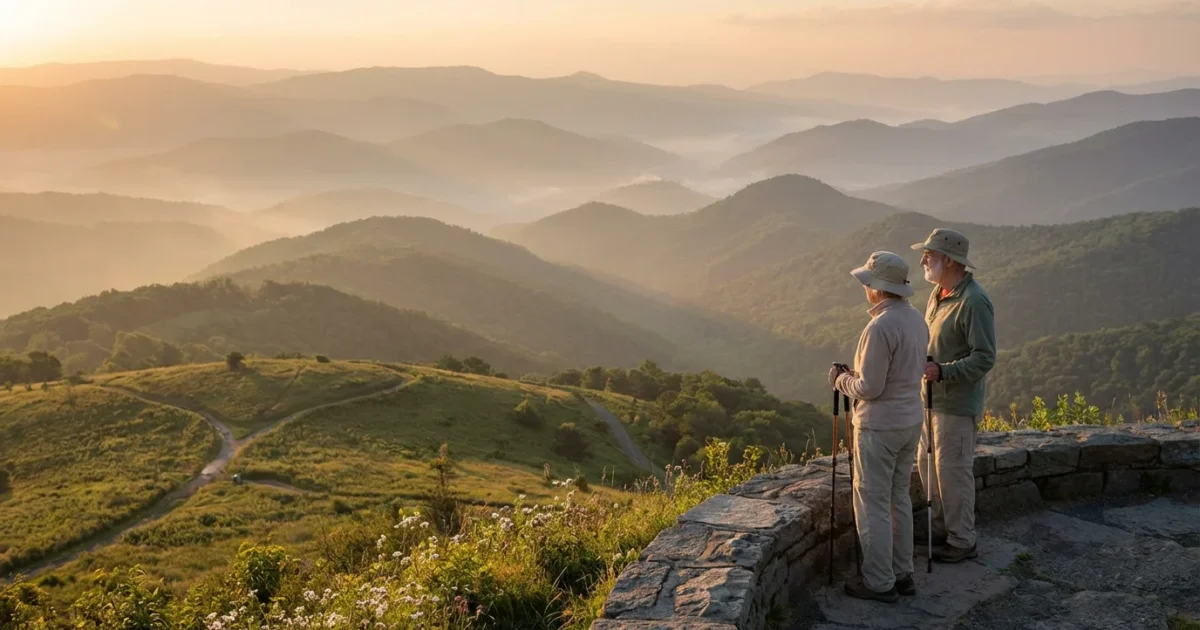
The call of the mountains resonates deeply, inviting discovery, tranquility, and invigorating challenge. For seniors, the Great Smoky Mountains National Park offers an unparalleled blend of natural beauty, accessible adventure, and rich cultural history. This guide empowers you to plan a memorable journey to this iconic destination, ensuring comfort, safety, and an abundance of breathtaking experiences.
Millions visit the Smoky Mountains annually, drawn by misty peaks, ancient forests, and abundant wildlife. This guide focuses on practical advice and inspiring insights, tailored for active Americans aged 55 and over. You discover how to navigate the park, find the best scenic drives, and engage in activities that match your pace and interests.
Table of Contents
- Why the Smoky Mountains? Embrace the Adventure
- Planning Your Smoky Mountain Adventure: A Step-by-Step Guide
- Essential Gear and Smart Packing for Comfort
- Navigating the Park: Best Scenic Drives and Overlooks
- Engaging Activities for Every Pace: Beyond the Car Window
- Prioritizing Your Well-being: Health and Safety in the Park
- Accessibility and Inclusivity: Exploring the Park for All
- Frequently Asked Questions
Why the Smoky Mountains? Embrace the Adventure
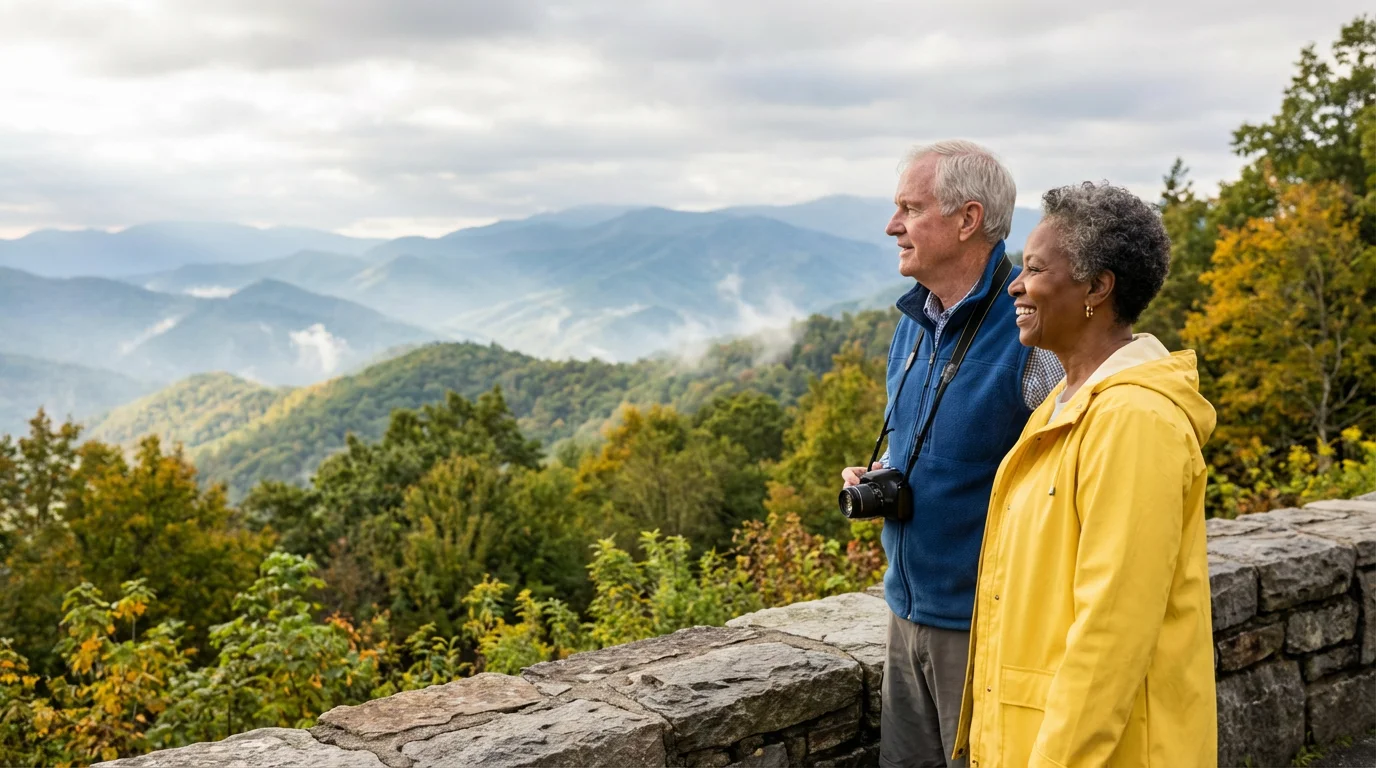
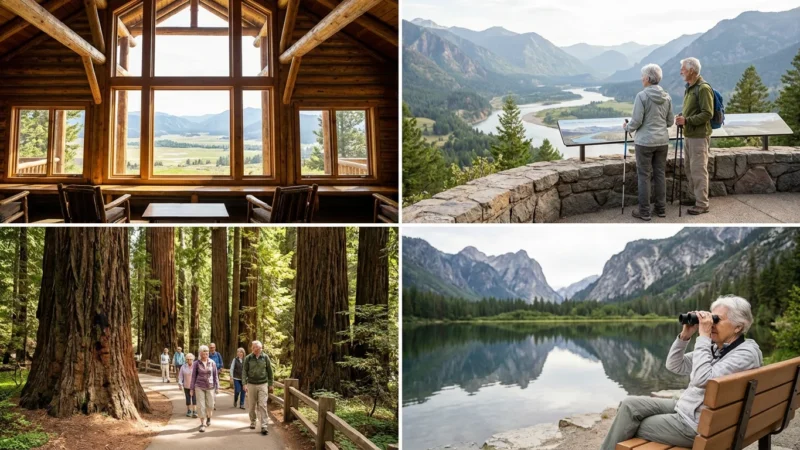
The Great Smoky Mountains National Park stands as America’s most visited national park, consistently attracting over 14 million people each year. This remarkable popularity stems from its stunning biodiversity, ancient mountains, and a wealth of opportunities for exploration. For active seniors, the park offers a unique blend of adventure and accessibility.
Joining senior group tours in national parks can provide a social and structured way to see these natural wonders.
You find well-maintained roads and numerous pull-offs providing spectacular views without extensive hiking. The park protects one of the most diverse ecosystems on Earth, harboring thousands of species of plants and animals. Its ancient, rounded peaks, cloaked in mist, create the “smoky” appearance that gives the mountains their name, offering a tranquil backdrop for your adventure.
“The world is a book and those who do not travel read only one page.” — Saint Augustine
Visiting the Smoky Mountains allows you to reconnect with nature, learn about Appalachian history, and create lasting memories. It serves as a perfect destination for both seasoned travelers and those embarking on new adventures in their retirement years. The sheer scale and beauty of this National Park inspire awe and encourage active engagement with the natural world.
Planning Your Smoky Mountain Adventure: A Step-by-Step Guide
Successful travel hinges on thoughtful planning. This step-by-step guide helps you organize a fulfilling and stress-free trip to the Smoky Mountains. Consider these points as you prepare for your journey, ensuring you maximize your experience in this magnificent National Park.
-
Determine Your Travel Dates and Duration:
The Smoky Mountains offer distinct experiences throughout the year. Spring brings wildflowers and milder temperatures, while summer features lush greenery and vibrant waterfalls. Fall boasts spectacular foliage, attracting large crowds, and winter offers quiet solitude and snow-dusted landscapes. Consider visiting in late spring or early fall for pleasant weather and fewer visitors. Plan at least 3-5 days to explore the main attractions without rushing.
-
Choose Your Accommodations:
You have various options ranging from cozy cabins and charming bed and breakfasts to modern hotels and RV parks. Gatlinburg, Pigeon Forge, and Cherokee offer lodging just outside the National Park boundaries. Book your accommodations well in advance, especially during peak seasons like summer and fall. For camping, utilize Recreation.gov to reserve campsites, as they fill quickly.
-
Outline Your Budget:
Factor in transportation, accommodation, food, park activities, and souvenirs. Entrance to the Great Smoky Mountains National Park is free, a rare bonus for a park of its caliber. However, nearby attractions and towns have costs. Consider purchasing an America the Beautiful Senior Pass for discounts on other federal lands, should your travels extend beyond this park.
-
Consult Your Healthcare Provider:
Before any major trip, discuss your travel plans with your doctor. They can provide guidance on managing medications, preventing common travel ailments, and assessing your fitness for specific activities. The Centers for Disease Control and Prevention offers valuable information for travelers at CDC Travelers’ Health, including health tips for specific destinations.
-
Research Activities and Itinerary:
Identify must-see sights and activities that match your mobility and interests. The National Park Service website, NPS.gov/grsm, offers comprehensive details on trails, scenic drives, and ranger programs. Balance planned activities with free time for spontaneous discovery or relaxation.
-
Share Your Itinerary:
Inform a trusted family member or friend about your travel plans, including your route and estimated return times. This simple step enhances your safety, particularly when exploring more remote areas of the park.

Essential Gear and Smart Packing for Comfort
Packing appropriately ensures your comfort and safety, allowing you to fully enjoy your Smoky Mountain adventure. The weather in the mountains can change rapidly, so prepare for varied conditions. Layering remains key to adapting to temperature fluctuations throughout the day.
Reviewing senior-friendly camping tips can also help you select the right equipment for a comfortable night under the stars.
Focus on practical items that enhance your experience without weighing you down. Smart packing allows you to move freely and comfortably, whether you are enjoying a scenic drive or a gentle stroll. Remember, less can often mean more when traveling.
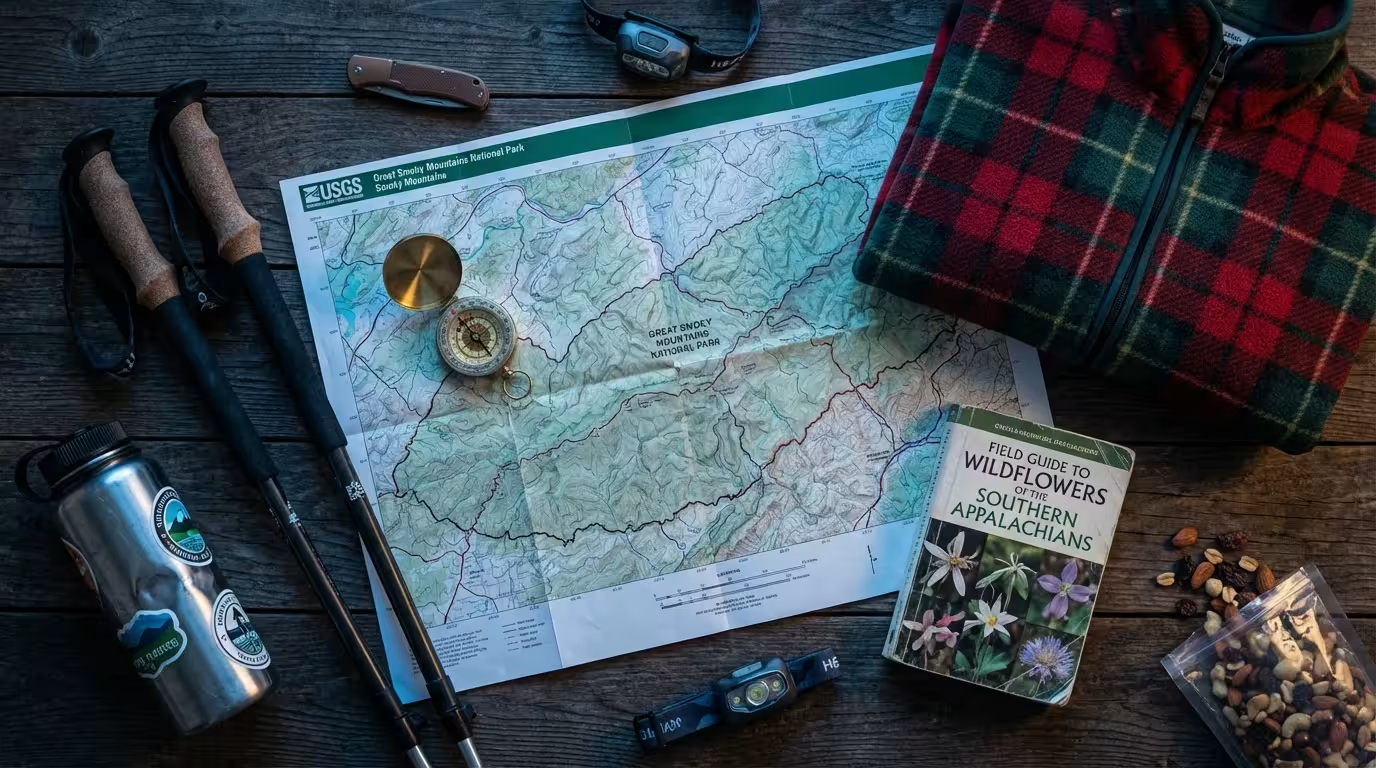
- Layered Clothing: Pack moisture-wicking base layers, insulating mid-layers like fleece, and a waterproof or water-resistant outer shell. This combination prepares you for anything from warm sun to sudden rain or cooler mountain air.
- Comfortable Footwear: Sturdy, broken-in walking shoes or hiking boots with good ankle support are essential. Bring an extra pair of comfortable shoes for evenings or less active days.
- Sun Protection: A wide-brimmed hat, sunglasses, and broad-spectrum sunscreen protect you from intense mountain sunshine, even on cloudy days.
- Hydration System: Carry a reusable water bottle or a hydration pack. Staying hydrated is crucial, especially when active.
- First-Aid Kit: Include personal medications, pain relievers, blister treatment, antiseptic wipes, and any other essentials for minor injuries.
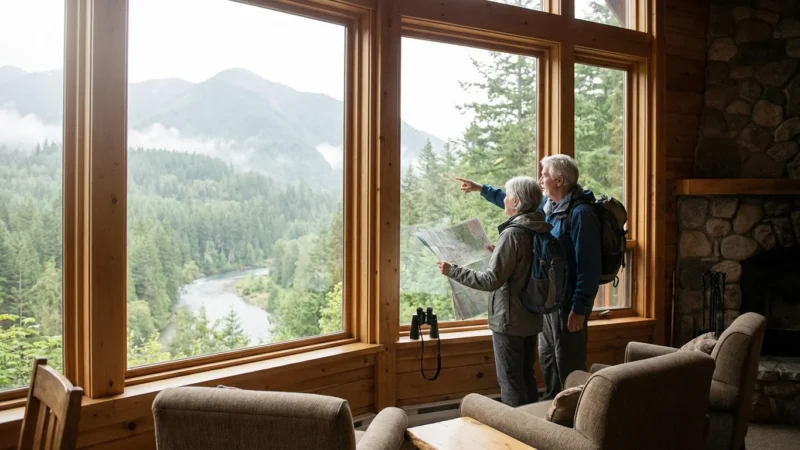
- Navigation Tools: While cell service can be spotty, a physical map of the National Park, a compass, or a downloaded offline map provides reliable navigation.
- Binoculars: Enhance your wildlife viewing and appreciate distant scenic vistas more intimately.
- Snacks: Pack energy-boosting snacks like nuts, fruit, or granola bars, especially if you plan to be out on trails.
- Small Backpack: A comfortable daypack allows you to carry water, snacks, layers, and personal items during your daily explorations.

Navigating the Park: Best Scenic Drives and Overlooks
The Great Smoky Mountains National Park offers some of the country’s most spectacular scenic drives, perfect for seniors who prefer exploring by car. These routes provide breathtaking vistas, opportunities for wildlife spotting, and access to historical sites without strenuous effort. Driving these routes allows you to experience the vast beauty of the Smoky Mountains at your own pace.
You gain access to numerous pull-offs and short walking paths, offering photo opportunities and fresh air breaks. Planning your drives around peak hours helps avoid congestion, especially during fall foliage season. The park features over 384 miles of road, with 200 miles paved, providing ample options for exploration.
Top Scenic Drives in Smoky Mountain National Park
- Newfound Gap Road (US-441): This 31-mile drive traverses the park from Gatlinburg, Tennessee, to Cherokee, North Carolina. It offers stunning mountain views, historic sites, and crosses the Appalachian Trail. Clingmans Dome Road, a seven-mile spur, takes you to the highest point in Tennessee.
- Cades Cove Loop Road: This popular 11-mile, one-way loop showcases historic cabins, churches, and gristmills, alongside abundant wildlife like deer and bears. Consider visiting early morning or late afternoon for optimal wildlife viewing and fewer crowds.
- Roaring Fork Motor Nature Trail: A scenic, narrow, one-way paved loop near Gatlinburg, offering waterfalls, old-growth forests, and historic buildings. This drive is typically open seasonally from spring to fall. Its winding nature provides an immersive forest experience.
- Foothills Parkway: While not entirely within the main park, sections like the ‘missing link’ provide spectacular long-range views of the Smokies and surrounding foothills. This drive offers less congestion than internal park roads.
To help you compare the main scenic drives, consider the following table:
| Drive Name | Length | Estimated Time | Highlights | Accessibility Notes |
|---|---|---|---|---|
| Newfound Gap Road (US-441) | 31 miles (one-way) | 1-2 hours (without stops) | Mountain views, Appalachian Trail, Clingmans Dome access. | Paved, two-lane road. Numerous overlooks. |
| Cades Cove Loop Road | 11 miles (one-way loop) | 2-4 hours (with stops) | Historic buildings, abundant wildlife, scenic meadows. | Paved, one-way road. Often congested, especially in peak season. |
| Roaring Fork Motor Nature Trail | 5.5 miles (one-way loop) | 1-2 hours (with stops) | Waterfalls, old-growth forest, historic homes. | Paved, narrow, one-way road. Open seasonally. |
Engaging Activities for Every Pace: Beyond the Car Window
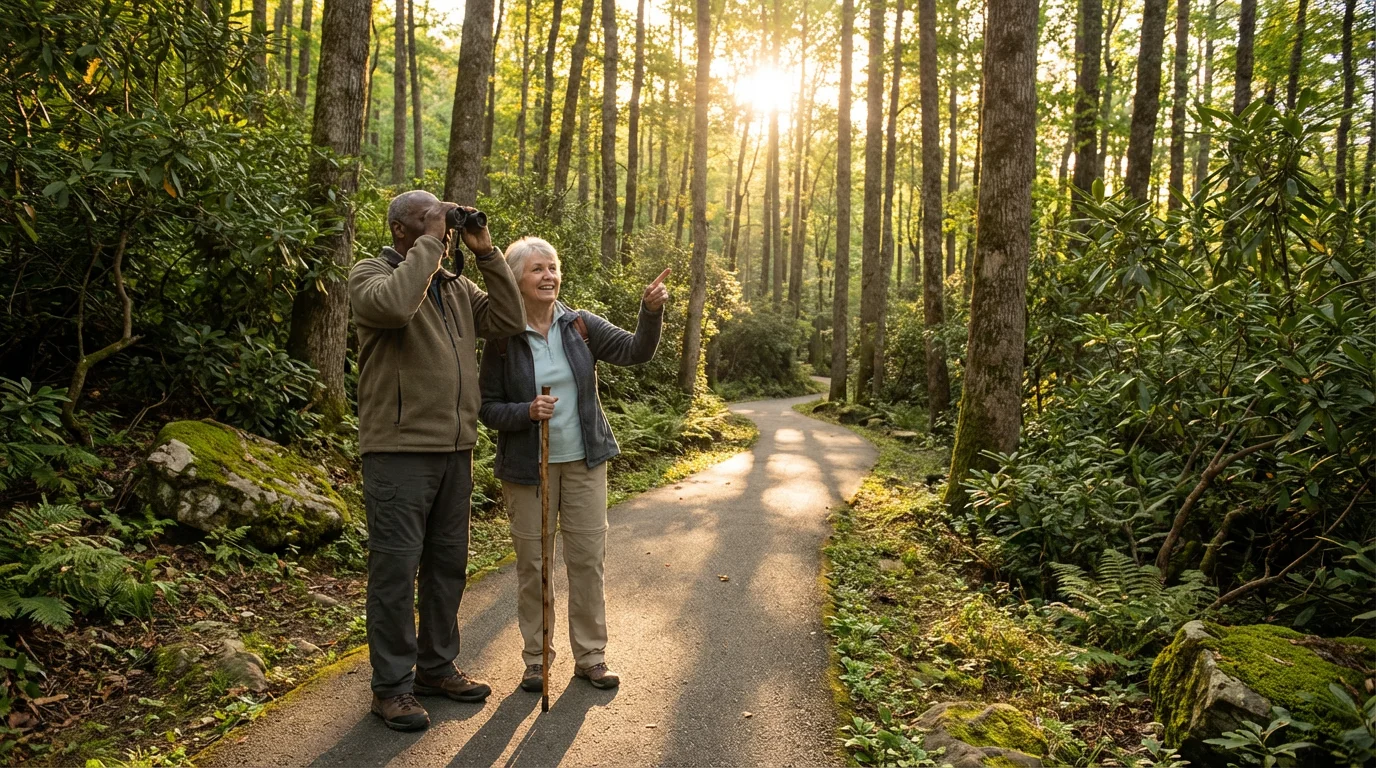
While scenic drives offer incredible views, the Smoky Mountains invite you to step out and engage with nature more intimately. The park provides a range of activities suitable for various mobility levels. You find opportunities to immerse yourself in the natural and cultural heritage of this special place, from short, accessible walks to wildlife viewing.
For those who prefer a more social experience, joining a group hike can be a wonderful way to meet like-minded explorers while safely navigating the trails.
Remember to always check trail conditions and accessibility information with the National Park Service before heading out. Your enjoyment increases when activities align with your comfort and fitness levels. The park offers more than just rigorous hikes, ensuring everyone can find a rewarding experience.
- Easy Walks and Accessible Trails:
- Gatlinburg Trail: A relatively flat, 1.9-mile one-way paved trail running from Gatlinburg to the Sugarlands Visitor Center. It welcomes pets and bicycles.
- Sugarlands Valley Nature Trail: A paved, 0.5-mile loop near the Sugarlands Visitor Center, providing a tranquil forest walk suitable for wheelchairs and strollers.
- Cataract Falls Trail: A short, easy 0.7-mile roundtrip walk to a beautiful waterfall, starting near the Sugarlands Visitor Center.
- Wildlife Viewing:
Cades Cove remains a prime location for spotting white-tailed deer, wild turkeys, and occasionally black bears. Early morning and late evening provide the best opportunities. Always maintain a safe distance from wildlife, typically 50 yards from bears and at least 25 yards from other animals.
- Picnicking:
The park offers several designated picnic areas with tables and grills, including Cades Cove, Chimneys, and Metcalf Bottoms. Pack a lunch and enjoy a relaxing meal amidst the beautiful scenery.
- Historic Sites:
Explore the preserved log cabins, churches, and gristmills in Cades Cove, Roaring Fork, and the Mountain Farm Museum at Oconaluftee. These sites offer a glimpse into Appalachian pioneer life. Engage with living history demonstrations during peak seasons.
- Visitor Centers:
Stop at Sugarlands Visitor Center (near Gatlinburg) or Oconaluftee Visitor Center (near Cherokee) for exhibits, park films, restrooms, and ranger assistance. These centers provide valuable information and educational resources.
- Ranger Programs:
Attend free ranger-led talks, walks, and campfire programs. These programs offer insightful information on the park’s natural and cultural history. Check the park’s schedule upon arrival for current offerings.

Prioritizing Your Well-being: Health and Safety in the Park
Your health and safety remain paramount during any adventure. The Great Smoky Mountains National Park offers incredible beauty, but understanding potential hazards and preparing for them ensures a safe and enjoyable trip. Taking proactive steps allows you to focus on the wonders around you, not on worries.
Always inform someone of your itinerary, especially if you plan to explore less-traveled areas. Familiarize yourself with emergency procedures and carry essential safety items. Your well-being directly impacts the quality of your adventure.
- Stay Hydrated: Always carry plenty of water. Dehydration can occur quickly, especially when active or during warmer months. Drink water regularly, even if you do not feel thirsty.
- Sun Protection: The sun’s intensity increases at higher elevations. Use sunscreen, wear a hat, and consider sun-protective clothing to prevent sunburn.
- Wildlife Encounters: The park is home to black bears, deer, and other wildlife. Never approach or feed animals. Store food properly to avoid attracting bears. If you encounter a bear, make noise, make yourself look as large as possible, and slowly back away.
- Weather Preparedness: Mountain weather changes rapidly. Pack layers, rain gear, and check forecasts before heading out. Be prepared for sudden temperature drops or thunderstorms.
- Emergency Communication: Cell service is unreliable throughout much of the park. Consider carrying a personal locator beacon or satellite messenger if you plan remote excursions. Know that emergency services are available by calling 911, but cellular reception often prevents calls.
- First Aid: Carry a well-stocked first-aid kit for minor injuries, cuts, or insect bites. Knowing basic first aid proves invaluable in remote settings.
- Know Your Limits: Choose activities that match your physical capabilities. Do not push yourself beyond your comfort zone. If a trail feels too strenuous, turn back. There is no shame in adjusting plans for safety.

Accessibility and Inclusivity: Exploring the Park for All
The Great Smoky Mountains National Park strives to offer an inclusive experience for visitors of all abilities. While the mountainous terrain presents challenges, the park has implemented various measures to enhance accessibility. You find accessible features that allow for broader enjoyment of this natural treasure, making your visit comfortable and rewarding.
Planning ahead and researching specific locations helps you identify the most accessible routes and facilities. The National Park Service continually works to improve accessibility, reflecting a commitment to welcoming all explorers. Everyone deserves the opportunity to experience the majesty of a National Park.
- Accessible Trails:
- Gatlinburg Trail: This paved, relatively flat trail accommodates wheelchairs and strollers, offering scenic views along the West Prong of the Little Pigeon River.
- Sugarlands Valley Nature Trail: A paved, accessible loop near the Sugarlands Visitor Center, designed for easy navigation.
- Cades Cove Loop Road: While the loop itself is a scenic drive, several historical buildings and picnic areas along the road offer accessible parking and level ground for viewing.
- Visitor Centers:
Both Sugarlands and Oconaluftee Visitor Centers feature accessible parking, restrooms, exhibits, and information desks. Ramps and wide doorways ensure easy entry and movement.
- Restrooms:
Accessible restrooms are available at all visitor centers and many picnic areas and campgrounds throughout the park. Check the park map for specific locations.
- Picnic Areas:
Several picnic areas, including Chimneys and Metcalf Bottoms, provide accessible parking and picnic tables, often on firm, level ground. These spots offer perfect places to rest and enjoy a meal.
- Scenic Overlooks:
Most major overlooks along Newfound Gap Road and Foothills Parkway have paved parking areas and accessible viewing platforms. These allow you to enjoy panoramic mountain vistas from your vehicle or a short, flat distance.
- Accessible Fishing:
Some sections of rivers and streams, particularly near visitor centers or accessible picnic areas, offer easier access for fishing. Inquire at visitor centers for current regulations and accessible spots.
- Wheelchair Loans:
Some visitor centers may offer loaner wheelchairs on a first-come, first-served basis. It is advisable to call ahead to confirm availability.
Frequently Asked Questions
What is the best time of year for seniors to visit the Smoky Mountains?
Late spring, from April to May, and early fall, from September to October, generally offer the most pleasant weather and fewer extreme temperatures. Spring brings vibrant wildflowers, while fall showcases stunning foliage. Summer offers full access to all park amenities, but also brings the largest crowds and warmer temperatures.
Are there any entrance fees for the Great Smoky Mountains National Park?
No, there are no entrance fees to enter Great Smoky Mountains National Park. This makes it a highly accessible and budget-friendly destination. However, fees apply for camping and some special permits. You can find detailed information on fees for specific activities on the National Park Service website.
Can I bring my pet to the Smoky Mountains National Park?
Pets are generally welcome in developed areas such as campgrounds, picnic areas, and along paved roads. However, they are restricted to two designated walking paths, the Gatlinburg Trail and the Oconaluftee River Trail. Pets are not allowed on any other hiking trails due to wildlife concerns and to protect sensitive ecosystems. Always keep your pet on a leash no longer than 6 feet.
What are the biggest dangers for seniors in the park?
The biggest dangers include changeable weather, wildlife encounters, and potential overexertion on trails. Prepare for sudden weather shifts, maintain safe distances from animals, and choose activities within your physical limits. Poor cell phone service in many areas also poses a challenge for emergency communication. Carry water, snacks, and a basic first-aid kit on all outings.
How long does it take to drive through the entire National Park?
Driving straight through the park on Newfound Gap Road (US-441) from Gatlinburg, TN, to Cherokee, NC, takes approximately 1 to 1.5 hours without stops. However, to truly experience the scenic beauty and numerous overlooks, plan for 2-3 hours. Adding popular loop drives like Cades Cove or Roaring Fork significantly extends your driving time, often requiring half a day or more for each loop.
Are there guided tours available for seniors?
Yes, many organizations offer guided tours tailored for seniors. Road Scholar, for instance, provides educational travel programs focusing on the natural and cultural history of the Smoky Mountains, often including transportation, lodging, meals, and expert guides. Local tour operators also offer bus tours and private guiding services that cater to varied interests and mobility levels.
Disclaimer: This article is for informational purposes only. Travel conditions, accessibility, and requirements change frequently. We encourage readers to verify current information with official sources before traveling. Always consult with healthcare providers about travel considerations for your specific health situation.






Leave a Reply