
Disclaimer: This article is for informational purposes only. Travel conditions, accessibility, and requirements change frequently. We encourage readers to verify current information with official sources before traveling. Always consult with healthcare providers about travel considerations for your specific health situation.
Retirement opens a vast world of possibilities. You have gained wisdom, experience, and a renewed sense of purpose. Many active Americans 55+ discover a profound joy in connecting their desire for adventure with an opportunity to contribute positively to the world. Volunteering vacations offer an incredible way to explore new destinations while making a tangible difference.
These unique journeys transcend traditional tourism. You immerse yourself in local cultures, meet new people, and engage in meaningful work. Imagine assisting with wildlife conservation in a national park or helping build a community center abroad. Your travel becomes a powerful vehicle for personal growth and global impact. This guide empowers you to plan your own rewarding volunteer adventure.
Table of Contents
- Why Choose a Volunteer Vacation?
- Exploring Diverse Volunteer Opportunities
- Selecting Your Ideal Volunteer Program
- Planning Your Volunteer Vacation
- Health and Safety Preparedness
- Packing for Your Purposeful Journey
- Making the Most of Your Volunteer Experience
- Frequently Asked Questions
Why Choose a Volunteer Vacation?
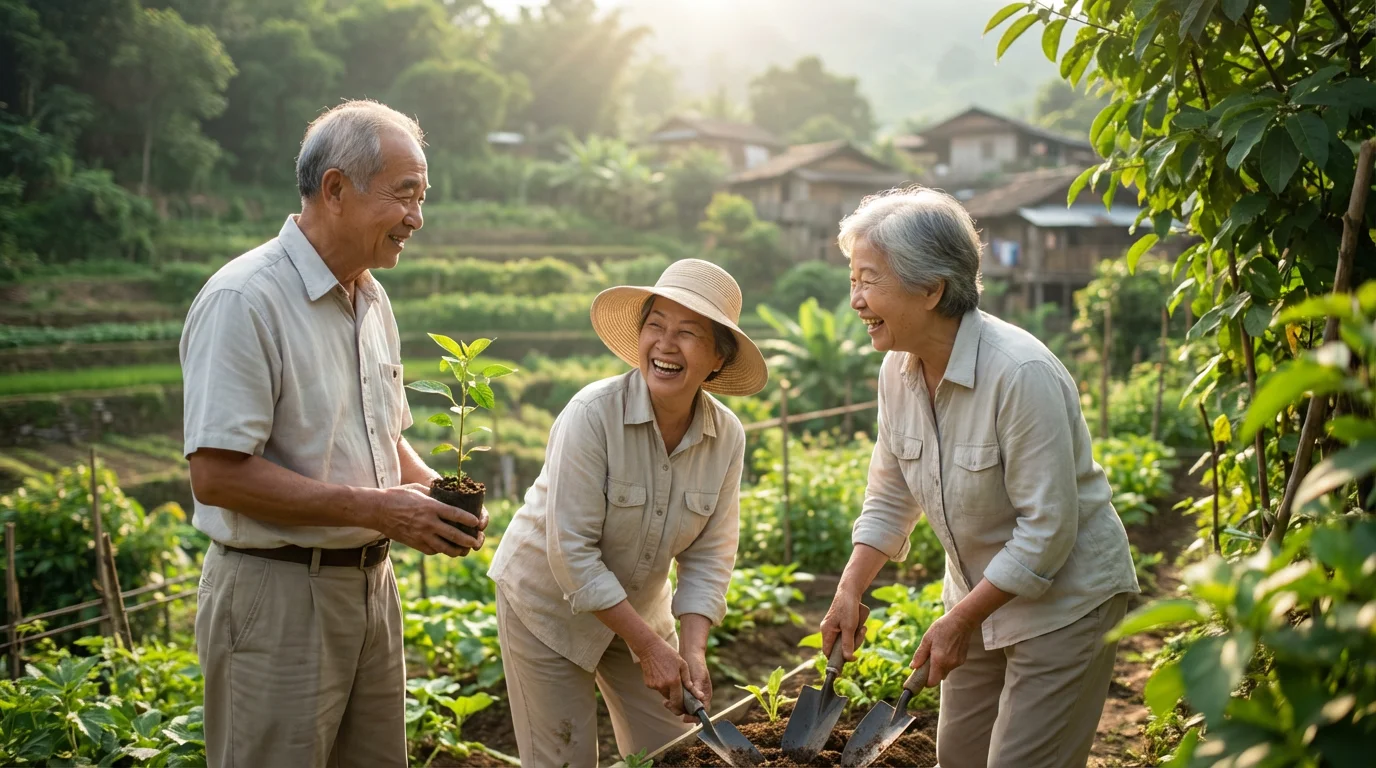
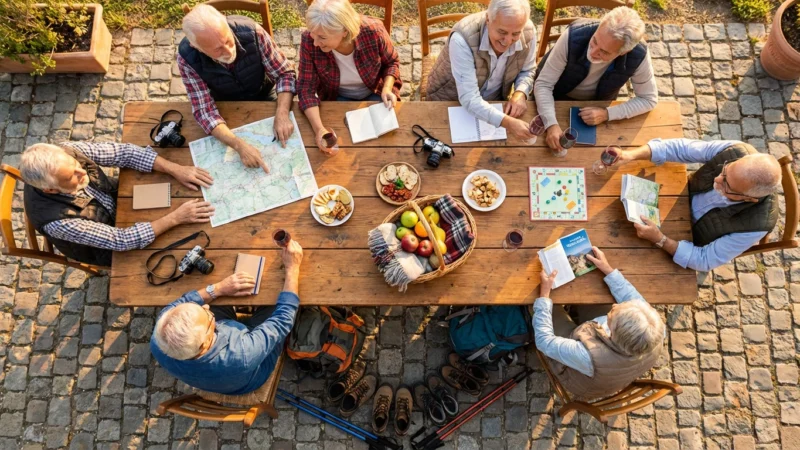
Volunteer vacations provide a rich tapestry of experiences beyond sightseeing. They offer a unique blend of personal enrichment and global citizenship. You gain an intimate understanding of a place and its people through active participation.
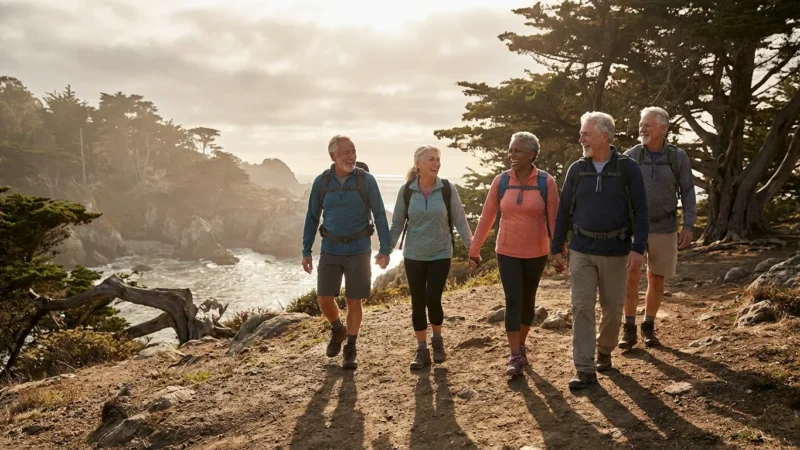
For nature lovers seeking a lighter commitment first, exploring senior-friendly hiking trails can be a perfect alternative to physical service.
If your goal is to push your boundaries further, you might also look into exotic group tours that take you well beyond standard holiday spots.
Many seniors discover renewed vitality and purpose by dedicating their time and skills to a cause. You meet new people, learn new skills, and create memories that last a lifetime. The impact you make extends far beyond your trip, fostering sustainable change in communities around the world.
Here are compelling reasons to consider a volunteer vacation:
- Deep Cultural Immersion: You live and work alongside local communities, gaining authentic insights into their daily lives and traditions. This connection goes beyond typical tourist interactions.
- Sense of Purpose and Fulfillment: Contribute your time and skills to a meaningful cause. This provides a profound sense of accomplishment and renewed purpose in retirement.
- Meet Like-Minded Individuals: Connect with fellow volunteers from diverse backgrounds who share your passion for service and exploration. These connections often form lasting friendships.
- Learn New Skills: Acquire new practical skills, whether it involves construction, environmental monitoring, teaching, or digital literacy. Every project offers a learning curve.
- Explore Off-the-Beaten-Path Destinations: Volunteer projects often take you to places tourists rarely see. Experience pristine natural environments or vibrant local villages firsthand.
- Active and Engaging Travel: Maintain an active lifestyle through engaging physical and mental activities. This keeps you stimulated and challenged, promoting active aging.
- Budget-Friendly Travel: Many programs offer a more affordable way to travel, as some costs like accommodation and meals are included in the program fee. You often receive excellent value for your contribution.
Exploring Diverse Volunteer Opportunities
The world of volunteer vacations offers an astonishing variety of projects. You can find opportunities that match your interests, skills, and physical capabilities. Consider what kind of impact you wish to make and what environments inspire you most.
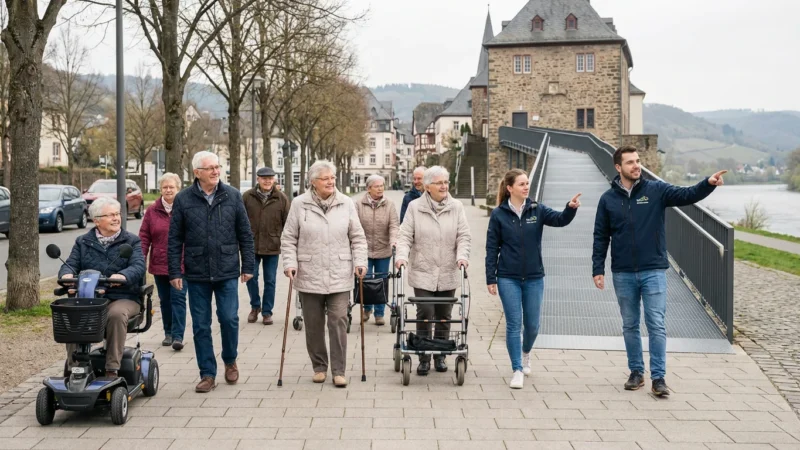
For travelers concerned about physical requirements, there are many accessible adventures for seniors with limited mobility designed to keep everyone active and included.
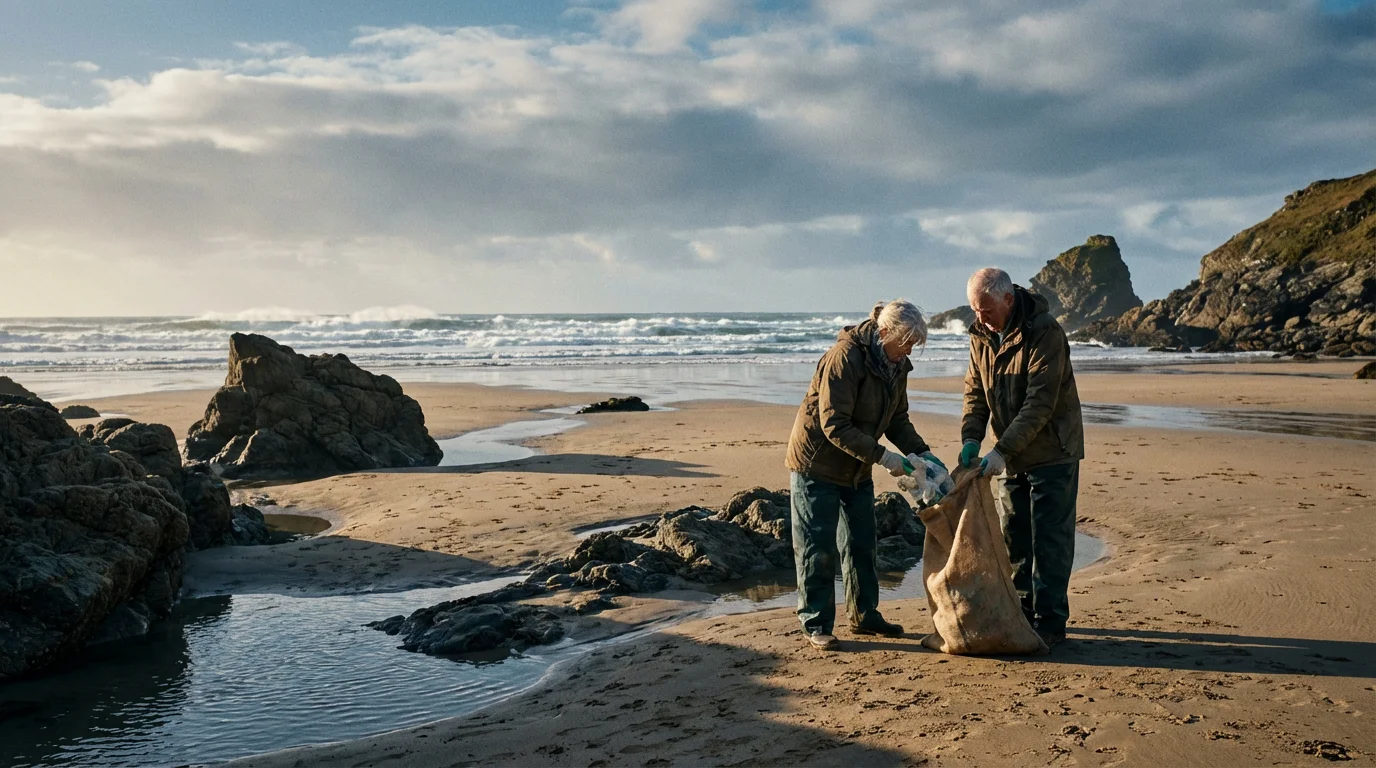
Conservation and environmental projects often involve working outdoors in stunning natural settings. Education and community development roles allow you to share your knowledge and support local growth. Health and animal welfare projects also provide crucial assistance. You can leverage your professional expertise or embrace an entirely new challenge.
Here are some popular categories of senior volunteer opportunities:
- Environmental Conservation: Protect endangered species, restore national parks, or engage in sustainable agriculture. You might monitor wildlife, plant trees, or maintain trails. Organizations like the National Forest Foundation welcome senior volunteers to help preserve public lands. Visit nationalforests.org to learn more about these impactful programs.
- Community Development: Assist with building schools, libraries, or community centers in underserved areas. You might help with infrastructure projects or support local initiatives.
- Education and Youth Support: Teach English, tutor children, or lead workshops for youth. Share your life experience and skills to empower the next generation.
- Health and Medical Support: If you have a medical background, provide assistance in clinics or public health initiatives. Non-medical roles also exist for administrative support or outreach.
- Wildlife and Animal Welfare: Care for rescued animals, assist at animal sanctuaries, or participate in wildlife research projects. These roles often require passion and patience.
- Cultural Preservation and Archaeology: Help restore historical sites, catalog artifacts, or participate in archaeological digs. Contribute to preserving human heritage.
- Disaster Relief and Recovery: Provide assistance to communities impacted by natural disasters. This work often involves reconstruction, aid distribution, or emotional support.
Selecting Your Ideal Volunteer Program
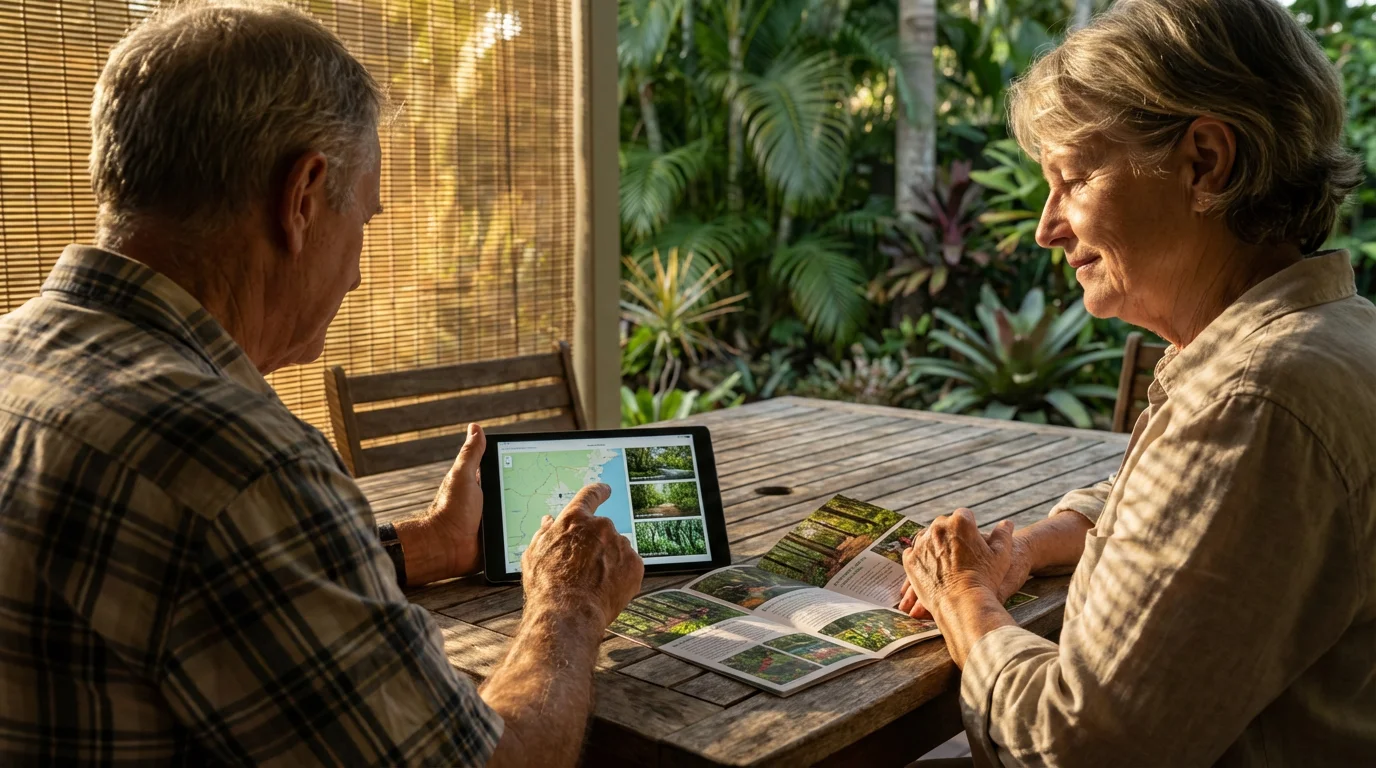
Choosing the right volunteer vacation requires careful consideration. You want a program that aligns with your passions, respects your physical limits, and provides a safe, enriching experience. Research reputable organizations and understand what each program entails.
For those who prefer to keep their travels closer to home, domestic options like scenic US road trips offer a wonderful way to explore.
If you are comparing different travel formats, consulting a senior group tour checklist can help you systematically evaluate your options.
Consider the duration, location, physical demands, and cost when making your decision. Many organizations specialize in senior tours and group travel, offering tailored support and activities. You can find options for solo travelers or couples seeking shared adventures.
Follow these steps to choose your perfect program:
- Define Your Interests and Skills: Identify causes you care about and skills you want to utilize or develop. Do you enjoy working outdoors, teaching, or administrative tasks?
- Assess Your Physical Abilities: Honestly evaluate your fitness level. Some projects require moderate to strenuous activity, while others offer lighter duties. Choose a program that comfortably matches your capabilities.
- Determine Your Destination and Duration: Decide if you prefer domestic or international travel. Consider how long you want to commit, from a few days to several weeks or months.
- Research Reputable Organizations: Look for organizations with a strong track record, clear ethical guidelines, and positive participant reviews. Organizations like Road Scholar (find more at roadscholar.org) offer structured educational adventures, often incorporating volunteer components.
- Review Program Costs and Inclusions: Understand what the program fee covers. Does it include accommodation, meals, transportation, and insurance? Compare different options to find one that fits your budget.
- Check Safety Protocols and Support: Inquire about emergency procedures, medical support, and the presence of experienced local staff. Your safety and well-being are paramount.
- Read Testimonials and Connect with Alumni: Seek out reviews from past senior volunteers. Some organizations connect you with previous participants to answer your questions.
Planning Your Volunteer Vacation
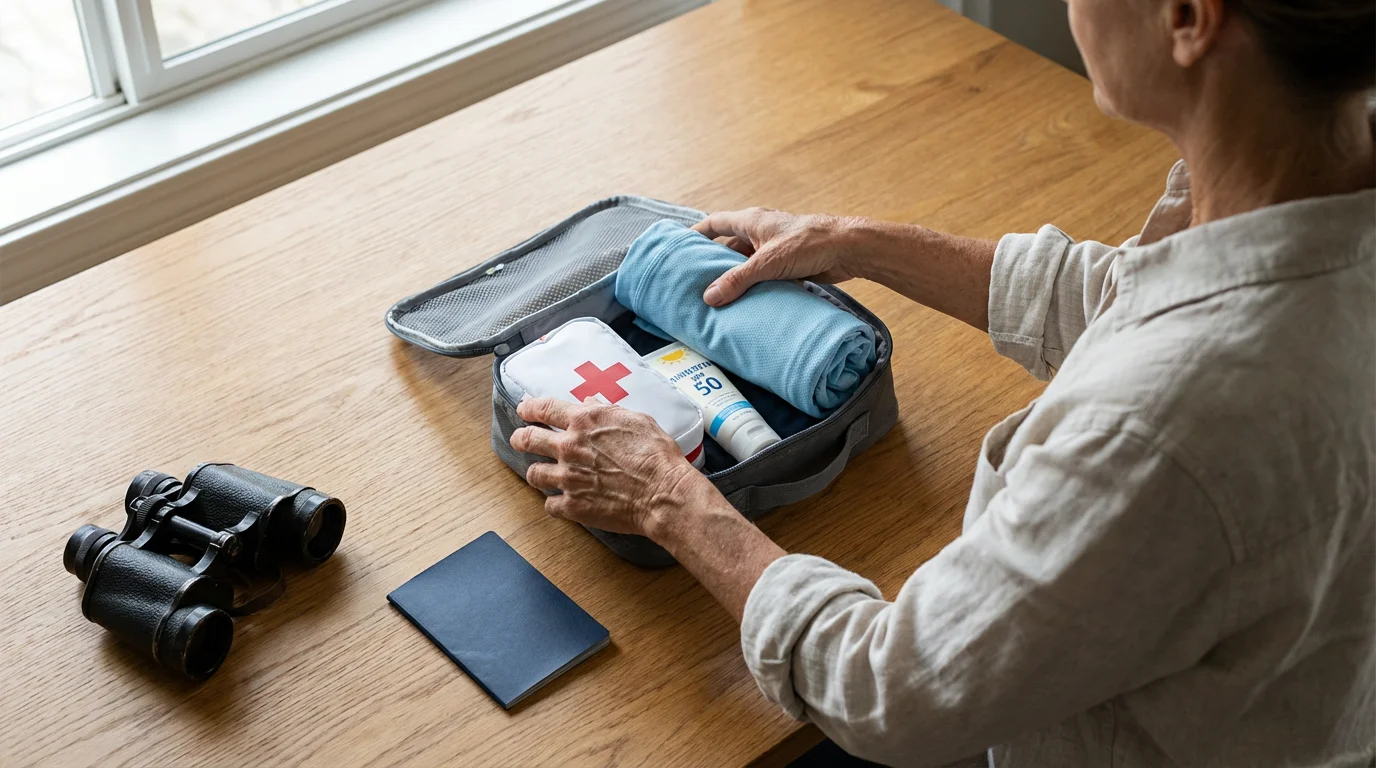
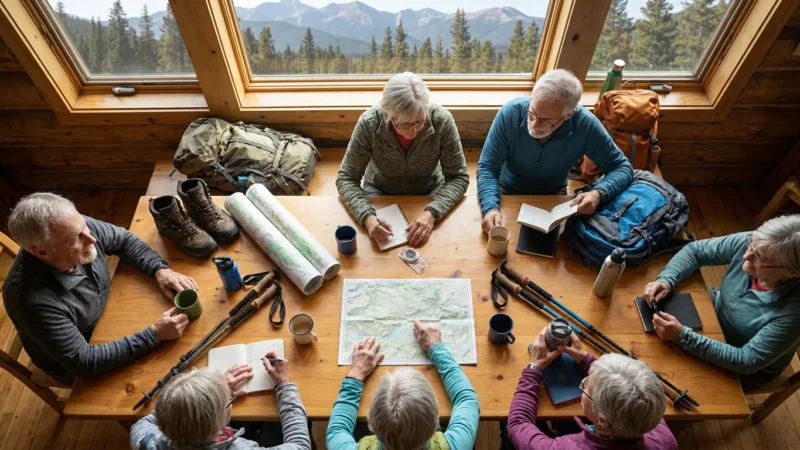
Thorough planning ensures a smooth and enjoyable volunteer vacation. You manage logistics, health preparations, and financial considerations well in advance. This proactive approach minimizes stress and allows you to fully engage in your volunteer work.
Before booking your arrangements, take a moment to weigh the pros and cons of group tours vs. independent travel to see which setup matches your personal style.
If you are concerned about costs, explore other budget-friendly adventure vacations for retirees to see how you can travel more for less.
Start your planning several months before your desired departure date. This gives you ample time for applications, travel arrangements, and any necessary medical consultations. Effective planning builds confidence and excitement for your upcoming adventure.
Here is a step-by-step guide to planning your volunteer trip:
- Apply to Your Chosen Program: Complete the application process, which may include interviews, background checks, and references. Be prepared to share your motivations and relevant experience.
- Secure Travel Documents: Confirm your passport validity. If traveling internationally, research visa requirements for your destination country and apply early. The U.S. Department of State provides essential information on international travel at travel.state.gov.
- Book Flights and Transportation: Arrange your flights and any necessary ground transportation to and from the project site. Coordinate arrival times with your host organization.
- Arrange Travel Insurance: Purchase comprehensive travel insurance that covers medical emergencies, trip cancellations, and unforeseen events. This provides crucial peace of mind.
- Consult Your Doctor: Schedule a medical check-up. Discuss your travel plans with your physician and get necessary vaccinations. The CDC Travelers’ Health website offers country-specific health recommendations at wwwnc.cdc.gov/travel/.
- Inform Your Bank and Credit Card Companies: Notify your financial institutions of your travel dates and destinations. This prevents potential issues with transactions while you are abroad.
- Research Local Culture and Customs: Learn about the local etiquette, traditions, and basic phrases of the language. This shows respect and enhances your cultural immersion.
- Prepare Financially: Create a budget for personal expenses, souvenirs, and any excursions not covered by your program fee. Have local currency or a reliable method of accessing funds.

Health and Safety Preparedness
Your well-being remains the highest priority on any volunteer vacation. Proactive steps ensure you stay healthy and safe throughout your journey. Research potential risks specific to your destination and take appropriate precautions.
Always communicate openly with your program organizers about any health concerns. They provide local knowledge and support. Remember that being prepared allows you to focus on your valuable work and enjoy your experience fully.
“The world is a book and those who do not travel read only one page.” — Saint Augustine
Consider these vital health and safety points:
- Medical Consultations and Vaccinations: Visit your doctor several weeks before departure. Discuss existing conditions, necessary vaccinations, and any preventative medications like malaria tablets. Ensure you have enough prescription medications for your entire trip, plus a buffer.
- Travel Insurance: Invest in robust travel insurance. Verify it covers emergency medical care, evacuation, and trip interruptions. Confirm coverage for the specific activities you plan.
- First-Aid Kit: Pack a personal first-aid kit with essentials. Include pain relievers, bandages, antiseptic wipes, allergy medication, and any personal prescriptions.
- Food and Water Safety: Be cautious with local food and water. Drink only bottled or purified water. Eat thoroughly cooked food and avoid raw fruits or vegetables unless you can peel them yourself.
- Sun Protection and Insect Repellent: Use high-SPF sunscreen, wear protective clothing, and apply insect repellent, especially in tropical or high-altitude areas. This prevents sunburn and insect-borne diseases.
- Stay Hydrated: Drink plenty of fluids, especially in warm climates or during physical activity. Dehydration can quickly impact your well-being.
- Local Safety Awareness: Research the safety conditions of your destination. Avoid walking alone at night, safeguard your valuables, and follow advice from your program leaders and local authorities.
- Emergency Contacts: Keep a list of emergency contacts, including family, program organizers, and your country’s embassy or consulate. Carry this information both physically and digitally.
Packing for Your Purposeful Journey
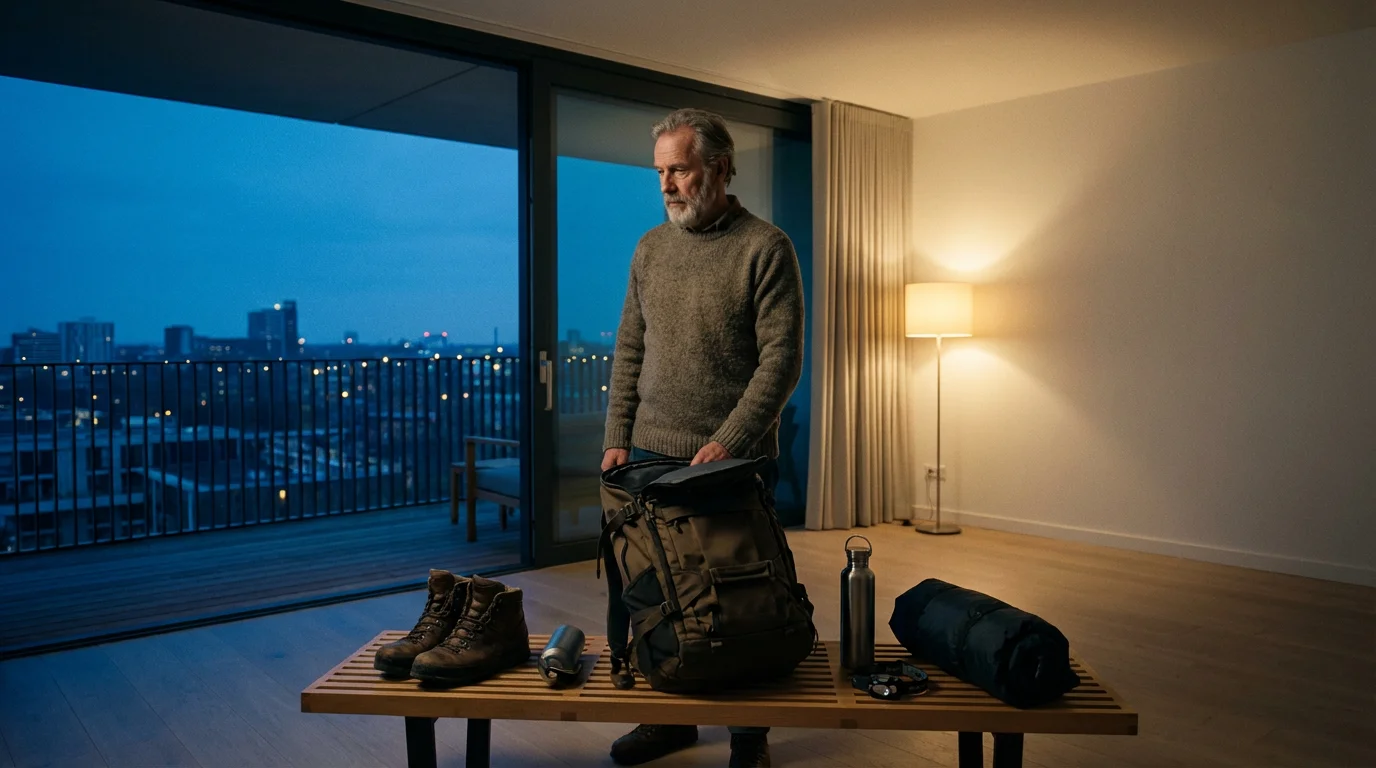
Packing for a volunteer vacation differs from a typical leisure trip. You need practical, durable items suitable for your specific project and environment. Efficient packing ensures you have what you need without being burdened by excess.
Consider the climate, cultural norms, and specific demands of your volunteer work. Prioritize comfort, functionality, and versatility. Remember to leave space for souvenirs and a deeper connection to your chosen destination.
Here is a comprehensive packing list for your volunteer adventure:
- Clothing:
- Lightweight, breathable long-sleeved shirts and pants for sun and insect protection.
- Comfortable walking shoes or hiking boots suitable for your project type.
- Work gloves, if your project involves manual labor.
- Layering options for varying temperatures.
- Modest attire, respecting local cultural norms.
- Rain jacket or poncho.
- Swimsuit, if appropriate for leisure activities.
- Personal Care:
- Biodegradable toiletries.
- High-SPF sunscreen and insect repellent.
- Hand sanitizer.
- Any personal medications, clearly labeled.
- Small towel.
- Gear and Accessories:
- Daypack for daily excursions and project work.
- Water bottle or hydration pack.
- Headlamp or flashlight with extra batteries.
- Power bank for charging devices.
- Adapter and converter for international travel.
- Camera and journal to capture memories.
- Small lock for luggage or lockers.
- Documents and Money:
- Passport, visa, and flight itineraries.
- Copies of all important documents, stored separately.
- Travel insurance details.
- Local currency and a credit/debit card.
- Emergency contact information.
- Miscellaneous:
- Small gifts for hosts or fellow volunteers, if appropriate.
- Books or entertainment for downtime.
- Reusable shopping bag.
Making the Most of Your Volunteer Experience
A volunteer vacation offers more than just work; it provides a profound opportunity for personal growth and connection. You maximize your experience by embracing flexibility, cultural sensitivity, and an open mind. Fully immerse yourself in the project and the local environment.
Remember that your presence alone can inspire. Share your stories, listen to others, and allow the experience to transform you. You return home with new perspectives, lasting memories, and the satisfaction of knowing you made a difference.
Here are practical tips to ensure a successful and rewarding volunteer trip:
- Embrace Flexibility: Projects often face unforeseen challenges. Remain adaptable and open to changes in plans or duties.
- Be Culturally Sensitive: Respect local customs, traditions, and ways of life. Observe and learn from your hosts and fellow volunteers.
- Work as a Team: Collaborate effectively with other volunteers and local community members. Your collective efforts achieve greater impact.
- Maintain a Positive Attitude: Challenges may arise, but a positive outlook enhances your experience and motivates those around you.
- Stay Engaged and Proactive: Ask questions, offer assistance, and take initiative. Your enthusiasm contributes significantly to the project’s success.
- Take Time for Reflection: Journal your experiences, thoughts, and feelings. This helps process your journey and deepen your understanding.
- Learn Basic Phrases: Even a few words in the local language demonstrate respect and can facilitate meaningful interactions.
- Prioritize Self-Care: Get adequate rest, stay hydrated, and eat well. Your physical and mental well-being allows you to contribute effectively.
- Document Your Journey: Take photos, write in a journal, and share your experiences. This preserves your memories and inspires others.
Compare different types of volunteer work with this table:
| Volunteer Area | Typical Activities | Physical Demands | Skills Often Needed | Common Locations |
|---|---|---|---|---|
| Conservation | Trail maintenance, planting trees, wildlife monitoring, cleanups | Moderate to High | Teamwork, outdoor skills, patience | National Parks, forests, coastal areas |
| Education | Teaching English, tutoring, leading workshops, administrative support | Low to Moderate | Patience, communication, teaching experience (optional) | Schools, community centers, libraries |
| Community Development | Building, painting, gardening, organizing resources, local support | Moderate to High | Manual labor, teamwork, adaptability | Rural villages, urban centers |
| Animal Welfare | Feeding, cleaning enclosures, animal care, rescue support | Moderate | Patience, empathy, animal handling (optional) | Sanctuaries, rescue centers |
Frequently Asked Questions
What kind of volunteer work can seniors do while traveling?
Seniors engage in a wide range of volunteer activities. You might contribute to environmental conservation, assist with wildlife research, support community development in remote villages, teach English, or help with historical preservation. Opportunities exist for varying physical abilities and skill sets. Many programs welcome your professional experience or personal passions.
How do I find reputable volunteer vacation organizations?
Research is key when you seek reputable organizations. Look for established groups with clear missions, transparent financials, and positive participant reviews. Seek programs that prioritize local needs and sustainable practices. Organizations like Road Scholar, Globe Aware, and Habitat for Humanity International offer well-regarded volunteer programs. Always read past participant testimonials and thoroughly investigate the program details.
Are volunteer vacations expensive?
The cost of volunteer vacations varies significantly. Some programs require a fee that covers accommodation, meals, ground transportation, and project materials. Other programs ask volunteers to cover their own travel and living expenses, while the organization handles the project logistics. Budget-friendly options often exist, especially if you volunteer domestically or seek programs that offset costs through longer commitments. Always clarify what the program fee includes before you commit.
What are the health and safety considerations for senior volunteer travel?
Prioritize your health and safety on any volunteer vacation. Consult your doctor about required vaccinations and any necessary medications for your destination. Research the local medical facilities and carry comprehensive travel insurance. Choose programs with clear safety protocols and emergency support. Inform the organization about any health conditions or dietary needs you have. Stay hydrated, follow local customs, and remain aware of your surroundings.
Can I travel solo on a volunteer vacation?
Absolutely, many seniors embark on solo volunteer vacations. These trips offer an excellent way to connect with like-minded individuals from around the world. Organizations often arrange group accommodation and shared activities, providing a built-in community. Solo travel on a volunteer vacation enhances your independence while ensuring you have support and companionship throughout your journey. You find safety in numbers within the volunteer group.
Volunteering vacations offer a profound way to travel with purpose and connect with the world on a deeper level. You combine your love for exploration with a desire to contribute meaningfully. Embrace this opportunity to enrich your retirement, make a tangible impact, and create unforgettable memories. Your next great adventure awaits, full of discovery and generosity.



Leave a Reply