
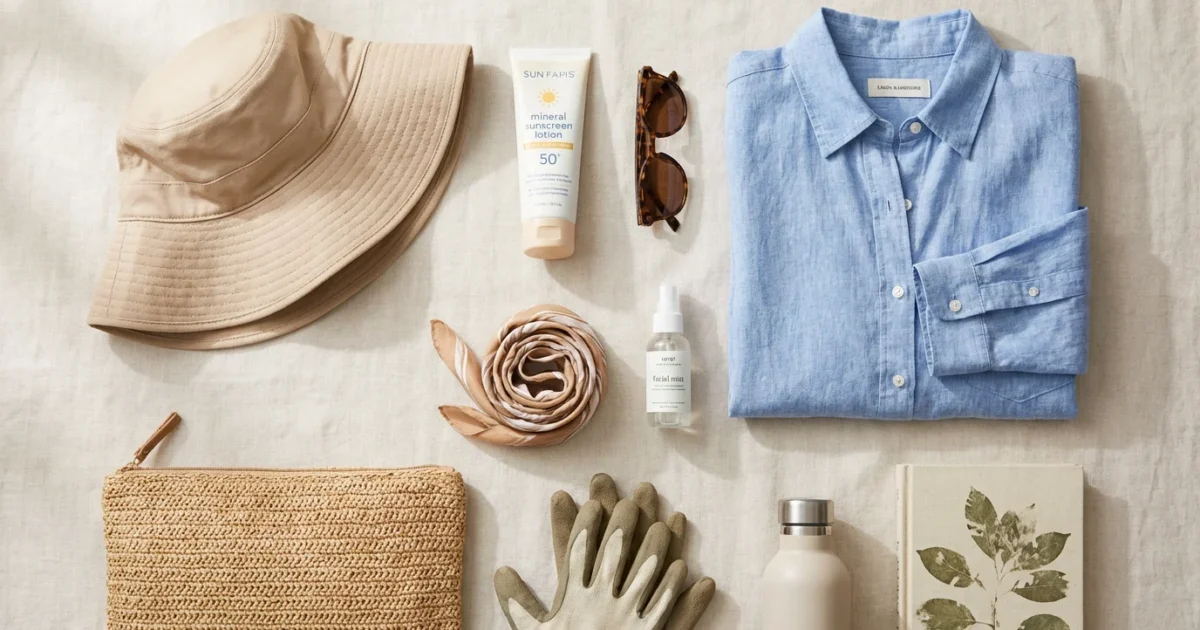
Embracing the world’s adventures holds endless possibilities for seniors. Whether you trek national parks, explore vibrant cities, or simply enjoy your garden, the sun often plays a central role in these experiences. The warmth on your skin feels inviting, but effective sun protection is essential for continued exploration and long-term health. Taking proactive steps ensures your outdoor pursuits remain joyous and safe.
You can discover the beauty of the outdoors without compromising your well-being. This guide empowers you with practical strategies and actionable insights for robust sun protection. Safeguarding your skin allows you to enjoy every moment under the sky, from dawn hikes to sunset strolls.
Table of Contents
- The Essential Role of Sun Protection in Senior Adventures
- Understanding UV Rays and Their Impact
- Your Comprehensive Sun Protection Toolkit
- Choosing the Best Sunscreen for Seniors
- Smart Clothing and Accessories for Maximum Coverage
- Strategic Planning for Sun-Safe Adventures
- Recognizing and Responding to Sun Exposure
- Maintaining Vigilance: Long-Term Skin Health
- Frequently Asked Questions
The Essential Role of Sun Protection in Senior Adventures
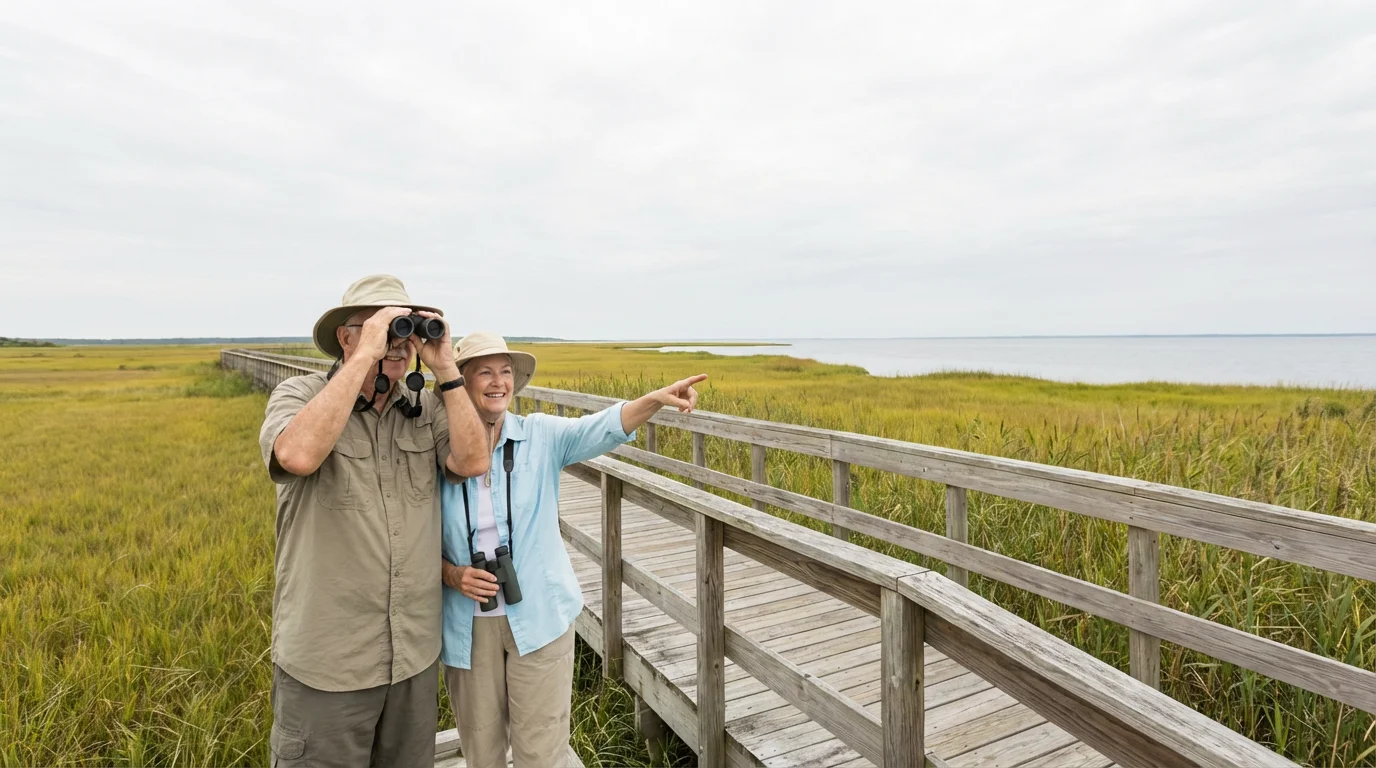
As you accumulate years of experience and wisdom, your skin also accumulates sun exposure. This makes vigilant sun protection increasingly crucial for seniors. Skin becomes more vulnerable to damage with age, impacting its ability to repair itself effectively.
Joining local adventure clubs for seniors is a wonderful way to find walking partners who also value safety and skin health.
Many seniors have a history of significant sun exposure from younger years, increasing the risk of cumulative damage. The American Academy of Dermatology reports that more than 9,500 people in the U.S. receive a skin cancer diagnosis daily. This highlights the importance of consistent protective measures.
Protecting your skin today preserves your ability to engage in future outdoor adventures. Effective sun protection is not about avoiding the sun, but about embracing it intelligently. It is a fundamental component of `outdoor safety` for any active senior.

Understanding UV Rays and Their Impact
The sun emits various types of ultraviolet (UV) radiation, each with different effects on your skin. UVA and UVB rays are the primary culprits behind sun damage. Knowing their characteristics helps you implement targeted `sun protection` strategies.
Keep in mind that UV protection is necessary even during cold weather hiking, as snow can reflect up to 80% of UV radiation back at you.
UVA rays penetrate deeply into the skin, contributing to premature aging, wrinkles, and immune suppression. They also play a role in the development of `skin cancer`. These rays remain relatively constant throughout the day and year, penetrating clouds and glass.
UVB rays primarily affect the skin’s surface, causing sunburn and significantly increasing your risk of `skin cancer`. Their intensity varies by season, time of day, and geographic location. Protecting against both types of rays is vital for comprehensive skin health.
Your Comprehensive Sun Protection Toolkit
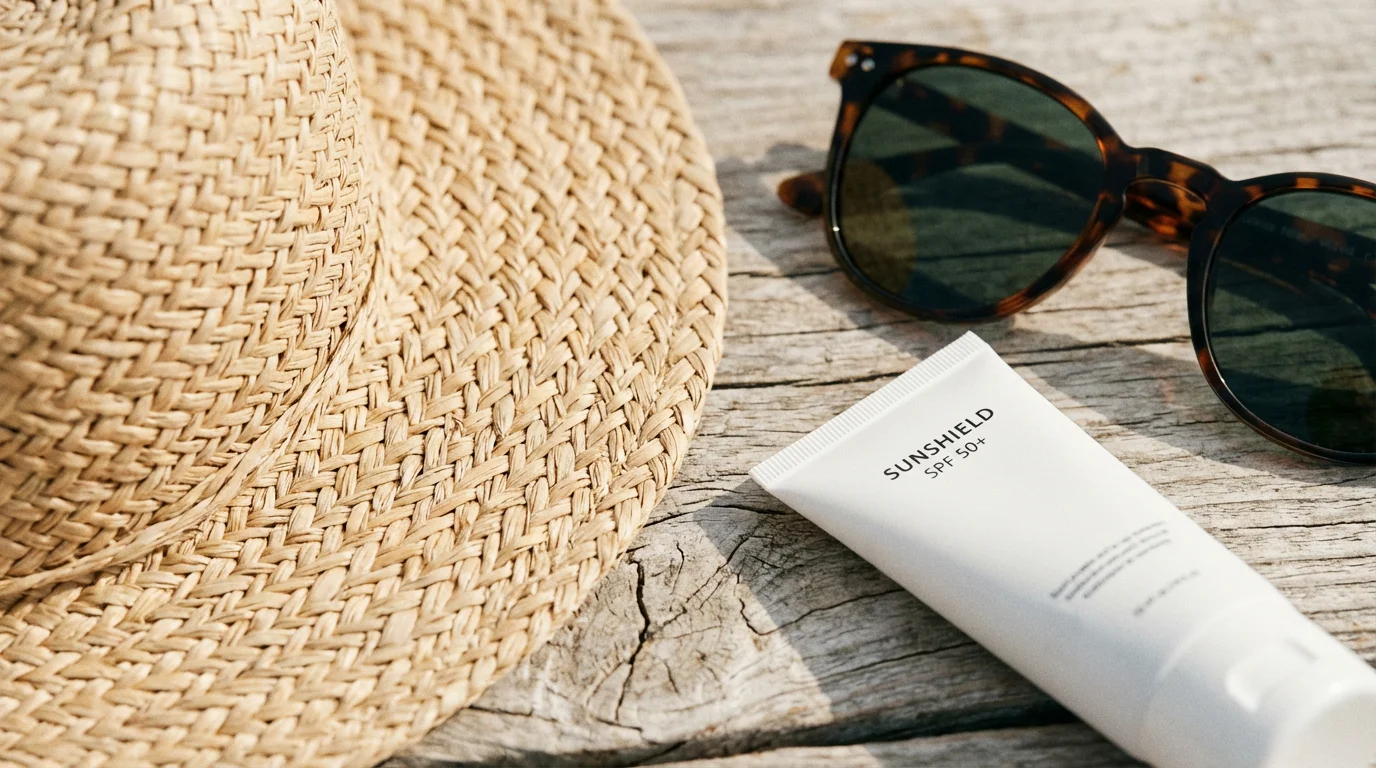
Effective sun protection extends beyond a single product. It involves a multi-faceted approach that integrates various protective measures into your daily routine and adventure planning. Consider this your essential toolkit for `how to protect your skin while outdoors?`.
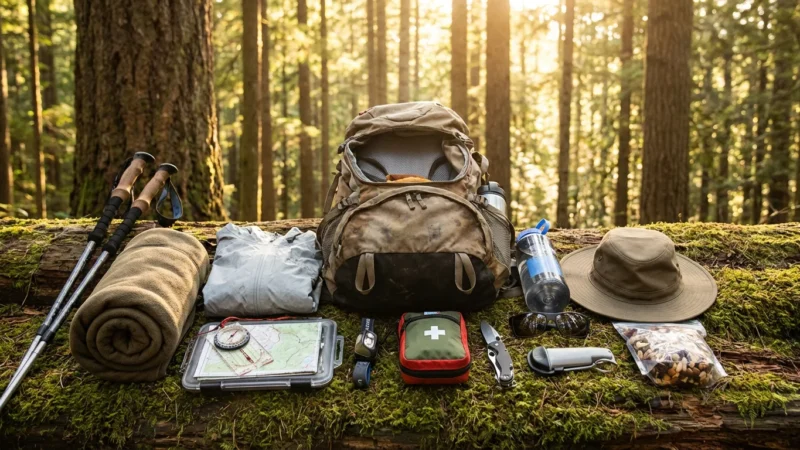
Remember that sunblock is just one of several essential items for a senior hiker’s backpack to ensure you are fully prepared for the trail.
You can layer protection to maximize your defense against harmful UV radiation. This strategy ensures you remain safe and comfortable, even during extended periods outdoors. Build habits that make sun safety second nature.
Your comprehensive sun protection toolkit includes:
- Broad-spectrum sunscreen with an SPF of 30 or higher
- UV-protective clothing, including long-sleeved shirts and pants
- Wide-brimmed hats that shade your face, ears, and neck
- UV-blocking sunglasses for eye protection
- Seeking shade whenever possible
- Planning activities to avoid peak sun hours
- Regular hydration to support overall `outdoor safety`
Choosing the Best Sunscreen for Seniors
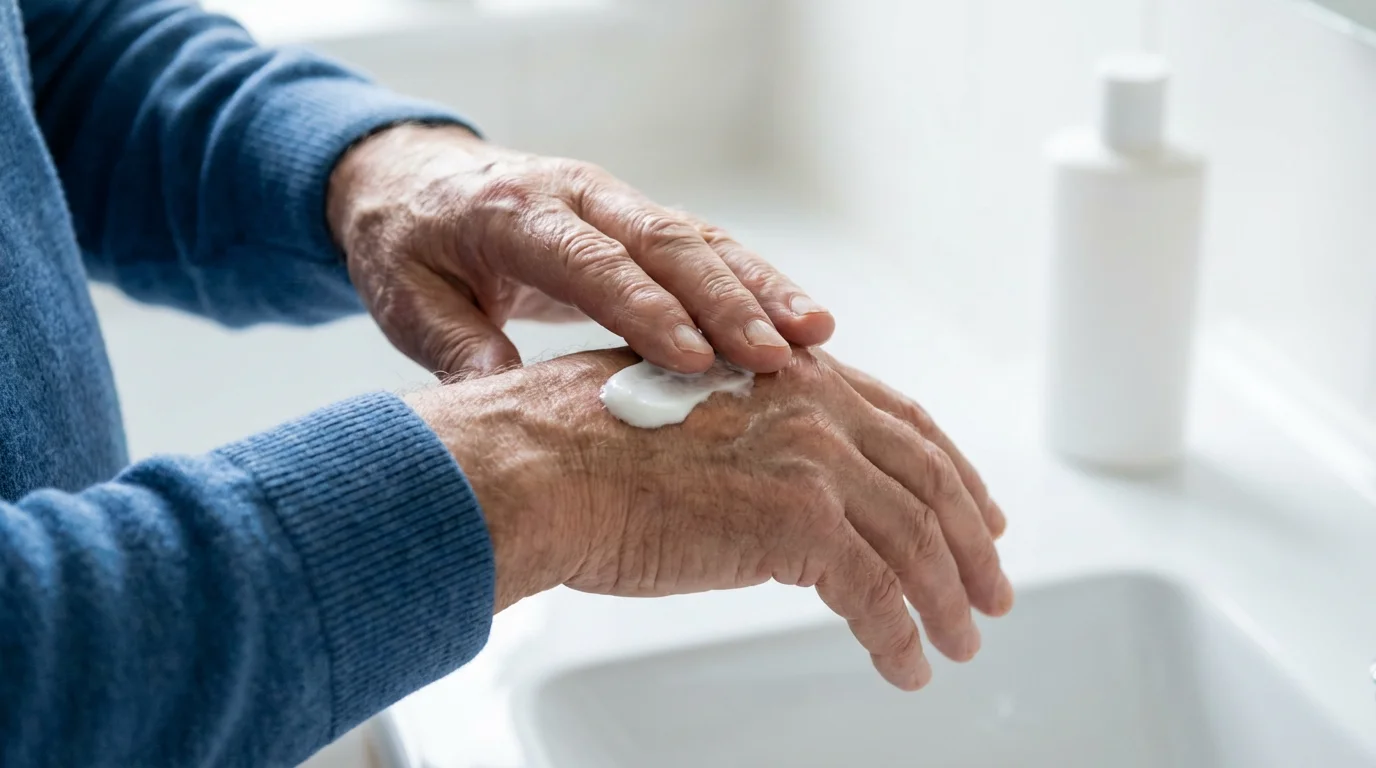
Selecting the right sunscreen forms a cornerstone of your `sun protection` plan. Your choice should consider efficacy, skin type, and ease of application. Understanding the differences between types helps you make an informed decision for `what are the best sunscreens for seniors?`.
Be aware that certain prescriptions can increase photosensitivity; preparing your medications with this in mind ensures you aren’t caught off guard by a faster burn.
Mineral sunscreens, containing zinc oxide and titanium dioxide, physically block UV rays by sitting on top of your skin. They are often recommended for sensitive skin because they cause fewer allergic reactions. Chemical sunscreens absorb UV radiation and convert it into heat.
Always opt for a broad-spectrum sunscreen, indicating protection against both UVA and UVB rays. An SPF (Sun Protection Factor) of 30 or higher is generally recommended for outdoor activities. Water-resistant formulas are beneficial if you plan to sweat or swim.
Here is a comparison of common sunscreen types:
| Sunscreen Type | Active Ingredients | Mechanism | Pros for Seniors | Cons for Seniors |
|---|---|---|---|---|
| Mineral (Physical) | Zinc Oxide, Titanium Dioxide | Sits on skin, blocks UV rays | Gentle on sensitive skin, immediate protection, less irritating | Can leave a white cast, may feel thicker |
| Chemical | Oxybenzone, Avobenzone, Octinoxate | Absorbs UV rays, converts to heat | Often lighter texture, easier to spread, no white cast | Can irritate sensitive skin, needs time to activate |
| Hybrid (Mineral & Chemical) | Combination of both | Both block and absorb UV rays | Combines benefits, better texture than pure mineral | May still have chemical irritants for some |
Apply sunscreen generously to all exposed skin at least 15-30 minutes before going outdoors. Reapply every two hours, or more frequently after swimming or sweating. This diligent application is key for `how to protect your skin while outdoors?` effectively.

Smart Clothing and Accessories for Maximum Coverage
While sunscreen is vital, it is not your only defense against the sun. UV-protective clothing and accessories offer an additional layer of robust `sun protection`. These items physically block UV rays, often providing more consistent coverage than sunscreen alone.
Look for clothing with a UPF (Ultraviolet Protection Factor) rating. A UPF of 30 or higher offers excellent protection, blocking 97% or more of UV radiation. These garments often feature lightweight, breathable fabrics designed for comfort in warm weather.
A wide-brimmed hat is indispensable for `outdoor safety`. Choose one with a brim at least three inches wide to adequately shield your face, ears, and neck. Sunglasses labeled “UV400” or “100% UV protection” safeguard your eyes from cataracts and other sun-related damage.
Essential sun-protective clothing and gear:
- Long-sleeved shirts and pants made from UPF-rated fabric
- Wide-brimmed hats (minimum 3-inch brim)
- Sunglasses that block 99-100% of UVA and UVB rays
- Neck gaiters or bandanas for additional neck protection
- UV-protective gloves for driving or activities like cycling

Strategic Planning for Sun-Safe Adventures
Thoughtful planning significantly enhances your `outdoor safety` and `sun protection`. Integrating sun-safe strategies into your adventure itinerary helps you avoid the harshest rays and enjoy your experiences more comfortably. Be proactive in managing your exposure.
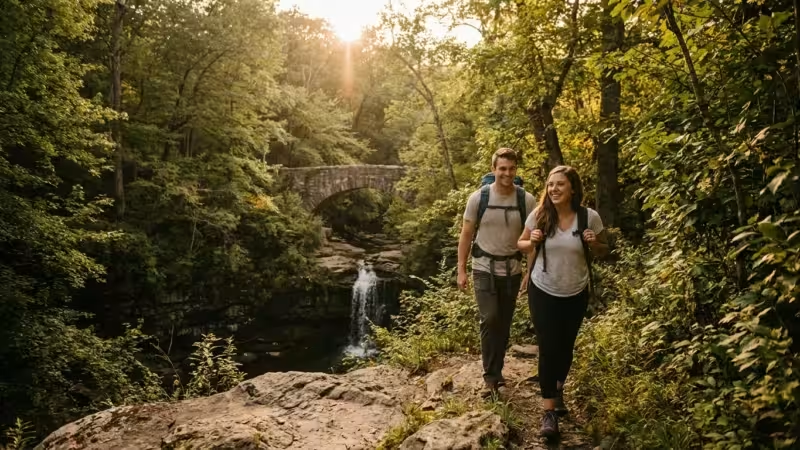
Selecting senior-friendly hiking trails with dense canopy cover can significantly reduce your direct exposure during midday hours.
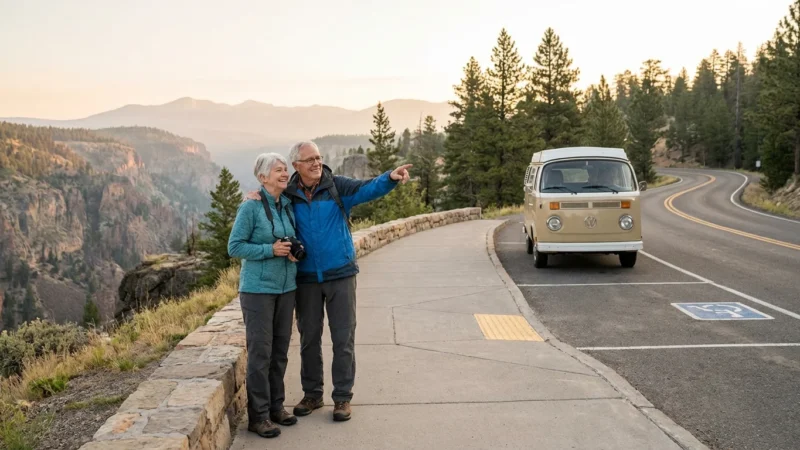
When planning RV adventures for seniors, consider parking in shaded areas to reduce the ambient heat and UV exposure around your mobile base.
The sun’s rays are strongest between 10 AM and 4 PM. If possible, schedule intense outdoor activities outside these hours. Early morning hikes or late afternoon explorations allow you to enjoy cooler temperatures and less intense UV exposure. Always check the daily UV index for your location, a tool available through many weather apps. The higher the index, the greater your need for protection.
Seeking natural or artificial shade provides immediate relief and protection. Utilize trees, umbrellas, canopies, or even portable shelters during breaks. Hydration is also critical; drinking plenty of water prevents dehydration, which can worsen the effects of sun exposure.
Steps for planning a sun-safe outing:
- Check the UV index for your destination and planned activity time.
- Pack UPF-rated clothing, a wide-brimmed hat, and UV-blocking sunglasses.
- Apply broad-spectrum sunscreen with SPF 30+ generously before heading out.
- Identify potential shade spots along your route or bring a portable shade option.
- Carry ample water and electrolyte-rich snacks for hydration.
- Plan your schedule to avoid peak sun hours, if feasible.
- Reapply sunscreen every two hours or immediately after sweating or swimming.
Recognizing and Responding to Sun Exposure
Despite your best efforts, sometimes excessive sun exposure can occur. Knowing how to recognize the signs of sun damage and respond appropriately is crucial for your `outdoor safety`. Early intervention can prevent minor issues from becoming more serious.
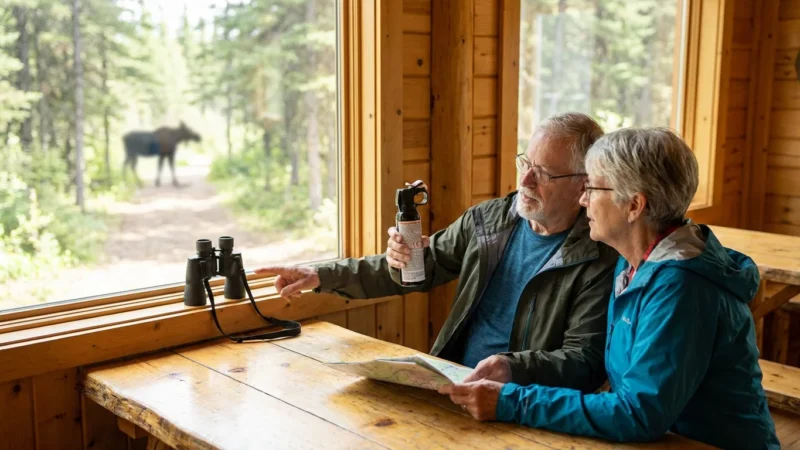
Beyond UV rays, avoiding wildlife encounters remains another essential pillar of keeping your outdoor excursions stress-free.
Maintaining your wellness while exploring with peers is easier when you follow health tips for senior group tours that cover hydration and environmental safety.
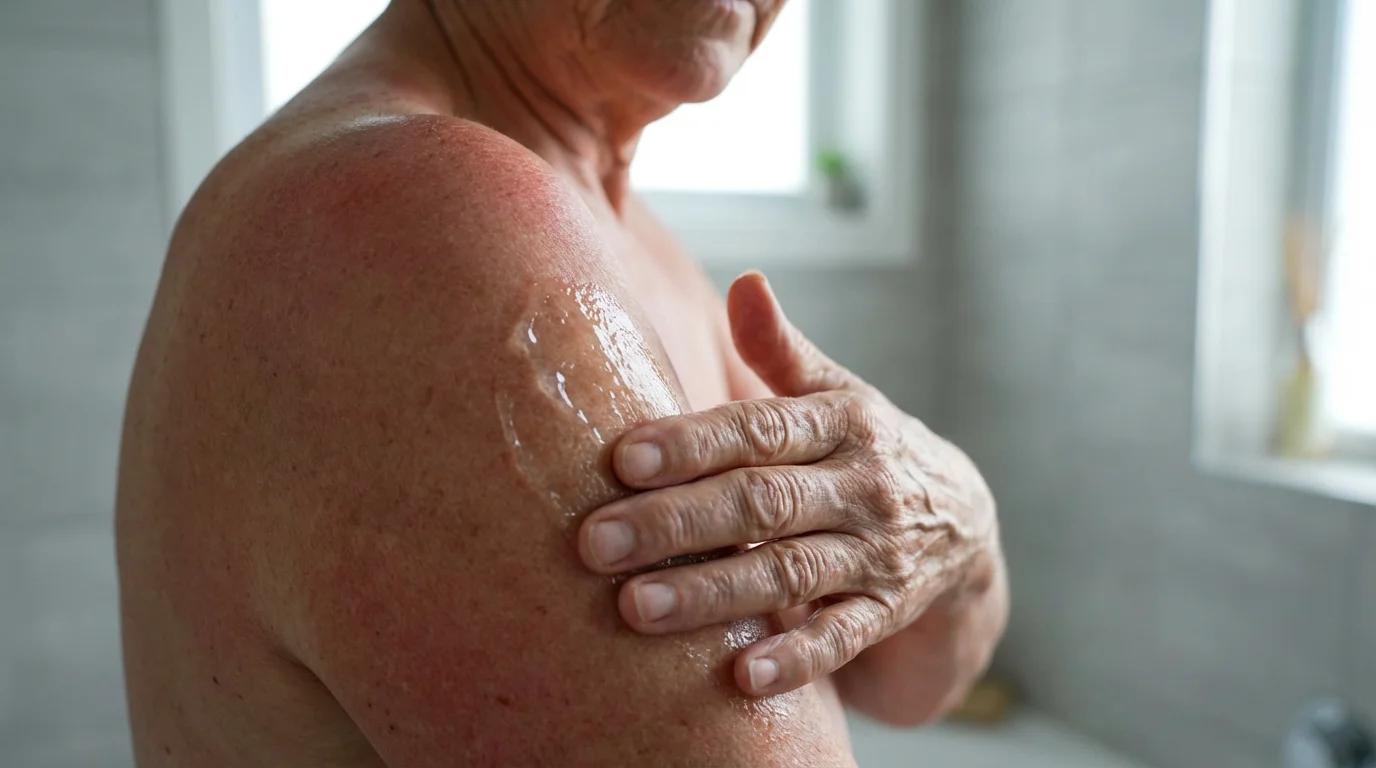
Symptoms of sunburn include redness, pain, tenderness, and warmth on the affected skin. Blistering indicates a more severe burn. For mild sunburn, cool compresses, aloe vera, and over-the-counter pain relievers offer relief. Avoid picking at peeling skin to prevent infection.
More serious concerns involve heat-related illnesses. Heat exhaustion presents with heavy sweating, cold, clammy skin, nausea, and weakness. Heatstroke is a medical emergency characterized by a body temperature of 104°F or higher, hot, red skin, confusion, and loss of consciousness. Seek immediate medical attention for suspected heatstroke.
Regularly inspect your skin for any new or changing moles, lesions, or unusual spots. This self-awareness contributes significantly to early detection of `skin cancer`. If you notice anything suspicious, consult your doctor promptly.
Symptoms requiring medical attention after sun exposure:
- Severe blistering sunburn covering a large area
- Fever or chills accompanying sunburn
- Signs of infection around blisters, such as pus or increased pain
- Symptoms of heat exhaustion or heatstroke
- Any changes in existing moles or new, suspicious skin lesions

Maintaining Vigilance: Long-Term Skin Health
The journey of `sun protection` is not a one-time effort, but a lifelong commitment, especially for outdoor seniors. Consistent vigilance ensures your skin remains healthy, allowing you to continue your adventures for many years to come. Establish sun-safe practices as integral to your lifestyle.
Along with skin care, building stamina for outdoor adventures through regular exercise helps your body recover faster from the physical demands of sun and heat.
Regular check-ups with a dermatologist are invaluable. These professionals can identify and address any sun-related skin concerns, including potential `skin cancer`, often before you notice them yourself. Early detection dramatically improves treatment outcomes.
The adventure of life is to learn. The purpose of life is to grow. The nature of life is to change. The challenge of life is to overcome. The essence of life is to care. The opportunity of life is to serve. The secret of life is to dare. The spice of life is to befriend. The beauty of life is to give. — William Arthur Ward
Embrace the spirit of exploration with the confidence that you are protecting your most important asset: your health. Your dedication to `outdoor safety` and comprehensive `sun protection` empowers you to discover new horizons safely and vibrantly. Keep exploring, keep protecting, and keep thriving under the sun.
Frequently Asked Questions
Is an SPF of 15 enough for daily activities?
While an SPF 15 sunscreen blocks about 93% of UVB rays, dermatologists generally recommend an SPF of 30 or higher for daily use, which blocks approximately 97% of UVB rays. For extended outdoor activities, an SPF 30+ offers more reliable `sun protection`.
Do I need sunscreen on cloudy days or indoors?
Yes, you do. Up to 80% of the sun’s UV rays can penetrate clouds. UVA rays, which contribute to skin aging and `skin cancer`, can also pass through windows. Consistent `sun protection` is advisable even on overcast days and when near windows indoors.
What are the best sunscreens for seniors with sensitive skin?
For sensitive skin, mineral sunscreens containing zinc oxide and titanium dioxide are often recommended. These ingredients sit on the skin’s surface and physically block UV rays, causing less irritation than chemical sunscreens. Look for fragrance-free and hypoallergenic formulas.
How often should I reapply sunscreen while outdoors?
You should reapply sunscreen approximately every two hours when outdoors, especially after swimming, sweating heavily, or towel drying. This consistent reapplication ensures continuous `sun protection` for all your outdoor adventures.
Can wearing a hat and sunglasses replace sunscreen?
No, a hat and sunglasses enhance `sun protection` but do not replace sunscreen. They cover specific areas, but exposed skin still requires sunscreen. Use them together for comprehensive `outdoor safety` and defense against UV damage.
What is UPF clothing, and why is it important for seniors?
UPF (Ultraviolet Protection Factor) clothing is fabric specially designed to block UV radiation. A UPF rating of 30 or higher provides excellent `sun protection` by physically blocking rays. It’s important for seniors as it offers consistent, long-lasting protection without reapplication, reducing cumulative sun exposure and `skin cancer` risk.
Disclaimer: This article is for informational purposes only. Travel conditions, accessibility, and requirements change frequently. We encourage readers to verify current information with official sources before traveling. Always consult with healthcare providers about travel considerations for your specific health situation.

Leave a Reply