
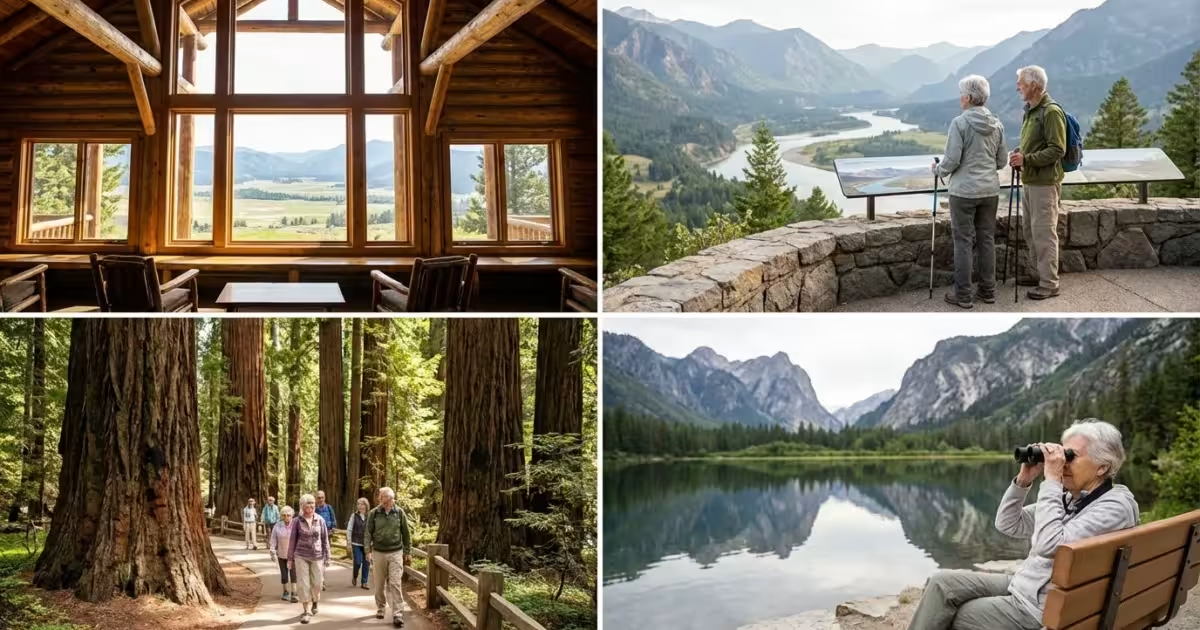
The allure of America’s National Parks transcends generations, inviting everyone to discover breathtaking landscapes, diverse wildlife, and moments of profound tranquility. For seniors, these natural wonders offer unique opportunities for adventure, relaxation, and connection with the natural world. Imagine standing at the rim of a majestic canyon or observing a geyser erupt with powerful grace.
Embarking on a National Park journey is a fulfilling way to stay active, engage your senses, and create lasting memories. We believe your golden years are the perfect time to explore the unparalleled beauty these parks offer. This guide provides practical advice and highlights some of the best National Parks, ensuring your adventure is both inspiring and accessible.
Table of Contents
- Embracing the Call of the Wild at Any Age
- Planning Your Accessible Park Adventure
- Top National Parks for Senior Exploration
- Navigating Parks with Ease: Getting Around and Staying Safe
- Essential Gear for Comfortable Exploration
- Group Tours and Guided Adventures
- Beyond the Trails: Enriching Your Park Experience
- Frequently Asked Questions

Embracing the Call of the Wild at Any Age
Your desire for discovery does not diminish with age. In fact, your wisdom and experience enhance your appreciation for the natural world. National Parks provide the perfect canvas for your next chapter of exploration. They offer a diverse array of experiences, from gentle strolls to scenic drives, catering to various activity levels.
Exploring with others can make these outings even better; joining adventure clubs for seniors connects you with like-minded nature lovers.
If you are not ready for a major trip, discovering local parks is an excellent way to enjoy the therapeutic benefits of nature close to home.
Active aging through exploration brings numerous benefits. Spending time in nature improves physical health, reduces stress, and boosts mental well-being. The beauty of National Parks lies in their ability to inspire awe and rejuvenate the spirit, making them ideal destinations for senior travel. You discover new perspectives and create cherished memories with every visit.

Planning Your Accessible Park Adventure
Successful senior travel begins with thoughtful planning. Researching accessibility features, transportation options, and accommodation ensures a smooth and enjoyable trip. Many National Parks prioritize accessibility, offering paved paths, accessible restrooms, and visitor centers.
If you want to spend the night in the wilderness, learning more about senior-friendly camping adventures can help you choose the right gear and locations.
Understanding your inclusive travel options can help ensure a trip that is both comfortable and exhilarating.
For those who enjoy the journey as much as the destination, national park road trips allow you to experience multiple landscapes in a single, accessible itinerary.
A key resource for seniors is the America the Beautiful – National Parks and Federal Recreational Lands Senior Pass. This lifetime pass costs a nominal fee and provides access to thousands of federal recreation sites. It offers incredible value for your adventures. You can purchase this pass online or at park entrances; visit the National Park Service website for more details.
Here is a pre-trip planning checklist to guide your preparations:
- Assess Your Physical Capabilities: Honestly evaluate your comfort level for walking distances, elevation changes, and activity durations.
- Research Park Accessibility: Use official park websites to find information on accessible trails, shuttles, restrooms, and lodging.
- Book Accommodations in Advance: Especially during peak seasons, secure accessible rooms or campsites well ahead of your travel date.
- Plan Your Route: Map out your daily activities, allowing for ample rest and flexibility. Do not overschedule your days.
- Consider Travel Insurance: Protect your investment and peace of mind with travel insurance that covers potential medical emergencies or trip cancellations.
- Consult Your Doctor: Discuss your travel plans with your healthcare provider, particularly if you have underlying health conditions.
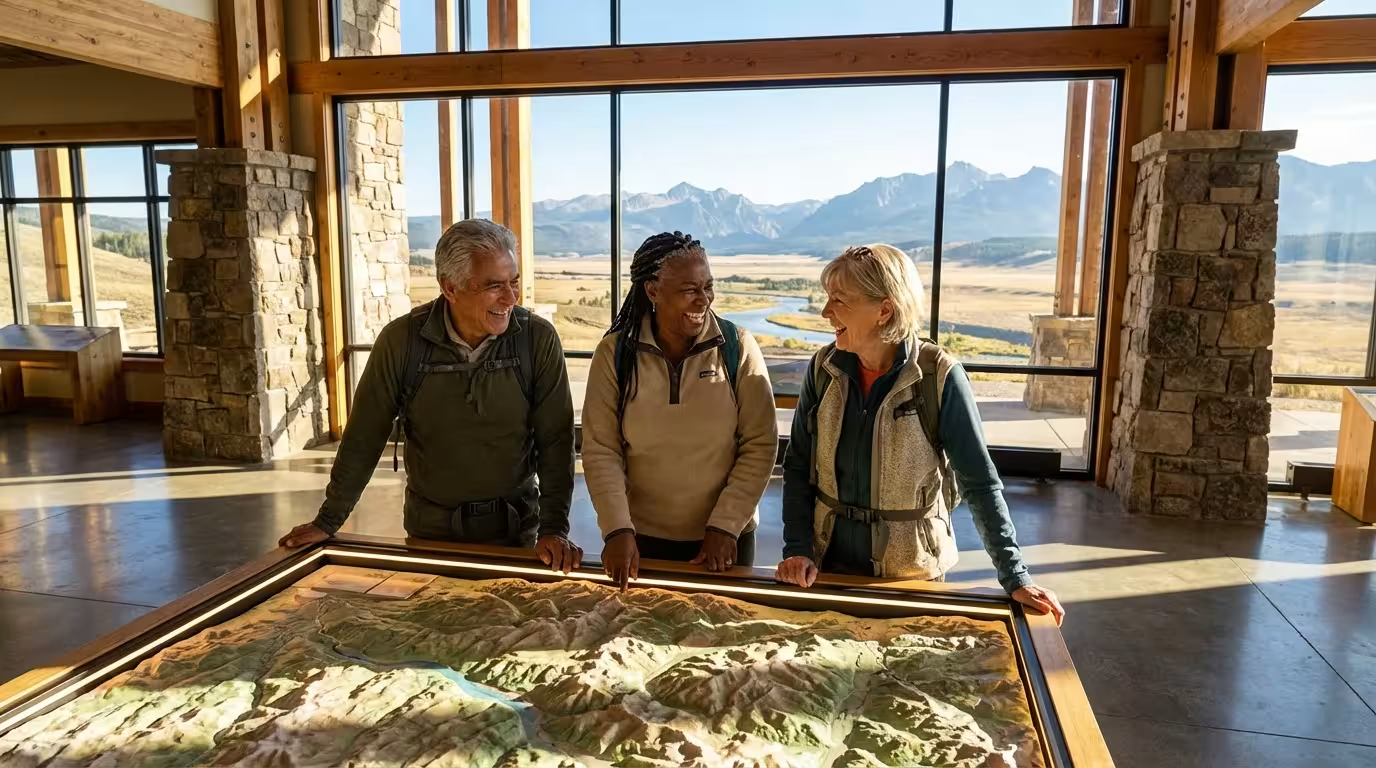
Top National Parks for Senior Exploration
Choosing the right National Park ensures a rewarding experience tailored to your needs. We highlight parks renowned for their beauty, visitor amenities, and accessible options. These destinations make it easier for seniors to get around National Parks and enjoy their natural splendor.
Grand Canyon National Park, Arizona
The Grand Canyon stands as a testament to nature’s power, offering unparalleled vistas that captivate every visitor. Its South Rim is particularly senior-friendly, providing numerous easily accessible viewpoints. You can experience the vastness of the canyon without strenuous hikes.
If you have extra time in the region, check out some other Arizona hidden gems to expand your desert adventure.
The park’s excellent shuttle bus system helps you get around national parks effortlessly, connecting various overlooks and visitor centers. The paved Rim Trail offers miles of relatively flat walking, perfect for those seeking gentle exercise or using mobility aids. Consider a scenic drive along Desert View Drive for panoramic views and historical sites.
“The Grand Canyon is the one great sight which every American should see.” — Theodore Roosevelt
Acadia National Park, Maine
Acadia National Park on Mount Desert Island offers a unique blend of rugged coastline, serene lakes, and forested mountains. It is one of the easiest national parks for seniors to explore. Its 27-mile Park Loop Road provides access to many stunning vistas, including Cadillac Mountain, the highest point on the U.S. East Coast.
Historic carriage roads, originally built by John D. Rockefeller Jr., offer picturesque, car-free paths suitable for walking or biking. Many sections are relatively flat and wide. You can enjoy a traditional tea and popovers at the Jordan Pond House, a cherished park tradition, after a leisurely stroll around Jordan Pond.
Zion National Park, Utah
Zion National Park’s towering sandstone cliffs and emerald pools create a dramatic landscape that inspires awe. The park’s shuttle system, mandatory for most of the scenic drive during peak season, simplifies transportation and reduces traffic. This system allows you to easily hop on and off at various trailheads and viewpoints.
Preparing for these walks is key, so consider reading up on hiking and trekking for seniors before arriving.
The Pa’rus Trail is a paved, accessible path running alongside the Virgin River, offering stunning canyon views. You can enjoy this gentle walk at your own pace. Other easy, paved walks include the Lower Emerald Pool Trail, which leads to beautiful waterfalls.
Yellowstone National Park, Wyoming
America’s first National Park, Yellowstone, enthralls visitors with its geothermal wonders, abundant wildlife, and vast wilderness. It offers extensive boardwalks and paved paths around its famous geysers and hot springs, including Old Faithful. These paths make it easy for seniors to get around national parks and safely observe these natural phenomena.
If you plan on RVing, staying at the best RV parks for seniors in the surrounding gateway towns offers great comfort and amenities.
The park’s extensive road system allows for incredible scenic drives, where you often spot bison, elk, and sometimes bears directly from your vehicle. Visitor centers across the park are typically accessible and provide valuable insights into Yellowstone’s geology and ecology. Ranger-led programs often include accessible options.
Great Smoky Mountains National Park, Tennessee/North Carolina
The most visited National Park, the Great Smoky Mountains, offers lush forests, historic structures, and diverse wildlife. Its accessible scenic drives, such as Newfound Gap Road and Cades Cove Loop Road, provide stunning views and opportunities for wildlife viewing from your car.
Since many visitors incorporate this area into a larger driving vacation, careful road trip planning for seniors will guarantee a smoother trip.
Cades Cove Loop Road, an 11-mile paved loop, features historic cabins, churches, and grist mills, allowing you to immerse yourself in mountain culture. Many pull-offs and short, gentle walks lead to points of interest. Consider visiting during the less crowded shoulder seasons for a more peaceful experience.
Arches National Park, Utah
Arches National Park showcases an incredible collection of natural sandstone arches and unique geological formations. While some trails are challenging, many iconic views are accessible with minimal effort. You can experience the dramatic landscape through scenic drives and short, paved paths.
Understanding the basics of senior-friendly hiking can help you select the most scenic and manageable routes here.
The Windows Section offers spectacular views with relatively flat, well-maintained trails. The accessible Delicate Arch Viewpoint allows you to see the park’s most famous arch from a distance. The easy, paved paths make it one of the easiest national parks for seniors to visit and enjoy its unique beauty.
Everglades National Park, Florida
Everglades National Park presents a unique subtropical wilderness, a vast wetland supporting incredible biodiversity. This park is exceptionally flat, making it highly accessible. You navigate through sloughs, mangrove forests, and sawgrass prairies on boardwalks and boat tours.
Accessible boardwalks, such as the Anhinga Trail and the Shark Valley Tram Road, allow for easy wildlife viewing of alligators, birds, and other creatures. Ranger-led boat tours provide a relaxing way to explore the waterways and learn about the park’s ecosystem. It is an ideal destination for seniors seeking a distinct natural experience without strenuous activity.
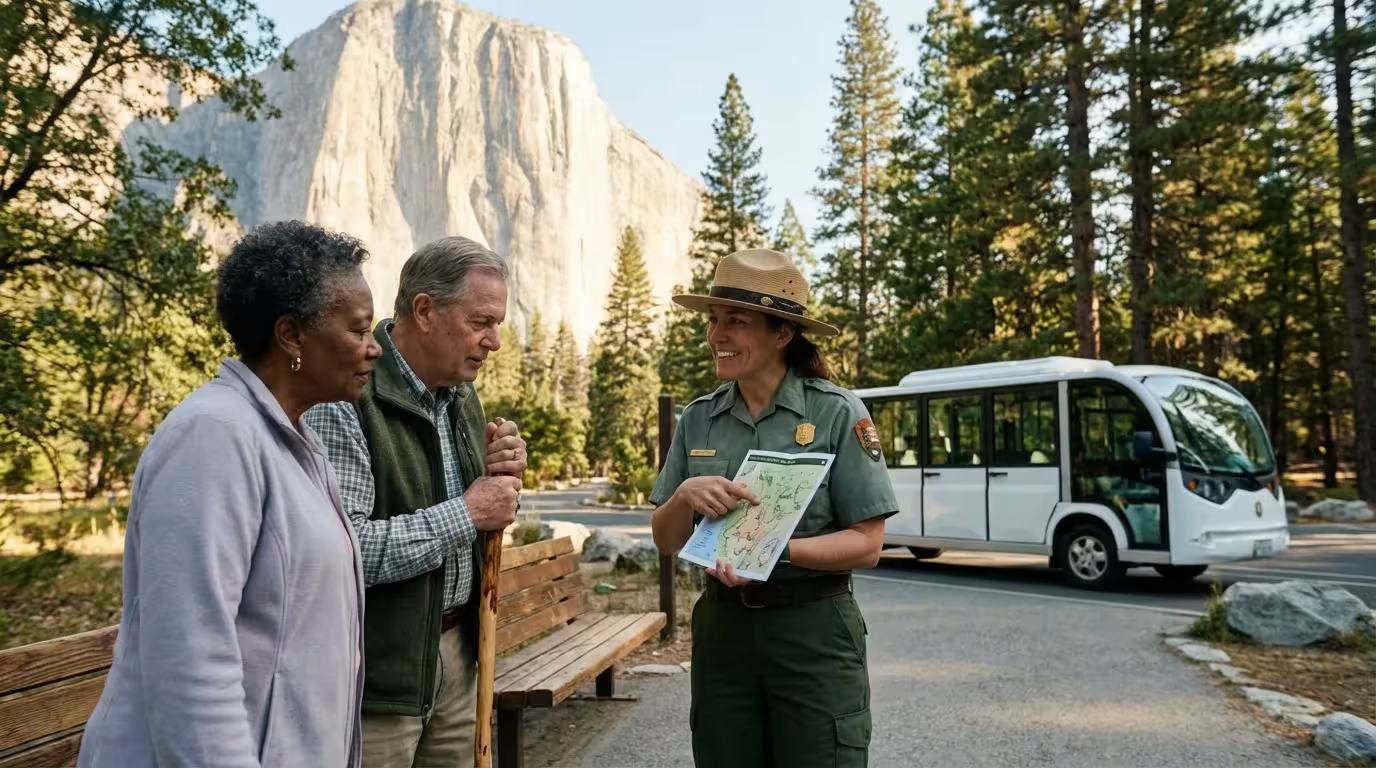
Navigating Parks with Ease: Getting Around and Staying Safe
Understanding transportation options and prioritizing safety enhances your National Park adventure. Most parks offer various ways to explore, ensuring you find a comfortable pace. You maintain control over your experience by planning ahead.
Many travelers enjoy organized senior park tours that handle all navigation and safety logistics for you.
If you have concerns about getting around, accessible group tours are a great way to let experts handle the logistics while you focus on the scenery.
Many parks utilize efficient shuttle systems, reducing traffic and offering convenient access to popular areas. Utilize these services whenever available to minimize walking distances and conserve energy. If driving your own vehicle, take advantage of scenic pull-offs and designated accessible parking.
Your safety remains paramount. Always inform someone of your itinerary, especially if you plan to venture onto trails. Carry a fully charged cell phone, but remember that service can be spotty in remote areas.
Here are essential safety tips for your park visits:
- Stay Hydrated: Carry plenty of water, even on short walks. Dehydration can quickly become a serious concern, especially in warmer climates or at higher altitudes.
- Protect Yourself from the Sun: Wear a wide-brimmed hat, sunglasses, and apply sunscreen regularly. UV rays are strong, even on cloudy days.
- Dress in Layers: Weather conditions can change rapidly in many parks. Layered clothing allows you to adjust comfortably to temperature fluctuations.
- Know Your Limits: Do not attempt strenuous activities if you feel fatigued or unwell. Prioritize rest and choose activities appropriate for your current fitness level.
- Heed Warning Signs: Pay attention to all park signage regarding wildlife, trail conditions, and safety alerts. These signs protect you.
- Carry Essential Medications: Keep any necessary prescription medications readily accessible, along with a basic first-aid kit.
- Check for Wildlife Safety: Learn about the local wildlife and how to safely observe them. Maintain a respectful distance from all animals.
For more general travel health advice, consult the CDC Travelers’ Health website. They offer valuable information on staying healthy while traveling.
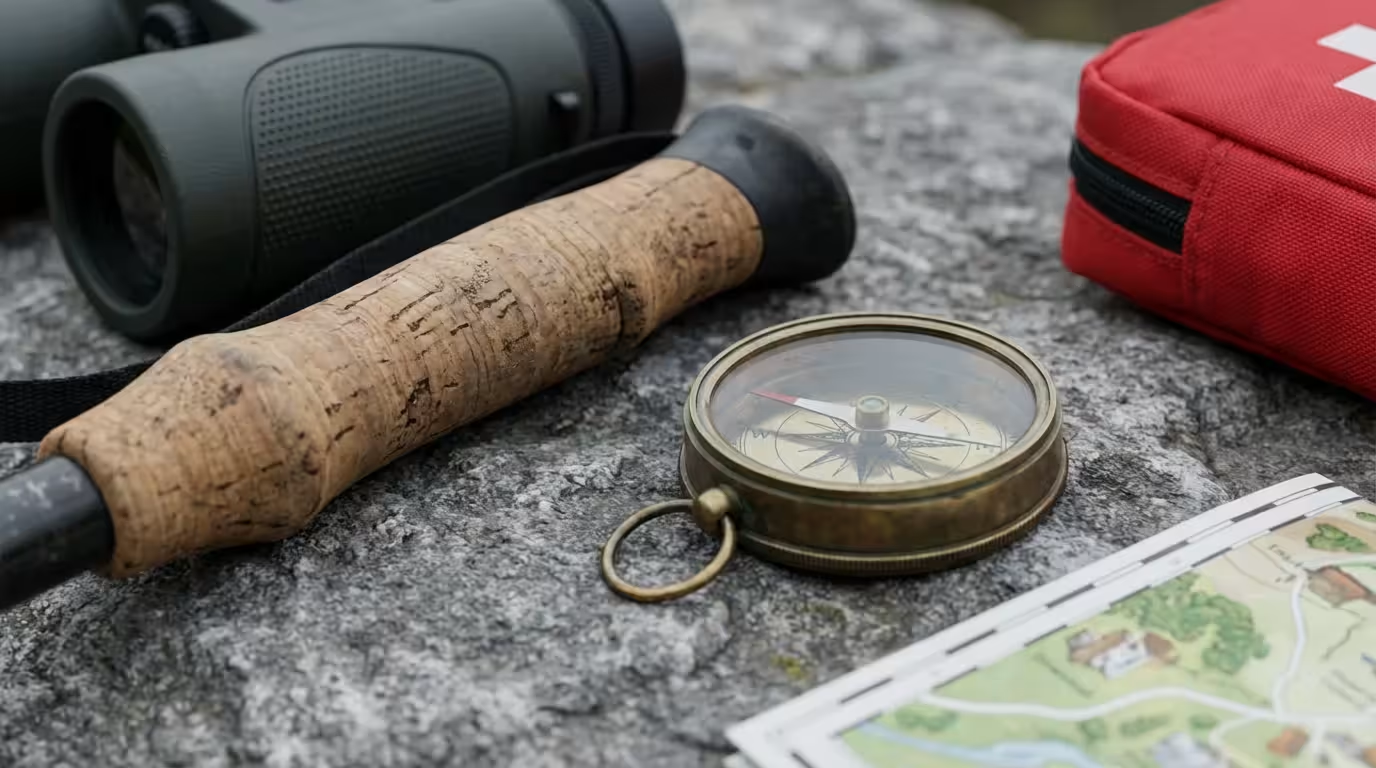
Essential Gear for Comfortable Exploration
Packing appropriately makes a significant difference in your comfort and enjoyment. Focus on items that support mobility, protection from the elements, and personal well-being. Investing in good quality gear enhances your experience.
Investing in senior-friendly camping gear like ergonomic chairs and easy-to-pitch tents can significantly enhance your comfort during overnight stays.
Your footwear selection is critical. Choose comfortable, supportive hiking shoes or walking shoes with good traction. Break them in before your trip to prevent blisters. Proper socks also make a difference.
Here is a recommended packing list for your National Park adventure:
- Comfortable Walking Shoes: Sturdy, broken-in shoes with good arch support and non-slip soles.
- Layered Clothing: Moisture-wicking base layers, insulating mid-layers, and a waterproof/windproof outer shell.
- Wide-Brimmed Hat and Sunglasses: Essential for sun protection.
- Sunscreen: High SPF to protect exposed skin.
- Reusable Water Bottle or Hydration Pack: Stay hydrated throughout the day.
- Small Backpack: For carrying water, snacks, layers, and personal items.
- Walking Poles: Provide stability and reduce strain on joints, particularly on uneven terrain.
- First-Aid Kit: Bandages, antiseptic wipes, pain relievers, and any personal medications.
- Insect Repellent: Especially important in humid or forested parks.
- Binoculars: Enhance wildlife viewing and distant scenic observations.
- Camera: Capture the stunning beauty and memories.
- National Parks Pass: Your America the Beautiful Senior Pass.

Group Tours and Guided Adventures
For some, the thought of independent travel logistics can feel daunting. Group tours offer an excellent solution, providing structured itineraries, expert guides, and the companionship of fellow travelers. Organizations specializing in senior travel handle all the planning, allowing you to simply relax and enjoy the journey.
Road Scholar, for example, offers educational and adventurous trips specifically designed for older adults. They often include accessible options and provide in-depth experiences led by knowledgeable experts. Exploring with a group can add a rich social dimension to your adventure. You gain insights you might miss on your own. Learn more about their offerings at Road Scholar.
Beyond the Trails: Enriching Your Park Experience
National Parks offer more than just hiking trails and scenic overlooks. You can deepen your experience by engaging with educational programs and cultural offerings. Visitor centers are excellent starting points, offering exhibits, films, and ranger-led talks.
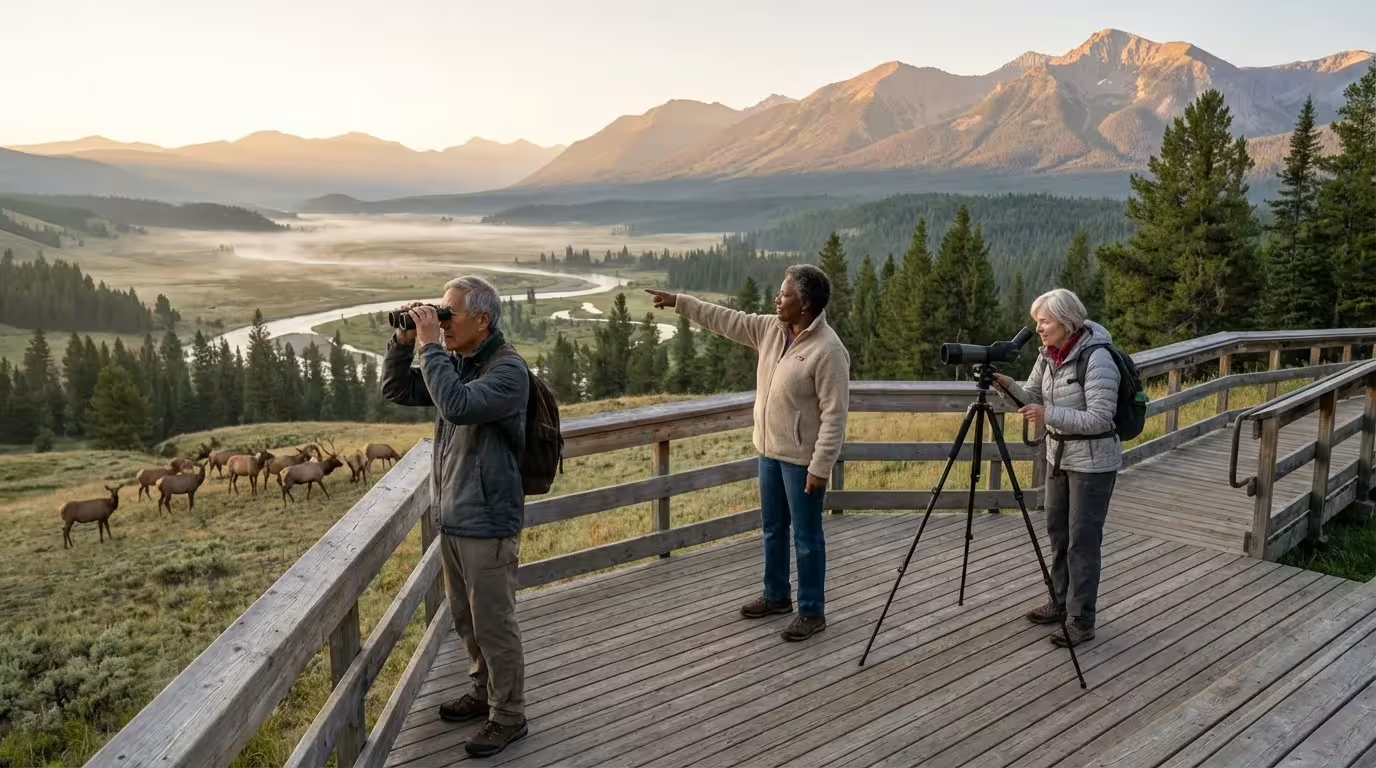
Attend a ranger program to learn about the park’s geology, history, or wildlife. Many parks host astronomy programs, allowing you to gaze at dazzling night skies free from light pollution. Take time for birdwatching, photography, or simply sitting in quiet contemplation, absorbing the natural grandeur. These enriching activities ensure a well-rounded and memorable visit.
Frequently Asked Questions
What is the best time of year for seniors to visit National Parks?
The shoulder seasons, spring (April-May) and fall (September-October), generally offer the best experience. During these months, you encounter fewer crowds, milder temperatures, and often vibrant scenery, like wildflowers or fall foliage. Summer brings peak crowds and heat in many parks, while winter can mean road closures and limited services, particularly in northern parks.
Are restrooms easily accessible in National Parks?
Many National Parks prioritize accessibility, including restrooms. You will typically find accessible restrooms at visitor centers, major viewpoints, and developed campgrounds. Always check the individual park’s website for specific details on accessible facilities before your visit. Planning your stops around known facilities provides comfort.
Do National Parks offer special discounts for seniors?
Yes, the America the Beautiful – National Parks and Federal Recreational Lands Senior Pass provides significant savings. For a one-time fee, U.S. citizens or permanent residents aged 62 or older receive lifetime access to thousands of federal recreation sites, including all National Parks. This pass covers entrance fees and provides discounts on some amenity fees.
How do I find accessible trails in National Parks?
The National Park Service website for each specific park is your best resource. Look for sections on “Accessibility” or “Things to Do” that highlight paved trails, boardwalks, and flat, wide paths suitable for various mobility levels. Park rangers at visitor centers are also excellent sources of up-to-date information on current trail conditions and recommendations.
What if I need medical assistance in a park?
Most National Parks have emergency services staff trained in first aid and wilderness rescue. In an emergency, dial 911. Be prepared with your location details, a clear description of the situation, and any immediate needs. Always carry essential medications and inform a travel companion about any pre-existing health conditions.
The wonder of National Parks awaits your discovery. With careful planning and an adventurous spirit, you unlock unparalleled experiences. Embrace the journey, savor the moments, and let the majestic beauty of these national treasures inspire your active life. Your next adventure begins now.
Disclaimer: This article is for informational purposes only. Travel conditions, accessibility, and requirements change frequently. We encourage readers to verify current information with official sources before traveling. Always consult with healthcare providers about travel considerations for your specific health situation.









Leave a Reply