
Disclaimer: This article is for informational purposes only. Travel conditions, accessibility, and requirements change frequently. We encourage readers to verify current information with official sources before traveling. Always consult with healthcare providers about travel considerations for your specific health situation.
You have accumulated a lifetime of wisdom, skills, and experiences. Now is the perfect time to leverage those assets for a new kind of adventure: volunteering abroad. This path offers more than just sightseeing; it provides profound connections, meaningful contributions, and an opportunity to truly immerse yourself in a new culture while making a tangible difference.
Embracing global volunteering as a senior redefines retirement. It allows you to explore the world with purpose, expand your horizons, and stay incredibly active. You discover new passions and connect with communities in ways traditional tourism rarely allows. Prepare to embark on an enriching journey that benefits both you and the people you serve.
Table of Contents
- Why Volunteer Abroad as a Senior?
- Finding Your Ideal Volunteer Opportunity
- Popular Volunteer Destinations and Project Examples
- Planning Your Global Volunteering Adventure
- Health and Safety Considerations for Senior Volunteers
- Budgeting for Your Volunteer Journey
- Essential Packing for Your Volunteer Trip
- Embracing the Experience: Making the Most of Your Time
- Frequently Asked Questions
Why Volunteer Abroad as a Senior?
Senior volunteering offers an unparalleled blend of adventure and altruism. You gain immense personal satisfaction from contributing to a cause greater than yourself. Many seniors discover a renewed sense of purpose and vitality through these experiences.
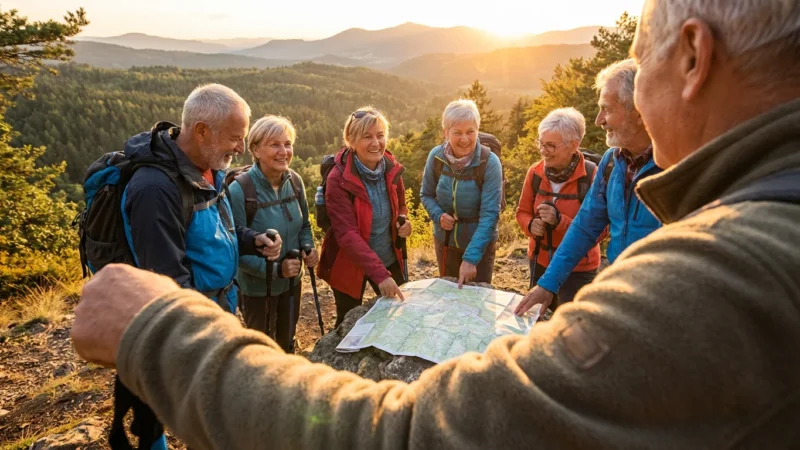
Many participants find that joining adventure clubs for seniors is a wonderful way to meet potential travel partners before committing to a long-term project.
Your life experience proves invaluable in international settings. You bring a mature perspective, problem-solving skills, and often a calming presence to challenging environments. This unique combination makes you a highly sought-after asset for many global volunteering projects.
The world is a book and those who do not travel read only one page. — Saint Augustine
Beyond the direct impact, global volunteering profoundly benefits your personal well-being. It sharpens your mind, keeps your body active, and broadens your understanding of diverse cultures. You forge new friendships with fellow volunteers and local community members, creating memories that last a lifetime.
Engaging in volunteer travel combats isolation and encourages active aging. It challenges you to adapt, learn, and grow, proving that age truly is just a number when it comes to exploring the world and making a difference. You will return home with incredible stories and a deep sense of accomplishment.
Finding Your Ideal Volunteer Opportunity
The first step involves identifying a project that aligns with your passions, skills, and comfort level. Consider what kind of impact you want to make and the environment where you wish to serve. Many options exist for senior volunteering, ensuring a perfect fit for nearly every interest.
If you have physical limitations, there are still plenty of accessible adventures that allow you to give back without overexertion.
Research volunteer travel organizations that specialize in placing older adults or those with flexible programs. Look for clear descriptions of responsibilities, living arrangements, and support systems. Reputable organizations prioritize volunteer safety and provide comprehensive pre-departure information.
Consider these popular categories when looking for what volunteer opportunities for seniors:
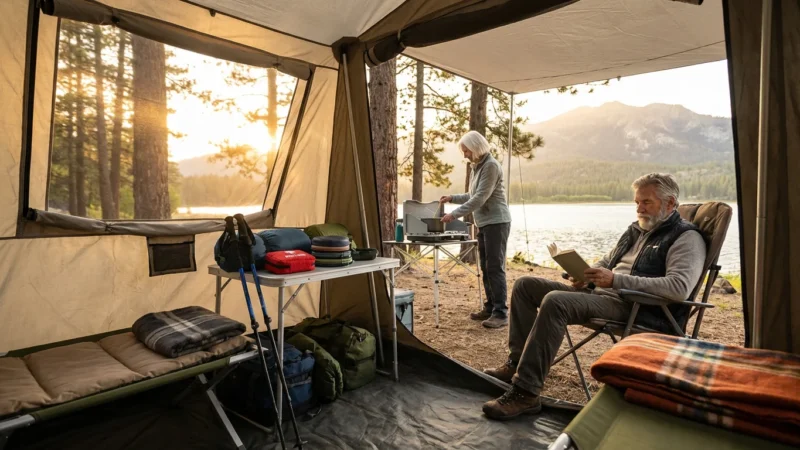
- Conservation and Environmental Projects: Contribute to wildlife preservation, trail maintenance in national parks abroad, or sustainable farming initiatives. These roles often involve physical activity in natural settings.
- Education and Youth Development: Teach English, assist in schools, or mentor young people. Your professional background and life wisdom offer significant value in these roles, particularly in underserved communities.
- Community Health and Wellness: Support local clinics, assist with health education campaigns, or help with administrative tasks. Medical professionals find many opportunities to share their expertise.
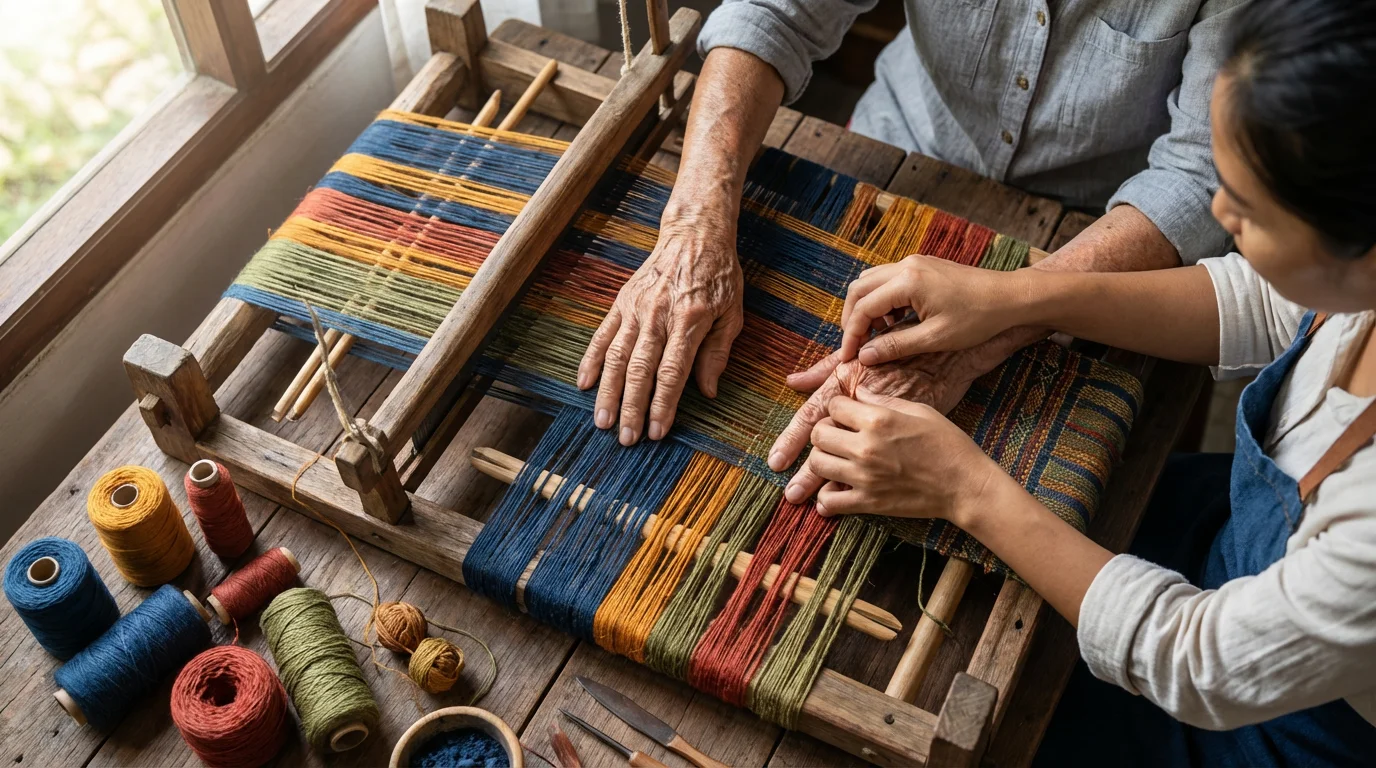
- Cultural Exchange and Arts: Participate in cultural preservation efforts, assist at museums, or teach traditional crafts. These programs immerse you deeply in local traditions.
- Economic Development and Livelihoods: Share business skills, assist with microfinance initiatives, or help local artisans market their products. Your professional experience can empower communities.
Think about your energy levels and physical capabilities honestly. Some projects require more strenuous activity, while others offer more sedentary roles. Open communication with program coordinators helps you find a comfortable and impactful placement.
Popular Volunteer Destinations and Project Examples
The world offers countless destinations for impactful global volunteering. Each region presents unique needs and cultural experiences. Your choice of destination often correlates directly with the type of project available.
Many programs offer flexible durations, from a few weeks to several months. This flexibility allows you to tailor your volunteer experience to your travel plans and availability. Consider regions known for their hospitality and established volunteer infrastructures.
Here are general examples of destinations and associated project types popular with senior volunteers:
Latin America:
- Conservation: Costa Rica for rainforest preservation, Ecuador for Galapagos wildlife protection. You might assist with data collection, trail maintenance, or community outreach.
- Education: Peru or Guatemala for teaching English in rural schools. Your role could involve tutoring, lesson planning, or simply offering conversational practice.
- Community Development: Mexico for building sustainable infrastructure or supporting local artisan cooperatives. These projects leverage practical skills and offer direct community interaction.
Southeast Asia:
- Education: Vietnam or Thailand for English instruction. You will work with students of various ages, contributing to their future opportunities.
- Health Support: Cambodia or Laos, assisting local medical facilities with administrative tasks or health awareness programs. Non-medical roles are readily available.
- Cultural Preservation: Indonesia, helping with traditional craft workshops or cultural heritage sites. This offers deep immersion into local customs.
Africa:
- Wildlife Conservation: South Africa or Kenya for safari park support, anti-poaching efforts, or animal rehabilitation. These are often hands-on, physically engaging roles.
- Community Empowerment: Ghana or Tanzania for assisting with women’s empowerment projects or sustainable agriculture initiatives. You share knowledge and foster independence.
- Healthcare Assistance: Uganda, providing support in clinics or aiding public health campaigns. This can be administrative or educational, depending on your background.
Europe:
- Cultural Heritage: Italy or France, assisting with restoration projects at historical sites or working in museums. These roles combine history with service.
- Environmental Stewardship: Portugal or Spain, supporting coastal clean-up efforts or organic farm projects. You connect with nature and local communities.
When selecting a destination, research the political stability and local customs. Understanding the cultural context enhances your experience and helps you integrate respectfully into the community. Your volunteer organization provides invaluable guidance on these aspects.

Planning Your Global Volunteering Adventure
Careful planning ensures a smooth and rewarding volunteer experience. This involves several key steps, from initial research to final preparations. Approaching it systematically helps manage potential challenges and maximizes your impact.
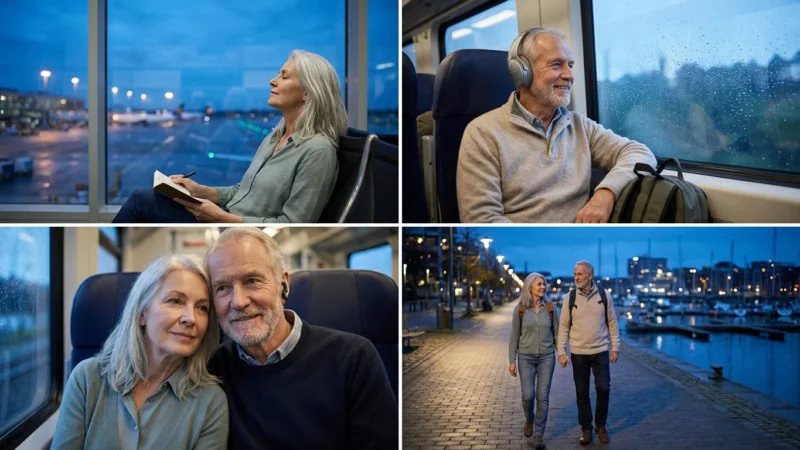
For those heading out on their own for the first time, reviewing guides on solo senior adventures can provide extra confidence in staying connected.
Here is a step-by-step guide on how to volunteer overseas safely and effectively:
- Research Reputable Organizations: Look for established volunteer agencies with positive reviews and clear mission statements. Verify their commitment to ethical volunteering and responsible tourism.
- Assess Your Health and Fitness: Schedule a comprehensive medical check-up. Discuss your travel plans with your doctor, including destination-specific health risks and necessary vaccinations. The CDC Travelers’ Health site offers excellent resources.
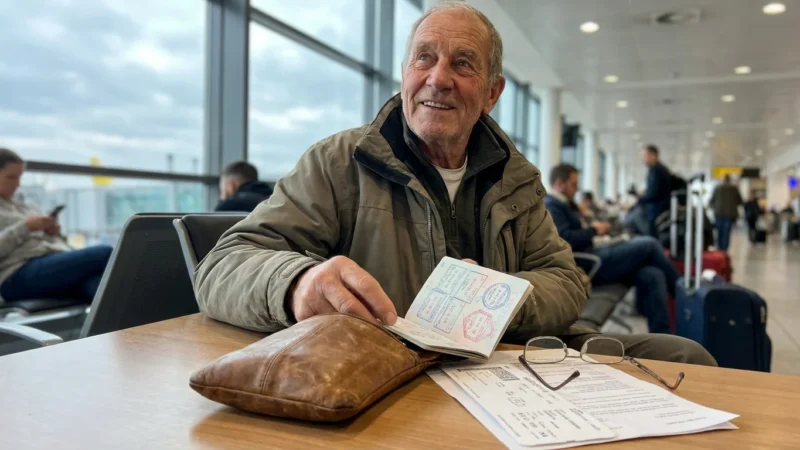
- Secure Necessary Documentation: Ensure your passport has at least six months of validity beyond your return date. Research visa requirements for your chosen destination well in advance, as processing times vary. The U.S. Department of State Travel site provides country-specific information.
- Budget Wisely: Calculate all costs, including program fees, flights, travel insurance, vaccinations, personal spending money, and an emergency fund. Some programs include accommodation and meals, while others require you to budget for these separately.
- Arrange Travel Insurance: Purchase comprehensive travel insurance that covers medical emergencies, trip interruption, and emergency evacuation. This provides peace of mind for you and your family.
- Learn Basic Language Phrases: Even a few simple phrases in the local language demonstrate respect and facilitate daily interactions. Many apps and online resources make this easy and fun.
- Pack Appropriately: Consider the climate, local customs, and project requirements. Pack practical, versatile clothing and any personal medications you need. We discuss this further below.
- Inform Loved Ones: Share your itinerary, contact information for your volunteer organization, and emergency contacts. Establish a communication plan to keep them updated on your journey.
Proactive planning mitigates most potential issues. You set yourself up for success by addressing these practicalities before you depart. This allows you to focus on the volunteer work and cultural immersion.

Health and Safety Considerations for Senior Volunteers
Your health and safety remain paramount during any volunteer travel experience. Adopting a proactive approach minimizes risks and ensures a comfortable journey. Consulting with medical professionals and understanding local conditions are crucial steps.
Before you go, schedule a pre-travel medical appointment. Discuss your destination, planned activities, and any pre-existing health conditions with your doctor. They will advise you on necessary vaccinations, malaria prevention, and any specific health precautions for the region.
Consider this pre-travel health checklist:
- Consult Your Doctor: Get a full physical and discuss travel plans.
- Vaccinations: Obtain all recommended vaccinations for your destination.
- Medication Supply: Pack enough prescription and over-the-counter medications for your entire trip, plus a small buffer. Carry them in their original containers with copies of prescriptions.
- Medical Alert Information: Wear a medical alert bracelet or carry a card detailing any conditions or allergies.
- Dental Check-up: Address any potential dental issues before departure.
- Emergency Contacts: Keep a list of emergency contacts, your doctor’s information, and your insurance details readily accessible.
- Travel Insurance: Confirm your policy covers medical evacuation and any pre-existing conditions.
Once abroad, practice situational awareness. Familiarize yourself with local emergency numbers and the location of the nearest medical facilities. Your volunteer organization often provides detailed safety briefings and local support.
Stay hydrated, especially in warm climates, and protect yourself from the sun. Eat safely by choosing well-cooked foods and drinking bottled or purified water. Respect local customs and dress codes, which often contributes to your personal safety and cultural integration.

Budgeting for Your Volunteer Journey
Understanding the financial aspects of volunteer travel empowers you to plan effectively. While the experience is invaluable, managing costs responsibly ensures a stress-free adventure. Programs vary widely in price, so careful consideration is key.
Applying principles of affordable senior travel will help you manage your retirement savings while making a global impact.
Program fees often cover accommodation, meals, in-country transportation, and project support. However, you also need to factor in additional expenses. A detailed budget helps you prepare for every financial aspect of your trip.
Here is an example budget breakdown for a hypothetical two-week volunteer trip:
| Expense Category | Estimated Cost (USD) | Notes |
|---|---|---|
| Volunteer Program Fee | $800 – $2,500 | Covers accommodation, meals, project coordination. Varies by organization and destination. |
| Round-trip Airfare | $700 – $2,000 | Fluctuates based on destination, time of year, and booking in advance. |
| Visa Fees | $0 – $200 | Dependent on your nationality and destination country. Check official government sites. |
| Travel Insurance | $50 – $200 | Crucial for medical emergencies, trip cancellation, and lost luggage. |
| Vaccinations & Medications | $100 – $500 | Varies by required vaccinations and your insurance coverage. |
| Personal Spending Money | $200 – $500 | For souvenirs, snacks, personal toiletries, and leisure activities. |
| Pre-trip Gear/Supplies | $100 – $300 | Specialized clothing, sturdy shoes, adaptors, water bottles. |
| Emergency Fund | $300 – $1,000 | Always wise to have extra funds for unforeseen circumstances. |
| Total Estimated Cost | $2,250 – $7,200 | A wide range reflects the diversity of programs and destinations. |
Look for programs that offer transparency in their pricing structure. Some organizations provide scholarships or fundraising support, so inquire about these options. Remember, your investment extends beyond money; it is an investment in personal growth and global good.
Consider budget-friendly destinations or off-peak travel times to reduce costs. Many volunteers find that the enriching experience far outweighs the financial outlay. Plan carefully, but remain flexible to embrace the adventure.

Essential Packing for Your Volunteer Trip
Smart packing significantly enhances your comfort and readiness for volunteer work. Focus on practical, versatile items that suit your destination’s climate and cultural norms. Traveling light also makes transit much easier.
Prioritize functional clothing that is easy to wash and quick to dry. Respect local customs by packing modest attire, especially for women, even if it is not a strict requirement for your specific project. Always check the weather forecast for your destination closer to your departure date.
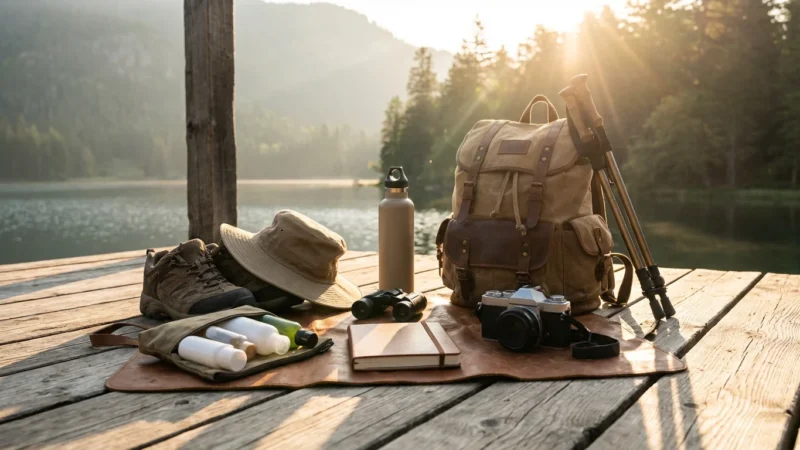
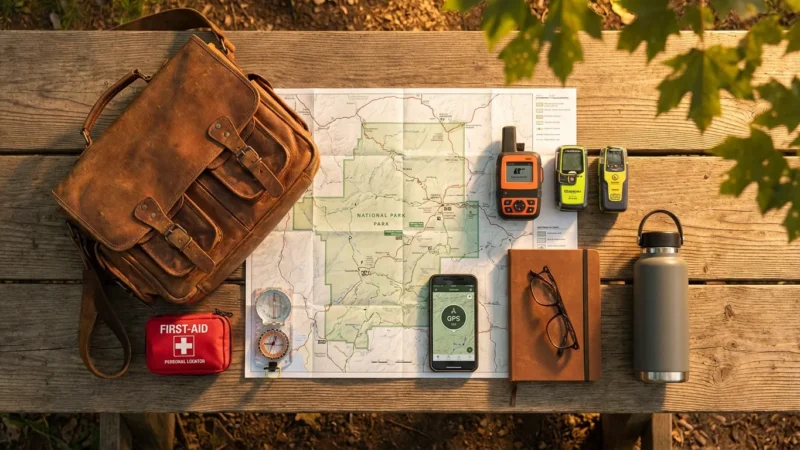
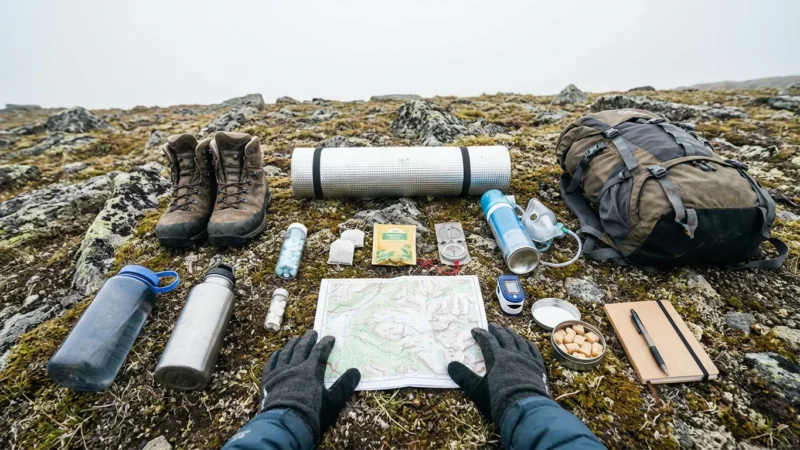
Here is an essential packing list for your volunteer adventure:
- Clothing:
- Lightweight, breathable shirts and pants (long sleeves and pants protect from sun and insects).
- Modest attire for cultural sensitivity.
- Swimsuit if applicable.
- Light jacket or sweater for cooler evenings.
- Rain gear (lightweight rain jacket or poncho).
- Footwear:
- Comfortable walking shoes or hiking boots suitable for your activities.
- Sandals or flip-flops for downtime.
- Health and Hygiene:
- Personal medications (in original containers) and copies of prescriptions.
- Basic first-aid kit (bandages, antiseptic wipes, pain relievers, blister treatment).
- Insect repellent with DEET or picaridin.
- Sunscreen and after-sun lotion.
- Hand sanitizer.
- Toiletries (travel-sized if possible).
- Documents and Money:
- Passport and visa (if required), plus copies stored separately.
- Travel insurance policy information.
- Emergency contact list.
- Credit/debit cards and a small amount of local currency.
- Flight and accommodation confirmations.
- Gadgets and Gear:
- Unlocked smartphone with local SIM card option or international roaming.
- Portable power bank.
- Universal travel adapter.
- Headlamp or small flashlight.
- Reusable water bottle with filter if needed.
- Small backpack or daypack for daily excursions.
- Camera (optional).
- Miscellaneous:
- Small gifts for hosts or children, if culturally appropriate.
- Books, journal, or entertainment for downtime.
- Quick-dry towel.
- Lock for your luggage or hostel locker.
Check the TSA website for current carry-on restrictions, especially concerning liquids and prohibited items. Pack essential items, such as medications and important documents, in your carry-on bag. This safeguards against potential lost luggage and provides immediate access to critical items.
Embracing the Experience: Making the Most of Your Time
Volunteering abroad extends beyond the work itself; it embodies a holistic immersion into a new way of life. Approach your adventure with an open mind and a flexible spirit. These qualities prove invaluable for truly embracing the experience.
Be prepared for cultural differences, and recognize that local customs, schedules, and communication styles may differ significantly from your own. Patience and respect serve as your best guides. Engage with local community members and fellow volunteers; their perspectives enrich your understanding and enjoyment of the trip.
Adventure is worthwhile in itself. — Amelia Earhart
Actively seek opportunities to learn. Ask questions, observe daily life, and participate in local activities when appropriate. This deepens your cultural appreciation and strengthens your bond with the community. You might learn a new craft, taste unfamiliar foods, or simply enjoy a quiet conversation with a local elder.
Remember why you chose this path. Focus on the impact you make, however small it may seem day-to-day. Your presence, skills, and willingness to help contribute significantly to the project’s goals. Cherish the moments of connection, challenge, and personal growth.
Take time for self-reflection. Journaling about your experiences helps process new emotions and observations. Document your journey through photos and stories, which you can share with loved ones upon your return. These reflections solidify the meaningfulness of your global volunteering adventure.
Frequently Asked Questions
Are there age limits for senior volunteering programs?
While some programs target specific age groups, many volunteer organizations actively welcome seniors. They value your experience, maturity, and dedication. Specific projects may have physical requirements, but age itself is rarely a barrier. Always check with the program provider regarding any age-related guidelines for a specific volunteer opportunity.
How physically demanding are most senior volunteering opportunities?
Physical demands vary significantly by project type. Conservation work might involve moderate hiking, while teaching or community support roles can be less strenuous. Many organizations offer roles tailored to various physical capabilities. It is crucial to communicate openly with program coordinators about your fitness level and any limitations you have to find a suitable placement.
Can I volunteer abroad as a solo traveler?
Absolutely. Many seniors embark on solo volunteer adventures. Volunteer programs often provide a supportive community environment, making it easy to connect with other volunteers and locals. Your accommodation, transportation, and daily activities are typically pre-arranged, which offers an added layer of security and convenience for solo travelers.
What about the cost of volunteer travel? Is it expensive?
Costs vary widely depending on the program, destination, duration, and what is included in the program fee. Some programs are more budget-friendly, while others offer more amenities. Factor in airfare, visas, insurance, and personal spending. While an investment, many seniors find the profound personal growth and impact make volunteer travel highly worthwhile. Research thoroughly to find an option fitting your budget for volunteer travel.
How long do typical senior volunteering trips last?
Volunteer trips can range from a few days to several months, or even longer. Many seniors prefer shorter trips, from two to four weeks, to test the waters or fit into their existing schedules. Longer stays allow for deeper immersion and greater impact. You can often find flexible options that cater to your availability.
What if I need to cancel my volunteer trip?
Cancellation policies vary by organization and program. Most reputable volunteer providers have clear guidelines regarding refunds or postponements. Purchasing comprehensive travel insurance, which includes trip cancellation coverage, protects your financial investment if unforeseen circumstances prevent you from traveling. Always review the terms and conditions before booking.

Leave a Reply