
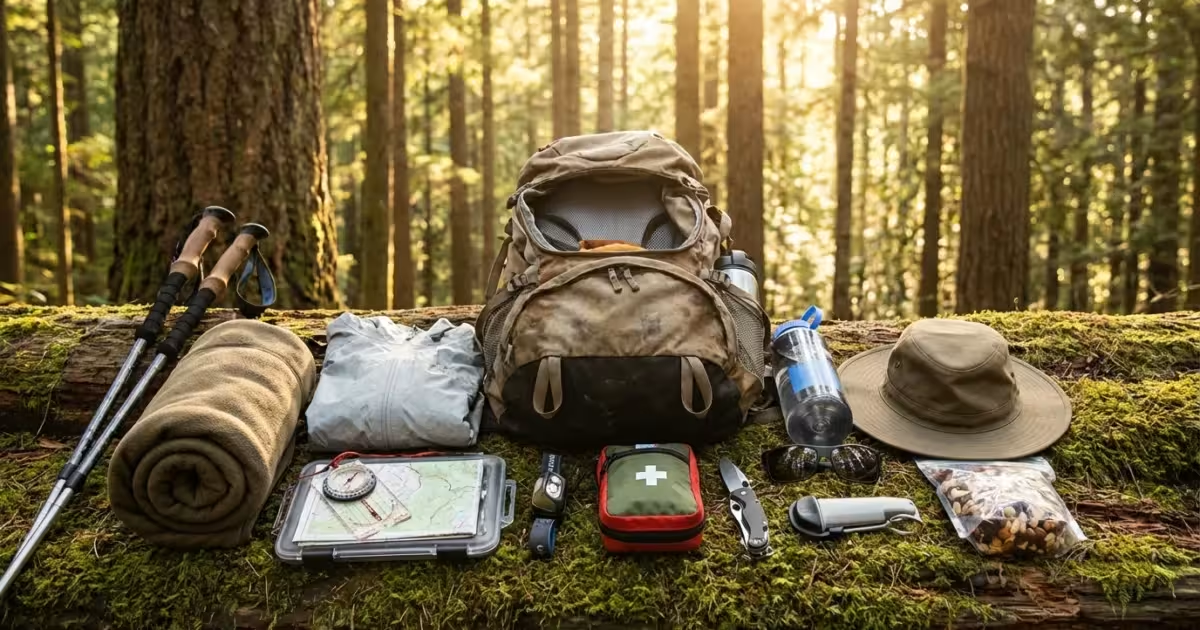
Embrace the call of the wild. Hiking offers an unparalleled opportunity to connect with nature, challenge yourself, and experience breathtaking landscapes. As a senior adventurer, you possess the wisdom and perspective to appreciate these journeys deeply. Preparing correctly ensures a safe, comfortable, and truly memorable experience on any trail.
This article guides you through the ten crucial items every senior hiker needs in their backpack. These essentials serve as your safety net, comfort enhancers, and navigational aids. Equipping yourself properly empowers you to explore new paths with confidence and peace of mind.
Table of Contents
- Discovering the Trail: Your Senior Hiking Adventure Begins
- The Core of Your Comfort: Choosing the Right Backpack
- Staying Oriented: Navigation Essentials for Every Trail
- Shielding Yourself: Sun Protection and Layered Warmth
- Illuminating Your Path: Light and Signaling for Safety
- Prepared for Anything: First Aid and Repair Tools
- Sustaining Your Energy: Hydration and Nutrition on the Trail
- Emergency Ready: Shelter and Fire for Unexpected Situations
- Beyond the Gear: Planning and Trail Etiquette for Seniors
- Frequently Asked Questions
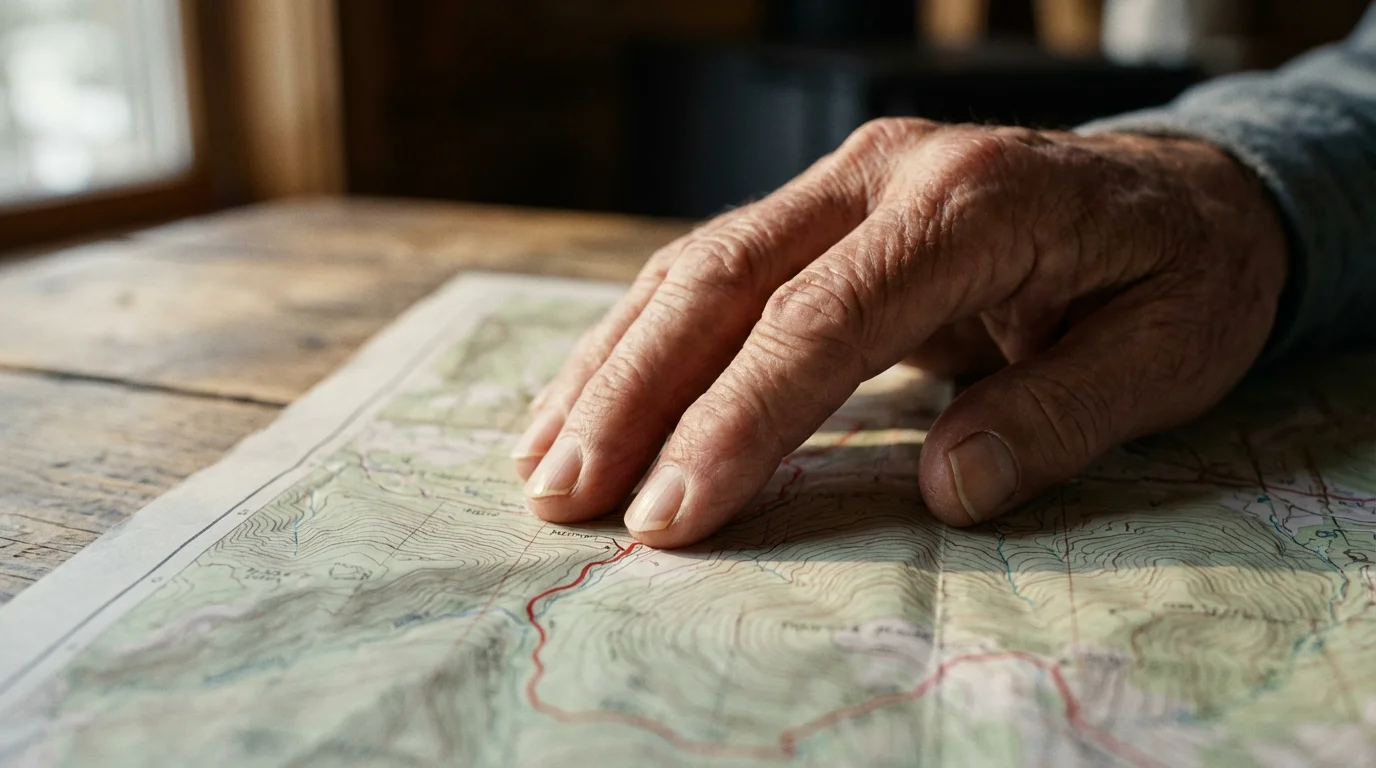
Discovering the Trail: Your Senior Hiking Adventure Begins
Stepping onto a hiking trail invigorates your mind and body. The benefits extend far beyond physical fitness, encompassing mental clarity, reduced stress, and a profound sense of accomplishment. You discover new strengths and rekindle your adventurous spirit with every step.
If you’re looking for companionship on the trail, joining group hikes is a fantastic way to meet fellow adventurers while staying safe.
Many seniors find joy in hitting the trails, from gentle walks in local parks to challenging climbs in national forests. The key to a successful outing lies in smart preparation. This includes understanding the trail, checking weather conditions, and packing intelligently.
Your journey begins long before you reach the trailhead. It starts with selecting the right gear. Proper equipment enhances your comfort and readiness for whatever the trail presents.
The Core of Your Comfort: Choosing the Right Backpack
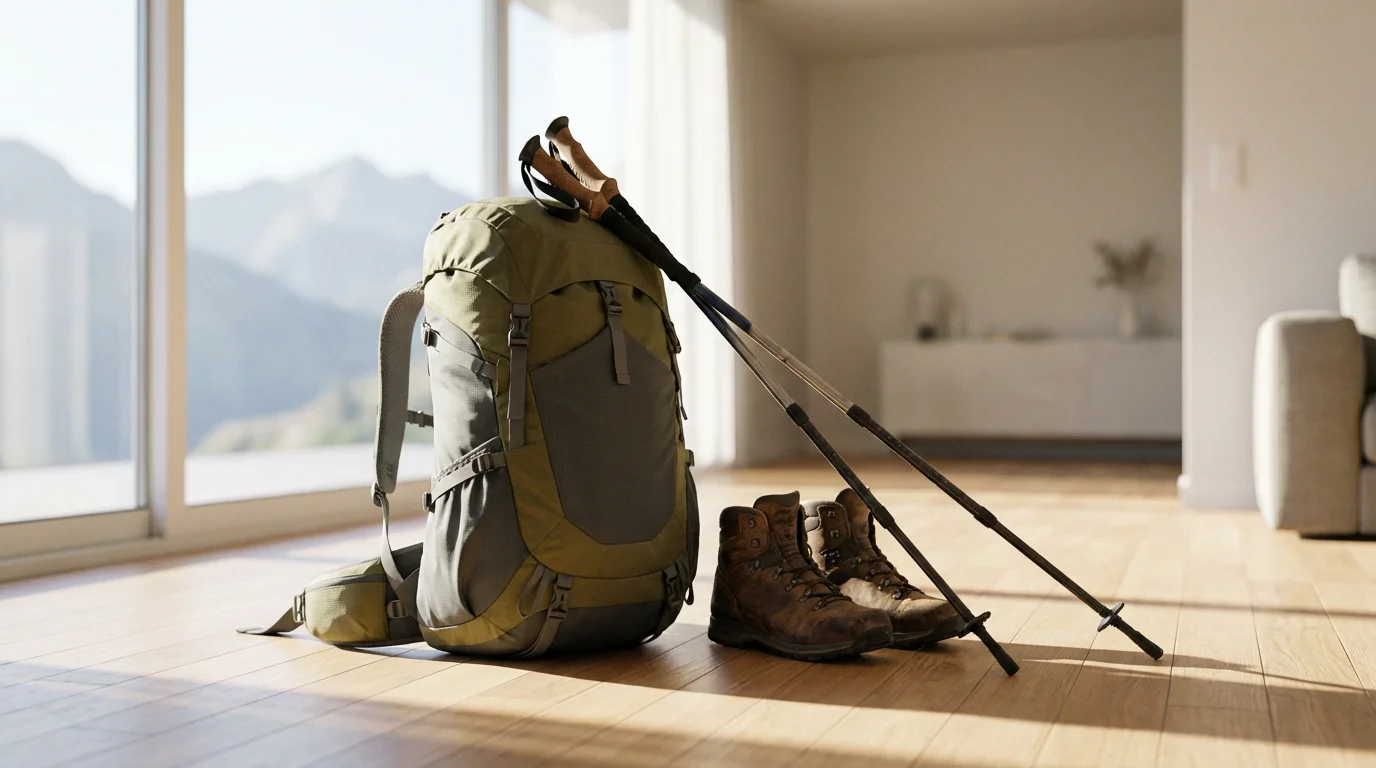
Your backpack is more than just a bag; it is your mobile base camp. Selecting the right one is paramount for senior hikers. Look for a pack that fits your torso length, distributes weight comfortably, and offers easy access to your gear.
Pairing your pack with the right walking shoes is equally important to ensure stability and comfort on varying terrain.
Prioritize comfort and ergonomic design. Padded shoulder straps and a supportive hip belt alleviate strain. Adjustable features allow you to customize the fit, preventing discomfort on longer hikes. Consider a pack with external pockets for quick access to water bottles or snacks.
Key Backpack Features:
- Capacity: Choose a size appropriate for your hike duration. Day packs (15-30 liters) suit short outings, while overnight trips require larger capacities.
- Adjustability: Ensure adjustable shoulder straps, hip belt, and sternum strap for a custom fit.
- Comfort: Look for ample padding on contact points and breathable back panels.
- Accessibility: External pockets, hydration sleeve, and bottom access zippers make retrieving items easier.
- Weight: A lightweight pack reduces overall carrying burden, a significant consideration for senior hikers.
Staying Oriented: Navigation Essentials for Every Trail
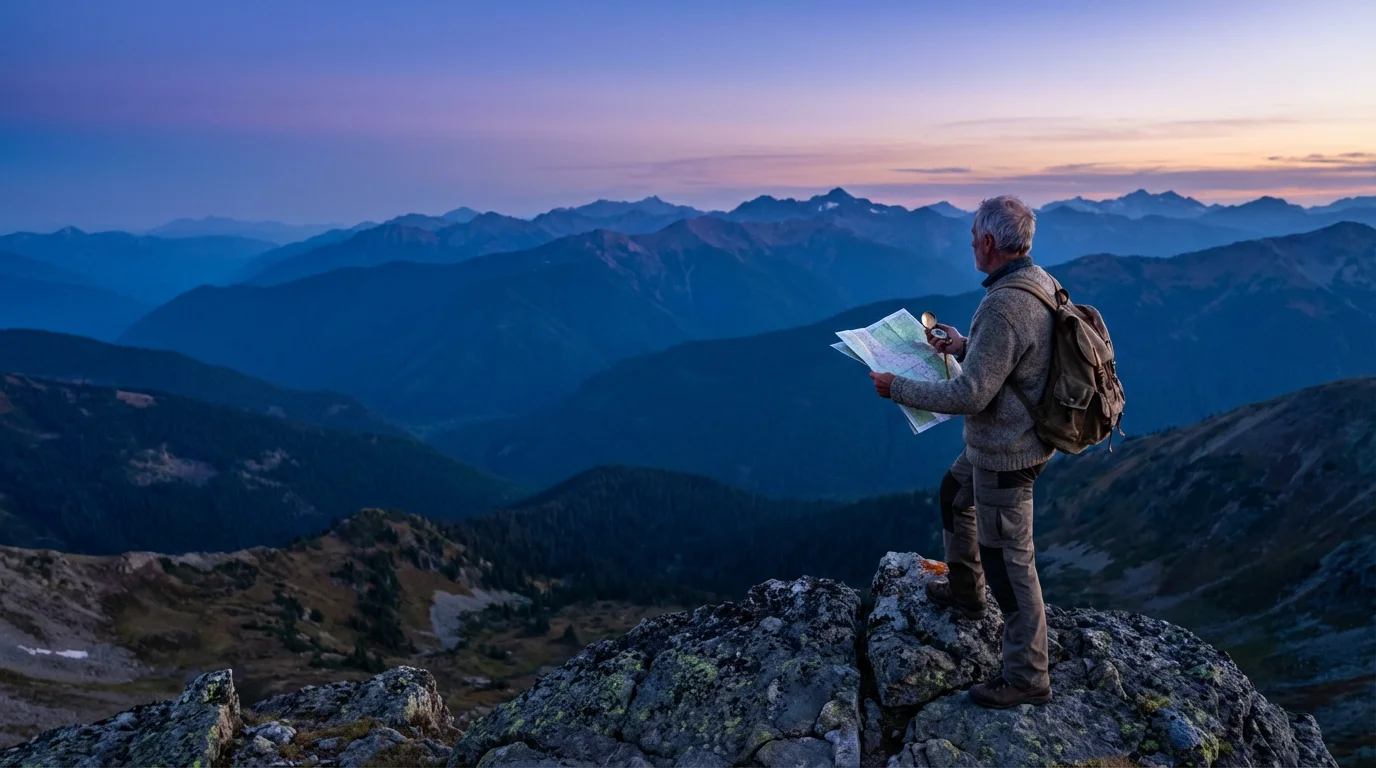
Knowing your location and direction is fundamental to safe hiking. Even on familiar trails, unexpected changes or diversions can occur. Always carry multiple navigation tools and understand how to use them.
If you are venturing out alone, reviewing tips for solo senior adventures can help you stay safe and connected on more remote paths.
Technology offers great convenience, but do not rely solely on electronic devices. Batteries die, and signals drop. A physical map and compass remain indispensable backup tools, especially in remote areas or dense tree cover. Carry a waterproof map of your hiking area.
Essential 1: Navigation Tools (Map, Compass, GPS Device or Smartphone)
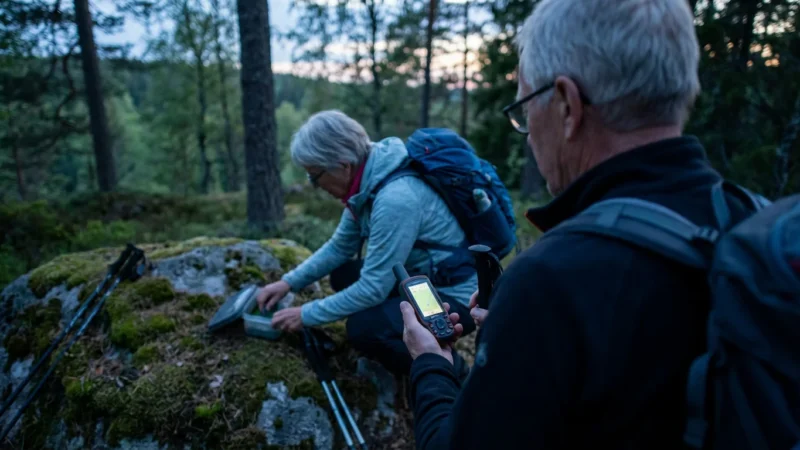
Equip yourself with reliable navigation. A paper map of your specific hiking area and a compass are non-negotiable backups. Learn how to read a topographic map and orient it with a compass before you hit the trail.
A dedicated GPS device offers durability and battery life superior to most smartphones. However, many hikers find modern smartphone apps sufficient for day hikes, provided they download maps for offline use and carry a portable power bank. Always ensure your devices are fully charged.
For additional resources on planning your trip, consider visiting the National Park Service website. It offers detailed trail maps and park information, which can assist in your navigation preparations.
Shielding Yourself: Sun Protection and Layered Warmth
Exposure to the elements changes rapidly on the trail. Protecting yourself from sun and cold ensures your comfort and health. Prepare for fluctuating temperatures and unexpected weather shifts.
Sun protection prevents sunburn and heat-related illness. Layered clothing allows you to adapt to changing conditions. You stay comfortable whether the sun shines brightly or a sudden chill descends.
Essential 2: Sun Protection (SPF, Hat, Sunglasses)
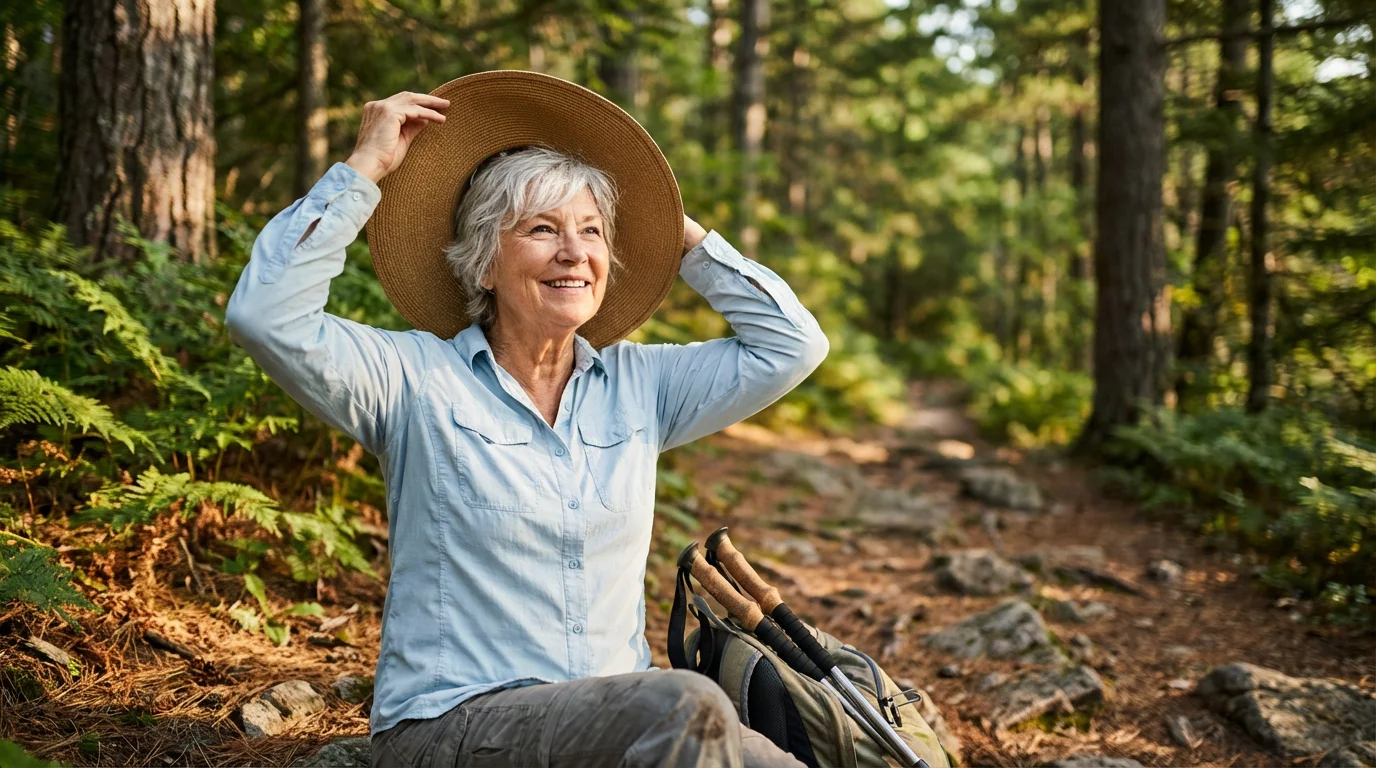
Protect your skin and eyes from harmful UV rays. Always apply a broad-spectrum sunscreen with an SPF of 30 or higher to all exposed skin. Reapply it every two hours, or more frequently if you sweat heavily.
Wear a wide-brimmed hat to shield your face, neck, and ears. Quality sunglasses protect your eyes from glare and UV damage. These simple items prevent sunburn, reduce the risk of skin damage, and improve visibility on bright days.
Essential 3: Insulation and Rain Gear
Weather in the mountains or even local parks can change quickly. Carry extra layers that insulate even when wet, such as fleece or wool. Avoid cotton, which loses its insulating properties when damp and dries slowly.
A waterproof and windproof jacket and pants are crucial. They protect you from unexpected rain showers and biting winds. These layers ensure you remain warm and dry, preventing hypothermia in cooler conditions. Pack an extra pair of socks; dry feet enhance comfort and prevent blisters.
Illuminating Your Path: Light and Signaling for Safety
Even if you plan a daytime hike, unforeseen delays can extend your time on the trail. A reliable light source becomes invaluable when dusk approaches or you find yourself in unexpected low-light conditions. Emergency signaling tools also help if you need assistance.
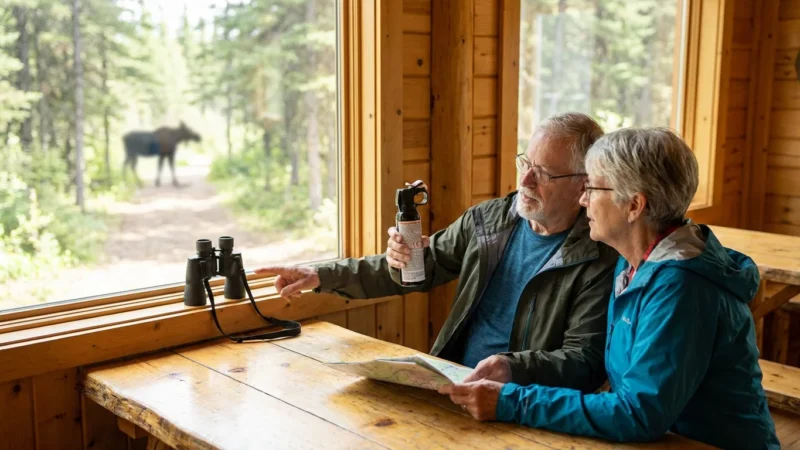
Beyond visibility, always prioritize safety by learning how to avoid wildlife encounters when trekking through natural habitats.
Visibility and the ability to signal are critical safety components. Do not underestimate the importance of these items, even for short excursions. They provide confidence and a vital link to help if necessary.
Essential 4: Headlamp or Flashlight with Extra Batteries
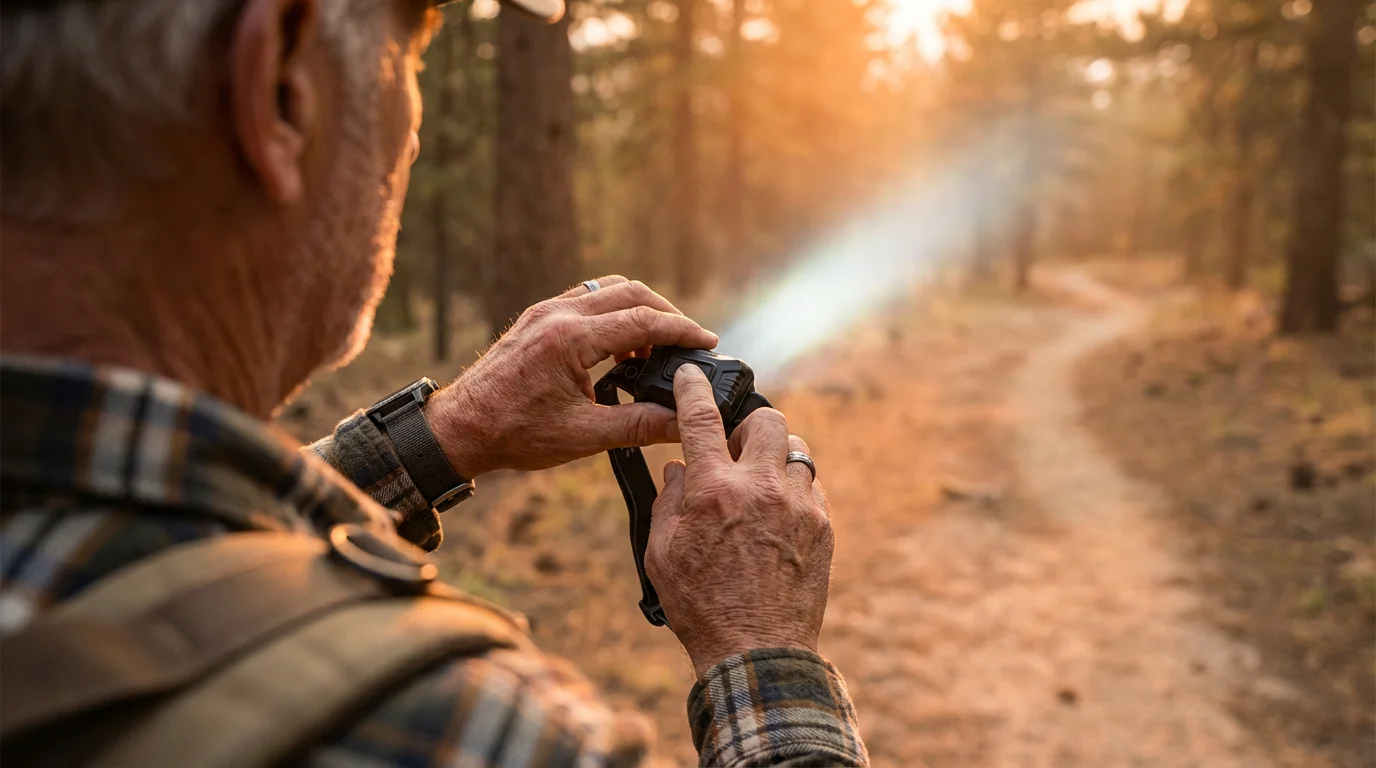
Carry a headlamp or flashlight, even for day hikes. A headlamp frees your hands, which is convenient for navigating difficult terrain or setting up camp. Always pack extra batteries, checking them before each trip.
Modern LED headlamps offer bright light and long battery life. They are compact and lightweight, making them easy additions to your pack. A powerful beam helps you identify trail markers and avoid obstacles in the dark.
A whistle serves as an effective emergency signaling device. Three short blasts typically indicate a call for help. A whistle carries farther than your voice and conserves your energy in an emergency.
Prepared for Anything: First Aid and Repair Tools
Minor scrapes, blisters, or equipment malfunctions can interrupt your hike. A well-stocked first aid kit and a multi-tool address these common issues. You resolve problems efficiently and continue your adventure.
These items empower you to handle minor incidents independently. This self-reliance contributes significantly to a safe and enjoyable hiking experience. Always tailor your first aid kit to your personal health needs.
Essential 5: Comprehensive First Aid Kit
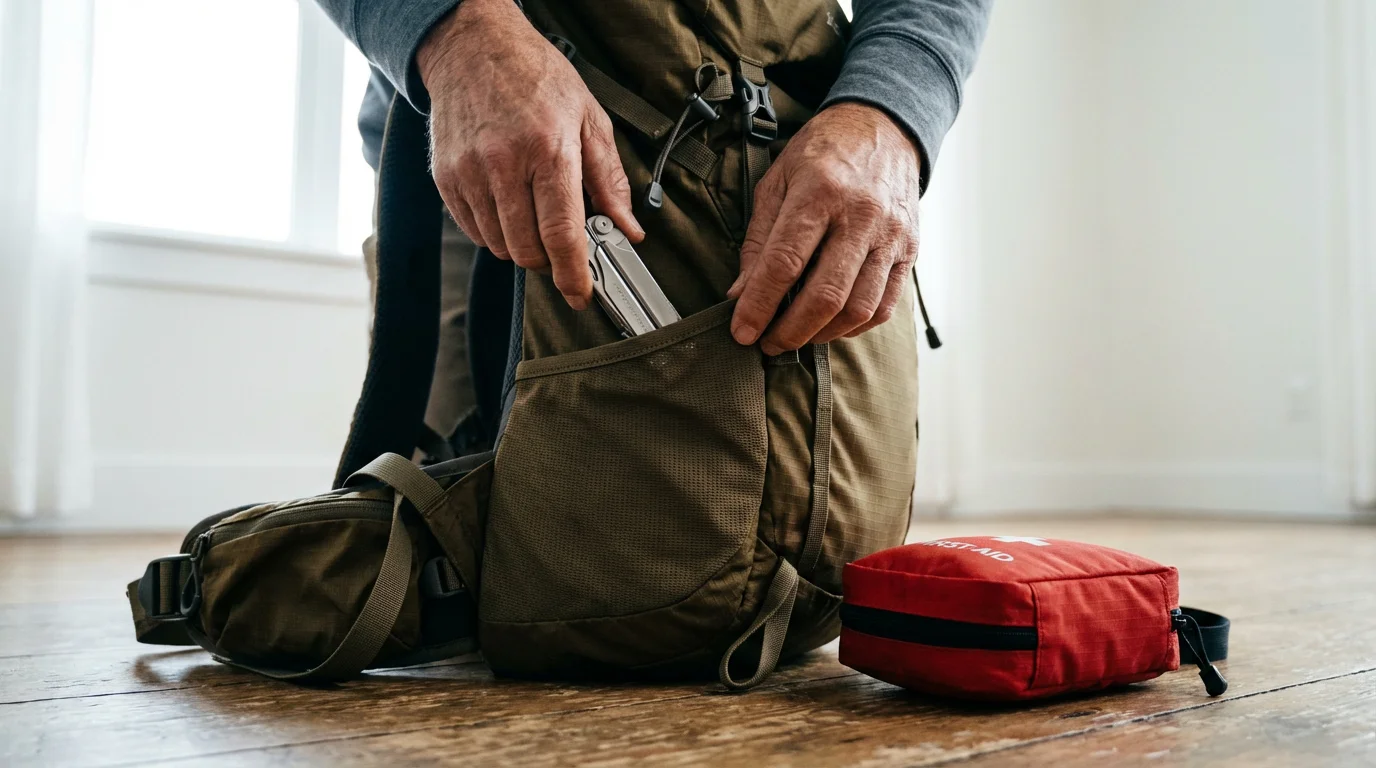
Your first aid kit should include standard items like bandages, antiseptic wipes, pain relievers, and moleskin for blisters. For seniors, customize your kit to include any personal medications you take regularly, an emergency dose, and specific items for conditions like diabetes or allergies. Always check expiration dates.
Consider carrying extra items like anti-inflammatory creams, elastic bandages for sprains, and any prescription medications. The CDC offers excellent resources on Travelers’ Health, which includes advice on preparing for health needs on your trips.
Essential 6: Multi-tool or Knife and Repair Supplies
A multi-tool with pliers, screwdrivers, and a knife proves incredibly versatile on the trail. It helps with gear repairs, opening stubborn packaging, or preparing food. A sturdy knife is essential for various tasks, from cutting rope to building an emergency shelter.
Include basic repair items like duct tape wrapped around a water bottle or trekking pole, zip ties, and a small sewing kit. These allow you to mend torn gear, repair a broken buckle, or even patch a hole in your jacket, extending the life of your equipment and ensuring functionality.
Sustaining Your Energy: Hydration and Nutrition on the Trail
Maintaining energy and hydration levels is vital for any hike, especially for seniors. Dehydration and low blood sugar significantly impair your judgment and physical performance. Plan for adequate water and nutrient-dense snacks.
Listen to your body. Drink water regularly, even before you feel thirsty. Replenish your energy with easily digestible foods. This proactive approach keeps you strong and alert throughout your journey.
Essential 7: Ample Water and Water Purification Method
Carry more water than you think you will need. A general rule suggests half a liter per hour of hiking, but this varies based on temperature, terrain, and individual exertion. Use a hydration reservoir for easy sipping or carry multiple water bottles.
Supplement your water supply with a purification method. Options include a filter, purification tablets, or a UV purifier. Knowing you can safely replenish your water source from natural bodies of water provides immense peace of mind on longer routes. Always purify water from natural sources to avoid waterborne illnesses.
Essential 8: Extra High-Energy Food
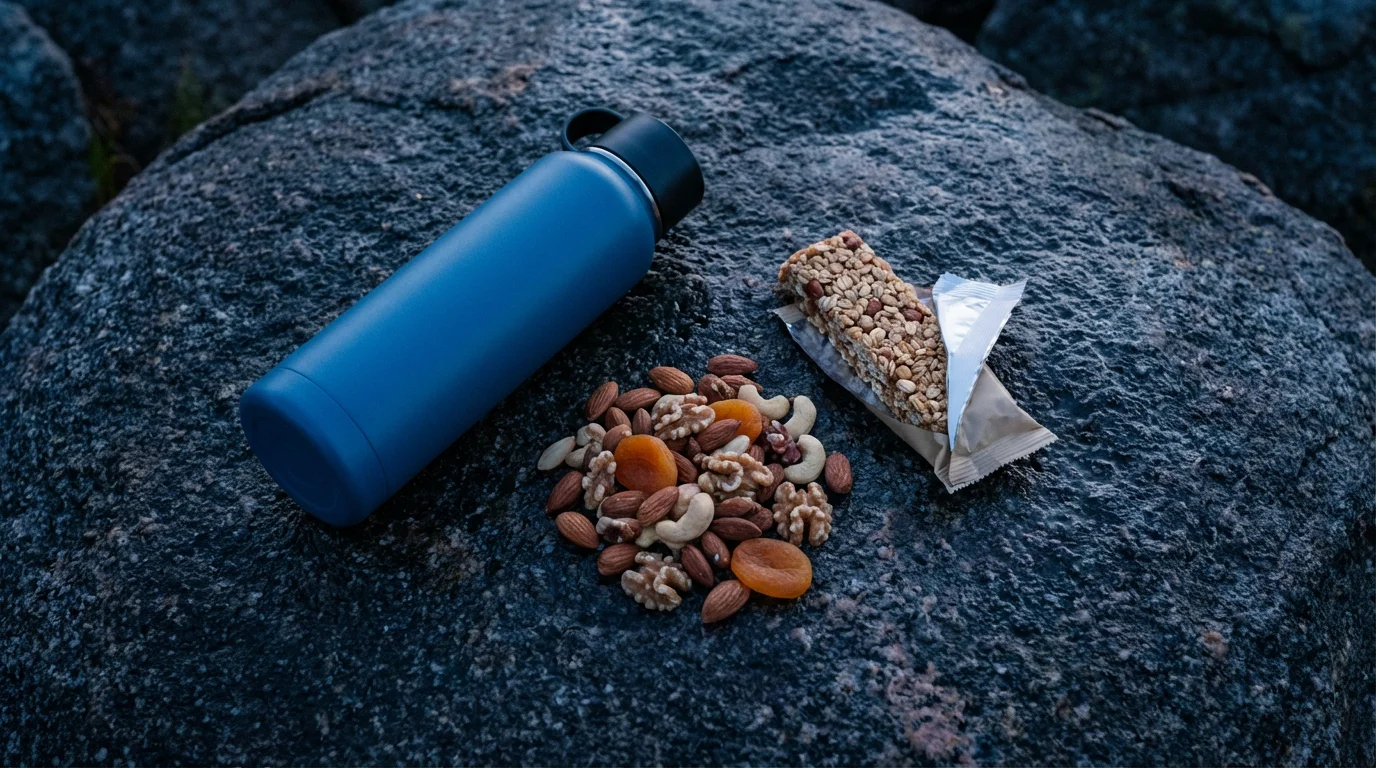
Pack non-perishable, high-energy snacks. Nuts, dried fruit, energy bars, and jerky provide sustained fuel. These foods are lightweight and easy to consume on the go. Always carry more than you expect to eat, in case of unexpected delays.
Foods rich in carbohydrates and healthy fats help maintain your stamina. Avoid sugary snacks that cause energy crashes. A small, calorie-dense emergency meal can be a lifesaver if your hike extends beyond your planned duration. For senior-specific nutrition advice, AARP Travel offers various health-related articles.
Emergency Ready: Shelter and Fire for Unexpected Situations
While you hope for smooth sailing, preparing for emergencies is prudent. An unexpected storm, injury, or getting lost can quickly turn an enjoyable hike into a challenging situation. Emergency shelter and the ability to start a fire provide crucial survival resources.
These items offer protection from the elements and a means to signal for help. They significantly increase your chances of staying safe and comfortable while awaiting assistance. Your preparedness directly impacts your safety.
Essential 9: Emergency Shelter
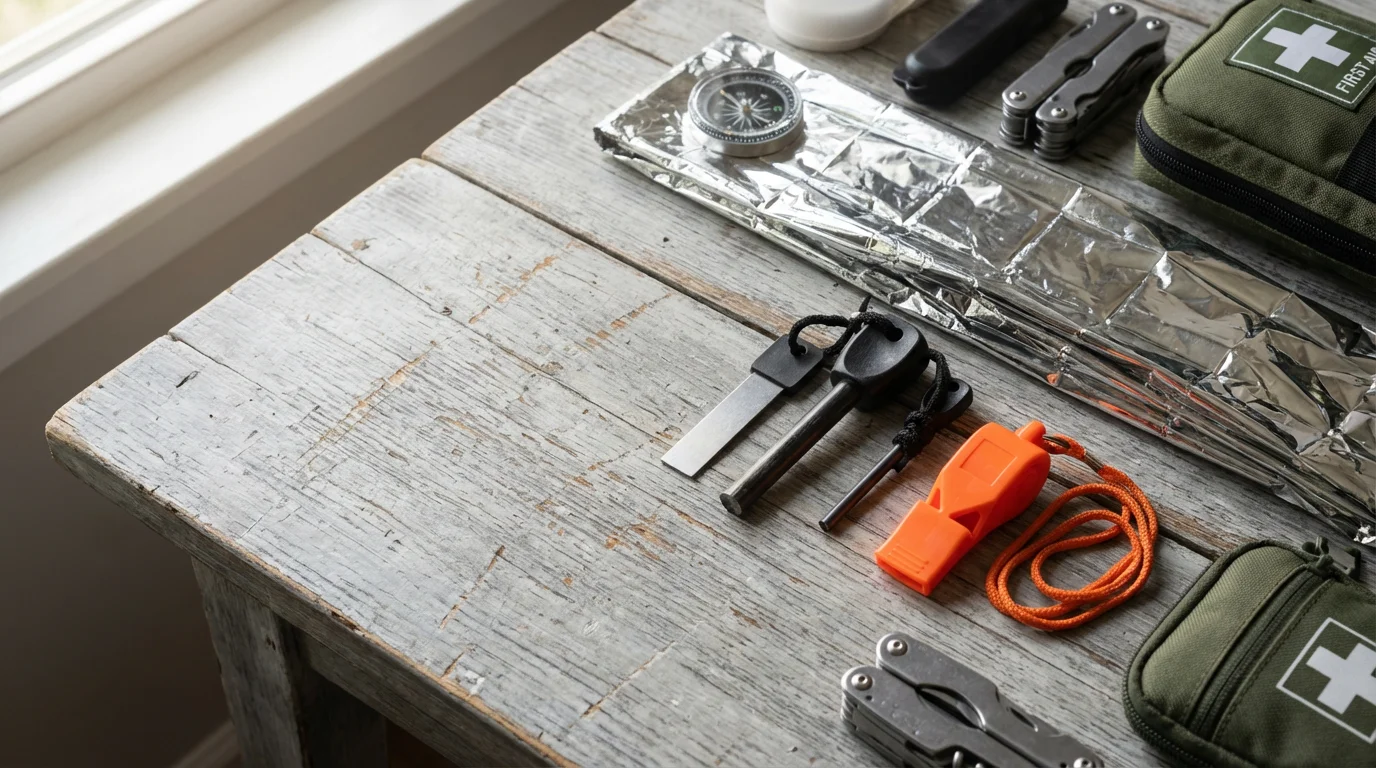
A lightweight emergency blanket, tarp, or bivvy bag provides crucial protection from wind, rain, and cold. Even a large trash bag can offer temporary shelter in a pinch. These items are compact and weigh very little, making them easy to carry.
Should you become stranded or need to wait out severe weather, an emergency shelter helps conserve body heat. It also keeps you dry and visible. Knowing you have a way to protect yourself from exposure significantly reduces anxiety in unforeseen circumstances.
Essential 10: Fire Starter
The ability to build a fire offers warmth, a way to dry wet clothes, purify water, and signal for help. Carry multiple reliable fire starters. Waterproof matches in a sealed container, a lighter, or a fire steel are excellent choices.
Also pack some tinder, such as cotton balls soaked in petroleum jelly or commercial fire starter cubes. These ensure you can ignite a fire even with damp wood. Always exercise extreme caution with fire and adhere to local fire regulations. Visit the National Forest Foundation for information on fire safety and Leave No Trace principles.
“The journey of a thousand miles begins with a single step, and the right gear makes every step safer.”

Beyond the Gear: Planning and Trail Etiquette for Seniors
Gear is only one part of successful hiking. Thorough planning and respectful trail etiquette enhance your experience and ensure the well-being of others and the environment. Take time to prepare mentally and physically.
Always inform someone of your itinerary, including your route, expected return time, and who accompanies you. Check weather forecasts and trail conditions before departing. If conditions seem unsafe, choose another day or a different trail.
Key Planning and Etiquette Tips:
- Fitness Assessment: Evaluate your physical readiness for the chosen trail. Start with shorter, flatter hikes and gradually increase difficulty.
- Tell Someone Your Plans: Share your exact hiking route and estimated return time with a trusted person.
- Check Conditions: Review weather forecasts and current trail conditions before heading out. The Recreation.gov website is a great resource for checking trail access and making reservations.
- Pace Yourself: Hike at a comfortable pace. Take frequent breaks, hydrate, and snack regularly. There is no rush; enjoy the journey.
- Leave No Trace: Pack out everything you pack in. Stay on designated trails, respect wildlife, and minimize your impact on the environment.
- Trail Courtesy: Yield to uphill hikers. Announce your presence when approaching from behind. Share the trail respectfully with all users.
Frequently Asked Questions
What is the most important item for a senior hiker’s backpack?
While all ten essentials are crucial, a well-stocked first aid kit tailored to your personal health needs, along with ample water, stands out. These address immediate health and survival requirements, which are paramount for senior safety on the trail.
How can seniors reduce backpack weight effectively?
Focus on multi-functional items, repackaging food and toiletries into smaller containers, and choosing lightweight versions of gear. For instance, a lightweight tarp can double as an emergency shelter. Only pack what you truly need for the specific hike.
What types of shoes are best for senior hikers?
Choose hiking shoes or boots that provide excellent ankle support, good traction, and a comfortable fit. Look for waterproof materials if hiking in wet conditions. Try them on with your hiking socks and walk around to ensure comfort and no pressure points.
Should I carry trekking poles?
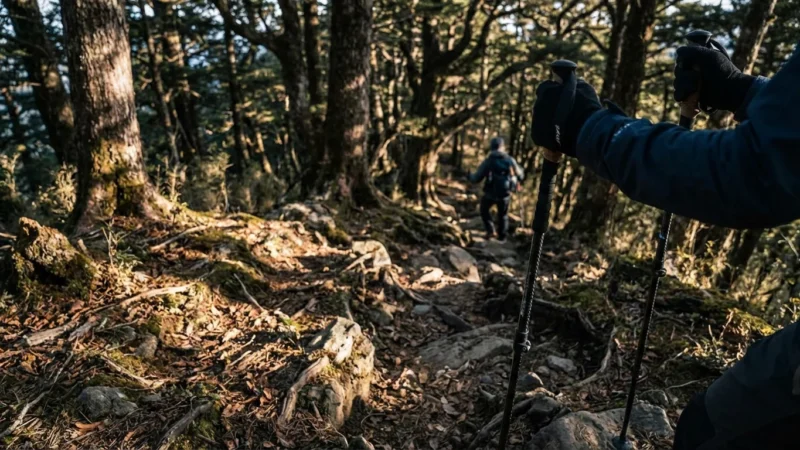
Absolutely. Trekking poles offer significant benefits for senior hikers. They improve balance, reduce strain on your knees and joints, and provide extra stability on uneven terrain. They are especially helpful on descents and ascents.
How do I prepare for unexpected weather changes?
Always check the forecast before you leave, but pack layers of non-cotton clothing, including a waterproof and windproof outer shell. Even on sunny days, mountain weather can change rapidly. These layers allow you to adapt to temperature drops, rain, or wind.
What if I get lost or injured on the trail?
Stay calm. Use your navigation tools to reorient yourself. If lost, stay put and signal for help with your whistle or a mirror. If injured, assess the injury, use your first aid kit, and then signal for help. Your cell phone might not have service, but try calling emergency services if possible. Remember your itinerary sharing plan with a trusted contact.
Disclaimer: This article is for informational purposes only. Travel conditions, accessibility, and requirements change frequently. We encourage readers to verify current information with official sources before traveling. Always consult with healthcare providers about travel considerations for your specific health situation.

Leave a Reply