
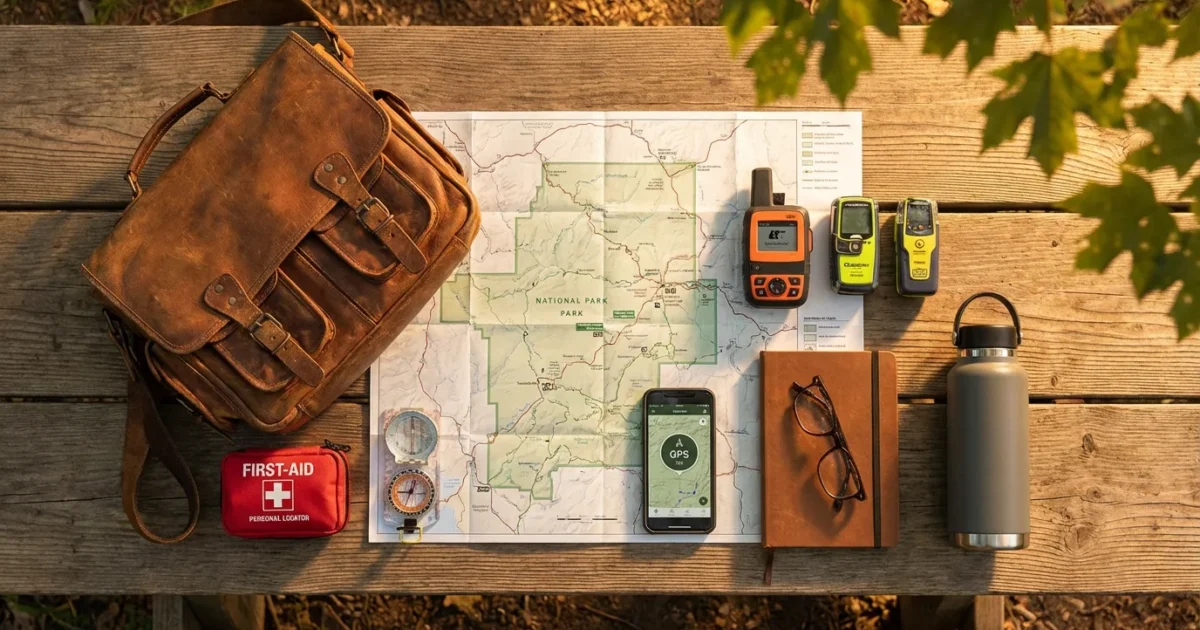
The world calls to you, inviting exploration and new experiences. You envision waking up to a different sunrise, meeting fascinating people, and charting your own course. Solo travel for seniors offers unparalleled freedom, allowing you to follow your interests without compromise. This path provides immense personal growth, proving your capabilities and fostering a profound sense of independence.
Perhaps you consider embarking on a solo adventure, but questions about safety and staying connected naturally arise. You want to embrace the journey fully, with peace of mind. This guide equips you with practical, actionable advice to navigate your solo senior adventures safely and remain connected, no matter where your wanderlust takes you. Your next great adventure awaits.
Table of Contents
- Why Embrace Solo Senior Travel?
- Pre-Trip Planning: Your Safety Foundation
- Smart Tech for Solo Explorers
- Staying Safe On The Go: Practical Tips
- Health, Wellness, and Peace of Mind
- Connecting with the World: Community and Support
- Navigating Unexpected Situations
- Frequently Asked Questions
Why Embrace Solo Senior Travel?
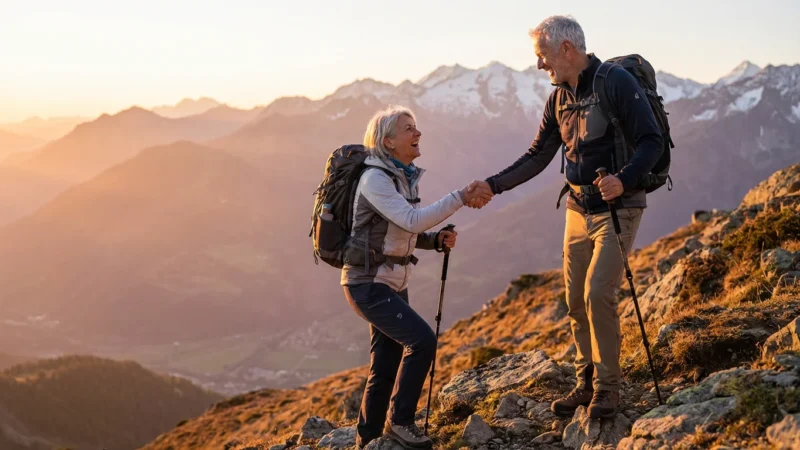
Solo travel empowers you in unique ways. It strips away the need for compromise, allowing you to craft an itinerary perfectly suited to your desires. You decide when to linger at a museum, when to hike an extra mile, or when to simply enjoy a quiet coffee overlooking a new city. This autonomy often leads to profound self-discovery and confidence.
If you ever feel the need for more structured social interaction, finding community on group tours is an excellent way to supplement your independent trips.
Many individuals also find value in joining adventure clubs for seniors to balance their independent exploration with occasional group activities.
For many active Americans 55+, solo senior travel becomes a journey of personal growth. You develop enhanced problem-solving skills, improve your adaptability, and strengthen your independence. Data consistently shows a rising trend in senior travel, with many opting for solo expeditions to explore new horizons on their terms. You join a growing community of intrepid individuals who refuse to let age define their wanderlust.
“The world is a book and those who do not travel read only one page.” — Saint Augustine
Pre-Trip Planning: Your Safety Foundation
Thorough preparation forms the bedrock of a safe and enjoyable solo adventure. You lay the groundwork for a smooth journey long before you pack your bags. Meticulous planning minimizes risks and maximizes your comfort.
For those looking to extend their wanderlust without breaking the bank, exploring budget-friendly destinations and tips can help you travel longer and smarter.
Start by researching your chosen destinations in depth. Understand local customs, common scams, and areas to avoid. Government resources like the State Department’s country information pages offer invaluable insights into safety and security for international travel.
Consider travel insurance a non-negotiable part of your planning. Comprehensive policies cover medical emergencies, trip cancellations, lost luggage, and emergency evacuations. Compare different providers to find a plan that meets your specific health and travel needs. This investment provides critical financial protection and peace of mind.
Essential Pre-Trip Checks:
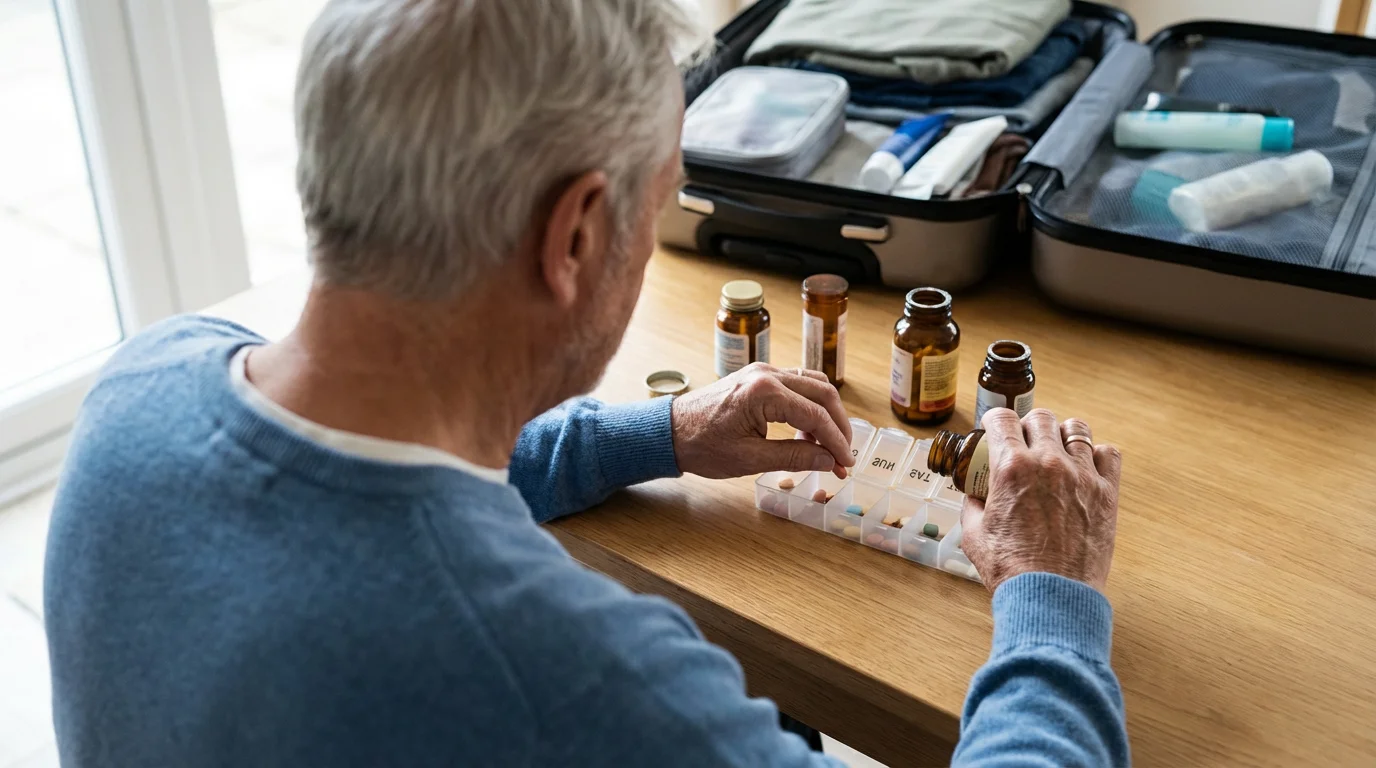
- Health Preparedness: Consult your doctor about your travel plans, especially if you have existing medical conditions. Get necessary vaccinations and carry sufficient supplies of prescription medications, along with a doctor’s note for them. The CDC Travelers’ Health website offers country-specific health recommendations.
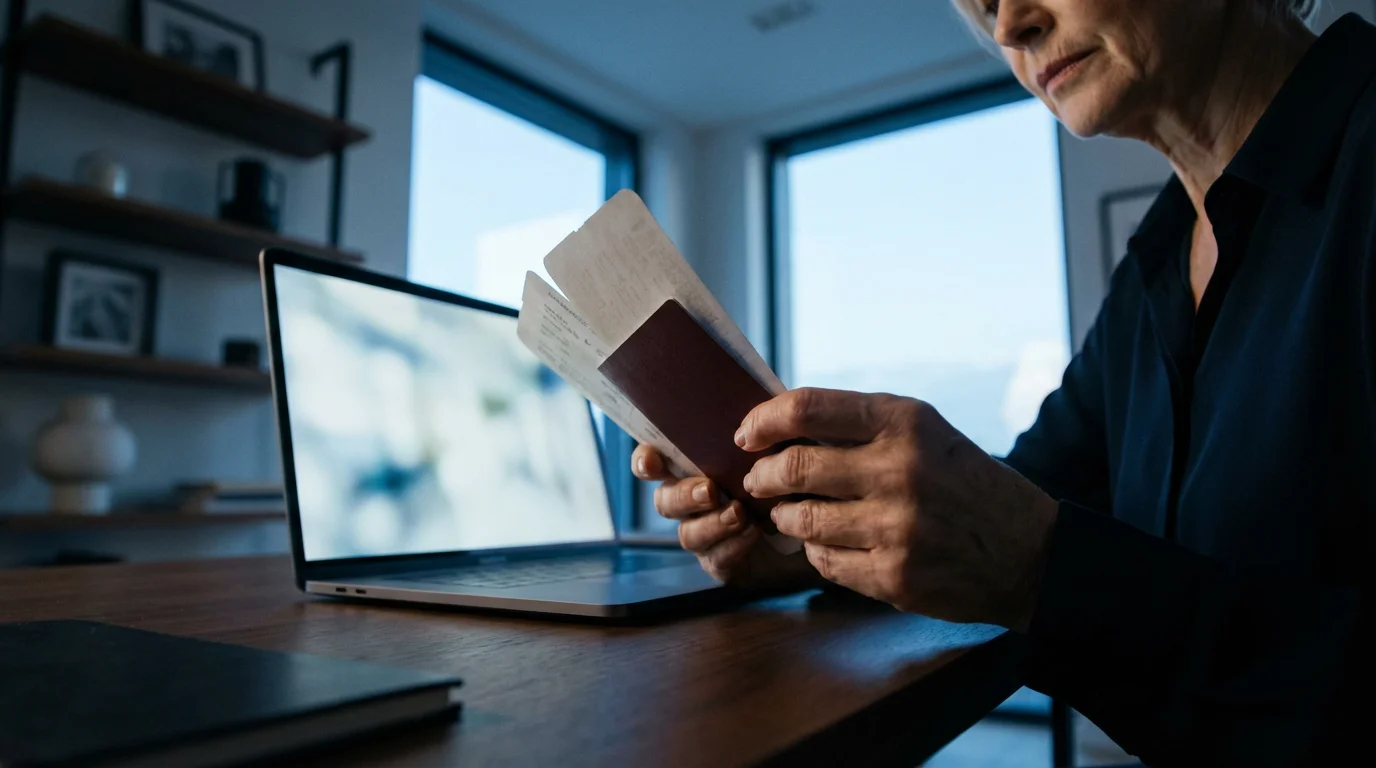
- Document Duplication: Make digital and physical copies of your passport, visa, driver’s license, insurance cards, and travel itinerary. Store digital copies securely online, perhaps in a cloud service, and leave physical copies with a trusted person at home. Keep copies separate from originals while traveling.
- Financial Security: Inform your bank and credit card companies of your travel dates and destinations to prevent fraud alerts. Carry a mix of payment methods, including a primary credit card, a backup card, and some local currency.
- Emergency Contacts: Create a list of emergency contacts, including family members, your doctor, and your insurance provider. Keep this list easily accessible, both digitally and as a printed copy. Share your itinerary with at least two trusted contacts at home.
- Accommodation Bookings: Book your first night’s accommodation in advance, especially for international arrivals. Arriving in a new city without a confirmed place to stay increases stress and potential vulnerability. Read recent reviews to ensure safety and suitability for solo travelers.
- Know Your Consulates: For international travel, locate the nearest U.S. embassy or consulate at your destination. You can register your trip with the Smart Traveler Enrollment Program (STEP) via the State Department to receive alerts and help the embassy locate you in an emergency.
Smart Tech for Solo Explorers
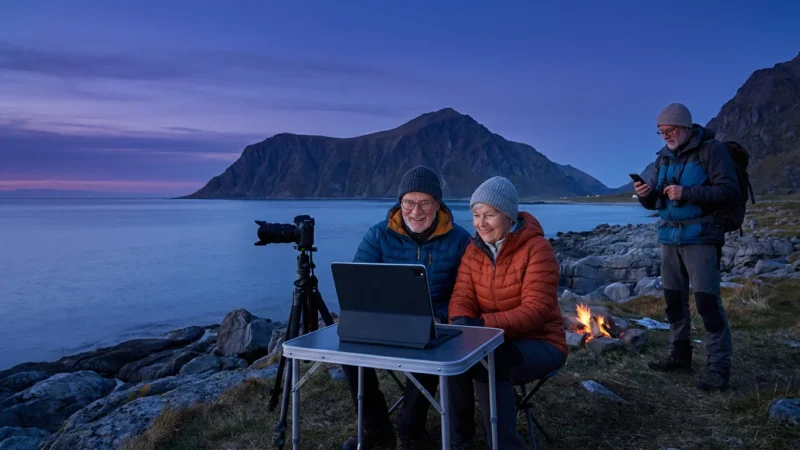
Technology significantly enhances safety and connectivity for solo seniors. Your smartphone becomes your most versatile travel companion, offering navigation, communication, and emergency tools. Embrace these technological aids to empower your journey.
Many of these digital tools are also essential when preparing for senior-friendly camping adventures, where being prepared for the elements is vital.
If your solo journey involves a motorhome, these specific safety and security tips for solo RVing offer essential guidance for life on the open road.
A fully charged smartphone provides essential functions. Use GPS for navigation, avoid getting lost, and call for ride-shares. Download offline maps for areas with limited connectivity. Utilize communication apps to stay in touch with family and friends. Keep emergency numbers programmed for quick access.
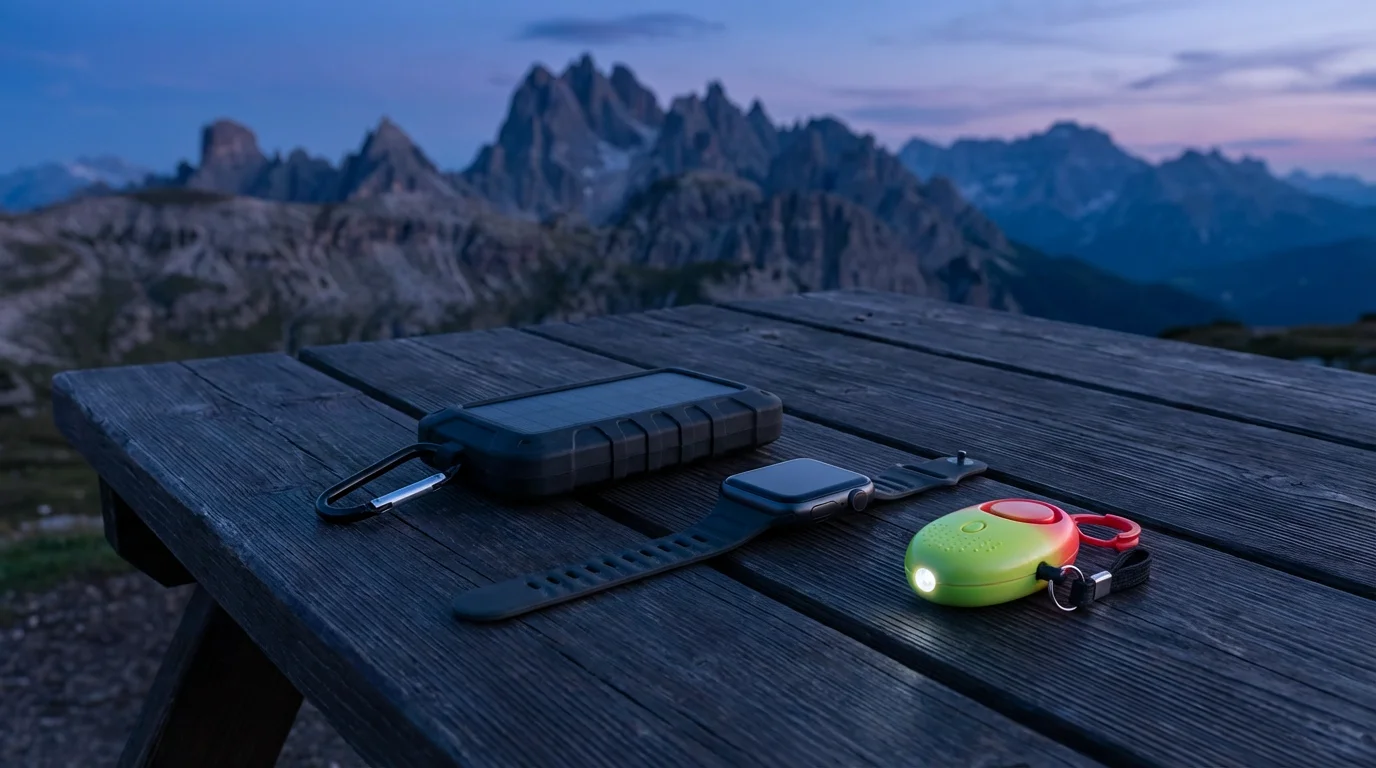
Portable chargers are indispensable. A dead phone renders many safety features useless. Carry a power bank capable of multiple full charges for your devices. Consider a waterproof and durable model for outdoor adventures. Wearable technology, like smartwatches, tracks your health metrics, monitors your location, and sometimes offers emergency alert features.
Comparing Communication Devices:
| Device Type | Pros | Cons | Best Use Case |
|---|---|---|---|
| Smartphone with Local SIM/eSIM | Cost-effective data, calls, texts; familiar interface; access to apps. | Requires local SIM or eSIM compatibility; network dependent. | Urban and well-covered areas; international travel. |
| Satellite Messenger (e.g., Garmin inReach) | Global coverage, even without cell service; SOS button; two-way texting. | Higher upfront cost; subscription required; bulky. | Remote hiking, wilderness exploration, offshore boating. |
| Travel Wi-Fi Hotspot | Connects multiple devices; dedicated secure connection; often unlimited data. | Another device to carry/charge; daily rental or purchase cost; depends on cellular network. | Families/groups; business travelers; frequent international travelers. |
| Personal Safety Alarm | Small, discreet; loud siren deters attackers; can attract attention. | Only sound based; requires proximity to help. | Everyday personal safety in any environment. |
You might also consider a simple personal safety alarm. These small devices emit a piercing sound when activated, drawing attention and potentially deterring a threat. They provide a quick, non-physical layer of protection.
Staying Safe On The Go: Practical Tips
Maintaining situational awareness forms the cornerstone of daily safety for solo travelers. You must remain alert to your surroundings, especially in unfamiliar places. Trust your instincts; if a situation feels off, remove yourself from it.
Blend in with the local population as much as possible. Avoid wearing flashy jewelry or displaying expensive electronics prominently. Dress appropriately for the local culture and weather. Looking like a tourist can sometimes make you a target. Keep valuables out of sight and secure.
Daily Safety Practices:
- Secure Your Valuables: Use a money belt or a hidden travel wallet for your passport, extra cash, and backup credit cards. Only carry what you need for the day in a front-facing bag or secure pocket. Consider RFID-blocking wallets to protect against digital theft.
- Transportation Safety: Use reputable taxis or ride-share services. Verify the driver and vehicle before entering. When using public transport, research routes in advance and avoid deserted stops, especially at night. Share your ride details with a trusted contact.
- Accommodation Security: Always lock your hotel room door and use the deadbolt and security chain. Consider a portable door alarm or a door wedge for an extra layer of security. Do not open your door to unexpected visitors.
- Dining Alone Safely: Choose well-lit, busy restaurants. Sit where you have a good view of the entrance and surroundings. You can bring a book or tablet to accompany your meal, or simply enjoy people-watching.
- Nighttime Awareness: Limit walking alone at night. If you must, stick to well-lit, populated areas. Have a fully charged phone and a plan for how to get back to your accommodation safely.
- Alcohol Consumption: Drink responsibly and be aware of your limits. Impaired judgment increases vulnerability. Never leave your drink unattended.
- Meeting Strangers: While friendly interaction enriches travel, exercise caution. Do not share too much personal information. Meet new acquaintances in public places.

Health, Wellness, and Peace of Mind
Your health remains paramount during solo travels. Maintaining your physical and mental well-being ensures you fully enjoy every moment. Proactive health management contributes significantly to your overall safety and comfort.
Beyond basic hydration and rest, incorporating specific fitness tips for adventurous seniors into your daily routine helps you maintain the stamina needed for solo exploration.
Stay hydrated, especially in warm climates or during active pursuits. Drink plenty of water and carry a reusable water bottle. Prioritize nutritious meals and adequate sleep to keep your energy levels high. Listen to your body and know your limits, particularly when engaging in strenuous activities.
Manage any existing health conditions diligently. Stick to your medication schedule and carry enough supplies for your entire trip, plus a few extra days. Keep a list of your medications, dosages, and any allergies on your person. Share this information with a trusted contact.
Health Preparedness Items:
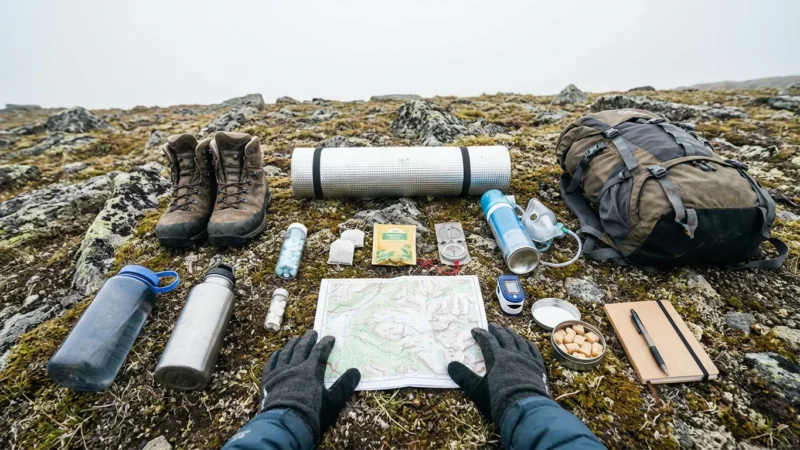
- First Aid Kit: Pack a basic kit with pain relievers, adhesive bandages, antiseptic wipes, allergy medication, antacids, and any personal medications.
- Emergency Contact Card: Carry a card listing your medical conditions, allergies, blood type, and emergency contacts in your wallet.
- Know Local Emergency Numbers: Research the local equivalent of 911 for your destination. Write it down or program it into your phone.
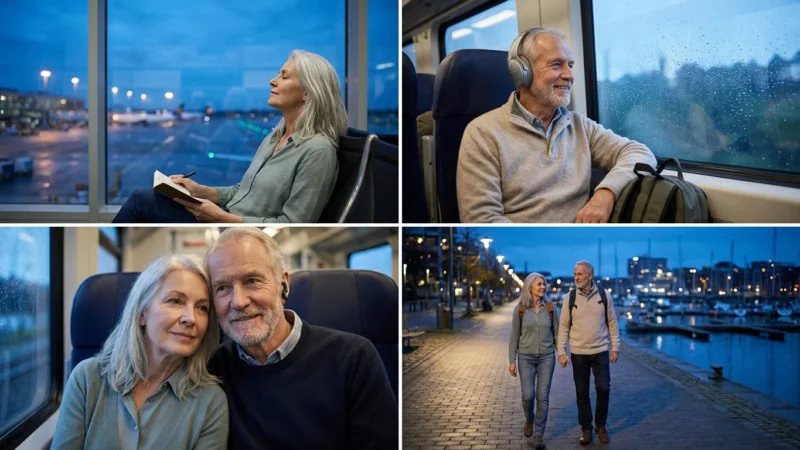
- Stay Connected: Schedule regular check-ins with family or friends back home. This provides a safety net and helps combat potential feelings of loneliness.
- Mental Well-being: Solo travel can be incredibly rewarding, but it can also present moments of solitude. Plan activities you enjoy, engage with locals, or join short tours to maintain social connection.
- Hydration and Nutrition: Carry a reusable water bottle and fill it frequently. Opt for balanced meals to maintain energy levels.
Connecting with the World: Community and Support
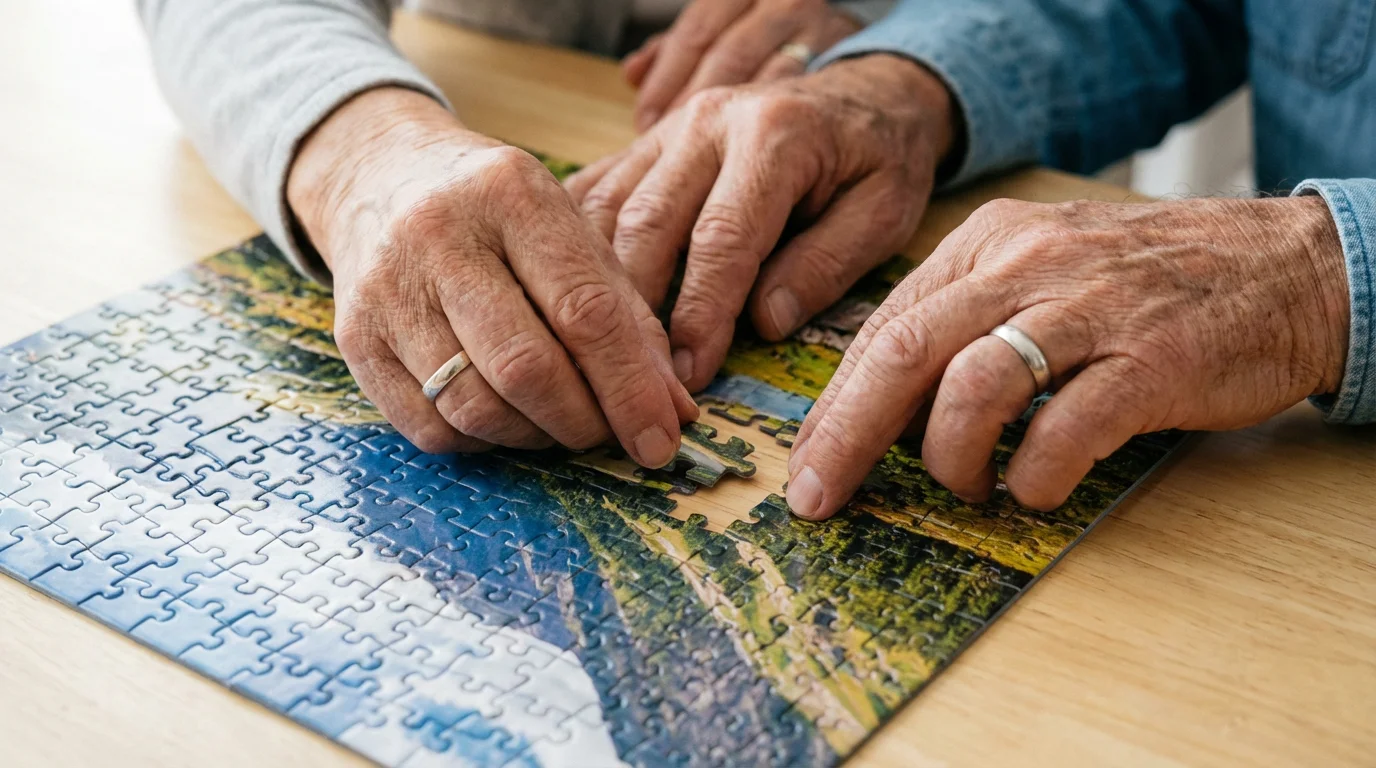
Solo travel does not mean isolation. In fact, it often opens doors to more meaningful connections with locals and fellow travelers. You have numerous opportunities to build community and find support while on the road.
Regularly inform family and friends of your itinerary and check in with them. Share details about where you are staying and what your plans are for the day. This provides reassurance for them and a valuable safety net for you.
Consider joining a group tour for part of your journey. Organizations like Road Scholar specialize in educational travel for older adults, offering companionship and expert guidance. This allows you to experience the best of both worlds: solo exploration combined with structured social interaction.
Ways to Connect and Combat Isolation:
- Embrace Group Tours: Sign up for day tours, cooking classes, or local excursions. These activities offer built-in opportunities to meet people with shared interests.
- Use Community Apps: Apps like Meetup or specific travel forums can help you find local events or other travelers.
- Stay in Hostels (Private Rooms): Many hostels offer private rooms and cater to older solo travelers, providing a social atmosphere and common areas without sacrificing privacy.
- Engage with Locals: Learn a few basic phrases in the local language. A friendly “hello” or “thank you” can open doors to pleasant interactions. Ask for recommendations.
- Volunteer: Short-term volunteering opportunities allow you to contribute to a community, meet like-minded people, and gain a deeper cultural understanding.
- Utilize Hotel Services: Many hotels offer concierge services that can help you find activities, reputable guides, and safe transportation, potentially connecting you with other guests.
- Join Online Solo Travel Groups: Connect with other solo seniors before or during your trip for tips, support, and sometimes even meet-ups.
Navigating Unexpected Situations
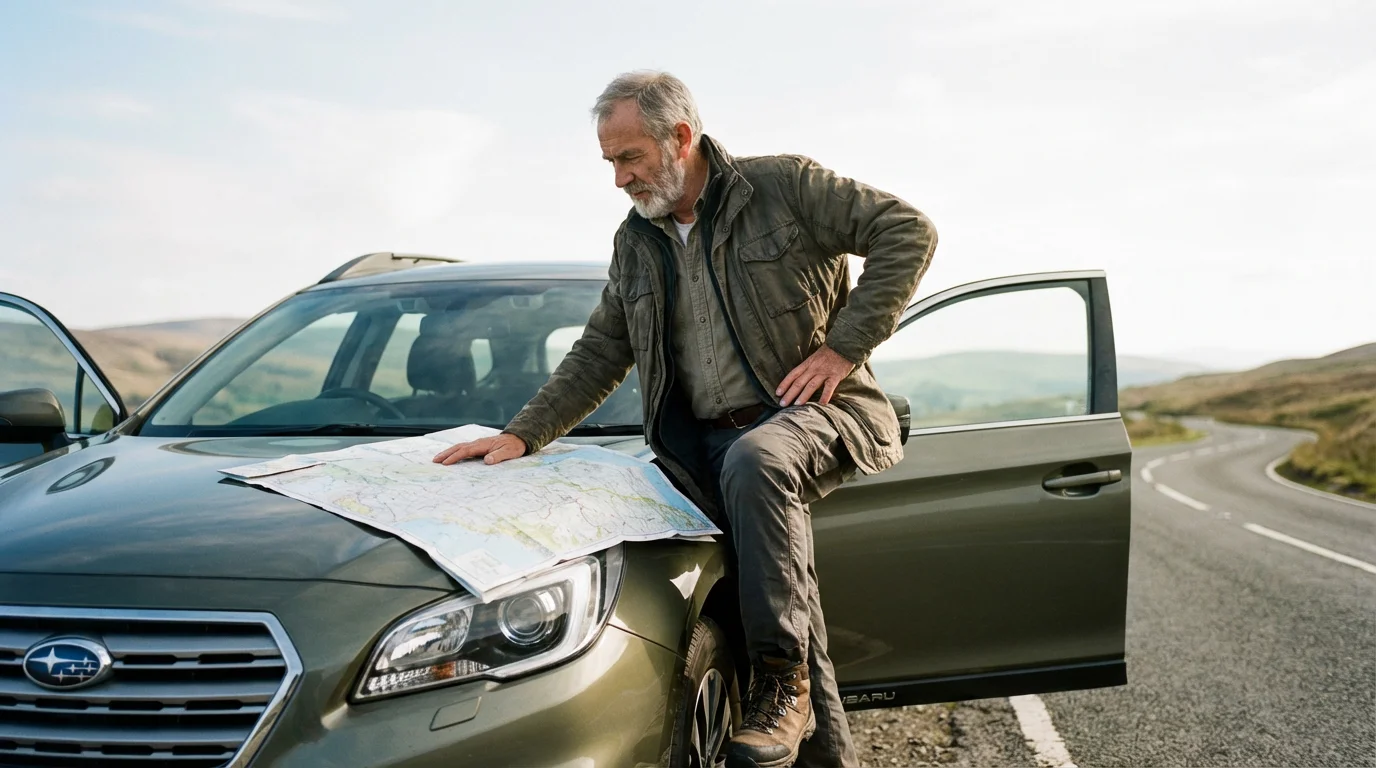
Even with the most meticulous planning, unexpected situations can arise. Your ability to respond calmly and effectively in these moments ensures your continued safety and smooths out potential bumps in the road. Prepare for these possibilities by understanding your options.
What to do if your documents are lost or stolen:
- Report It Immediately: Contact the local police to file a report. You will need this report for insurance claims and to get replacement documents.
- Contact Your Embassy/Consulate: If abroad, contact the nearest U.S. embassy or consulate. They can assist with emergency passports and guide you through the replacement process for other documents.
- Notify Financial Institutions: Immediately call your bank and credit card companies to report stolen cards and prevent fraudulent charges.
- Access Digital Copies: Use the digital copies of your documents you stored online to aid in the replacement process.
Dealing with medical emergencies:
- Seek Immediate Help: Dial the local emergency number for an ambulance or find the nearest medical facility.
- Contact Your Travel Insurance: Notify your travel insurance provider as soon as possible. They can guide you on approved medical facilities, handle billing, and arrange for necessary care or evacuation.
- Inform Emergency Contacts: Reach out to your designated emergency contacts to let them know about your situation.
- Carry Medical Information: Always carry a card with your medical history, allergies, and current medications.
General advice for reporting incidents:
- Document Everything: Take photos, write down details, and gather any names or contact information related to the incident.
- Contact Your Insurance: For theft, accidents, or significant disruptions, contact your travel insurance provider promptly to understand your coverage and initiate a claim.
- Trust Your Instincts: If a situation feels unsafe or suspicious, trust your gut and remove yourself from it.
Always have a backup plan. This could involve an emergency fund, alternative routes, or knowing how to access assistance if your primary plan fails. Being prepared allows you to handle challenges with confidence.
Frequently Asked Questions
Is solo travel safe for seniors?
Solo travel for seniors is generally safe, especially with careful planning and awareness. Millions of seniors travel alone each year, enjoying enriching experiences. You enhance your safety by researching destinations, utilizing technology, and practicing vigilance. Your preparedness makes a significant difference.
How do solo seniors stay connected while traveling?
Solo seniors stay connected through various means. These include regular communication with family and friends via smartphone apps, participating in group tours, joining online communities for solo travelers, and utilizing social media. Carrying a local SIM card or a travel Wi-Fi hotspot also ensures consistent internet access for calls and messages.
What are the best safety tips for solo seniors?
The best safety tips for solo seniors involve a combination of pre-trip planning and in-the-moment awareness. Key recommendations include purchasing comprehensive travel insurance, sharing your itinerary with trusted contacts, keeping valuables secure, being aware of your surroundings, and using reputable transportation. Always trust your instincts.
What specific gear enhances solo senior safety?
Specific gear that enhances solo senior safety includes a fully charged smartphone with offline maps and emergency contacts, a portable power bank, a personal safety alarm, an RFID-blocking wallet, and a well-stocked first aid kit. Consider a wearable device for health monitoring and emergency alerts.
How do I manage health considerations as a solo senior traveler?
You manage health considerations by consulting your doctor before your trip, carrying all necessary medications with a doctor’s note, knowing your health limits, and having travel insurance with medical coverage. Stay hydrated, eat well, and know the local emergency medical services numbers.
Solo senior adventures offer an incredible opportunity for personal discovery and joy. You gain confidence, embrace new cultures, and create unforgettable memories. By prioritizing safety through thoughtful preparation and smart practices, you empower yourself to explore the world with assurance. Your journey awaits, full of freedom, connection, and adventure.
Disclaimer: This article is for informational purposes only. Travel conditions, accessibility, and requirements change frequently. We encourage readers to verify current information with official sources before traveling. Always consult with healthcare providers about travel considerations for your specific health situation.
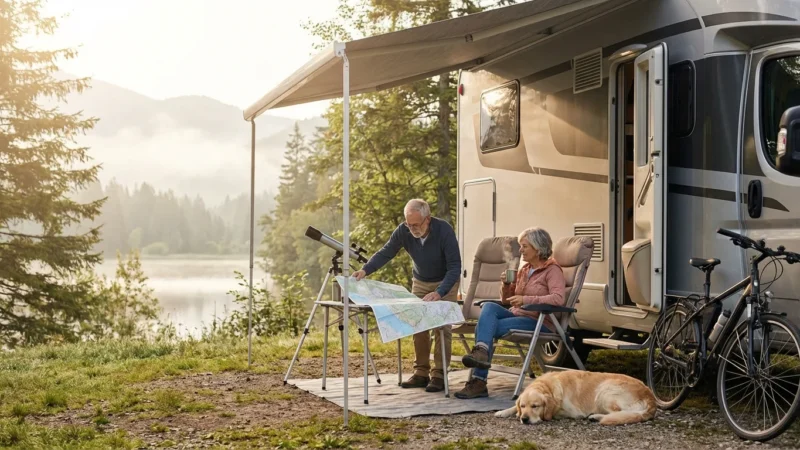
[…] tech choices are particularly important for staying safe and connected on the road when traveling […]