
Disclaimer: This article is for informational purposes only. Travel conditions, accessibility, and requirements change frequently. We encourage readers to verify current information with official sources before traveling. Always consult with healthcare providers about travel considerations for your specific health situation.
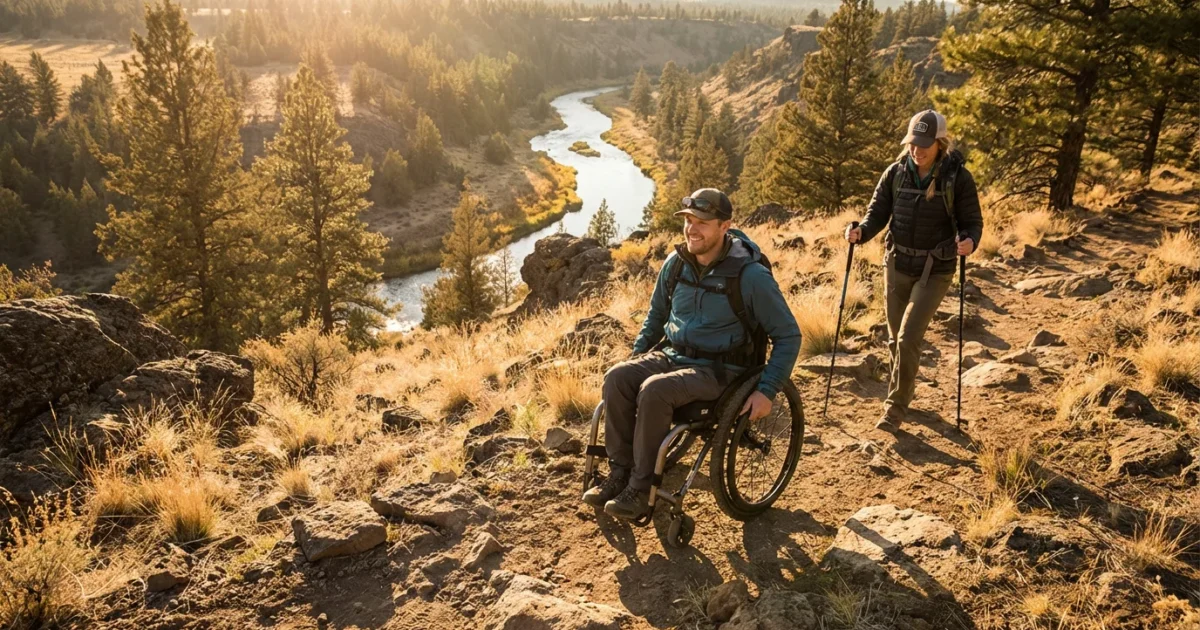
Physical limitations do not dictate the scope of your adventures. Many active Americans aged 55 and over possess an unyielding desire to explore, discover, and embrace new experiences. You may believe certain outdoor pursuits are no longer within reach, but this article shows you how to redefine your boundaries.
Your journey into adaptive outdoor activities starts here. We equip you with the practical knowledge and inspiring perspectives needed to step confidently into nature. This guide helps you identify suitable activities, understand necessary preparations, and find the resources that transform perceived obstacles into exciting opportunities.
Table of Contents
- Redefining Adventure: Mindset Matters
- Assessing Your Capabilities and Consulting Professionals
- Exploring Adaptive Outdoor Activities for All Abilities
- Gear Up: Essential Adaptive Equipment
- Planning Your Adaptive Adventure: Practical Steps
- Travel Considerations for Seniors with Physical Limitations
- Real Stories and Inspiration
- Frequently Asked Questions

Redefining Adventure: Mindset Matters
Adventure is not solely about conquering Everest or whitewater rafting. It embodies the spirit of exploration and discovery, regardless of scale. For seniors navigating physical limitations, adventure might mean traversing a paved nature trail or kayaking a calm lake.
Embrace a mindset focused on possibilities, not constraints. Your mental approach significantly impacts your experiences and enjoyment. Shift your focus from what you cannot do to the vast array of activities you can adapt and enjoy.
Every small victory, every new vista, and every moment spent outdoors contributes to your well-being. This positive outlook becomes your most powerful tool in overcoming challenges.
Assessing Your Capabilities and Consulting Professionals
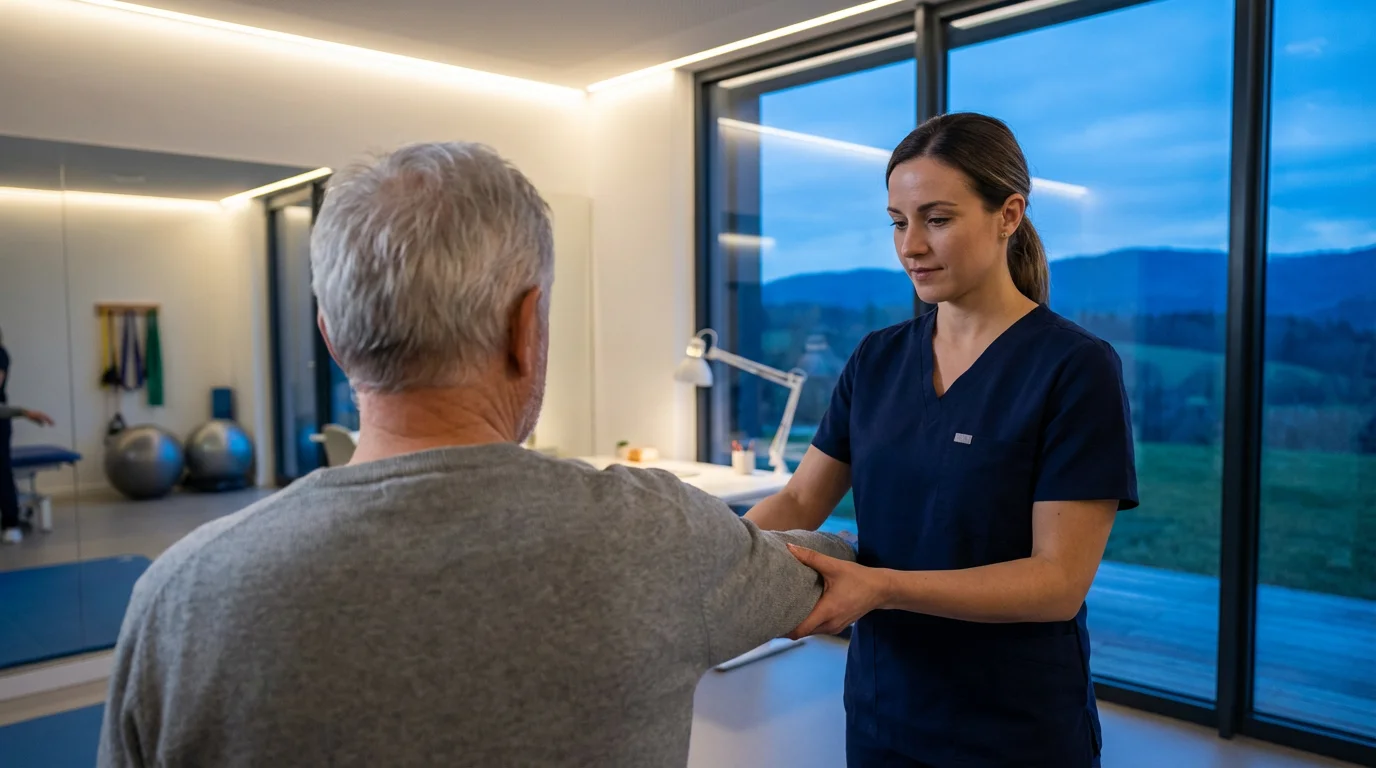
Before embarking on new outdoor adventures, prioritize understanding your current physical condition. This crucial step ensures safety and helps you set realistic, achievable goals. Consult with your doctor or a physical therapist.
These professionals provide personalized advice regarding your `senior fitness` levels and any existing `physical limitations`. They offer guidance on safe exercise levels, recommend specific strengthening exercises, and advise on potential risks to avoid. Their expertise helps you make informed decisions about `what outdoor activities are suitable for limited mobility?` and how to approach them.
You gain confidence and peace of mind knowing you have medical clearance and professional recommendations. This foundational step empowers you to plan activities that truly align with your capabilities.
Exploring Adaptive Outdoor Activities for All Abilities
A wide range of outdoor activities welcomes adaptation, allowing individuals with varying `physical limitations` to participate fully. These `adaptive sports` focus on modifying equipment, rules, or environments to ensure inclusivity. You find joy and challenge in many pursuits that might initially seem daunting.
Many participants find that learning a new skill on your adventures, such as nature photography or bird tracking, provides a rewarding sense of accomplishment.
Consider these popular and highly adaptable outdoor activities:
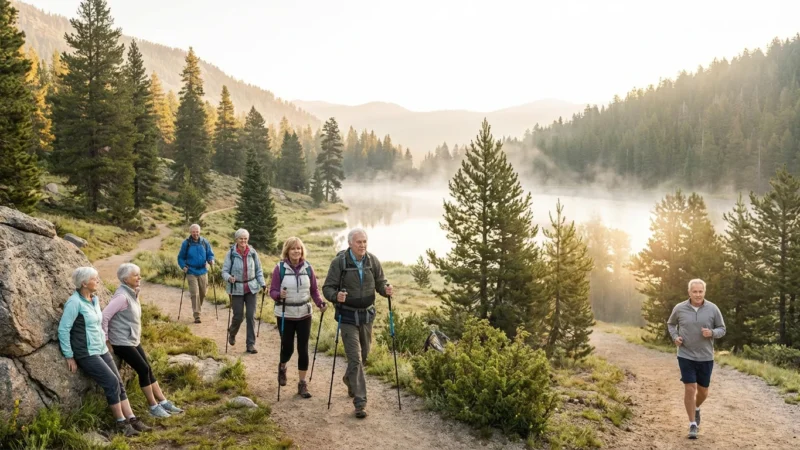
- Accessible Hiking and Walking Trails: Many national parks and local recreation areas offer paved paths or well-maintained, gently graded trails. These routes often feature accessible restrooms and visitor centers, making exploration comfortable and convenient.
- Adaptive Kayaking and Canoeing: Specialized kayaks and canoes provide increased stability and support. You can also find accessible launch sites, often with assistance from trained staff, making water sports a serene and empowering experience.
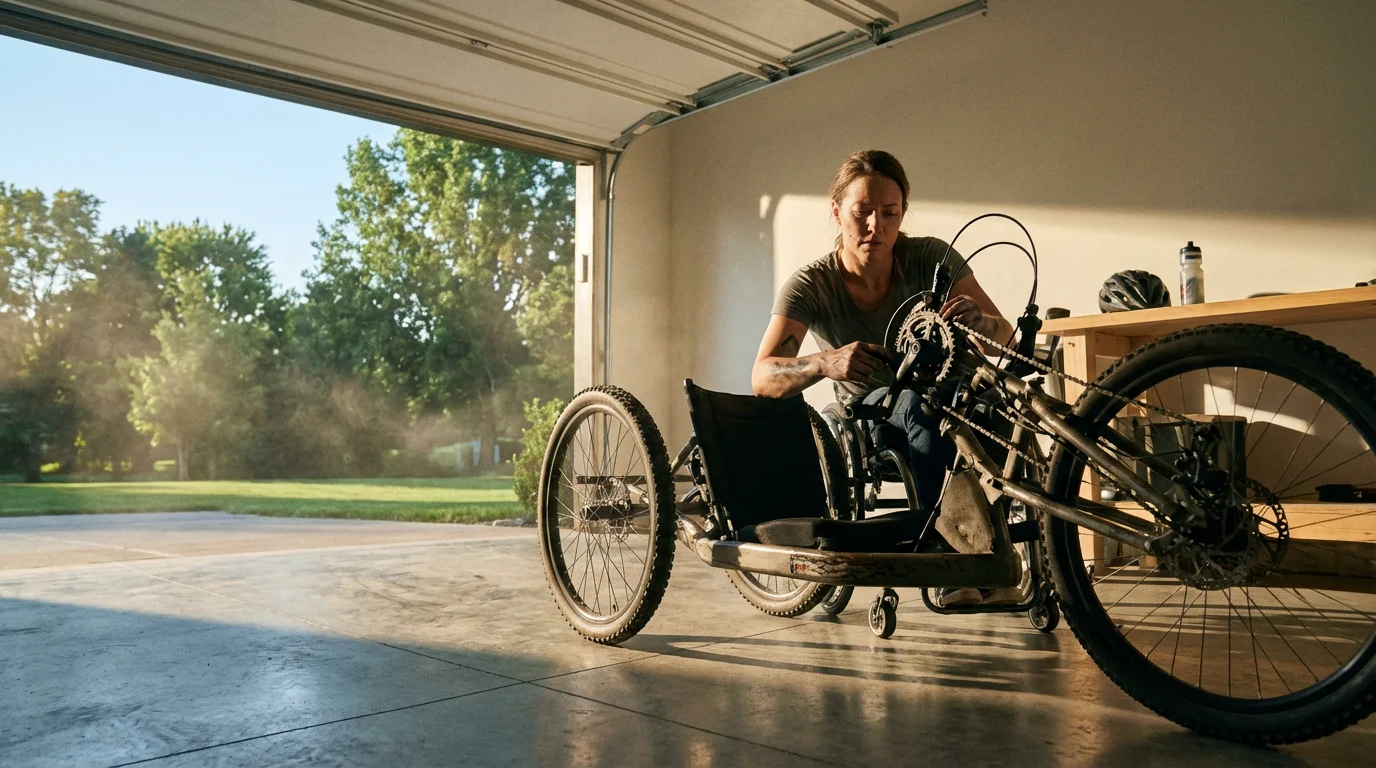
- Accessible Cycling: Recumbent bikes, tricycles, and handcycles offer excellent alternatives to traditional two-wheeled bicycles. These provide greater stability and reduce strain, allowing you to enjoy scenic routes at your own pace.
- Birdwatching and Nature Photography: These activities are inherently adaptable, often enjoyed from stationary positions or along accessible paths. Focus on observation and capturing nature’s beauty without strenuous movement.
- Adaptive Fishing: Many fishing piers, docks, and boats are designed to be wheelchair-accessible. Adaptive fishing gear, such as rod holders and specialized reels, further enhance the experience, allowing you to enjoy the tranquility of the water.
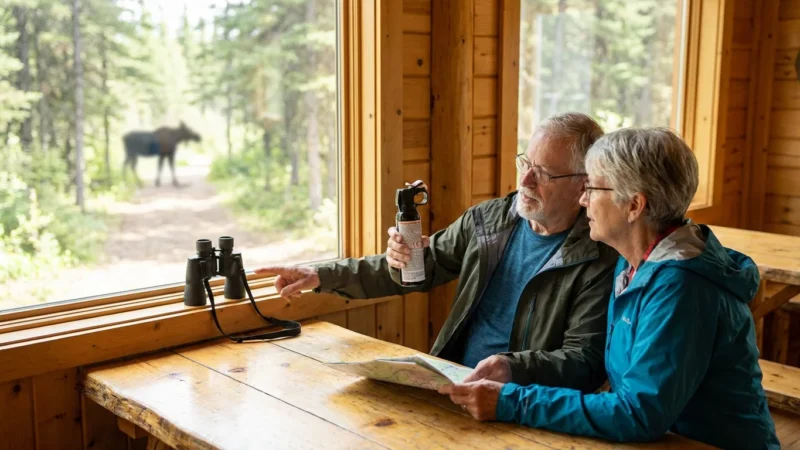
- Accessible Wildlife Viewing: National parks and wildlife refuges frequently feature observation decks and boardwalks designed for universal access. You can connect with nature and witness local fauna in their natural habitats.
- Therapeutic Gardening: Raised garden beds, vertical gardens, and gardening tools with extended handles make horticulture accessible. This outdoor activity offers gentle exercise, fresh air, and the satisfaction of nurturing life.
To illustrate the variety, consider this comparison of accessible features in common activities:
| Activity | Typical Adaptations | Accessibility Considerations |
|---|---|---|
| Accessible Hiking | Paved or wide, flat trails, trekking poles | Trail surface, grade, availability of benches, restroom access |
| Adaptive Kayaking | Stable boats, transfer benches, adaptive paddles | Launch site access (ramps, lifts), water conditions, support staff |
| Recumbent Cycling | Three wheels for stability, back support, hand-powered options | Paved trails, designated bike lanes, traffic volume, rental availability |
| Adaptive Fishing | Accessible piers/docks, rod holders, specialized reels | Location (freshwater vs. saltwater), availability of guides, bait access |
| Birdwatching | Observation decks, accessible boardwalks, portable seating | Trail access, proximity to viewing areas, quiet environments |
Gear Up: Essential Adaptive Equipment
The right equipment makes a significant difference in enhancing your outdoor experiences. Adaptive gear bridges the gap between your `physical limitations` and your adventurous spirit, offering support, stability, and freedom. This equipment is designed with comfort and functionality in mind, ensuring you can participate safely and joyfully.
Using specialized equipment can make senior-friendly camping adventures much more comfortable and accessible for everyone.
If you are traveling by vehicle, consider how accessibility modifications to your RV can make extended camping trips more comfortable and manageable.
Consider these essential pieces of adaptive equipment:
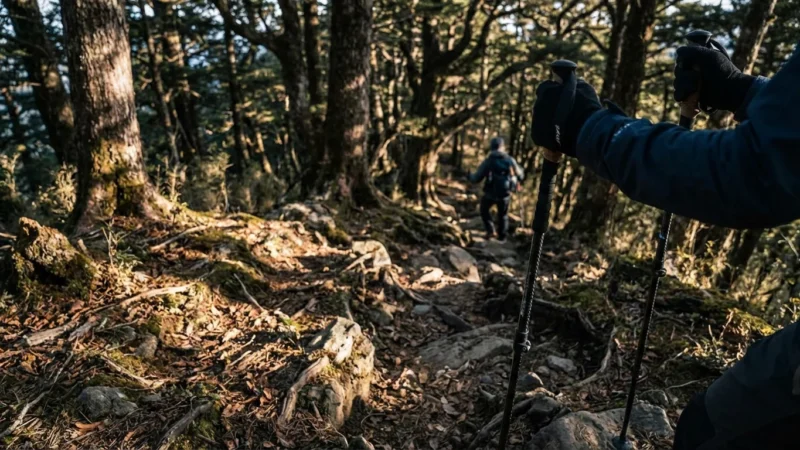
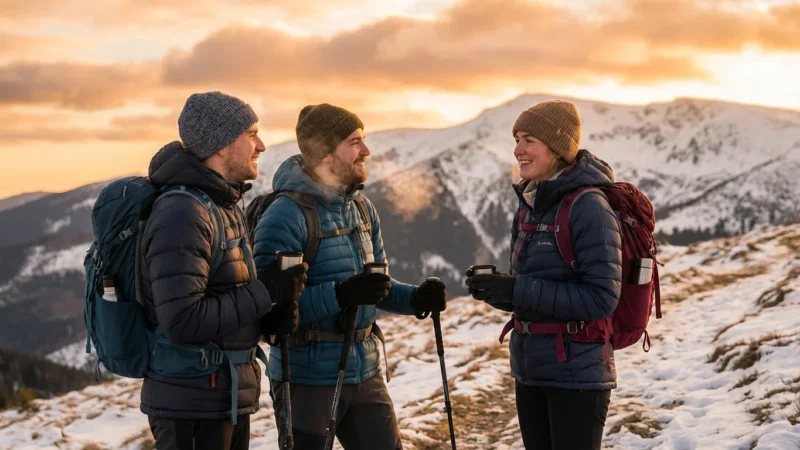
- Walking Poles or Trekking Staffs: These provide extra stability and balance on uneven terrain, reducing strain on your joints. They are invaluable for accessible hiking and general outdoor mobility.
- All-Terrain Wheelchairs or Mobility Scooters: Specialized models feature larger, more durable wheels and robust suspension, allowing you to navigate various outdoor surfaces, from packed dirt trails to sandy paths.
- Adaptive Cycles: As mentioned, handcycles, recumbent bikes, and tricycles open up cycling to those who cannot use traditional bicycles. These provide stability and comfort for longer rides.
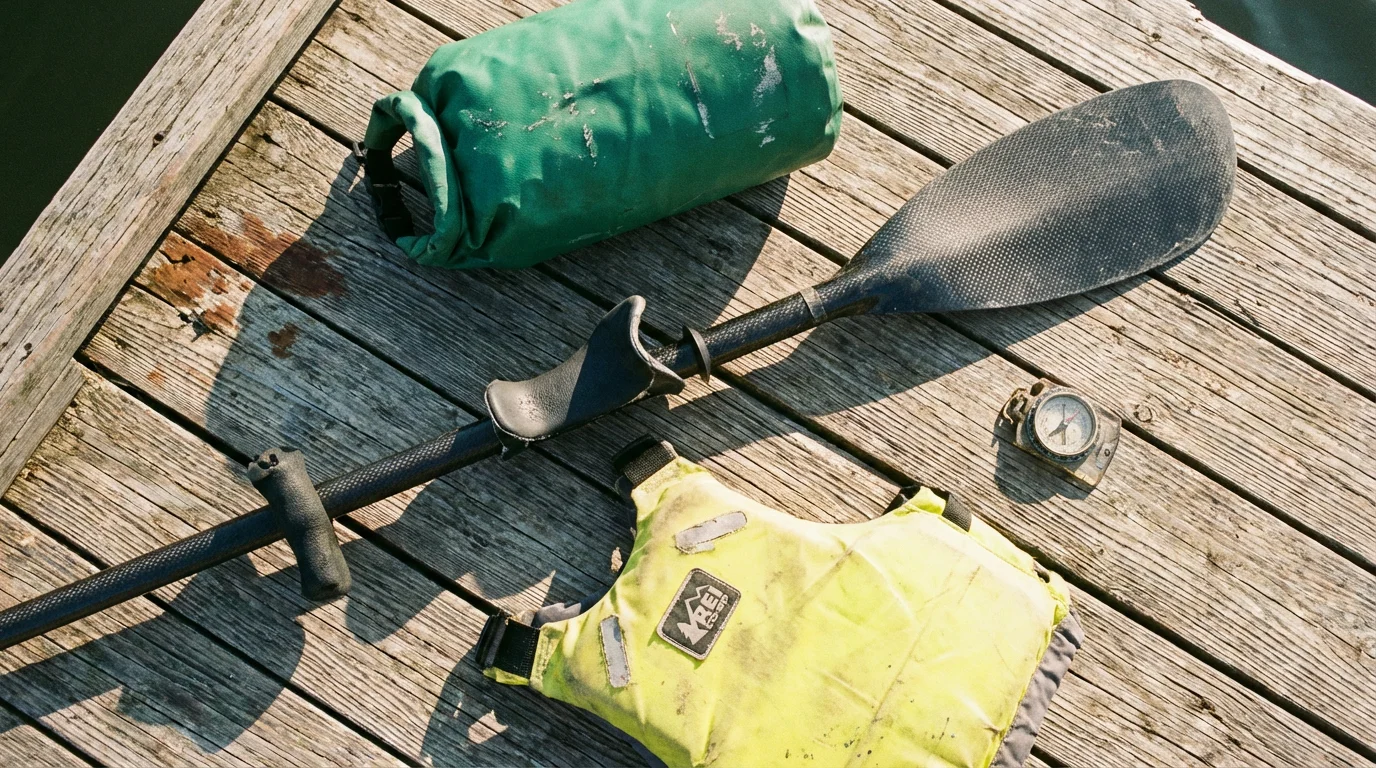
- Flotation Devices: For water activities like kayaking or canoeing, a well-fitting personal flotation device (PFD) is crucial for safety. Some designs offer enhanced back support or ease of donning.
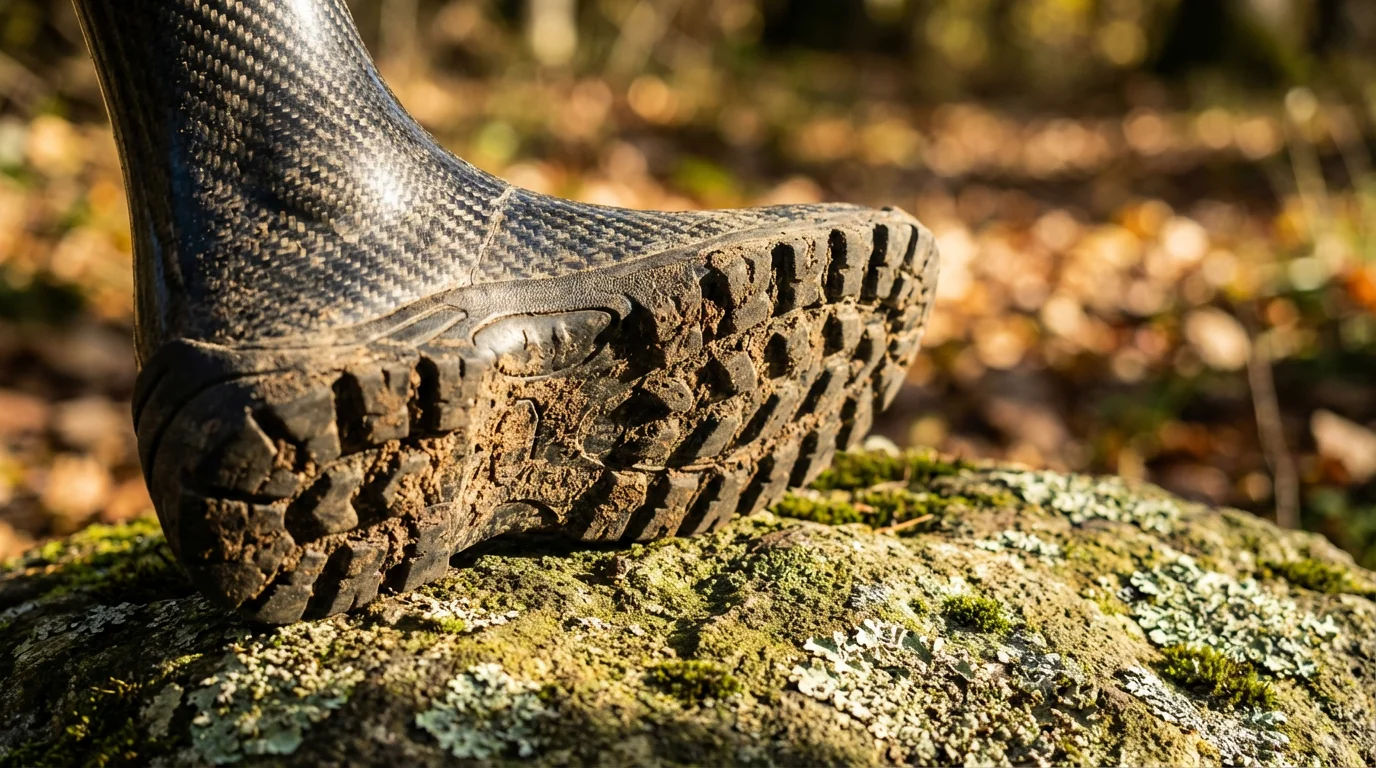
- Comfortable, Supportive Footwear: Good shoes with excellent arch support and non-slip soles are essential for any outdoor activity. Choose footwear appropriate for the terrain you plan to explore.
- Layered Clothing: Dressing in layers allows you to adjust to changing temperatures and conditions. Opt for moisture-wicking fabrics that keep you dry and comfortable.
- Portable Seating: A lightweight, collapsible chair or stool provides a comfortable resting spot along trails or during observation, reducing fatigue.
Planning Your Adaptive Adventure: Practical Steps
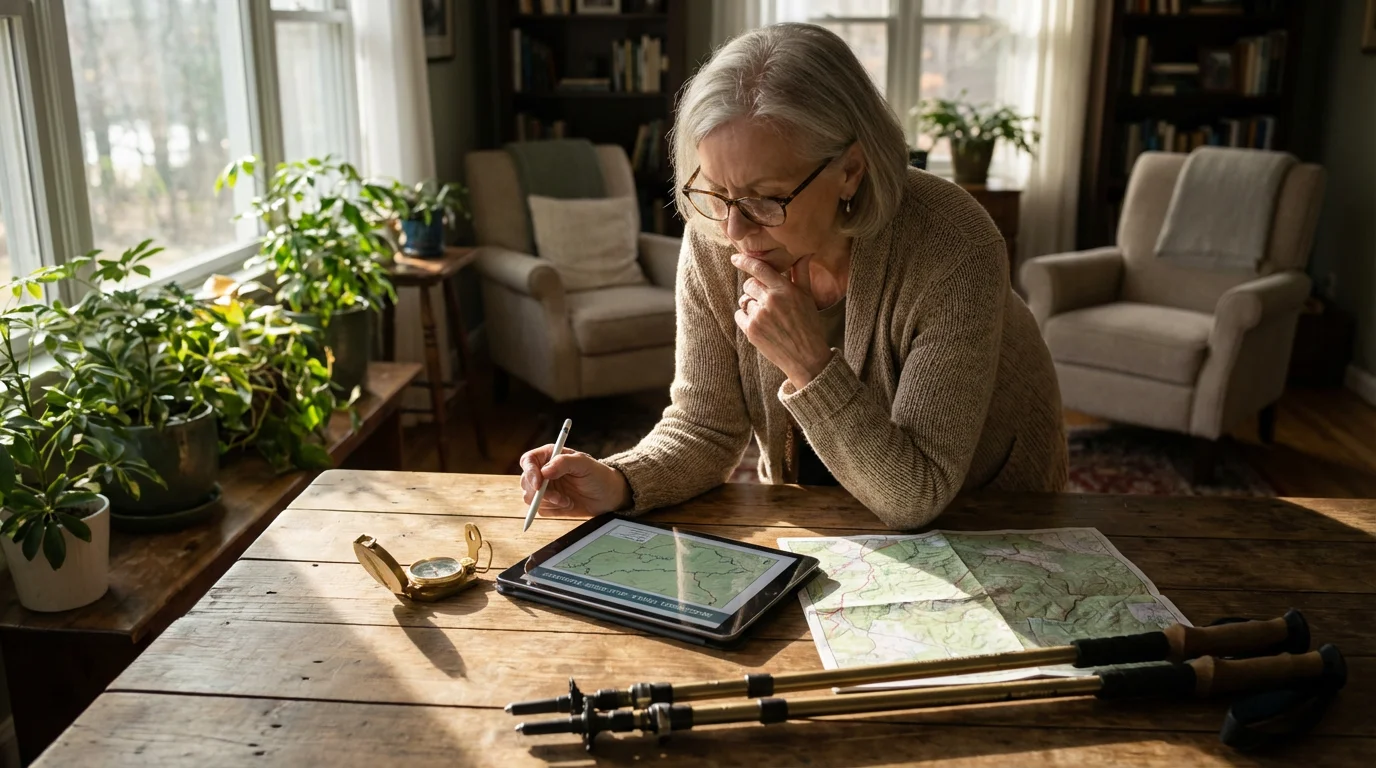
Successful adaptive adventures stem from meticulous planning. `How to adapt outdoor activities for seniors?` involves more than just finding an accessible location; it requires careful consideration of logistics, support, and personal needs. Follow these steps to ensure a smooth and enjoyable experience:
Before setting out, it is wise to research adventure travel insurance for seniors to ensure your specific medical and equipment needs are protected.
Connecting with adventure clubs for seniors is a great way to find like-minded travelers who can share tips on the best adaptive locations.
Joining accessible group tours for seniors is an excellent way to travel with peers while ensuring all logistical and physical needs are met.
Planning accessible national park road trips allows you to see iconic American landscapes with confidence in the available facilities.
- Research Accessible Locations Thoroughly: Utilize resources like the National Park Service (https://www.nps.gov/) and local park websites. Look for detailed information on trail surfaces, grades, available facilities, and specific accessibility features. Many parks offer “accessibility” filters on their online maps.
- Verify Accessibility Features: Contact the venue directly to confirm current conditions of ramps, restrooms, parking, and specific activity access points. Construction or weather can temporarily impact accessibility.
- Inquire About Adaptive Equipment Rentals and Programs: Many destinations or specialized outdoor organizations offer rental adaptive equipment or guided programs for `adaptive sports`. Road Scholar (https://www.roadscholar.org/) provides numerous accessible group tours tailored for seniors.
- Consider Guided Adventures or Group Tours: These options often remove planning burdens and provide experienced guides who understand `physical limitations` and adaptive needs. They ensure safety and maximize enjoyment.
- Plan for Transportation: If flying, review TSA guidelines for medical equipment and mobility aids (https://www.tsa.gov/). For road trips, ensure your vehicle accommodates any necessary equipment and plan for accessible rest stops.
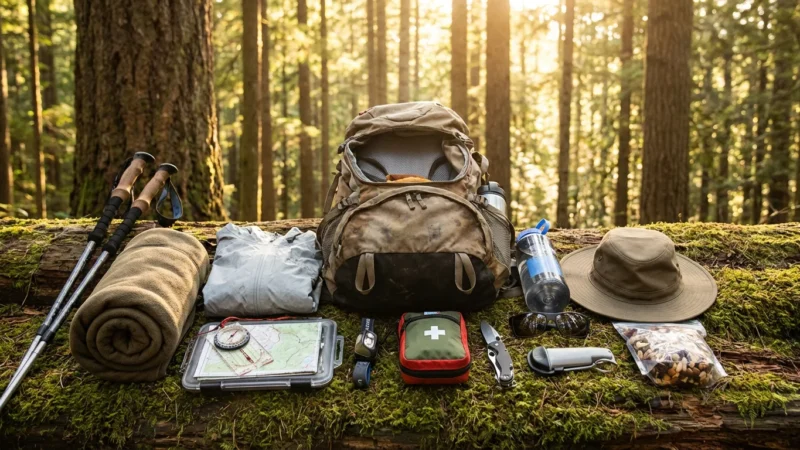
- Pack Smart and Anticipate Needs: Create a detailed packing list. Include medications, any necessary medical supplies, comfortable clothing, protective gear, and sufficient hydration and snacks. Think about potential scenarios and pack accordingly.
- Inform Others of Your Plans: Share your itinerary with a trusted friend or family member. For solo adventurers, consider carrying a personal alarm or emergency communication device.
- Have a Backup Plan: Weather changes, unexpected closures, or personal fatigue can alter plans. Identify alternative accessible activities or resting spots in advance.
“Travel opens your heart, broadens your mind and fills your life with stories to tell.”
Travel Considerations for Seniors with Physical Limitations
Traveling with `physical limitations` requires proactive planning, whether you are exploring domestic destinations or venturing abroad. Knowing what to expect and preparing accordingly helps ensure a smooth and enjoyable journey. Consider these vital aspects of travel.
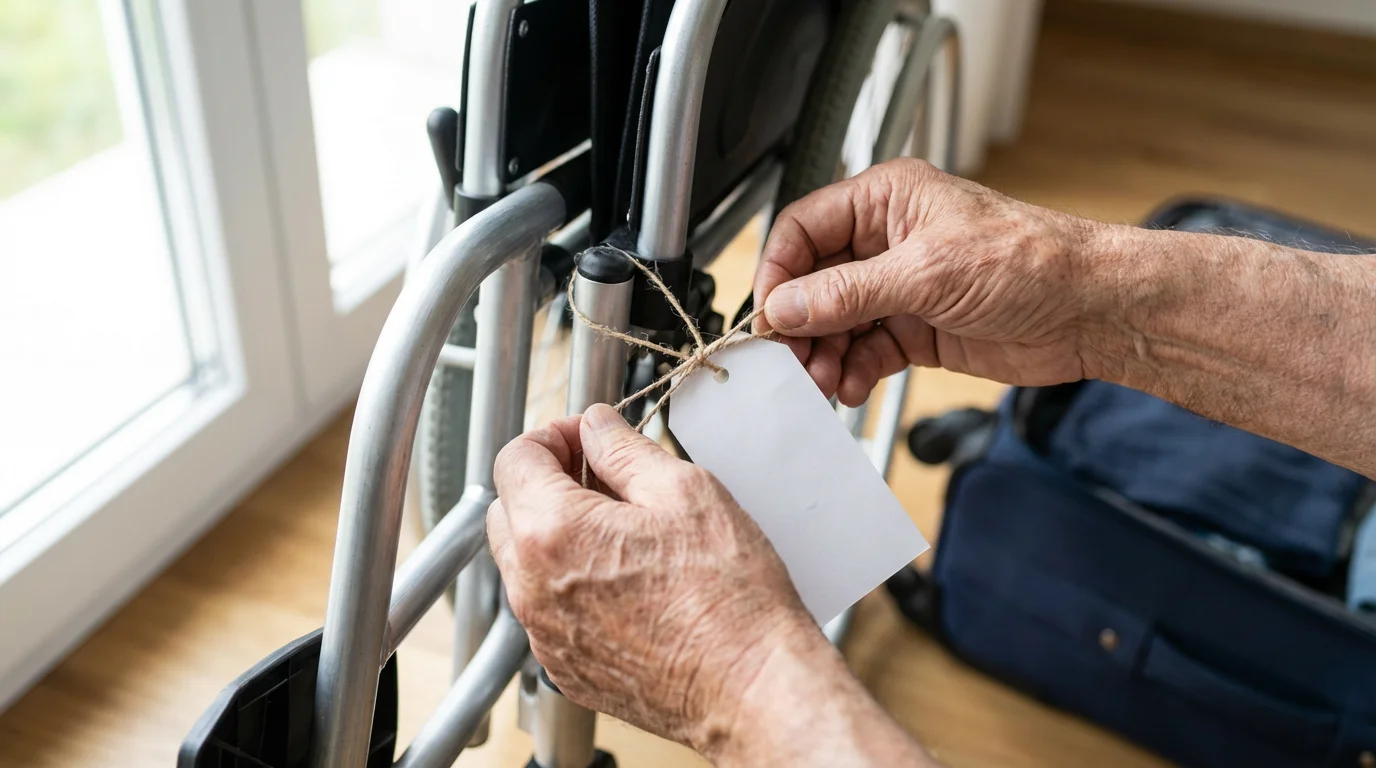
For air travel, communicate your needs to the airline in advance. Request wheelchair assistance at the airport and clarify policies regarding mobility aids, battery types, and storage. The TSA website (https://www.tsa.gov/) offers valuable information on screening procedures for travelers with disabilities and medical conditions.
When planning road trips or exploring `RV living`, research accessible rest stops and attractions. Websites like Recreation.gov (https://www.recreation.gov/) provide details on accessible campgrounds and facilities in national parks and forests. Always confirm accessibility directly with the venue before booking.
Hotel accessibility varies widely. Always call ahead to confirm specific features like roll-in showers, grab bars, accessible room dimensions, and elevator access. Do not rely solely on online descriptions. Confirm these details to avoid unpleasant surprises upon arrival.
For international travel, research the accessibility standards of your destination. These can differ significantly from those in your home country. The U.S. State Department Travel website (https://travel.state.gov/) offers country-specific information and alerts. Consult the CDC Travelers’ Health website (https://wwwnc.cdc.gov/travel/) for health advisories and recommended vaccinations, particularly if your medical conditions require specific precautions.
Real Stories and Inspiration
The spirit of adventure thrives in countless seniors who navigate `physical limitations` with grace and determination. Consider Martha, a 72-year-old who, after knee replacement surgery, discovered adaptive kayaking. She now regularly explores local waterways, finding peace and renewed strength in every stroke.
Or think of Robert, 80, who uses a mobility scooter for long distances. He found immense joy in exploring the accessible trails of National Parks, capturing stunning photographs of wildlife. He proves that deep engagement with nature does not always require strenuous hikes.
These stories highlight a powerful truth: your adventurous spirit adapts and finds new expressions. You gain physical benefits like improved strength and balance, alongside mental upliftment and a profound sense of accomplishment. The outdoors offers a boundless canvas for continued personal growth and joy.
Frequently Asked Questions
What are the benefits of adaptive outdoor activities?
Adaptive outdoor activities offer numerous benefits. You experience improved `senior fitness`, including better balance, strength, and cardiovascular health. These activities also boost mental well-being, reducing stress and fostering a sense of accomplishment and independence. Connecting with nature provides significant psychological advantages.
How do I find accessible trails and parks?
You can find accessible trails by visiting the National Park Service website (https://www.nps.gov/) or your state and local park websites. Many have dedicated sections or filters for accessible routes and facilities. The National Forest Foundation (https://www.nationalforests.org/) also provides resources for accessible options in national forests.
Can I travel internationally with mobility aids?
Yes, you can travel internationally with mobility aids. It requires careful planning. Inform your airline in advance about your specific needs and the dimensions/type of your mobility aid. Research the accessibility standards of your destination country, as these can vary significantly. Consult the U.S. State Department Travel website (https://travel.state.gov/) for country-specific information.
What if I feel nervous about trying something new?
It is natural to feel nervous when trying new `adaptive sports` or activities. Start small, perhaps with a familiar location or a guided tour. Look for programs specifically designed for seniors or those with `physical limitations`. Many organizations offer introductory sessions in a supportive environment, helping you build confidence gradually.
How much does adaptive equipment cost?
The cost of adaptive equipment varies widely depending on the item’s complexity and specialization. Basic items like walking poles are inexpensive, while specialized equipment like adaptive cycles or all-terrain wheelchairs can be a significant investment. Look into rental options, grants from adaptive sports organizations, or community programs that provide equipment access.


[…] Pacific Northwest road trip ensures a smooth and enjoyable experience. Consider your interests, mobility, and desired pace when you begin to […]