
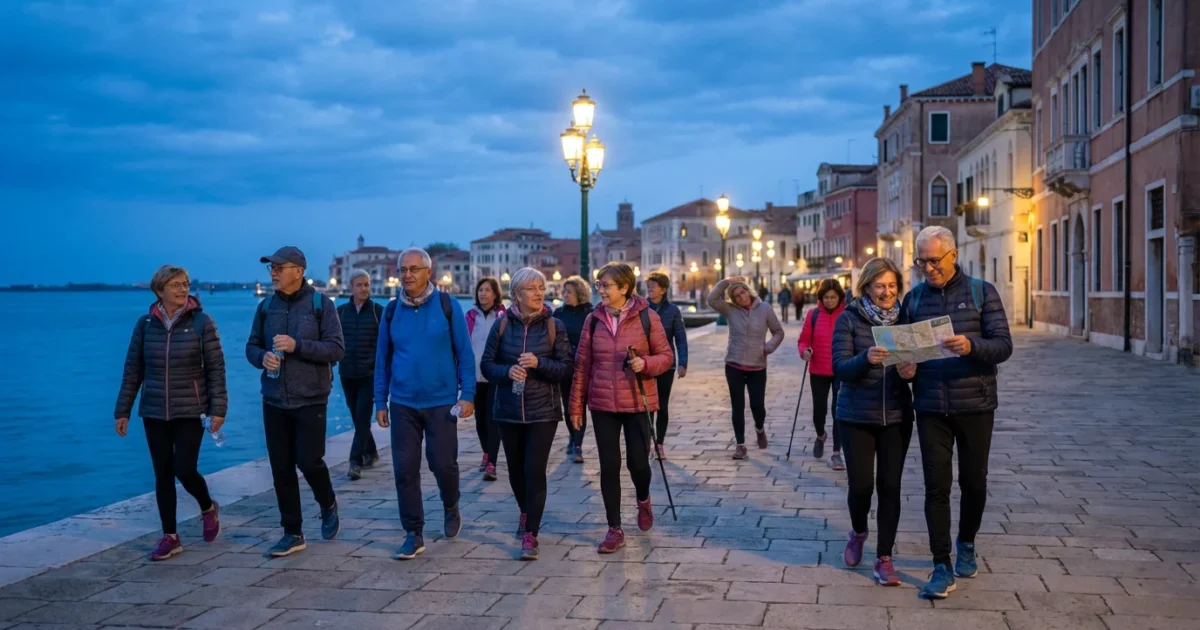
Embarking on a senior group tour promises unparalleled opportunities for discovery, connection, and adventure. You join a community of like-minded explorers, ready to see new places, learn new things, and create lasting memories. Your health forms the foundation of a truly enjoyable and worry-free experience on any group travel adventure.
Prioritizing your well-being ensures you can fully embrace every moment, whether you are hiking through a national park or exploring ancient ruins. This guide provides actionable strategies, offering you practical advice to maintain your vitality and make the most of your senior tour. We empower you to travel confidently, knowing you have prepared for a healthy and fulfilling journey.
Table of Contents
- Pre-Trip Health Preparations
- Pack Smart, Travel Healthy
- Nutrition and Hydration on the Go
- Managing Your Physical Well-being
- Preventing Germs and Illness
- Unexpected Situations: What to Do
- Nurturing Mental and Emotional Wellness
- Post-Tour Recovery and Reflection
- Frequently Asked Questions
Group travel offers distinct advantages for seniors, including expertly planned itineraries and the camaraderie of fellow travelers. However, group dynamics also introduce unique considerations for travel health. Understanding how to stay healthy while travelling in a group as a senior involves proactive planning, smart choices on the go, and clear communication with your tour leaders.
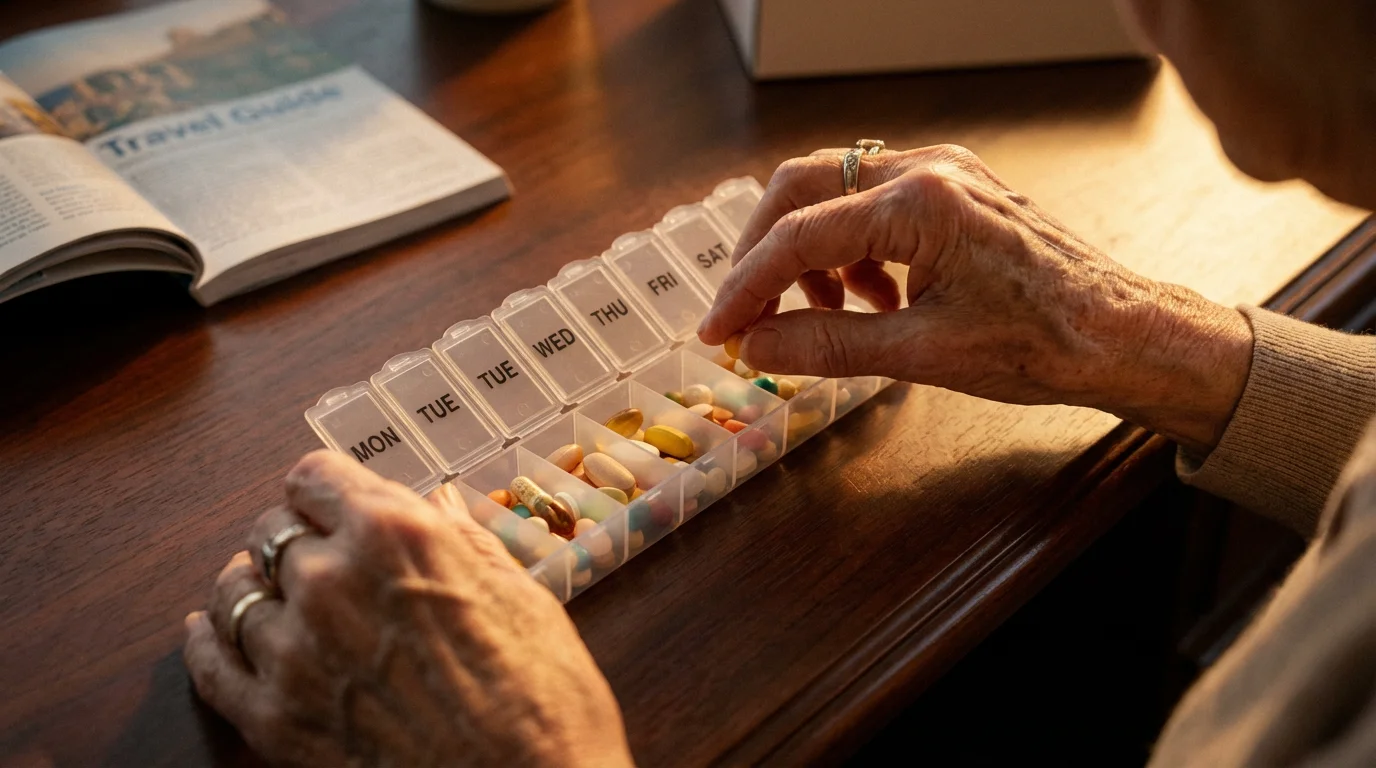
Pre-Trip Health Preparations
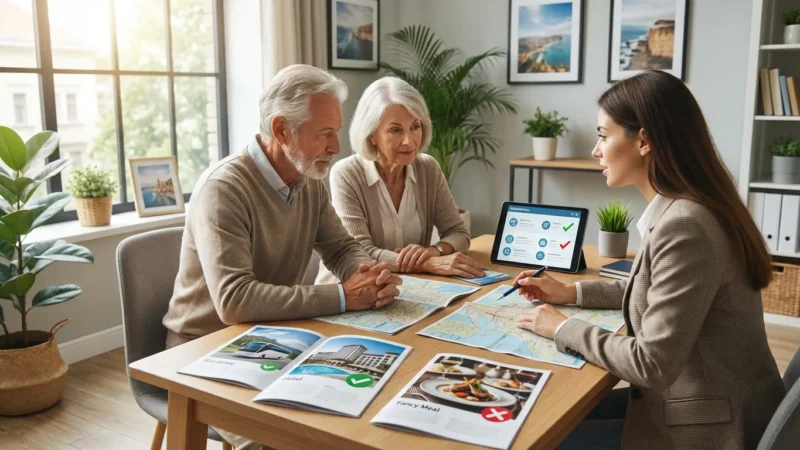
Your journey to a healthy senior tour begins long before you pack your suitcase. Thorough pre-trip health preparations lay the groundwork for a smooth and enjoyable experience. This proactive approach helps you address potential concerns, giving you peace of mind throughout your adventure.
Before you start your checklist, it can be helpful to debunk common myths about senior travel to ensure you are entering your trip with the right mindset.
Consult Your Doctor
Schedule a comprehensive check-up with your primary care physician several weeks before your departure. Discuss your itinerary, planned activities, and any existing health conditions. Your doctor can assess your fitness for travel and provide personalized recommendations for your specific health situation.
The Centers for Disease Control and Prevention (CDC) offers extensive guidance on travel health, including destination-specific vaccine recommendations. Your doctor will advise you on necessary vaccinations and preventive medications. Visit CDC Travelers’ Health for general guidelines and specific country advice.
Medication Management
Create a detailed list of all your medications, including dosages and generic names. Ask your doctor for prescriptions for any medications you might need during your trip, even common over-the-counter remedies, in case you run out or lose them. Pack enough medication to last the entire trip, plus a few extra days, storing it in original containers. Always carry essential medications in your carry-on bag.
Travel Insurance Is Essential
Invest in comprehensive travel insurance that includes medical coverage and emergency evacuation. Standard health insurance often provides limited or no coverage internationally. This protection offers a crucial safety net for any unexpected health concerns on your senior tours. Compare policies carefully to ensure they cover pre-existing conditions and any adventurous activities you plan. AARP Travel offers resources and advice on choosing the right travel insurance for seniors.
Essential Travel Documents and Contacts
Organize all your vital documents and create copies. Share these copies with a trusted family member and keep a separate set yourself, stored apart from the originals. This ensures you have access to critical information even if your primary documents are lost or stolen.
| Document/Information | Original Location | Copy Location |
|---|---|---|
| Passport/ID | Secure, on-person | Separate bag, digital copy |
| Travel Insurance Details | Carry-on bag | Email, trusted contact |
| Medication List & Prescriptions | Carry-on bag | Email, doctor’s office |
| Emergency Contacts | Wallet, phone, tour guide | Digital copy, trusted contact |
| Tour Operator Contacts | Itinerary, phone | Written note, email |
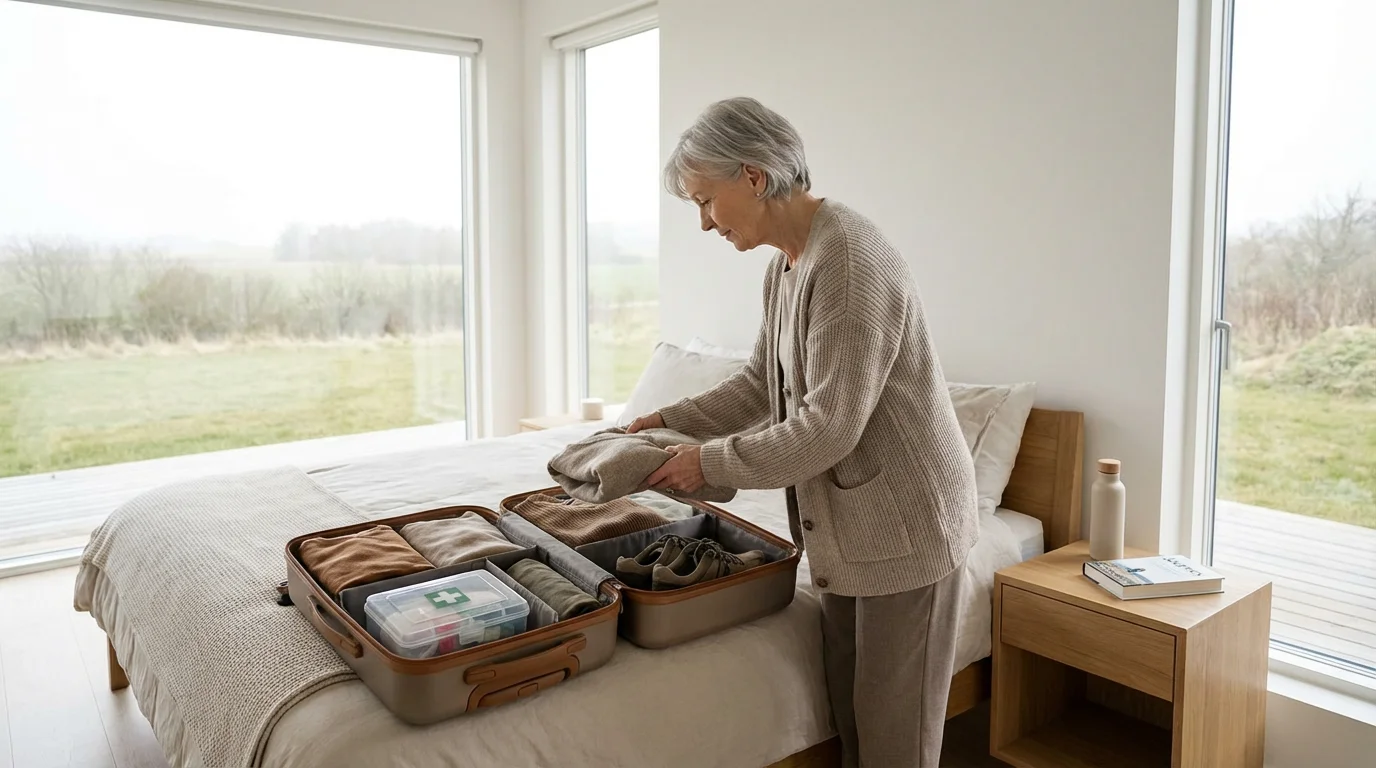
Pack Smart, Travel Healthy
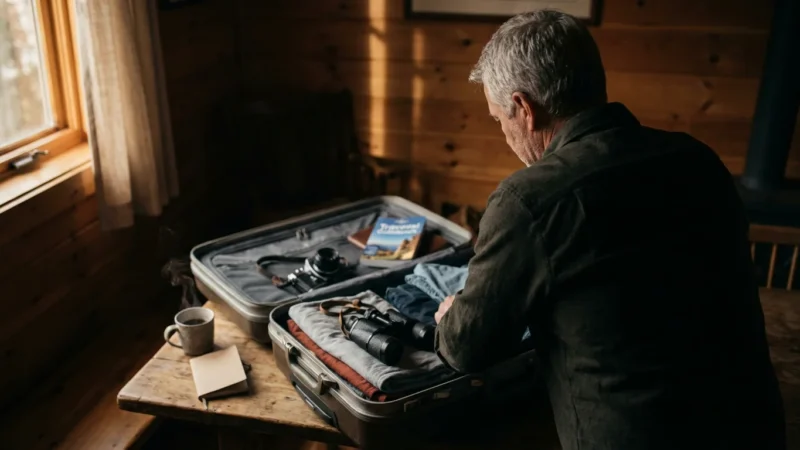
Thoughtful packing significantly contributes to your overall well-being and comfort on a senior group tour. Focus on practicality, versatility, and preparing for various contingencies. Avoid overpacking, as managing heavy luggage can add unnecessary stress and strain.
While packing efficiently is vital, understanding how to find budget-friendly group tours can help you allocate more funds toward high-quality travel gear.
Your Personal Medical Kit
Assemble a compact, well-stocked personal medical kit. This kit provides immediate relief for common travel ailments and minor injuries. Keep it easily accessible, either in your daypack or carry-on.
- Prescription medications (with copies of prescriptions)
- Over-the-counter pain relievers (ibuprofen, acetaminophen)
- Antacids and anti-diarrhea medication
- Motion sickness medication (if applicable)
- Band-aids, antiseptic wipes, antibiotic ointment
- Blister treatment or mole skin
- Hand sanitizer (at least 60% alcohol)
- Sunscreen (SPF 30+) and insect repellent
- Lip balm with SPF
- Any personal allergy medications or epi-pens
- Basic thermometer
Comfortable Clothing and Footwear
Prioritize comfort and functionality. Pack layers to adapt to changing temperatures throughout the day. Choose breathable, quick-drying fabrics. Your shoes are particularly important for active aging through exploration.
- Two pairs of broken-in, supportive walking shoes
- Comfortable sandals or slip-ons for evenings
- Moisture-wicking socks to prevent blisters
- Lightweight, waterproof jacket or umbrella
- Hat or cap for sun protection
- Swimsuit if your itinerary includes water activities
Hydration and Nutrition Support
While your tour provides meals, having personal hydration and nutrition support makes a difference. This ensures you maintain energy levels and stay properly hydrated.
- Reusable water bottle (consider one with a filter if traveling to areas with questionable water quality)
- Small, non-perishable snacks like granola bars, dried fruit, or nuts
- Electrolyte packets or rehydration salts

Nutrition and Hydration on the Go
Maintaining proper nutrition and hydration presents one of the top health concerns on group tours. The unfamiliar environments, schedule changes, and different cuisines can challenge your usual habits. Active management of your intake keeps your energy steady and your immune system strong.
Proper nourishment is especially critical when participating in exotic group tours where local food standards may vary from home.
Prioritize Hydration
Dehydration is common during travel, especially in dry climates or during long flights. Drink water consistently throughout the day, even if you do not feel thirsty. Carry your reusable water bottle and refill it whenever possible. Aim for eight glasses of water daily, increasing intake during physical activities or in hot weather.
- Drink water before you feel thirsty.
- Avoid excessive caffeine and alcohol, which contribute to dehydration.
- If water quality is a concern, stick to bottled, boiled, or filtered water.
- Monitor your urine color; pale yellow indicates good hydration.
Smart Food Choices
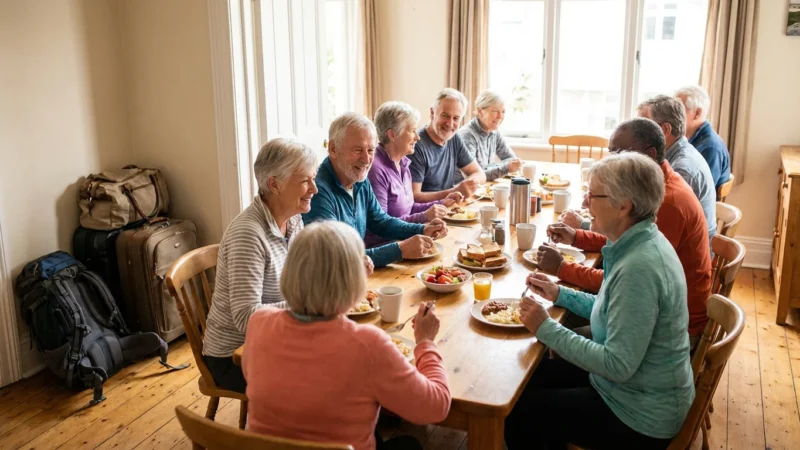
Group meals often offer variety, but exercise caution with unfamiliar foods. Be mindful of food preparation and hygiene practices, particularly in international destinations. Opt for cooked foods, fruits you can peel, and reputable dining establishments. Don’t hesitate to ask your tour guide about food safety.
Communicate any dietary restrictions or allergies to your tour operator well in advance and remind your guide at each meal. This proactive approach helps prevent uncomfortable or dangerous situations. Your health is paramount, and responsible senior tours accommodate your needs.
- Choose freshly cooked meals over raw or lukewarm buffet items.
- Opt for fruits and vegetables that you can peel yourself.
- Avoid street food unless your guide explicitly recommends it.
- Wash your hands thoroughly before every meal.
- Do not be afraid to politely decline food that looks suspicious or makes you uncomfortable.

Managing Your Physical Well-being
Group tours often feature packed itineraries, requiring careful management of your energy and activity levels. Pacing yourself is crucial for a healthy and enjoyable experience. Listen to your body and recognize your limits, ensuring you avoid overexertion and fatigue.
If you have specific concerns about stamina, look into accessible group tours for seniors that offer a more manageable pace.
Pace Yourself
Resist the urge to participate in every optional activity if you feel tired. Prioritize quality experiences over quantity. It’s perfectly acceptable to skip an activity to rest or explore at a slower pace. You will enjoy the activities you do participate in much more when you are well-rested.
“The world is a book and those who do not travel read only one page.” — Saint Augustine
This wisdom reminds us to embrace the world, but it also implies savoring each page. Do not rush your journey. Instead, absorb the experiences at a comfortable pace, ensuring you truly appreciate each chapter of your adventure.
Prioritize Rest and Sleep
Adequate sleep significantly impacts your physical and mental resilience. Maintain a consistent sleep schedule as much as possible, even with time zone changes. Use earplugs and an eye mask to block out light and noise in unfamiliar accommodations. Quality rest helps manage jet lag and keeps your immune system robust.
- Aim for 7-9 hours of sleep per night.
- Take short naps when your itinerary allows, especially after long travel days.
- Avoid heavy meals, caffeine, and alcohol close to bedtime.
- Establish a relaxing bedtime routine to signal your body it’s time to rest.
Stay Active (Within Limits)
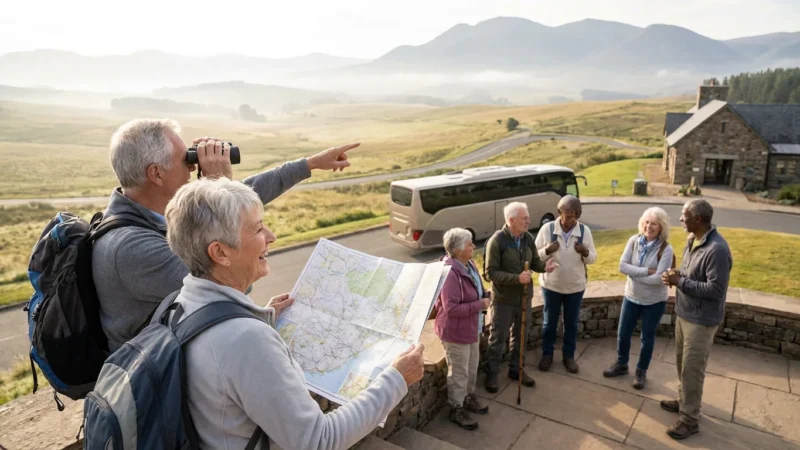
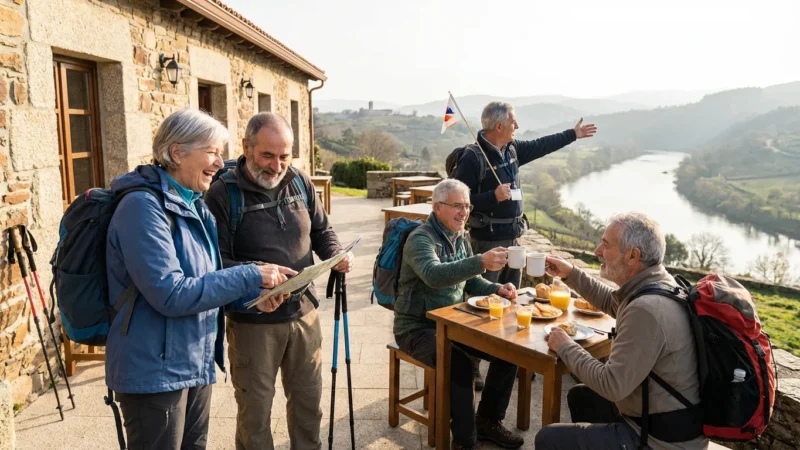
While pacing yourself, continue to engage in moderate physical activity. Your tour likely includes walking or light hiking; these activities are excellent for circulation and mood. Incorporate gentle stretches into your daily routine to prevent stiffness, particularly after long bus rides or flights. Staying active keeps your body agile and prepared for the day’s explorations.
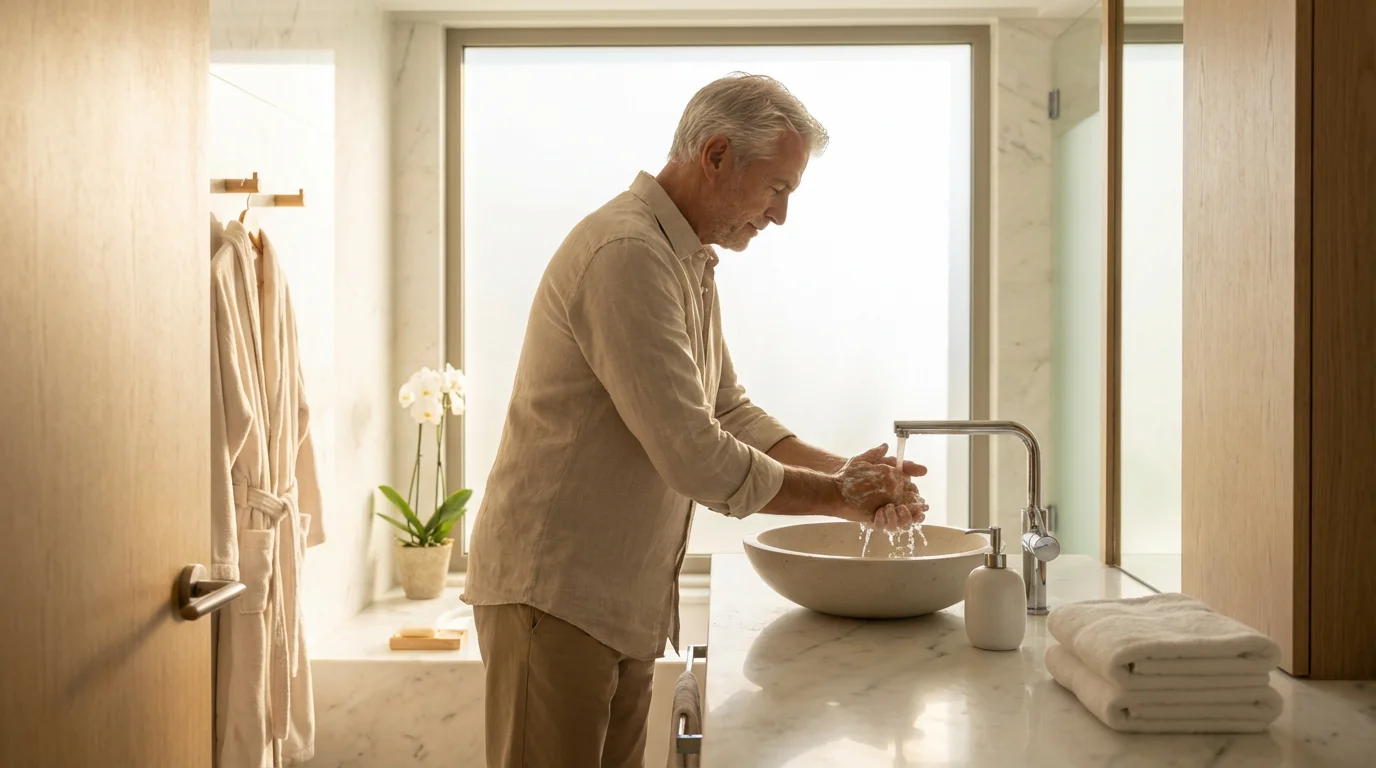
Preventing Germs and Illness
Close quarters and frequent interaction with a group can increase your exposure to germs. Practicing good hygiene becomes especially important on senior group tours to prevent the spread of illness. Simple habits make a significant difference in how to stay healthy while travelling in a group as a senior.
Joining adventure clubs for seniors allows you to share health tips and support with others who prioritize well-being on the road.
Hand Hygiene is Key
Wash your hands frequently and thoroughly with soap and water for at least 20 seconds, especially before eating and after using the restroom. When soap and water are unavailable, use an alcohol-based hand sanitizer with at least 60% alcohol. This simple act drastically reduces your risk of catching or spreading common infections.
Avoid Touching Your Face
Be mindful of touching your eyes, nose, and mouth. These are common entry points for germs into your body. This conscious effort, combined with good hand hygiene, provides a strong defense against airborne and contact-based pathogens.
Respect Personal Space
Maintain a respectful distance from fellow travelers who exhibit signs of illness, such as coughing or sneezing. While difficult in group settings, a little extra space can prevent transmission. Encourage sick individuals to wear masks, and consider wearing one yourself in crowded indoor spaces or on public transport if you feel vulnerable.

Unexpected Situations: What to Do
Even with careful planning, unexpected health situations can arise. Knowing how to respond quickly and effectively minimizes disruption and ensures your well-being. This preparation empowers you to handle unforeseen challenges calmly.
Communicate with Your Tour Guide
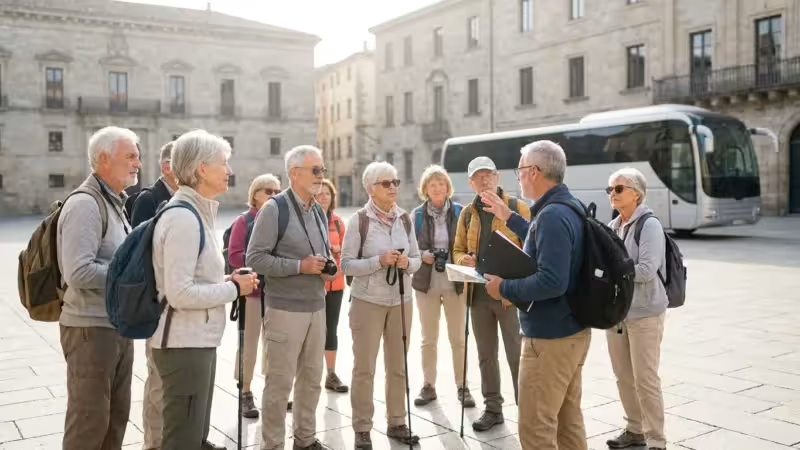
Your tour guide is your primary resource for support and assistance. Immediately inform them if you feel unwell, experience an injury, or have any health concerns. They have training and local contacts to help you access medical care or make necessary arrangements. Do not try to tough it out; early communication is vital.
Accessing Medical Care
Your tour operator likely has protocols for medical emergencies. Know the process for contacting local medical services. Ensure your travel insurance documents, passport, and a list of your medications are readily accessible. These documents are crucial for efficient medical treatment, especially when abroad.
Emergency Contact Information
Provide your tour guide with emergency contact details for a family member or friend at home. Ensure that person knows your itinerary and how to reach you. Carry a card with your emergency contacts, medical conditions, allergies, and current medications translated into the local language if you are traveling internationally.
- Keep your tour guide’s direct contact number saved on your phone.
- Have your travel insurance policy number and emergency assistance phone number readily available.
- Know the local emergency services number (e.g., 911 in the U.S., 112 in Europe).
- Carry a small card with your vital health information.

Nurturing Mental and Emotional Wellness
Physical health is only one component of overall well-being. Your mental and emotional state also significantly impacts your travel experience. Group dynamics, new environments, and schedule changes can sometimes create stress. Actively managing your emotional health ensures a more joyful and fulfilling journey.
Embrace Social Connections
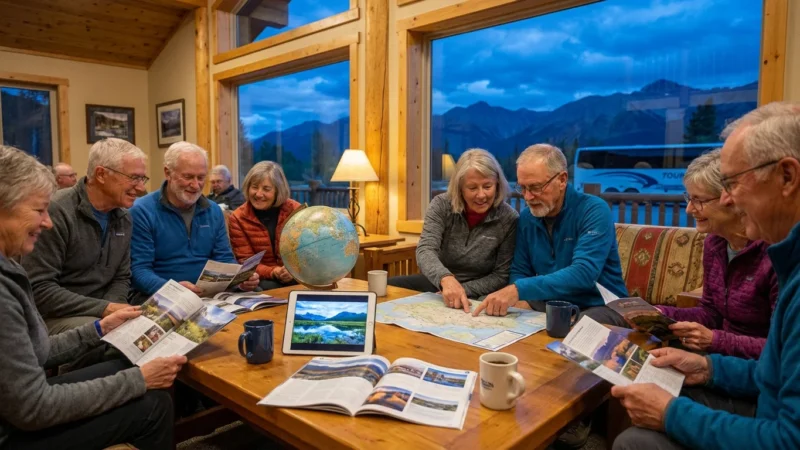
Group tours naturally foster social interaction. Engage with your fellow travelers, share experiences, and build new friendships. These connections provide emotional support and enhance your sense of belonging. Sharing laughter and conversation improves mood and reduces feelings of isolation.
Manage Expectations
Understand that travel often includes minor inconveniences or deviations from the plan. Adopt a flexible and positive attitude. Acknowledging that not everything will go perfectly helps you adapt to unforeseen changes without unnecessary stress. Focus on the overall adventure and the unique experiences each day brings.
Find Moments for Yourself
While group activities are central, schedule some quiet time for personal reflection. Read a book, journal about your experiences, or simply relax in your room. A brief period of solitude helps you recharge, process new experiences, and maintain mental balance amidst constant activity. This balance contributes significantly to a harmonious trip.
- Practice mindfulness or meditation for a few minutes each day.
- Bring a favorite book or listen to an audiobook.
- Enjoy a cup of coffee or tea alone before the day’s activities begin.
- Take a short walk around your hotel to clear your head.
Post-Tour Recovery and Reflection
Your commitment to travel health extends beyond the duration of your senior group tour. The transition back home requires attention to help you recover and integrate your experiences. A thoughtful return ensures you retain the positive impacts of your adventure while minimizing post-travel blues or health issues.
Re-establish Routines
Return to your normal sleep patterns and healthy eating habits as quickly as possible. This helps your body readjust to your home environment. Consistent routines aid in combating jet lag and restoring your energy levels. Allow yourself a few days of lighter activity to fully decompress.
Monitor Your Health
Pay attention to any lingering symptoms or changes in your health after returning. Travel exposes you to new environments and potential pathogens. If you experience persistent illness, especially fever, rash, or unusual fatigue, consult your doctor. Inform them of your recent travel to assist in diagnosis.
Savor Your Memories
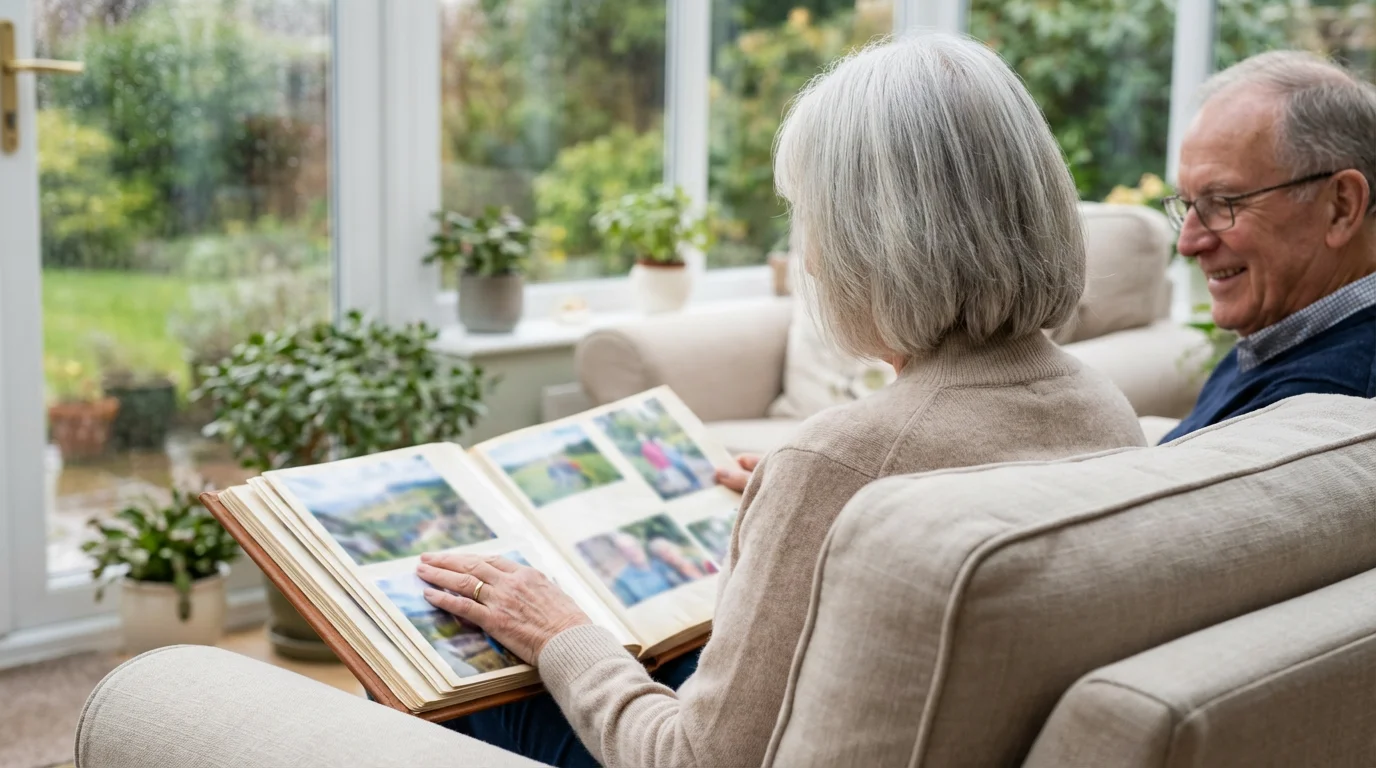
Review photos, write in your journal, or share your stories with friends and family. This reflection helps you process your experiences and appreciate the adventures you undertook. Celebrating the spirit of exploration at any age means cherishing the memories long after the journey ends. You created lasting moments on your group travel.
Frequently Asked Questions
What should I pack in my personal medical kit for a group tour?
Your personal medical kit is essential for addressing minor ailments and emergencies. Pack any prescription medications you take, along with copies of your prescriptions, over-the-counter pain relievers, antacids, anti-diarrhea medication, bandages, antiseptic wipes, and any personal allergy medications. Consider a thermometer and rehydration salts. Always keep essential medications in your carry-on luggage, adhering to TSA guidelines for liquids and gels. Review TSA’s website for current carry-on rules.
How do I manage dietary restrictions on a senior group tour?
Communicate your dietary needs clearly to the tour operator and your guide well in advance. Reconfirm these restrictions upon arrival at each dining location. Carry a card with your restrictions translated into the local language, if traveling internationally. Pack healthy snacks to supplement meals if options are limited. Most reputable senior tour operators are experienced in accommodating diverse dietary requirements.
What if I feel unwell during the tour?
Immediately inform your tour guide if you feel unwell. They are trained to assist you and can help arrange medical attention if needed. Most senior group tours include emergency contact protocols. Carry your travel insurance details and a list of your medical conditions and medications with you at all times. Do not try to push through significant discomfort; prioritize your health.
How can I avoid jet lag and fatigue on a long trip?
Start adjusting your sleep schedule a few days before departure. Hydrate well during the flight and avoid excessive alcohol or caffeine. Upon arrival, try to adapt to the local time zone as quickly as possible by exposing yourself to daylight and staying awake until a reasonable local bedtime. Take short naps if necessary, but avoid long ones that disrupt nighttime sleep. Senior tours often build in time for acclimatization.
Is travel insurance really necessary for senior group tours?
Yes, travel insurance is highly recommended, especially for senior group tours. It provides crucial coverage for medical emergencies, trip cancellations, lost luggage, and unforeseen events. Medical evacuations can be extremely expensive, and standard health insurance often offers limited coverage internationally. Choose a policy that specifically addresses pre-existing conditions and senior travel needs. Consult resources like AARP Travel for guidance on selecting appropriate plans.
Your senior group tour offers an incredible opportunity for adventure and personal growth. By proactively addressing your travel health, you ensure you fully participate in every experience, from cultural excursions to breathtaking nature walks. Embrace the spirit of exploration, knowing you have equipped yourself with the practical strategies to stay healthy and vibrant throughout your journey.
Prepare thoroughly, listen to your body, and communicate openly with your tour leaders. These actions empower you to navigate any challenges with confidence. Go forth and explore, creating unforgettable memories on your next great adventure.
Disclaimer: This article is for informational purposes only. Travel conditions, accessibility, and requirements change frequently. We encourage readers to verify current information with official sources before traveling. Always consult with healthcare providers about travel considerations for your specific health situation.

Leave a Reply