

Embarking on a cruise offers unparalleled opportunities for discovery, relaxation, and connection. As a senior adventurer, you hold the wisdom and freedom to explore the world’s oceans and rivers at your own pace. Cruising provides a unique blend of convenience, comfort, and captivating experiences, making it an ideal choice for active Americans aged 55 and beyond.
Choosing the right cruise line and itinerary transforms a good trip into an unforgettable adventure. This guide empowers you to navigate the exciting world of senior cruising, ensuring your next voyage perfectly aligns with your travel aspirations.
Table of Contents
- Why Cruising is a Top Choice for Senior Adventurers
- Understanding Your Cruise Style: What Matters Most to You?
- Top Cruise Lines for Senior-Friendly Experiences
- Decoding Cruise Itineraries: Finding Your Perfect Journey
- Accessibility and Special Needs: Cruising Comfortably
- Smart Planning and Budgeting for Your Senior Cruise
- Health and Safety Onboard and Ashore
- Making the Most of Your Cruise Experience
- Frequently Asked Questions

Why Cruising is a Top Choice for Senior Adventurers
Cruising presents a compelling option for seniors seeking adventure and exploration without the daily hassle of packing and unpacking. You unpack once, and your floating hotel carries you to diverse destinations. This convenience is a significant draw, allowing you to focus on enjoyment and discovery.
Much like the benefits of group tours, cruising offers a structured and safe way to visit multiple destinations in one trip.
The variety of experiences available on a cruise ship is truly astounding. You find everything from gourmet dining and Broadway-style shows to fitness classes and educational lectures. Data from the Cruise Lines International Association, CLIA, consistently shows a high satisfaction rate among older travelers, with many citing the value and convenience as primary motivators for repeat bookings.
Many cruise lines design their ships and itineraries with older adults in mind. They offer accessible cabins, mobility assistance, and varied activity levels. This thoughtful approach ensures you enjoy a comfortable and fulfilling journey, regardless of your physical capabilities. A recent AARP study highlighted that over 70% of senior travelers prioritize ease of travel, a core benefit that cruising delivers consistently.
Furthermore, cruising fosters a vibrant social environment. You meet fellow adventurers from around the world, sharing stories and creating new friendships. Many seniors appreciate the sense of community onboard, finding companionship and shared experiences that enrich their travels. For some, a cruise represents the ideal blend of adventure and relaxation.

Understanding Your Cruise Style: What Matters Most to You?
Before you book, take time to reflect on what you truly desire from your cruise vacation. Your personal preferences dictate the best choice among the many excellent options for senior cruising. Consider these key questions to define your ideal experience.
Cruising is also a fantastic way to connect with adventure clubs for seniors, fostering friendships with others who share a passion for exploration.
When deciding on your cruise style, it is helpful to weigh group tours vs. independent travel to determine which level of structure best suits your needs.
Do you seek a lively, bustling atmosphere with endless activities, or do you prefer a tranquil, intimate setting focused on enrichment and cultural immersion? Your activity level plays a vital role in your selection. Some cruises feature vigorous shore excursions, while others emphasize leisurely strolls and scenic views.
Think about your budget and how much you want to spend. Luxury lines offer all-inclusive experiences, while mainstream lines provide great value with more à la carte options. Also, consider your preferred destinations. Do you dream of pristine beaches, ancient historical sites, or dramatic natural landscapes?
Finally, decide on your social preference. Are you traveling solo and hoping to meet new people, or are you embarking on a romantic getaway with your partner? Many cruise lines cater specifically to these different needs, offering programs and amenities designed for solo travelers, couples, or multi-generational families. Answering these questions guides you toward a perfectly tailored cruise experience.
Key Considerations for Your Cruise Style
- Budget: Do you prefer an all-inclusive luxury experience or a budget-friendly option with add-ons?
- Activity Level: Do you seek active exploration, relaxed sightseeing, or a balance of both?
- Desired Destinations: Are you drawn to historical sites, natural wonders, or tropical beaches?
- Social Preference: Do you want a lively ship with many social events, or a quieter, more intimate atmosphere?
- Ship Size: Do you prefer large ships with extensive amenities or smaller vessels for a more personal experience?
- Length of Voyage: Are you looking for a short getaway or a longer, immersive journey?

Top Cruise Lines for Senior-Friendly Experiences
Several cruise lines consistently receive high marks for their senior-friendly offerings. Each has a distinct personality and caters to different travel styles. Understanding these differences helps you choose the perfect match for your adventure.
Selecting the right provider is essential, and much like choosing the right senior group tour, you should evaluate each line’s specific amenities and reputation.
Luxury and Premium Cruise Lines
These lines prioritize refined experiences, often featuring smaller ships, fewer children, and an emphasis on gastronomy and enrichment. They offer a high staff-to-guest ratio and personalized service.
- Oceania Cruises: Known for “The Finest Cuisine at Sea,” Oceania offers destination-rich itineraries and a sophisticated, country club casual ambiance. Their ships feature open-seating restaurants, extensive enrichment programs, and often include airfare and unlimited internet.
- Viking Ocean Cruises: Viking targets an adult-oriented market, offering cultural immersion and a strong emphasis on destination experiences. They include a complimentary shore excursion in every port, free Wi-Fi, and a spa.
- Azamara: Azamara focuses on longer stays in port, including overnight visits, allowing for deeper exploration. Their ships are smaller, fostering a more intimate atmosphere, and they include gratuities, select beverages, and an AzAmazing Evenings event on most voyages.
Mainstream and Resort Cruise Lines
These lines provide a balance of activities, dining, and entertainment, often representing excellent value. They feature diverse itineraries and cater to a broad audience, including many seniors.
- Holland America Line: Holland America has a long-standing reputation for catering to mature travelers. They offer classic cruising experiences, robust enrichment programs, and excellent service. Their ships often feature dedicated lounges and activities tailored for seniors.
- Celebrity Cruises: Celebrity offers a premium experience with a modern, sophisticated feel. They excel in dining, service, and design. Many ships include accessible features and a wide range of activities, from cooking classes to art auctions.
- Princess Cruises: Princess is often referred to as “The Love Boat” cruise line. They provide a comfortable, welcoming environment with diverse itineraries and a strong focus on entertainment and relaxation. Their OceanMedallion technology enhances personalized service and convenience.
River Cruise Lines
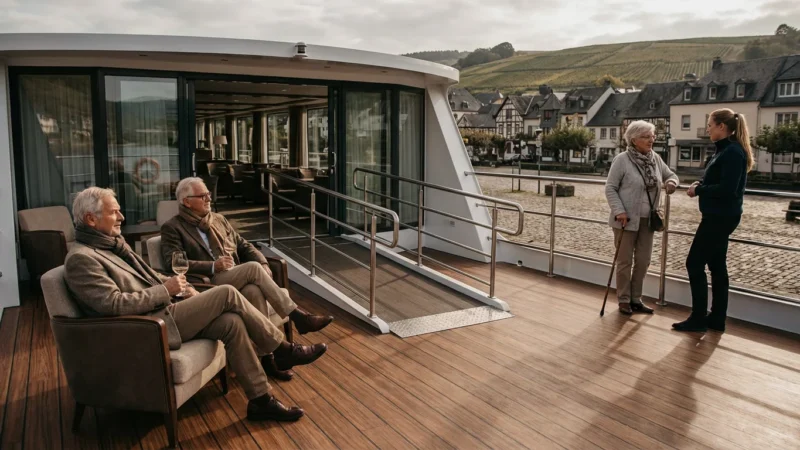
River cruises offer an intimate, immersive way to explore inland destinations, often docking directly in city centers. They involve less motion than ocean cruises and focus heavily on culture and history.
- Viking River Cruises: As a leader in river cruising, Viking offers extensive itineraries across Europe, Asia, and beyond. They provide culturally rich experiences with included excursions, focusing on history, art, and local life.
- AmaWaterways: Known for innovation, AmaWaterways offers luxurious river cruises with unique amenities, including bikes for passenger use and spacious staterooms. They provide excellent dining and personalized service, appealing to active seniors.
- Road Scholar: While not exclusively a cruise line, Road Scholar offers educational and adventurous river and ocean voyages specifically designed for older adults. These trips combine travel with in-depth learning experiences led by expert guides. You can explore their diverse programs at Road Scholar.
Consider the following comparison table to quickly identify the key strengths of different cruise types:
| Cruise Type | Typical Ship Size | Atmosphere | Primary Focus | Ideal For |
|---|---|---|---|---|
| Luxury/Premium Ocean | Small to Medium | Refined, sophisticated | Enrichment, gourmet dining, destination immersion | Experienced travelers, foodies, those seeking personalized service |
| Mainstream Ocean | Medium to Large | Lively, diverse | Variety of activities, entertainment, value | First-time cruisers, multi-generational families, active explorers |
| River Cruises | Very Small | Intimate, culturally immersive | Destination exploration, local culture, history | Culture enthusiasts, those preferring calm waters, immersive experiences |

Decoding Cruise Itineraries: Finding Your Perfect Journey
The itinerary shapes your entire cruise experience, determining where you go, what you see, and the pace of your adventure. Thoughtful consideration of itinerary options ensures your voyage aligns with your travel aspirations.
While the process differs from road trip planning for seniors, both require a balance between scheduled activities and leisure time.
As you finalize your itinerary, ensure you have proper adventure travel insurance for seniors to protect yourself against any unexpected travel disruptions.
While cruising simplifies logistics, navigating international travel as a senior still requires keeping your passport and visa requirements up to date.
Popular Itinerary Types for Seniors
- Caribbean Cruises: Offer relaxation, beautiful beaches, and accessible ports. They provide a warm escape, often with options for swimming, snorkeling, or simply enjoying the sun. Eastern, Western, and Southern Caribbean routes each offer unique islands and cultural flavors.
- Alaskan Cruises: Ideal for nature lovers and those seeking dramatic landscapes. You witness majestic glaciers, abundant wildlife like whales and bears, and stunning national parks. Many ships include scenic cruising through fjords and visits to charming frontier towns.
- Mediterranean and European Cruises: Perfect for history buffs and culture enthusiasts. These itineraries visit ancient ruins, world-class museums, and charming seaside villages. You explore iconic cities like Rome, Athens, Barcelona, and Venice, immersing yourself in centuries of history and art.
- River Cruises in Europe: Offer an intimate way to explore the heart of Europe. You travel along famous rivers like the Danube, Rhine, and Seine, docking directly in towns and cities. These cruises provide deep cultural immersion, often including walking tours and local experiences.
- Expedition Cruises: For the truly adventurous, expedition cruises venture to remote destinations like the Arctic, Antarctic, or the Galápagos Islands. These voyages focus on wildlife viewing, scientific exploration, and active excursions. They often involve smaller, sturdier ships and require a higher level of physical activity.
Length and Pace of Your Voyage
Consider the duration of your cruise and the balance between sea days and port days. Shorter cruises, typically 3-7 nights, serve as excellent getaways. Longer voyages, 10-14 nights or more, allow for deeper exploration and more relaxation time at sea.
A port-intensive itinerary means you visit a new destination almost daily, offering maximum sightseeing. Conversely, itineraries with more sea days provide opportunities to enjoy ship amenities, relax, and partake in onboard activities. Balance these factors with your energy levels and desire for exploration. For example, a transatlantic crossing offers many sea days, perfect for rest and rejuvenation.
Seasonality and Best Time to Cruise
The time of year significantly impacts your cruise experience. For instance, Alaskan cruises run primarily from May to September when temperatures are mildest. Caribbean cruises operate year-round, but hurricane season from June to November requires careful consideration of travel insurance.
European river cruises typically run from spring to late autumn, with Christmas market cruises being popular in December. Researching the best time to visit your chosen destination helps ensure pleasant weather and optimal conditions for your planned activities.

Accessibility and Special Needs: Cruising Comfortably
Modern cruise lines prioritize accessibility, ensuring guests with mobility challenges or special needs enjoy a comfortable and fulfilling vacation. When planning your senior cruise, openly communicate your requirements to the cruise line and your travel agent.
Most ships offer a selection of accessible cabins designed with wider doorways, roll-in showers, grab bars, and ample maneuvering space. These cabins often sell out quickly, so booking well in advance is crucial. You confirm specific features directly with the cruise line to ensure they meet your needs.
Public areas on most ships, including restaurants, lounges, and theaters, are wheelchair-accessible. You find ramps, elevators, and accessible restrooms throughout the vessel. However, shore excursions and tender operations (transferring from ship to shore in smaller boats) may present limitations. Inquire about the accessibility of specific ports and tours before booking.
Cruise lines also accommodate various dietary restrictions. Inform them of your needs well in advance, and the culinary team typically works with you to provide suitable meal options. For medical considerations, inquire about onboard medical facilities, which range from basic infirmaries to fully equipped medical centers with doctors and nurses. Carry copies of your prescriptions and a list of your medications. The Centers for Disease Control and Prevention (CDC) offers valuable travel health advice you can review at CDC Travelers’ Health.

Smart Planning and Budgeting for Your Senior Cruise
Thoughtful planning and smart budgeting allow you to maximize your cruise value and enjoy a stress-free experience. Finding affordable cruises for seniors involves strategic booking and understanding what is included in your fare.
Booking Strategies for Affordable Cruises
To find affordable cruises, consider booking during the “wave season,” typically January through March, when cruise lines offer their best promotions. Early bird bookings, often 6-12 months in advance, also secure favorable pricing and cabin choices. Conversely, last-minute deals sometimes appear, particularly for less popular itineraries, but cabin selection is limited.
Working with a reputable travel agent specializing in cruises is highly beneficial. They often have access to exclusive senior discounts, group rates, and perks that you might not find independently. Agents also navigate the complexities of booking and manage any unforeseen changes. Many travel agents are also AARP members and can combine discounts, which you can learn more about on AARP Travel.
Understanding Inclusions and Exclusions
Cruise fares often vary widely based on what they include. A basic fare typically covers your cabin, meals in the main dining rooms and buffet, and most onboard entertainment. However, many items come at an additional cost.
Be aware of common exclusions such as specialty restaurants, alcoholic beverages, soda packages, shore excursions, gratuities, spa treatments, and Wi-Fi. Some premium and luxury lines offer all-inclusive packages that bundle many of these extras, which may be a better value for you. Calculate the total estimated cost, including these potential add-ons, to get an accurate budget.
Importance of Travel Insurance
Travel insurance is a non-negotiable expense for senior cruisers. It protects your financial investment against unforeseen events like trip cancellation, medical emergencies, or lost luggage. Given the potential complexities of travel and health considerations, a comprehensive policy provides invaluable peace of mind. Compare policies carefully to ensure adequate coverage for your specific health situation and travel plans.
Packing Tips for Your Cruise Adventure
Packing efficiently enhances your comfort and convenience. Cruise dress codes vary, ranging from casual to formal, so check your cruise line’s guidelines. Focus on versatile clothing items you can mix and match.
Cruise Packing Essentials
- Comfortable walking shoes for exploring ports.
- Layered clothing to adapt to varying temperatures.
- Swimsuit, if you plan to use pools or beaches.
- Dressier outfits for formal nights, if applicable.
- Sunscreen, sunglasses, and a wide-brimmed hat.
- Any necessary medications, in their original containers, in your carry-on bag.
- Copies of important documents (passport, insurance, prescriptions).
- Portable phone charger.
- Small daypack for shore excursions.
- Binoculars for wildlife viewing or scenic cruising.
- Motion sickness remedies, if prone to seasickness.

Health and Safety Onboard and Ashore
Your health and safety remain paramount throughout your senior cruise adventure. Proactive measures ensure a worry-free and enjoyable experience both on the ship and during port visits.
Pre-Travel Health Check-ups
Before any significant travel, consult your healthcare provider. Discuss your itinerary, any specific health concerns, and ensure your vaccinations are up to date. Your doctor can advise on managing chronic conditions while traveling, potential health risks at your destinations, and any necessary preventative medications. For example, if visiting regions with specific health advisories, your doctor can provide guidance on precautions.
Medication Management
Always pack an ample supply of all your medications in your carry-on bag, enough for the entire trip plus a few extra days. Keep them in their original pharmacy containers with clear labels. Carry copies of your prescriptions and a letter from your doctor explaining your medical conditions and prescribed medications, especially if you carry controlled substances or medical devices. This prevents issues at customs and assists in case of a medical emergency.
Staying Active and Hydrated
Cruises offer many opportunities to stay active. Utilize the ship’s gym, participate in walking groups, or simply take stairs instead of elevators. Staying hydrated is also crucial, particularly in warm climates. Drink plenty of water throughout the day, avoiding excessive alcohol or sugary drinks. Moderation helps maintain your energy levels and overall well-being.
Port Safety Tips
When exploring ports of call, prioritize your safety. Stay aware of your surroundings and keep valuables secure and out of sight. Research local customs and dress codes before disembarking. Stick to well-trafficked areas and reputable tour operators. Avoid venturing alone into unfamiliar areas, especially after dark. Always carry a copy of your passport, not the original, and the ship’s contact information. This ensures you navigate ports confidently and safely.
“The world is a book and those who do not travel read only one page.” – Saint Augustine

Making the Most of Your Cruise Experience
A cruise offers a canvas for creating unforgettable memories. Embrace the journey and actively seek out opportunities that enrich your travel experience. Making the most of your cruise means engaging with both the ship and the destinations.
Embrace Enrichment Programs and Social Activities
Many cruise lines offer a rich array of enrichment activities, from cooking demonstrations and language classes to lectures on local history and culture. Participate in these programs; they deepen your understanding of the places you visit and provide engaging ways to spend sea days. Join social events like happy hours, game nights, or themed parties. These provide excellent opportunities to meet fellow passengers and expand your social circle. You might discover shared interests and form lasting friendships.
Explore Independently or Join Ship Excursions
When in port, you have choices for exploration. Ship-organized excursions offer convenience, guided tours, and guaranteed return to the ship before departure. These are often a safe and easy option, particularly for first-time visitors or those with mobility concerns.
Alternatively, explore independently. Research port attractions beforehand, arrange private tours, or use local transportation. This provides flexibility and a more authentic experience. Always ensure you allow ample time to return to the ship before its scheduled departure. Never underestimate traffic or unexpected delays.
Document Your Adventure
Capture the magic of your cruise through photos, journaling, or even starting a travel blog. These records serve as cherished reminders of your adventures and allow you to share your experiences with loved ones. Reviewing your memories after the trip brings back the joy and excitement of your journey. Sharing your stories can inspire others to embark on their own senior adventures.
Frequently Asked Questions
What are the best cruise lines for seniors who want a quiet, relaxing trip?
For a quiet and relaxing trip, consider luxury and premium lines like Oceania Cruises, Viking Ocean Cruises, and Azamara. These lines typically feature smaller ships, an older demographic, fewer children, and a focus on enrichment, fine dining, and longer port stays, allowing for a more serene pace. River cruises from lines like Viking River Cruises or AmaWaterways also offer a calm, intimate experience.
How do seniors find affordable cruises without sacrificing comfort?
Seniors find affordable cruises by booking during “wave season” (January-March) or well in advance for early bird deals. Consider itineraries during shoulder seasons, just before or after peak travel times, when prices are lower. Work with a travel agent who often has access to senior discounts, group rates, and added perks. Look for mainstream lines like Holland America or Princess, which offer great value with a wide range of amenities.
Is travel insurance necessary for senior cruisers?
Yes, travel insurance is highly recommended, even necessary, for senior cruisers. It protects your financial investment against unexpected events such as trip cancellation, medical emergencies, or lost luggage. Given potential health considerations or unforeseen travel disruptions, a comprehensive policy provides crucial peace of mind and covers significant costs that could otherwise arise.
What should seniors with mobility issues know before booking a cruise?
Seniors with mobility issues should prioritize accessible cabins and ensure public areas of the ship are navigable. Contact the cruise line directly or work with a travel agent to confirm specific accessibility features, such as roll-in showers and grab bars. Inquire about tender operations in ports, as these transfers to shore may be difficult or impossible for some. Always communicate your needs well in advance to ensure the cruise line can accommodate you fully.
What types of activities are available for seniors on most cruises?
Most senior-friendly cruise lines offer a diverse range of activities. You find enrichment lectures, cooking demonstrations, dance classes, trivia, live music, theater shows, and movies. Fitness centers, swimming pools, and spas are standard. Many also provide quiet lounges, libraries, and card rooms for relaxation. Shore excursions cater to various activity levels, from strenuous hikes to scenic bus tours.
How can seniors stay healthy and safe on a cruise?
To stay healthy, consult your doctor before travel, ensure all vaccinations are current, and pack all medications in your carry-on with extra supply. Stay hydrated, eat balanced meals, and utilize the ship’s fitness options. For safety, be aware of your surroundings in ports, secure valuables, and carry copies of important documents. Adhere to ship safety briefings and guidelines. Most ships have medical staff onboard for emergencies.
Disclaimer: This article is for informational purposes only. Travel conditions, accessibility, and requirements change frequently. We encourage readers to verify current information with official sources before traveling. Always consult with healthcare providers about travel considerations for your specific health situation.








Leave a Reply