
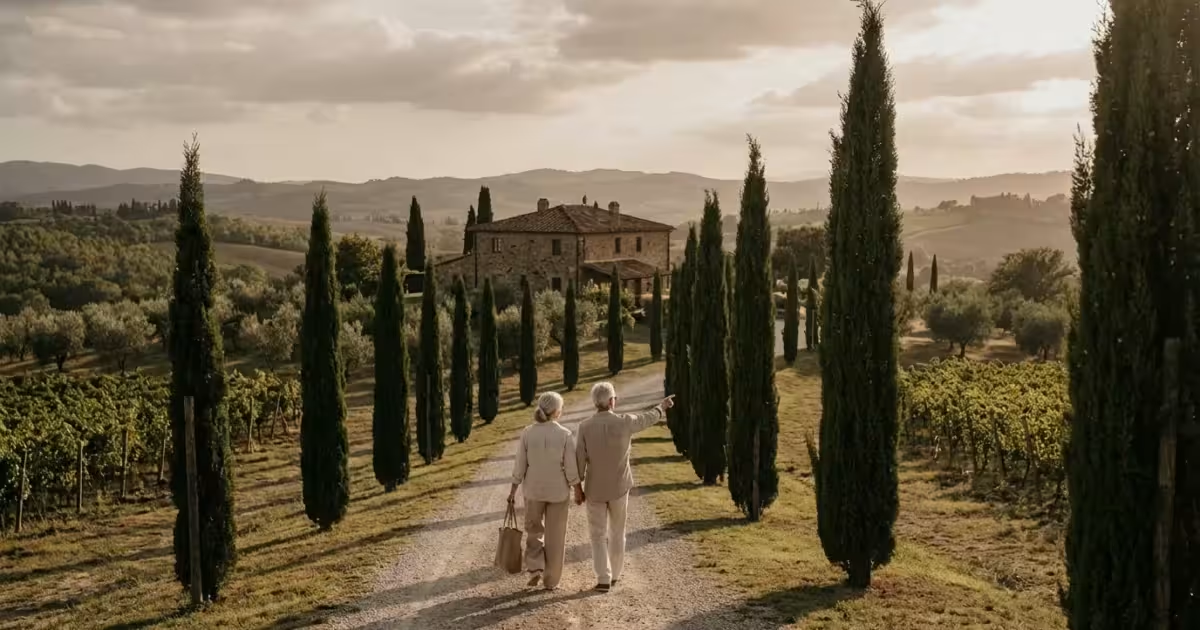
Imagine waking to the gentle Tuscan sun, sipping authentic espresso, and gazing at rolling hills dotted with cypress trees. You are not rushing from one landmark to the next. Instead, you are savoring every moment, deeply connecting with the culture, food, and people of the Italian countryside. This is the essence of slow travel, and Tuscany Italy offers the perfect canvas for seniors seeking a truly enriching and relaxed adventure.
While Italy is a classic choice, Portugal’s Algarve coast is another fantastic European destination offering sun and scenery for senior travelers.
SeniorLifeAdventures.com empowers you to explore the world on your terms. This guide provides actionable steps and insights for planning your unforgettable slow travel experience in Tuscany, ensuring comfort, enjoyment, and authentic discovery. We celebrate your adventurous spirit and offer practical advice to make your dreams a reality.
Table of Contents
- What is Slow Travel, and Why is it Perfect for Seniors in Tuscany?
- Planning Your Tuscan Slow Travel Adventure
- Choosing Your Tuscan Home Base: Best Towns for Seniors
- Navigating Tuscany: Senior-Friendly Transportation
- Embracing the Tuscan Lifestyle: Activities and Experiences
- Practical Tips for a Smooth Tuscan Getaway
- Budgeting for Your Tuscan Dream
- Frequently Asked Questions
- Ready to Savor Tuscany?
What is Slow Travel, and Why is it Perfect for Seniors in Tuscany?
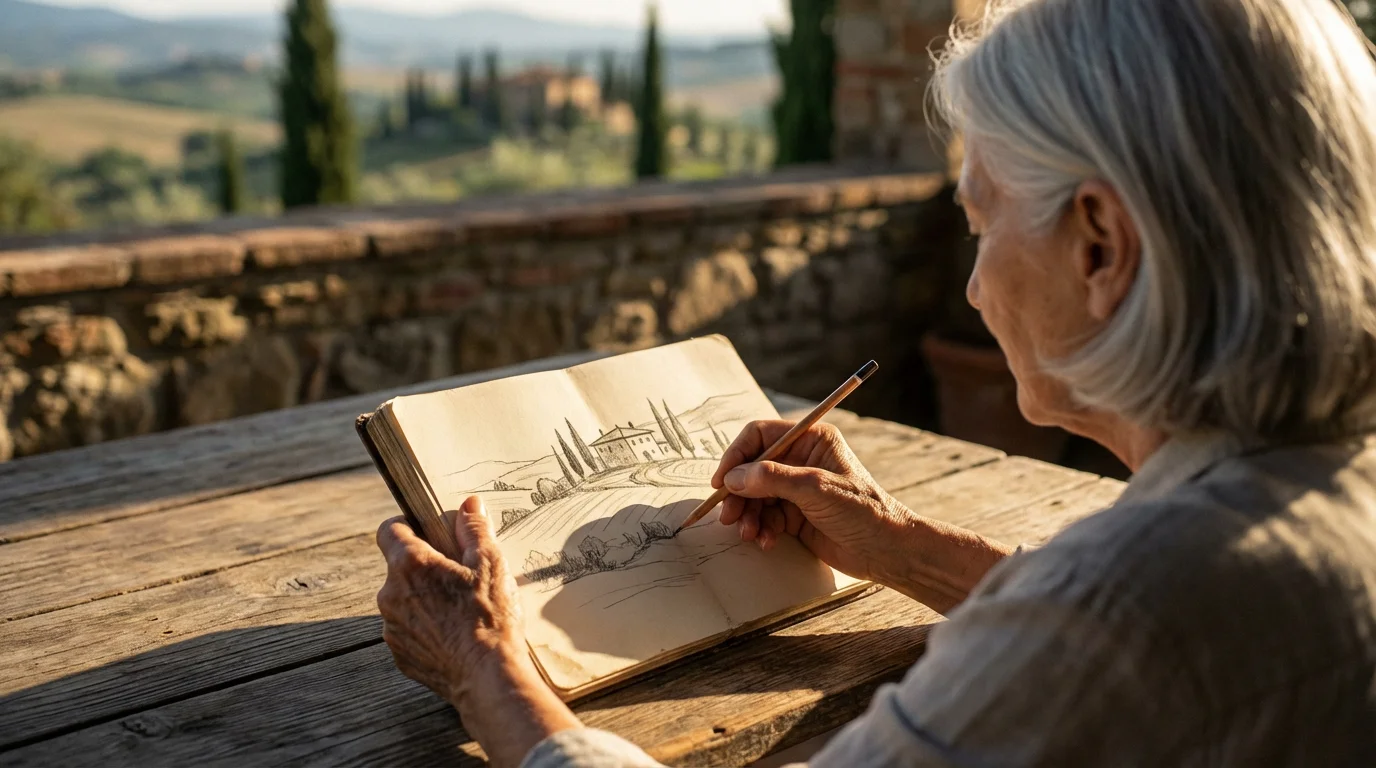
Slow travel emphasizes connection, immersion, and taking your time. It is the opposite of a whirlwind tour, focusing on quality experiences over quantity of sights. You linger longer in one place, allowing the rhythm of local life to become your own.
For those who enjoy this leisurely approach, exploring the lavender fields of Provence offers another wonderful retreat in the European countryside.
This approach aligns perfectly with the desires of many seniors. It minimizes stress, reduces physical demands associated with constant movement, and provides ample opportunity for relaxation. For seniors exploring Tuscany Italy, slow travel transforms a trip into an authentic living experience.
The Italian countryside, with its tranquil villages and picturesque landscapes, invites unhurried exploration. You discover hidden gems, forge genuine connections, and truly unwind. This travel style supports active aging through deeper engagement and less exhaustion.
The world is a book and those who do not travel read only one page. — Saint Augustine
Planning Your Tuscan Slow Travel Adventure
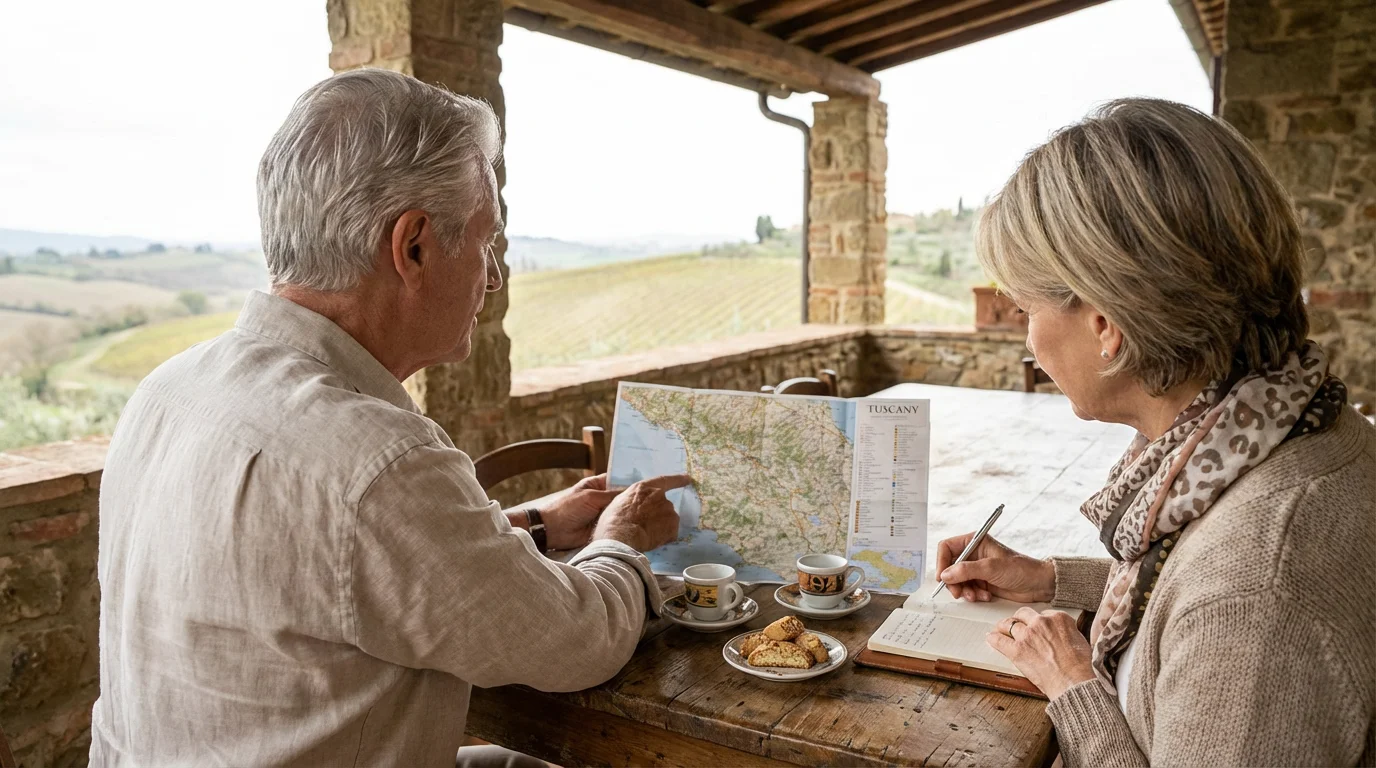
Effective planning ensures a smooth and enjoyable slow travel experience. This step-by-step guide helps you lay the groundwork for your Tuscan escape.
Planning solo senior adventures requires a bit more focus on safety and staying connected, but the rewards of independent travel are immense.
- Define Your Trip Length and Budget: Slow travel often involves longer stays, perhaps two to four weeks, to truly settle in. Research typical costs for accommodation, food, and activities to create a realistic budget. Consider travel insurance, which is especially important for international trips.
- Choose Your Travel Season: Spring (April-May) and Fall (September-October) offer ideal weather in Tuscany, avoiding summer crowds and heat. These seasons provide pleasant temperatures for exploring and enjoying the Italian countryside.
- Select Your Main Base: Rather than moving every few days, pick one or two central locations as your “home bases.” From there, you can take day trips to nearby towns. This minimizes packing and unpacking, creating a more relaxed pace.
- Book Accommodation: Opt for an apartment, villa, or agriturismo (farm stay) with kitchen facilities. This allows you to live more like a local, shop at markets, and prepare some of your own meals, enhancing the slow travel experience. Websites like Airbnb, Booking.com, or local Tuscan rental agencies offer many options.
- Plan Transportation: Decide how you will get to Tuscany and how you will navigate the region. We cover this in more detail later, addressing “how do seniors get around Tuscany.” Booking flights and major train tickets well in advance often secures better prices.
- Consider Travel Insurance: Comprehensive travel insurance protects your investment against cancellations, medical emergencies, and lost luggage. Review policies carefully to ensure they meet your specific needs.
- Prepare Health and Safety Documents: Ensure your passport is valid for at least six months beyond your planned return date. Consult your doctor about necessary vaccinations and any required prescriptions. Pack copies of important documents separately. The CDC offers detailed Travelers’ Health advice for Italy. You can find this information at https://wwwnc.cdc.gov/travel/.
Choosing Your Tuscan Home Base: Best Towns for Seniors
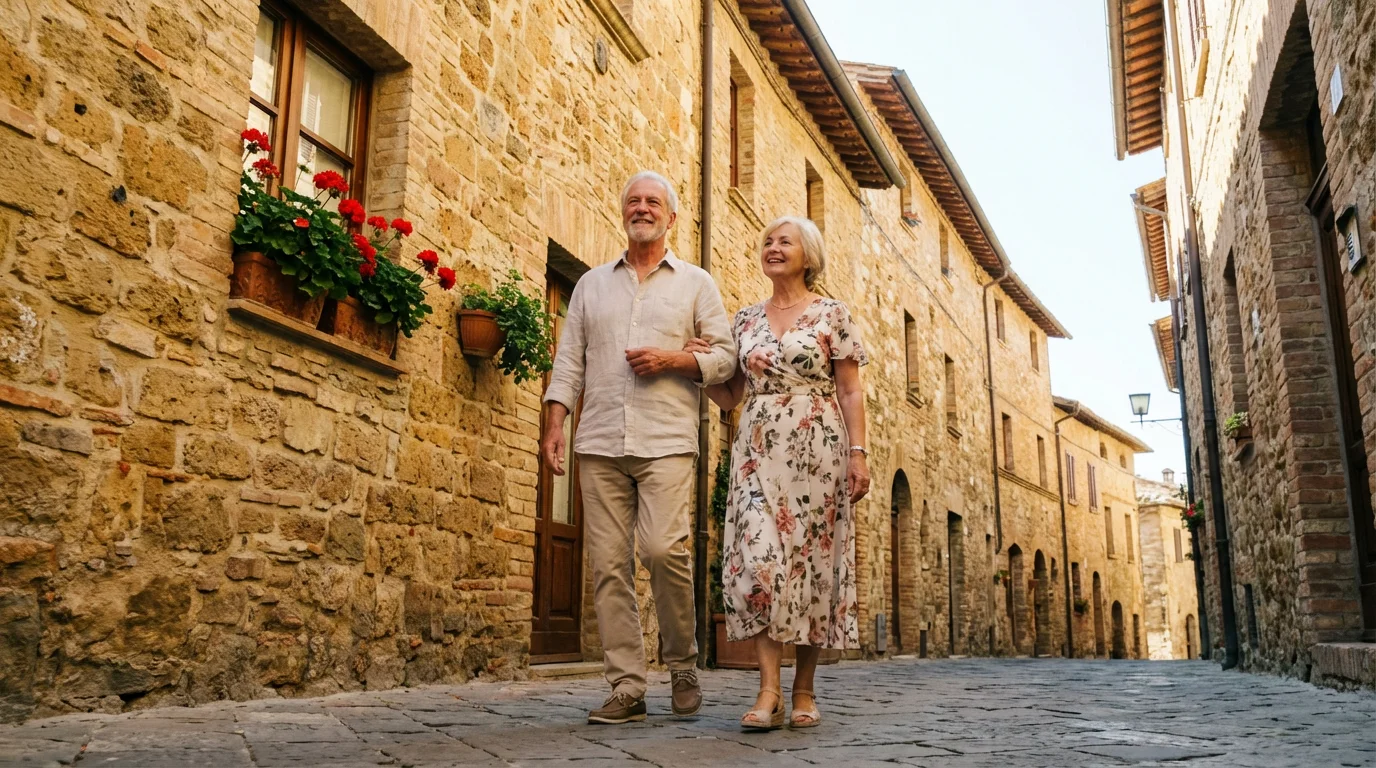
Selecting the right town as your base is crucial for slow travel in the Italian countryside. Consider accessibility, local amenities, and the atmosphere that best suits your preferences. These are some of the best Tuscan towns for seniors, offering a blend of beauty, convenience, and charm.
If you have concerns about getting around, you can find more information on travel options for seniors with limited mobility to help you choose the best location.
- Siena: This medieval hill town offers a captivating atmosphere with its central Piazza del Campo. It is walkable, though some hills exist, and offers excellent bus connections to other towns. You find a strong sense of community and rich history.
- Florence: While a larger city, Florence provides excellent cultural immersion, world-class museums, and diverse dining. Use its efficient public transport system and settle into a neighborhood outside the busiest tourist areas for a slower pace. Florence is a great hub for train travel.
- Lucca: Famous for its intact Renaissance walls, Lucca is wonderfully flat and perfect for walking or cycling. The city center is calm, offers lovely plazas, and provides easy access to coastal areas or other northern Tuscan towns.
- Montepulciano: A classic hilltop town known for its Vino Nobile wine, Montepulciano offers stunning views and a charming historic center. While hilly, its compact size allows for pleasant strolls and many wine tasting opportunities.
- Pienza: A UNESCO World Heritage site, Pienza is the “ideal Renaissance town,” famous for its pecorino cheese. It is smaller, very walkable, and offers breathtaking views of the Val d’Orcia, ideal for a tranquil experience.
- Cortona: Perched on a hill, Cortona provides panoramic views and a serene, ancient ambiance. It has fewer crowds than some larger towns, and offers a real sense of local life, though its steep streets require comfortable shoes.
Consider the table below when weighing your options for a home base:
| Town | Vibe | Accessibility/Terrain | Key Attractions for Seniors |
|---|---|---|---|
| Siena | Medieval, vibrant | Walkable, some hills; good bus hub | Piazza del Campo, Duomo, local markets |
| Florence | Artistic, bustling | Excellent public transport; flat city center | Uffizi, David, culinary scene, train connections |
| Lucca | Relaxed, charming | Very flat, ideal for walking/cycling | City walls, churches, pedestrian-friendly streets |
| Montepulciano | Historic, wine-focused | Hilly, compact center | Wine cellars, panoramic views, Renaissance architecture |
| Pienza | Picturesque, serene | Very walkable, small town | Pecorino cheese, Val d’Orcia views, charming squares |
| Cortona | Ancient, tranquil | Steep hills, authentic feel | Etruscan museum, panoramic views, local eateries |
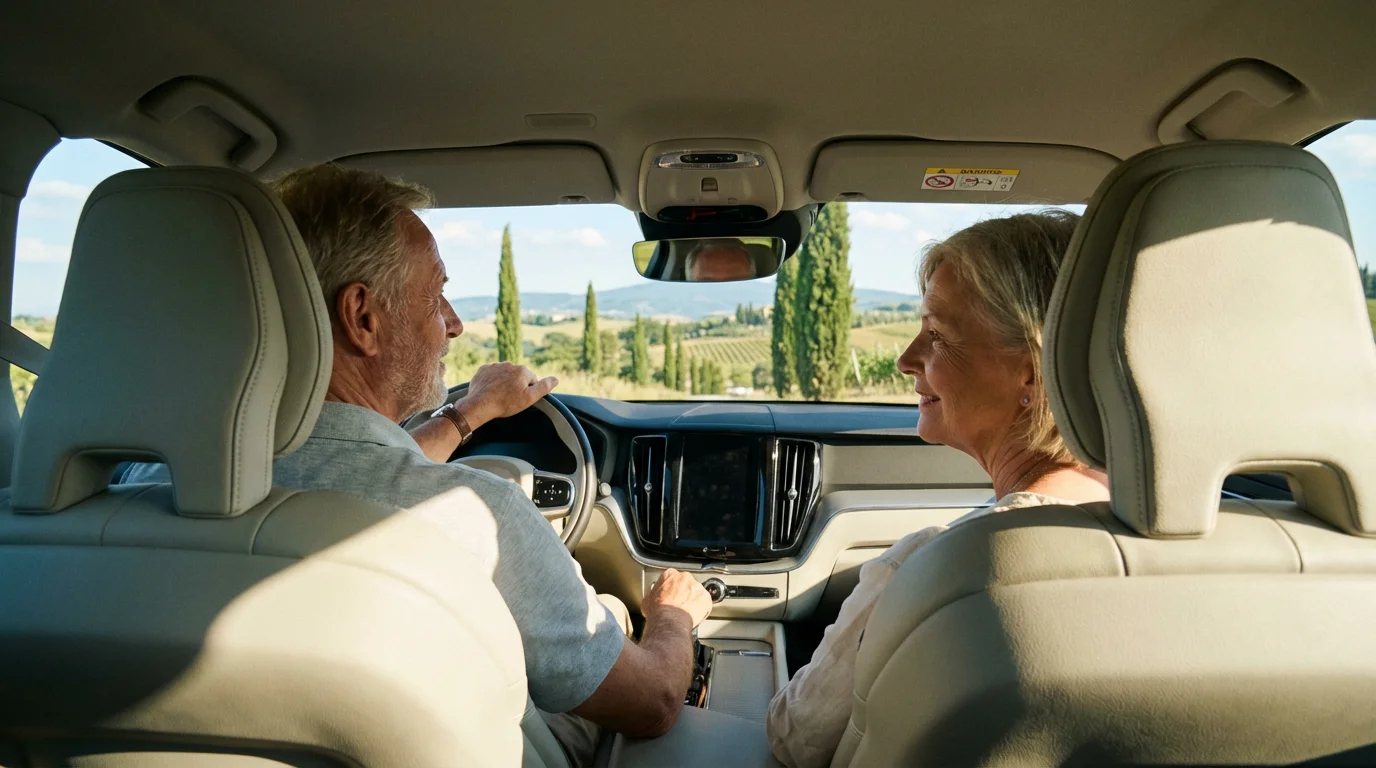
Navigating Tuscany: Senior-Friendly Transportation
Understanding how seniors get around Tuscany is key to a comfortable and stress-free trip. Your transportation choice depends on your comfort level, desired flexibility, and budget.
Rental Cars:
Renting a car offers the most flexibility, allowing you to explore the Italian countryside at your own pace. You can stop whenever you wish to admire views or visit small villages. Consider an automatic transmission if you are not comfortable with manual. Secure an International Driving Permit before you leave.
Be aware that driving in Italy, especially in city centers, involves ZTLs (Limited Traffic Zones) which incur hefty fines if entered without permission. Many smaller towns also have narrow, winding roads. Consider renting a smaller car for easier navigation.
Trains and Buses:
Italy boasts an excellent, affordable public transportation network. Trains connect major cities like Florence, Siena, and Pisa, offering comfortable and scenic journeys. Buses fill the gaps, reaching smaller towns where train lines do not extend.
This option is ideal if you prefer not to drive. It also allows you to relax and enjoy the scenery. Purchase tickets in advance online or at train stations, and remember to validate them before boarding to avoid fines.
Private Drivers or Tours:
For ultimate convenience and comfort, consider hiring a private driver for day trips or transfers between towns. This eliminates navigation stress and allows you to enjoy the views. Group tours, like those offered by Road Scholar, often include transportation and offer structured itineraries, which some seniors prefer. You can explore options at https://www.roadscholar.org/.
E-Bikes and Walking:
For local exploration in flatter towns like Lucca, e-bikes provide a fun and accessible way to cover ground without excessive exertion. Many towns are also wonderfully walkable, encouraging leisurely strolls to discover local shops, cafes, and historical sites.
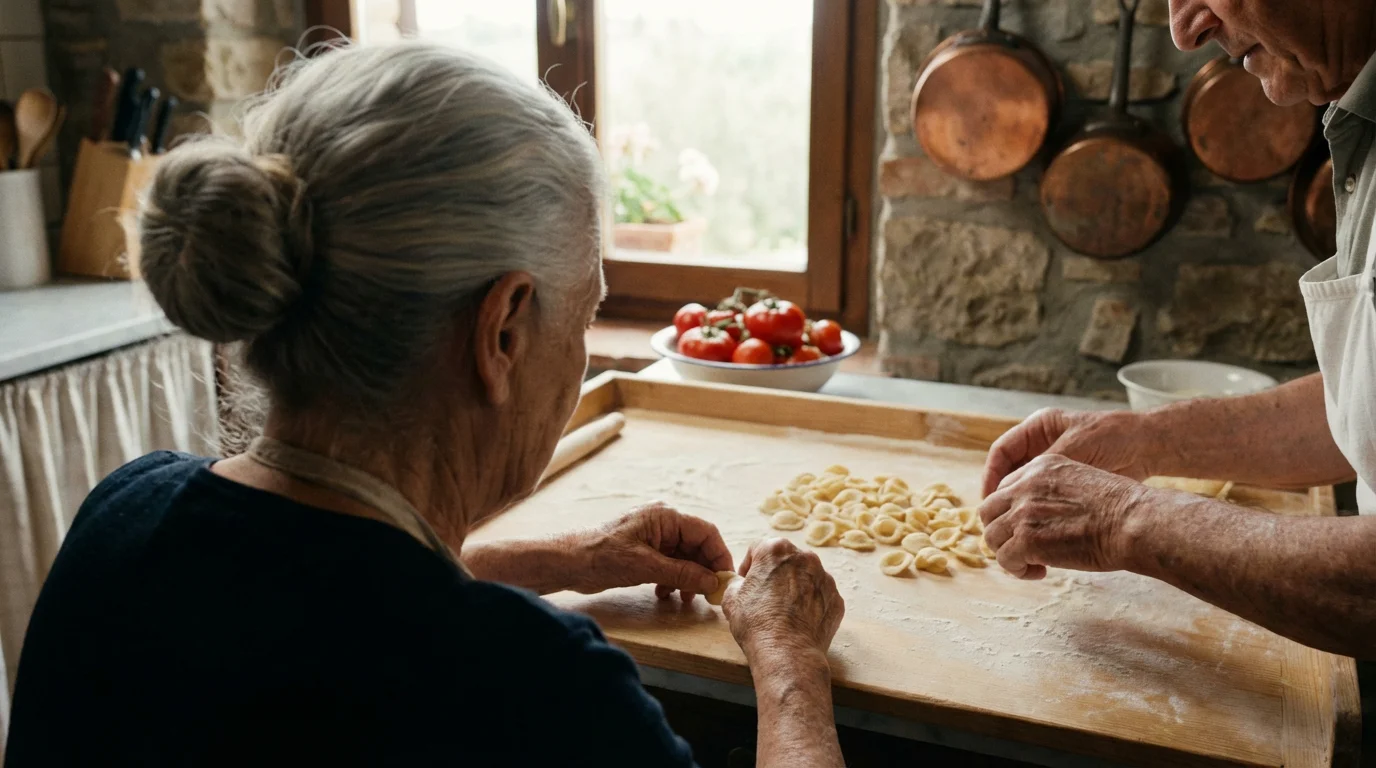
Embracing the Tuscan Lifestyle: Activities and Experiences
Slow travel in Tuscany means fully immersing yourself in the region’s rich culture. Focus on experiences that allow for engagement and enjoyment at a relaxed pace.
For those who want to see the scenery on foot, senior-friendly hiking trails through the vineyards offer a gentle way to stay active.
This region is ideal for learning a new skill on your adventures, whether it is culinary techniques or regional history.
- Culinary Delights: Take a cooking class to learn traditional Tuscan recipes. Visit local markets to select fresh ingredients, then prepare a meal with newfound friends. Enjoy long, leisurely lunches and dinners, savoring regional wines and olive oils.
- Wine Tasting: Explore the vineyards of Chianti, Montalcino, or Montepulciano. Many wineries offer guided tours and tastings, often with stunning views. You can enjoy the experience without rushing, appreciating the nuances of local production.
- Gentle Walks and Nature: Stroll through olive groves, vineyards, or the charming streets of a medieval village. Look for walking paths that are well-maintained and relatively flat. The beauty of the Italian countryside is best appreciated on foot.
- Art and History: Visit museums and churches at your own pace. Rather than trying to see everything, choose a few key sites that genuinely interest you. Spend time absorbing the art and history without feeling rushed.
- Photography: Tuscany offers endless photographic opportunities. Take time to capture the golden light, rolling hills, and architectural details. It is a wonderful way to document your slow travel journey.
- Connect with Locals: Learn a few basic Italian phrases. Engage with shopkeepers, cafe owners, and fellow travelers. These small interactions enrich your experience and provide authentic insights into Tuscan life.
Practical Tips for a Smooth Tuscan Getaway
Ensuring your comfort and safety makes all the difference in a relaxing trip. Follow these practical tips for a seamless slow travel adventure in the Italian countryside.
Packing Smart for Comfort:
- Comfortable Footwear: You will do a lot of walking, even with slow travel. Pack two pairs of supportive, broken-in shoes suitable for uneven cobblestone streets and light trails.
- Layered Clothing: Tuscan weather can change. Pack versatile layers, including light sweaters or jackets, to adapt to varying temperatures from morning to evening.
- Small Daypack: A lightweight backpack carries essentials like water, snacks, a camera, and a light jacket for day trips.
- Medications and Prescriptions: Carry all necessary prescription medications in their original containers in your carry-on bag. Bring copies of your prescriptions and a letter from your doctor.
- Power Adapters: Italy uses Type F (Schuko) and Type L (Italian) outlets. Bring appropriate adapters for your electronics.
Health and Safety Considerations:
- Stay Hydrated: Drink plenty of water, especially during warmer months. Carry a reusable water bottle and refill it frequently.
- Sun Protection: The Tuscan sun can be strong. Use high-SPF sunscreen, wear a wide-brimmed hat, and sunglasses.
- Pace Yourself: Listen to your body. Do not overschedule your days. Build in time for rest, naps, and leisurely breaks. Slow travel encourages this.
- Emergency Contacts: Keep a list of emergency contacts, your doctor’s information, and your insurance details readily accessible.
- Pickpocketing Awareness: Be vigilant in crowded tourist areas, especially on public transport. Use anti-theft bags and do not carry large amounts of cash. The U.S. State Department provides travel advisories and safety information for Italy at https://travel.state.gov/.
- Accessibility: Research accessibility for specific sites and accommodations if you have mobility challenges. Many older buildings in Italy may lack elevators or ramps.
Budgeting for Your Tuscan Dream
A well-planned budget allows you to enjoy your slow travel experience without financial worries. Tuscany can cater to various budgets, from luxurious villa stays to more modest apartment rentals.
Accommodation: Renting an apartment or agriturismo for a week or longer often provides better value than nightly hotel stays. Prices vary significantly based on location, season, and amenities. Expect to pay €80-€200 per night for a comfortable apartment outside major city centers.
Food: Eating out can be a significant expense. Embrace cooking at home with fresh ingredients from local markets. A meal at a modest restaurant might cost €20-€40 per person. Local pizzerias and casual trattorias offer more budget-friendly options.
Transportation: Public transport, including trains and buses, offers the most economical way to travel between towns. Renting a car incurs daily rental fees, fuel costs, and potential ZTL fines. Factor in the cost of day tours or private transfers if you choose those options.
Activities: Many of Tuscany’s best experiences, such as wandering medieval towns or enjoying scenic drives, are free. Budget for wine tastings, cooking classes, museum entry fees, and any guided tours you wish to join. These typically range from €30-€100+ per person per activity.
Contingency Fund: Always allocate an extra 10-15% of your total budget for unexpected expenses or spur-of-the-moment splurges. This ensures peace of mind.
Frequently Asked Questions
What is the best time of year for seniors to visit Tuscany?
The best times are spring (April-May) and fall (September-October). These seasons offer pleasant temperatures, fewer crowds than summer, and beautiful landscapes. You enjoy comfortable weather for sightseeing and outdoor activities.
Are Tuscan towns generally accessible for seniors with limited mobility?
Accessibility varies. Larger cities like Florence have good public transport, but many medieval hilltop towns feature steep streets, cobblestones, and stairs. Research specific town layouts and accommodations for ramps or elevators before booking. Lucca is a flatter, more accessible option.
Do I need to rent a car to explore the Italian countryside?
A rental car offers the most flexibility for exploring the Italian countryside at your own pace. However, Tuscany has a good public bus and train system connecting many towns. You can also utilize private drivers or guided tours if you prefer not to drive. Your choice depends on your comfort with driving abroad and desired independence.
What are some budget-friendly activities in Tuscany for seniors?
Many fantastic experiences are free or low-cost. These include exploring charming villages on foot, picnicking in scenic spots with market provisions, visiting local churches, and enjoying the beautiful views. Participating in a local festival or simply sitting in a piazza with a coffee offers rich cultural immersion without a high price tag.
How can I stay safe as a senior solo traveler in Tuscany?
Stay aware of your surroundings, especially in crowded areas. Inform someone of your itinerary. Keep important documents secure. Utilize reputable transportation services. Consider joining small group tours for some activities. Most importantly, trust your instincts and do not hesitate to ask for help if needed. The U.S. State Department provides valuable travel safety information.
What is the typical pace of life in Tuscany, and how can I adapt?
The pace of life in Tuscany is generally slower, especially outside major cities. Embrace this by allowing ample time for meals, enjoying long coffee breaks, and not rushing through activities. Shops often close for a mid-day riposo, or siesta, so plan your errands accordingly. This relaxed rhythm is a core part of the slow travel experience.
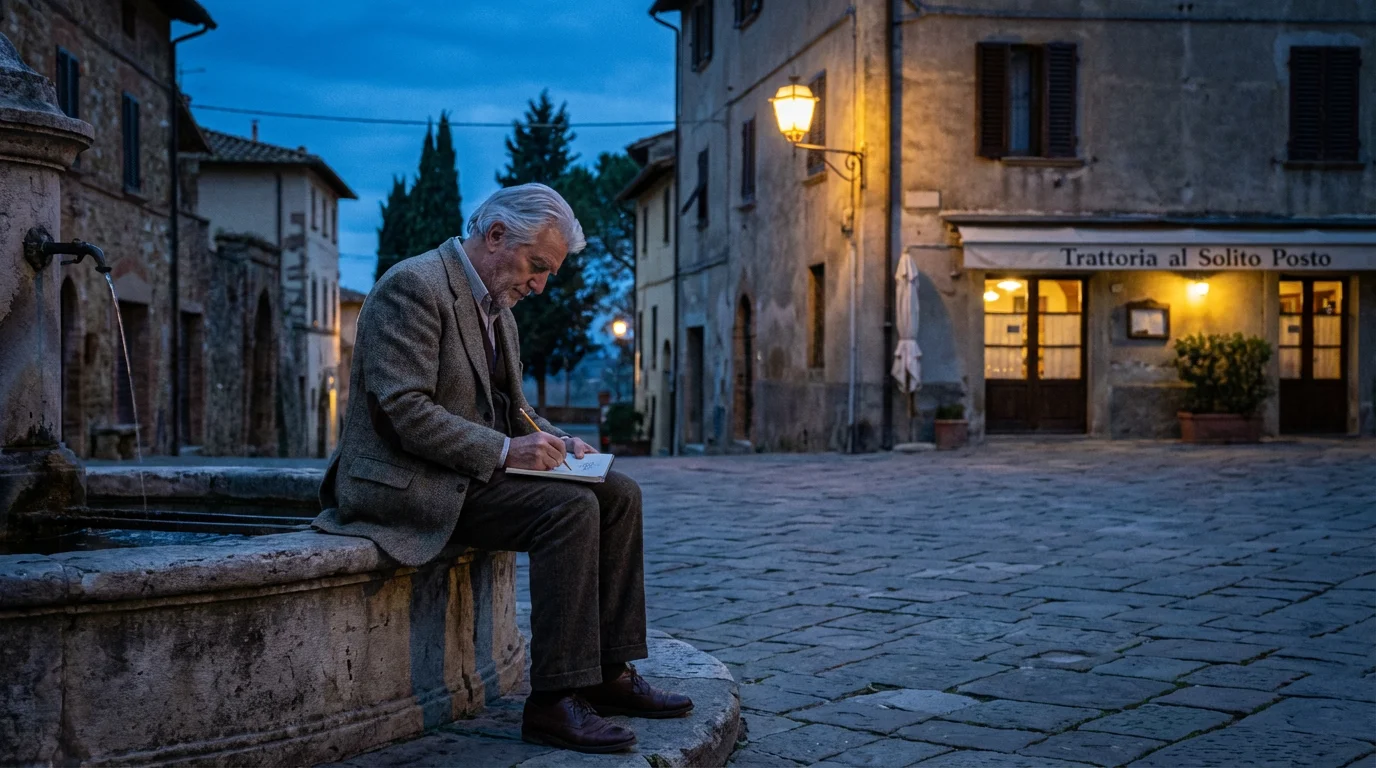
Ready to Savor Tuscany?
Tuscany offers an unparalleled experience for seniors seeking a relaxing yet enriching adventure. By embracing the principles of slow travel, you unlock a deeper connection to this magical region. You gain more than just memories; you gain a profound appreciation for life’s simpler, more beautiful moments.
If the logistics of land travel seem daunting, consider senior-friendly cruising as an alternative way to experience the Mediterranean’s coastal beauty.
Start planning your escape to the Italian countryside today. Choose your charming home base, visualize your unhurried days, and prepare to be enchanted by the timeless beauty of Tuscany. Your adventure awaits.
Disclaimer: This article is for informational purposes only. Travel conditions, accessibility, and requirements change frequently. We encourage readers to verify current information with official sources before traveling. Always consult with healthcare providers about travel considerations for your specific health situation.


Leave a Reply