
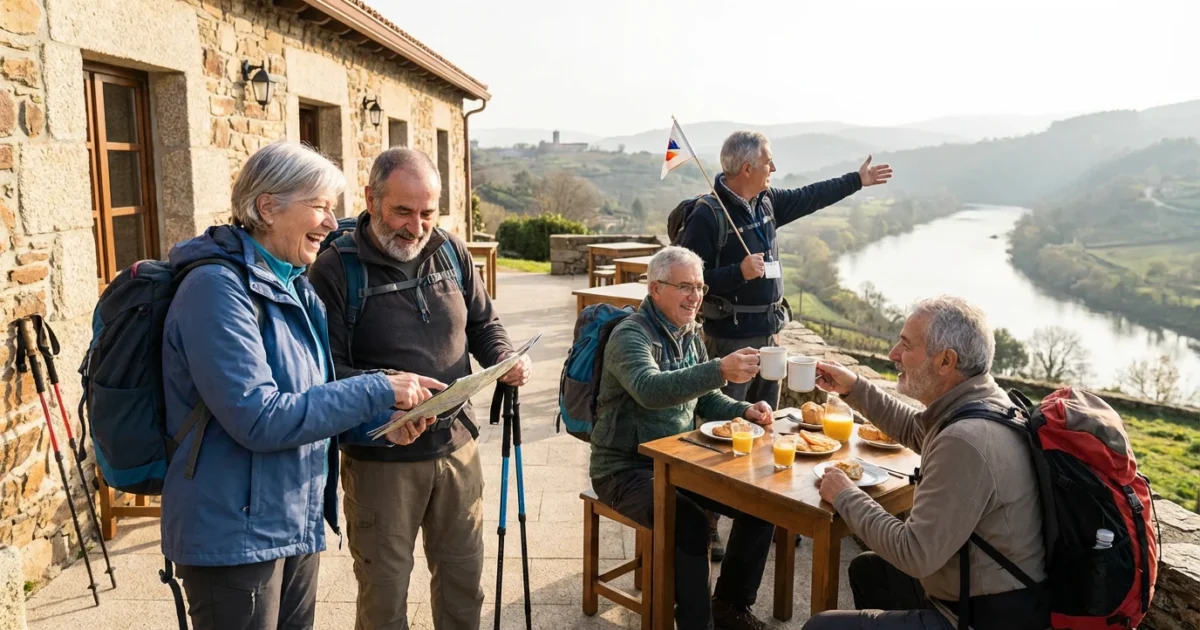
Embarking on a journey alone can feel daunting, especially when you envision shared laughter and camaraderie. Many active Americans 55 and older cherish the idea of exploration, yet the prospect of solo travel sometimes raises questions about companionship. You dream of discovering ancient ruins, hiking breathtaking trails, or savoring new cuisines, but you also want to share those moments. This is where senior tours offer a vibrant solution, providing structure, security, and a built-in community for your adventures.
Many travelers find that budget-friendly group tours are a great way to see the world without overspending.
You can embrace the freedom of solo exploration while enjoying the benefits of shared experiences. Group travel for seniors eliminates many logistical headaches, allowing you to focus purely on discovery. You gain immediate access to a network of like-minded individuals, transforming a solo trip into a communal adventure. This article explores how to maximize your experience on group travel as a solo senior, ensuring you find connection and joy every step of the way.
Table of Contents
- Why Group Tours Appeal to Solo Seniors
- Choosing the Right Group Tour
- Preparing for Your Solo Group Adventure
- Strategies for Connecting on Tour
- Navigating Dining and Downtime
- Safety and Well-being on Tour
- Budgeting for Your Group Tour
- Beyond the Tour: Maintaining Connections
- Benefits of Group Travel for Solo Seniors
- Frequently Asked Questions

Why Group Tours Appeal to Solo Seniors
Many solo seniors find themselves wondering, “are group tours good for solo seniors?” The answer is a resounding yes. Group tours offer a unique blend of independence and camaraderie. They address common concerns for individuals traveling alone, providing a safe and supportive environment.
It is also helpful to debunk common myths about senior group travel to better understand how these experiences really work.
Consider the logistical challenges of planning a complex itinerary, booking accommodations, and arranging transportation in an unfamiliar destination. Group tours handle these details for you. This means you dedicate your energy to enjoying the sights and sounds, not managing logistics.
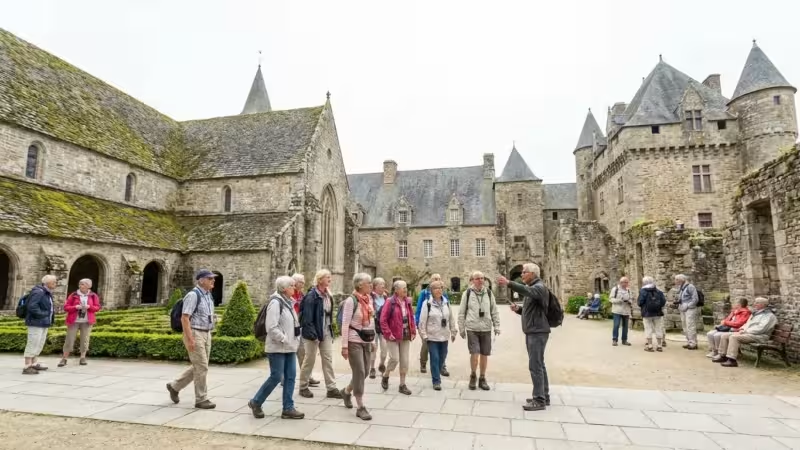
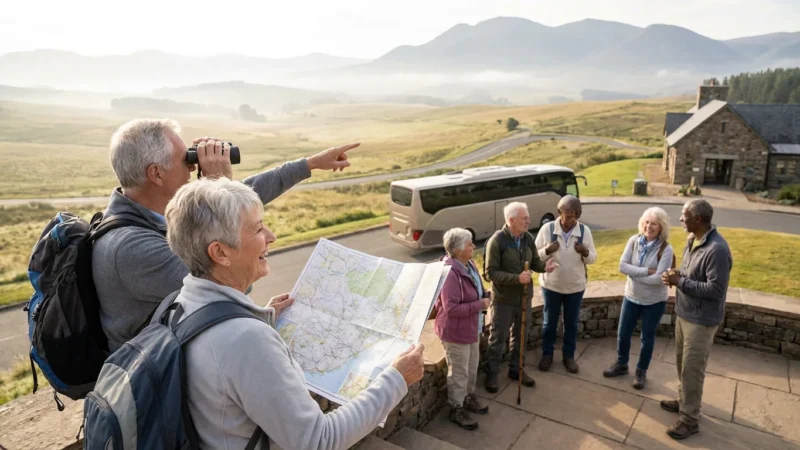
Furthermore, group tours often include expert guides who share invaluable local knowledge. They enhance your understanding of cultural nuances and historical contexts, enriching your overall experience. You gain deeper insights into your destinations, something often difficult to achieve independently.
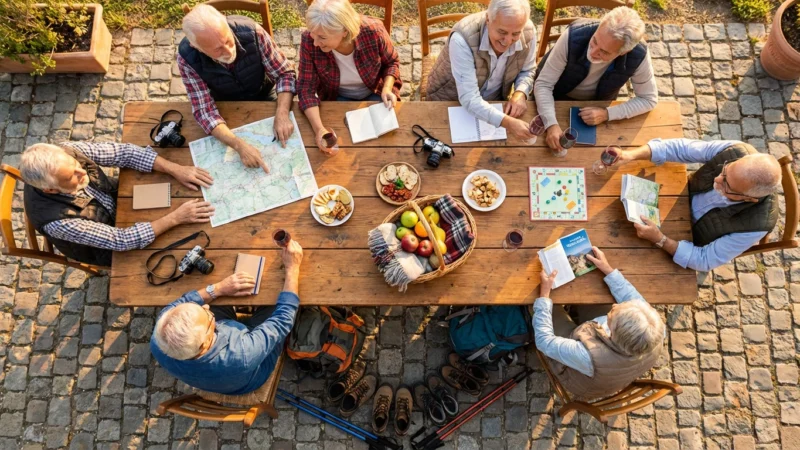
Finally, and perhaps most significantly, group tours immediately connect you with a cohort of fellow travelers. These individuals share your interests in exploration and discovery. This inherent social structure mitigates feelings of loneliness, fostering a sense of belonging from day one.
“Travel is more than the seeing of sights; it is a change that goes on, deep and permanent, in the ideas of living.”

Choosing the Right Group Tour
Selecting the ideal group tour is paramount to a fulfilling experience. Not all tours are created equal, and your preferences dictate which option serves you best. You must consider several factors before committing to a journey.
Additionally, those with limited mobility should look for accessible group tours for seniors that offer appropriate support and pacing.
Using a comprehensive senior group tour checklist can help you compare providers and find your ideal match.
First, evaluate the tour operator’s reputation. Look for companies specializing in senior travel, such as Road Scholar, which designs educational and active programs specifically for older adults. Read reviews from past participants, paying close attention to comments from solo travelers. This feedback provides authentic insights into the group dynamics and support offered.
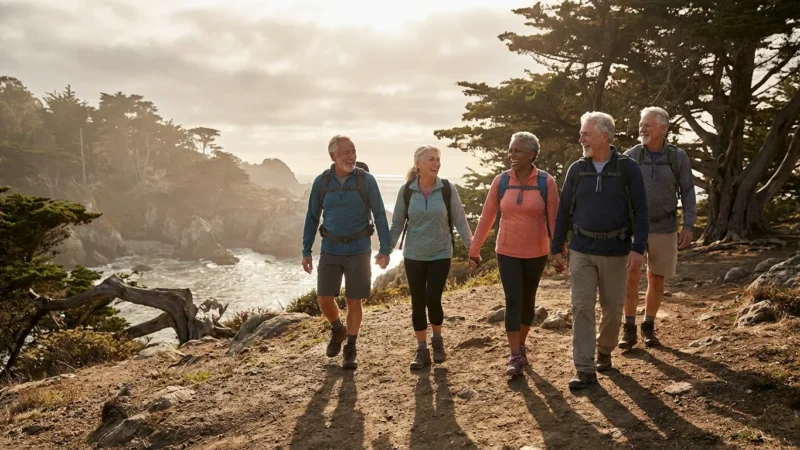
Next, assess the tour’s activity level and pace. Some tours involve extensive walking, hiking, or early morning starts. Others prioritize leisure and cultural immersion. Match the itinerary’s demands to your physical capabilities and desired travel style. An honest assessment ensures you enjoy every activity without feeling overwhelmed.
Consider the typical group size. Smaller groups often foster more intimate connections, while larger groups may offer a wider range of personalities to interact with. Understand the demographics a tour typically attracts. Some tours cater to specific interests, such as birdwatching, history, or culinary arts, naturally drawing individuals with shared passions.
Finally, examine the tour’s accommodations and dining arrangements. Do they offer single supplements, or are you expected to share a room? Are meals communal, providing opportunities for interaction, or are they often on your own? These practical details significantly impact your comfort and opportunities for connection.
Key Considerations When Researching Tour Operators:
- Specialization in senior travel.
- Reviews from solo travelers.
- Activity level and pace suitability.
- Average group size.
- Specific interests or themes.
- Accommodation and dining options.
- Inclusion of single supplements.
- Cancellation and refund policies.
Preparing for Your Solo Group Adventure
Thorough preparation ensures a smooth and enjoyable trip. Taking proactive steps alleviates potential anxieties and maximizes your capacity for fun. Your peace of mind starts long before you depart.
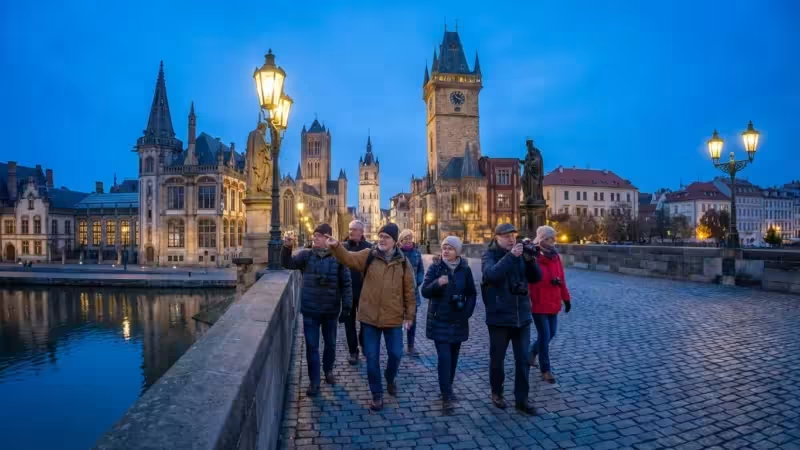
For those looking to cross a major destination off their bucket list, exploring Europe with a tour group can simplify the logistics of multi-city travel.
If this is your first time joining a cohort, learning how to prepare for your first senior group tour will set you up for success.
Start by organizing your essential documents. This includes your passport, visa if required, travel insurance details, and copies of all tour confirmations. Keep digital and physical copies separate for added security. Share your itinerary with a trusted friend or family member at home.
Next, focus on health preparations. Visit your doctor for a check-up, especially if you plan an active tour or travel internationally. Discuss any required vaccinations or preventive medications, such as those for motion sickness or traveler’s diarrhea. The CDC Travelers’ Health website offers country-specific health recommendations. Pack a sufficient supply of any prescription medications, along with a copy of your prescriptions.
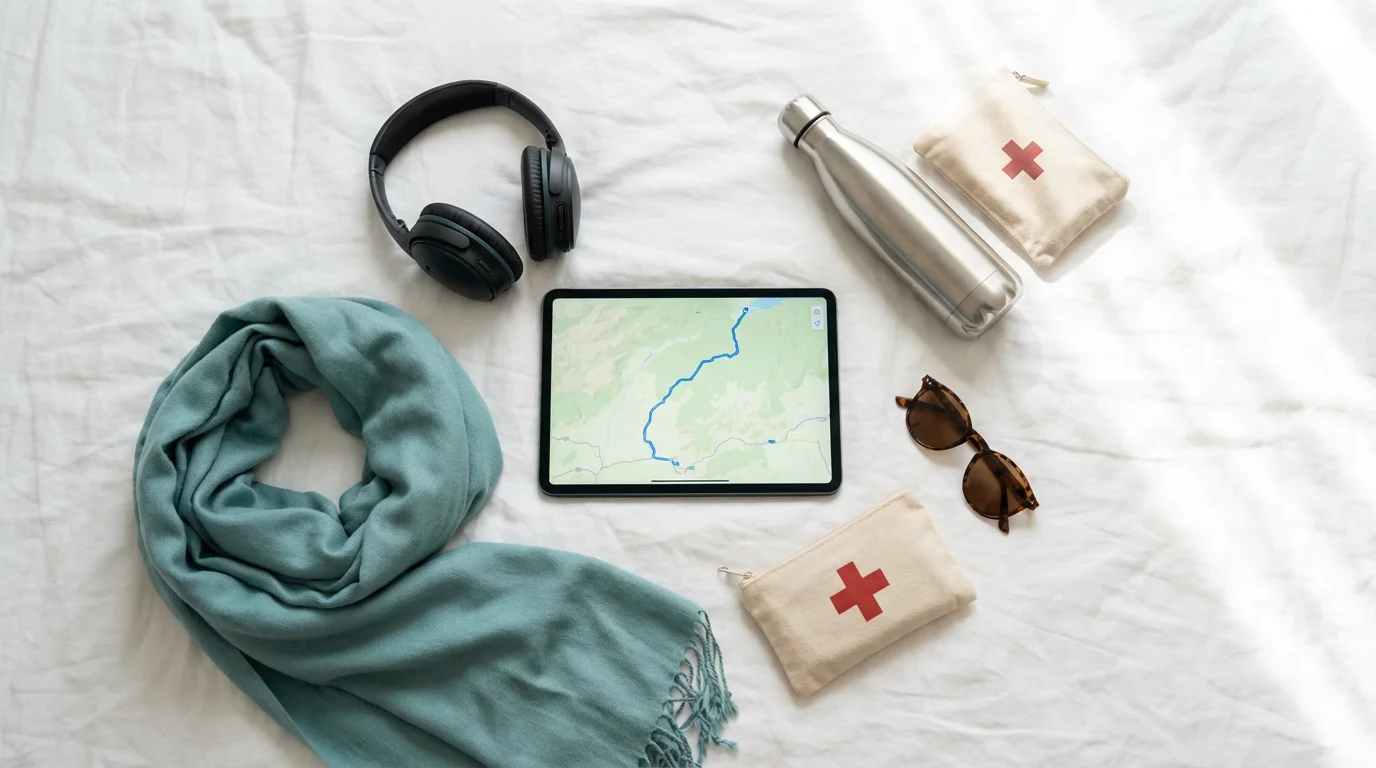
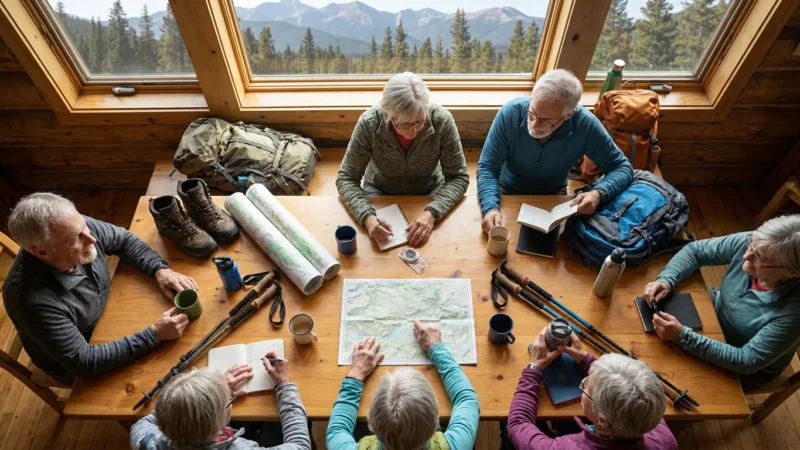
Pack smart for your group tour. Lay out your clothing and gear, considering the destinations, activities, and weather forecasts. Layering is always a wise strategy. Aim for versatility and comfort, remembering you will likely carry your own luggage at various points. A detailed packing list helps ensure you do not forget essentials.
Essential Packing List for a Group Tour:
- Comfortable walking shoes.
- Layered clothing for varying temperatures.
- Personal medications and first-aid kit.
- Reusable water bottle.
- Small daypack.
- Power bank for electronics.
- Copies of important documents (physical and digital).
- Travel adapter (for international trips).
- Earplugs and eye mask for rest.
- Small gifts or conversation starters (optional, but thoughtful).

Strategies for Connecting on Tour
How to meet people on a senior tour becomes a natural process when you adopt an open and proactive approach. Your fellow travelers are likely just as eager to connect as you are. Remember, you all chose a group tour for a reason, and that often includes a desire for companionship.
Start by simply introducing yourself. A warm smile and a direct introduction break the ice instantly. Share a brief detail about why you chose this particular trip. “Hi, I’m [Your Name], and I’m really looking forward to seeing [Destination/Activity]” opens the door for conversation.
Engage actively in group activities. Whether it is a guided walk, a cooking class, or a museum visit, participate fully. These shared experiences naturally foster conversation and bonding. Offer to take a photo for someone, or ask about their favorite moment of the day. Small gestures create big opportunities for connection.
Utilize mealtimes for interaction. Many group tours include communal dining, which serves as an excellent forum for conversation. Sit with different people each meal if possible. Ask open-ended questions about their past travels, interests, or what they are enjoying most about the trip. Listen attentively to their responses.
Be a good listener and show genuine interest in others. People appreciate feeling heard and valued. Avoid dominating conversations; instead, aim for a balance of sharing and listening. You might discover surprising commonalities with individuals from diverse backgrounds.
Tips for Engaging with Fellow Travelers:
- Initiate introductions with a smile.
- Participate enthusiastically in group activities.
- Vary your seating companions at meals.
- Ask open-ended questions.
- Listen actively and with genuine interest.
- Offer help, such as taking a photo.
- Share a bit about yourself, but do not monopolize.
- Be open to different perspectives and experiences.
Navigating Dining and Downtime
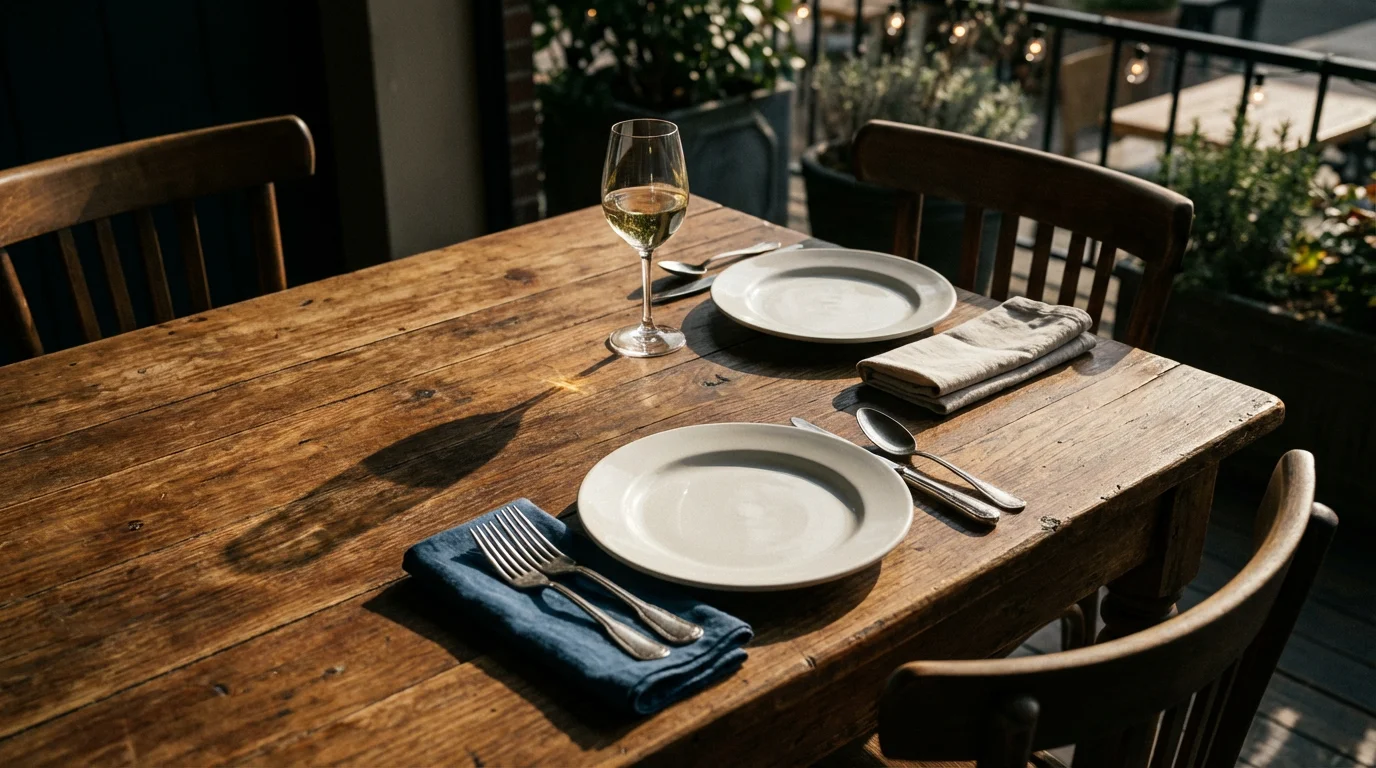
Dining and downtime present excellent opportunities for connection, even for the most independent solo travel enthusiasts. These moments often feel less structured than organized activities, allowing for more organic interactions. Embrace these times to deepen your nascent friendships.
During meal times, observe where people are sitting. If there is an empty seat, ask if it is taken. “Mind if I join you?” is a simple, effective question. Some tours assign tables, but many allow flexibility. Take advantage of this. You might discover a shared passion for a particular cuisine or a travel anecdote that sparks lively discussion.
Downtime, whether a free afternoon or an evening in the hotel, can be for personal reflection or group bonding. If you want company, casually ask if anyone plans to explore a nearby park, visit a local shop, or grab a coffee. “I was thinking of checking out the market, would anyone like to come along?” This low-pressure invitation often yields positive responses.
Respect boundaries, of course. Some individuals prefer solitude during their free time, and that is perfectly acceptable. The key is to make your availability known without being intrusive. You find a balance between independent exploration and communal engagement. This balance defines the best group tour experiences for solo seniors.

Safety and Well-being on Tour
Your safety and well-being are paramount on any adventure, especially when traveling with a group. Group tours generally provide a high level of security and support, but you also play a crucial role in your own protection. Proactive measures ensure a worry-free experience.
By debunking myths about senior group travel, it becomes clear that these organized trips provide a vital safety net for solo explorers.
Always stay informed about your surroundings. Pay attention to your tour guide’s instructions and local advisories. The State Department Travel website offers country-specific travel advisories and safety information for American citizens. Knowing basic phrases in the local language, such as “hello,” “thank you,” and “help,” can be incredibly useful.
Guard your personal belongings carefully. Use a cross-body bag or a money belt to secure valuables, especially in crowded areas. Avoid displaying expensive jewelry or electronics. Many tour buses and hotels have safes for passports and extra cash. Utilize them.
Prioritize your health. Stay hydrated, especially in warm climates or during active excursions. Get adequate rest; group tours can be fast-paced. Do not hesitate to inform your tour leader if you feel unwell or need assistance. They are there to support you.
Additionally, understand the local emergency procedures. Know how to contact local authorities or your embassy if necessary. While incidents are rare, being prepared provides reassurance. Your well-being contributes significantly to your enjoyment of the journey.
Health and Safety Checklist for Group Tours:
- Inform tour leader of any medical conditions.
- Carry necessary medications in original containers.
- Stay hydrated and get enough rest.
- Secure valuables in a money belt or hotel safe.
- Be aware of your surroundings, especially in crowds.
- Learn basic local emergency phrases.
- Have local emergency numbers saved in your phone.
- Know your country’s embassy contact information.
- Ensure adequate travel insurance coverage.
- Pace yourself and listen to your body.

Budgeting for Your Group Tour
Understanding the financial aspects of a group tour allows you to plan effectively and avoid surprises. While many senior tours are “all-inclusive,” the definition of “all” varies significantly between operators. You need a clear picture of what your upfront cost covers and what additional expenses you should anticipate.
The base price of a group tour typically includes accommodation, most transportation within the destination, guided excursions, and some meals. However, budget carefully for elements often not included. These might comprise flights to and from the starting point, travel insurance, single supplements for solo travelers, some meals, alcoholic beverages, personal spending money, and tips for guides and drivers.
Researching single supplements is crucial for solo travel on group tours. Many companies charge an additional fee for solo occupancy because tour pricing often assumes double occupancy. Some operators specifically cater to solo travelers, offering roommate matching services or waiving single supplements on select departures. Always inquire about these options.
Create a detailed budget that itemizes included and excluded costs. Factor in a contingency fund for unexpected expenses or spur-of-the-moment purchases. Utilizing tools like AARP Travel resources can provide valuable insights into budgeting for senior adventures. A clear financial plan empowers you to enjoy your trip without monetary stress.

Beyond the Tour: Maintaining Connections
The bonds forged on a group tour often extend far beyond the final farewell. Many solo seniors find lifelong friendships through these shared experiences. You can proactively maintain these new connections, enriching your social life and future travel plans.
Exchange contact information before you part ways. This can be as simple as swapping email addresses or social media handles. A group chat on a messaging app can also be a fantastic way to share photos and memories. You have created shared experiences; continuing the conversation keeps those memories alive.
Consider planning future trips with your new friends. Perhaps you discovered a mutual interest in a specific destination or activity. Organizing a reunion trip, even if it is a local gathering, reinforces your bond. You now have a network of trusted travel companions ready for the next adventure.
Even if future travel together is not immediate, sending occasional emails or messages keeps the connection warm. Share updates about your life, interesting articles, or photos from your next local adventure. These small gestures show you value the friendship and the memories you created together. Your group tour can be the beginning of a vibrant new social chapter.

Benefits of Group Travel for Solo Seniors
Embracing group travel as a solo senior offers a wealth of advantages, transforming the idea of solo travel into an enriching communal experience. You gain the best of both worlds: personal freedom tempered with collective support and shared joy. This approach addresses many common concerns for seniors traveling independently.
Firstly, group tours provide unparalleled safety and security. You travel with an experienced leader and a group, reducing risks associated with navigating unfamiliar places alone. This security allows you to relax and fully immerse yourself in the adventure, knowing support is readily available.
Secondly, convenience is a major draw. All logistics, from transportation and accommodation to itineraries and activities, are pre-arranged. You avoid the stress of planning, booking, and problem-solving, freeing up your mental energy to focus on discovery and enjoyment. This “set it and forget it” aspect is incredibly appealing.
Thirdly, the social component is inherent. You join a ready-made community of individuals who share a common interest in exploration. This eliminates the effort of finding companions and fosters natural friendships. Many solo travelers report forming lasting bonds and even finding future travel partners on these tours.
Finally, group tours often offer access to experiences and insights you might miss traveling alone. Expert local guides, special access to sites, and unique cultural encounters are frequently part of the package. These elements deepen your understanding and appreciation of each destination, making your adventure more profound and memorable.
Frequently Asked Questions
Are group tours good for solo seniors?
Yes, absolutely. Group tours are excellent for solo seniors as they provide safety, handle all logistics, and offer immediate opportunities to connect with like-minded travelers. You enjoy independence within a supportive community, making new friends and experiences without the stress of solo planning.
How can solo seniors meet people on a group tour?
Solo seniors can meet people on a group tour by being proactive and friendly. Introduce yourself with a smile, participate enthusiastically in all activities, sit with different people at meals, and ask open-ended questions. Showing genuine interest in others facilitates easy conversation and connection.
What are the biggest benefits of solo travel on senior tours?
The biggest benefits include enhanced safety and security, complete logistical convenience, immediate social connection with fellow travelers, and access to expert local guides and unique experiences. You get the freedom of solo exploration with the comfort and camaraderie of a group.
Do I need to pay a single supplement on senior tours?
Many senior tours charge a single supplement for solo travelers occupying a room alone, as pricing often assumes double occupancy. However, some operators offer roommate matching services or waive single supplements on specific departures. Always inquire about these options when booking.
What kind of tours are best for solo senior travelers?
The best tours for solo senior travelers are those that match your interests and activity level. Look for tours from operators specializing in senior travel, like Road Scholar, which often design programs with solo travelers in mind. Educational, cultural, or soft adventure tours with communal activities are usually excellent choices.
Disclaimer: This article is for informational purposes only. Travel conditions, accessibility, and requirements change frequently. We encourage readers to verify current information with official sources before traveling. Always consult with healthcare providers about travel considerations for your specific health situation.

Leave a Reply