
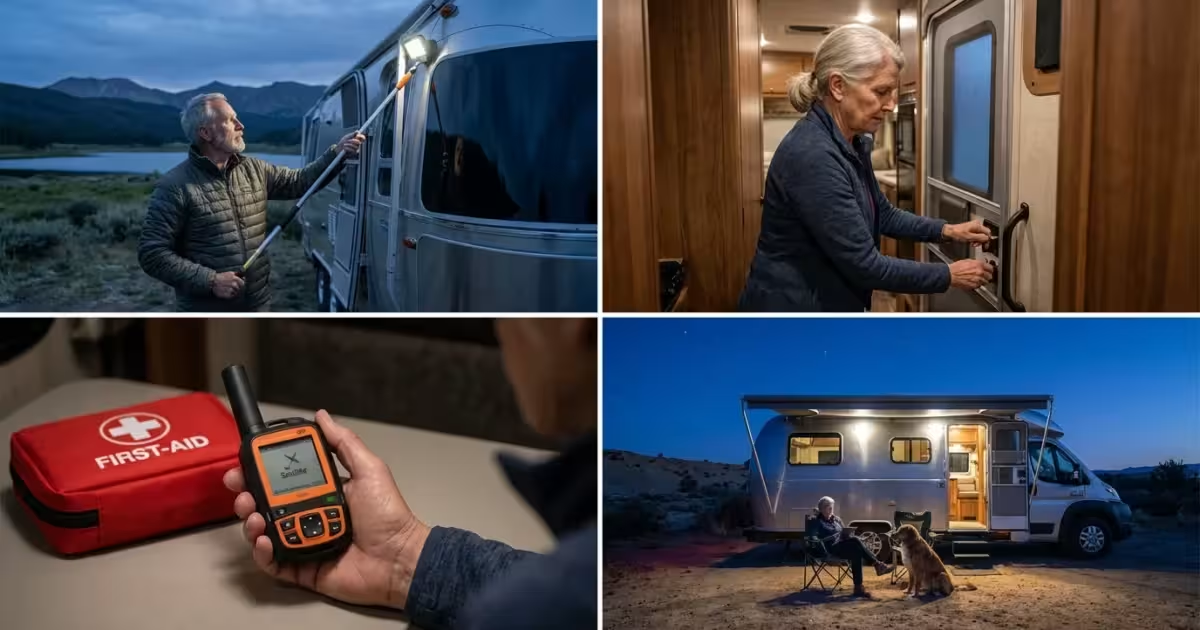
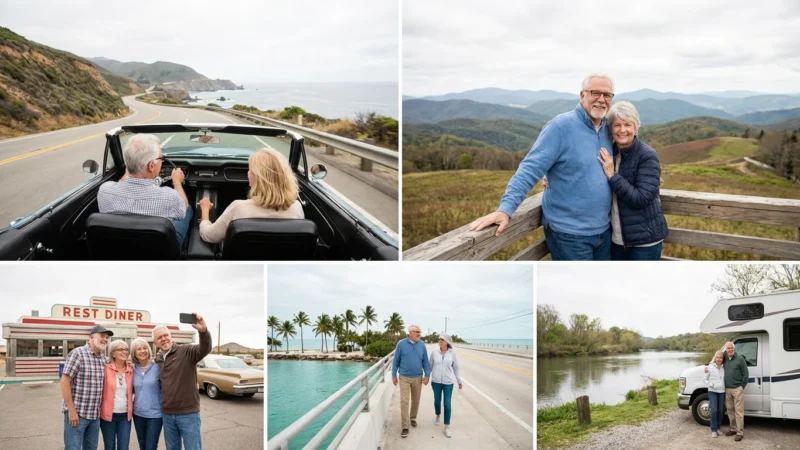
The open road beckons, offering unparalleled freedom and discovery. For many seniors, solo RVing represents the ultimate expression of independence, allowing you to explore at your own pace. You chart your course, linger in places you love, and wake up to new horizons daily.
Before you set out, make sure you are choosing the right RV for your lifestyle to ensure it meets your specific comfort and safety needs.
Exploring the country can be a life-changing experience when you follow proven RV adventures for seniors safety tips.
Embracing this adventurous lifestyle brings incredible rewards. You experience nature, connect with diverse communities, and rediscover yourself. While the call of adventure is strong, you also prioritize your well-being. Ensuring your safety and security is paramount to enjoying every mile of your solo RV journey.
This comprehensive guide provides practical, actionable insights for senior RVers traveling alone. Learn how to prepare, stay secure, and navigate the unexpected with confidence. You can achieve an enriching and safe solo adventure.
Table of Contents
- The Allure of Solo RVing for Seniors
- Prioritizing Your Security Before You Leave
- On The Road: Navigating Safely and Responsibly
- Securing Your RV at the Campsite
- Personal Safety and Well-being on the Road
- Building Your Support Network and Staying Connected
- Technology for Enhanced Safety and Communication
- Handling Unexpected Situations with Confidence
- Frequently Asked Questions
- Embrace the Solo Journey with Confidence
The Allure of Solo RVing for Seniors
The desire for independence and new experiences often grows stronger in retirement. Solo RVing offers a unique platform for personal growth, allowing you to tailor every aspect of your trip. You choose your destinations, set your schedule, and create memories that truly reflect your interests.
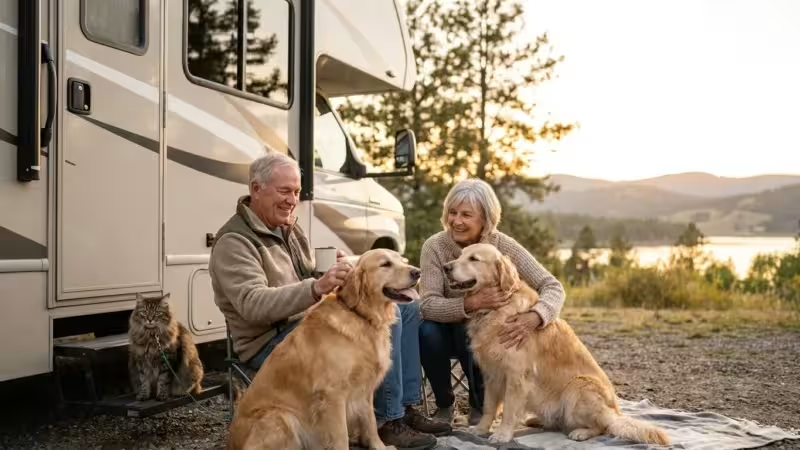
Many solo travelers also find that traveling with pets provides wonderful companionship and an extra layer of protection while on the road.
Many seniors discover a profound sense of accomplishment and self-reliance through solo travel. This lifestyle fosters a connection with nature and introduces you to a vibrant community of fellow travelers. You find companionship and shared experiences at campgrounds and national parks across the country.
“The world is a book and those who do not travel read only one page.” — Saint Augustine
You gain confidence navigating new territories and solving challenges independently. This journey is about the person you become. You embrace flexibility and adapt to whatever the road brings, finding joy in every moment.
Prioritizing Your Security Before You Leave
A successful solo RV adventure begins long before you turn the ignition. Thorough preparation minimizes risks and maximizes your peace of mind. You establish a foundation of security that supports your entire journey.
To maintain your communication plan effectively, research the best RV internet options to stay connected even in remote locations.
If you have physical considerations, exploring accessibility modifications for seniors can help make your mobile home safer and easier to navigate.
Vehicle Preparedness and Maintenance
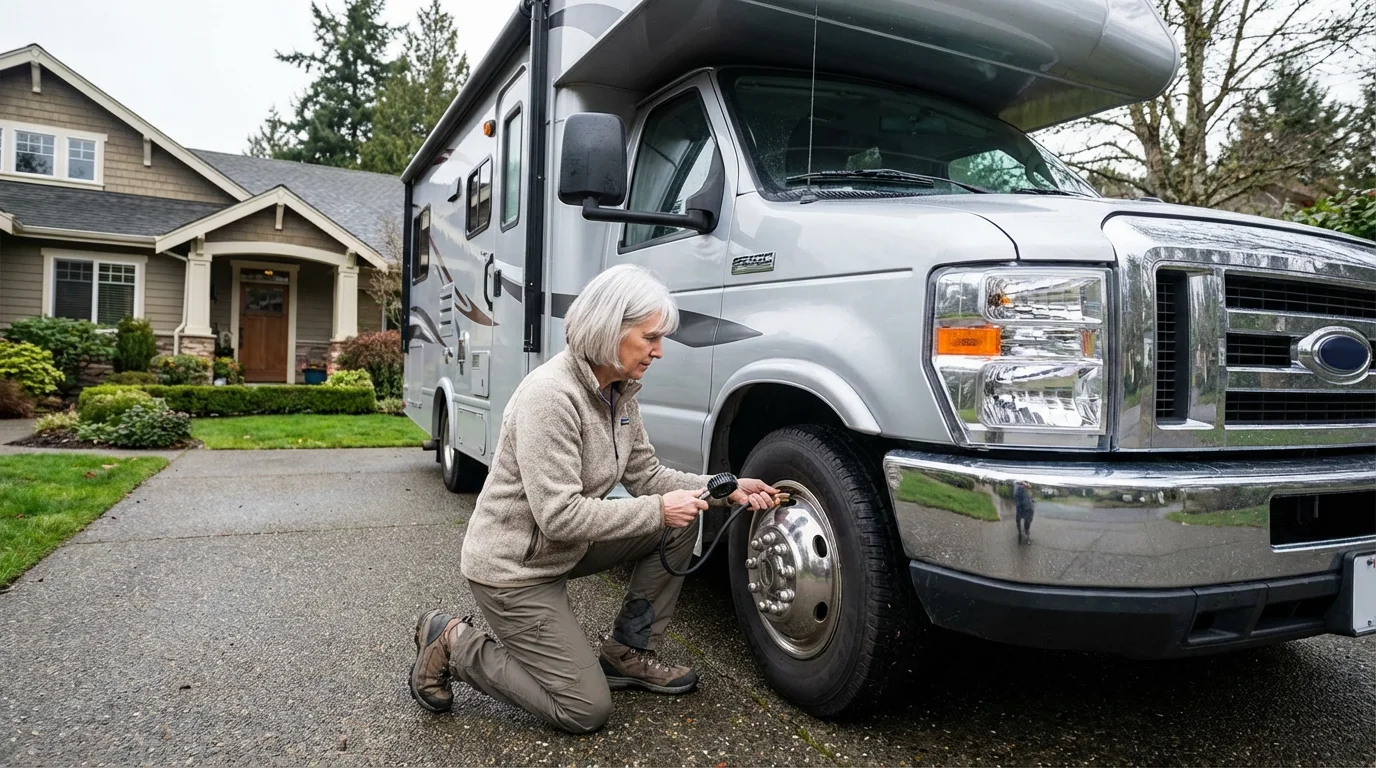
Your RV is your home on wheels, making its reliability crucial. Conduct a comprehensive inspection and maintenance check before every major trip. Address any potential mechanical issues proactively.
Ensure your tires, brakes, engine, and electrical systems are in top condition. Carry essential tools and learn basic troubleshooting to handle minor issues yourself. Consider enrolling in roadside assistance programs tailored for RVs; they provide invaluable support if you encounter unexpected breakdowns.
- Pre-Trip RV Checklist:
- Inspect tire pressure and tread depth, including the spare.
- Check fluid levels: oil, coolant, brake fluid, transmission fluid.
- Test all lights, signals, and wipers.
- Verify brake functionality.
- Inspect battery terminals and charge level.
- Ensure propane tanks are secure and lines are leak-free.
- Test smoke and carbon monoxide detectors.
- Confirm all locks on doors, windows, and storage compartments work properly.
Crafting Your Itinerary and Communication Plan
A well-thought-out plan provides structure and safety without sacrificing spontaneity. Share your itinerary with a trusted friend or family member before you depart. Update them regularly on your location and expected arrival times.
Research your destinations, including campsites, fuel stops, and potential boondocking spots. Use apps and websites to read reviews and assess the safety of areas. Knowing what to expect helps you make informed decisions on the road.
Communication Protocol for Solo RVers:
- Designate a primary contact person.
- Share your detailed itinerary, including campgrounds and dates.
- Establish a check-in frequency, such as a daily text or weekly call.
- Provide emergency contact numbers for your RV insurance and roadside assistance.
- Carry a satellite phone or personal locator beacon for areas without cell service.
On The Road: Navigating Safely and Responsibly
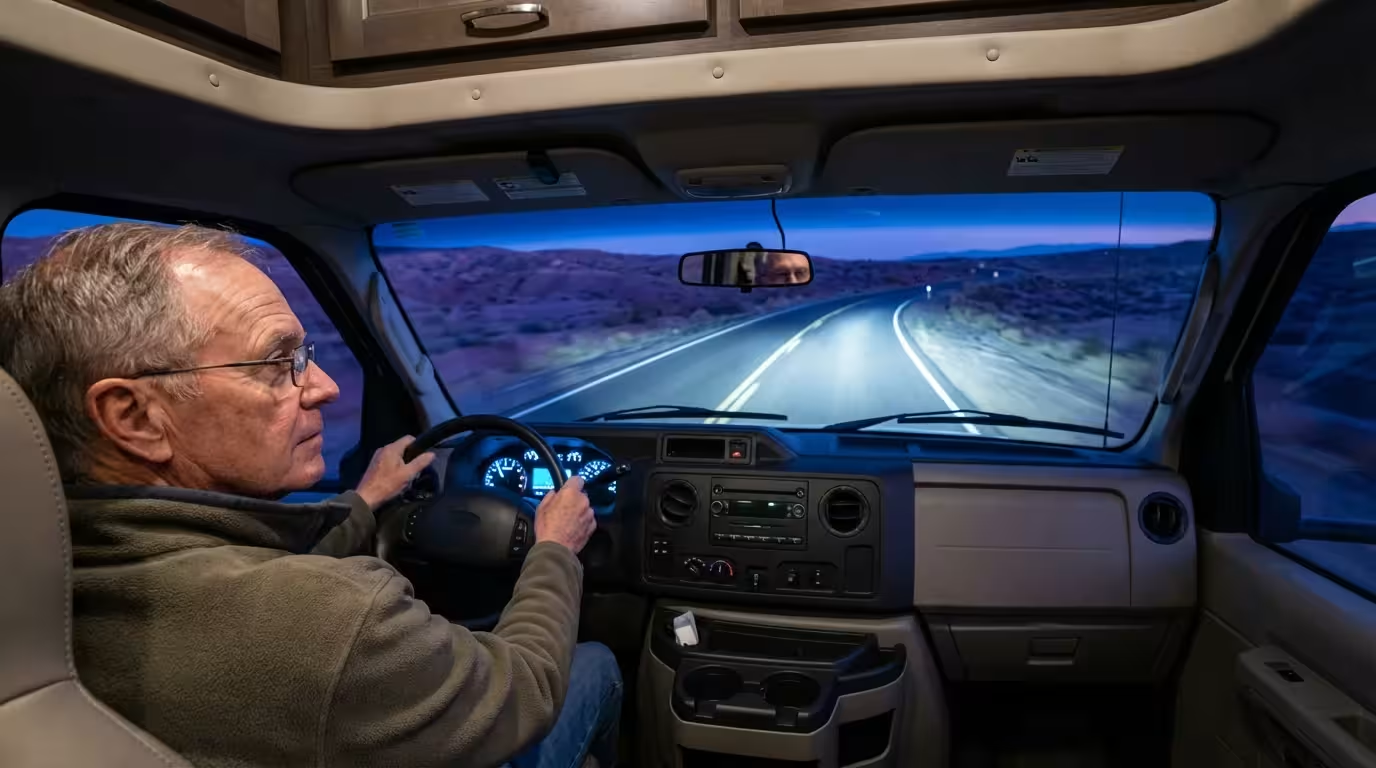
Driving an RV requires attention and practice, especially when you travel alone. You maintain focus, manage fatigue, and make smart decisions about where you stop and park. Safe driving practices are your first line of defense.
Keep in mind that you can often find senior discounts for RVers at many well-known stops, helping you manage your budget while staying safe.
For a smoother trip, planning your RV route with tools that account for vehicle height and weight is essential for avoiding hazardous roads.
Defensive Driving and Fatigue Management
Always practice defensive driving techniques. Maintain extra space between your RV and other vehicles, anticipate potential hazards, and avoid distractions. Remember that RVs have larger blind spots and require more time and distance to stop.
Fatigue poses a significant risk. Plan your driving days to be reasonable, incorporating frequent breaks to stretch and refresh. If you feel tired, pull over at a safe rest stop or campground immediately. You prioritize rest over reaching your destination on schedule.
Smart Stops and Parking Choices
Be strategic about where you stop for fuel, food, and rest. Choose well-lit, busy locations during the day. Avoid remote, unmonitored areas, particularly after dark. Your instincts serve as your best guide; if a place feels unsafe, move on.
When parking overnight outside a designated campground, such as in a Walmart parking lot or truck stop, select a spot near other RVs or well-trafficked areas. Ensure you have clear exit routes. AARP Travel offers valuable resources for safe RV travel, including tips for choosing secure overnight parking.
- Safe Overnight Parking Tips:
- Opt for established campgrounds or RV parks whenever possible.
- Read reviews for safety and noise levels before arrival.
- If boondocking, research the area thoroughly; check local regulations and crime statistics.
- Avoid parking in isolated areas, even if they seem scenic.
- Trust your gut feeling about a location; if it feels wrong, leave.
- Park facing an exit, allowing for a quick departure if needed.
Securing Your RV at the Campsite
Even in the most serene campgrounds, vigilance remains essential. You implement robust security measures to protect your RV and your belongings. This proactive approach deters potential threats.
Physical Security Upgrades
Invest in high-quality locks for your RV doors and storage compartments. Standard RV locks are often easily compromised. Upgrade to deadbolts or additional external locking mechanisms. Consider reinforced door frames for added protection.
Window and skylight locks also enhance security. Motion-activated lights around your RV exterior can startle intruders and alert you to activity. Always keep your keys in a secure, hidden location inside the RV.
Essential RV Security Enhancements:
- Install high-security deadbolt locks on main entry doors.
- Add keyed alike locks for all storage compartments.
- Consider a portable alarm system with door and window sensors.
- Mount motion-sensor lights near your entry points.
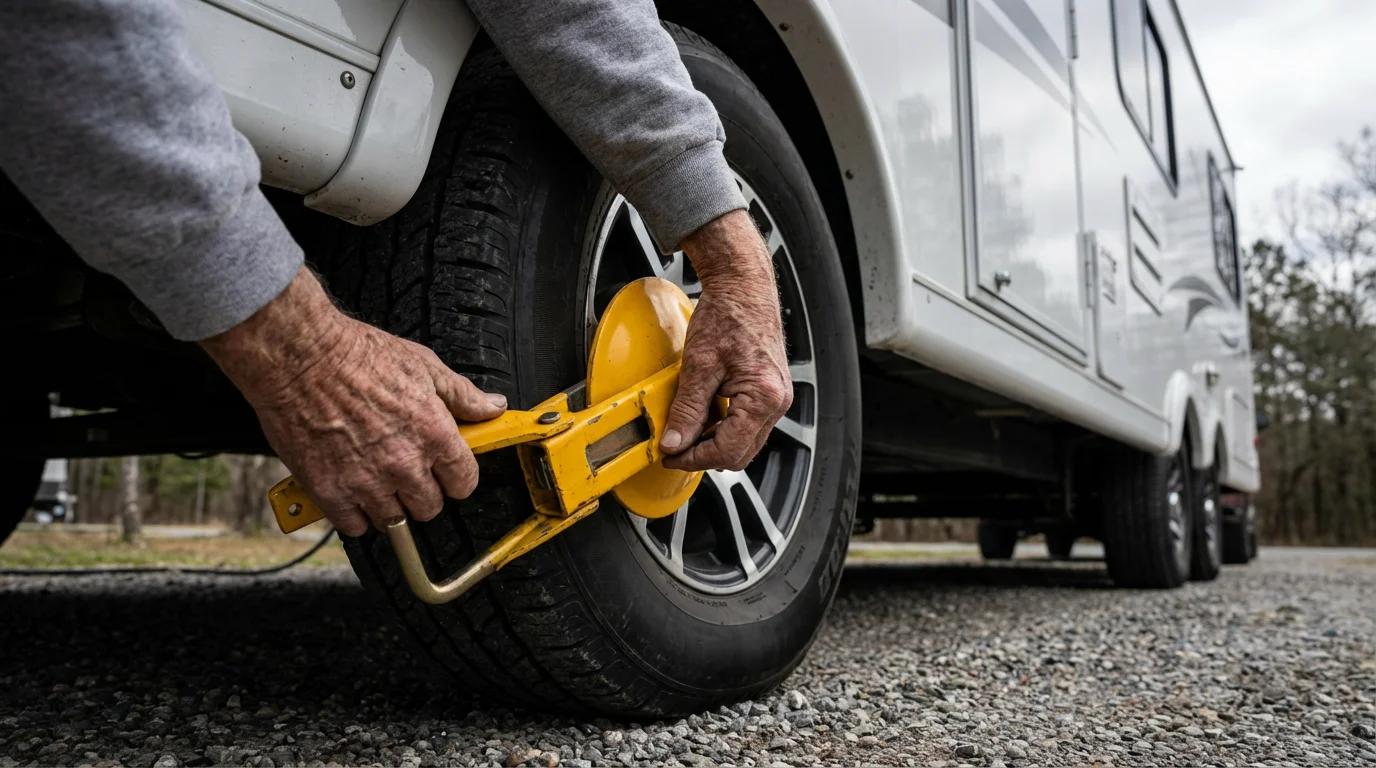
- Use wheel locks or hitch locks when parked for extended periods.
- Keep curtains and blinds closed at night or when away to prevent people from seeing inside.
Valuables and Digital Security
Keep valuables out of sight and locked away. A small safe bolted to the RV floor or hidden in a secure cabinet provides an excellent storage solution for cash, important documents, and small electronics. Never leave laptops or cameras visible through windows.
Protect your digital life too. Use strong, unique passwords for all your devices and online accounts. Be cautious about public Wi-Fi networks; use a Virtual Private Network (VPN) for sensitive transactions. Regularly back up important data to cloud storage or an external hard drive.
“Your safety is your responsibility. National Parks are wild places, and you must prepare for self-reliance and unexpected conditions.” — National Park Service
Personal Safety and Well-being on the Road
Your personal well-being is the cornerstone of a fulfilling solo RV experience. You prioritize your health, stay aware of your surroundings, and prepare for any personal emergency. This ensures you remain capable and confident.
Maintaining your health starts with physical ease, so consider these tips for camping comfortably to ensure you stay rested and alert.
Health Management and Emergency Preparedness
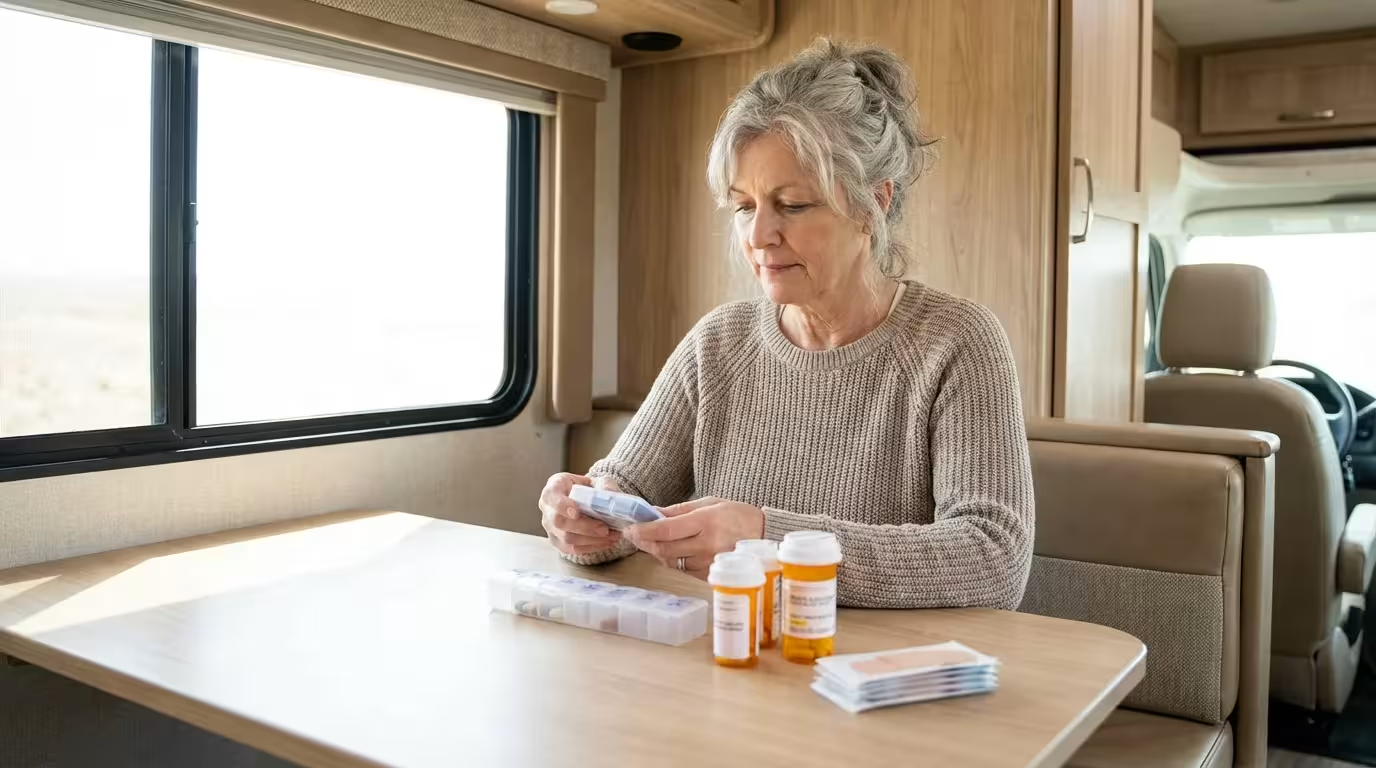
Carry an up-to-date medical kit tailored to your needs, including prescription medications. Keep a list of all your medications, dosages, and medical conditions in a readily accessible place. Wear a medical alert bracelet if you have any serious health conditions.
Familiarize yourself with the location of urgent care centers and hospitals along your route. Have your health insurance information and emergency contacts easily retrievable. Consider a satellite communicator for remote areas, which allows you to signal for help even without cell service.
Emergency Medical Checklist:
- Comprehensive first-aid kit with extra supplies.
- All prescription medications, with extra doses.
- List of medications, allergies, and medical conditions.
- Emergency contact information and primary care physician details.
- Health insurance card and policy numbers.
- Medical alert bracelet (if applicable).
- Emergency cash.
Situational Awareness and Self-Defense
Always remain aware of your surroundings, whether you are hiking a trail or walking through a town. Pay attention to people, vehicles, and anything that seems out of place. Trust your intuition; if a situation feels off, remove yourself from it.
Consider taking a basic self-defense class before your trip. Carry personal safety devices, such as a whistle, pepper spray (where legal), or a personal alarm. Knowing how to react in a threatening situation empowers you.
When interacting with strangers, keep conversations polite but brief. Avoid sharing too much personal information, especially about traveling alone or your itinerary. You maintain a friendly yet private demeanor.
Building Your Support Network and Staying Connected
Solo travel does not mean isolation. You cultivate connections and maintain communication, ensuring you have a safety net. Staying connected offers peace of mind for both you and your loved ones.
Connecting with Fellow RVers
RV communities are incredibly welcoming. Engage with other travelers at campgrounds, RV rallies, and online forums. Many solo female RVers form groups for mutual support and camaraderie. You find valuable advice, shared experiences, and potential travel companions.
Participate in campground social events, join walking groups, or attend local farmer’s markets. These interactions enrich your journey and create a sense of belonging. You expand your social circle and enhance your safety network on the road.
Maintaining Contact with Home
Regular check-ins with family or friends provide a vital layer of security. Establish a routine check-in schedule, perhaps daily or every other day, and stick to it. Inform them of any changes to your plans or if you will be out of cell service for an extended period.
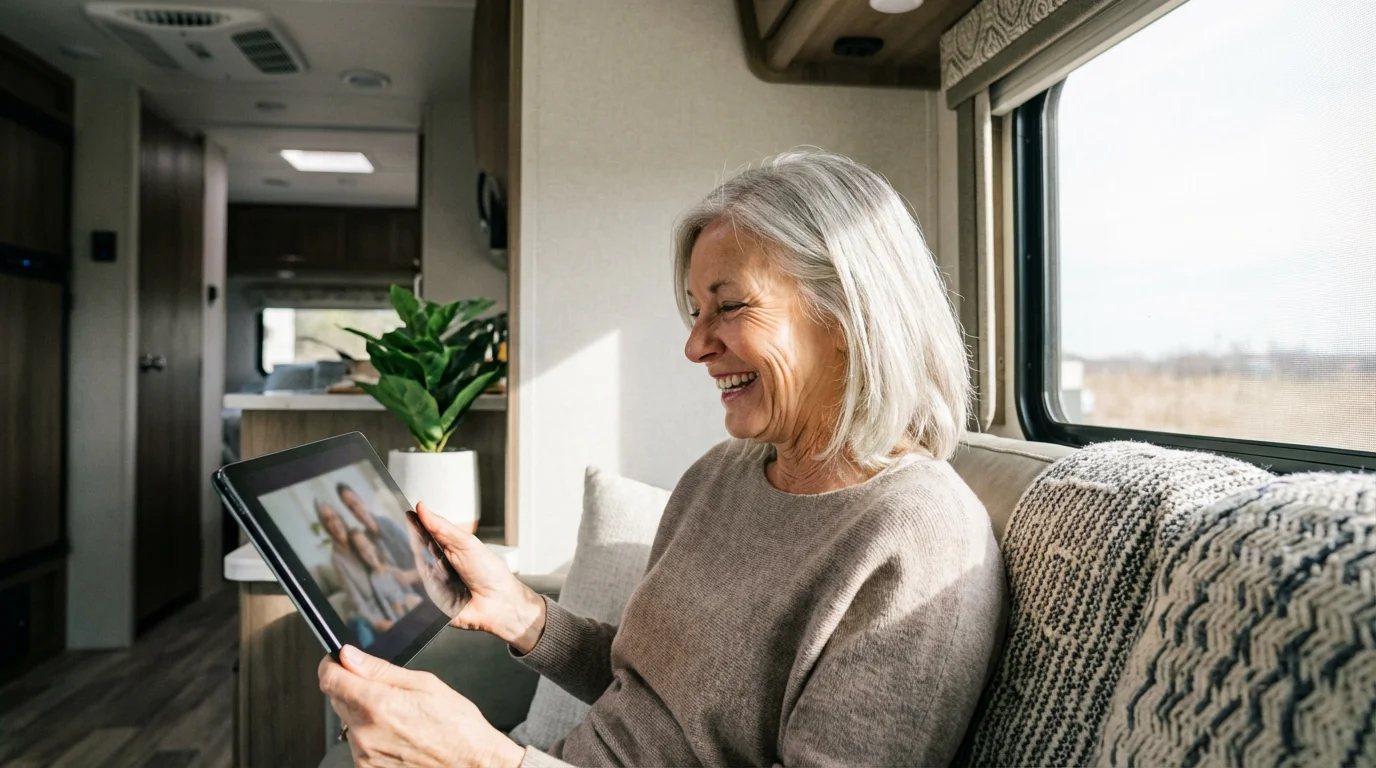
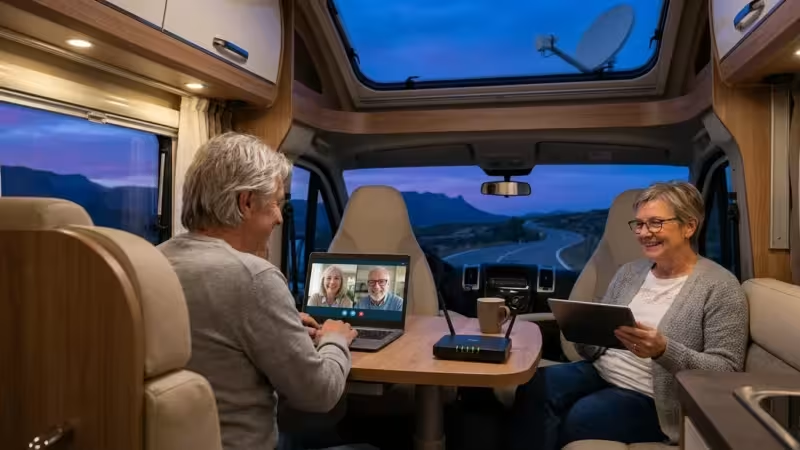
Utilize video calls and messaging apps to stay in touch. Sharing photos and stories keeps your loved ones involved in your adventure. This connection offers reassurance and ensures someone knows your whereabouts.
Technology for Enhanced Safety and Communication
Modern technology offers powerful tools to boost your solo RV security. You leverage these innovations to stay safe, connected, and informed. From navigation to emergency alerts, technology acts as your silent co-pilot.
Navigation and Communication Devices
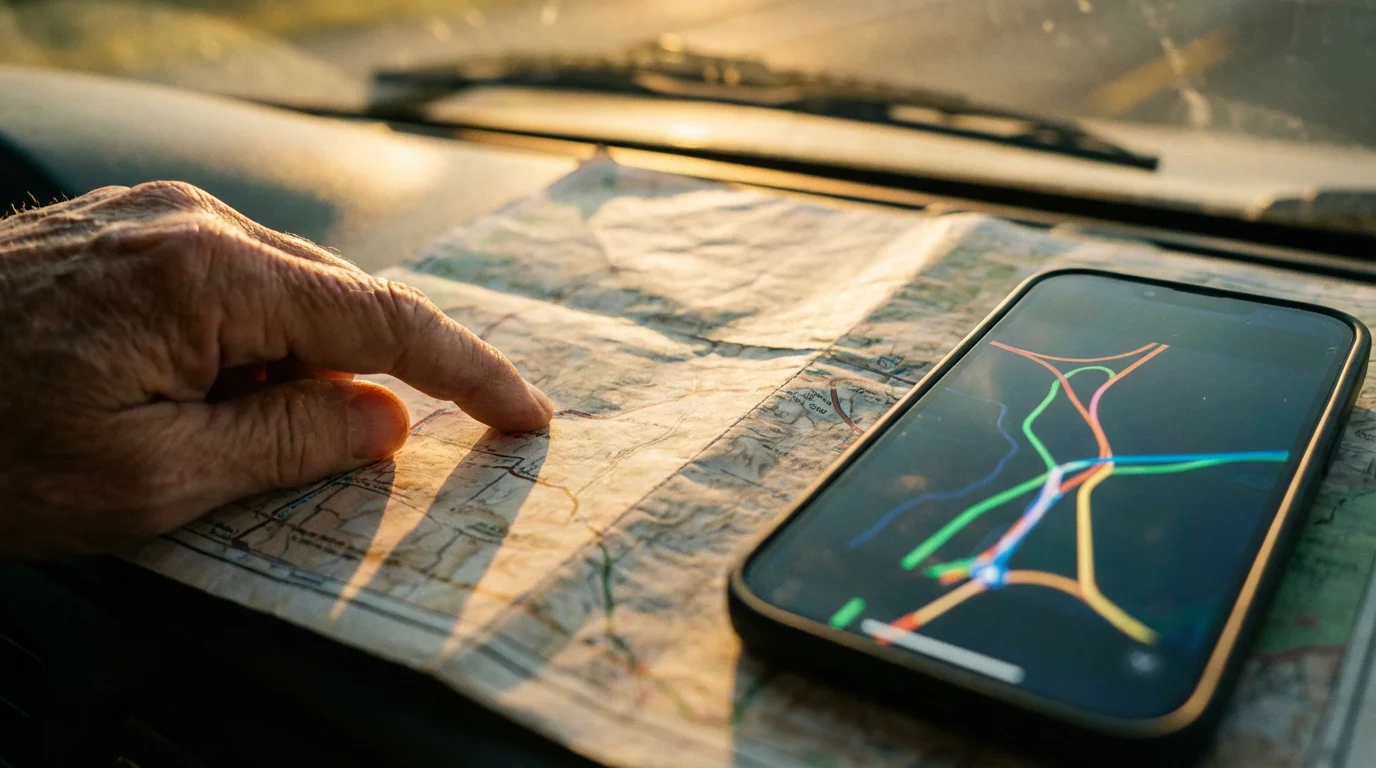
Reliable navigation is crucial. Use a dedicated RV GPS that accounts for vehicle size and weight restrictions, or trusted map apps. Always carry physical maps as a backup in case of technology failure or lack of signal.
A reliable cell phone is indispensable. Consider a cell signal booster for improved connectivity in remote areas. For truly off-grid adventures, a satellite messenger or personal locator beacon (PLB) provides a lifeline. Devices like the Garmin inReach allow two-way text communication and SOS functions.
- Key Technology for Solo RVers:
- RV-specific GPS device or app.
- Cell phone signal booster.
- Satellite messenger, for example, Garmin inReach, Spot.
- Emergency weather radio.
- Portable power bank for charging devices.
- Dashcam for recording driving incidents.
- Portable air compressor and tire pressure gauge.
Security Monitoring Systems
Modern RV security systems offer peace of mind. Consider installing an RV alarm system with door and window sensors. Some systems integrate with your smartphone, allowing remote monitoring. You receive alerts if a breach occurs.
Portable security cameras, both indoor and outdoor, provide visual surveillance. Many connect wirelessly and send alerts to your phone. These systems act as a deterrent and provide valuable evidence if an incident occurs. You actively monitor your surroundings even when you are away from your RV.
Handling Unexpected Situations with Confidence
Even with meticulous planning, unexpected challenges arise. You equip yourself with the knowledge and resources to manage these situations effectively. Your ability to respond calmly and decisively protects your safety.
Managing Vehicle Breakdowns
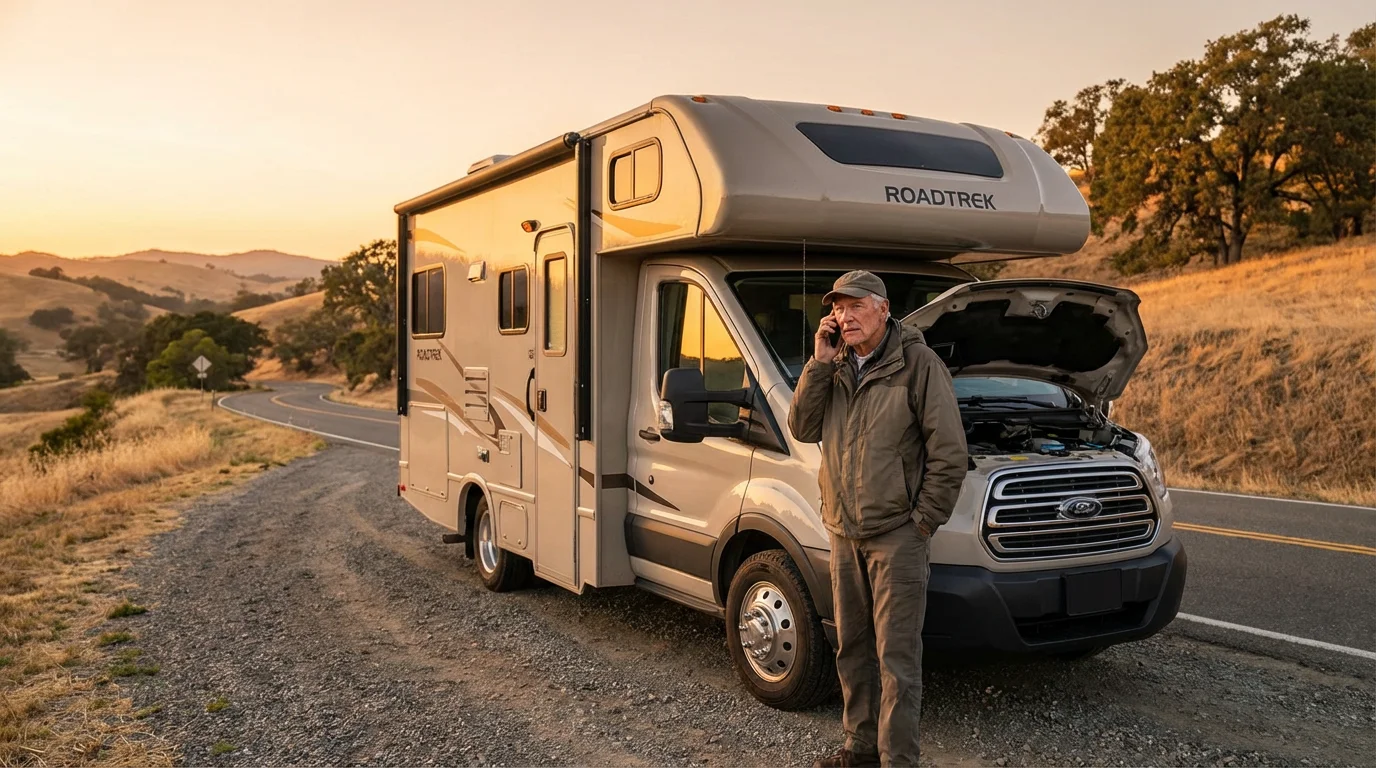
Despite thorough maintenance, mechanical issues can occur. Ensure you have a reliable roadside assistance plan specifically for RVs. Keep your membership card and contact number readily available. AARP Travel provides excellent resources regarding RV roadside assistance programs.
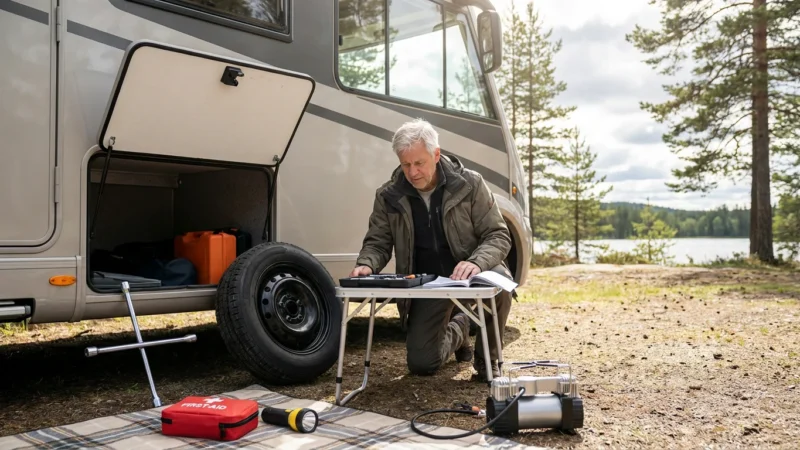
Carry a well-stocked toolkit and know how to perform basic repairs, like changing a tire. If you must pull over, do so safely on the shoulder, activate your hazard lights, and place reflective triangles. Stay inside your RV with the doors locked while waiting for help, especially in isolated areas.
Responding to Personal Emergencies
For medical emergencies, immediately contact emergency services, 911 in the U.S. Provide your exact location. Having your medical information readily available saves critical time for first responders. If you carry a satellite messenger, use its SOS function.
In threatening situations, prioritize your personal safety above all else. If someone attempts to gain entry to your RV, use your alarm, make noise, and contact emergency services. If you feel unsafe in a location, leave immediately. Your well-being outweighs any inconvenience.
For issues within National Parks or Forests, contact park rangers. The National Park Service and Recreation.gov provide contact information and safety guidelines for their respective areas. You access professional assistance when needed.
Frequently Asked Questions
What are the most important safety tips for solo RVers?
Prioritize your personal safety with emergency contacts and medical information readily available. Secure your RV with robust locks and alarm systems. Always share your itinerary with a trusted contact. Be aware of your surroundings and trust your instincts when choosing campsites or interacting with others.
How can I improve RV security when camping alone?
Install deadbolt locks, window sensors, and a door alarm. Consider a security camera system. Keep valuables out of sight. When leaving your RV, always lock all doors and windows. Park in well-lit, populated areas when possible, especially in unfamiliar locations.
Is solo RVing suitable for older adults?
Absolutely. Many seniors enjoy the freedom and flexibility of solo RVing. With proper planning, preparation, and adherence to safety protocols, you create an enriching and secure travel experience. Focus on your comfort level and choose routes and destinations that align with your abilities and preferences.
What essential gear do I need for solo RV safety?
Carry a satellite messenger or personal locator beacon, a first-aid kit, a well-stocked toolkit, jumper cables, and a tire repair kit. Invest in reliable security devices like heavy-duty locks and a motion-sensing light for outside your RV. A cell signal booster can also be beneficial in remote areas.
How do I handle medical emergencies while RVing alone?
Keep all your medical information, current medications, and emergency contacts in an easily accessible place. Wear a medical alert bracelet if you have underlying conditions. Know the location of nearby hospitals or urgent care centers along your route. Consider subscribing to a medical alert service that works nationwide.
Should I carry a weapon for self-defense while solo RVing?
The decision to carry a weapon is highly personal and depends on local laws, your comfort level, and training. If you choose to carry, understand all relevant state and federal laws regarding concealed carry permits and storage in an RV. Non-lethal alternatives like pepper spray or a personal alarm are also options, but always check their legality in each state you visit.

Embrace the Solo Journey with Confidence
Solo RVing offers an incredible opportunity for personal adventure and self-discovery. You forge your own path, guided by curiosity and a spirit of exploration. By meticulously preparing for safety and security, you empower yourself to fully enjoy every aspect of this unique lifestyle.
You have the tools and knowledge to navigate the road ahead with confidence. Embrace the solitude, cherish the freedom, and connect with the world around you. Your journey promises enriching experiences and unforgettable memories.
Disclaimer: This article is for informational purposes only. Travel conditions, accessibility, and requirements change frequently. We encourage readers to verify current information with official sources before traveling. Always consult with healthcare providers about travel considerations for your specific health situation.
Leave a Reply