
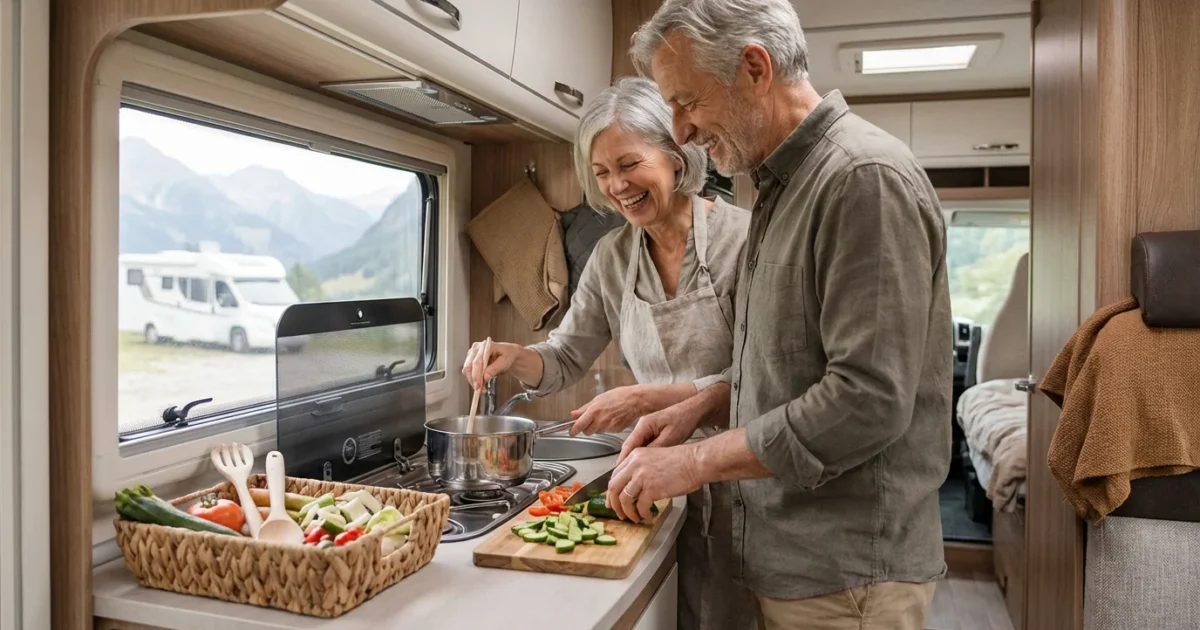
Embarking on an RV adventure offers unparalleled freedom. You decide where to go, when to stop, and what new sights to discover. A significant part of this freedom comes from your ability to prepare delicious, healthy meals right in your home on wheels. You do not need to rely on expensive restaurant stops or compromise on nutrition during your travels.
Cooking in an RV kitchen might seem daunting initially due to space constraints or unfamiliar equipment. However, with smart planning and simple recipes, you transform your RV into a mobile gourmet kitchen. This guide empowers you to savor wonderful meals while exploring the open road, making every journey more enjoyable and affordable.
Table of Contents
- The Joys of RV Kitchen Life
- Essential RV Kitchen Setup
- Smart Meal Planning for Your Journey
- Hearty Breakfasts to Fuel Your Day
- Effortless Lunches for Midday Adventures
- Satisfying Dinners Without the Fuss
- Snacks and Hydration: Staying Energized
- Safety and Hygiene in Your RV Kitchen
- Beyond the Recipes: Enjoying Your Culinary Journey
- Frequently Asked Questions
The Joys of RV Kitchen Life
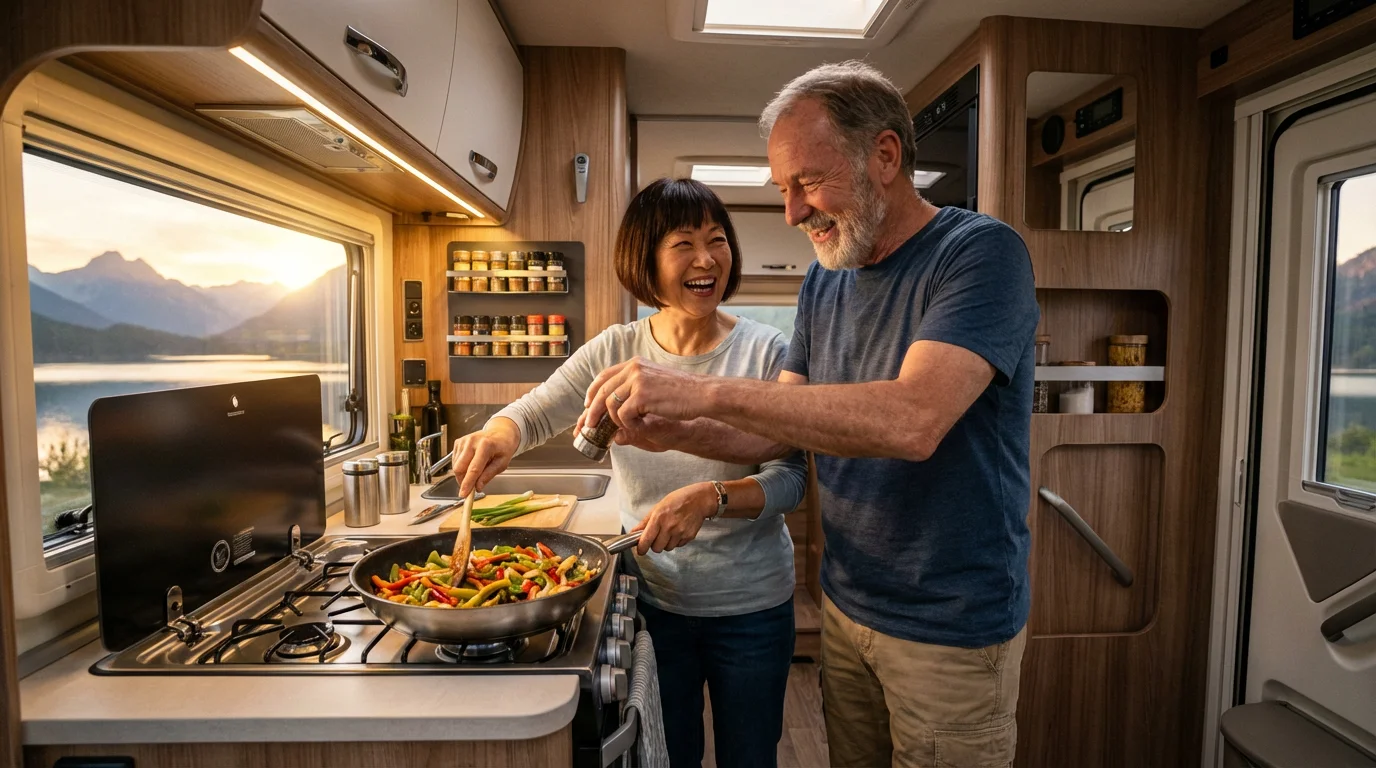
Your RV kitchen becomes a centerpiece of your travel experience. It offers immense benefits for senior travelers who prioritize health, budget, and flexibility. Cooking your own meals allows you to control ingredients, ensuring you stick to dietary needs and preferences. This is crucial for maintaining good health while on the go.
The financial savings from preparing your meals add up quickly. Instead of dining out for every meal, you allocate more of your travel budget to experiences, destinations, or comfortable campgrounds. Imagine enjoying a sunset dinner cooked right in your RV, overlooking a stunning national park. This freedom truly enhances your road trip food experience.
Essential RV Kitchen Setup
Creating an efficient RV kitchen requires thoughtful organization rather than extensive equipment. Think compact, multi-functional, and easy to clean. Your goal is to simplify cooking, not complicate it. Focus on what you truly use daily.
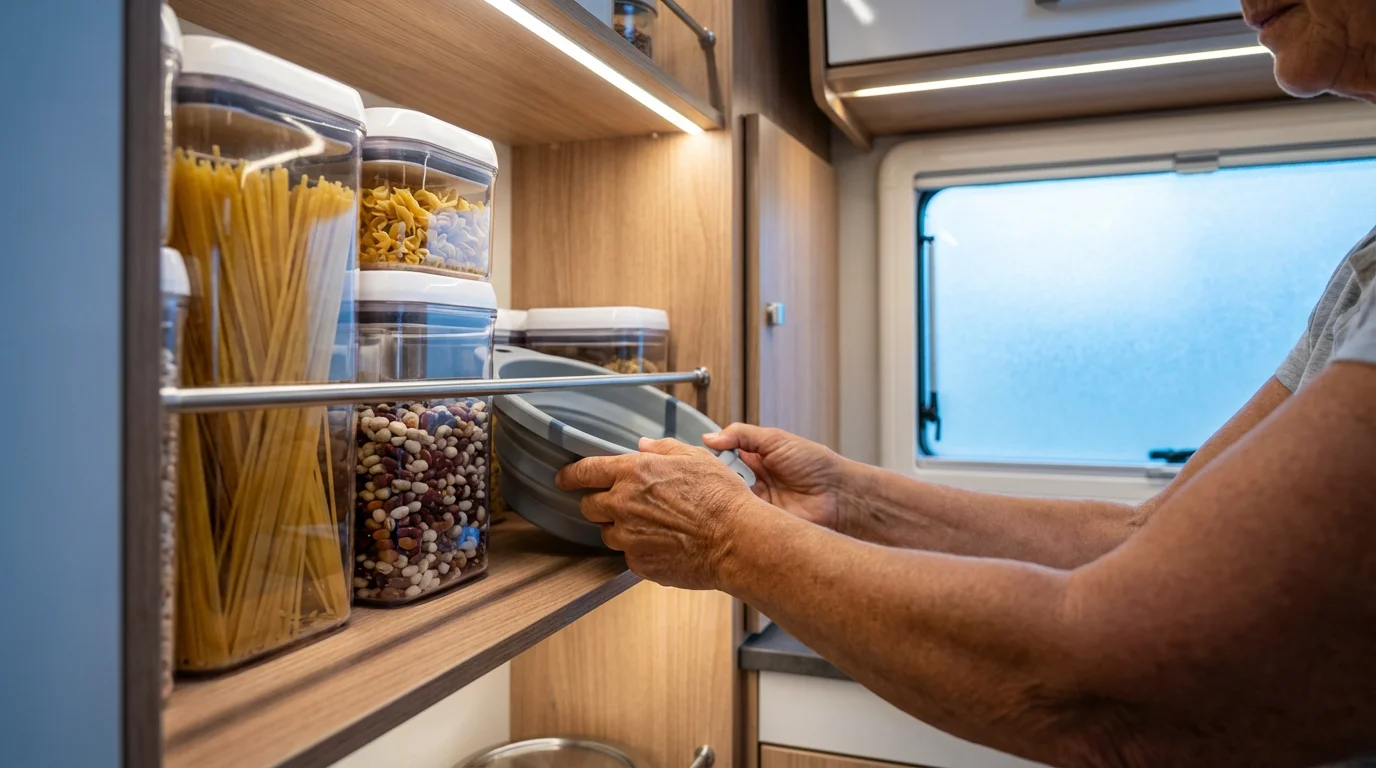
A well-stocked pantry with shelf-stable essentials makes a huge difference. Consider ingredients that serve multiple purposes, reducing the need for excess storage. This approach directly answers the question of what are easy RV recipes, as it streamlines your ingredient access.
RV Kitchen Must-Haves
- Basic Cookware: One non-stick pan, one small pot, one medium pot. Choose lightweight, stackable options.
- Utensils: Spatula, ladle, large spoon, tongs, knife, cutting board. Opt for silicone or wooden tools to protect non-stick surfaces.
- Small Appliances: A compact coffee maker or pour-over system, a small blender for smoothies, and an electric kettle can enhance convenience.
- Storage Solutions: Collapsible bowls, airtight containers, and nesting sets maximize precious cabinet space.
- Pantry Staples: Olive oil, vinegar, salt, pepper, dried herbs, canned goods (beans, tomatoes, tuna), pasta, rice, quick-cooking grains, nuts, and dried fruits.
- Cleaning Supplies: Dish soap, sponges, paper towels, and a small broom or handheld vacuum keep your space tidy.
Consider a small portable grill for outdoor cooking. This expands your cooking options significantly, allowing you to enjoy fresh air while preparing meals. Always ensure you have enough propane or charcoal, depending on your grill type.
Smart Meal Planning for Your Journey
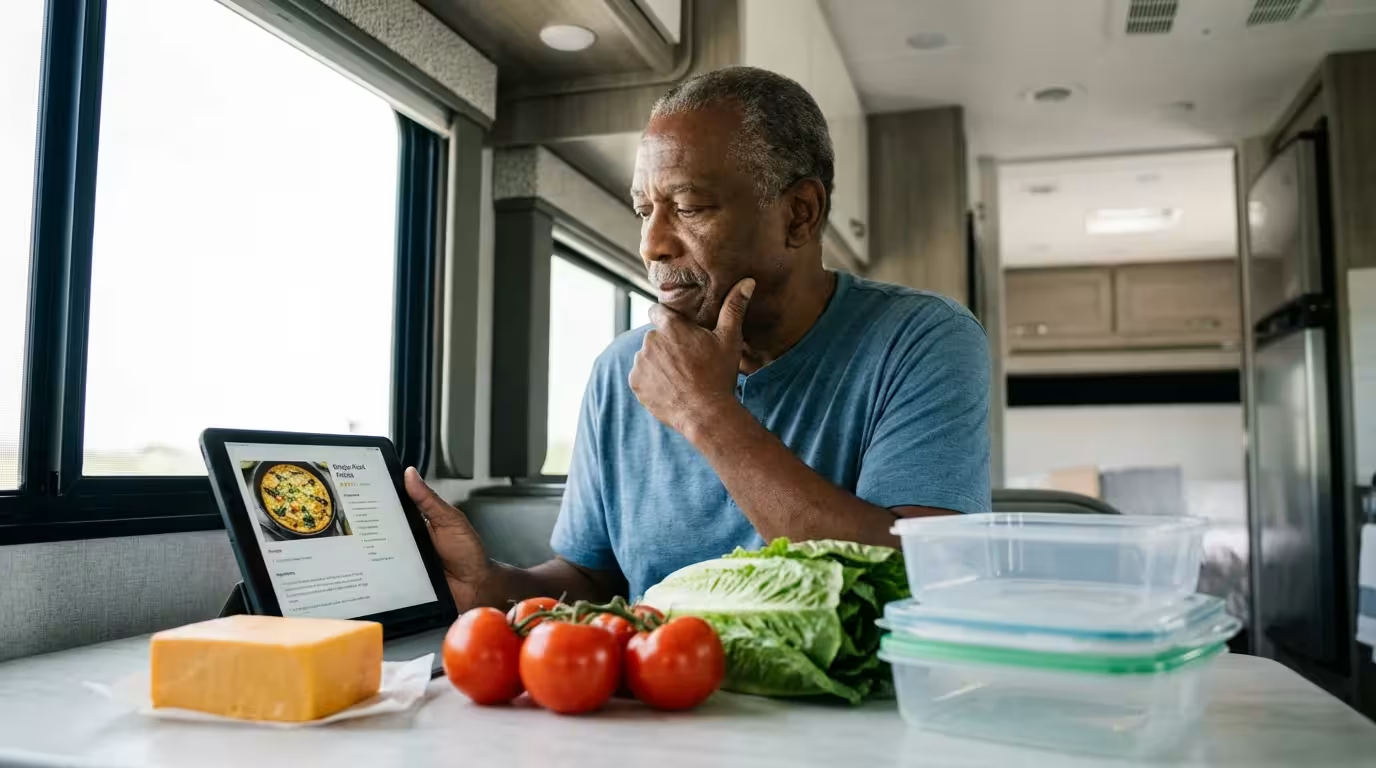
Effective meal planning transforms your RV cooking experience from a chore into an enjoyable part of your adventure. It saves time, reduces food waste, and ensures you always have healthy options ready. Prioritize simple and healthy RV recipes.
Plan meals for several days at a time, considering your grocery stops and the storage capacity of your RV refrigerator. Look for recipes that use similar ingredients. This strategy minimizes shopping trips and ingredient spoilage.
Meal Planning Strategies for RV Travel
- Batch Cooking: Prepare larger portions of base ingredients, like cooked grains, roasted vegetables, or grilled chicken. Use these components in different meals throughout the week. For example, roasted chicken becomes tacos one night and a salad topping the next.
- Pre-Prepped Ingredients: Before hitting the road, chop vegetables, pre-measure spices, or assemble dry mixes for pancakes or oatmeal. Store them in airtight containers. This significantly cuts down on prep time in a compact RV kitchen.
- Versatile Staples: Keep ingredients like eggs, tortillas, canned beans, and fresh greens on hand. These adapt to many dishes, from breakfast burritos to quick salads.
- One-Pot or One-Pan Meals: Focus on recipes that minimize cleanup. These are ideal for senior recipes as they reduce physical exertion and water usage.
- Utilize Leftovers: Plan for meals that produce intentional leftovers. Reimagined leftovers create new dishes for lunch the next day, preventing waste and simplifying your how to cook easily in RV routine.
- Seasonal and Local Produce: Shop at farmers markets along your route. Fresh, seasonal ingredients are often more flavorful and support local communities. This also allows you to try new regional delicacies.
Remember to pack a cooler with ice or an auxiliary 12V refrigerator for overflow items or quick access to beverages and snacks. This extends your fresh food storage considerably.
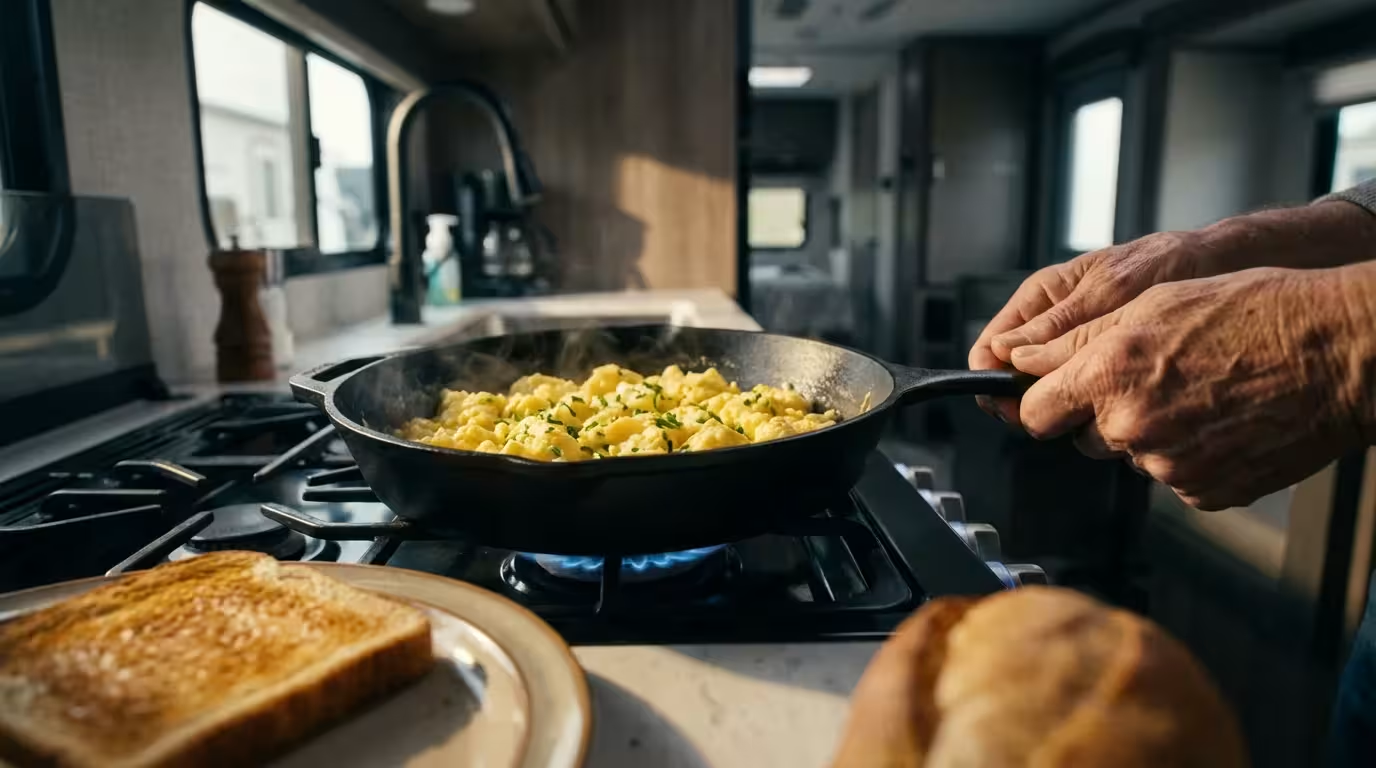
Hearty Breakfasts to Fuel Your Day
Starting your day with a nutritious breakfast provides the energy needed for hiking, exploring, or driving. These senior-friendly recipes are quick, easy, and satisfying, making your RV cooking mornings a breeze. They ensure you are ready for any adventure.
1. Quick Oatmeal with Berries and Nuts
This breakfast offers fiber and antioxidants, keeping you full and energized. It is one of the easiest RV cooking options.
- Ingredients: Quick-cooking oats, water or milk (dairy or non-dairy), fresh or frozen berries, a handful of chopped nuts (almonds, walnuts), a drizzle of maple syrup or honey (optional).
- Instructions:
- Combine oats and water/milk in a small pot. Bring to a simmer, stirring occasionally, until cooked (about 2-3 minutes).
- Pour into a bowl and top with berries and nuts. Add sweetener if desired.
2. Scrambled Eggs with Spinach and Feta
A protein-packed breakfast that comes together in minutes. Eggs are a versatile road trip food staple.
- Ingredients: 2 eggs, a splash of milk, a handful of fresh spinach, 1-2 tablespoons crumbled feta cheese, salt, and pepper to taste, olive oil or butter.
- Instructions:
- Whisk eggs with milk, salt, and pepper in a bowl.
- Heat a non-stick pan with a little olive oil or butter over medium heat.
- Add spinach and sauté until wilted, about 1 minute.
- Pour egg mixture into the pan. Stir gently as the eggs set, about 2-3 minutes.
- Fold in feta cheese just before serving.
3. Overnight Chia Seed Pudding
Prepare this the night before for a grab-and-go breakfast. It is a fantastic senior recipe for convenience and nutrition.
- Ingredients: 2 tablespoons chia seeds, 1 cup milk (dairy or non-dairy), 1/2 teaspoon vanilla extract, 1 tablespoon maple syrup or honey, fresh fruit for topping.
- Instructions:
- In a jar or container with a lid, combine chia seeds, milk, vanilla, and sweetener. Stir well to prevent clumping.
- Cover and refrigerate overnight (or at least 4 hours).
- In the morning, stir the pudding and top with your favorite fresh fruit.
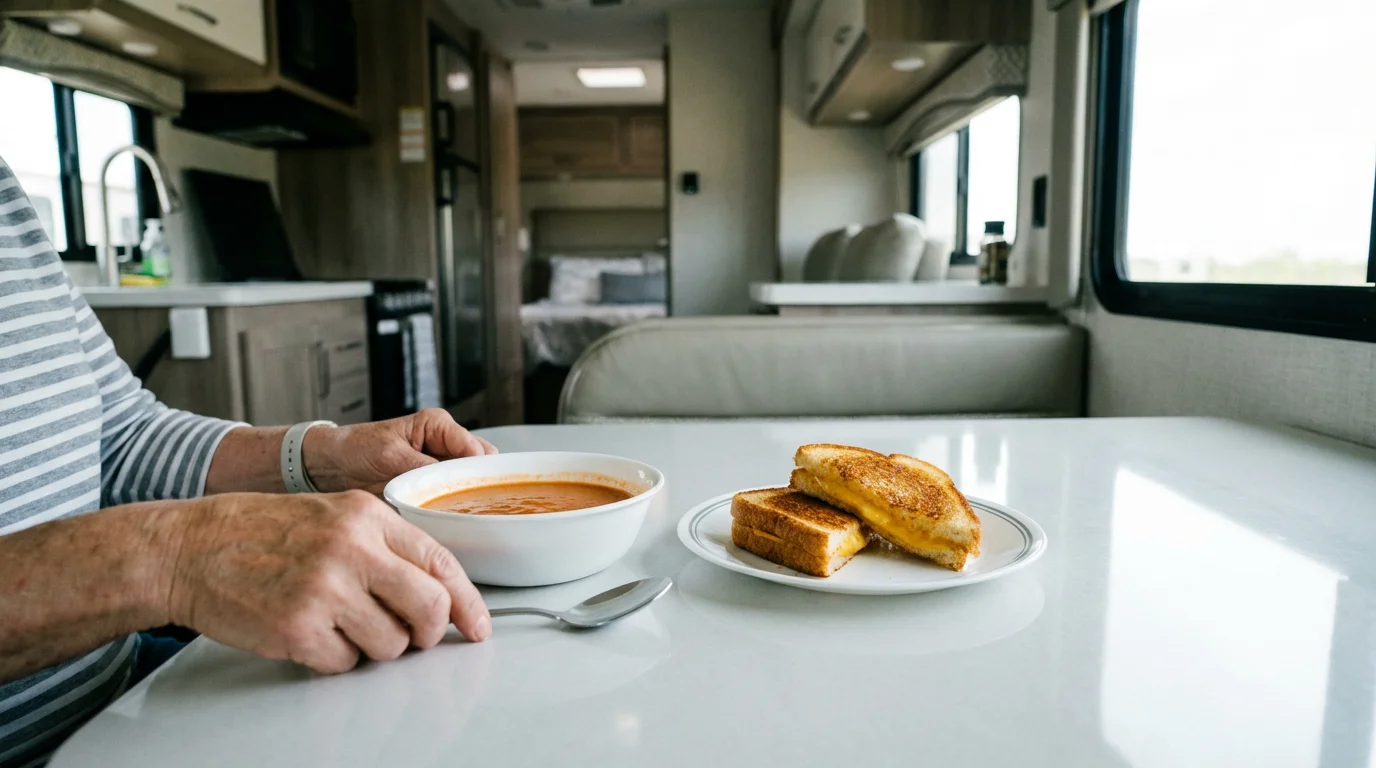
Effortless Lunches for Midday Adventures
Lunch on the road needs to be quick and easy, allowing you more time for exploration. These recipes minimize cooking and maximize flavor, ideal for how to cook easily in RV scenarios. They keep you energized without weighing you down.
4. Mediterranean Tuna or Chickpea Salad Wraps
A refreshing and protein-rich lunch, adaptable to your preferences. This makes excellent road trip food.
- Ingredients: 1 can tuna (drained) or 1 can chickpeas (rinsed and mashed), 1/4 cup chopped red onion, 1/4 cup chopped cucumber, 2 tablespoons chopped olives, 2 tablespoons mayonnaise or Greek yogurt, 1 tablespoon lemon juice, salt, pepper, whole wheat tortillas or pita bread, lettuce leaves.
- Instructions:
- In a bowl, combine tuna or mashed chickpeas, red onion, cucumber, and olives.
- Stir in mayonnaise/yogurt and lemon juice. Season with salt and pepper.
- Spread the mixture onto tortillas or pita bread, add lettuce, and roll up or fold.
5. Hearty Lentil Soup (Quick Cook)
A warming, nutritious soup that cooks quickly or can be made ahead. This is a hearty senior recipe.
- Ingredients: 1 tablespoon olive oil, 1/2 chopped onion, 1 chopped carrot, 1 chopped celery stalk, 2 cloves minced garlic, 1 cup brown or green lentils (rinsed), 4 cups vegetable broth, 1 can diced tomatoes, 1 teaspoon dried thyme, salt, pepper.
- Instructions:
- Heat olive oil in a pot over medium heat. Add onion, carrot, and celery. Sauté until softened, about 5-7 minutes.
- Stir in garlic and cook for 1 minute more.
- Add lentils, vegetable broth, diced tomatoes, and thyme. Bring to a boil, then reduce heat and simmer for 20-25 minutes, or until lentils are tender.
- Season with salt and pepper to taste.
6. Caprese Skewers or Salad
Simple, fresh, and requires no cooking. Perfect for a light RV cooking lunch.
- Ingredients: Cherry tomatoes, small mozzarella balls (bocconcini), fresh basil leaves, balsamic glaze (optional).
- Instructions:
- For skewers: Thread cherry tomatoes, mozzarella balls, and basil leaves onto small skewers.
- For salad: Arrange tomatoes, mozzarella, and basil on a plate.
- Drizzle with balsamic glaze just before serving if desired.
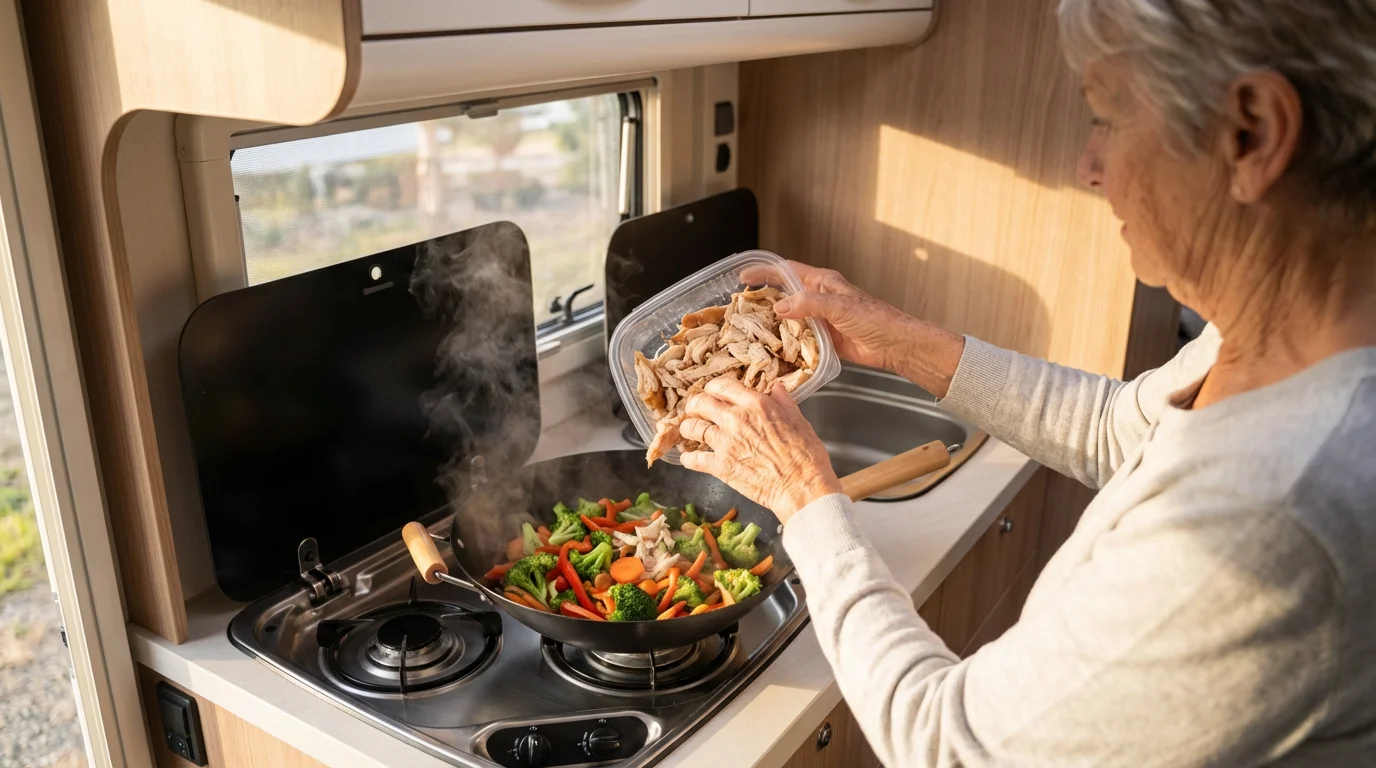
Satisfying Dinners Without the Fuss
After a day of exploring, you want a delicious dinner that is easy to prepare and clean up. These senior recipes focus on minimal effort and maximum flavor, ideal for your RV kitchen. They prove how to cook easily in RV spaces.
7. One-Pan Lemon Herb Chicken and Veggies
This one-pan wonder minimizes cleanup, a key benefit for RV cooking. It is a complete meal in one.
- Ingredients: 2 boneless, skinless chicken breasts (cut into 1-inch pieces), 1 cup chopped broccoli florets, 1 bell pepper (any color, chopped), 1/2 red onion (sliced), 2 tablespoons olive oil, 1 tablespoon lemon juice, 1 teaspoon dried Italian herbs, salt, pepper.
- Instructions:
- Preheat your RV oven or air fryer to 375°F (190°C) if applicable, or use a large non-stick pan with a lid.
- In a large bowl, combine chicken, broccoli, bell pepper, and red onion.
- Drizzle with olive oil, lemon juice, Italian herbs, salt, and pepper. Toss to coat everything evenly.
- Spread the mixture onto a baking sheet (if using oven/air fryer) or into a large pan.
- Bake for 20-25 minutes (or cook in pan with lid, stirring occasionally), until chicken is cooked through and vegetables are tender-crisp.
8. Shrimp Scampi with Zucchini Noodles or Whole Wheat Pasta
A quick and elegant meal that feels gourmet but is incredibly simple. This RV cooking favorite is light and flavorful.
- Ingredients: 1 tablespoon olive oil, 1 tablespoon butter, 3 cloves minced garlic, 1 lb peeled and deveined shrimp, 1/4 cup dry white wine or chicken broth, 2 tablespoons fresh lemon juice, 1/4 cup chopped fresh parsley, salt, pepper, 2 zucchini (spiralized) or 6 oz whole wheat linguine.
- Instructions:
- If using pasta, cook according to package directions.
- Heat olive oil and butter in a large pan over medium heat. Add garlic and cook for 1 minute until fragrant.
- Add shrimp to the pan and cook for 2-3 minutes per side until pink and cooked through. Remove shrimp from the pan and set aside.
- Pour white wine/broth and lemon juice into the hot pan, scraping up any browned bits. Simmer for 2 minutes.
- Return shrimp to the pan. Stir in fresh parsley, salt, and pepper.
- Serve immediately over zucchini noodles or cooked pasta.
9. Black Bean Burgers on Whole-Grain Buns
A satisfying vegetarian option that is surprisingly easy. You can use quality store-bought patties for ultimate convenience.
- Ingredients: 2 pre-made black bean burgers, 2 whole-grain buns, your favorite toppings (lettuce, tomato, onion, avocado, pickle, mustard, ketchup).
- Instructions:
- Cook black bean burgers according to package directions (pan-fry, grill, or microwave).
- Toast buns lightly if desired.
- Assemble burgers with your chosen toppings.
10. Quick Salmon with Asparagus
Healthy fats and tender vegetables come together for a light and delicious dinner. This senior recipe is packed with nutrients.
- Ingredients: 2 salmon fillets, 1 bunch asparagus (ends trimmed), 1 tablespoon olive oil, 1 lemon (half sliced, half for juice), salt, pepper, dried dill (optional).
- Instructions:
- Preheat your RV oven or air fryer to 400°F (200°C), or use a pan with a lid.
- Toss asparagus with olive oil, salt, and pepper.
- Season salmon fillets with salt, pepper, and dill if using. Place lemon slices on top of each fillet.
- For oven/air fryer: Place salmon and asparagus on a baking sheet. Bake for 12-15 minutes, or until salmon is cooked through and asparagus is tender-crisp.
- For stovetop: Heat olive oil in a pan over medium-high heat. Sear salmon skin-side down for 4-5 minutes, then flip and cook another 3-4 minutes. Add asparagus to the pan and cook alongside the salmon, turning occasionally, until tender.
- Squeeze fresh lemon juice over everything before serving.
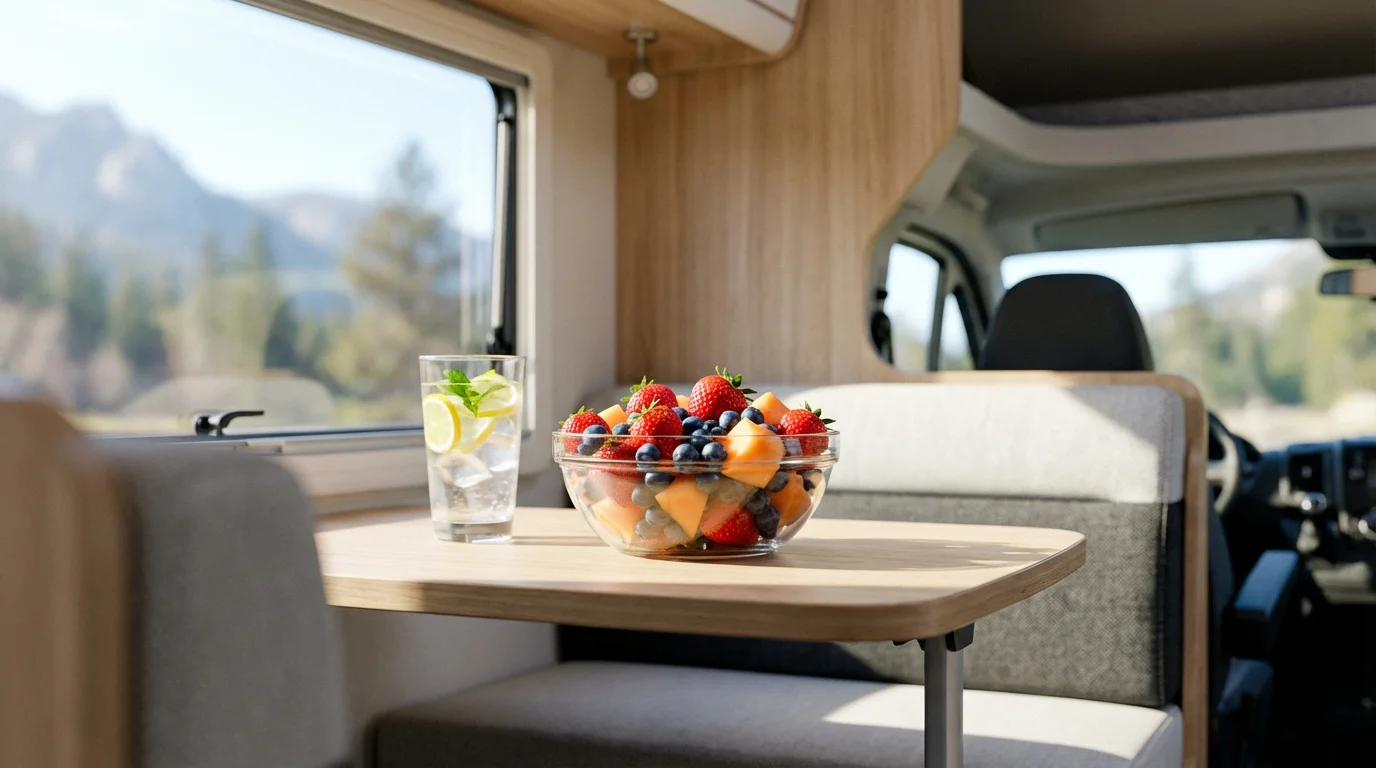
Snacks and Hydration: Staying Energized
Snacks keep your energy levels consistent between meals, especially during active days of travel. Choose nutritious options that require little to no preparation. Hydration is equally important, especially when exploring warmer climates or engaging in outdoor activities.
Keep a reusable water bottle handy and refill it often. Many RV parks and public areas offer potable water sources. Adding a slice of lemon or cucumber to your water makes it more refreshing.
Go-To RV Snacks
- Fresh Fruit: Apples, bananas, oranges, grapes, berries. Easy to pack and eat.
- Vegetable Sticks with Hummus: Carrots, celery, bell peppers paired with individual hummus cups.
- Nuts and Seeds: Almonds, walnuts, cashews, pumpkin seeds. A great source of healthy fats and protein.
- Cheese Sticks or Cubes: Pair with whole-grain crackers for a satisfying crunch.
- Greek Yogurt: High in protein, often available in single-serving cups.
- Hard-Boiled Eggs: Prepare a batch at the beginning of the week for quick protein boosts.
- Energy Bites: Made from oats, nut butter, and dried fruit. These offer a wholesome treat.
Safety and Hygiene in Your RV Kitchen
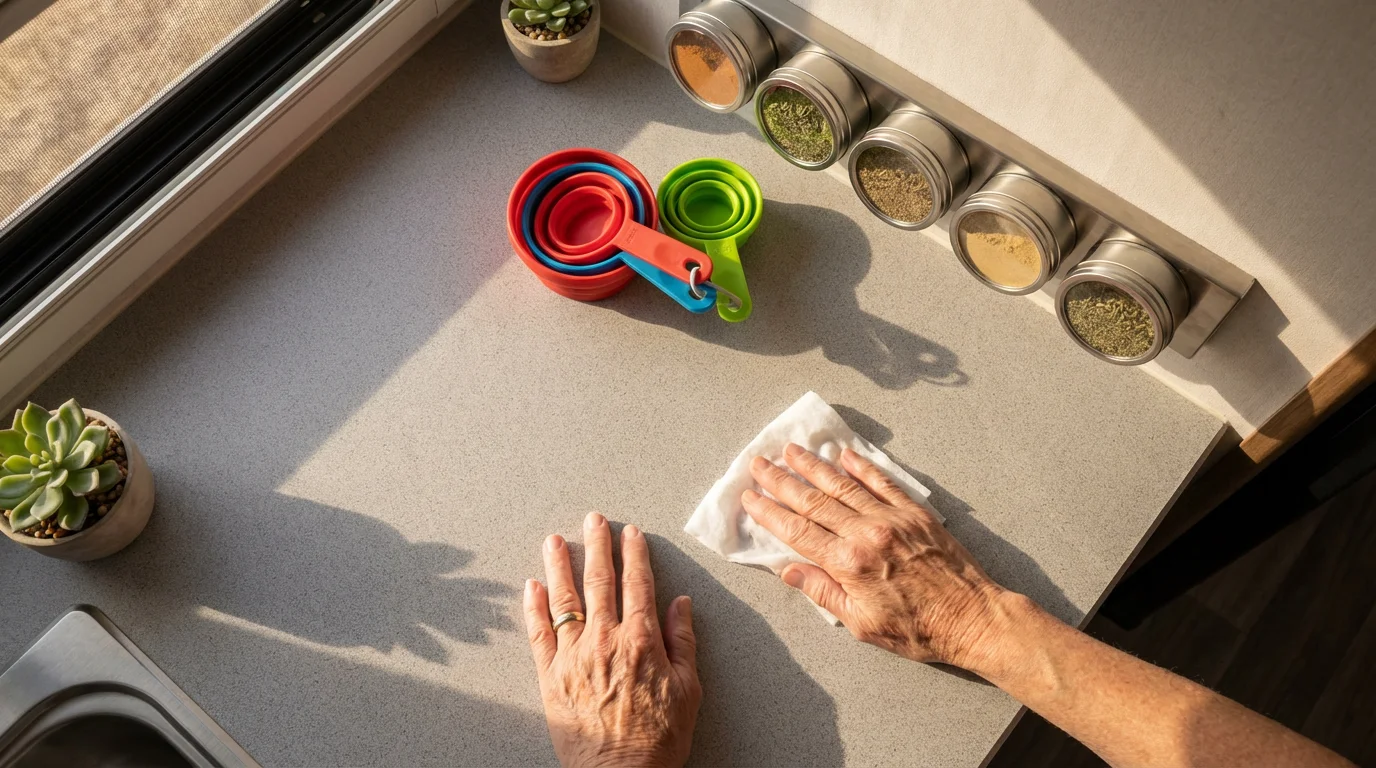
Maintaining a safe and clean RV kitchen is paramount for your health and well-being on the road. Small spaces require extra vigilance when it comes to food handling and fire safety. Always prioritize these aspects of RV cooking.
Ensure good ventilation when cooking, especially when using propane stoves. Carbon monoxide detectors are essential in all RVs. Turn off all gas appliances before driving and when leaving your RV unattended.
Essential Safety and Hygiene Tips
- Food Storage: Store perishable foods in the refrigerator at or below 40°F (4°C). Keep raw meats separate from produce and cooked foods to prevent cross-contamination. You can find detailed guidelines from the CDC Travelers’ Health regarding food and water safety.
- Water Safety: Always use potable water for drinking and cooking. Regularly clean and sanitize your RV’s freshwater tank. If unsure about water quality, boil it or use a reliable water filter.
- Waste Management: Dispose of food scraps and trash properly to avoid attracting pests. Use tightly sealed bins. Empty your gray and black water tanks regularly at designated dump stations.
- Fire Safety: Keep a fire extinguisher easily accessible in your RV kitchen. Never leave cooking food unattended. Clean up grease spills immediately to prevent flare-ups.
- Hand Washing: Wash your hands thoroughly with soap and water before and after handling food, especially raw meat.
- Propane Safety: Check your propane lines and connections regularly for leaks. Turn off propane at the tank when refueling or if you smell gas.
These practices ensure your RV kitchen remains a safe and enjoyable place for preparing all your road trip food.
Beyond the Recipes: Enjoying Your Culinary Journey
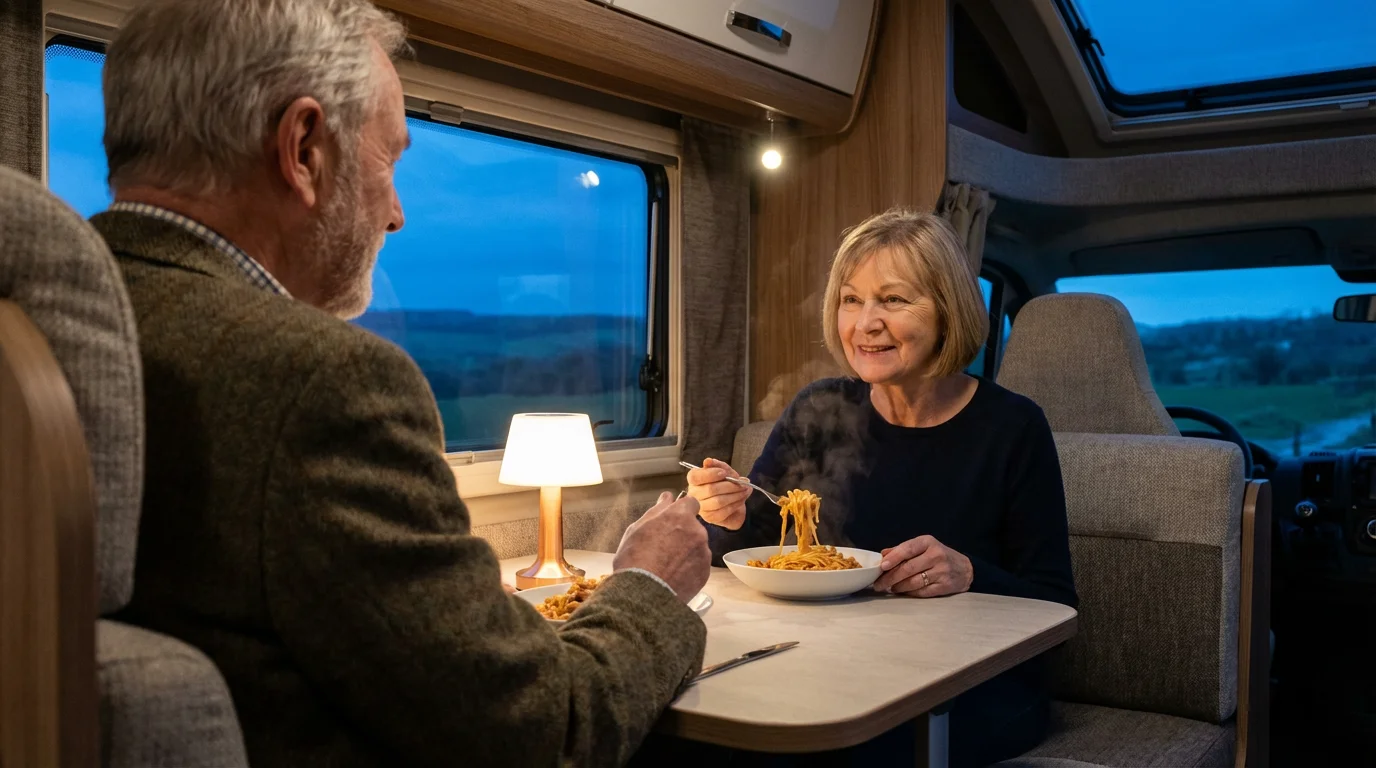
Cooking in your RV extends beyond simply preparing meals; it enriches your entire travel experience. It becomes an act of self-reliance, creativity, and connection with your surroundings. Embrace the adventure of discovering new ingredients at local markets and adapting your favorite dishes.
Don’t be afraid to experiment. Your RV kitchen offers a unique opportunity to explore culinary horizons at your own pace. Enjoy the process of creating memorable meals wherever your wheels take you.
“The world is a book and those who do not travel read only one page.” — Saint Augustine
Frequently Asked Questions
What are easy RV recipes for beginners?
Beginners should start with one-pot meals, simple sandwiches, scrambled eggs, and pre-cut vegetable stir-fries. Focus on recipes with minimal ingredients and cooking steps, like pasta with canned sauce, or grilled cheese. Utilize convenience items like rotisserie chicken or pre-made burger patties.
How do I manage food storage in a small RV kitchen?
Maximize space by using stackable containers, collapsible bowls, and magnetic spice racks. Organize your pantry with pull-out bins or tension rods to prevent items from shifting during travel. Plan meals to use fresh ingredients first, reducing excess bulk in your refrigerator.
What are the best tips for healthy eating on an RV road trip?
Prioritize whole foods such as fruits, vegetables, lean proteins, and whole grains. Limit processed snacks and sugary drinks. Plan for balanced meals, incorporating plenty of fiber and healthy fats. Stay hydrated by drinking plenty of water throughout the day. Batch cook healthy staples like quinoa or roasted chicken.
Can I use an air fryer or Instant Pot in my RV?
Yes, many RVers successfully use compact air fryers and Instant Pots. These appliances are excellent for one-pot meals and offer versatile cooking methods. Ensure your RV’s electrical system can handle the wattage, especially if you are boondocking and relying on an inverter or generator. Always use these appliances safely and according to manufacturer guidelines.
How can I make RV cooking more budget-friendly?
Plan your meals in advance and create a grocery list to avoid impulse buys. Shop at larger supermarkets for better prices before heading to remote areas. Opt for versatile ingredients that can be used in multiple dishes. Utilize staples like beans, lentils, and oats. Cooking most of your meals in the RV saves significantly compared to restaurant dining.
Are there any specific safety concerns for cooking with propane in an RV?
Always ensure good ventilation when using your propane stove, by opening a window or using an exhaust fan. Install and regularly check your carbon monoxide detector. Turn off propane at the tank when you are not using it, especially when driving or sleeping. Inspect hoses and connections for leaks periodically. Never store propane cylinders inside the RV.
Disclaimer: This article is for informational purposes only. Travel conditions, accessibility, and requirements change frequently. We encourage readers to verify current information with official sources before traveling. Always consult with healthcare providers about travel considerations for your specific health situation.
Leave a Reply