
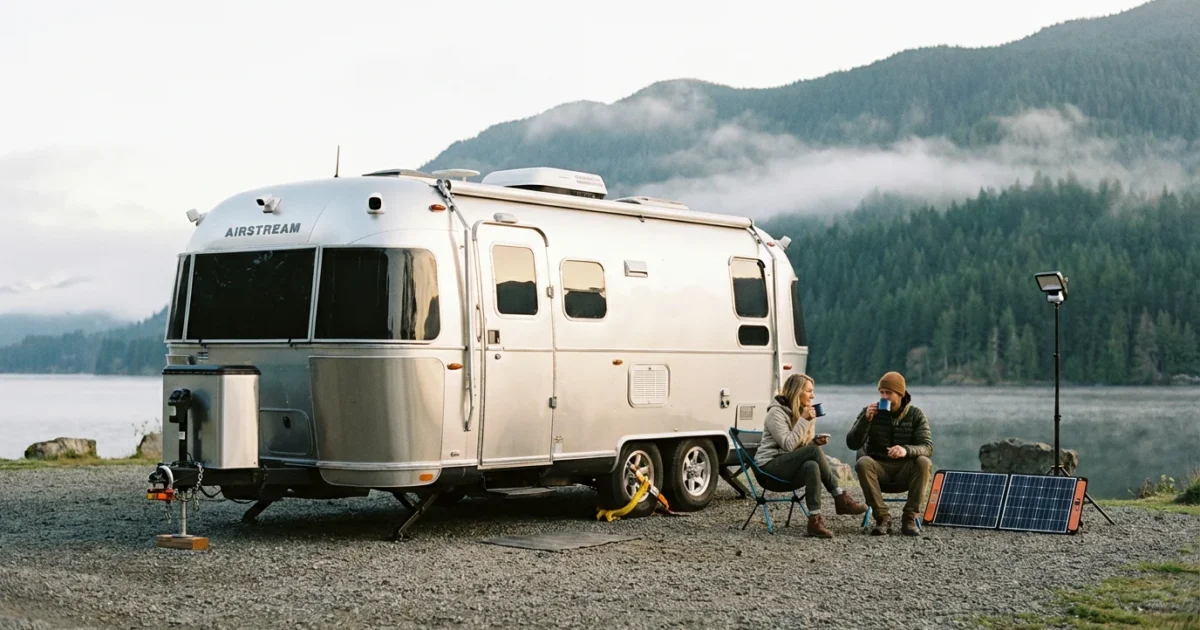
Embarking on RV adventures offers unparalleled freedom and discovery. You traverse scenic routes, explore national parks, and wake up to breathtaking views. Senior travelers, in particular, embrace this lifestyle, finding new horizons and enduring memories. However, protecting your home on wheels, a significant investment and a vessel for your dreams, becomes a top priority. Understanding RV theft risks and implementing robust security measures ensures your peace of mind throughout every journey. This comprehensive guide helps you safeguard your RV against potential threats, allowing you to focus on the joy of exploration.
RV theft can disrupt your plans, cause financial loss, and lead to considerable stress. Unfortunately, thieves view RVs as attractive targets due to their value and mobility. By taking proactive steps, you significantly reduce your vulnerability. You gain control over your security, protecting your RV and your valuable belongings. Let us explore the best strategies for preventing RV theft, enhancing your RV security, and ensuring senior safety on the road.
Table of Contents
- Understanding the RV Theft Landscape
- Layered Security: Your Foundation for Protection
- Physical Deterrents for Robust RV Security
- Advanced Electronic Security Systems
- Securing Your RV’s Interior and Valuables
- Smart Practices for Campgrounds and Storage
- Insurance and Documentation: Your Backup Plan
- What to Do if Theft Occurs
- Staying Vigilant: Community and Awareness
- Frequently Asked Questions
Understanding the RV Theft Landscape
Thieves target RVs for various reasons. Some criminals aim to steal the entire vehicle, either for resale or to dismantle it for parts. Others focus on valuable components like catalytic converters, generators, or solar panels. Contents inside the RV, including electronics, cash, and personal items, also attract opportunistic thieves. Your understanding of these motivations empowers you to build a comprehensive defense strategy. Data indicates that thousands of RVs and trailers disappear annually, making awareness and preparation critical.
RV theft methods range from simple opportunistic grabs to sophisticated schemes. Criminals may force entry, bypass ignition systems, or even tow away smaller RVs or trailers. They often scout locations, looking for vulnerable targets parked in isolated areas or without visible security measures. You must consider both vehicle-level and property-level security to fully protect your investment. A multi-pronged approach offers the best defense.
“Adventure is worthwhile in itself.” — Amelia Earhart
Embracing adventure means preparing for every eventuality, including safeguarding your cherished RV. This preparation frees your mind to fully immerse yourself in the journey. Robust security measures enable you to travel with confidence, knowing you have taken steps to protect your rolling sanctuary.
Layered Security: Your Foundation for Protection
Effective RV security relies on a layered approach. Think of it as building multiple walls around your investment. Each layer adds a new obstacle for potential thieves, increasing the time and effort required to bypass your defenses. This increased difficulty often deters criminals, causing them to seek easier targets. A single security device rarely provides complete protection. Combining various methods offers far superior security.
You can create a formidable defense by integrating physical deterrents, electronic systems, and smart behavioral practices. This strategy significantly reduces your vulnerability to RV theft. It empowers you to enjoy your travels without constant worry. Consider each layer as a critical component of your overall safety plan.
Physical Deterrents for Robust RV Security
Physical security measures act as immediate visual deterrents and make your RV harder to move or access. They are the first line of defense, often convincing thieves to move on before attempting a break-in. You have many options available to reinforce your RV’s physical integrity.
Key Physical Security Devices for Your RV:
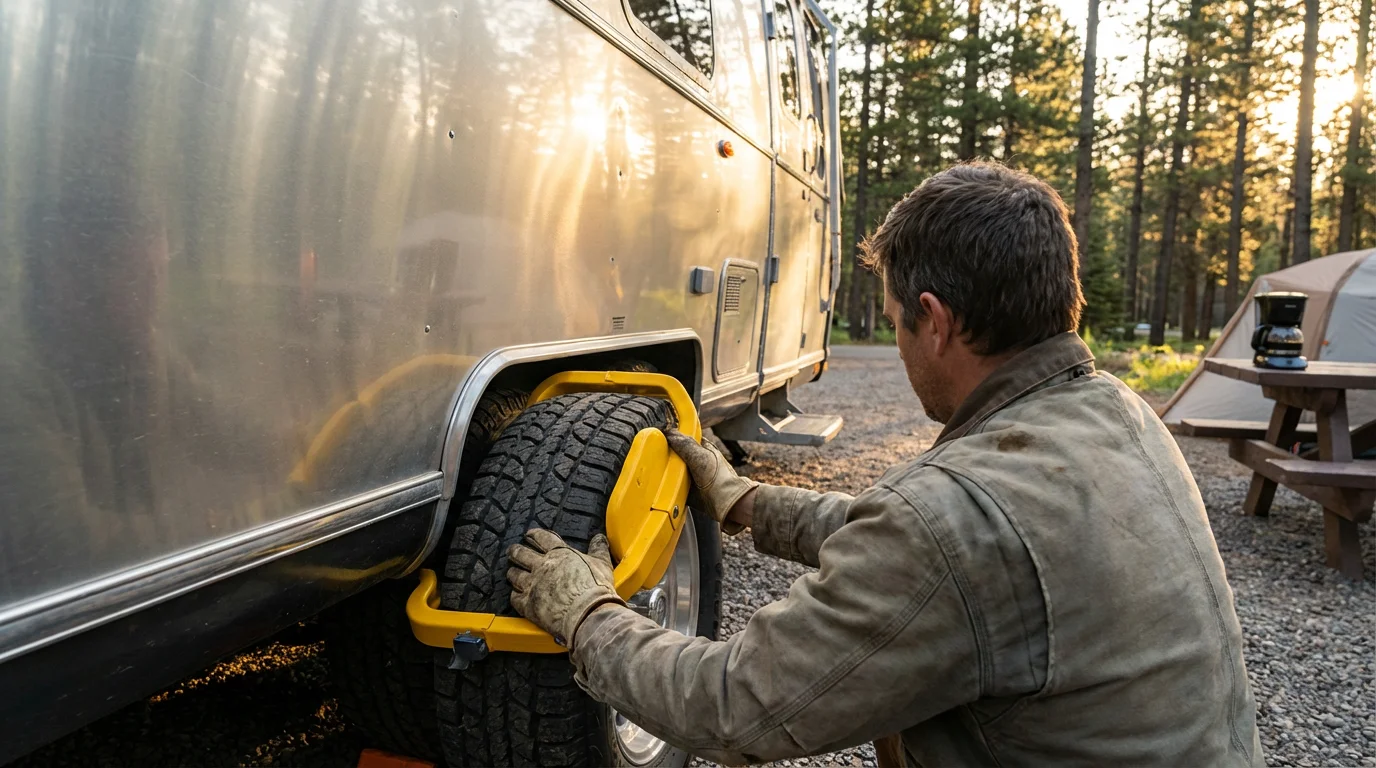
- Wheel Clamps: These devices lock onto one or more wheels, preventing the RV from being driven or towed. They are highly visible and difficult to remove without keys or specialized tools.
- Coupler Locks: For towable RVs and trailers, a coupler lock secures the hitch to prevent unauthorized hook-up. These locks vary in design and strength, so choose a heavy-duty option.
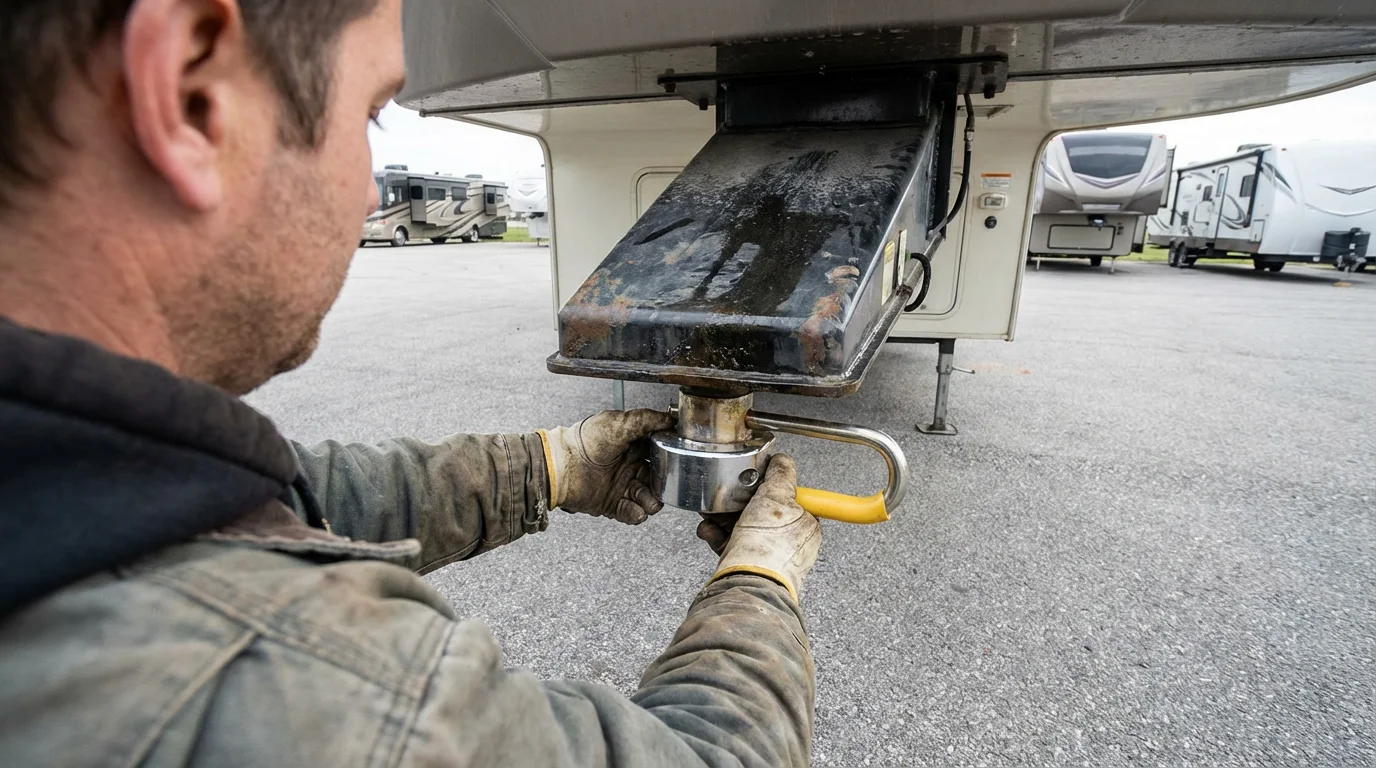
- Kingpin Locks: Specifically for fifth-wheel RVs, a kingpin lock prevents connection to a semi-trailer hitch. They offer excellent protection against tow-away theft.
- Steering Wheel Locks: For motorhomes, a steering wheel lock immobilizes the steering wheel. This prevents thieves from driving the vehicle even if they bypass the ignition.
- Door and Hatch Locks: Upgrade standard factory locks on entry doors and storage compartments to more secure, heavy-duty versions. Consider deadbolts or additional barrel locks.
- Window Locks: Reinforce your RV’s windows with additional locks or bars. This prevents forced entry through easily accessible windows.
- Propane Tank Locks: Propane tanks are valuable and often located externally. Secure them with specialized locks to prevent theft.
You should assess your RV’s specific vulnerabilities and select physical deterrents that address those weaknesses. Consistent use of these devices dramatically enhances your RV’s physical security. Make a habit of engaging all locks every time you leave your RV unattended.
Advanced Electronic Security Systems
Electronic systems add another layer of sophisticated protection, often providing alerts and tracking capabilities. These devices go beyond simple physical barriers, actively monitoring your RV’s status and location. You benefit from real-time information and increased chances of recovery if theft occurs.
Essential Electronic Security Features:
- GPS Tracking Devices: A hidden GPS tracker allows you to monitor your RV’s location via a smartphone app. Many systems offer geo-fencing, alerting you if the RV moves outside a predefined area. This technology is invaluable for recovery.
- Alarm Systems: RV-specific alarm systems detect forced entry, broken windows, or even motion within the cabin. Many integrate with your smartphone, sending instant notifications. Some systems also feature loud sirens to deter thieves on the spot.
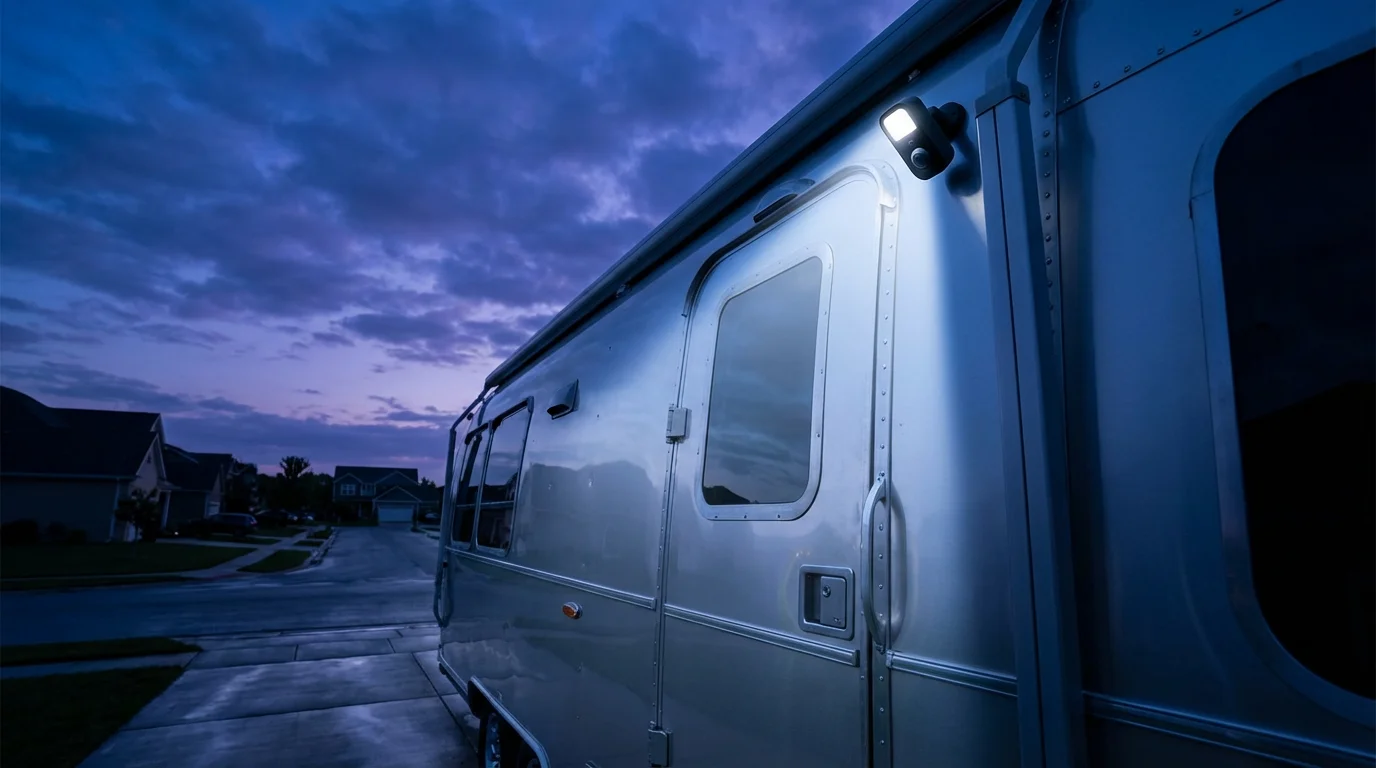
- Remote Monitoring Cameras: Install wireless security cameras with motion detection inside and outside your RV. You can monitor live feeds remotely and record suspicious activity. Solar-powered outdoor cameras are excellent for extended monitoring.
- Engine Immobilizers: These devices prevent the engine from starting without the correct key or transponder. Many newer motorhomes include these factory-installed, but you can add aftermarket versions to older models.
- Hidden Kill Switches: An experienced RV technician can install a discreet kill switch that cuts power to essential systems, rendering the RV inoperable. You activate this switch manually before leaving your RV.
Integrating these electronic measures into your security plan creates a powerful defense system. You gain both proactive deterrence and reactive recovery capabilities. Explore systems that integrate multiple features for comprehensive coverage.
Securing Your RV’s Interior and Valuables
While protecting the entire RV is crucial, safeguarding your personal belongings inside warrants equal attention. Thieves often target items of value that are easy to grab and resell. You can take several steps to minimize this risk, protecting your cherished possessions and important documents.
Tips for Securing Valuables Inside Your RV:
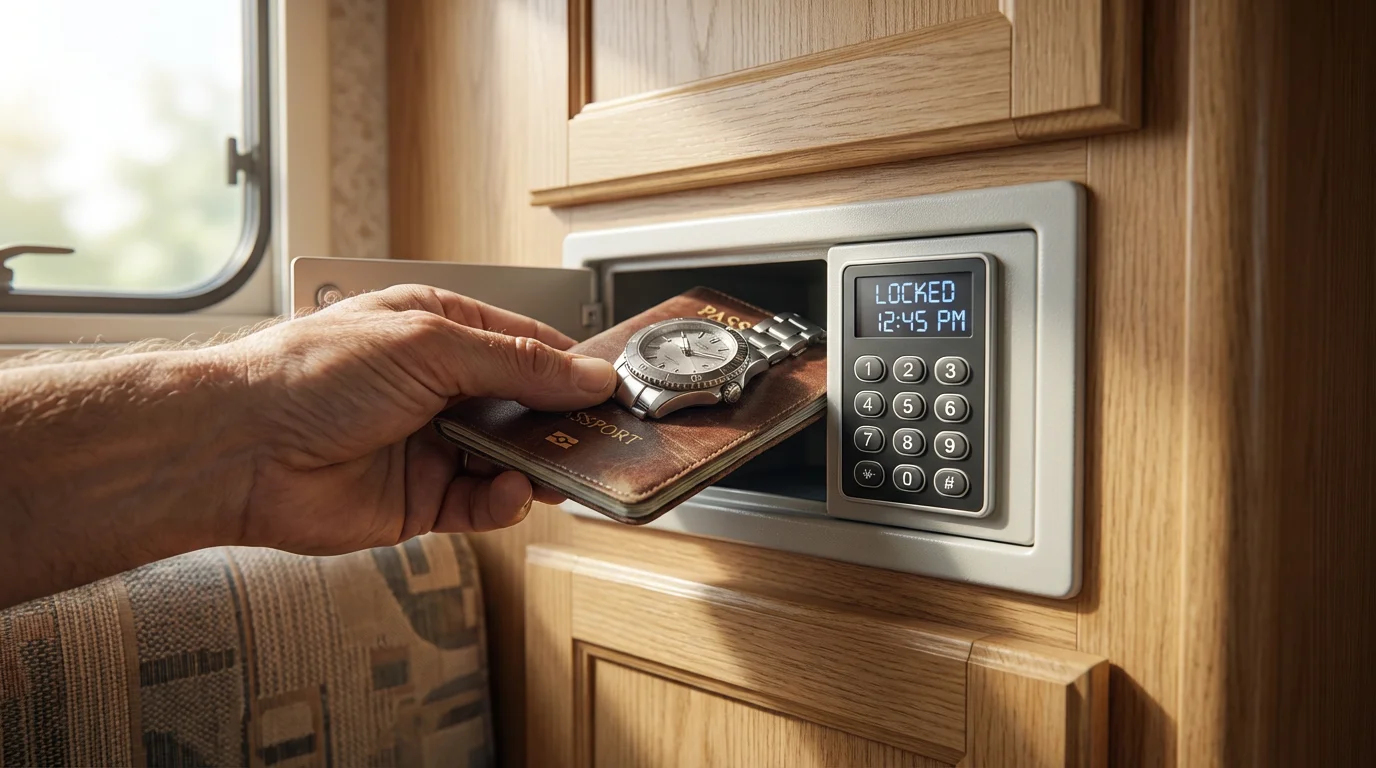
- Use a Safe: Install a bolted-down safe for important documents, passports, cash, jewelry, and small electronics. Choose a safe that is fire-resistant and difficult to remove.
- Hide Valuables: Never leave expensive items, such as laptops, cameras, or wallets, visible through windows. Stash them in locked cabinets, under beds, or in other discreet locations.
- Take Photos and Document Serial Numbers: Photograph all your valuable possessions, noting their serial numbers. This provides essential information for insurance claims and police reports if theft occurs.
- Secure Electronics: For larger electronics like TVs, consider anti-theft mounts or simply remove them and store them out of sight when leaving your RV for extended periods.
- Use Blinds or Curtains: Close all blinds and curtains when you are away from your RV. This prevents prying eyes from scouting your interior and identifying potential targets.
- Avoid Bragging: Be mindful of displaying expensive gear or personal wealth, which can attract unwanted attention.
Practicing these interior security measures prevents opportunistic theft. You create a less appealing target for criminals looking for a quick score. Your diligence extends your peace of mind from the exterior to the interior of your RV.
Smart Practices for Campgrounds and Storage
Your RV’s location significantly impacts its vulnerability to theft. Whether you are parked at a bustling campground, a quiet boondocking spot, or a long-term storage facility, smart practices enhance your security. You control many aspects of your environment through careful decision-making.
Best Practices for Parking and Storage:
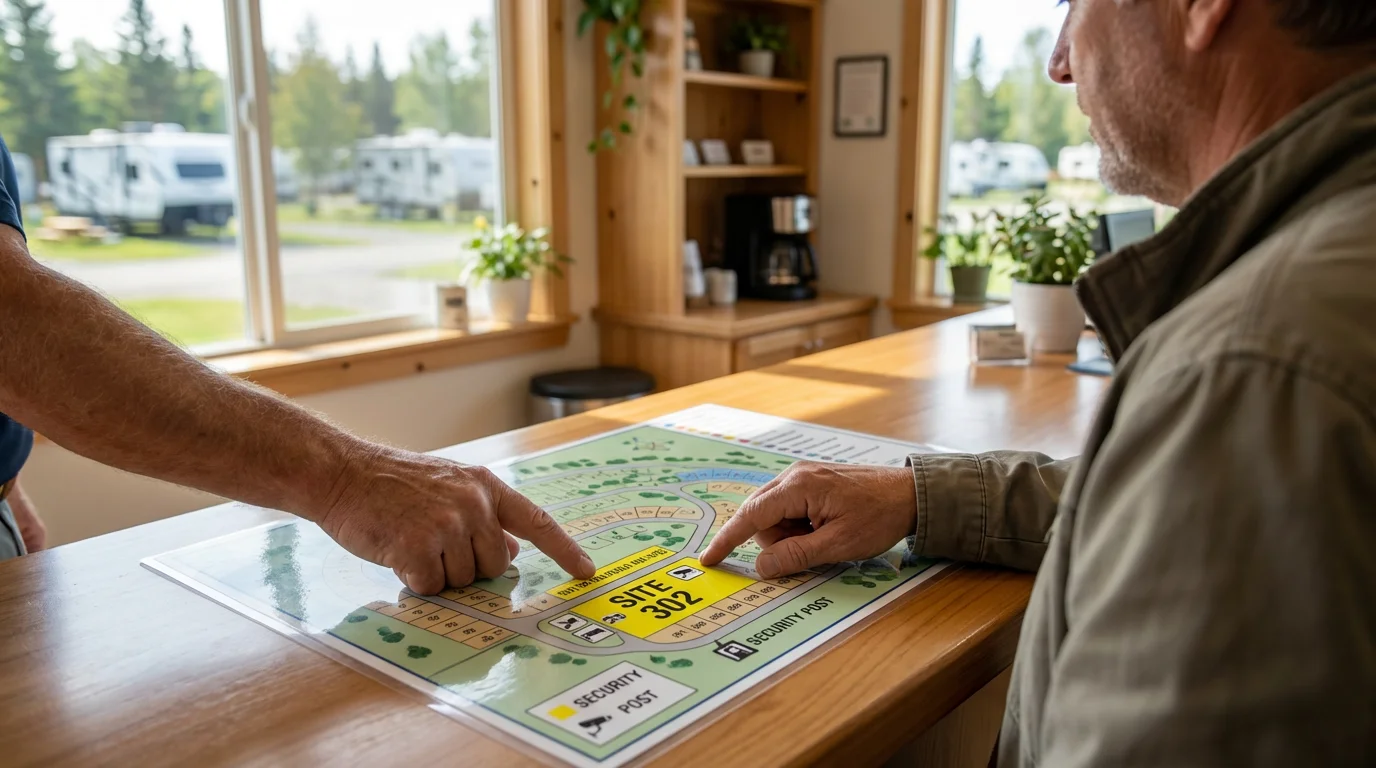
- Choose Secure Locations: Whenever possible, select well-lit campgrounds with surveillance cameras, gated access, or active staff presence. Check reviews on sites like Recreation.gov to gauge security reputations.
- Park Strategically: Position your RV in a way that makes it difficult to tow. Back into a spot with natural barriers like trees or fences behind you. Angle your RV so hitch locks or wheel clamps are less accessible.
- Introduce Yourself to Neighbors: Build rapport with fellow campers. A friendly wave and brief chat can establish a sense of community. Neighbors often look out for each other and report suspicious activity.
- Vary Your Schedule: If staying in one spot for an extended period, vary your departure and return times. Predictable routines make it easier for thieves to plan their moves.
- Use Adequate Lighting: Install motion-sensor lights around your RV’s exterior. These can startle potential intruders and draw attention to your vehicle.
- Secure Storage Facilities: When storing your RV, choose reputable facilities with robust security features. Look for high fences, gated access, 24/7 surveillance, and on-site personnel. Consider an indoor, climate-controlled facility for ultimate protection.
- Regularly Check on Stored RVs: If storing your RV for months, arrange periodic checks. Ensure all security devices remain in place and no signs of tampering exist.
These practices extend beyond just physical locks and alarms. You actively create an environment that deters theft. Your vigilance in choosing locations and interacting with your surroundings plays a crucial role in senior safety.
Insurance and Documentation: Your Backup Plan
Even with the best security measures, theft can sometimes occur. A robust insurance policy and meticulous documentation provide your financial safety net. You gain peace of mind knowing you have a plan for recovery and replacement. This aspect of preparation is as important as the physical security itself.
Key Insurance and Documentation Actions:
- Review Your RV Insurance Policy: Understand your coverage limits for the RV itself and for personal property inside. Does it cover theft of components like generators or catalytic converters? Discuss specific concerns with your insurance provider.
- Consider Additional Coverage: Depending on the value of your RV and its contents, you might need additional riders for specific high-value items. This ensures you receive adequate compensation.
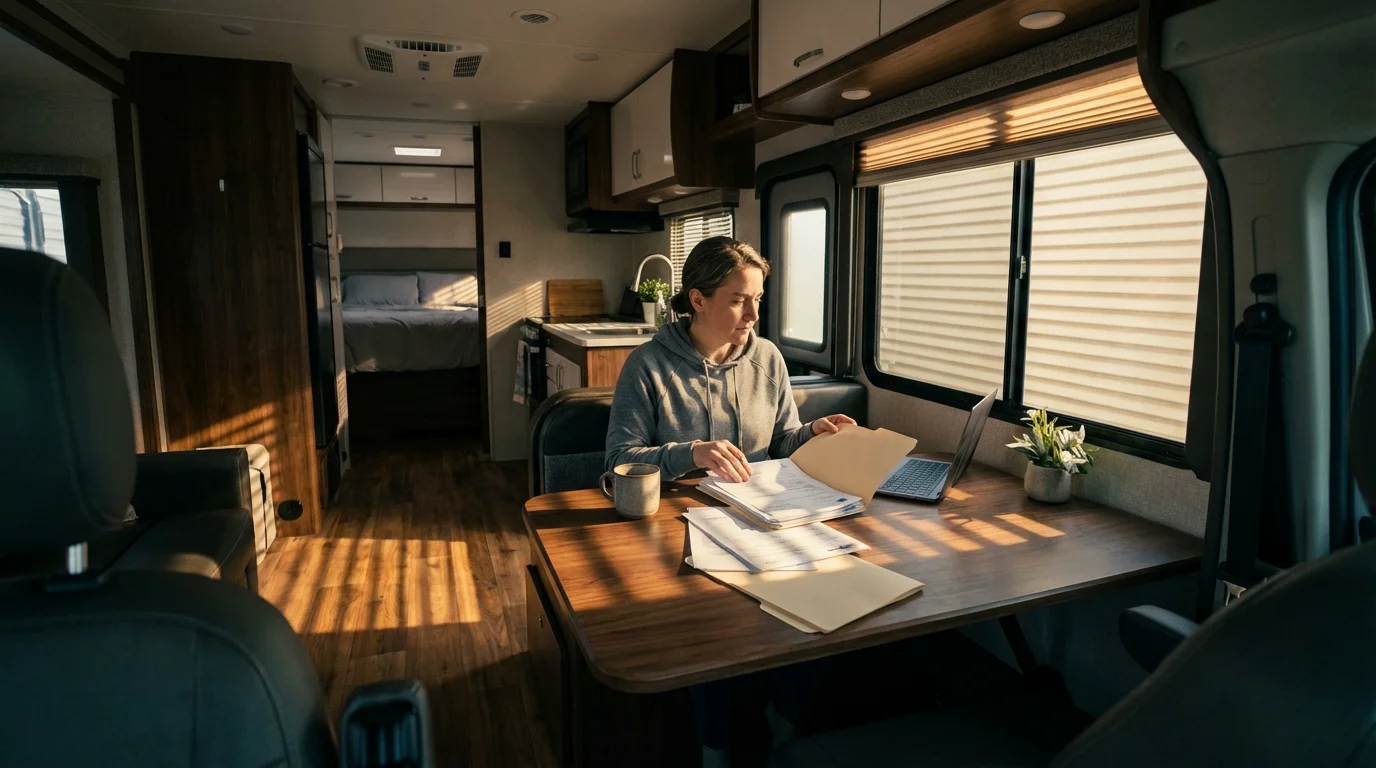
- Maintain a Detailed Inventory: Create a comprehensive list of all valuables inside your RV. Include brand names, models, serial numbers, and approximate values. Take photos of everything. Store this inventory in a secure, off-site location or cloud storage.
- Keep Copies of Important Documents: Store copies of your RV title, registration, insurance policy, and driver’s license both digitally and physically in a separate, secure location. This helps prove ownership quickly if your RV is stolen.
- Know Your Policy’s Reporting Requirements: Understand the timeline for reporting a theft to your insurance company. Delays can complicate your claim.
Adequate insurance provides financial recourse, allowing you to recover from a theft. Thorough documentation streamlines the claims process. You prepare for the worst while hoping for the best, reinforcing your overall senior safety strategy.
What to Do if Theft Occurs
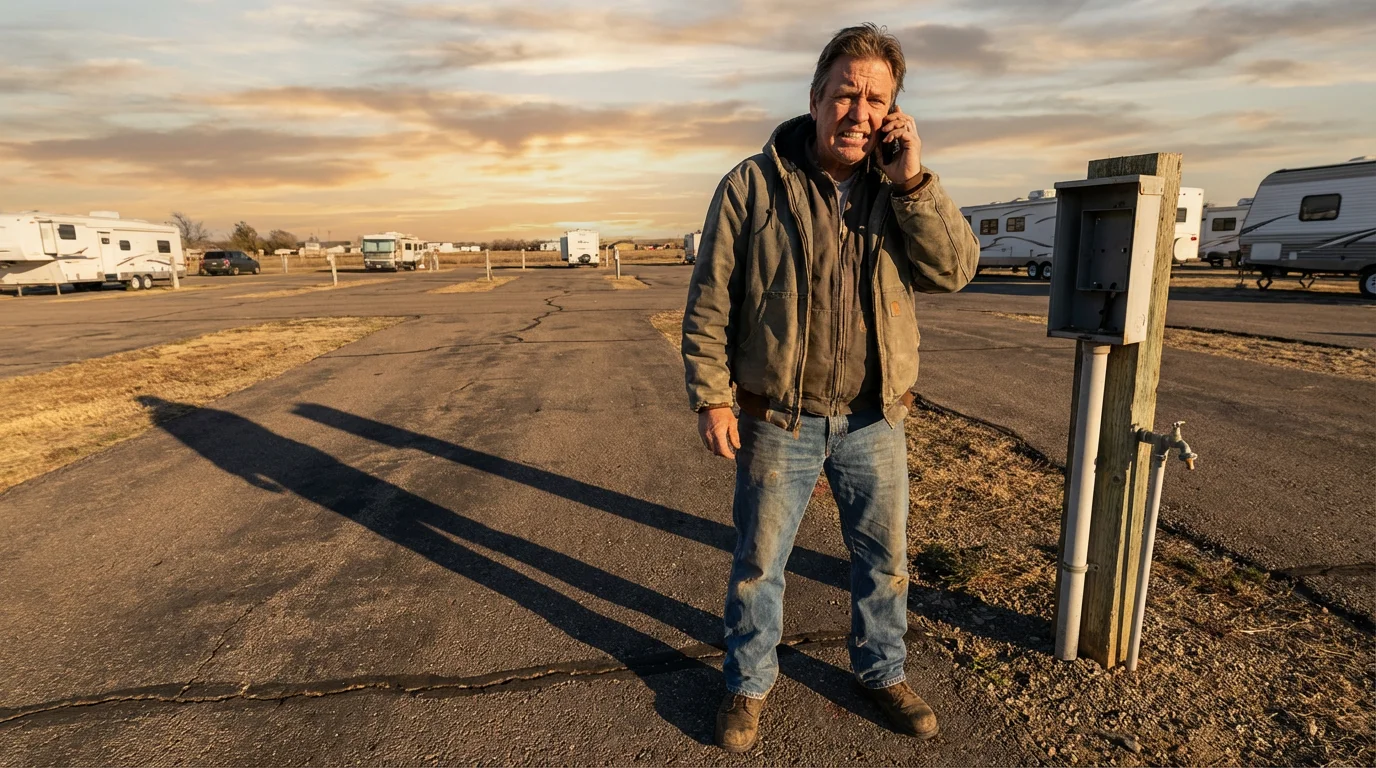
Discovering your RV is stolen is a distressing experience. However, quick and decisive action significantly improves the chances of recovery. You need a clear plan to execute immediately. Staying calm and following these steps helps you navigate the situation effectively.
Immediate Actions if Your RV is Stolen:
- Contact Law Enforcement Immediately: Report the theft to the local police department where the RV was last seen. Provide them with all details: make, model, year, license plate number, VIN, and any unique identifying features.
- Provide GPS Tracking Information: If your RV has a GPS tracker, share the live tracking data with the police. This is often the most critical tool for swift recovery.
- Notify Your Insurance Company: Contact your RV insurance provider as soon as possible to file a claim. They will guide you through their specific reporting procedures and required documentation.
- Create an Inventory of Missing Items: Use your pre-prepared inventory to list all items stolen from inside the RV. This is crucial for both police reports and insurance claims.
- Alert Relevant Parties: If your RV was parked at a storage facility or a private property, inform the owners or managers. They might have surveillance footage or additional information.
- Change Locks and Security for Other Vehicles: If keys were stolen, consider rekeying other vehicles or your home for added security.
- Stay Engaged with Authorities: Follow up with law enforcement and your insurance company regularly. Provide any new information you discover.
Your prompt actions are paramount in these stressful situations. Timely reporting and accurate information empower authorities to act quickly. You play an active role in attempting to recover your valuable investment.

Staying Vigilant: Community and Awareness
Personal vigilance and community engagement form an often-overlooked but powerful layer of security. You are your RV’s first line of defense. Paying attention to your surroundings and fostering connections with fellow travelers enhances safety for everyone. Senior safety thrives in informed and connected communities.
Cultivating Vigilance and Community Spirit:
- Trust Your Instincts: If a situation or person feels off, trust that feeling. Move your RV, or report suspicious behavior to campground staff or local authorities.
- Observe Your Surroundings: Pay attention to vehicles or individuals loitering around RVs, especially at odd hours. Note descriptions or license plates if something seems out of place.
- Join RVing Communities: Online forums and social media groups dedicated to RVing often share security tips, local crime reports, and warnings about specific areas. You gain valuable insights from others’ experiences.
- Participate in Campground Watch Programs: Some larger campgrounds have informal “neighborhood watch” programs. Engage with these initiatives. You create a shared responsibility for security.
- Educate Yourself on Current Trends: Thieves adapt their methods. Stay informed about common RV theft techniques and new security technologies. AARP Travel offers general safety tips applicable to all travel.
- Don’t Be Afraid to Report: If you see something, say something. Reporting suspicious activity helps protect not only your RV but also the entire RV community.
By staying vigilant and engaging with the RV community, you build a stronger defense against theft. You contribute to a safer environment for all adventurers. Your awareness is a powerful tool in preventing RV theft and ensuring your peace of mind.
Frequently Asked Questions
What are the most common RV theft methods?
Thieves often target RVs through key duplication, breaking into the cabin, or towing the entire vehicle, especially when parked in unsecured locations. Some criminals also target components like catalytic converters or solar panels. Awareness of these methods empowers you to implement effective countermeasures.
Can I use GPS trackers to recover my RV?
Yes, GPS trackers significantly increase the chances of recovering a stolen RV. These devices allow law enforcement to pinpoint the vehicle’s location in real time. Choose a tracker with long battery life and a discreet installation location for optimal effectiveness.
Is RV insurance enough to cover theft?
RV insurance provides crucial financial protection against theft, but coverage varies. Comprehensive policies generally cover theft of the RV itself, while personal property coverage protects belongings inside. Review your policy details carefully, understanding deductibles and limits. Good security practices reduce risk and may even influence your premiums.
What should I do immediately after discovering my RV is stolen?
Act quickly if you discover your RV is stolen. First, contact local law enforcement to file a police report, providing all vehicle details. Next, notify your insurance company. If your RV has a GPS tracker, share the tracking information with the police immediately. Speed helps immensely in recovery efforts.
Are older RVs more susceptible to theft than newer ones?
Older RVs can be more susceptible to theft due to less sophisticated factory security systems. However, thieves target both old and new models. Newer RVs may have advanced alarms, but they also represent a higher value target. Regardless of your RV’s age, implementing robust security layers is essential for protection.
How can I secure my belongings inside the RV?
Protect your interior valuables by keeping them out of sight. Use a safe or secure compartment for important documents, cash, and small electronics. Photograph all valuable items for insurance purposes. Avoid leaving expensive items visible through windows, as this tempts opportunistic thieves.
Disclaimer: This article is for informational purposes only. Travel conditions, accessibility, and requirements change frequently. We encourage readers to verify current information with official sources before traveling. Always consult with healthcare providers about travel considerations for your specific health situation.


Leave a Reply