

Embarking on an RV adventure offers unparalleled freedom, allowing you to discover America’s hidden gems and majestic landscapes at your own pace. For seniors, this mobile lifestyle presents a fantastic opportunity for sustained exploration and connection with nature. Maximizing the joy of your RV journey begins long before you turn the ignition. It starts with meticulous planning of your RV route and mastering GPS navigation.
This comprehensive guide empowers you with the knowledge and tools to confidently plan your next RV expedition. We provide practical advice on selecting the right GPS navigation system, understanding RV-specific routing challenges, and ensuring a safe, enjoyable trip for every senior traveler. Get ready to hit the open road with confidence and make unforgettable memories.
Table of Contents
- Why Smart RV Route Planning Matters for Seniors
- Understanding RV-Specific Navigation Challenges
- Essential Tools for Planning Your RV Route
- Choosing the Best RV GPS Navigation System
- Step-by-Step: How to Plan Your RV Route
- Mastering On-the-Road Navigation and Safety
- Leveraging Technology: Apps and Digital Resources
- Budgeting for Your RV Adventures and Route Costs
- Preparing for the Unexpected: Contingency Planning
- Frequently Asked Questions
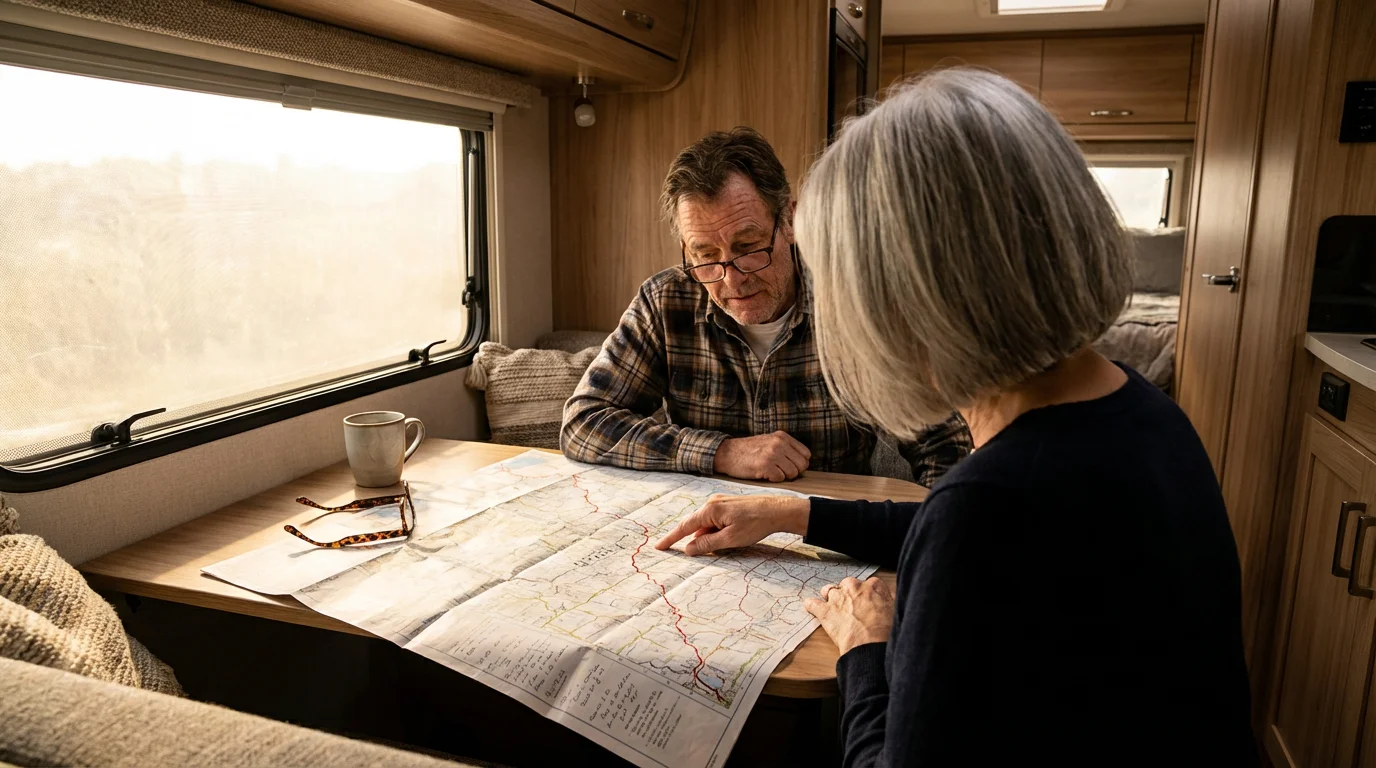
Why Smart RV Route Planning Matters for Seniors
Thoughtful RV route planning transforms a good trip into an exceptional one. For seniors, it significantly enhances safety, comfort, and the overall enjoyment of your journey. You avoid unexpected detours and ensure a smoother travel experience.
Careful planning addresses specific needs. It allows you to schedule breaks, plan for accessible stops, and minimize stress, making every mile enjoyable. Investing time in advance pays dividends in peace of mind and memorable adventures.
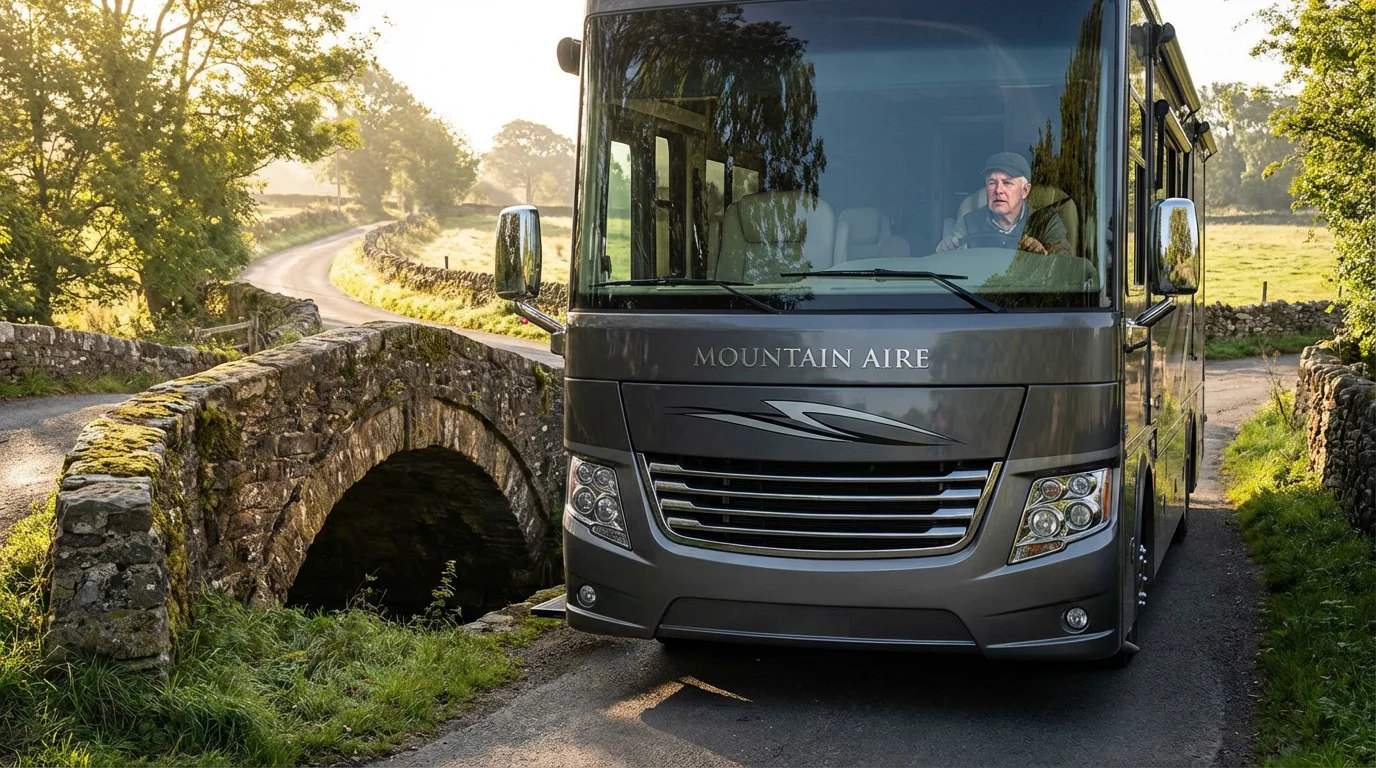
Understanding RV-Specific Navigation Challenges
Navigating an RV differs significantly from driving a passenger car. Your vehicle’s size, weight, and height impose unique restrictions. Standard car GPS systems often fail to account for these crucial differences, leading to potentially dangerous situations.
Imagine encountering low bridges, weight-restricted roads, or tight turns not suitable for a large rig. These scenarios pose real risks and cause unnecessary stress. An RV-specific navigation system becomes an indispensable tool for senior travel.
Key Challenges for RV Navigation:
- Low Bridge Clearances: Many bridges have height restrictions, which can be critical for taller RVs.
- Weight and Length Restrictions: Certain roads, tunnels, and bridges prohibit vehicles exceeding specific weight or length limits.
- Tight Turns and Narrow Roads: Residential streets or scenic routes might become impassable for longer RVs.
- Steep Grades and Mountain Passes: Heavy RVs require careful consideration of inclines and declines, affecting braking and fuel consumption.
- Propane Restrictions: Some tunnels and ferries prohibit vehicles carrying propane, a common RV accessory.
- Fuel Station Access: Not all gas stations can accommodate large RVs, especially those with tow vehicles.
- Campground Maneuverability: Finding and navigating to your specific campsite requires careful attention, especially in crowded parks.
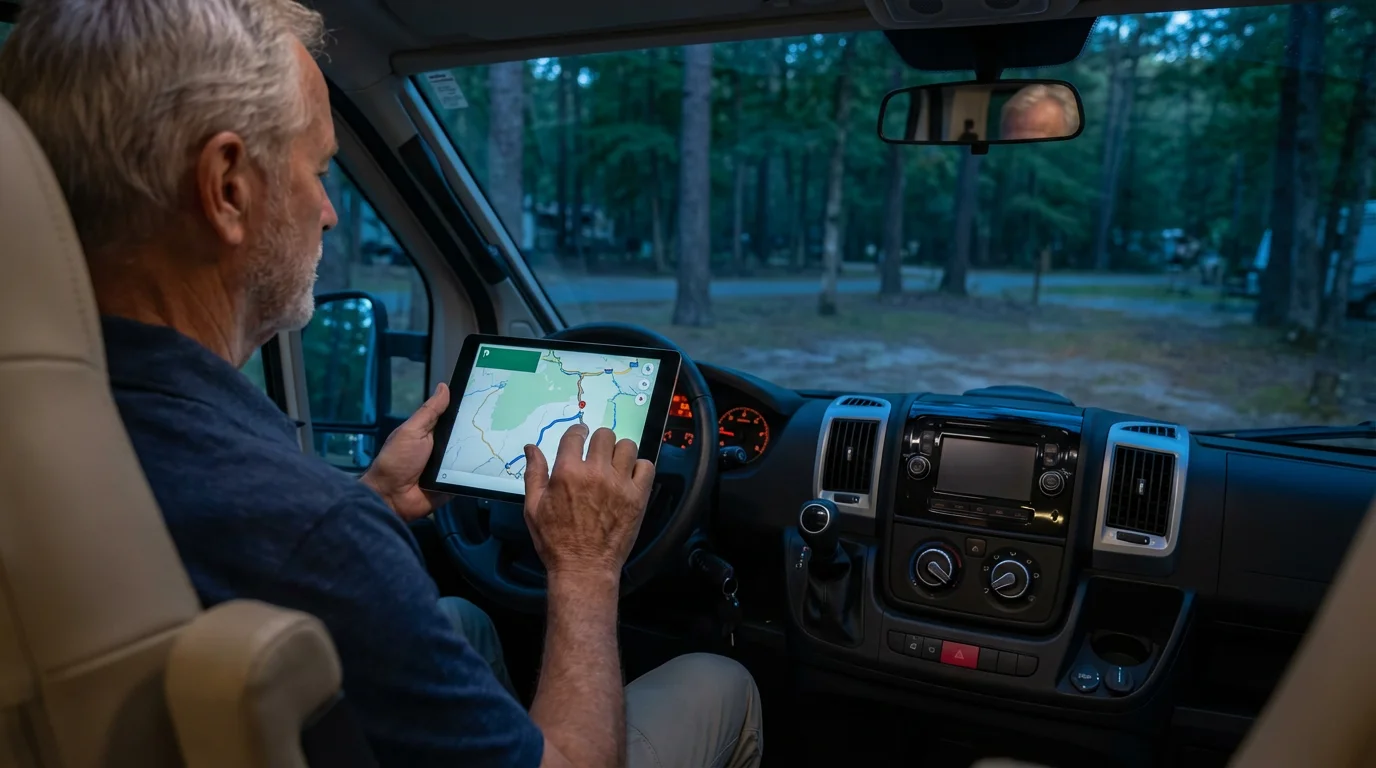
Essential Tools for Planning Your RV Route
Effective RV route planning combines traditional methods with modern technology. You need a multi-faceted approach to ensure comprehensive coverage. Relying on a single tool can leave gaps in your preparation.
Gathering the right resources beforehand simplifies the entire process. These tools work in tandem to create a robust and reliable travel plan. They help you anticipate challenges and discover hidden gems.
Recommended Planning Resources:
- Dedicated RV GPS Device: These units are specifically designed for RVs, considering height, weight, and length.
- RV-Specific Planning Apps: Applications like RV Life Pro, Campendium, and Allstays offer databases of campgrounds, services, and fuel.
- Physical Maps and Atlases: A good old-fashioned atlas provides an excellent overview and serves as a crucial backup. The National Forest Foundation offers insights into public lands where you might find camping opportunities.
- Campground Directories: Online and print directories help you locate and reserve campsites suited for your RV size and amenities preferences. Websites like Recreation.gov are invaluable for booking federal campsites.
- Online RV Forums and Groups: Engage with experienced RVers who share real-world advice and route suggestions.
- Weather Apps: Essential for monitoring conditions along your route and at your destinations.

Choosing the Best RV GPS Navigation System
Selecting the right GPS navigation system is a cornerstone of safe and stress-free RV travel. Not all GPS devices are created equal, especially when it comes to accommodating the unique characteristics of your motorhome or trailer. Your choice directly impacts your confidence on the road.
Consider features that prioritize RV-specific needs over standard automotive navigation. This ensures you avoid unsuitable roads and enjoy a smoother journey. Invest in a system that truly understands RV limitations.
Key Features to Look for in an RV GPS:
- Customizable RV Profiles: Enter your RV’s height, weight, length, and propane status. The GPS then calculates routes specifically avoiding restrictions.
- Large, Clear Display: Easy-to-read screens with intuitive interfaces reduce eye strain and distraction while driving.
- Lifetime Map Updates: Ensure your maps remain current, reflecting new roads and closures.
- Points of Interest (POIs): Look for RV-specific POIs, including campgrounds, dump stations, rest areas, and repair shops.
- Traffic Alerts: Real-time traffic information helps you avoid delays and reroute as necessary.
- Voice Prompts: Clear, timely voice directions allow you to keep your eyes on the road.
- Lane Guidance: Visual cues for upcoming turns and lane changes are incredibly helpful, especially in unfamiliar areas.
- Bluetooth Connectivity: Allows for hands-free calling and integrates with other devices.
Comparing Popular RV GPS Units:
| Feature | Dedicated RV GPS Unit (e.g., Garmin RV Series, Rand McNally OverDryve) | Smartphone App (e.g., RV Life Pro, CoPilot RV) | Standard Car GPS Unit |
|---|---|---|---|
| RV-Specific Routing | Yes, highly customizable with vehicle profiles. | Yes, often with vehicle profiles and detailed RV POIs. | No, routes based on passenger car limitations. |
| Screen Size & Clarity | Often larger, brighter, and more rugged displays. | Depends on phone/tablet, can be small or glare-prone. | Varies, generally smaller than dedicated RV units. |
| Offline Maps | Yes, usually pre-loaded, reliable in remote areas. | Often available for download, requires storage. | Sometimes, varies by model/app, less common. |
| Mounting Options | Designed for dash/windshield, secure and stable. | Requires separate mounts, can be less stable. | Standard car mounts, may not hold large phones well. |
| Cost | Higher initial investment ($300-$700+). | Subscription fees ($10-$100 annually) or one-time purchase. | Lower initial cost ($100-$300). |
| Durability | Built for road vibrations and temperature changes. | Depends on device, less rugged for continuous use. | Standard consumer electronics, not built for RV stress. |
| Updates | Usually free lifetime map updates, easy to install. | Frequent app and map updates, often automatic. | Varies, may require subscriptions for updates. |
While smartphone apps offer flexibility, a dedicated RV GPS provides superior reliability and features specifically designed for your large vehicle. Many experienced RVers use a combination of both for optimal navigation.
“The world is a book and those who do not travel read only one page.” — Saint Augustine
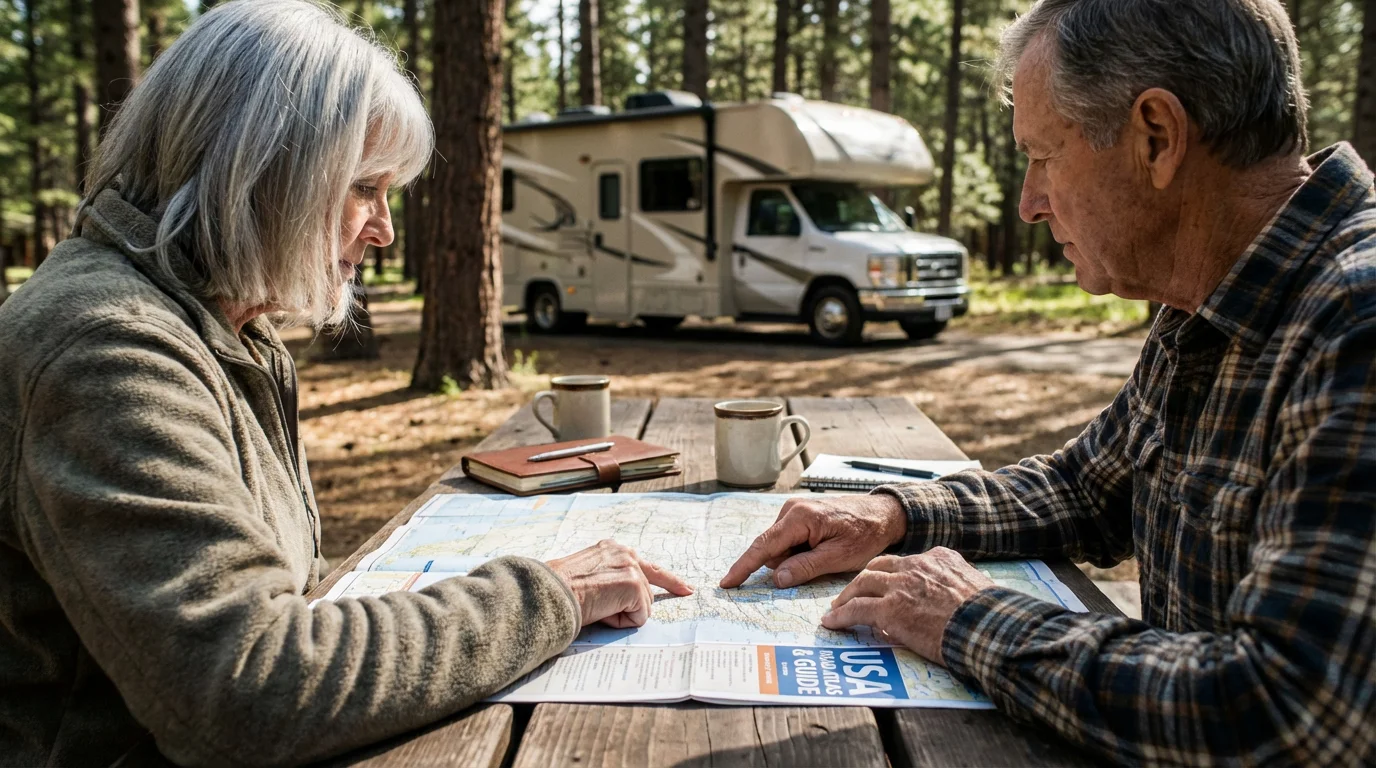
Step-by-Step: How to Plan Your RV Route
Planning your RV route involves more than just picking a destination. It requires careful consideration of various factors to ensure a smooth, enjoyable, and safe journey. Follow these steps to build your perfect RV itinerary.
This systematic approach minimizes surprises and maximizes your enjoyment. You will feel prepared and confident for every mile ahead. Take your time with each stage of the planning process.
- Define Your Trip Goals:
- Duration: How many days or weeks do you have for your trip?
- Pace: Do you prefer rapid travel or slow, leisurely exploration?
- Interests: Are you seeking national parks, historical sites, city breaks, or relaxing by a lake? The National Park Service website is an excellent resource for park exploration.
- Travelers: Are you traveling solo, as a couple, or with a group?
- Research Potential Destinations and Attractions:
- Explore different regions that align with your interests.
- Identify specific attractions or points of interest you want to visit.
- Consider accessibility and senior-friendly aspects of each location.
- Map Your General Route:
- Use a large physical map or online mapping tools to sketch out a rough itinerary.
- Identify major highways and scenic routes.
- Estimate overall distances between key points.
- Select RV-Friendly Campgrounds and Overnight Stops:
- Use RV-specific apps and directories to find campgrounds that accommodate your rig’s size.
- Look for campgrounds with amenities you desire, such as full hookups, accessible facilities, or pull-through sites.
- Book reservations in advance, especially during peak seasons or for popular destinations.
- Detailed Route Planning with RV GPS:
- Input your RV’s dimensions (height, weight, length, propane) into your dedicated RV GPS.
- Enter your planned stops, including campgrounds, fuel stations, and points of interest.
- Review the suggested routes, checking for potential hazards or areas you wish to avoid.
- Adjust your route as needed to prioritize safety and scenic drives.
- Consider Fuel Stops and Services:
- Identify RV-friendly fuel stations with easy access and ample space.
- Plan for regular service stops, including dump stations and freshwater refills.
- Carry extra fuel if traveling through remote areas.
- Account for Drive Times and Rest Breaks:
- Estimate realistic daily driving distances, typically 4-6 hours for comfortable senior travel.
- Factor in frequent rest breaks, meal stops, and sightseeing opportunities.
- Avoid driving long hours, especially in unfamiliar territory or adverse weather.
- Check Weather and Road Conditions:
- Monitor weather forecasts for your entire route, including mountains and passes.
- Check state DOT websites for current road closures, construction, or travel advisories.
- Be prepared to adjust your RV route based on conditions; flexibility is key.
- Create a Digital and Physical Backup:
- Save your planned route on multiple devices (GPS, phone, tablet).
- Print out critical sections of your route, campground reservations, and emergency contacts.
- Keep a paper map handy as a reliable backup.

Mastering On-the-Road Navigation and Safety
Effective planning sets the stage, but mastering navigation on the road ensures a successful journey. You need to remain vigilant and adapt to real-time conditions. Your awareness is your greatest safety tool.
Combine your pre-planned RV route with careful observation and smart driving practices. This integrated approach minimizes risks and enhances your travel experience. Always prioritize safety over strict adherence to a schedule.
Tips for Safe and Confident RV Navigation:
- Double-Check Your GPS: Always verify that your RV’s dimensions are correctly entered into your GPS. A single incorrect digit can lead to a disastrous route.
- Maintain Situational Awareness: Do not blindly follow GPS instructions. Look for road signs, observe surrounding traffic, and trust your instincts.
- Use a Co-Pilot: If traveling with a partner, have them assist with navigation, reading maps, and monitoring the GPS. This reduces driver fatigue and stress.
- Pull Over to Re-route: If you miss a turn or the GPS is recalculating, find a safe spot to pull over before attempting to correct your course. Avoid sudden maneuvers in an RV.
- Stay Updated on Conditions: Continuously check weather and road conditions throughout your drive. A sudden storm or road closure requires immediate route adjustment.
- Practice Defensive Driving: RVs handle differently than cars. Allow ample stopping distance, make wide turns, and anticipate traffic changes.
- Communicate with Your Passengers: Keep everyone informed of upcoming turns or changes in the RV route. This prepares them for maneuvers and keeps them engaged.
- Regular Breaks: Stop frequently to stretch, rest your eyes, and check your RV. Fatigue significantly impairs judgment.

Leveraging Technology: Apps and Digital Resources
Beyond dedicated GPS units, a wealth of digital tools enhances your RV travel experience. These applications provide real-time information, community insights, and convenience at your fingertips. Embrace technology to streamline your adventures.
Using a combination of apps expands your planning capabilities and offers solutions for various needs. From finding campgrounds to monitoring fuel prices, digital resources make your journey smoother. Integrate these tools into your routine.
Essential RV Apps and Websites:
- RV LIFE Pro (formerly RV Trip Wizard): A comprehensive planning tool allowing you to plan routes, find campgrounds, calculate costs, and read reviews. It offers RV-safe routing.
- Campendium: Excellent for finding free and low-cost campsites, as well as reviewing private and public campgrounds. Users provide detailed reviews and photos.
- Allstays Camp & RV: A robust app providing an extensive database of RV parks, dump stations, rest areas, and service centers. It includes filters for RV size and amenities.
- GasBuddy: Helps you find the cheapest fuel prices along your RV route. Crucial for managing travel expenses.
- Weather Apps (e.g., AccuWeather, The Weather Channel): Provide real-time radar, forecasts, and alerts crucial for safe driving and camping.
- Google Maps/Apple Maps: Useful for general navigation, local searches, and checking business hours, though not RV-specific for routing.
- Park apps: Many National Parks and state parks have their own apps with maps, trail information, and event schedules.
Many of these resources offer offline capabilities, which is vital when you travel through areas with limited cell service. Download maps and information before heading into remote regions.

Budgeting for Your RV Adventures and Route Costs
Understanding the financial aspects of RV travel is essential for a stress-free adventure. Your RV route planning should integrate a realistic budget to avoid unexpected expenses. Financial preparedness enhances your overall enjoyment.
RV travel offers flexibility in cost, allowing you to tailor expenses to your preferences. Careful budgeting ensures you can enjoy your journey without financial worries. Plan for both expected and unexpected costs.
Key Budgeting Considerations for Your RV Route:
- Fuel Costs: This often represents the largest expense. Use apps like GasBuddy to find competitive prices, but also factor in your RV’s specific MPG. Prices vary significantly by state and region.
- Campground Fees: These range from free (boondocking on public lands) to over $100 per night for luxury resorts. Budget for an average of $30-$60 per night for full hookup sites.
- Food and Groceries: Cooking in your RV saves money compared to eating out. Plan menus and grocery shopping stops along your RV route.
- Attraction and Activity Fees: Budget for entrance fees to national parks, museums, tours, and other recreational activities. Consider passes like the America the Beautiful Senior Pass.
- Maintenance and Repairs: Set aside an emergency fund for unexpected repairs, tire issues, or routine maintenance. RVs are complex vehicles.
- Insurance and Registration: Ensure your RV insurance is up-to-date and covers your planned travel.
- Propane and Utilities: Factor in costs for propane for heating, cooking, and refrigeration, especially if boondocking.
- Miscellaneous Expenses: Include a buffer for laundry, souvenirs, tolls, and unforeseen needs.
Tracking your expenses as you travel helps you stay within your budget. Many apps allow you to log spending, giving you a clear picture of your financial outlay. This proactive approach prevents overspending.
Preparing for the Unexpected: Contingency Planning
Even the most meticulously planned RV route can encounter unforeseen challenges. Road closures, mechanical issues, or health emergencies can disrupt your journey. Preparing for these possibilities ensures a safer and more manageable response.
Contingency planning empowers you to face challenges with confidence. It minimizes stress and helps you quickly adapt to changes. Your readiness ensures minor hiccups do not derail your entire adventure.
Elements of a Robust Contingency Plan:
- Emergency Roadside Assistance: Invest in a reliable RV-specific roadside assistance plan. Services like Coach-Net or Good Sam cover breakdowns, tire changes, and towing for large vehicles.
- Emergency Fund: Maintain a separate fund for unexpected expenses. This could cover a hotel stay if your RV requires extensive repairs, or unforeseen medical costs.
- First Aid Kit: A comprehensive first aid kit is non-negotiable. Include any personal medications, bandages, antiseptic wipes, pain relievers, and allergy medicine. The CDC Travelers’ Health provides excellent guidance on health preparations.
- Communication Devices: Carry multiple ways to communicate, such as a cell phone, satellite messenger (for remote areas), and a NOAA weather radio. Ensure all devices are charged.
- RV Emergency Repair Kit: Include basic tools, spare fuses, duct tape, zip ties, a tire pressure gauge, and a portable air compressor. Know how to perform minor fixes.
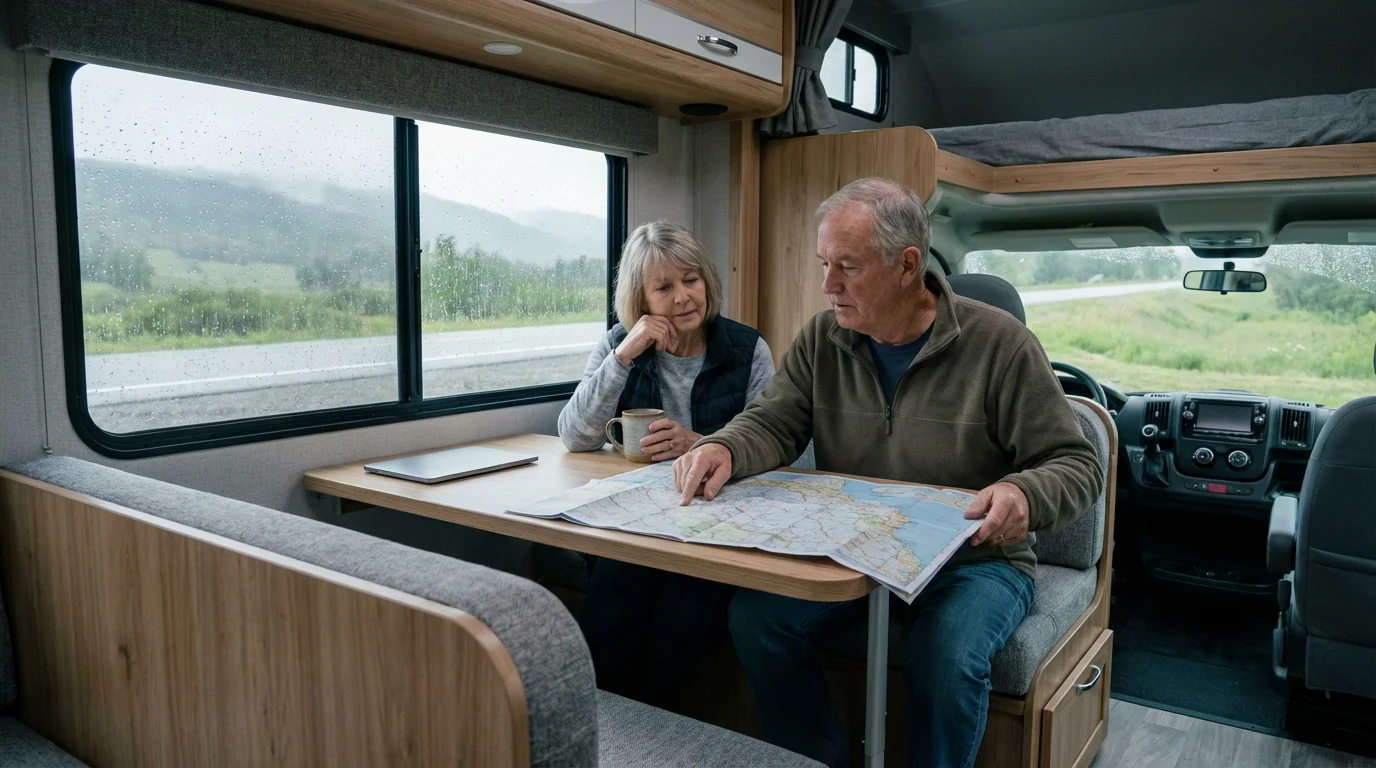
- Backup Navigation: Always have a physical map and your route saved on a second device. What if your primary GPS fails or loses satellite signal?
- Flexibility with Your RV Route: Be willing to alter your plans. If weather is bad, roads close, or you feel unwell, adjust your itinerary. It is your adventure; enjoy it safely.
- Important Documents: Keep copies of your driver’s license, RV registration, insurance, medical information, and emergency contacts in a secure, easily accessible location.
Knowing you have a plan for the unexpected allows you to fully immerse yourself in the beauty of your journey. It offers true peace of mind. Embrace the adventure, but always be prepared.
“Adventure is worthwhile in itself.” — Amelia Earhart
Frequently Asked Questions
What are the best RV navigation tools for seniors?
The best RV navigation tools typically include a dedicated RV GPS unit, such as models from Garmin or Rand McNally, combined with RV-specific planning apps like RV LIFE Pro or Campendium. These tools provide RV-specific routing, considering your vehicle’s dimensions, and offer extensive databases of campgrounds and services. You benefit from their specialized features and reliability.
How do I plan an RV route to avoid low bridges and weight restrictions?
To avoid low bridges and weight restrictions, always use an RV-specific GPS navigation system or a planning app that allows you to input your RV’s exact height, weight, and length. These systems calculate routes specifically designed to avoid unsuitable roads, ensuring your safety. Always double-check your entered dimensions for accuracy.
Is a smartphone GPS good enough for RV travel?
While smartphone GPS apps like Google Maps or Apple Maps are convenient for general navigation, they are generally not good enough for RV travel on their own. They do not account for your RV’s height, weight, or length restrictions, potentially leading you down unsafe or impassable roads. Use them as a supplement to a dedicated RV GPS or an RV-specific planning app.
What should I do if my RV GPS loses signal in a remote area?
If your RV GPS loses signal, do not panic. This is why contingency planning is crucial. Always have a physical paper map of your RV route and surrounding areas as a backup. Many RV-specific apps also offer offline map downloads. Pull over safely, consult your backup, and if possible, use a satellite messenger or a fully charged cell phone (if service returns) to regain your bearings.
How much driving should seniors plan for each day in an RV?
For comfortable and safe senior travel, plan to drive no more than 4-6 hours per day. This allows for frequent breaks, reduces fatigue, and provides ample time to set up camp at your destination without rushing. Prioritizing a relaxed pace over covering maximum distance enhances the enjoyment and safety of your RV adventure.
Are there budget-friendly ways to navigate an RV route?
Yes, you can navigate an RV route on a budget. Utilize free RV-specific planning apps that offer basic routing. Combine this with free public land camping (boondocking) found on apps like Campendium. Use physical maps as your primary navigation tool, and focus on scenic routes that avoid tolls. Planning meals and carrying an emergency fund also contribute to budget-friendly travel.
Disclaimer: This article is for informational purposes only. Travel conditions, accessibility, and requirements change frequently. We encourage readers to verify current information with official sources before traveling. Always consult with healthcare providers about travel considerations for your specific health situation.




Leave a Reply