
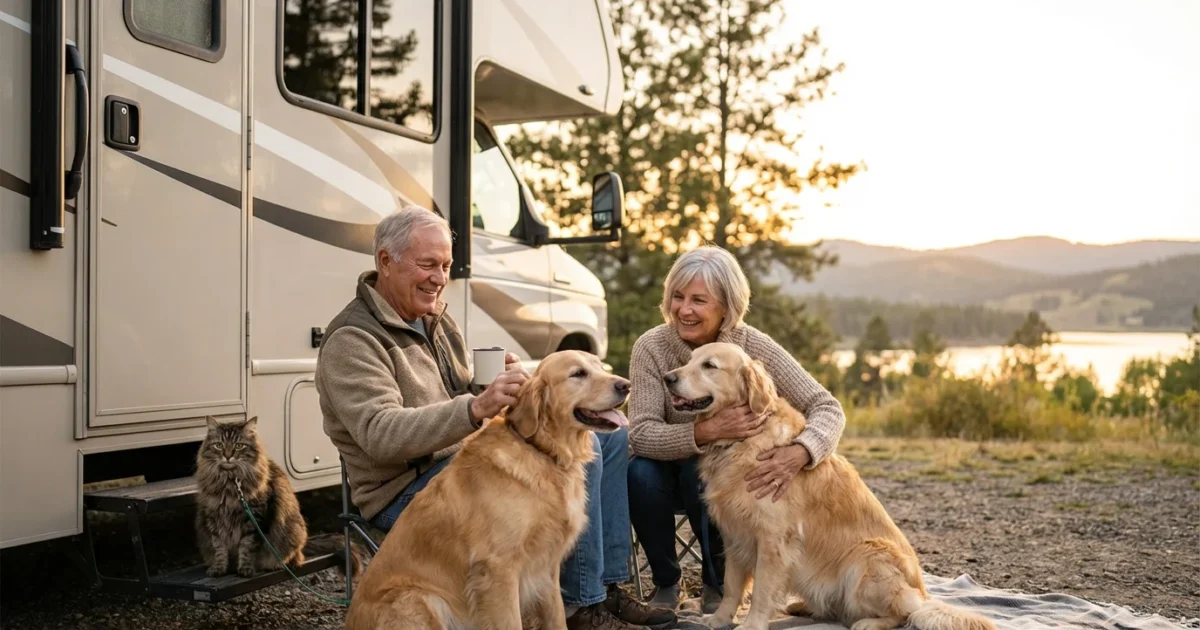
Embarking on new adventures enriches your senior years, and for many, these journeys feel complete only with a beloved pet by their side. RVing with your furry companion offers unparalleled freedom, allowing you to explore diverse landscapes without leaving your best friend behind. This guide provides actionable advice and essential considerations for senior travelers looking to hit the road with their RV pets.
You can create lasting memories and enjoy the open road with confidence when you plan carefully. We cover everything from choosing the right RV to ensuring your pet’s health and safety on every leg of your journey. Prepare to transform your travel dreams into a wagging reality, enjoying every mile of your senior travel adventure.
Table of Contents
- Why RVing with Your Pet is a Rewarding Senior Adventure
- Choosing the Right RV for You and Your Furry Companion
- Essential Pre-Trip Planning for Pet-Friendly RV Travel
- Packing Smart: Essential Gear for Your RV Pet
- On the Road: Ensuring Safety and Comfort for Your Pet
- Finding Pet-Friendly Destinations and Activities
- Health and Emergency Preparedness on the Go
- Making Memories: Embracing the Journey with Your Furry Friend
- Frequently Asked Questions

Why RVing with Your Pet is a Rewarding Senior Adventure
Traveling with your pet enhances the joy of exploration, offering constant companionship and a familiar presence in new environments. Many seniors discover that sharing their RV adventures with a dog or cat strengthens their bond and provides unique opportunities for exercise and social interaction. RV dogs, in particular, often thrive on the varied sights and smells of a road trip.
Your furry friend encourages you to maintain an active lifestyle, prompting walks and outdoor excursions. This commitment to activity contributes positively to your overall well-being. The flexibility of RV travel allows you to tailor your itinerary to both your needs and your pet’s comfort, ensuring a relaxed pace for everyone.
The world is a book and those who do not travel read only one page.
— Saint Augustine
Choosing the Right RV for You and Your Furry Companion
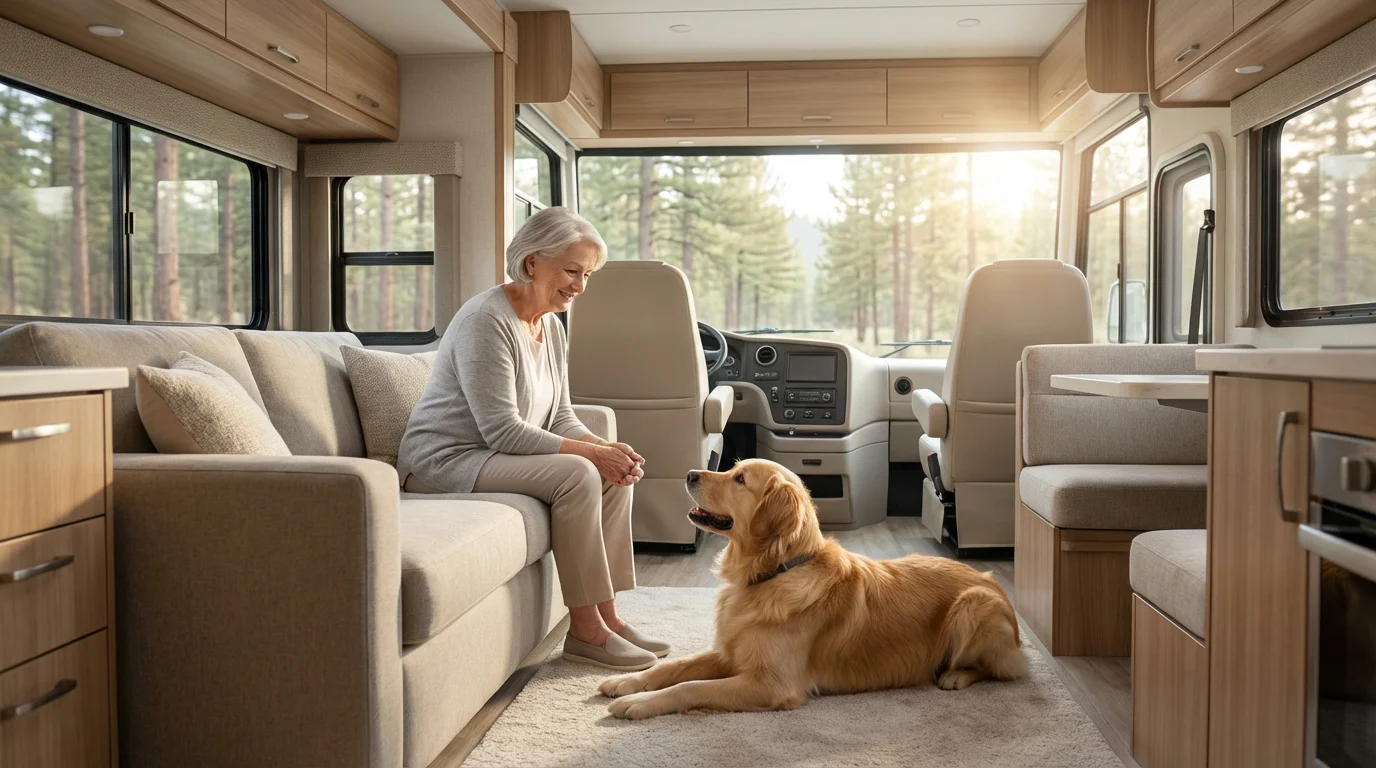
Selecting an RV that accommodates both you and your pet comfortably is crucial for an enjoyable journey. Consider the size and temperament of your pet when making this important decision. A spacious RV provides room for your pet to move around, play, and have their own designated resting spot.
You might prefer a smaller, more maneuverable Class B van for a single small pet, or a larger Class A motorhome or Fifth Wheel for multiple pets or larger breeds. Look for features like durable, easy-to-clean flooring and upholstery, as accidents can happen. Sufficient ventilation and climate control also remain vital, especially in varying weather conditions.
Consider the layout carefully. Ensure safe storage for pet supplies and a secure place for crates or carriers if you use them. Access to fresh air and natural light also contributes to your pet’s happiness and health while on the road. Prioritizing these elements ensures a comfortable home away from home for your furry traveling companion.
Essential Pre-Trip Planning for Pet-Friendly RV Travel
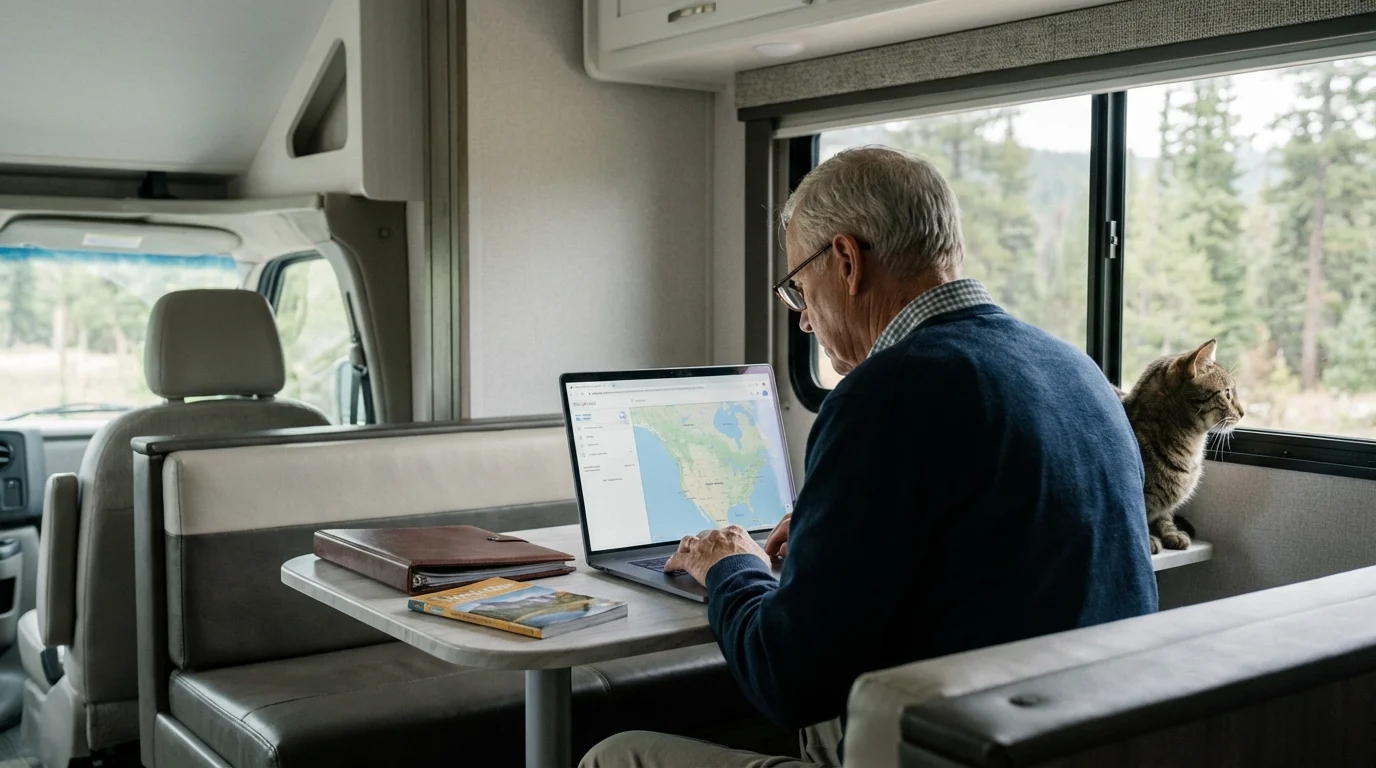
Thorough planning makes all the difference when you plan to RV with pets. Start by ensuring your pet’s vaccinations are up-to-date and that you have all necessary medical records easily accessible. Research pet-friendly campgrounds and attractions along your intended route.
Confirm the pet policies of each campground before booking your stay. Many national parks have specific rules regarding pets, often limiting them to paved areas and campgrounds. Always check the regulations for any public lands you plan to visit, such as those managed by the National Park Service or National Forest Service.
Creating a detailed itinerary helps you manage travel times and ensure regular breaks for your pet. Dogs need frequent potty breaks and opportunities to stretch their legs. Cats also benefit from routine, so try to maintain their feeding and litter box schedule as much as possible.
Pre-Departure Pet Checklist
Before you even turn the key, complete these steps to ensure a smooth departure with your pet:
- Visit your veterinarian for a check-up and ensure all vaccinations are current.
- Obtain a copy of your pet’s medical records and any necessary prescriptions.
- Verify your pet’s microchip information is up-to-date and registered.
- Attach ID tags with your current contact information to your pet’s collar.
- Research and book pet-friendly campgrounds and accommodations in advance.
- Familiarize your pet with the RV environment if they are new to it.
- Assemble a comprehensive pet emergency kit.
- Plan your route to include frequent stops for pet exercise and relief.
- Check the weather forecast for your destinations to plan for extreme temperatures.
Packing Smart: Essential Gear for Your RV Pet
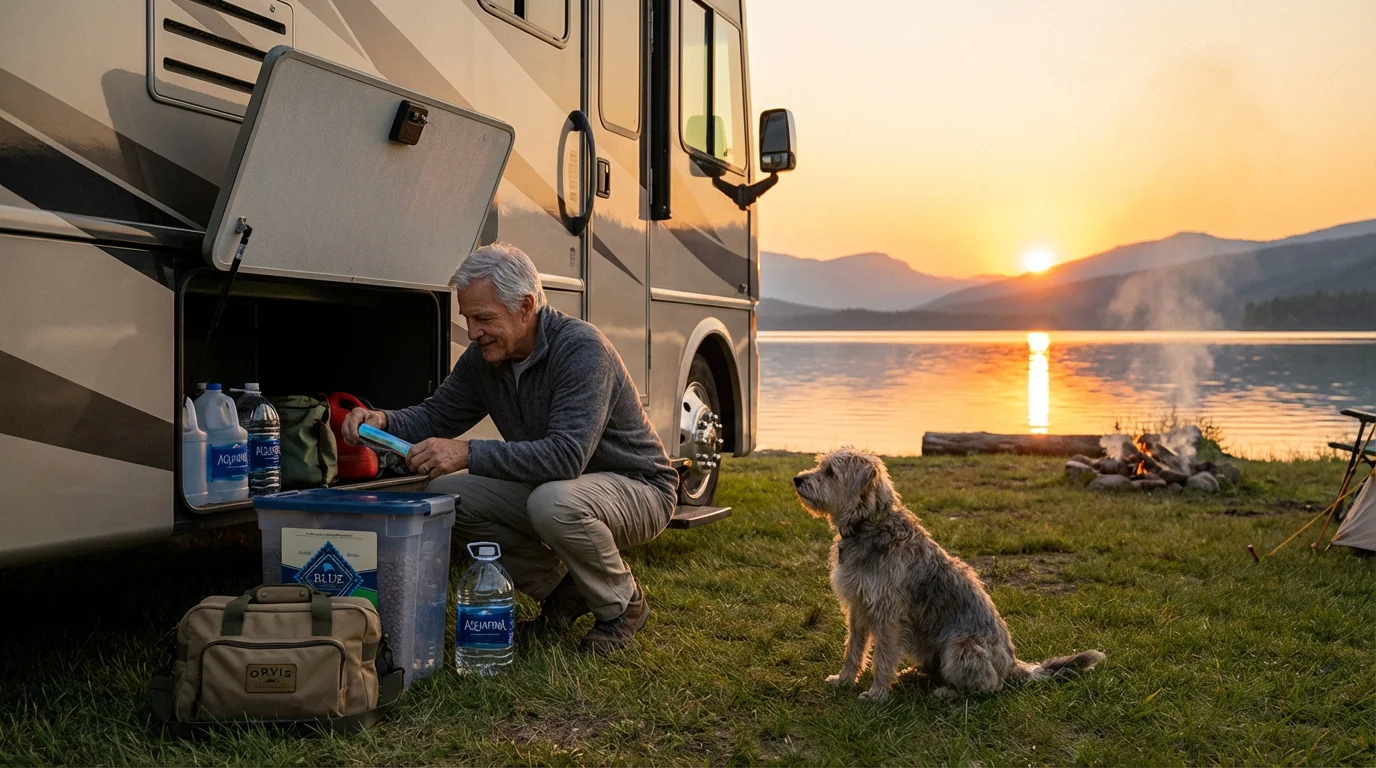
Packing the right gear streamlines your travel and ensures your pet’s comfort and safety. Prepare a dedicated pet bag that you can easily access during your trip. Having everything organized prevents last-minute scrambling and stress for both you and your furry friend.
Always pack more food and water than you think you will need, especially for extended trips or remote areas. Portable bowls, collapsible if possible, save space and provide convenience. A comfortable bed or crate gives your pet a sense of security and a familiar resting spot, regardless of your location.
Essential Pet Packing List
- Sufficient pet food and treats for the entire trip
- Portable food and water bowls
- Leash, collar, and harness with updated ID tags
- Current vaccination records and any necessary health certificates
- Medications (with clear dosage instructions)
- Pet first-aid kit
- Favorite toys and comfort items
- Waste bags for dogs, litter and litter box for cats
- Grooming supplies (brush, wipes)
- Absorbent towels for muddy paws or unexpected spills
- Appropriate bedding or a travel crate
- Reflective gear or a light for evening walks
- Pet seatbelt or carrier for car travel
- Cooling mat or jacket for warm climates, warm blanket for cold climates
On the Road: Ensuring Safety and Comfort for Your Pet
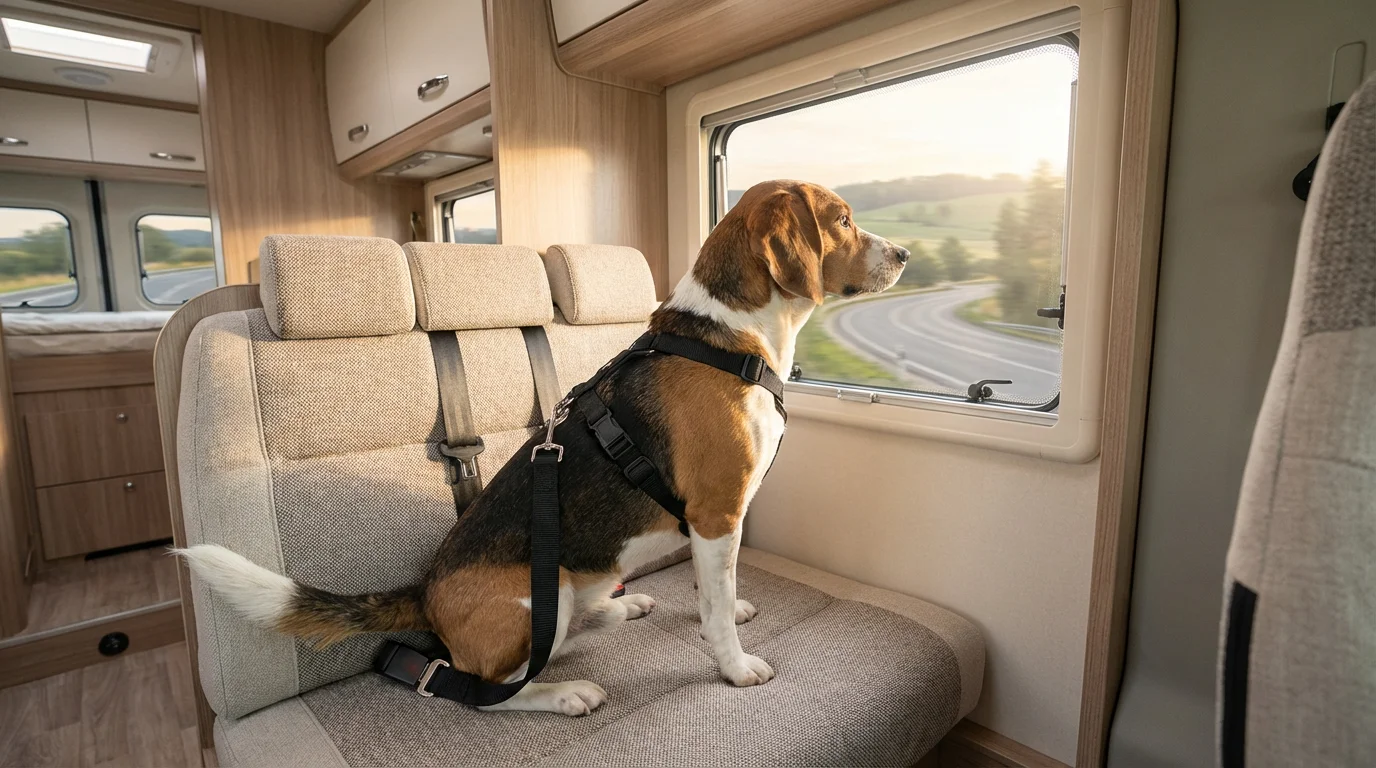
Your pet’s safety remains paramount while driving. Secure your pet in a well-ventilated crate or with a pet seatbelt harness to prevent injury during sudden stops or turns. An unsecured pet can become a dangerous projectile, and a distracted driver poses risks to everyone.
Never leave your pet unattended in the RV without adequate ventilation and temperature control. RVs can heat up or cool down rapidly, even on mild days, leading to heatstroke or hypothermia. Always monitor the internal temperature and consider a remote temperature monitor for peace of mind.
Take frequent breaks for your pet to stretch, relieve themselves, and drink water. Plan these stops every 2-4 hours, depending on your pet’s needs. Offer a short walk to burn off energy and help them acclimate to the new surroundings. This approach makes RVing with pets a positive experience for all.
On-the-Road Safety Tips for RV Pets
- Secure pets in crates or with seatbelts during travel.
- Maintain appropriate RV temperature, never leaving pets in extreme heat or cold.
- Stop every 2-4 hours for potty breaks, water, and exercise.
- Offer fresh water frequently, especially in warm weather.
- Avoid letting pets stick their heads out RV windows; debris can cause injury.
- Keep pets leashed when outside the RV, even in campgrounds.
- Supervise pets closely at rest stops and busy areas.
- Be aware of local wildlife in natural settings.
- Ensure windows and doors are secure when pets are unattended inside the RV.
Finding Pet-Friendly Destinations and Activities
Locating suitable destinations adds another layer to your RV planning. Many campgrounds, state parks, and some national forests warmly welcome pets. Websites like Recreation.gov offer filters to find pet-friendly camping options. However, always double-check specific park rules before arrival.
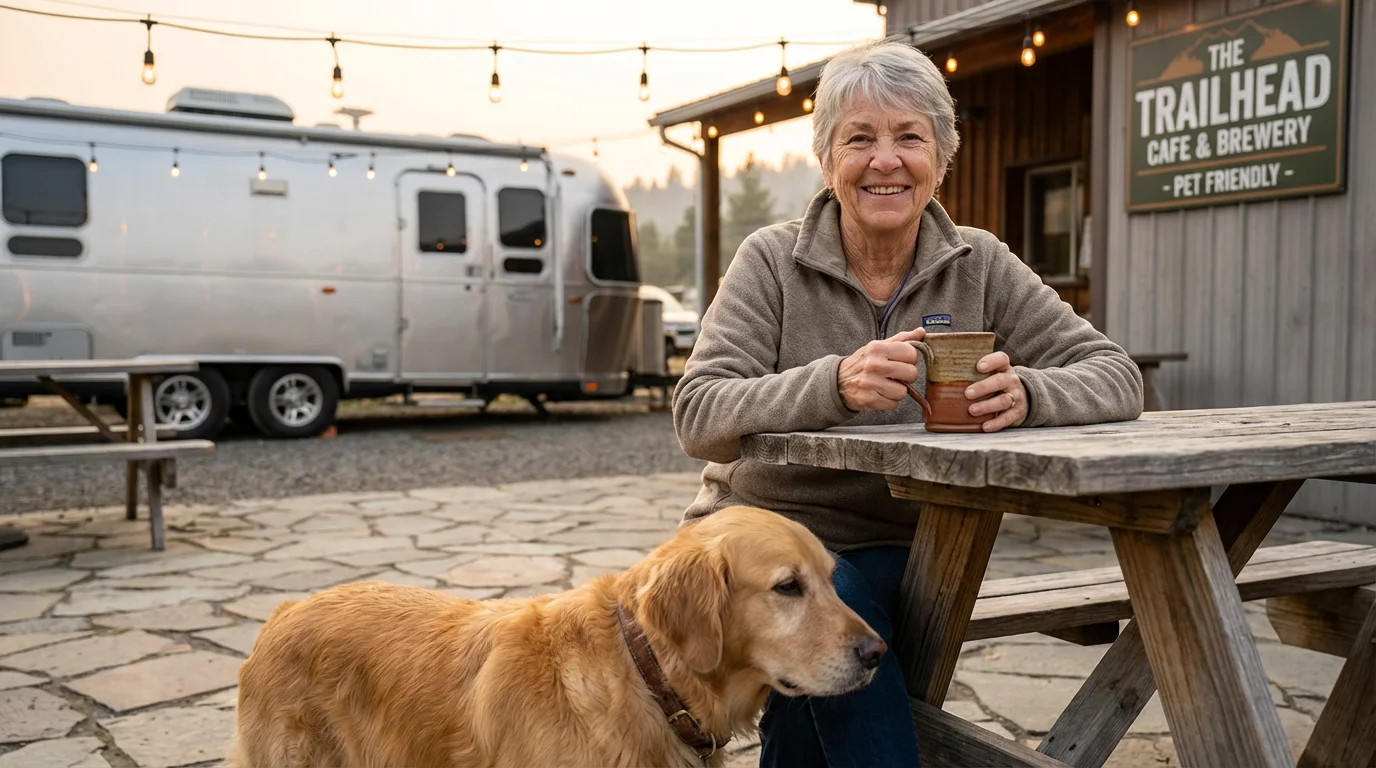
Beyond campgrounds, seek out towns and cities known for their pet-friendly establishments. Many breweries, outdoor cafes, and shops now welcome well-behaved dogs. Look for walking trails, dog parks, and beaches where your pet can safely run and play. Planning activities that involve your pet enriches your shared adventure.
Remember that even in pet-friendly locations, leash laws and waste disposal rules apply. Always carry waste bags and clean up after your pet to maintain positive relations with other travelers and park staff. Being a responsible pet owner ensures continued access to these wonderful places for everyone.
Pet-Friendly Campground Amenities to Look For
- Designated dog walking areas or dog parks
- Waste bag stations
- Pet washing stations
- Shaded campsites
- Nearby hiking trails where pets are allowed (on leash)
- Water access for pets (e.g., lakes or rivers with designated pet areas)
- Pet-friendly cabins or rental units (if considering a hybrid trip)
- Clear signage regarding pet rules and regulations

Health and Emergency Preparedness on the Go
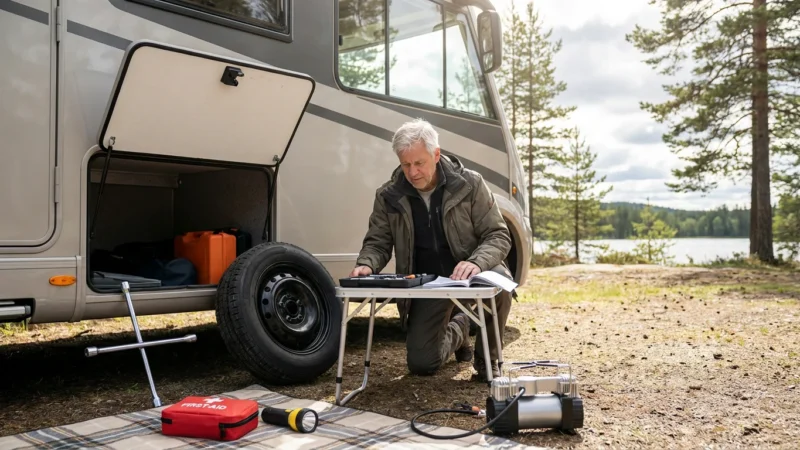
Preparing for potential health issues or emergencies keeps your RV pets safe and allows you to react effectively. Carry a pet first-aid kit stocked with essentials like bandages, antiseptic wipes, tweezers, and any prescribed medications. Knowing basic pet first aid offers immense peace of mind.
Research the location of veterinary clinics along your route and at your destination. Save their contact information in your phone and have a physical copy in your pet’s medical file. In an emergency, quick access to professional help can make a critical difference. Consider travel insurance that covers pet emergencies.
Monitor your pet for signs of stress, illness, or injury. Changes in eating habits, lethargy, vomiting, or limping warrant immediate attention. Early detection and intervention prevent minor issues from becoming serious problems, ensuring your pet enjoys the journey as much as you do.
Your Pet’s Emergency Kit Must-Haves
- Copies of vet records, vaccination certificates, and microchip information
- Emergency contact numbers for your vet and an emergency vet clinic at your destination
- Pet first-aid manual
- Sterile gauze pads and roll bandages
- Antiseptic wipes or spray (non-stinging)
- Tweezers for tick removal or splinters
- Pet-safe wound cleanser
- Hydrogen peroxide (to induce vomiting, ONLY under vet instruction)
- Rectal thermometer
- Prescribed medications with clear instructions
- Disposable gloves
- Muzzle (for injured or distressed pets, to prevent biting)
- Recent photo of your pet for identification in case they get lost
Making Memories: Embracing the Journey with Your Furry Friend
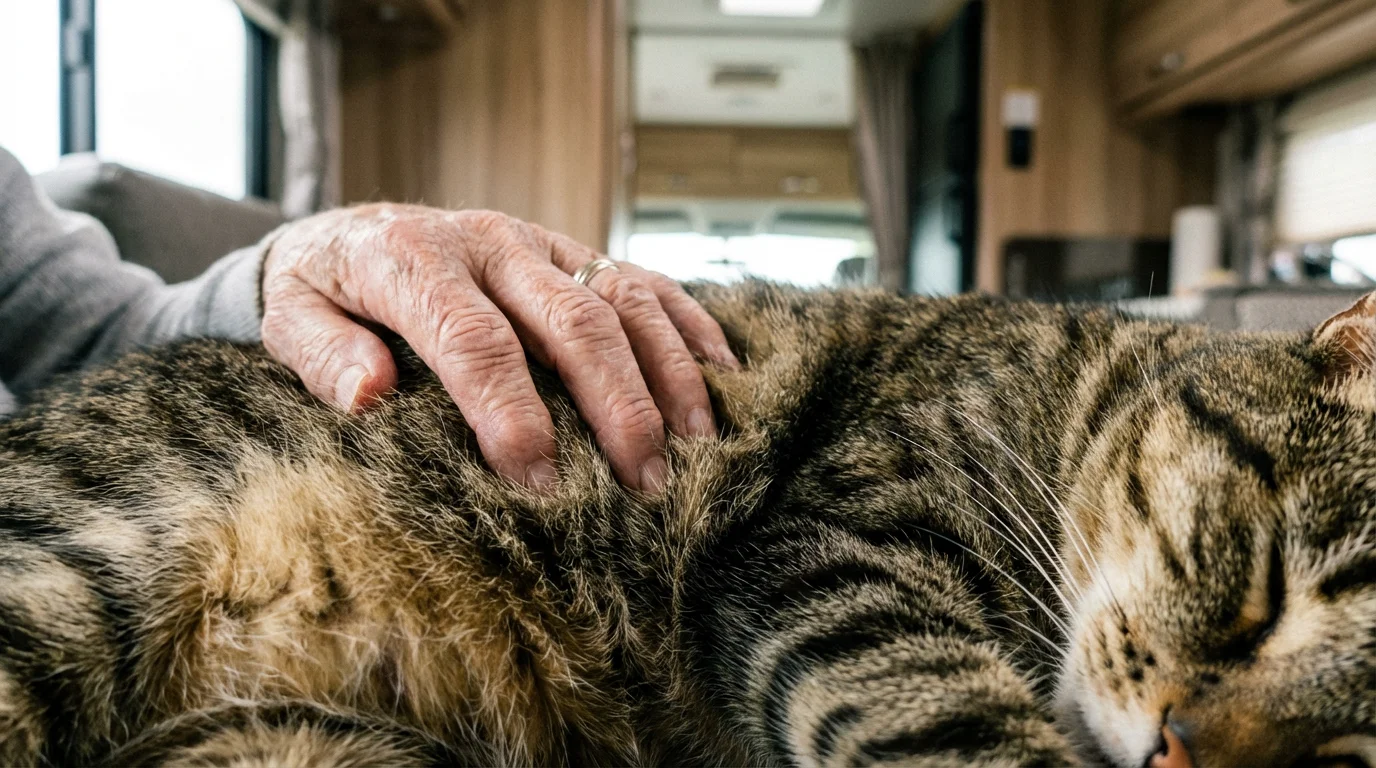
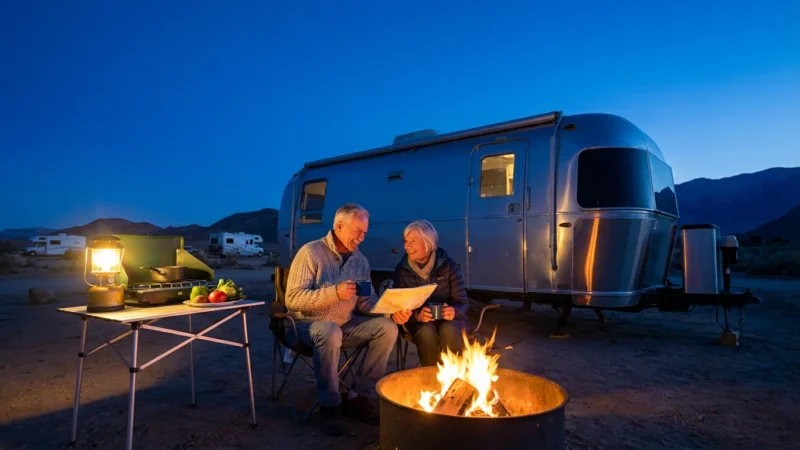
Traveling with your RV pets creates indelible memories and deepens your connection. Each new trail hiked, sunset enjoyed, and campfire shared becomes a cherished experience. The companionship and unconditional love your pet provides enhance every aspect of your senior travel adventures.
Document your journeys with photos and videos of your furry friend exploring new places. These mementos serve as wonderful reminders of the incredible times you shared on the road. Embrace the unexpected moments and the joy of discovery that RVing with pets brings.
Your willingness to explore with your pet sets an inspiring example for others. It demonstrates that age is simply a number when it comes to living an adventurous life. Cherish these golden years and the unique opportunities they offer to create unforgettable stories with your beloved animal companions.
Frequently Asked Questions
Can I take my dog into National Parks when RVing?
National Parks generally welcome pets, but their access is often restricted to developed areas such as campgrounds, paved roads, and designated pet trails. Most parks require pets to remain on a leash no longer than six feet at all times. Rules vary significantly between parks, so always check the specific park’s pet policy on the National Park Service website before your visit. You should never leave pets unattended in vehicles, especially in warm weather.
What temperature is too hot for a pet in an RV?
Temperatures exceeding 75-80°F (24-27°C) inside an RV can quickly become dangerous for pets, even with windows cracked. Pets can suffer from heatstroke rapidly, leading to serious health complications or even death. Always ensure adequate ventilation and air conditioning. Consider a remote temperature monitor that alerts your phone if the RV’s internal temperature becomes unsafe. For more information on pet safety, you can consult resources like the AARP Travel section.
Do I need special insurance for my pet when RVing?
Standard pet insurance policies typically cover veterinary care regardless of location, but verify your specific policy terms. Some RV insurance policies may offer limited coverage for pet-related incidents. Consider adding a rider to your policy or purchasing a separate travel pet insurance plan for expanded coverage, especially if you plan international travel. This extra step provides financial protection for unexpected vet visits during your adventures.
How can I make my pet comfortable in the RV during travel?
Start by gradually introducing your pet to the RV before your trip, allowing them to explore and get comfortable with the space. Use familiar bedding, toys, and their regular food to create a sense of routine. During travel, ensure they have a secure, comfortable spot, such as a crate or a pet-seatbelt-restrained bed. Take frequent breaks for potty, water, and exercise. Maintain consistent feeding schedules and provide plenty of reassurance to minimize stress. Pheromone diffusers or calming supplements, discussed with your vet, might also help anxious pets.
What documents do I need for my pet when traveling in an RV?
Always carry your pet’s up-to-date vaccination records, especially for rabies. A copy of their medical history and any current prescriptions is also essential. Ensure their ID tags on their collar have your current contact information, and that their microchip is registered with your most recent details. If traveling across state lines or internationally, check specific requirements, as some areas may require a health certificate issued by a veterinarian shortly before travel. Always keep these documents easily accessible.
Disclaimer: This article is for informational purposes only. Travel conditions, accessibility, and requirements change frequently. We encourage readers to verify current information with official sources before traveling. Always consult with healthcare providers about travel considerations for your specific health situation.



Leave a Reply