
Disclaimer: This article is for informational purposes only. Travel conditions, accessibility, and requirements change frequently. We encourage readers to verify current information with official sources before traveling. Always consult with healthcare providers about travel considerations for your specific health situation.
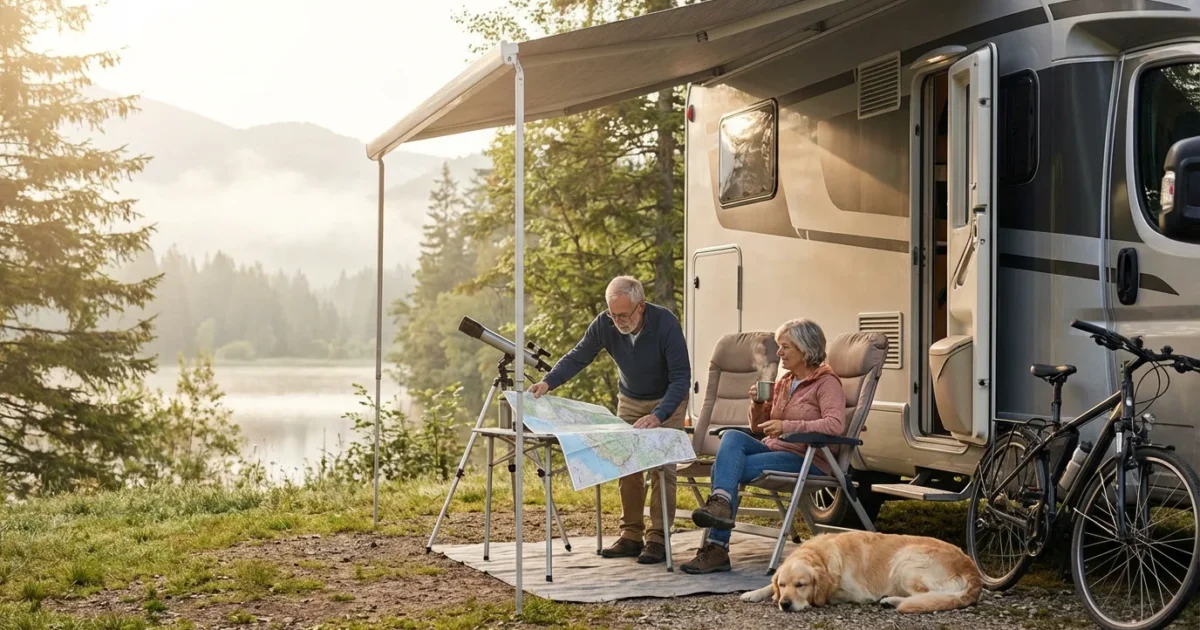
RV travel offers unparalleled freedom for seniors seeking adventure and discovery. Imagine waking up to new scenery every day, bringing the comforts of home with you, and exploring the diverse landscapes of your country. This lifestyle empowers you to set your own pace, creating a personalized journey that fits your desires and needs.
Embracing RV adventures allows you to connect with nature, visit national parks, or simply enjoy the open road. With proper planning and practical strategies, you ensure a comfortable and safe trip every time. This guide provides essential tips for a memorable senior RVing experience.
Table of Contents
- Why RV Travel Appeals to Seniors
- Choosing Your Ideal RV: Comfort and Accessibility
- Essential Pre-Trip Planning for Senior RVers
- Prioritizing RV Safety on the Road
- Packing Smart for Comfort and Convenience
- Enhancing Your RV Experience: Activities and Community
- Budget-Friendly RVing for Extended Adventures
- Frequently Asked Questions
Why RV Travel Appeals to Seniors
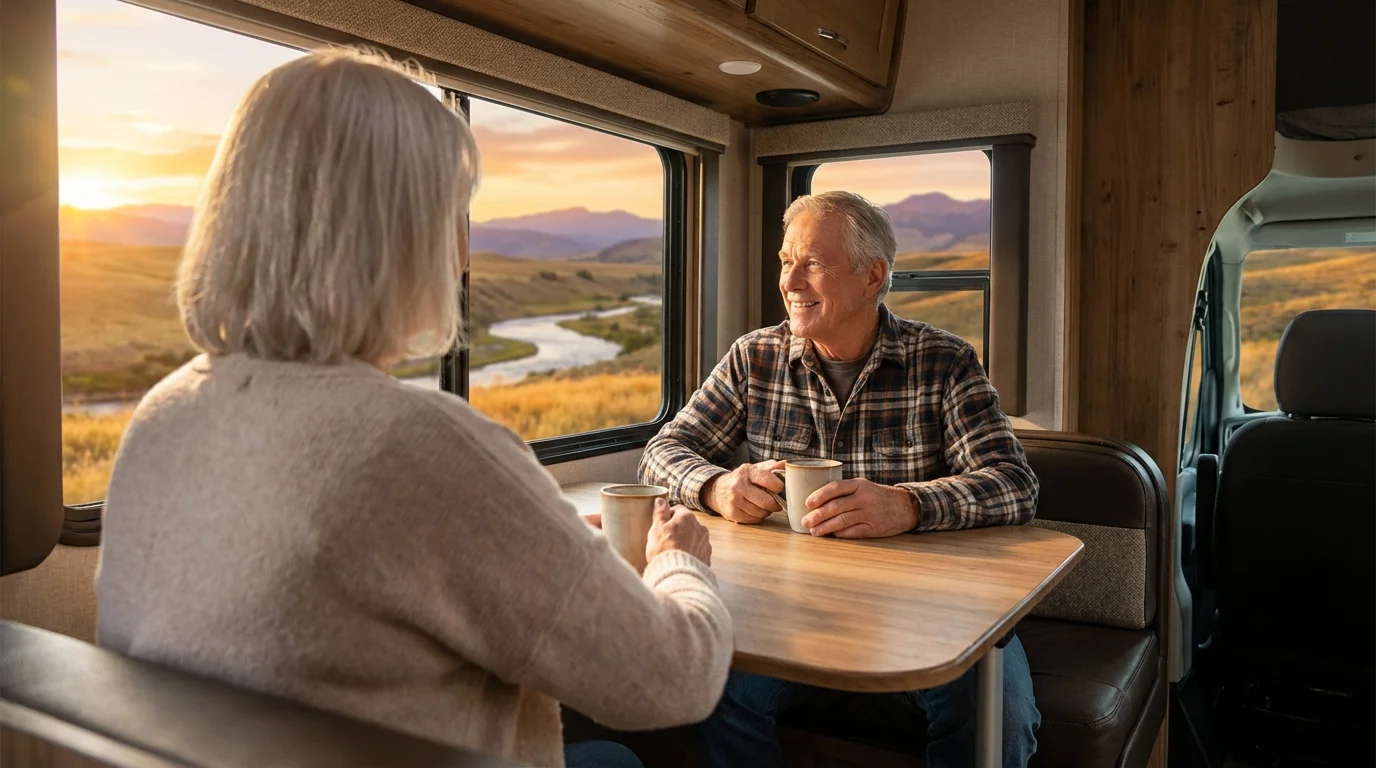
RV travel provides a unique blend of adventure and comfort, making it a popular choice for active seniors. You gain the flexibility to change your itinerary spontaneously, following good weather or lingering longer in a place you love. This adaptability stands as a major advantage over traditional, fixed-itinerary travel.
You carry your home comforts with you, from your own bed to your favorite coffee maker. This familiarity reduces the stress often associated with hotel stays and unfamiliar environments. You manage your meals, your schedule, and your relaxation exactly how you prefer.
Many seniors appreciate the direct connection to nature that RVing offers. Parking your RV near a serene lake, within a national forest, or at a picturesque campsite allows for immediate access to outdoor activities. You experience the changing seasons and diverse ecosystems firsthand, fostering a deep appreciation for the natural world.
The RV community is welcoming and supportive, offering opportunities for connection and friendship on the road. From shared campfires to organized rallies, you find a sense of camaraderie. This social aspect enriches your travel experiences, making every journey more enjoyable.
“The mountains are calling and I must go.” — John Muir
Choosing Your Ideal RV: Comfort and Accessibility
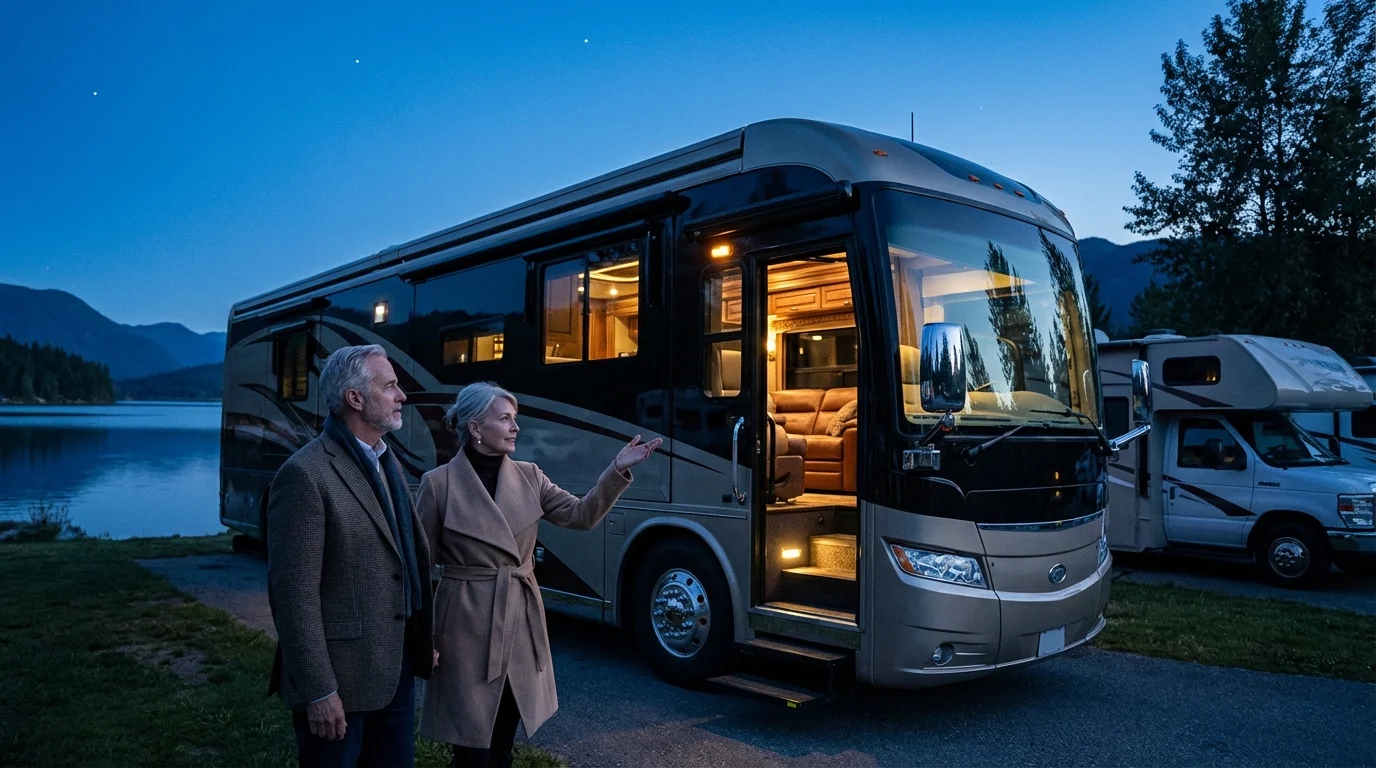
Selecting the right RV makes a significant difference in your travel enjoyment and safety. Consider your comfort needs, driving preferences, and accessibility requirements carefully. The market offers various types of RVs, each with distinct advantages.
Types of RVs to Consider
- Class A Motorhomes: Resemble buses, offering spacious interiors, ample storage, and many home-like amenities. They provide a comfortable living space but require more confidence to drive.
- Class B Camper Vans: Smaller and more maneuverable, built on van chassis. These offer easier driving and parking, making them ideal for urban exploration and quick getaways, though space is limited.
- Class C Motorhomes: Built on a truck or van chassis with an attached RV body, featuring an over-cab bunk. They balance space and drivability, providing a good middle-ground for many seniors.
- Fifth-Wheel Trailers: Require a heavy-duty pickup truck for towing, offering significant living space and amenities. They detach from the truck, allowing you to use your vehicle for day trips.
- Travel Trailers: Towed by a variety of vehicles, offering flexibility in size and layout. You unhitch them at your campsite, providing a separate vehicle for local excursions.
When choosing, prioritize ease of driving and maneuverability. Renting different types of RVs before committing to a purchase provides invaluable experience. This trial period helps you understand what feels most comfortable and practical for your travel style.
Look for features that enhance accessibility and comfort. Low entry steps, grab bars in bathrooms, and easily accessible controls make a big difference. Ensure the bed is comfortable and easy to get in and out of, as a good night’s sleep is crucial for enjoyable travels. Consider the layout and flow of the interior space, ensuring it supports your daily routines.
Essential Pre-Trip Planning for Senior RVers
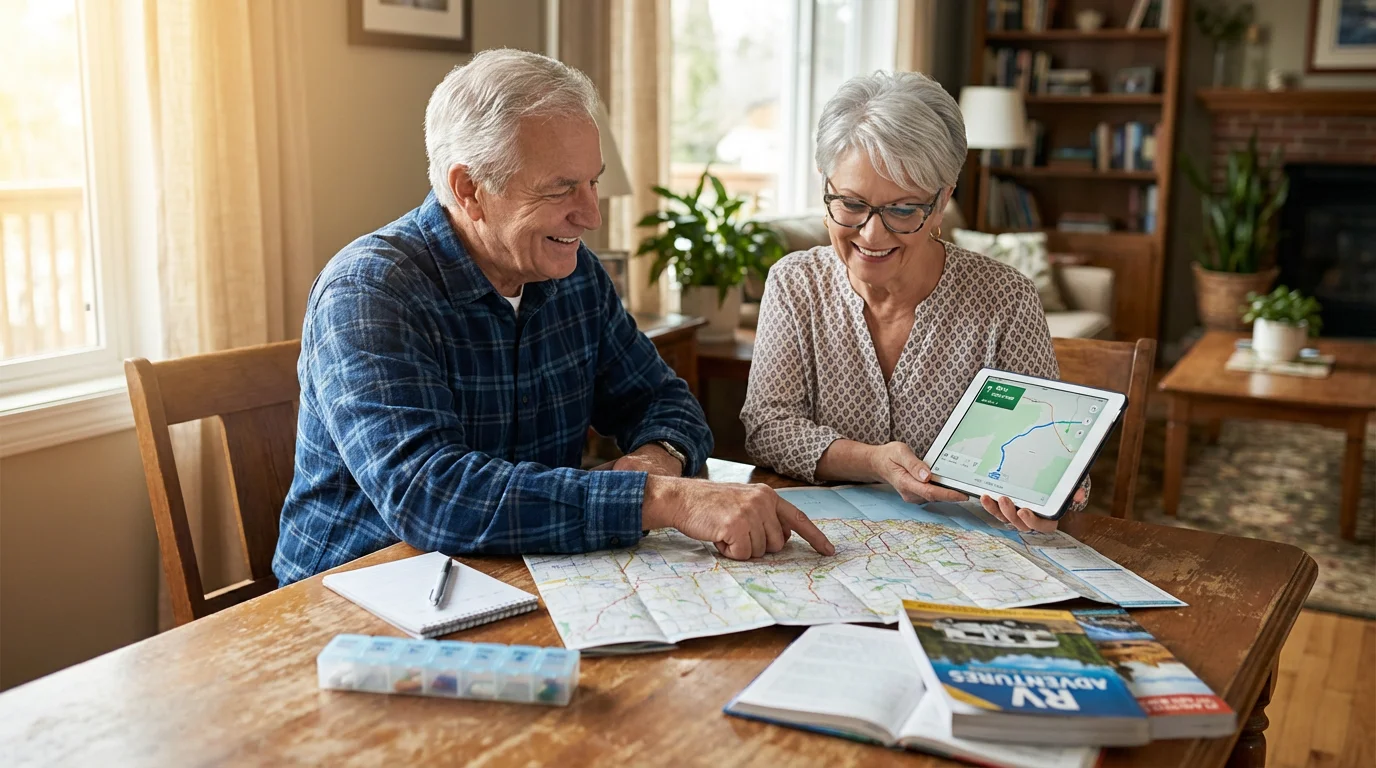
Thorough planning ensures a smooth and enjoyable RV adventure. Addressing key areas before you leave prevents potential headaches and enhances your overall experience. Focus on route planning, health preparations, and financial considerations.
Planning Your Route and Stops
- Research Destinations: Identify locations that appeal to you. National Parks and National Forests offer incredible beauty and senior-friendly activities. Check official park websites for accessibility information and reservation requirements. The National Park Service website, NPS.gov, offers extensive resources for planning visits.
- Book Campsites in Advance: Popular campgrounds fill quickly, especially during peak seasons. Use resources like Recreation.gov to reserve your spots well ahead of time. This secures your resting place and eliminates last-minute stress.
- Pace Yourself: Plan shorter driving days, especially when you begin RV travel. Limit driving to 4-6 hours per day to prevent fatigue. Incorporate rest days into your itinerary, allowing time for relaxation and exploration at each stop.
- Consider Weather and Seasons: Research the weather conditions for your travel dates and destinations. Avoid extreme heat or cold, which can impact your comfort and RV systems. Traveling during shoulder seasons often means fewer crowds and milder weather.
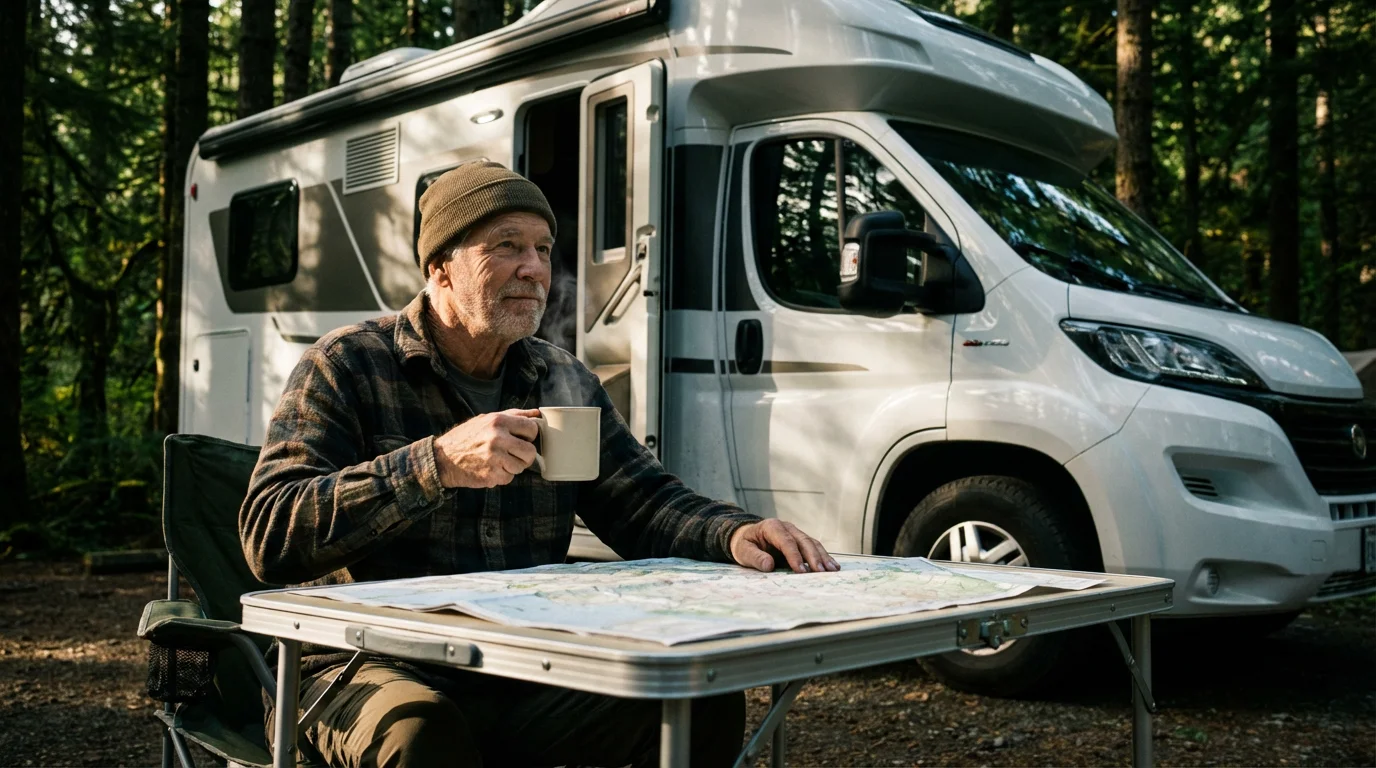
- Map Out Fuel Stops: RVs consume more fuel than cars. Plan your fuel stops, especially in remote areas where stations may be scarce. Use RV-specific navigation apps that account for vehicle size and weight restrictions.
Health and Medical Preparations
Your health takes precedence on any trip. Proactive medical planning ensures you handle any health issues effectively while on the road.
- Consult Your Doctor: Schedule a pre-trip medical check-up. Discuss your travel plans and any potential health concerns with your healthcare provider. The CDC Travelers’ Health website provides excellent guidance for various health considerations.
- Carry All Medications: Bring an adequate supply of all prescription and over-the-counter medications. Keep them in their original containers with clear labels. Carry copies of your prescriptions, including generic names, and your doctor’s contact information.
- Assemble a Comprehensive First-Aid Kit: Tailor your first-aid kit to your specific needs. Include basics like bandages, antiseptic wipes, pain relievers, and allergy medication. Add any personal items such as glucose tablets for diabetics or emergency inhalers.
- Emergency Contacts and Medical Information: Keep a list of emergency contacts, your doctor’s information, and any significant medical conditions or allergies readily accessible. Consider wearing a medical alert bracelet or carrying a medical ID card.
- Travel Insurance: Explore travel insurance options that cover medical emergencies, trip cancellations, and roadside assistance. This provides peace of mind for unforeseen circumstances.
Financial Planning
Budgeting for your RV trip helps manage expenses and prevents financial surprises. RV travel offers opportunities for savings, but costs accrue in areas like fuel and campground fees.
Estimate costs for fuel, which varies significantly based on RV type and mileage. Factor in campground fees, which range from basic to resort-style. Allocate funds for groceries, dining out, activities, and potential unexpected repairs. Leveraging senior discounts from organizations like AARP Travel can help reduce expenses on everything from campgrounds to attractions.
Prioritizing RV Safety on the Road
Safety is paramount for any RV adventure, especially for senior travelers. Diligent vehicle maintenance and mindful driving practices contribute significantly to a secure trip. Furthermore, understanding campsite safety protocols protects you and your belongings.
Vehicle Maintenance Checks
Regular maintenance prevents breakdowns and ensures your RV operates reliably. Perform these checks before every trip and regularly during extended travel.
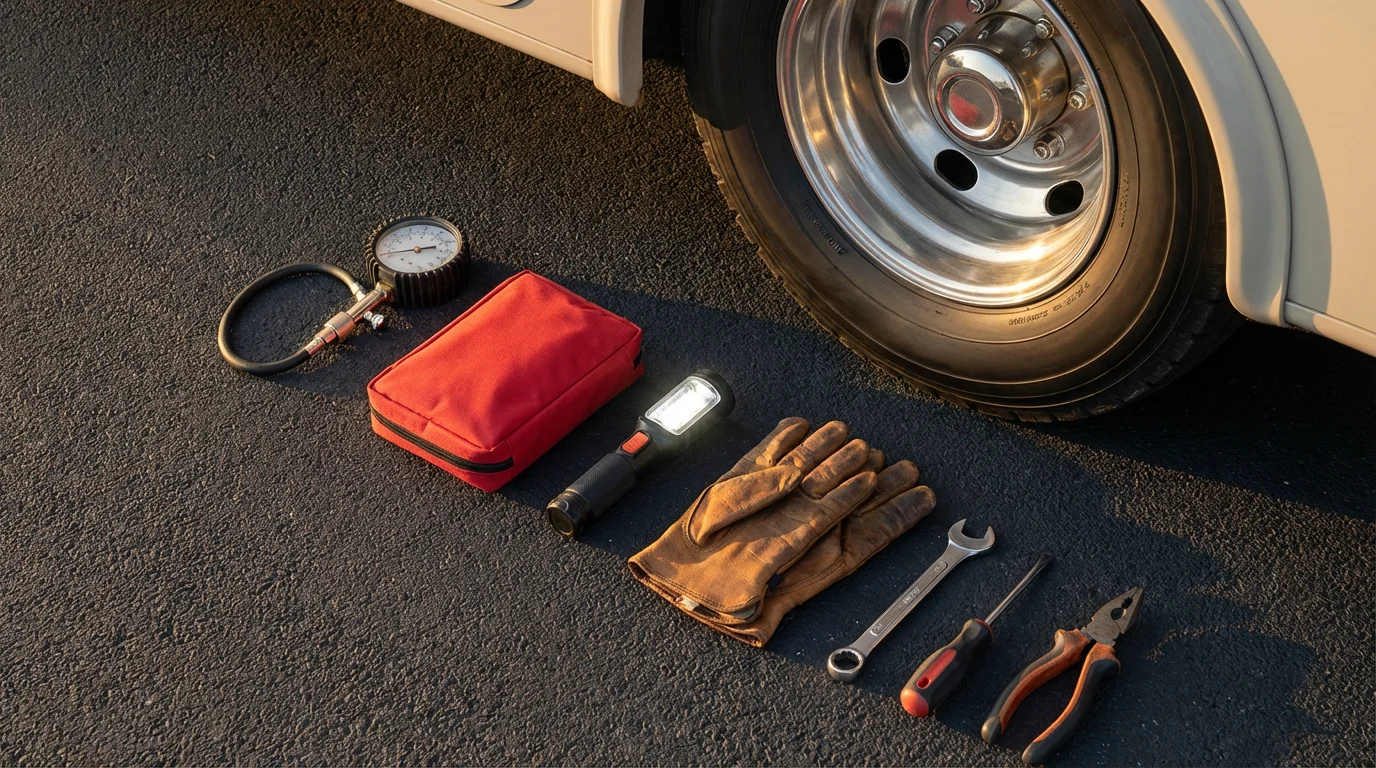
- Tire Inspection: Check tire pressure, including your spare, before each journey. Ensure tires have adequate tread depth and show no signs of cracking or bulging. Incorrect tire pressure affects handling and fuel efficiency, potentially leading to dangerous blowouts.
- Brake System Check: Verify your brakes respond effectively. Listen for unusual noises and address any spongy feel in the pedal immediately. Regular professional brake inspections are crucial.
- Fluid Levels: Monitor engine oil, coolant, transmission fluid, and windshield washer fluid. Top up as needed to prevent engine issues.
- Lights and Signals: Confirm all headlights, taillights, brake lights, and turn signals function correctly. Proper lighting enhances visibility for you and other drivers.
- Battery Health: Inspect your RV’s house batteries and chassis battery. Ensure terminals are clean and connections are secure. A weak battery can strand you.
- Professional Inspection: Schedule an annual professional RV inspection. This catches potential problems you might miss, ensuring your vehicle remains roadworthy.
Driving Safety
Driving an RV differs from driving a car. Practice and awareness contribute to safe navigation on the highway and in campgrounds.
- Practice Driving: If you are new to RVing, practice driving your vehicle in various conditions. Familiarize yourself with its size, weight, and braking distance. Practice backing up and turning in open areas.
- Manage Blind Spots and Wide Turns: RVs have larger blind spots. Use your mirrors frequently and consider adding auxiliary mirrors or a camera system. Remember to make wide turns to clear obstacles.
- Avoid Driving Fatigued: Fatigue significantly impairs your driving ability. Plan for frequent breaks every two hours, stretch, and hydrate. If you feel tired, pull over and rest. Share driving responsibilities if traveling with a partner.
- Stay Alert to Road Conditions: Pay close attention to weather forecasts and road reports. High winds, heavy rain, or snow demand extra caution or a delay in travel. Reduce speed and increase following distance in adverse conditions.
- Proper Weight Distribution: Distribute weight evenly within your RV to maintain stability. Overloading your RV compromises handling and puts strain on its components. Consult your RV’s owner’s manual for weight limits.
Campsite Safety
Your campsite becomes your temporary home. Taking precautions there ensures a safe and relaxing stay.
- Level Your RV Correctly: Use leveling blocks to ensure your RV sits level. This prevents discomfort and ensures appliances function properly.
- Secure Outdoor Gear: Store or secure awnings, chairs, bikes, and other outdoor equipment. Unexpected winds can damage unsecured items.
- Be Aware of Wildlife: Research local wildlife and take appropriate precautions. Store food securely, do not feed animals, and keep your distance.
- Fire Safety: Carry a fire extinguisher and know how to use it. Adhere to campground fire regulations. Never leave campfires unattended.
- Carbon Monoxide and Smoke Alarms: Verify your RV’s carbon monoxide detectors and smoke alarms are functional. Test them regularly and replace batteries as needed.
Personal Safety
Taking personal security measures protects you and your peace of mind.
- Share Your Itinerary: Inform a trusted friend or family member of your travel plans and expected check-in times.
- Secure Your RV: Lock all doors and windows when you leave your RV or when you turn in for the night. Do not leave valuables visible.
- Communication Devices: Carry a fully charged cell phone. Consider a satellite messenger for remote areas without cell service.
- Roadside Assistance: Invest in a comprehensive roadside assistance membership. This provides help for breakdowns, flat tires, and other emergencies.
Packing Smart for Comfort and Convenience
Efficient packing maximizes your comfort and convenience on the road. Your RV offers more storage than a car, but thoughtful organization prevents clutter and ensures you have everything you need without excess. Focus on essential gear, personal items, and food supplies.
Essential RV Gear
These items are crucial for setting up and maintaining your RV at any campsite.
- Leveling Blocks and Wheel Chocks: Essential for stabilizing your RV on uneven ground.
- Fresh Water Hose: A dedicated drinking water hose for connecting to campground water hookups.
- Sewer Hose and Fittings: For safe and sanitary wastewater disposal.
- Electrical Adapters: Various adapters to connect your RV to different campground power pedestals.
- Tool Kit: Basic tools like wrenches, screwdrivers, duct tape, and zip ties for minor repairs.
- Roadside Emergency Kit: Jumper cables, reflective triangles, flashlight, and a first-aid kit.
- Navigation System: A GPS designed for RVs, considering height and weight restrictions, complements your phone’s navigation.
- Gloves: Work gloves for handling hookups and dirty tasks.
- Tire Pressure Gauge: Regularly check your tire pressure.
Personal Items
Pack for comfort and versatility, considering the varied environments you will encounter.
- Comfortable Clothing: Include layered options suitable for different temperatures and weather changes. Choose breathable fabrics.
- Comfortable Shoes: Pack sturdy walking shoes for hiking and exploring, and comfortable casual shoes for driving and relaxing.
- Medications: All prescription drugs and any over-the-counter remedies you typically use. Keep them organized and accessible.
- Toiletries and Personal Hygiene: Your usual items, including sunscreen, insect repellent, and lip balm.
- Entertainment: Books, e-readers, puzzles, games, or crafting supplies. These keep you engaged during downtime or rainy days.
- Personal Safety Items: A whistle, personal alarm, or walking stick for hikes.
- Binoculars and Camera: Enhance your sightseeing and wildlife viewing experiences.
Kitchen and Food Supplies
Your RV kitchen enables you to prepare meals, saving money and accommodating dietary needs.
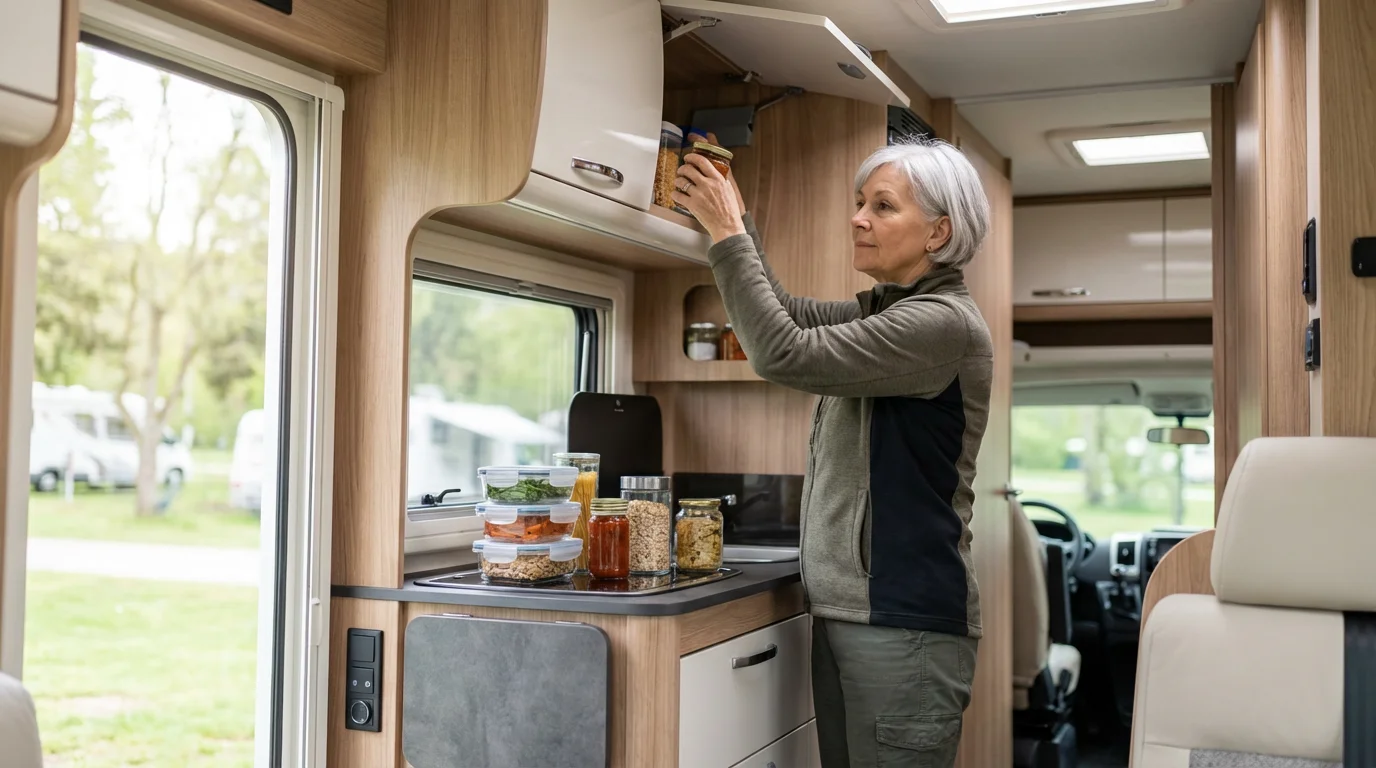
- Cookware and Dinnerware: A basic set of pots, pans, plates, bowls, and utensils. Consider lightweight, durable options.
- Non-Perishable Food Items: Canned goods, pasta, rice, dry snacks, and coffee. Stock up on staples.
- Spices and Basic Condiments: Salt, pepper, cooking oil, and your favorite sauces.
- Plenty of Water: Carry extra drinking water, especially when traveling to remote areas.
- Cooler: An additional cooler provides extra cold storage for drinks or picnic items.

Enhancing Your RV Experience: Activities and Community
RV travel offers opportunities to deepen your connection with the world around you and with fellow travelers. Seek out activities that align with your interests and embrace the social aspect of the RV lifestyle.
Outdoor Activities for Seniors
Many outdoor activities are perfectly suited for seniors, promoting active aging and well-being.
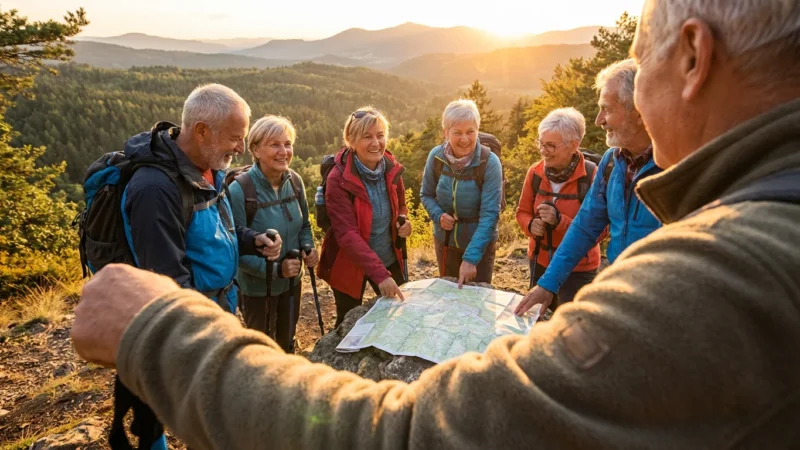
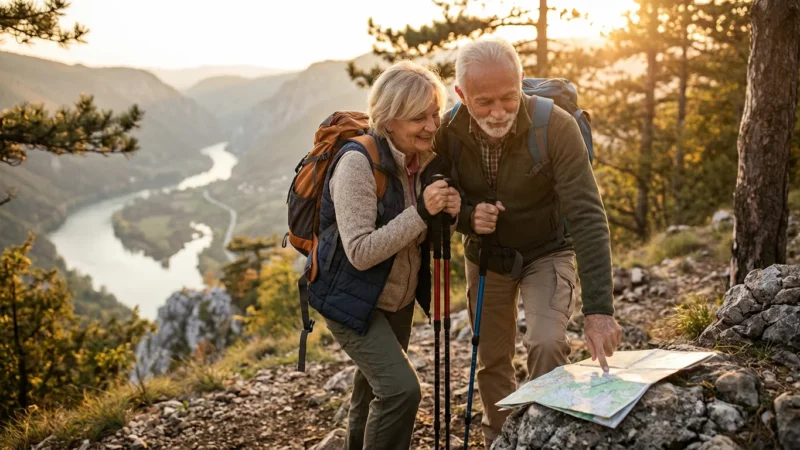
- Gentle Hikes: Explore trails in National Parks and Forests. Many parks offer paved or easy-grade paths. Always choose trails appropriate for your fitness level.
- Bird Watching and Wildlife Viewing: RV parks and natural areas teem with wildlife. Bring binoculars and a field guide.
- Photography: Capture the stunning landscapes and unique moments of your journey. RV travel offers endless photographic opportunities.
- Fishing: Many campgrounds are located near lakes or rivers. Obtain the necessary local permits.
- Kayaking or Canoeing: If you enjoy water activities, bring a lightweight kayak or rent one at your destination. This provides a peaceful way to explore waterways.
- Stargazing: Away from city lights, many RV spots offer incredible dark skies. A simple telescope or even just your eyes reveal cosmic wonders.
Connecting with Other RVers
The RV community is known for its friendliness. Engaging with fellow travelers enriches your experience.
- RV Clubs and Organizations: Join RV clubs tailored for seniors, such as those associated with AARP or specific RV brands. These clubs organize rallies and offer valuable resources.
- Campsite Camaraderie: Strike up conversations with your neighbors at campgrounds. Many RVers are happy to share tips, stories, and even a campfire.
- Group Tours and Guided Adventures: Consider signing up for guided tours at National Parks or other attractions. Organizations like Road Scholar offer educational adventures specifically for older adults, often including options that incorporate RV travel or stays.
- Online Forums and Social Media Groups: Connect with other RVers online before and during your trips. These platforms offer advice, support, and opportunities to meet up on the road.
Embracing Flexibility
One of the greatest joys of RVing is the freedom it provides. Learn to embrace spontaneity and let the road guide you.
- Changing Plans: Do not feel bound by a rigid itinerary. If a place captivates you, extend your stay. If weather turns bad, pivot to a new destination.
- Discovering Local Gems: Talk to locals, read visitor guides, and explore off-the-beaten-path attractions. Often, the best experiences are the unexpected ones.
- Slow Travel: RVing encourages a slower pace. Take your time, savor the moments, and truly immerse yourself in each location.
Budget-Friendly RVing for Extended Adventures
RV travel can be an economical way to explore, especially with smart budgeting strategies. You control many expenses that are fixed in other travel styles. Focus on managing food costs, campsite fees, and membership benefits to maximize your savings.
Saving on Food Costs
Your RV kitchen becomes your primary tool for budget-friendly eating.
- Cook Your Own Meals: Preparing most of your meals in your RV significantly reduces dining expenses. Plan menus in advance and shop for groceries at local supermarkets.
- Pack Snacks and Drinks: Avoid impulse purchases at convenience stores or tourist traps by keeping a well-stocked pantry of snacks and beverages.
- Utilize Leftovers: Repurpose leftovers for lunches or future dinners. This minimizes food waste and stretches your food budget further.
- Bring Your Coffee: Coffee shop visits add up quickly. Brewing your coffee in your RV saves substantial money over time.
Managing Campsite Fees
Campsite fees represent a major portion of your RV travel budget. Strategic planning minimizes these costs.
- Boondocking or Dry Camping: Research safe and legal areas for boondocking (camping without hookups). National Forests and Bureau of Land Management (BLM) lands often offer free or low-cost dispersed camping. Always research specific locations and regulations thoroughly. The National Forest Foundation, nationalforests.org, provides information on exploring these lands.
- Membership Programs: Join RV camping clubs that offer discounts on nightly rates. Many programs provide 10% to 50% off at participating campgrounds.
- Annual Passes: If you plan extensive visits to National Parks, consider purchasing an America the Beautiful Senior Pass. This pass grants free entry to national parks and federal recreation sites, and provides discounts on some amenity fees.
- State Park Systems: Many state parks offer beautiful campsites at more affordable rates than some private campgrounds. Research senior discounts available through state park systems.
Fuel Efficiency and Other Savings
Fuel costs for an RV are substantial. Implementing strategies to improve fuel efficiency helps stretch your budget.
- Drive Slower: Maintaining a moderate speed significantly improves your RV’s fuel economy. Accelerate gently and avoid sudden braking.
- Maintain Tires: Properly inflated tires reduce rolling resistance, leading to better fuel efficiency. Regularly check your tire pressure.
- Reduce Weight: Do not carry unnecessary water or heavy gear. Every pound affects fuel consumption.
- Travel During Off-Peak Seasons: Traveling outside of peak summer months often means lower campground rates and fewer crowds. You also experience better availability for popular sites.
- Utilize Senior Discounts: Always inquire about senior discounts at attractions, restaurants, and tours. Many businesses offer special pricing for older adults.
Frequently Asked Questions
Is RV travel suitable for solo seniors?
Absolutely. Solo RVing provides immense freedom and a unique sense of accomplishment. You plan your itinerary entirely around your preferences. Many solo seniors find joy and camaraderie within the RV community, often forming lasting friendships at campgrounds. Prioritize personal safety measures and ensure you have reliable communication devices.
What medical precautions should senior RVers take?
Before any RV trip, consult your doctor for a check-up. Carry all prescription medications in their original containers, along with copies of prescriptions and your doctor’s contact information. Pack a comprehensive first-aid kit tailored to your needs. Always have your emergency contacts and medical information readily accessible. Consider travel insurance that covers medical emergencies.
How do I choose the best RV for accessibility?
Prioritize RVs with features like low entry steps, wider doorways, grab bars in bathrooms, and easily accessible controls. Class A motorhomes often offer more spacious layouts for easier maneuverability. Some manufacturers design specific accessible RV models. Consider renting different RV types to determine what best suits your comfort and accessibility requirements before purchasing.
What are the best resources for planning an RV trip?
Utilize websites like Recreation.gov for booking campsites in National Parks and other federal lands. The National Park Service website, NPS.gov, provides extensive information on park facilities and activities. AARP Travel offers discounts and travel guides. RV-specific apps provide navigation, campground reviews, and fuel station locations. Joining RV clubs also provides access to valuable planning resources and community support.
Can I bring my pet on an RV trip?
Many RVers travel with their pets. Most campgrounds welcome well-behaved pets, but always check their specific pet policies before booking. Some National Parks have restrictions on pets on trails or in certain areas. Ensure your pet’s vaccinations are up to date, bring their food and water, and have a plan for their exercise and waste disposal. Never leave pets unattended in your RV, especially in hot weather.
How much does an RV trip typically cost?
The cost of an RV trip varies widely based on RV type, duration, distance, and your travel style. Major expenses include fuel, campground fees, food, and activities. You can save money by cooking your meals in the RV, utilizing free or low-cost boondocking sites, and taking advantage of senior discounts. Roadside assistance memberships and travel insurance add peace of mind for unexpected expenses.






Leave a Reply