

Disclaimer: This article is for informational purposes only. Travel conditions, accessibility, and requirements change frequently. We encourage readers to verify current information with official sources before traveling. Always consult with healthcare providers about travel considerations for your specific health situation.
The open road calls to you, promising freedom, discovery, and unforgettable memories. For active Americans aged 55+, a road trip offers an unparalleled way to explore our beautiful country and beyond. This comprehensive guide helps you master road trip planning, ensuring your adventure is everything you envision. You gain practical, actionable insights for crafting the perfect travel itineraries, focusing on comfort, enjoyment, and the sheer joy of discovery.
Planning a road trip involves more than simply picking a destination. It means considering your pace, interests, and comfort. We address common questions like how to plan perfect road trip experiences, offering guidance on what to consider for roadtrip planning to make your journey seamless. Embrace the spirit of exploration, knowing you have the tools to create a personalized, inspiring adventure.
Table of Contents
- Dream It, Design It: Your Road Trip Vision
- Crafting the Perfect Itinerary: Balancing Discovery and Comfort
- Health and Safety: Essential Preparations for the Road
- Budgeting for Your Adventure: Smart Spending on the Open Road
- Packing Smart for Senior Travelers: Comfort and Convenience
- Embracing the Unexpected: Flexibility and Openness on Your Journey
- Group Travel or Solo Exploration: Finding Your Perfect Fit
- Making Memories on the Road: Capturing Your Adventures
- Frequently Asked Questions
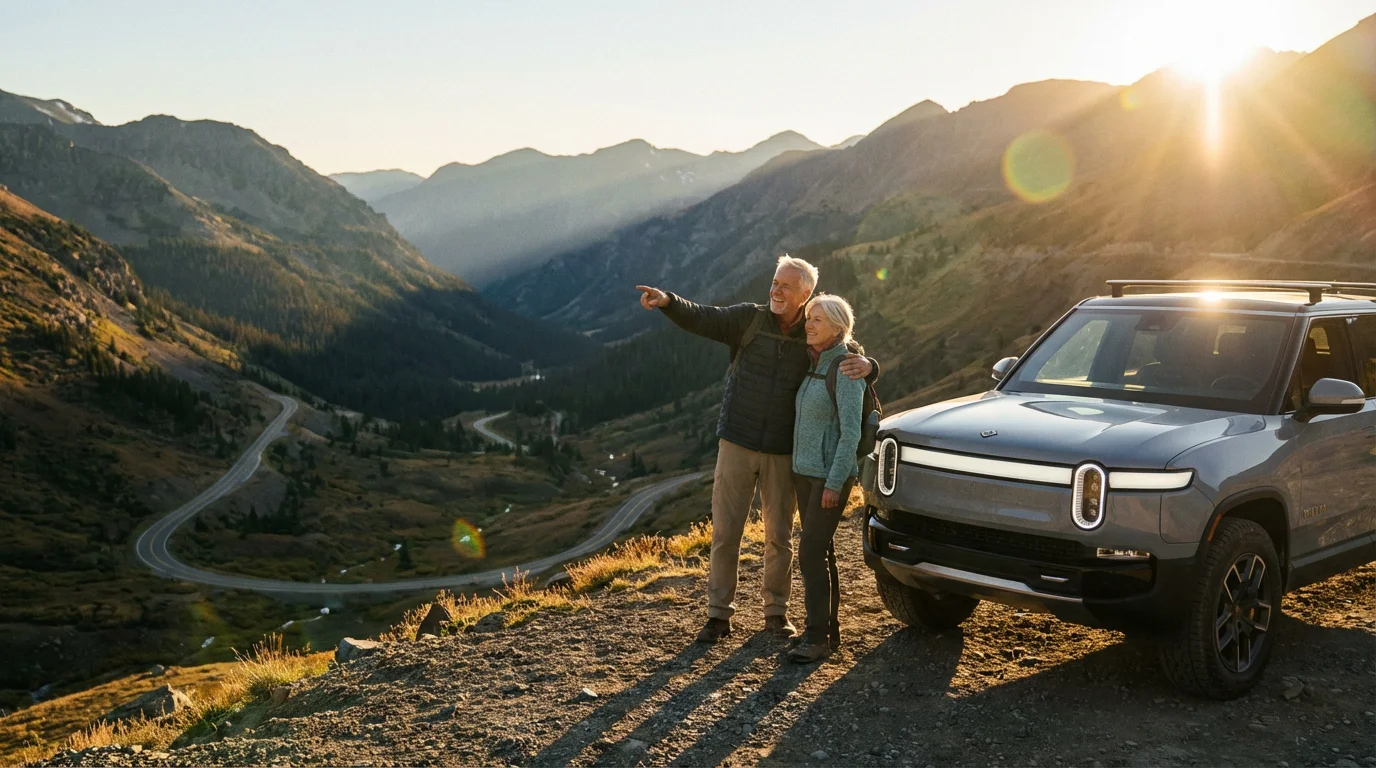
Dream It, Design It: Your Road Trip Vision
Every great journey begins with a dream. Before you open a map, take time to envision your ideal adventure. What kind of experience are you seeking? Do you crave rugged mountain trails or serene coastal drives?
Defining your adventure style guides every subsequent planning decision. Consider your interests, energy levels, and travel companions. This initial step forms the foundation of truly personalized senior travel.
Setting realistic expectations is paramount for enjoyment. While spontaneity holds its charm, a well-defined vision helps you allocate resources and time effectively. You prevent common pitfalls by understanding what you truly want from your journey.
Think about the trip’s length and overall pace. A two-week cross-country trek demands different planning than a long weekend getaway. Focus on quality experiences over quantity of destinations, allowing ample time to savor each stop.
Consider these initial planning questions to shape your ideal road trip:
- What type of scenery inspires you most (mountains, coast, desert, forests)?
- How many days or weeks do you have available for travel?
- Do you prefer staying in one place longer or moving frequently?
- What activities do you enjoy most (hiking, historical sites, culinary experiences, relaxation)?
- Who will join you on this adventure, and what are their preferences?
- What is your approximate budget for this trip?

Crafting the Perfect Itinerary: Balancing Discovery and Comfort
With your vision in mind, you transition to the practical art of crafting the perfect itinerary. This phase involves meticulous research and strategic mapping, ensuring your travel aligns with your desires. Focus on creating a balanced schedule that offers discovery without sacrificing comfort, a cornerstone of successful senior road trip planning.
Researching Destinations
Begin by exploring potential destinations that align with your interests. National Parks, for example, offer breathtaking natural beauty and accessible trails for all activity levels. Consider scenic byways for incredible drives or charming small towns that promise unique local experiences.
Websites like the National Park Service provide extensive information on accessibility, activities, and accommodations. Use these resources to identify locations that captivate your imagination and suit your physical capabilities. AARP Travel also offers valuable insights and deals tailored for seniors, helping you discover new places.
Mapping Your Route
Modern technology makes mapping your route incredibly simple. Utilize online mapping tools to plot your course, identify points of interest, and estimate driving times. Remember, these estimates often do not account for stops, traffic, or unexpected detours.
Build flexibility into your route. The beauty of a road trip lies in the freedom to change plans, explore an intriguing roadside attraction, or linger longer in a particularly appealing spot. Do not overschedule your days, leaving room for spontaneous discovery.
Pacing Your Journey
Pacing is perhaps the most critical element for enjoyable senior travel. Less is often more. Avoid the temptation to pack too many destinations into one trip. Longer driving days lead to fatigue, reducing your enjoyment and increasing safety risks.
We recommend limiting daily driving to 4-6 hours, ideally staying within 200-300 miles. This allows for frequent stops, leisurely meals, and ample time to explore your destination upon arrival. You experience the journey, not just the destination.
Booking Accommodations
Decide whether you prefer booking all accommodations in advance or embracing spontaneity. For popular destinations, especially during peak seasons, booking ahead secures your preferred lodging and often better rates. Many seniors value the peace of mind that comes with knowing where they will sleep each night.
If you prefer flexibility, research areas with multiple lodging options along your route. You can often find last-minute availability outside of major tourist hubs. Always prioritize safety and comfort when selecting places to stay.
A sample daily itinerary structure can help visualize your trip:
| Time Block | Activity Focus | Notes for Senior Travelers |
|---|---|---|
| 8:00 AM – 9:00 AM | Morning Routine & Breakfast | Start the day at a relaxed pace. Eat a good breakfast. |
| 9:00 AM – 12:00 PM | Morning Drive & Sightseeing Stop | Drive 2-3 hours. Take a comfort break, explore a scenic overlook. |
| 12:00 PM – 1:30 PM | Lunch & Rest | Pack a picnic or find a local eatery. Stretch your legs. |
| 1:30 PM – 4:00 PM | Afternoon Drive & Activity | Drive 1-2 hours. Arrive at destination, check into lodging, light activity. |
| 4:00 PM – 6:00 PM | Relaxation & Unwind | Nap, read, enjoy hotel amenities. Avoid rushing. |
| 6:00 PM onwards | Dinner & Evening Activity | Enjoy local cuisine, a gentle stroll, or quiet evening in. |
Include various types of stops to keep your journey engaging:
- National Parks and Monuments: Experience stunning natural landscapes and well-maintained facilities.
- State Parks and Forests: Often less crowded alternatives with unique local charm.
- Historic Sites and Museums: Immerse yourself in the rich history and culture of different regions.
- Charming Small Towns: Discover local shops, eateries, and a slower pace of life.
- Scenic Overlooks and Byways: Enjoy breathtaking views without leaving your vehicle or with minimal walking.
- Local Markets and Wineries: Savor regional flavors and artisanal products.
- Rest Areas and Visitor Centers: Essential for comfort breaks, local information, and stretching.

Health and Safety: Essential Preparations for the Road
Your well-being remains paramount on any adventure. Proactive health and safety preparedness ensures peace of mind, allowing you to fully enjoy your road trip. Address these critical aspects before you even turn the key in the ignition.
Medical Checks and Medications
Before any significant travel, consult your healthcare provider. Discuss your travel plans, especially if crossing different time zones or visiting areas with varying climates. Confirm you are up to date on all necessary vaccinations and health screenings.
Carry an adequate supply of all prescription medications, plus a few extra days’ worth in case of delays. Keep medications in their original containers with clear labels. Bring copies of your prescriptions and a list of all medications, including dosages. The CDC Travelers’ Health website provides valuable guidance on staying healthy while traveling. Remember to pack any over-the-counter remedies you might need, such as pain relievers, allergy medication, or antacids.
Emergency Contacts and Documents
Compile a list of essential emergency contacts. Include family members, your doctor, and your pharmacy. Keep this list easily accessible, both physically and on your phone. Inform a trusted friend or family member of your itinerary and check in regularly.
Organize all important documents. This includes your driver’s license, vehicle registration, and insurance cards. For health, carry your insurance card, a copy of your advance directive if you have one, and any medical alert information. Store copies of these documents securely in a separate location, and consider digital copies on a cloud service or secure app.
Vehicle Maintenance and Roadside Assistance
Your vehicle is your most important piece of equipment. Schedule a comprehensive inspection with a trusted mechanic before your trip. Ensure tires, brakes, fluid levels, lights, and wipers are all in excellent working order. This preventative maintenance minimizes the risk of unexpected breakdowns.
Subscribe to a reliable roadside assistance program. Services like AAA provide invaluable help with flat tires, lockouts, or towing. Keep their contact information readily available. A well-maintained vehicle ensures your safety and reduces travel stress.
Staying Safe on the Road
Prioritize safe driving practices. Avoid driving while fatigued. Take frequent breaks every two hours to stretch, walk around, and re-energize. Share driving responsibilities if traveling with a companion.
Maintain situational awareness, especially in unfamiliar areas. Keep valuables out of sight when your vehicle is parked. At night, choose well-lit, reputable accommodations. Always trust your instincts; if a situation feels unsafe, remove yourself from it. These common-sense measures contribute significantly to a secure journey.
Here is a pre-trip health checklist:
- Consult your doctor about travel plans and necessary precautions.
- Ensure all prescriptions are refilled with extra supply.
- Pack all medications in original, labeled containers.
- Create a list of all medications, dosages, and medical conditions.
- Carry copies of your health insurance card and doctor’s contact information.
- Pack a basic first-aid kit with bandages, antiseptic wipes, and pain relievers.
- Consider travel insurance for medical emergencies or trip cancellations.
- Have a comfortable pair of walking shoes suitable for various terrains.
- Stay hydrated by drinking plenty of water, especially during long drives.
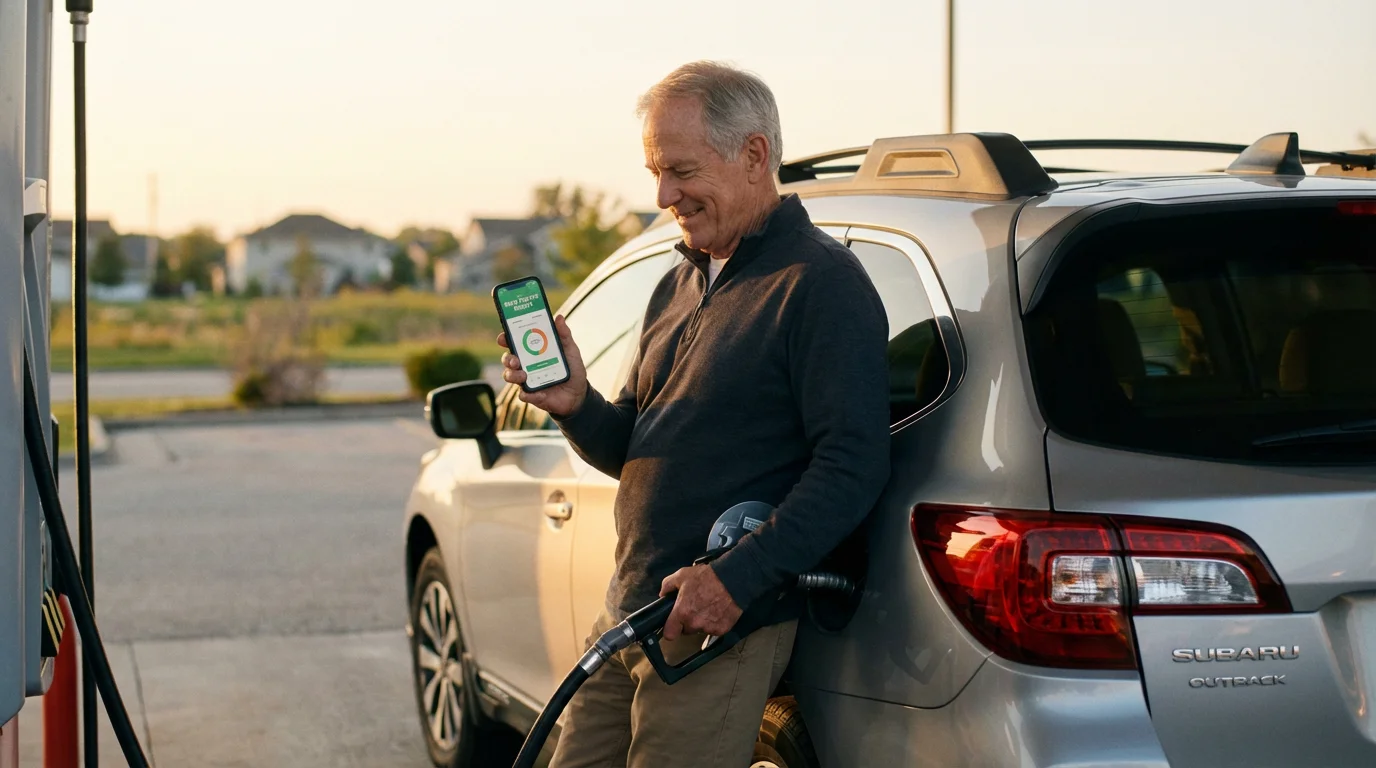
Budgeting for Your Adventure: Smart Spending on the Open Road
A well-planned budget transforms your dream road trip into a tangible reality. It allows you to enjoy your journey without financial stress, ensuring you allocate funds efficiently. Smart spending means maximizing experiences while remaining within your comfortable limits.
Estimating Costs
Break down your trip into key spending categories. Fuel represents a significant expense, so research average gas prices along your route. Factor in lodging costs, whether you choose hotels, RV parks, or vacation rentals. Account for meals, attractions, and any guided tours or activities you plan.
Do not forget miscellaneous expenses like tolls, parking fees, and souvenirs. Build in a contingency fund, typically 10-15% of your total budget, for unexpected costs or spontaneous splurges. This realistic approach prevents surprises and keeps your finances in check.
Saving Money Tips
You can significantly reduce expenses with clever strategies. Packing a cooler with snacks, drinks, and ingredients for simple meals cuts down on restaurant bills. Picnic lunches at scenic spots often enhance the experience while saving money.
Look for senior discounts on everything from lodging to museum admissions. Many National Parks offer the America the Beautiful Senior Pass, providing lifetime access for a nominal fee. Travel during shoulder seasons (spring and fall) to find better rates and fewer crowds. Consider staying in accommodations with kitchenettes to prepare some of your own meals.
Insurance Considerations
Review your existing insurance policies. Your vehicle insurance likely covers you, but confirm coverage for roadside assistance or rental cars. Consider travel insurance, especially for longer trips or if you have specific health concerns. Travel insurance can cover medical emergencies, trip cancellations, or lost luggage, providing an important safety net.
Emergency Fund Importance
Beyond your contingency fund, maintain a separate emergency fund. This fund addresses major unforeseen events, such as a significant vehicle repair or an unexpected medical issue. Access to an emergency fund prevents you from dipping into your retirement savings or going into debt for urgent needs. It provides invaluable security for any extended travel.
These are key budget categories to consider:
- Fuel: Estimate mileage and current gas prices.
- Accommodations: Hotels, motels, RV parks, vacation rentals.
- Food: Restaurant meals, groceries for snacks and picnics.
- Activities/Attractions: Entry fees, tours, entertainment.
- Tolls and Parking: Account for fees on highways and in cities.
- Vehicle Maintenance/Repairs: Pre-trip service and an emergency fund for unexpected issues.
- Miscellaneous: Souvenirs, unexpected purchases, tips.
- Emergency Buffer: An additional 10-15% for unforeseen circumstances.

Packing Smart for Senior Travelers: Comfort and Convenience
Smart packing enhances your comfort and convenience on the road, simplifying your journey. You avoid unnecessary burdens and ensure you have everything you need without overpacking. Focus on versatility and practicality when preparing your luggage.
Essentials vs. Luxuries
Distinguish between absolute essentials and desirable luxuries. Essentials include medications, important documents, comfortable clothing, and personal hygiene items. Luxuries might be your favorite coffee maker, extra books, or specific hobby gear. While luxuries enhance enjoyment, prioritize essentials to avoid crucial omissions.
Consider the “what if” scenarios but do not pack for every possibility. A minimalist approach often leads to a more enjoyable, less cluttered road trip. You gain flexibility and ease of movement.
Layering Clothing
Road trips often involve varying climates and temperatures, even within a single day. Pack versatile clothing that you can layer. T-shirts, long-sleeved shirts, sweaters or fleeces, and a waterproof outer layer allow you to adapt to changing weather conditions. This strategy reduces the overall amount of clothing you need to pack.
Choose fabrics that are comfortable, breathable, and easy to care for. Quick-drying materials prove especially useful. You stay comfortable regardless of the forecast.
Comfort Items for the Car
Long hours in a vehicle demand specific comfort items. Bring a supportive pillow for your neck or back, a cozy blanket, and sunglasses. Consider a car charger for your devices and an auxiliary cable for audio. Having these items readily available makes the driving portions of your trip much more pleasant.
Pack a small cooler with drinks and snacks to avoid frequent stops. A reusable water bottle is essential for staying hydrated. These small additions significantly enhance your travel experience.
Technology and Entertainment
Modern technology offers both convenience and entertainment. Bring your smartphone for navigation, communication, and photos. Pack a portable power bank to keep your devices charged, especially when away from an outlet. Consider a tablet or e-reader for books, movies, or games during downtime.
Do not forget physical entertainment like books, puzzles, or travel games. They offer a welcome break from screens. Having a mix of options ensures you remain engaged and entertained throughout your journey, whether driving or relaxing.
Here is a comprehensive road trip packing checklist:
- Personal Documents: Driver’s license, vehicle registration, insurance cards, health insurance card, emergency contacts.
- Medications: All prescriptions (with extra), over-the-counter remedies, first-aid kit.
- Clothing: Layered options for various temperatures, comfortable walking shoes, rain jacket, sleepwear.
- Toiletries: Travel-sized versions of your essentials.
- Comfort Items: Neck pillow, blanket, sunglasses, reusable water bottle, cooler with snacks.
- Navigation: GPS device or smartphone with downloaded maps, physical map as backup.
- Technology: Phone, charger, power bank, camera, e-reader/tablet.
- Safety Gear: Flashlight, small tool kit, tire pressure gauge, jumper cables, reflective triangle.
- Miscellaneous: Books, journal, pen, small backpack for day trips, plastic bags for trash.
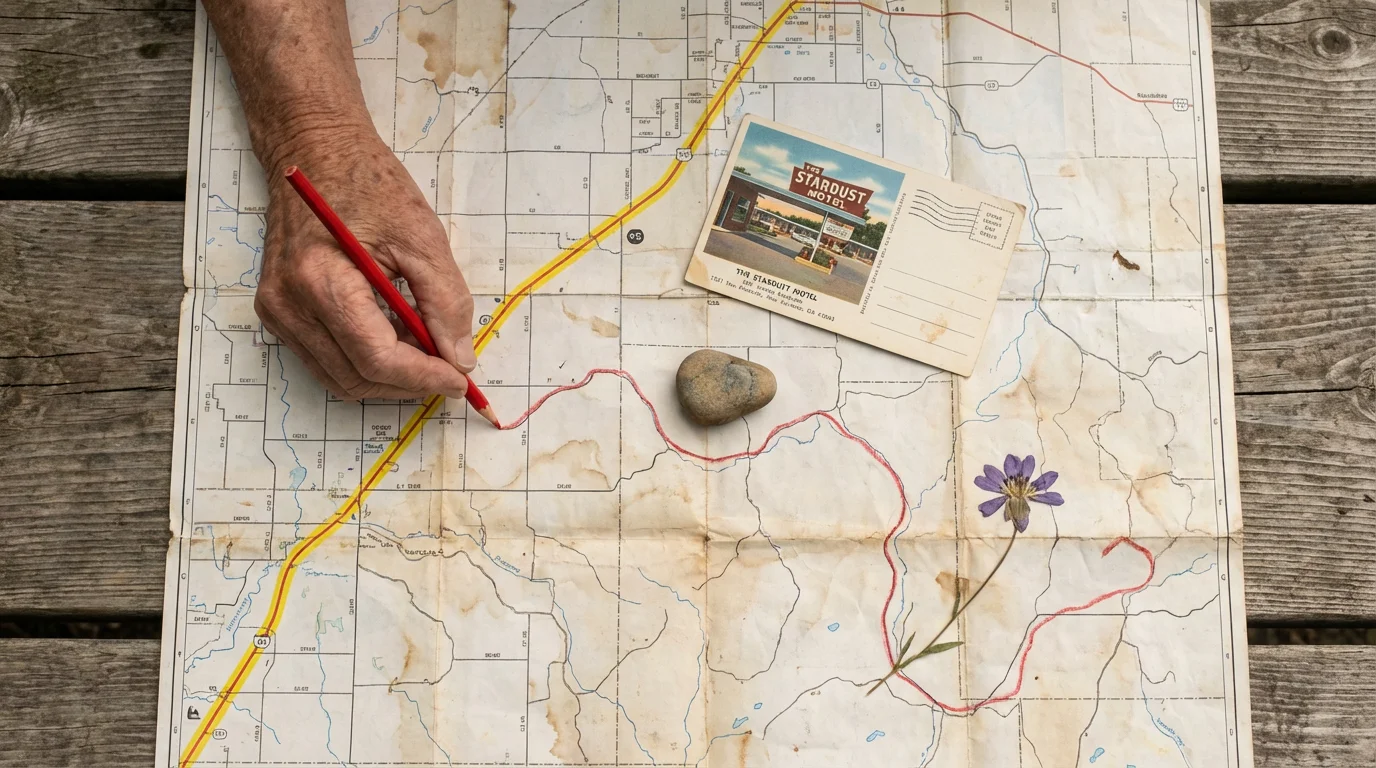
Embracing the Unexpected: Flexibility and Openness on Your Journey
The true spirit of a road trip lies in its unpredictable nature. While planning offers structure, embracing the unexpected delivers some of the most memorable moments. Cultivate flexibility and openness to truly savor your journey.
The Joy of Detours
You might spot a sign for a quirky roadside attraction or hear about a local festival from a friendly stranger. Allow yourself the freedom to deviate from your original itinerary. These unplanned detours often lead to unique experiences you would have otherwise missed. They add a spontaneous charm that a rigid schedule cannot provide.
Many fantastic destinations, like those managed by the National Park Service, offer spontaneous opportunities for exploration. Keep an eye out for interesting turn-offs or local recommendations. This openness to discovery enriches your travel stories.
Dealing with Minor Setbacks
Travel inevitably presents minor challenges. A wrong turn, unexpected road construction, or a booking mix-up can occur. Approach these situations with a calm and problem-solving mindset. Remember, such occurrences are part of the adventure, not obstacles to it.
A positive attitude transforms potential frustrations into funny anecdotes. Your preparedness, including roadside assistance and emergency funds, mitigates the impact of larger issues. You learn resilience and adaptability with each unforeseen event.
Staying Open to Local Experiences
Engage with the places you visit beyond the main attractions. Strike up conversations with locals, try regional cuisine, and seek out off-the-beaten-path recommendations. These interactions provide authentic insights into the culture and character of a region. They turn a tourist visit into a genuine connection.
Attend a local market, visit a community event, or simply observe daily life. This level of immersion creates deeper, more meaningful travel memories. You move beyond merely seeing a place to truly experiencing it.
“The world is a book and those who do not travel read only one page.” — Saint Augustine
Importance of a Positive Attitude
Your attitude shapes your entire travel experience. A positive, adaptable mindset allows you to navigate challenges with grace and appreciate every moment. Focus on the beauty around you and the privilege of exploration. This internal readiness makes all the difference.
Remember that the goal is not perfection, but enjoyment. Each journey offers its own unique lessons and joys. Embrace them all with an open heart and an adventurous spirit, creating a truly fulfilling road trip experience.
Group Travel or Solo Exploration: Finding Your Perfect Fit
Deciding whether to embark on a road trip solo, with a partner, or as part of a group significantly impacts your experience. Each option offers distinct advantages. Consider your personal preferences and comfort levels to find the perfect fit for your senior travel adventure.
Pros and Cons of Each
Solo Travel: You enjoy complete freedom to set your own pace, choose your destinations, and change plans spontaneously. It fosters independence and offers profound opportunities for self-discovery. However, solo travel requires greater personal responsibility for safety and logistics. It can sometimes lead to feelings of loneliness, though many find it incredibly empowering.
Couple/Partner Travel: Sharing experiences with a loved one creates shared memories and provides companionship. You can divide driving duties and share expenses. However, successful couple travel demands compromise and strong communication to navigate differing preferences.
Group Travel: This option, often through guided tours, handles all logistics, including accommodation and many meals. It offers built-in companionship and professional guidance, reducing planning stress. Organizations like Road Scholar specialize in educational and adventurous group tours for seniors. The trade-off is less flexibility and a predetermined itinerary, which might not suit every independent spirit.
Tips for Solo Senior Travelers
If you choose to explore solo, prioritize safety without letting it deter your adventure. Share your itinerary with a trusted friend or family member, checking in regularly. Stay in well-reviewed accommodations and inform the front desk of your solo status.
Carry a fully charged phone, a power bank, and a reliable navigation system. Join a roadside assistance program. Seek out opportunities to connect with others, perhaps at local cafes, community events, or guided day tours. Solo travel offers incredible growth and freedom; approach it with confidence and sensible precautions.
Benefits of Group Tours for Road Trips
For those who prefer minimal planning and maximum social interaction, a guided group road trip can be ideal. These tours often feature comfortable transportation, expert guides, and pre-arranged activities. You gain insights into destinations that you might miss on your own. You also eliminate the stress of driving and navigation.
Group tours provide a supportive community, allowing you to forge new friendships while exploring. This option is particularly appealing for those who want to experience complex itineraries or desire the security of traveling with others. Many tour companies cater specifically to senior travelers, understanding their needs and preferences.

Making Memories on the Road: Capturing Your Adventures
Your road trip creates a tapestry of incredible experiences and vivid memories. Capturing these moments allows you to relive the adventure long after you return home. Focus on authentic ways to document your journey, preserving its essence for years to come.
Photography Tips
A camera, whether a smartphone or a dedicated device, is your primary tool for visual storytelling. Do not just take snapshots; compose your shots. Look for interesting angles, natural light, and unique perspectives. Capture not only the majestic landscapes but also the small details: a roadside flower, a quirky sign, or a local artisan’s craft.
Consider candid shots of your travel companions enjoying a moment. Remember to ask for permission before photographing people. Back up your photos regularly to a cloud service or external drive. You ensure these precious memories are safely preserved.
Journaling Your Experiences
A travel journal offers a deeply personal way to document your journey. Jot down thoughts, observations, feelings, and funny anecdotes. Include details you might forget, like the name of a charming café or a memorable conversation. A journal captures the narrative of your trip, complementing your photographs.
Writing helps process your experiences and strengthens your memories. It becomes a cherished keepsake, reflecting your personal growth and the unique story of your adventure. Dedicate a few minutes each evening to record the day’s events.
Sharing Your Journey
Connecting with others about your travels extends the joy of the trip. Share your photographs and stories with friends and family. Create a photo album, either digital or physical, to showcase your favorite moments. Your experiences can inspire others to embark on their own adventures.
Consider creating a blog or social media album if you enjoy digital sharing. This allows a wider audience to follow your journey. Sharing your adventures reinforces your own memories and celebrates the spirit of exploration.
Enjoying the Present Moment
While documentation is valuable, prioritize being present in the moment. Sometimes, the most profound experiences happen when your camera is down and your pen is put away. Allow yourself to fully absorb the sights, sounds, and feelings of your surroundings. Savor a breathtaking sunset, the aroma of a pine forest, or the taste of a regional dish.
These sensory experiences often form the most powerful and lasting memories. The goal is to live the adventure first, then capture it. Your road trip is a personal journey of discovery, offering immense joy and inspiration at every turn.
Frequently Asked Questions
How far should I plan to drive each day on a senior road trip?
For senior road trip planning, prioritize comfort over speed. We recommend limiting daily driving to 4-6 hours, approximately 200-300 miles. This allows for frequent breaks, sightseeing, and relaxation, preventing fatigue and enhancing your enjoyment. Consider a shorter driving day followed by a full day of exploration at a destination to maximize your experience.
What are essential documents to carry for a senior road trip?
Carry your driver’s license, vehicle registration, and proof of insurance. Essential health documents include your health insurance card, a list of current medications, contact information for your doctors, and emergency contacts. Keep copies of these documents digitally and physically in a separate location for added security.
How can I make my road trip budget-friendly?
Plan your meals by packing a cooler with snacks and picnic supplies to reduce restaurant costs. Look for accommodations with kitchenettes. Utilize senior discounts on lodging, attractions, and public transportation. Consider visiting National Parks with an America the Beautiful Senior Pass, which offers significant savings on entrance fees. Travel during the shoulder seasons to find better deals on lodging and less crowded attractions.
Is it safe for seniors to travel solo on a road trip?
Absolutely, many seniors enjoy solo road trips. Prioritize safety by sharing your itinerary with a trusted friend or family member. Use GPS and a reliable navigation system. Stay in well-lit, reputable accommodations. Carry a cell phone with a power bank and subscribe to a roadside assistance program. Trust your instincts and avoid uncomfortable situations, ensuring a secure and fulfilling journey.
What vehicle maintenance should I perform before a long road trip?
Before embarking on a long road trip, schedule a comprehensive vehicle inspection. Check your tires, including the spare, for pressure and tread wear. Ensure your oil, fluid levels, and belts are in good condition. Test your brakes, lights, and windshield wipers. A well-maintained vehicle significantly reduces the risk of breakdowns and enhances safety and peace of mind on the open road.
Embarking on a road trip as a senior offers an unparalleled opportunity for adventure and personal fulfillment. With careful road trip planning, you craft an itinerary that balances discovery with comfort, ensuring a truly unforgettable experience. Remember, the journey itself is the destination. Embrace the freedom of the open road, knowing you possess the wisdom and spirit to explore the world on your own terms. Your next grand adventure awaits.








Leave a Reply