
Disclaimer: This article is for informational purposes only. Travel conditions, accessibility, and requirements change frequently. We encourage readers to verify current information with official sources before traveling. Always consult with healthcare providers about travel considerations for your specific health situation.
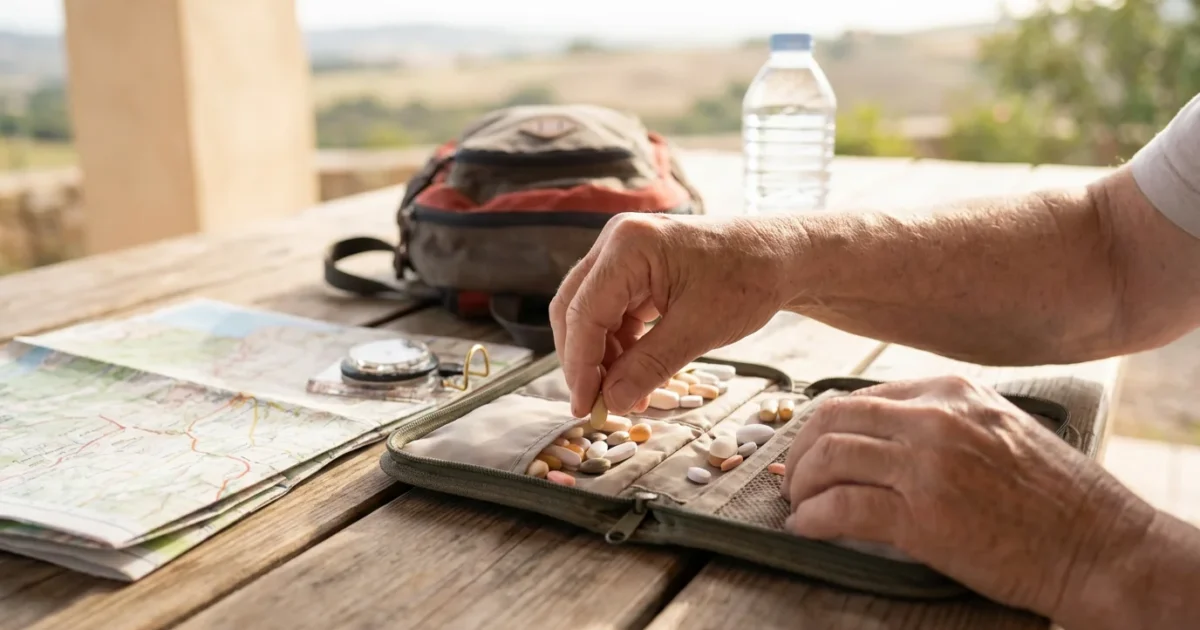
The world beckons with new sights, sounds, and experiences. As a seasoned adventurer, you understand the thrill of exploration. Ensuring your health remains a priority allows you to embrace these adventures fully. Proper medication management forms a crucial part of this preparation, whether you plan a cross-country RV trip or an international expedition.
This guide provides practical, actionable steps to confidently manage your medications while traveling. You gain the insights needed to prepare thoroughly, navigate regulations, and enjoy peace of mind on your next journey. Your well-being directly contributes to the richness of your travel experiences.
Table of Contents
- Understanding Your Medications Before You Go
- Domestic vs. International Travel: Key Differences
- Essential Documentation for Medication Travel
- Packing Your Medications Safely and Smartly
- Managing Medications on the Go
- Addressing Specific Medication Challenges
- Budgeting for Medication-Related Travel Needs
- Staying Healthy and Prepared While Exploring
- Frequently Asked Questions
Understanding Your Medications Before You Go
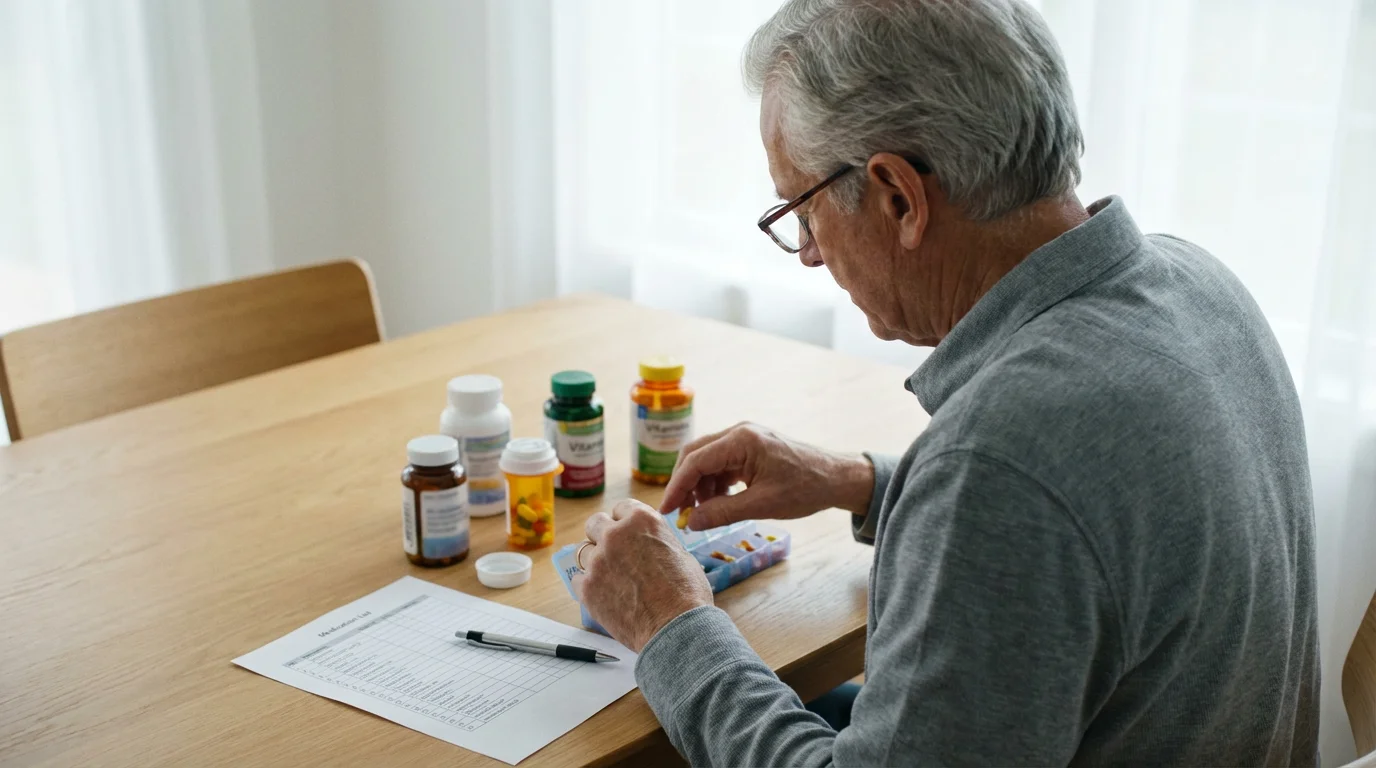
Thorough preparation begins at home. Before you even pack your bags, you need a clear understanding of every medication you take. This includes prescription refills, over-the-counter drugs, vitamins, and supplements. Knowing the details empowers you to manage them effectively throughout your journey.
Talk to Your Doctor and Pharmacist
Your healthcare provider and pharmacist are your primary resources for travel health advice. Schedule an appointment with your doctor several weeks before your departure, especially for international travel. Discuss your itinerary, including destinations and activities, so they can offer tailored guidance.
Your doctor can address potential health risks specific to your destinations. They confirm you have an adequate supply of medication for your trip duration, plus a buffer. Inquire about any necessary vaccinations or preventative medications, such as those for malaria or traveler’s diarrhea. AARP Travel offers valuable resources for discussing these topics with your physician.
Consult your pharmacist about medication specifics. They provide insights on generic names, potential interactions, and proper storage. Ask them about international equivalents if you anticipate needing a refill abroad. This proactive step prevents last-minute stress.
Gathering Your Prescription Information
Create a comprehensive list of all your medications. This list serves as a vital tool if you lose your medication or need medical assistance while traveling. It provides essential information to healthcare professionals unfamiliar with your medical history.
Your Medication List Should Include:
- Full medication name (brand and generic)
- Dosage and form (e.g., 10 mg tablet)
- Frequency and time of day you take it
- The medical condition each medication treats
- Your doctor’s name and contact information
- Your pharmacy’s name and contact information
Keep this list digitally on your phone and print physical copies. Store one copy with your travel documents and another in a separate location, such as your luggage. Share a copy with a trusted travel companion or family member at home.
Securing Enough Medication for Your Trip
Aim to secure at least a 30-day supply beyond your planned return date. This buffer accounts for unexpected delays, extended stays, or lost medication. Contact your insurance company in advance to verify coverage for early refills or extended supplies, as policies vary.
Some insurance plans require prior authorization for large refills. Start this process early to avoid last-minute complications. If you travel for an extended period, discuss options for obtaining prescription refills from afar with your doctor. This might involve your doctor shipping medication or authorizing refills at a foreign pharmacy, which often requires specific legal steps.
Domestic vs. International Travel: Key Differences
Rules and regulations for carrying medications vary significantly between domestic and international travel. Understanding these distinctions helps you avoid unnecessary complications at security checkpoints and borders.
Navigating TSA Regulations for Domestic Flights
The Transportation Security Administration (TSA) outlines clear guidelines for medication travel within the United States. You can generally bring medically necessary liquids, gels, and aerosols in reasonable quantities exceeding 3.4 ounces (100 milliliters) in your carry-on bag. Declare these items to a TSA officer for inspection.
TSA recommends you transport all your medication in your carry-on bag. This ensures your access to vital prescriptions even if checked luggage faces delays or gets lost. You do not need to present prescriptions for your medication to TSA officers, but keeping them in their original, labeled containers is a best practice. Check the official TSA website for the most current information before flying.
International Travel Considerations: Customs and Foreign Laws
Traveling abroad introduces a more complex layer of medication management. Each country sets its own regulations regarding the import of medicines. What is legal in your home country might be restricted or prohibited elsewhere. This is especially true for controlled substances, such as certain pain medications, stimulants, or even some over-the-counter remedies.
Research your destination country’s specific medication import laws well in advance. The U.S. Department of State provides country-specific information and links to foreign embassies, which offer detailed guidance. Some countries require special permits or letters from your doctor for certain medications. Failure to comply with these rules can result in confiscation of your medication, fines, or even arrest.
The world is a book and those who do not travel read only one page. — Saint Augustine
Essential Documentation for Medication Travel
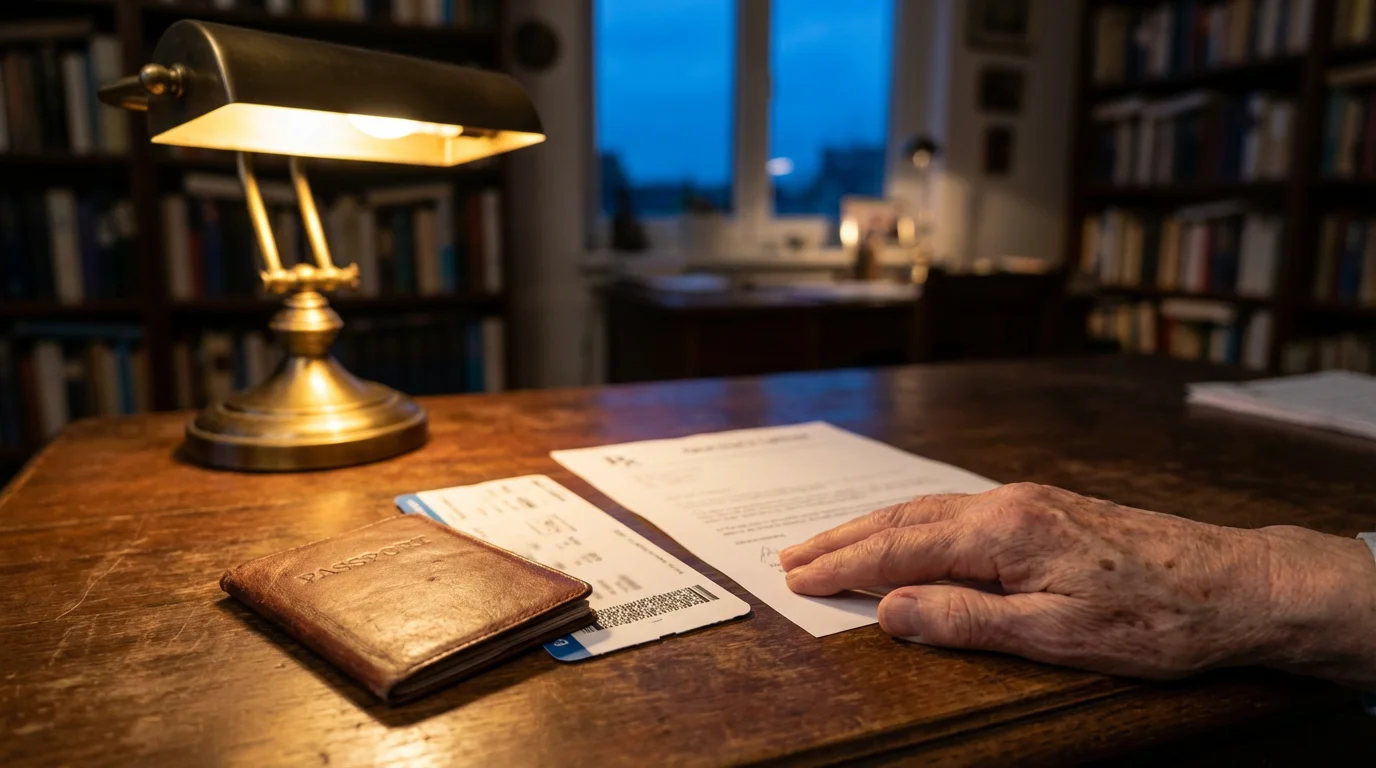
Proper documentation acts as your safeguard when traveling with medications. It provides proof of legitimate need and streamlines interactions with security personnel, customs officials, and foreign medical providers.
Doctor’s Letter and Prescriptions
Obtain a letter from your doctor for international travel, and consider it for extensive domestic trips. This letter should be on official letterhead, signed, and dated. It must list all your medications by both brand and generic names, their dosages, and the medical conditions they treat. Include your doctor’s contact information for verification.
Carry copies of all your original prescriptions. While TSA may not require them, foreign customs officials often do. These documents validate your need for the medications and demonstrate compliance with regulations. Keep these separate from your actual medications, perhaps in a travel document organizer.
Insurance and Emergency Contact Information
Compile a list of your insurance providers, including your health insurance and any travel insurance policies. Make sure you have your policy numbers and contact information readily accessible. Understand your coverage for medical emergencies abroad, including prescription refills. AARP offers resources for understanding travel insurance options.
Carry a list of emergency contacts, including family members, your doctor, and your pharmacy. Include both phone numbers and email addresses. This ensures that someone can be reached quickly if you encounter an emergency or need assistance with your medication travel plan.
Packing Your Medications Safely and Smartly
How you pack your medications profoundly impacts your travel experience. Strategic packing prevents loss, protects medication integrity, and simplifies security checks. Follow these guidelines for optimal medication management.
Carry-On is Key: Never Check Essential Medications
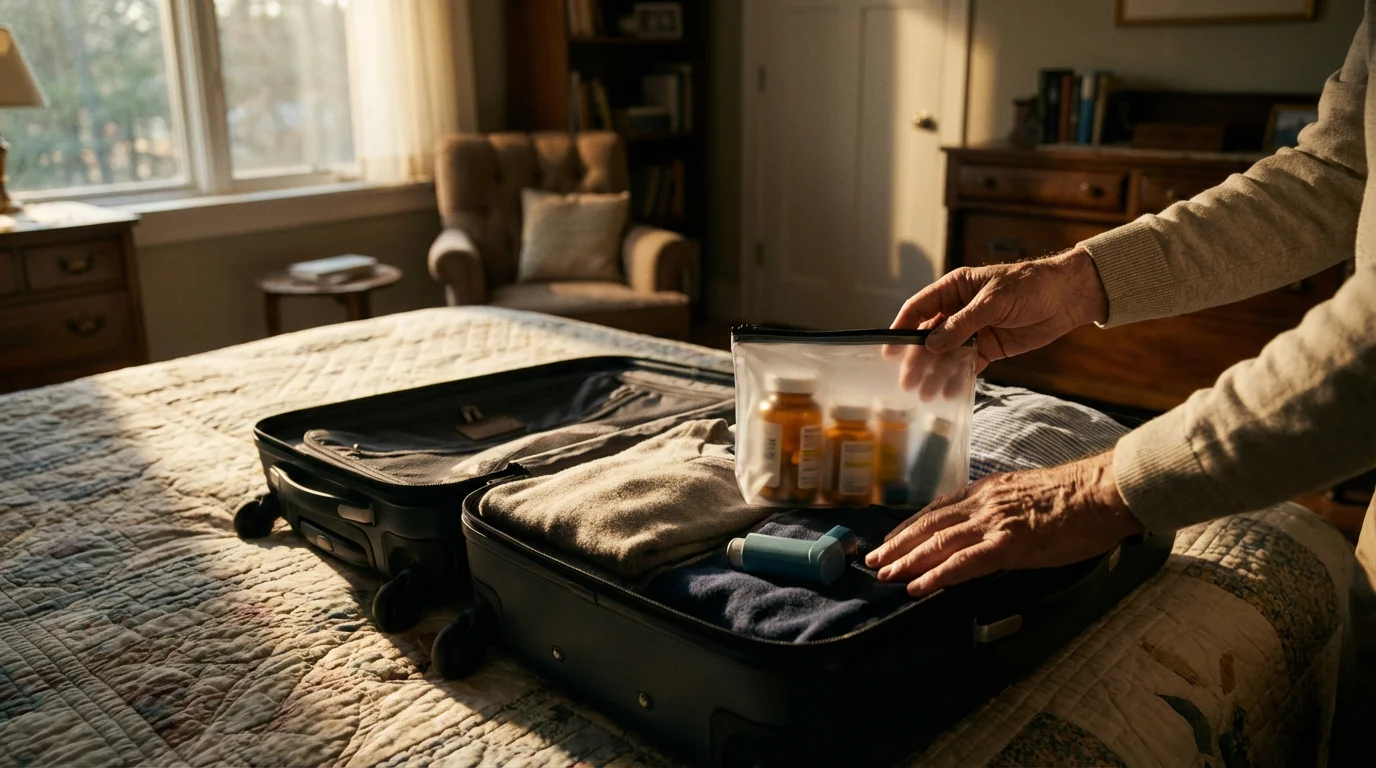
Always pack all essential medications in your carry-on bag. Airlines occasionally lose or delay checked luggage. You cannot risk being without your vital prescriptions. This includes daily pills, emergency inhalers, insulin, or any other time-sensitive treatments.
Keep a small, immediate-need supply easily accessible during your flight. Store the rest securely within your carry-on. For longer trips, consider distributing your medication between your personal item and carry-on to provide an extra layer of protection against unexpected bag loss.
Original Containers and Proper Labeling
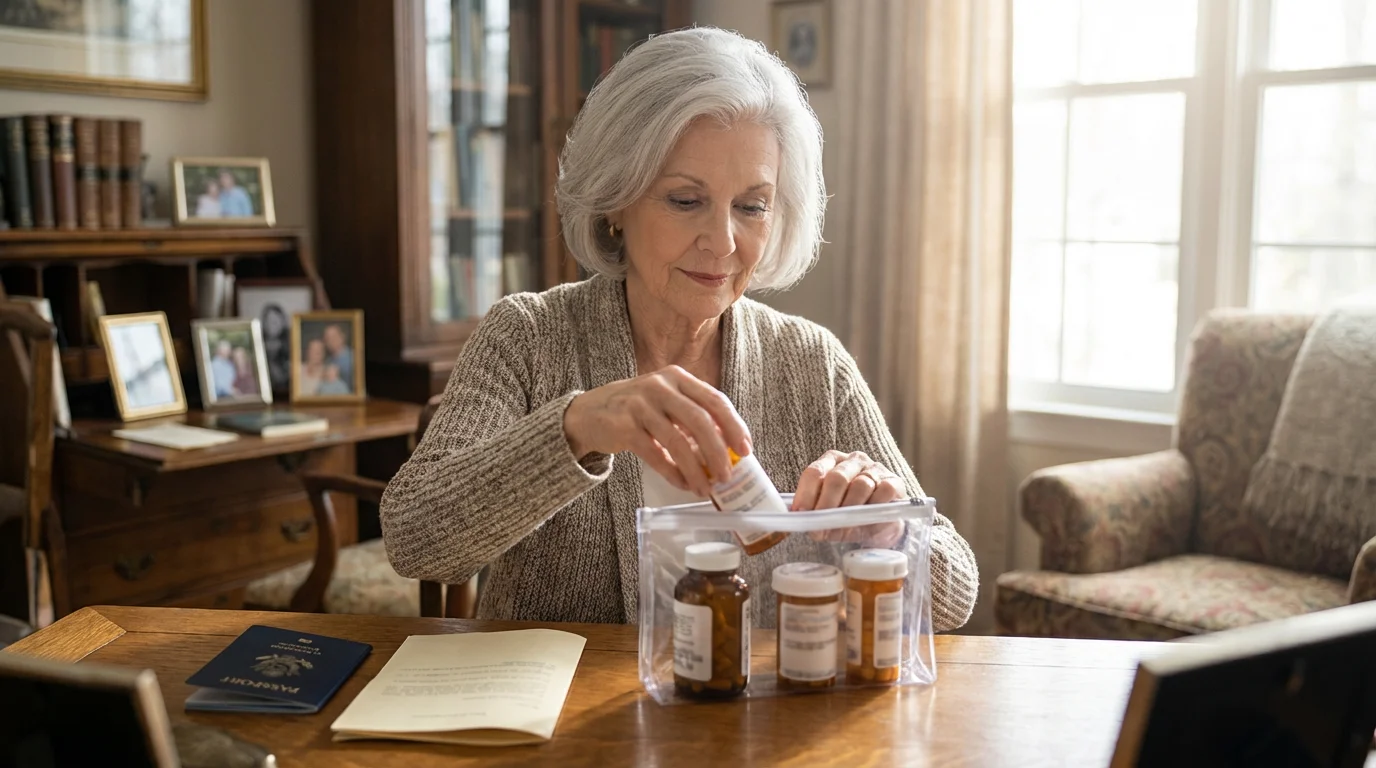
Transport medications in their original, labeled containers. This includes prescription bottles, blister packs, and over-the-counter packaging. Original containers clearly display your name, the medication name, the pharmacy information, and dosage instructions. This helps customs and security officials quickly identify your medications as legitimate.
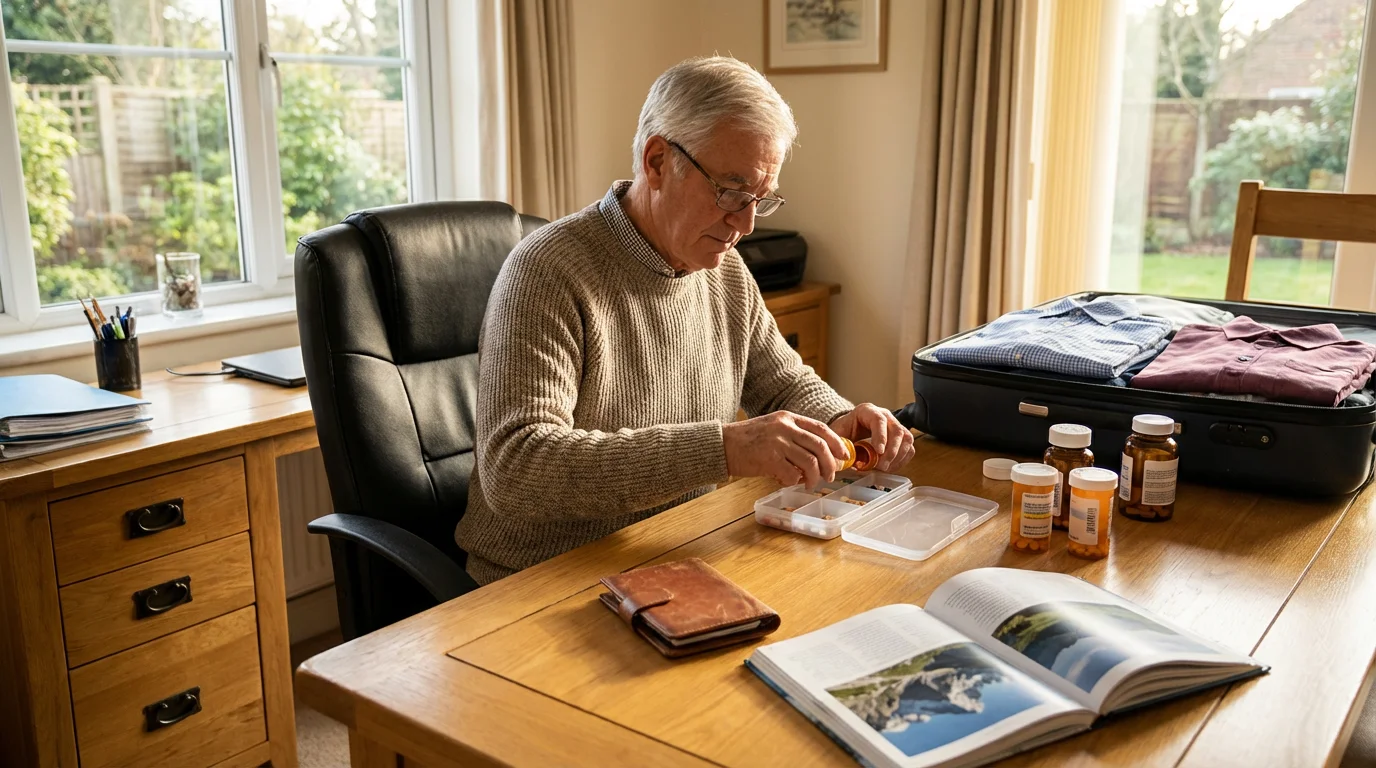
If you use a pill organizer for daily doses, pack it, but keep the original bottles with you. Transfer pills to the organizer once you reach your destination. For liquid medications, ensure they are in containers clearly marked with their contents and your prescription label.
Temperature Control and Protection
Consider the temperature requirements of your medications. Some require refrigeration, while others need protection from extreme heat or cold. Use insulated bags or travel coolers for medications like insulin or certain injectables. Pack gel packs or ice packs in your carry-on; inform TSA officers about these items.
Avoid leaving medications in direct sunlight, hot cars, or freezing airplane cargo holds. Protect fragile glass bottles or blister packs with extra padding. A sturdy, water-resistant travel case for your primary medication supply offers excellent protection against spills or crushing.
What to Pack for Medication Management: A Checklist
Prepare a dedicated medication kit to streamline your travel experience. This proactive approach ensures you have everything necessary at your fingertips.
- All prescription medications in original containers
- A printed and digital copy of your comprehensive medication list
- Doctor’s letter, if applicable, on official letterhead
- Copies of all prescriptions
- Travel insurance information and emergency contacts
- Pill organizer (for use at destination)
- Small, empty plastic bags (for disposing of used blister packs or empty bottles)
- Alcohol wipes or hand sanitizer
- Any necessary medical devices (e.g., blood glucose meter, nebulizer)
- Travel-size pain relievers, antacids, and anti-diarrhea medication
- Small first-aid kit (band-aids, antiseptic wipes)
- Insulated bag and gel packs for temperature-sensitive medications
- Proof of medical condition, if required by destination country

Managing Medications on the Go
Once you are on your adventure, maintaining your medication schedule becomes crucial. Adapt to new environments and unexpected situations with these practical tips for managing medications abroad and domestically.
Adjusting for Time Zone Changes
Time zone shifts pose a challenge for precise medication schedules. For short trips with minimal time differences, you might continue on your home time. For longer journeys or significant time changes, gradually adjust your medication schedule in the days leading up to your trip. Shift your dose by 1-2 hours each day until you align with your destination’s time.
Consult your doctor or pharmacist for guidance on time-sensitive medications, such as insulin, blood thinners, or medications for Parkinson’s disease. They provide specific advice on how to manage dosage adjustments safely. Use a travel alarm or your phone to remind you of dosing times in the new time zone.
What to Do in Case of Lost or Stolen Medication
Despite careful planning, medication loss or theft can occur. Act quickly to minimize disruption to your health. Follow these steps:
- Contact local authorities to file a police report if your medication was stolen. This document may assist with insurance claims or prescription refills.
- Immediately contact your doctor and your pharmacy back home. They can verify your prescriptions and potentially arrange for an emergency refill.
- Reach out to your travel insurance provider. They often assist in locating pharmacies or medical facilities and may cover emergency medication costs.
- If abroad, contact the nearest U.S. embassy or consulate. While they cannot provide medication, they offer lists of local doctors and pharmacies. The U.S. Department of State website provides contact information for embassies worldwide.
- Present your doctor’s letter and prescription copies to any local healthcare provider or pharmacy.
Having a buffer supply of medication significantly reduces the impact of such events.
Refilling Prescriptions While Abroad
Refilling prescriptions internationally proves challenging due to differing laws, medication availability, and language barriers. Plan to have enough medication for your entire trip, plus extra. If a refill becomes absolutely necessary:
- Contact your doctor back home. They might fax or electronically send a prescription to an international pharmacy, but many countries do not accept foreign prescriptions directly.
- Your doctor might advise you on the generic equivalent available in your destination country.
- Visit a local doctor for a new prescription. Bring your medical records, doctor’s letter, and medication list. Be prepared to pay out-of-pocket, as foreign prescriptions might not be covered by your domestic insurance.
- Research reputable pharmacies in advance. In some countries, particularly developing nations, counterfeit medications are a concern. Look for well-established pharmacies, often located in hospitals or larger cities.
Addressing Specific Medication Challenges
Certain types of medications and medical needs require additional attention during travel. Proactive planning ensures you handle these situations smoothly.
Controlled Substances and Injectables
Travel with controlled substances requires extra diligence. These include strong pain medications, anxiety medications, and certain ADHD treatments. Many countries have strict laws governing these drugs. Always carry a doctor’s letter detailing your medical need and the exact dosage. Verify the legality of carrying specific controlled substances into your destination country through their embassy or consulate.
For injectables, such as insulin or epinephrine auto-injectors, pack them in your carry-on bag. Ensure you have the original prescription label. Carry a doctor’s note explaining your need for needles and syringes. TSA allows these items when accompanied by medication. Use a durable, insulated case for temperature-sensitive injectables. The CDC Travelers’ Health website offers specific guidance for travelers with diabetes.
Medical Devices and Supplies
If you rely on medical devices such as CPAP machines, oxygen concentrators, or glucose meters, plan their travel meticulously. Inform your airline in advance if you require special accommodations or power sources onboard. Pack extra batteries and any necessary charging adapters.
Carry sufficient supplies for your devices, like CPAP masks, tubing, or lancets. These items might be difficult to replace abroad. Keep prescriptions for medical supplies with your other medication documentation. Ensure your devices are clean and in good working order before you depart.
Budgeting for Medication-Related Travel Needs
Financial preparation extends beyond flights and accommodations. Factor in potential medication-related costs to maintain peace of mind and health throughout your travels.
Travel Insurance and Medical Coverage
Invest in comprehensive travel insurance that includes medical coverage. This protects you from unexpected costs like emergency doctor visits, hospital stays, and emergency prescription refills abroad. Review policies carefully to understand deductibles, coverage limits, and any pre-existing condition clauses.
Some policies offer specific prescription benefits or emergency medical evacuation. Compare different providers to find a plan that best suits your travel style and health needs. AARP provides resources for finding appropriate travel insurance for seniors.
Emergency Funds for Medication
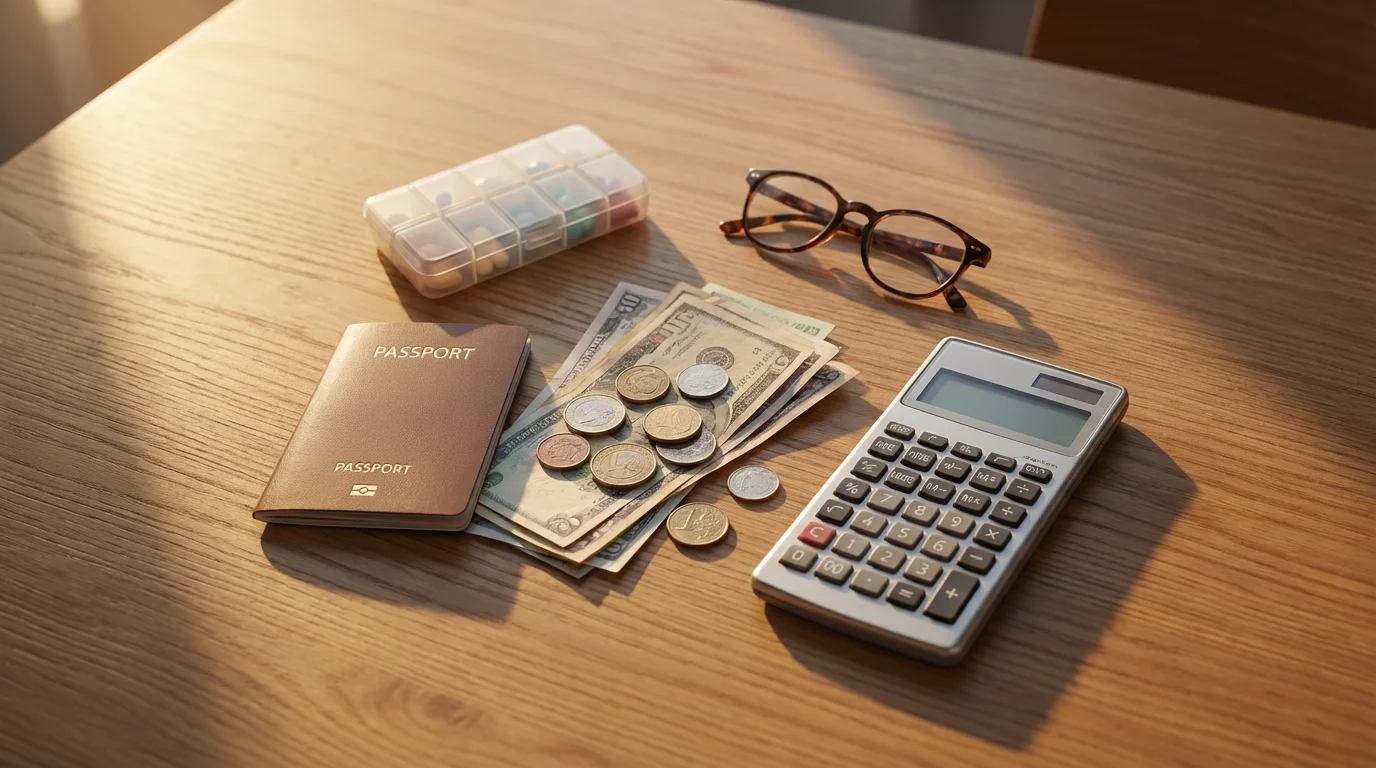
Always carry an emergency fund, both in local currency and a credit card, for unforeseen medication expenses. This covers situations where your insurance might not be accepted immediately or if you need to purchase medication out-of-pocket. Unexpected costs can arise from prescription refills, replacement of lost medication, or consultations with foreign doctors.
A modest cash reserve and a credit card separate from your primary travel funds provide a crucial safety net. This financial buffer ensures you access necessary care without undue stress, allowing you to focus on your adventure.

Staying Healthy and Prepared While Exploring
Medication management is part of a larger strategy for maintaining your well-being on the road. Embrace holistic health practices to enhance your adventure experiences.
General Wellness Tips for Travelers
Prioritize your overall health to minimize reliance on emergency medications. Stay hydrated, especially in different climates or during long travel days. Eat balanced meals, opting for local, fresh produce when safe. Get adequate rest to combat jet lag and fatigue, which can impact your immune system.
Engage in moderate physical activity, whether it is exploring a national park trail or taking a leisurely stroll through a new city. These practices boost your immunity and energy levels. The National Park Service encourages seniors to explore parks as a way to stay active and healthy.
Knowing Local Pharmacies and Medical Facilities
Upon arrival at your destination, familiarize yourself with the location of nearby pharmacies and medical clinics. Keep their addresses and phone numbers handy. Inquire about their operating hours and any local customs for obtaining medications or consultations.
Knowing where to go for help provides invaluable peace of mind. Your hotel concierge or tour guide can often assist with this information. For more structured adventures, organizations like Road Scholar often provide medical support or guidance as part of their programs, which cater to senior travelers.
Frequently Asked Questions
Can I bring all my medications in my carry-on bag when traveling?
Yes, absolutely. The Transportation Security Administration (TSA) strongly recommends you pack all essential medications, including liquids, in your carry-on bag. This prevents issues if your checked luggage is delayed or lost. Ensure medications are clearly labeled with your name and the prescription information.
What should I do if my prescription runs out while I am traveling abroad?
Contact your prescribing doctor immediately. They may be able to electronically send a new prescription to a local pharmacy or advise you on the best course of action. If you have travel insurance, contact your provider for assistance locating pharmacies or medical help. Researching local pharmacies and their equivalent medications before you depart also helps.
Do I need a doctor’s note for my medications when traveling internationally?
Yes, a doctor’s note is highly recommended for international travel. It should list all your prescribed medications by their generic and brand names, the dosage, and the condition they treat. Have your doctor sign and date it, and keep it with your medication. This can prevent misunderstandings at customs, especially for controlled substances or injectables.
Are there limits on how much medication I can carry when traveling?
For domestic flights, the TSA does not place limits on the amount of medically necessary liquids, gels, and aerosols you can bring in your carry-on. However, for international travel, many countries restrict the quantity of medication you can import, often limiting it to a 30-day or 90-day supply. Always check the specific regulations of your destination country well in advance.
How do I manage time zone changes for my medication schedule?
Gradually adjust your medication schedule by 1-2 hours each day in the days leading up to your departure. For longer trips, consider taking your medication based on your home time zone for the first day or two, then slowly transition to the local time. Consult your doctor or pharmacist for personalized advice, especially for time-sensitive medications like insulin.
Should I bring over-the-counter medications too?
Yes, pack a small supply of common over-the-counter medications like pain relievers, antacids, and anti-diarrhea medicine. While widely available, specific brands or formulations might differ abroad, and having your familiar remedies provides comfort and immediate relief for minor ailments. Keep them in their original packaging.
Your adventurous spirit knows no age limit. By meticulously preparing your medications for travel, you empower yourself to explore with confidence and peace of mind. Prioritize your health, gather your documentation, and pack smartly. Your next incredible journey awaits, fully supported by careful planning.







Leave a Reply