

Embarking on a new adventure should bring excitement, not dread. Yet, for many, the idea of travel sometimes sparks a feeling of apprehension. This sensation, commonly known as travel anxiety, affects explorers of all ages. You are not alone if you experience jitters before a big trip.
Recognizing and addressing travel anxiety allows you to transform potential stress into genuine anticipation. You deserve to explore the world with confidence and joy. This guide offers practical strategies and empowering insights, ensuring your next senior adventure is stress free and profoundly rewarding.
Table of Contents
- Understanding Your Travel Anxiety
- The Power of Proactive Planning
- Mastering Logistics: Before You Go
- Health and Safety First: A Foundation for Peace of Mind
- Smart Packing for Peace of Mind
- Navigating Travel Day with Confidence
- Embracing the Unexpected: Flexing Your Adventure Muscle
- Building a Supportive Travel Network
- Practicing Mindfulness on Your Journey
- Frequently Asked Questions

Understanding Your Travel Anxiety
Travel anxiety manifests differently for everyone. You might worry about losing your luggage, missing a connection, or encountering unforeseen problems. Perhaps you feel overwhelmed by unfamiliar places or the disruption of your routine. Acknowledging these specific concerns is the first step toward managing them.
Many factors contribute to travel anxiety, including past negative experiences or concerns about health and safety. The sheer volume of planning details also creates stress. Identify what specifically triggers your unease about upcoming trips.
Consider these common sources of travel anxiety:
- Fear of the unknown, including unfamiliar environments or languages.
- Concerns about personal safety or security.
- Health worries, especially for those with existing conditions.
- Logistical nightmares, such as delays, cancellations, or getting lost.
- The pressure to have a “perfect” trip.
- Social discomfort in new group settings.
Understanding these potential triggers empowers you to develop targeted coping strategies. You gain control when you pinpoint the roots of your worry.

The Power of Proactive Planning
Thorough planning is your most potent tool against travel anxiety. When you meticulously prepare, you build a robust framework that reduces uncertainty. This proactive approach allows you to anticipate challenges and devise solutions before they arise. It transforms abstract fears into manageable tasks.
Start planning well in advance of your departure date. This gives you ample time to research, book, and organize without feeling rushed. A well-structured plan alleviates much of the mental load associated with travel.
Follow these steps for stress-free planning:
- Choose Your Destination Carefully: Select a location that aligns with your comfort level and interests. Start with domestic trips or familiar areas if international travel feels too daunting initially. Consider destinations known for senior-friendly infrastructure.
- Research Extensively: Learn about your destination’s culture, transportation, and local customs. Understand the weather patterns and peak travel seasons. Knowledge empowers you.
- Book Accommodations and Flights in Advance: Secure your bookings early for better prices and peace of mind. Confirm cancellation policies. Read reviews, focusing on accessibility and service.
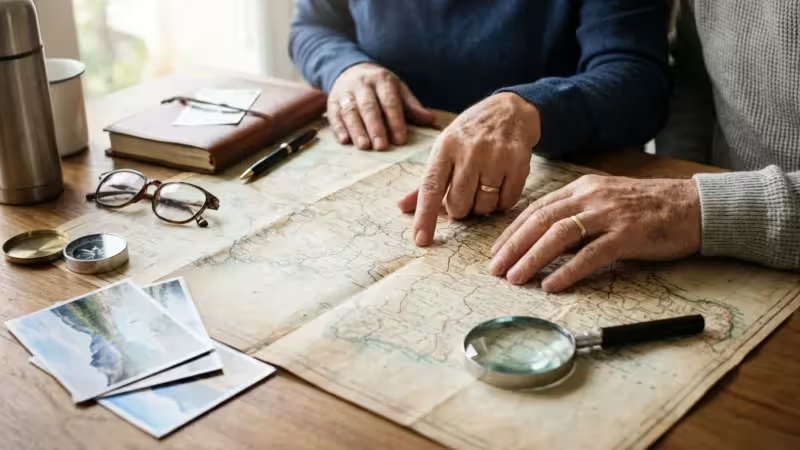
- Create a Detailed Itinerary: Map out your daily activities, but build in flexibility. Avoid over-scheduling, ensuring you have downtime. Share your itinerary with trusted friends or family.
- Budget Wisely: Allocate funds for unexpected expenses. Understanding your financial limits prevents additional stress during your trip.
Proactive planning does not mean eliminating spontaneity, but rather building a secure foundation upon which spontaneity can thrive. You equip yourself for a smoother journey.
Mastering Logistics: Before You Go
Effective management of travel logistics significantly reduces pre-trip anxiety. This stage involves concrete actions that translate your plans into reality. Focusing on these practical steps gives you a sense of accomplishment and control. Think of this as your pre-flight checklist for peace of mind.
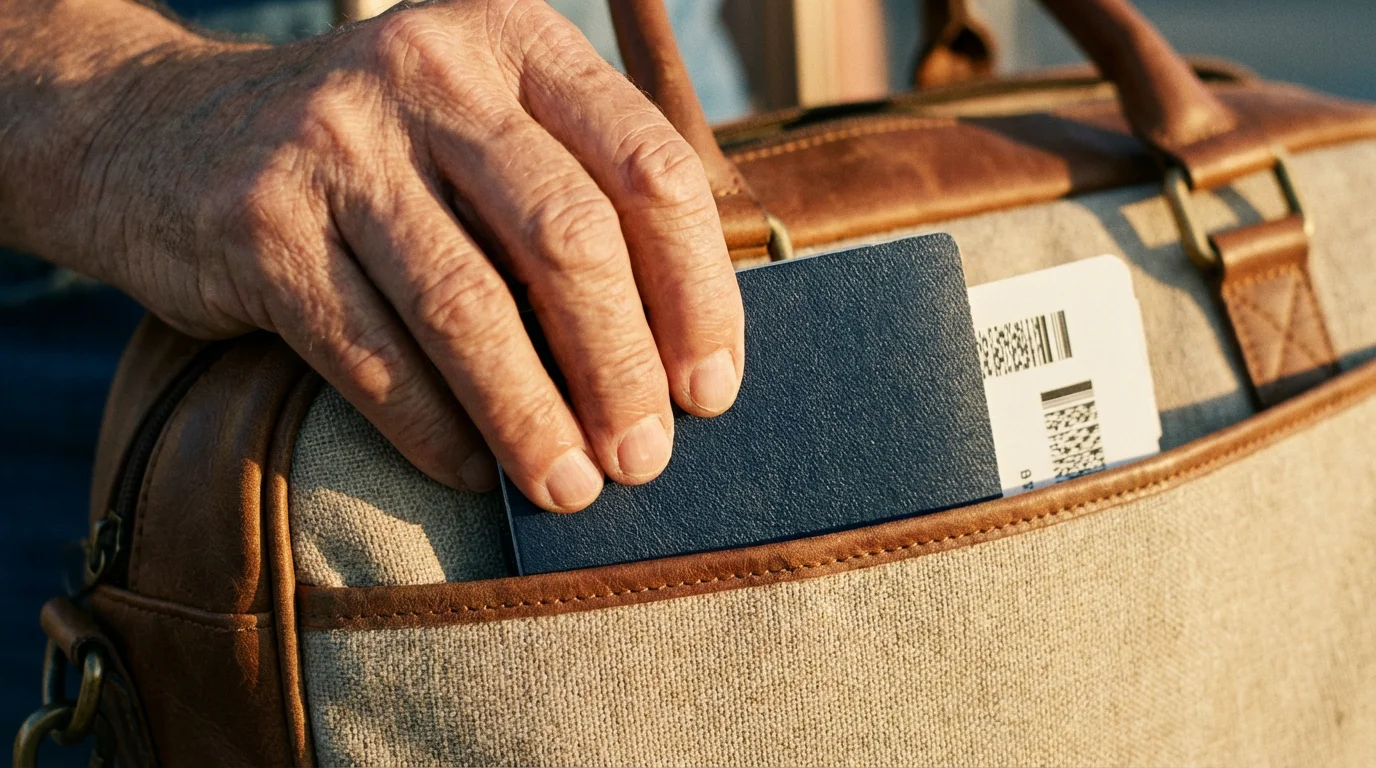
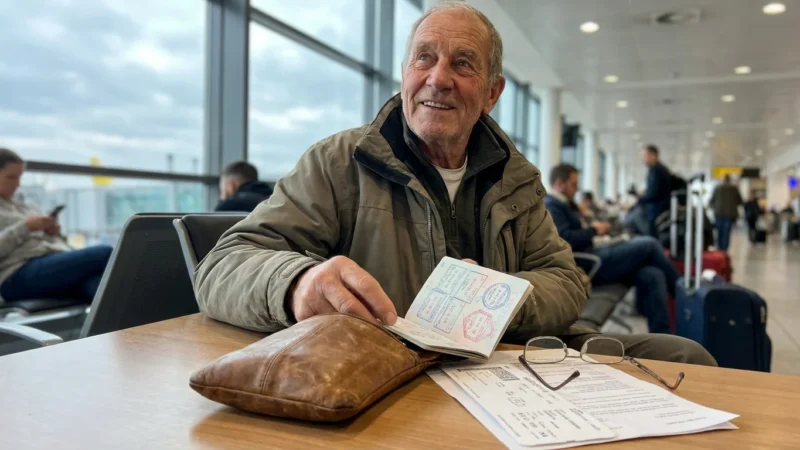
Organize all necessary documents and confirmations in one easily accessible place. Consider both digital and physical copies for crucial items. Digital copies, stored on your phone or in a cloud service, offer a valuable backup.
Your essential pre-travel checklist includes:
- Travel Documents: Passport, visa if required, driver’s license, and other identification. Ensure all documents are current.
- Booking Confirmations: Flights, hotels, rental cars, and tour reservations. Print physical copies and save them electronically.
- Insurance Information: Travel insurance policy details and emergency contact numbers. Understand what your policy covers.
- Medical Information: Copies of prescriptions, a list of medications, and contact information for your doctors. Carry a doctor’s note for any required medical equipment or syringes.
- Financial Preparedness: Credit cards, debit cards, and some local currency. Notify your bank of your travel dates to avoid card freezes.
- Emergency Contacts: A written list of family, friends, and your travel insurance provider. Store this both on your phone and as a physical copy.
Taking these deliberate actions before you depart builds a strong foundation for a stress-free experience. You minimize the chances of last-minute scrambles and forgotten essentials.

Health and Safety First: A Foundation for Peace of Mind
Addressing health and safety concerns directly alleviates a significant portion of travel anxiety. You gain confidence when you know you have prepared for potential medical needs and secured your well-being. Proactive health measures form a critical component of stress-free travel.
Always consult your healthcare provider before any major trip. Discuss your itinerary, potential health risks at your destination, and any necessary vaccinations. The Centers for Disease Control and Prevention (CDC) offers comprehensive information for travelers, helping you understand health considerations for specific regions. You can review their guidance at CDC Travelers’ Health.
Steps for prioritizing your health and safety:
- Medical Check-up: Schedule a full physical well in advance of your trip. Discuss your fitness for travel and any specific precautions needed.
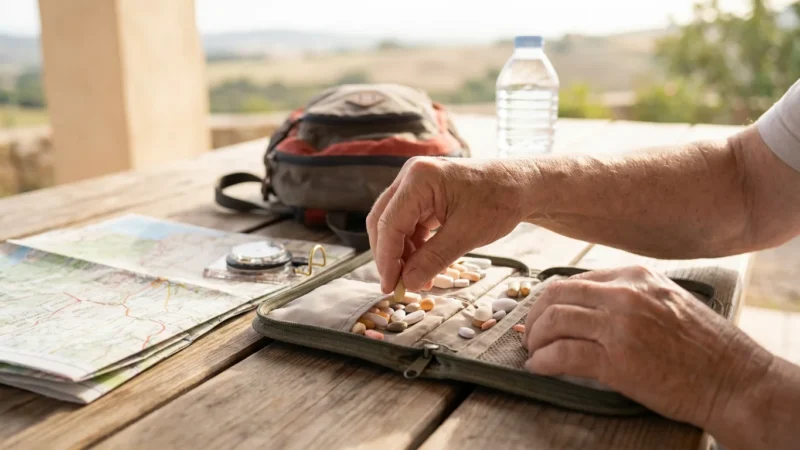
- Medication Management: Pack all necessary prescription medications in your carry-on bag with original labels. Bring extra doses in case of delays.
- Travel Insurance: Invest in comprehensive travel insurance that covers medical emergencies, trip cancellations, and lost luggage. Verify coverage for pre-existing conditions.
- Emergency Plan: Know how to access medical care at your destination. Research local emergency numbers and the location of reputable hospitals.
- Stay Hydrated and Rested: Prioritize your physical well-being throughout your journey. Drink plenty of water and get adequate sleep, especially when crossing time zones.
- Safety Awareness: Research local safety advisories and be aware of your surroundings. The U.S. Department of State provides detailed country-specific information at State Department Travel.
Implementing these measures empowers you to travel with greater peace of mind. You actively manage potential risks, allowing you to focus on the joy of exploration.
“The world is a book and those who do not travel read only one page.” — Saint Augustine
Smart Packing for Peace of Mind
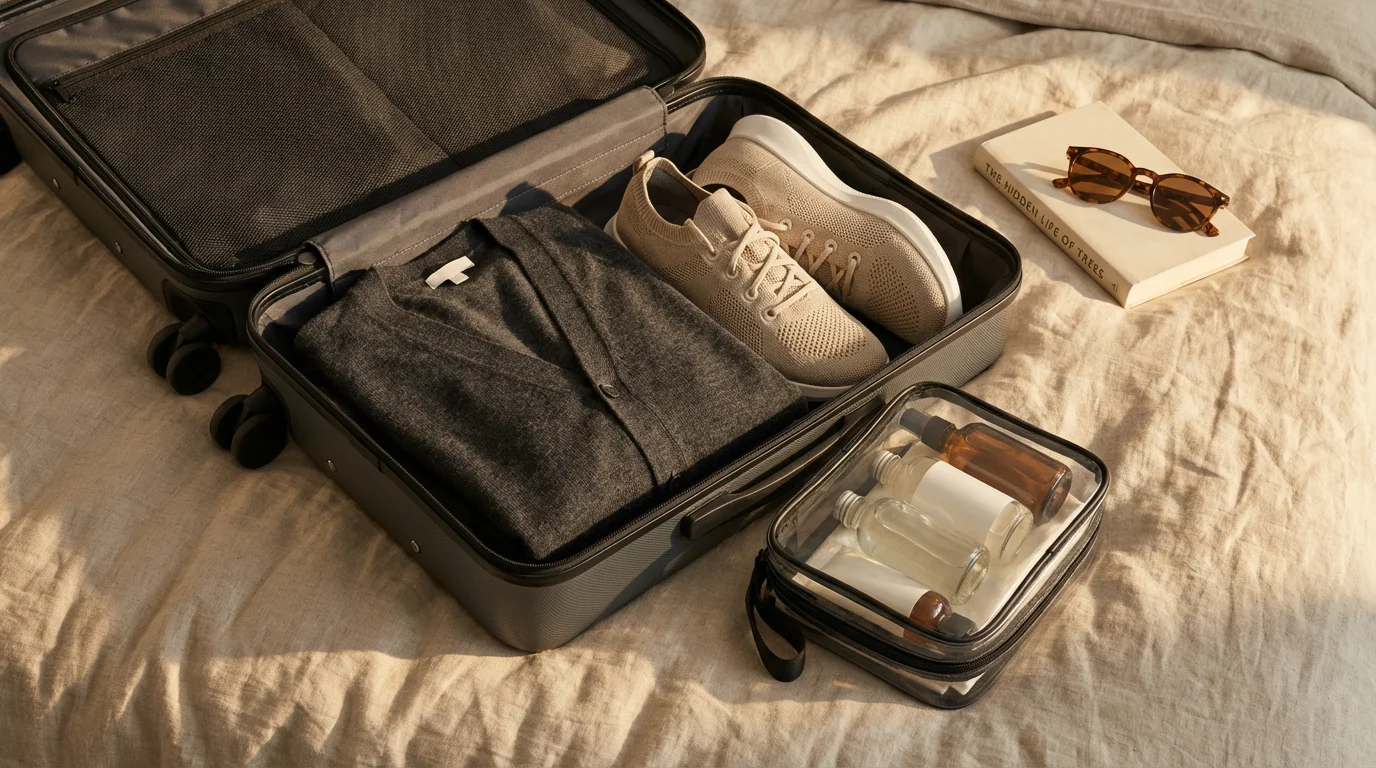
Packing efficiently significantly reduces travel stress. Overpacking creates unnecessary burdens, while underpacking leaves you unprepared. The goal is to bring everything you need without excess, making your journey smoother and lighter. A well-organized suitcase enhances your feeling of control.
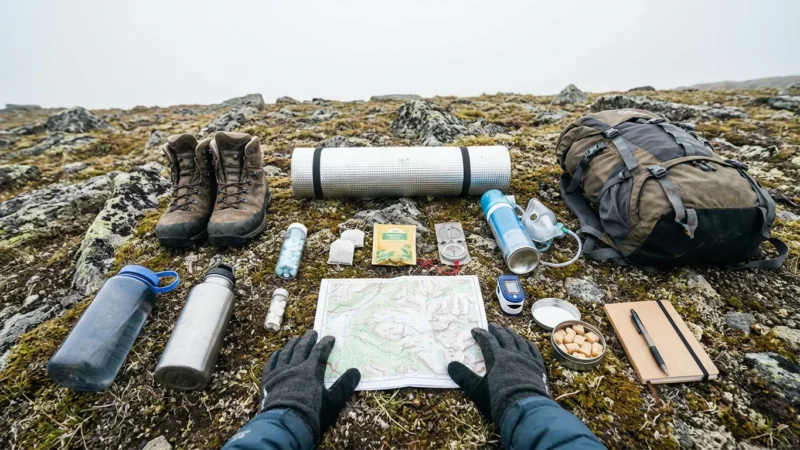
Start by creating a packing list several weeks before your trip. This allows you to gather items gradually and avoid last-minute rushes. Consider the climate, activities, and duration of your trip when making your selections.
Here’s a guide to smart packing:
- Layer Your Clothing: Pack versatile items that you can mix and match. Layers adapt easily to changing temperatures.
- Comfortable Footwear: Bring at least two pairs of comfortable walking shoes. Your feet will thank you after long days of exploring.
- Essential Toiletries: Travel-sized toiletries save space and weight. Include any specific items you cannot easily replace.
- Personal Comfort Items: A favorite book, a small pillow, or noise-canceling headphones enhance your travel comfort.
- Small First-Aid Kit: Include bandages, pain relievers, antiseptic wipes, and any personal allergy medications.
- Electronics and Adapters: Don’t forget chargers for your phone, camera, and any other devices. Pack universal adapters if traveling internationally.
When packing your carry-on, prioritize items you cannot live without:
- Medications (as mentioned previously).
- Important documents and copies.
- A change of clothes.
- Snacks and a reusable water bottle.
- Entertainment, such as a book or tablet.
- Valuables like jewelry or important electronics.
The Transportation Security Administration (TSA) offers guidance on what you can bring through security. Review their guidelines at TSA to avoid delays. Smart packing makes your journey less cumbersome and more enjoyable.

Navigating Travel Day with Confidence
Travel day often presents the highest potential for anxiety. Unfamiliar airports, busy stations, and tight schedules contribute to stress. Approaching travel day with a strategic mindset transforms it into a manageable part of your adventure. You can navigate these moments with calm and efficiency.
Give yourself ample time. Rushing intensifies stress and increases the likelihood of errors. Arrive early for flights, train departures, or bus pickups. This buffer allows for unexpected queues or minor delays without panic.
Implement these strategies for a smooth travel day:
- Confirm Everything: Double-check flight times, gate numbers, and reservation details the day before.
- Dress Comfortably: Wear loose clothing and easy-to-remove shoes, especially for airport security.
- Stay Organized: Keep your boarding pass, ID, and other necessary documents readily accessible.
- Hydrate and Snack: Carry a water bottle and healthy snacks. This prevents dehydration and hunger-related irritation.
- Practice Patience: Delays happen. Maintain a calm demeanor and focus on solutions, not frustrations. Engage in a relaxing activity, like reading or listening to music.
- Use Airport Assistance: If you need extra help with mobility or navigating large terminals, arrange for assistance in advance. Airlines and airports provide these services.
Approach each step of travel day with a clear plan. You reduce variables and increase your feeling of control, making the journey itself part of the adventure.

Embracing the Unexpected: Flexing Your Adventure Muscle
Despite meticulous planning, unforeseen circumstances occasionally arise during travel. A flight delay, a sudden change in weather, or an unexpected detour are all possibilities. Your ability to adapt to these moments defines your resilience as a traveler. This is where you flex your adventure muscle.
Instead of viewing disruptions as failures, reframe them as opportunities. A delayed flight might offer a chance to explore a new airport terminal or catch up on reading. A detour could lead you to an unplanned, memorable sight. This shift in perspective transforms potential frustration into new experiences.
Develop your adaptability with these techniques:
- Maintain Flexibility: Build buffer time into your itinerary. Do not over-schedule, allowing room for adjustments.
- Problem-Solve Proactively: When a challenge arises, focus on identifying solutions rather than dwelling on the problem. Ask for help from airline staff, hotel personnel, or local guides.
- Practice Positive Self-Talk: Remind yourself of your capabilities. “I can handle this” is a powerful affirmation.
- Learn from Experiences: Each unexpected event teaches you something valuable about travel and yourself. These lessons enhance future trips.
- Connect with Fellow Travelers: Sharing experiences, even minor setbacks, can foster camaraderie and mutual support.
Remember that true adventure often lies just beyond your comfort zone. Embracing the unexpected cultivates a robust spirit of exploration. You grow with every new challenge you overcome.
Building a Supportive Travel Network
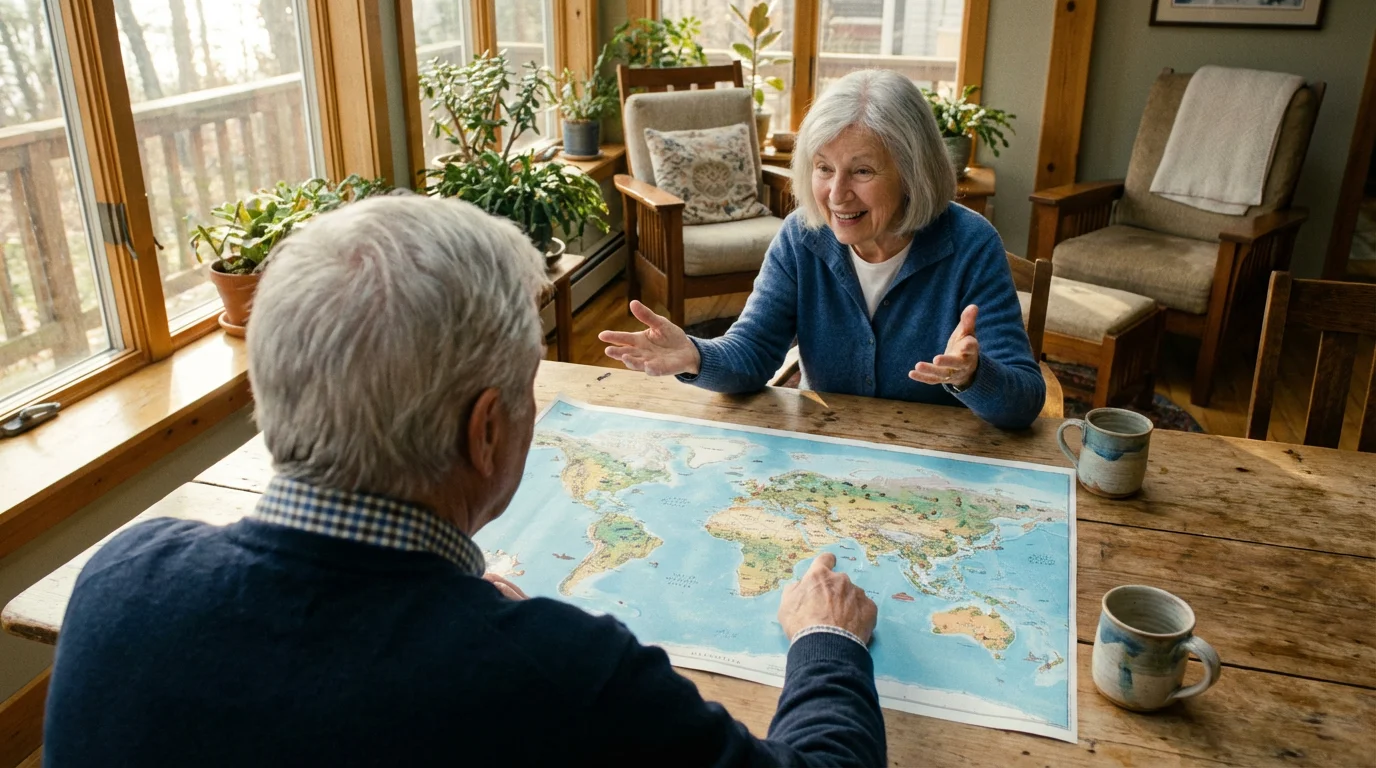
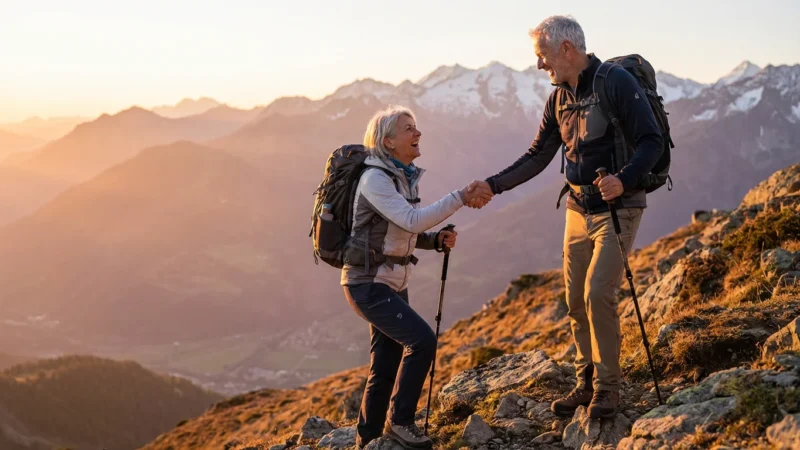
Traveling with a supportive network significantly reduces anxiety. Whether you journey with a companion, join a guided tour, or simply stay connected with loved ones at home, these connections offer reassurance and practical assistance. You never have to feel entirely alone on your adventure.
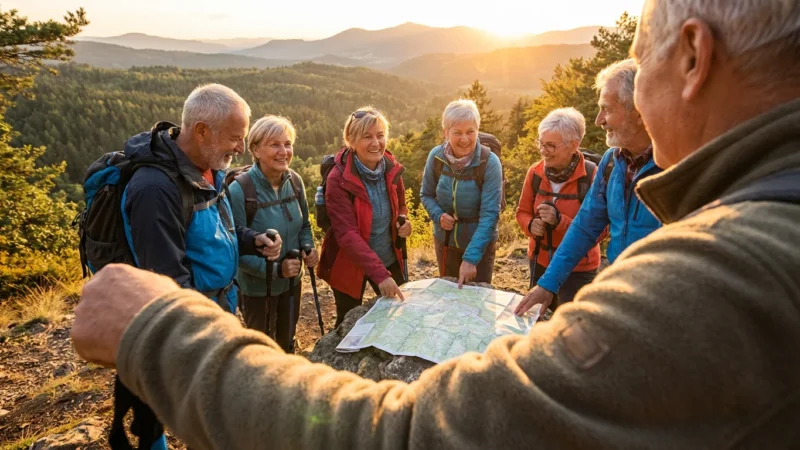
Consider joining organized group tours designed for seniors. Organizations like Road Scholar specialize in educational and adventurous trips, offering structured itineraries, expert guides, and the camaraderie of fellow travelers. This type of travel often removes much of the logistical stress, allowing you to focus on the experience. Explore options at Road Scholar.
Ways to build your travel support system:
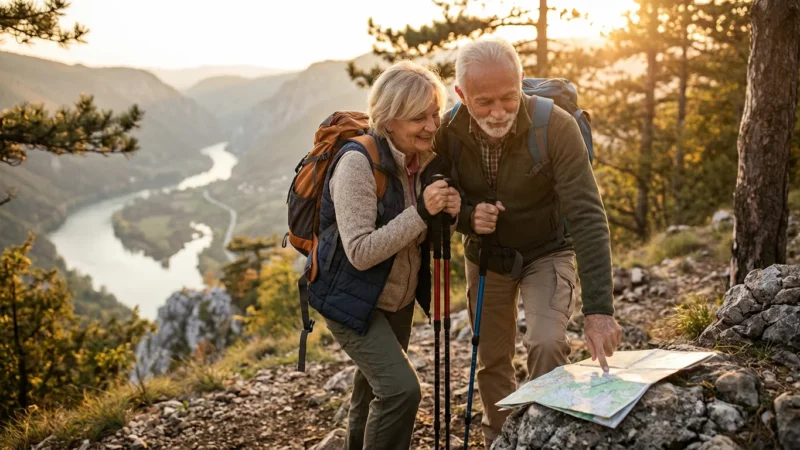
- Travel with a Companion: Sharing the planning and the experience with a trusted friend or partner often reduces individual anxiety. You have someone to lean on and share discoveries with.
- Join Group Tours: These trips handle logistics, offer built-in social interaction, and provide expert guidance. They are excellent for those who prefer structure.
- Stay Connected: Regularly check in with family or friends back home. A quick call or message provides reassurance for both you and them.
- Utilize Local Resources: Hotel concierges, local tourism offices, and tour guides offer invaluable assistance. Do not hesitate to ask for recommendations or help.
- Online Forums and Communities: Connect with other senior travelers online before your trip. Share tips and get advice from those with similar experiences.
Having a strong support network, whether on the road or at home, empowers you to travel with greater confidence. You know assistance is available if you need it.
Practicing Mindfulness on Your Journey
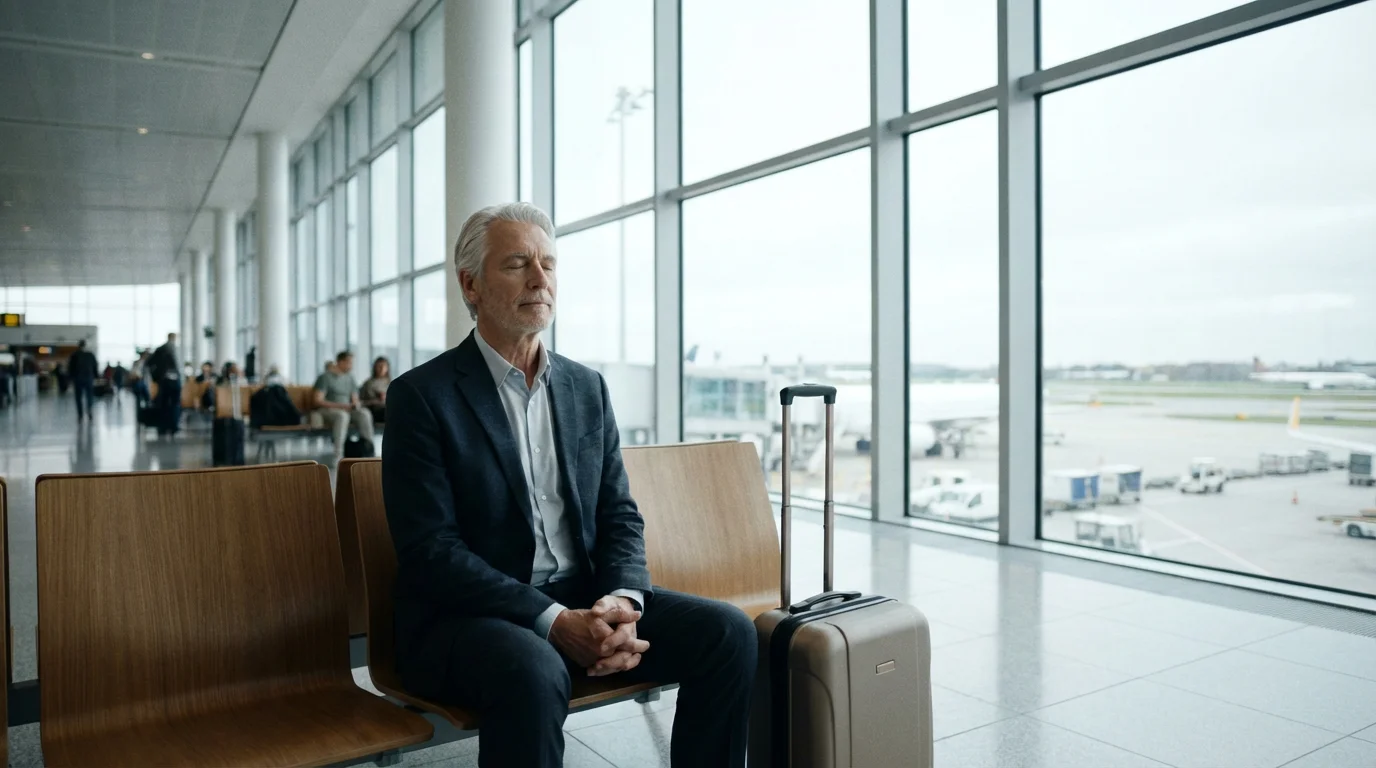
Mindfulness practices offer powerful tools for managing anxiety, both at home and while traveling. These techniques help you stay present, reduce overwhelming thoughts, and appreciate your surroundings fully. You can cultivate a calm and focused mindset, no matter where your journey takes you.
Mindfulness involves paying attention to the present moment without judgment. This practice helps to ground you when anxiety tries to pull you into worries about the past or future. Simple techniques, easily integrated into your travel day, make a profound difference.
Incorporate mindfulness into your travels:
- Deep Breathing Exercises: When you feel anxious, take several slow, deep breaths. Inhale through your nose, hold for a few seconds, and exhale slowly through your mouth. This calms your nervous system.
- Sensory Awareness: Engage your senses. Notice the sights, sounds, smells, tastes, and textures of your environment. This grounds you in the present.
- Mindful Walking: Pay attention to the sensation of your feet on the ground, the rhythm of your steps, and the movement of your body. This transforms a simple walk into a meditative experience.
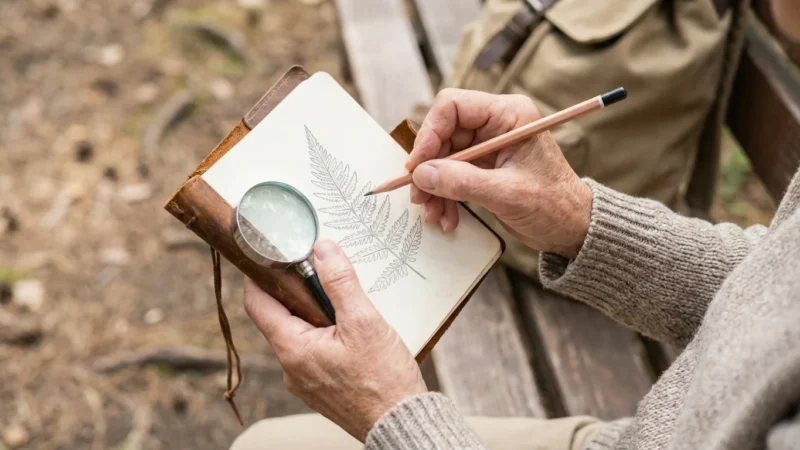
- Journaling: Dedicate a few minutes each day to write down your thoughts, observations, and feelings. This helps process emotions and reflect on your experiences.
- Guided Meditations: Use meditation apps or audio recordings specifically designed for travelers. These offer quick, calming sessions on the go.
Practicing mindfulness does not eliminate challenges, but it changes your relationship to them. You respond to situations with greater clarity and less reactive stress. This allows you to truly savor each moment of your senior adventure.
Frequently Asked Questions
How can I prepare for travel anxiety before my trip?
Proactive planning is key. Research your destination thoroughly, book all logistics in advance, and create a detailed itinerary. Discuss your concerns with a trusted friend or travel companion. Practicing mindfulness and deep breathing exercises before you leave also helps build coping mechanisms.
What are the essential steps for stress-free travel?
Start with comprehensive health and safety preparations, including a medical check-up and travel insurance. Organize all documents, medications, and financial details well ahead of time. Pack smart, dress comfortably for travel days, and always build in extra time to avoid rushing.
How do I cope with unexpected changes or delays during my adventure?
Embrace flexibility and adaptability. Understand that delays or changes are often part of travel. Focus on solutions, not problems. Use the extra time for reading or observation. Remind yourself that you are capable of handling unexpected situations, and seek assistance from local staff if needed.
Is it better to travel solo or with a group to reduce anxiety?
This depends on your personal preference. Traveling with a trusted companion offers shared responsibilities and emotional support. Group tours, like those from Road Scholar, provide structured itineraries, expert guidance, and social interaction, which can greatly reduce individual stress and the burden of planning.
What should I always keep in my carry-on bag for peace of mind?
Always pack essential medications, important documents (passport, ID, confirmations), a change of clothes, a small first-aid kit, snacks, a reusable water bottle, and any valuable electronics in your carry-on. This ensures you have crucial items even if your checked luggage is delayed.
Where can I find reliable health and safety information for my destination?
Consult the CDC Travelers’ Health website (https://wwwnc.cdc.gov/travel/) for health advisories and vaccination recommendations. For general safety and security information, visit the U.S. Department of State Travel website (https://travel.state.gov/), which provides country-specific guidance.
Disclaimer: This article is for informational purposes only. Travel conditions, accessibility, and requirements change frequently. We encourage readers to verify current information with official sources before traveling. Always consult with healthcare providers about travel considerations for your specific health situation.
Leave a Reply