Your adventurous spirit knows no bounds, whether you dream of trekking through the majestic Rocky Mountains, exploring ancient Inca ruins high in the Andes, or marveling at the vibrant landscapes of the Himalayas. High-altitude destinations offer some of the planet’s most breathtaking experiences. Embracing these challenges requires preparation, especially when it comes to understanding and managing potential health concerns like altitude sickness.
Since oxygen levels and temperatures often drop simultaneously, it is wise to prepare for cold weather hiking to stay warm and safe on the trails.
While the thought of confronting altitude sickness may seem daunting, careful planning and informed choices empower you to enjoy these incredible journeys safely. This comprehensive guide provides you with practical, actionable insights to prevent and manage symptoms, ensuring your high-altitude adventures remain memorable for all the right reasons.
Table of Contents
- Understanding Altitude Sickness: What Happens to Your Body?
- Who is at Risk? Dispelling Myths
- Essential Prevention Strategies: Ascend Slowly, Hydrate Smartly
- Recognizing the Signs: When to Act
- Practical Management: What to Do If Symptoms Emerge
- Preparing for Your High-Altitude Adventure
- Popular High-Altitude Destinations for Seniors
- Embrace the Ascent: Your Adventure Awaits
- Frequently Asked Questions
Understanding Altitude Sickness: What Happens to Your Body?
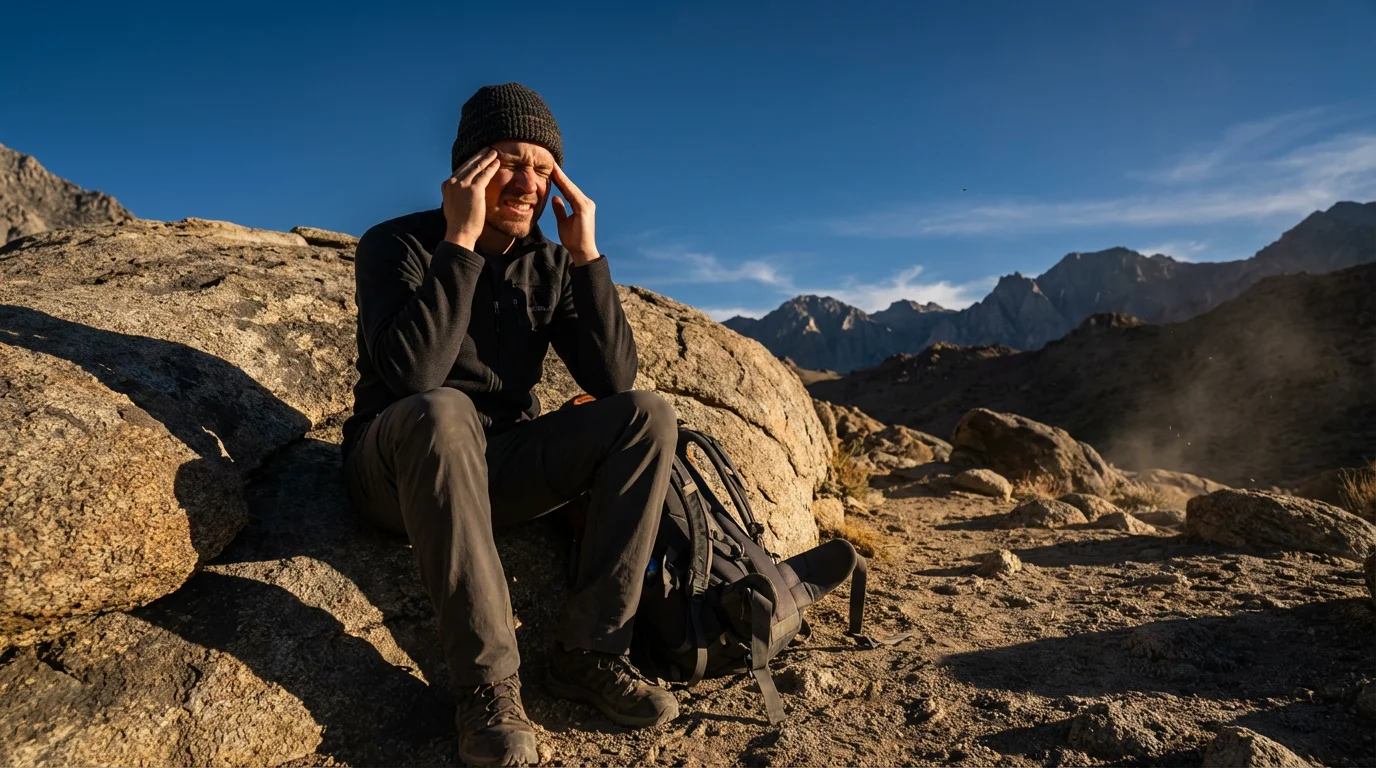
Altitude sickness, medically known as acute mountain sickness (AMS), occurs when your body struggles to adapt to the lower oxygen levels available at higher elevations. As you ascend, the atmospheric pressure decreases, meaning each breath delivers fewer oxygen molecules to your lungs and bloodstream. Your body needs time to adjust to this change, a process called acclimatization.
If you are planning to visit the Canadian Rockies by train, understanding these physiological changes is essential for a comfortable journey.
Most symptoms of altitude sickness begin to manifest above 8,000 feet (2,500 meters), though some sensitive individuals may feel effects at lower elevations. The severity of symptoms depends on your rate of ascent, the altitude gained, and your individual physiology. A gradual increase in elevation is key to successful adaptation.
There are three main types of altitude sickness. Acute Mountain Sickness (AMS) is the most common and mildest form. It mirrors a bad hangover or flu, characterized by headaches, nausea, dizziness, and fatigue. More severe forms include High-Altitude Cerebral Edema (HACE) and High-Altitude Pulmonary Edema (HAPE), which are life-threatening conditions.
Who is at Risk? Dispelling Myths
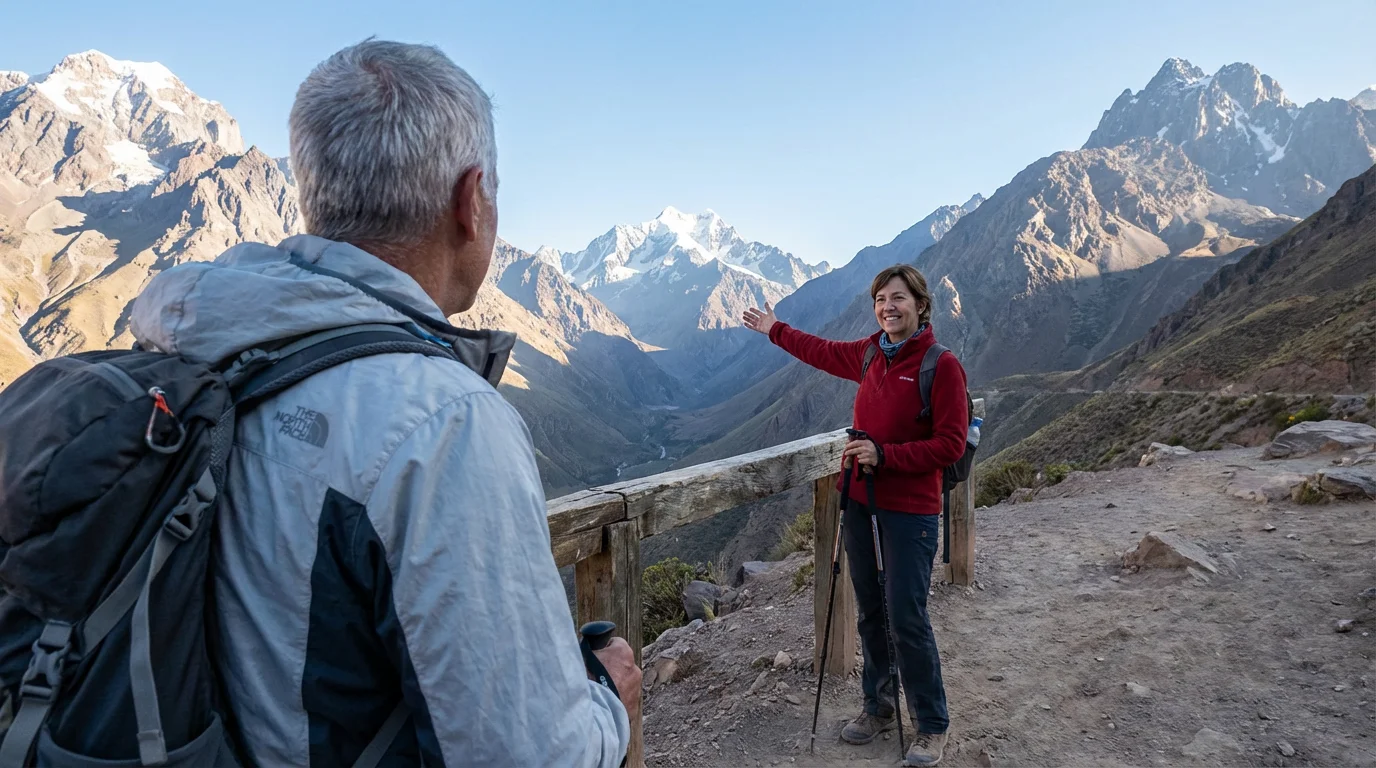
A common misconception suggests that age significantly increases your risk of altitude sickness. In reality, your overall health and fitness level are far more influential factors than your age alone. Many active seniors successfully explore high-altitude regions worldwide.
For travelers with physical limitations, accessible adventures provide alternative ways to witness mountain beauty without extreme physical strain.
Joining adventure clubs for seniors is a great way to find community support and expert advice for tackling high-altitude terrain.
Individuals with certain pre-existing conditions may face higher risks. This includes those with heart or lung disease, uncontrolled high blood pressure, or conditions affecting breathing. Always consult your doctor before planning a high-altitude trip, especially if you have chronic health issues.
Other risk factors include a rapid rate of ascent, a history of altitude sickness, and living at or near sea level. Being physically fit does not guarantee immunity; even elite athletes can experience symptoms. Proper preparation and a slow ascent remain the most critical preventative measures for everyone.
Essential Prevention Strategies: Ascend Slowly, Hydrate Smartly
Preventing altitude sickness relies on a combination of strategic planning and conscious choices during your ascent. Adopting these habits dramatically increases your chances of a safe and enjoyable high-altitude experience.
Acclimatization: The Golden Rule
The single most effective strategy is to ascend gradually. This allows your body ample time to produce more red blood cells and adjust to the decreased oxygen. Do not rush your climb or travel itinerary.
“The world is a book and those who do not travel read only one page.” — Saint Augustine
When planning your trip, build in extra days for rest and light activity at intermediate altitudes. For example, if your destination is 12,000 feet, consider spending a night or two at 8,000-9,000 feet first. This phased approach makes a significant difference.
Hydration and Nutrition
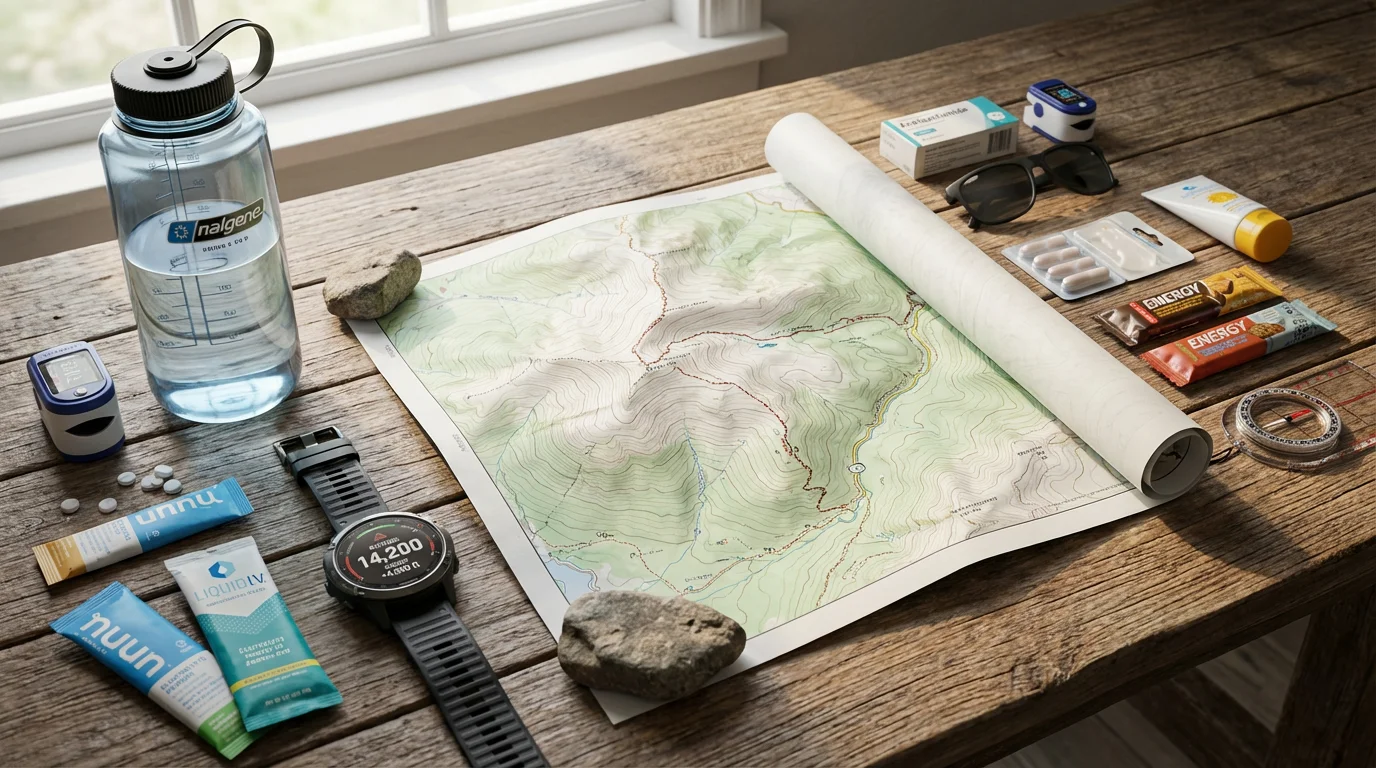
Dehydration exacerbates altitude sickness symptoms. Drink plenty of water throughout the day, even when you do not feel thirsty. Aim for three to four liters of water daily.
Avoid alcohol and excessive caffeine, as both contribute to dehydration. Focus on a diet rich in carbohydrates, such as pasta, rice, and bread, which provide efficient energy for your body at high altitudes. Reduce salt intake to minimize fluid retention.
Medications: Discuss with Your Doctor
Certain prescription medications can help prevent altitude sickness. Acetazolamide, commonly known as Diamox, is often prescribed to accelerate the acclimatization process. It helps your kidneys excrete bicarbonate, making your blood more acidic and stimulating breathing.
You may also discuss other options, such as dexamethasone, which can reduce brain swelling. Always consult your healthcare provider well in advance of your trip to determine if these medications are appropriate for you. They will advise on dosage and potential side effects based on your medical history.
Prevention Checklist for High-Altitude Adventures
- Consult your doctor about preventive medications like Acetazolamide.
- Ascend slowly, allowing for acclimatization days.
- Stay well-hydrated by drinking plenty of water.
- Avoid alcohol and excessive caffeine.
- Eat a high-carbohydrate diet.
- Get adequate rest and avoid strenuous activity on arrival at high altitude.
- Plan your itinerary with gradual altitude gains.
- Learn the symptoms of altitude sickness before you go.
Recognizing the Signs: When to Act
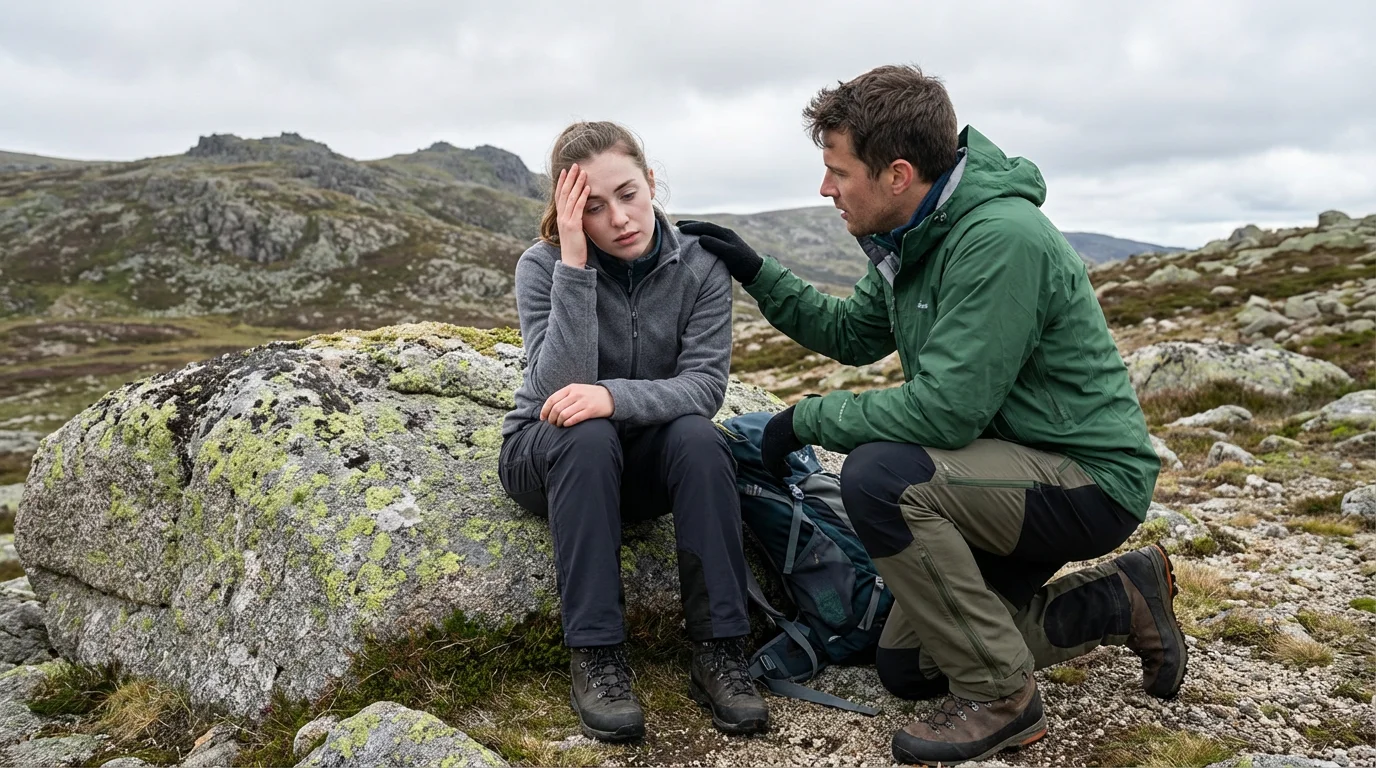
Early recognition of altitude sickness symptoms is crucial for prompt and effective management. Pay close attention to how you feel and do not dismiss minor discomforts. Your body communicates its needs; listen carefully.
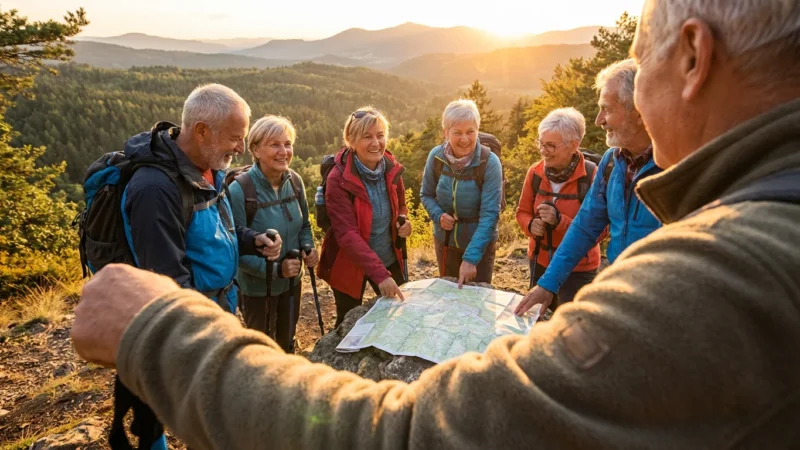
Participating in organized group hikes ensures you have companions who can help monitor your well-being during the ascent.
General trail safety is also paramount, so remember to review guidelines for avoiding wildlife encounters when trekking in remote high-altitude habitats.
Symptoms of Acute Mountain Sickness (AMS)
AMS symptoms typically develop within 6 to 24 hours of arrival at high altitude. They include:
- Headache: Often the first and most common symptom.
- Nausea or vomiting: Feeling sick to your stomach.
- Dizziness or lightheadedness: Feeling unsteady.
- Fatigue or weakness: Unusual tiredness.
- Shortness of breath with exertion: Feeling breathless after minimal effort.
- Difficulty sleeping: Restless nights or trouble falling asleep.
More Severe Forms: HACE and HAPE
While less common, High-Altitude Cerebral Edema (HACE) and High-Altitude Pulmonary Edema (HAPE) represent life-threatening emergencies. Recognize these critical signs:
- **HACE Symptoms:** Severe headache unresponsive to pain relievers, confusion, disorientation, loss of coordination (ataxia), visual changes, hallucinations, altered mental state.
- **HAPE Symptoms:** Severe shortness of breath at rest, persistent cough producing frothy or pink sputum, chest tightness, extreme fatigue, blue discoloration of lips or fingernails.
If you or a companion develop any symptoms of HACE or HAPE, immediate descent and medical attention are mandatory. These conditions progress rapidly and require urgent intervention.
Practical Management: What to Do If Symptoms Emerge
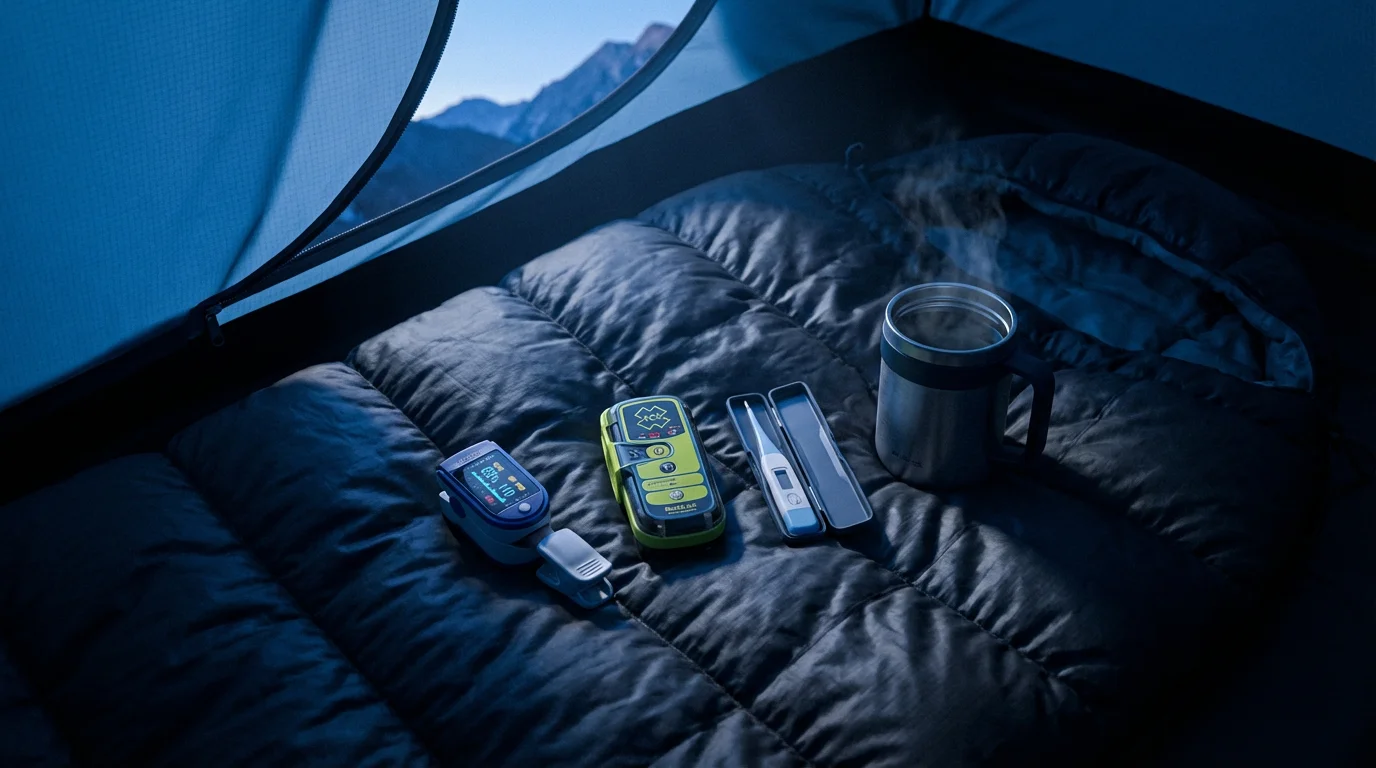
Even with careful prevention, symptoms can sometimes emerge. Knowing how to respond quickly and effectively helps prevent conditions from worsening and ensures your safety.
For those staying overnight on the mountain, understanding how to go about camping comfortably can significantly improve your body’s ability to recover.
Immediate Actions for Mild AMS
If you experience mild AMS symptoms, follow these steps:
- Stop Ascending: Do not go higher. This is the most important immediate action.
- Rest: Take a break from all strenuous activity. Rest in place and allow your body to adjust.
- Hydrate: Drink plenty of water. Avoid alcohol and tobacco.
- Take Mild Pain Relievers: For headaches, ibuprofen or acetaminophen can provide relief.
- Monitor Symptoms: Continuously assess your condition. If symptoms improve, you may consider a slow, gradual ascent after a full day of rest.
When to Descend: The Ultimate Solution
Descent is the most effective treatment for altitude sickness, especially for moderate to severe symptoms. If your symptoms worsen, do not improve with rest, or if you develop any signs of HACE or HAPE, you must descend immediately.
Even a descent of a few hundred feet can bring significant relief. Do not wait for symptoms to become severe before deciding to go down. Prioritize your health and safety above all else.
Medical Support and Oxygen
In some high-altitude areas, oxygen may be available through local medical facilities or tour operators. Oxygen can provide temporary relief from symptoms. For severe cases, immediate medical evaluation and treatment are essential. Do not hesitate to use emergency communication devices to call for help if needed.
First Steps When Symptoms Appear
- Halt all ascent and rest at your current altitude.
- Increase your fluid intake, focusing on water.
- Take over-the-counter pain relievers for headaches.
- Avoid further exertion.
- Monitor your condition closely for any worsening signs.
- Prepare for immediate descent if symptoms do not improve or worsen.

Preparing for Your High-Altitude Adventure
Thorough preparation enhances your safety and enjoyment on any high-altitude journey. A proactive approach helps you anticipate challenges and mitigate risks.
It is also vital to secure specialized adventure travel insurance that covers high-altitude medical care and emergency evacuation.
Before you set out, make sure you are choosing the right walking shoes to provide adequate support on rugged mountain terrain.
Consult Your Healthcare Provider
Before booking your trip, schedule a comprehensive check-up with your doctor. Discuss your travel plans, including the maximum altitude you will reach. Your doctor can assess your general health, discuss any pre-existing conditions, and advise on necessary vaccinations or prophylactic medications. The Centers for Disease Control and Prevention (CDC) offers valuable travel health information specific to destinations.
Travel Insurance and Emergency Plans
Invest in comprehensive travel insurance that specifically covers medical emergencies, evacuation, and repatriation from high-altitude regions. Standard travel insurance policies may have exclusions for adventure activities or high-altitude trekking. Confirm your policy covers air ambulance services and medical care in remote areas. Organizations like AARP Travel often provide resources for insurance options.
Research emergency services available at your destination. Know how to contact local emergency responders and identify the nearest medical facilities. Carry a fully charged cell phone or a satellite communication device for remote areas.
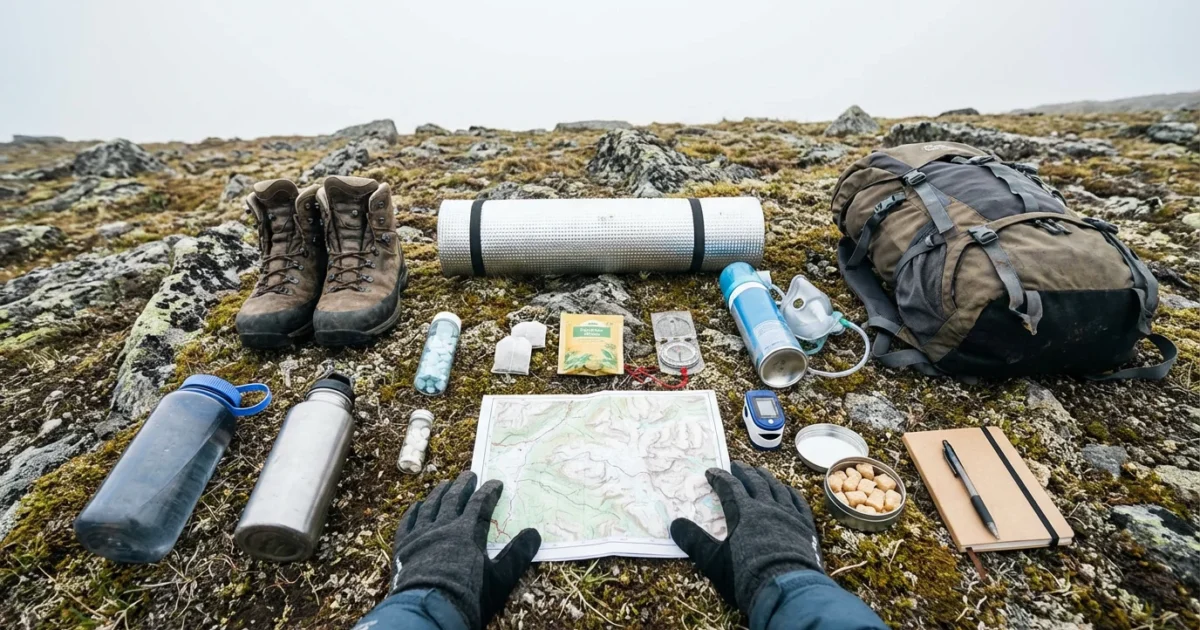
Packing Essentials for High-Altitude Travel
Layering is key for high-altitude environments, where temperatures can fluctuate dramatically. Your packing list should prioritize comfort, warmth, and protection from the elements.
| Category | Essential Items | Notes |
|---|---|---|
| Clothing | Moisture-wicking base layers, insulating mid-layers (fleece/down), waterproof/windproof outer shell, warm hat, gloves, warm socks. | Avoid cotton; it retains moisture. |
| Footwear | Broken-in hiking boots with ankle support, comfortable camp shoes. | Ensure good traction and waterproofing. |
| Hydration & Nutrition | Reusable water bottles/hydration reservoir (2-3 liters capacity), water purification tablets/filter, high-energy snacks (nuts, dried fruit, energy bars). | Maintain constant hydration. |
| Health & Safety | Personal first-aid kit, prescribed medications (e.g., Acetazolamide), sunscreen (SPF 30+), lip balm with SPF, sunglasses, headlamp/flashlight with extra batteries. | UV radiation is stronger at altitude. |
| Navigation & Comfort | Map and compass/GPS, power bank for electronics, trekking poles, small daypack. | Trekking poles reduce strain on joints. |
Pre-Trip Planning Steps
- Book a medical check-up specifically for high-altitude travel.
- Research your destination’s altitude and plan a gradual ascent itinerary.
- Obtain comprehensive travel insurance covering high-altitude emergencies.
- Assemble a specialized first-aid kit with personal and emergency medications.
- Condition your body with cardiovascular exercise, if medically advised.
- Inform travel companions of your medical history and emergency contacts.
Popular High-Altitude Destinations for Seniors
Many captivating high-altitude destinations welcome senior travelers, offering incredible scenery and cultural experiences. With proper planning and a focus on acclimatization, you can explore these remarkable places safely.
Many high-altitude gems are featured in exotic group tours that provide specialized logistics for older travelers in remote regions.
To make these dream trips more attainable, you can research affordable senior travel strategies to find budget-friendly mountain excursions.
You might also consider exploring Arizona’s hidden gems, where many desert peaks reach elevations high enough to require acclimatization.
North America’s Mountainous Marvels
The United States boasts numerous stunning high-altitude regions. Colorado’s Rocky Mountains, with towns like Aspen, Breckenridge, and Vail, provide access to elevations over 8,000 feet. Many resort towns offer varied activities and amenities, making acclimatization comfortable. You can explore national parks such as Rocky Mountain National Park, where the National Park Service guides offer insights into high-alpine environments. Consider scenic drives or short, manageable hikes to gradually introduce your body to the altitude.
Andean Adventures
Machu Picchu in Peru, nestled at about 7,972 feet, is a dream destination for many. While the Inca Trail itself requires significant physical exertion, many senior-friendly tours utilize trains and buses, allowing for slower ascents and more comfortable stays in Cusco (11,152 feet) for acclimatization. Guided tours often include medical support and ensure a manageable pace.
Himalayan Highlights
For those dreaming of the Himalayas, destinations like Bhutan or Ladakh in India offer incredible cultural immersion at high altitudes. While Everest Base Camp treks are challenging, some tours focus on lower-altitude valleys and monasteries, providing breathtaking views without extreme exertion. Reputable tour operators specialize in senior-friendly itineraries, emphasizing safety and comfort. Group tours, such as those offered by Road Scholar, often include experienced guides who understand the needs of older travelers and prioritize a measured pace.
Senior-Friendly High-Altitude Destinations and Activities
- Colorado Rockies, USA: Scenic drives, gondola rides, gentle nature walks. Stay in lower towns like Denver (5,280 ft) for initial acclimatization before heading higher.
- Cusco and Sacred Valley, Peru: Explore ancient ruins and vibrant markets. Plan several days in Cusco before visiting Machu Picchu.
- Patagonia, Chile/Argentina: While some areas are lower, trekking in regions like Torres del Paine can involve significant elevation gains. Choose tours with flexible itineraries.
- La Paz, Bolivia: Experience one of the world’s highest capital cities (11,975 ft). Prioritize rest upon arrival and gentle exploration.
- Bhutan: Visit monasteries and fortresses in the picturesque valleys. Many tours are designed with a slower pace to aid acclimatization.
Embrace the Ascent: Your Adventure Awaits
High-altitude adventures offer unparalleled beauty and a profound sense of accomplishment. You possess the spirit of exploration, and with careful planning, you can navigate the challenges of altitude sickness successfully. Prioritize your health, listen to your body, and never underestimate the power of a slow, steady ascent.
Your senior years are a time for discovery, not for limitations. By understanding the risks and implementing smart prevention and management strategies, you empower yourself to embrace new experiences. The mountains are calling, and you are ready to answer.
Frequently Asked Questions
How quickly can altitude sickness develop?
Altitude sickness typically develops within 6 to 24 hours of ascending to a high altitude, but it can sometimes appear sooner. The onset depends on your individual physiology, the rate of ascent, and the altitude gained. Paying close attention to early symptoms is crucial.
Can I prevent altitude sickness with diet or exercise before my trip?
While being in good physical shape is always beneficial for any adventure, and a diet rich in carbohydrates can help, these measures alone do not guarantee prevention of altitude sickness. The most effective prevention strategies involve slow ascent and proper acclimatization. Consult your doctor about prophylactic medications like Acetazolamide.
Is it safe for seniors to travel to high-altitude destinations?
Yes, many seniors enjoy high-altitude travel safely. Age itself is not the primary risk factor. Your overall health, pre-existing conditions, and how well you prepare are more important. Always consult with your doctor before planning a high-altitude trip to assess your personal risks and discuss necessary precautions.
What is the single most important thing to do if I start feeling symptoms of altitude sickness?
The single most important action is to descend to a lower altitude immediately if symptoms worsen or do not improve with rest. Even a few hundred feet of descent can make a significant difference. Do not ignore severe or worsening symptoms, as they can indicate more serious conditions.
How long does acclimatization usually take?
Acclimatization varies for each person, but a general guideline is to spend at least one extra day resting for every 3,000 feet (900 meters) gained above 8,000 feet (2,500 meters). For example, if you ascend to 10,000 feet, plan for at least a day or two of light activity before further ascent. Listen to your body and ascend slowly.
Disclaimer: This article is for informational purposes only. Travel conditions, accessibility, and requirements change frequently. We encourage readers to verify current information with official sources before traveling. Always consult with healthcare providers about travel considerations for your specific health situation.

Leave a Reply