
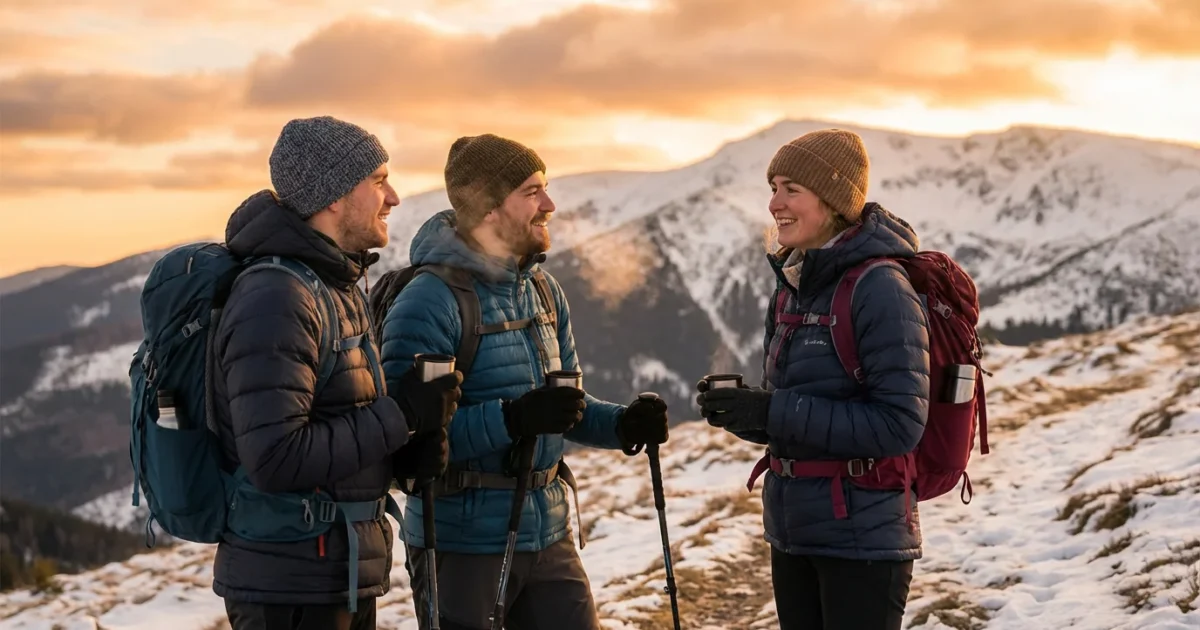
Exploring the outdoors does not need to pause when temperatures drop. Winter offers a unique and serene beauty on the trails, transforming familiar landscapes into quiet, sparkling wonderlands. For active seniors, cold weather hiking presents an invigorating challenge and a rewarding experience.
The winter landscape also provides a perfect backdrop for birdwatching adventures, as the lack of leaves makes it much easier to spot local birds.
Many retirees begin their winter exploration by discovering local parks that offer well-maintained trails and scenic views close to home.
This guide empowers you to embrace the chill, providing practical, actionable advice to ensure you stay warm, safe, and utterly enchanted by your winter adventures. You possess the spirit of exploration, and with the right preparation, you can confidently navigate frosty trails. Let us equip you with the knowledge to make your cold weather hikes memorable and safe.
Table of Contents
- Embrace the Winter Wonderland: Why Hike in Cold Weather?
- Essential Gear: Layering for Optimal Warmth and Comfort
- Footwear and Traction: Staying Steady on Icy Paths
- Nutrition and Hydration: Fueling Your Adventure in the Cold
- Planning Your Winter Hike: Safety First Steps
- On the Trail: Practical Tips for a Safe Journey
- Building Your Winter Hiking Kit: A Comprehensive Checklist
- Navigating Potential Hazards: Understanding and Mitigating Risks
- Finding Your Winter Wonderland: Recommended Senior-Friendly Trails
- Frequently Asked Questions
Embrace the Winter Wonderland: Why Hike in Cold Weather?
The quiet beauty of a snow-dusted trail, crisp air invigorating your senses, and fewer crowds are just some of the compelling reasons to venture out for winter hiking. While many retreat indoors, you can discover a different kind of magic. Imagine sun catching frozen branches, creating a glittering spectacle as you walk.
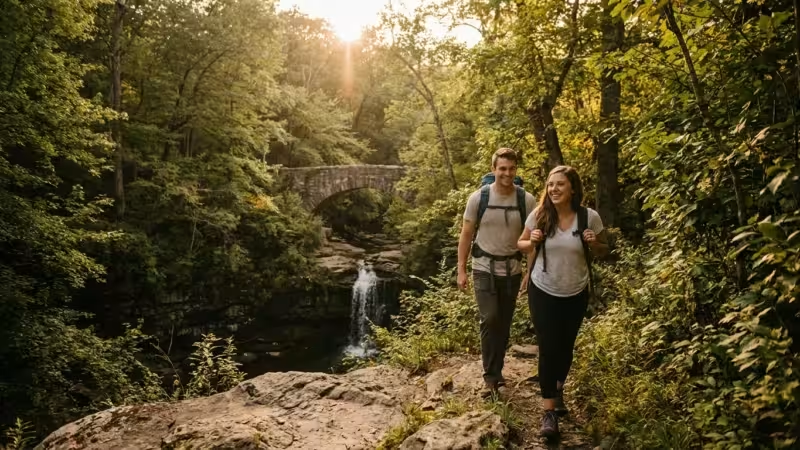
If you prefer a milder climate for your winter excursions, exploring Arizona’s hidden gems offers stunning desert scenery and warmer temperatures.
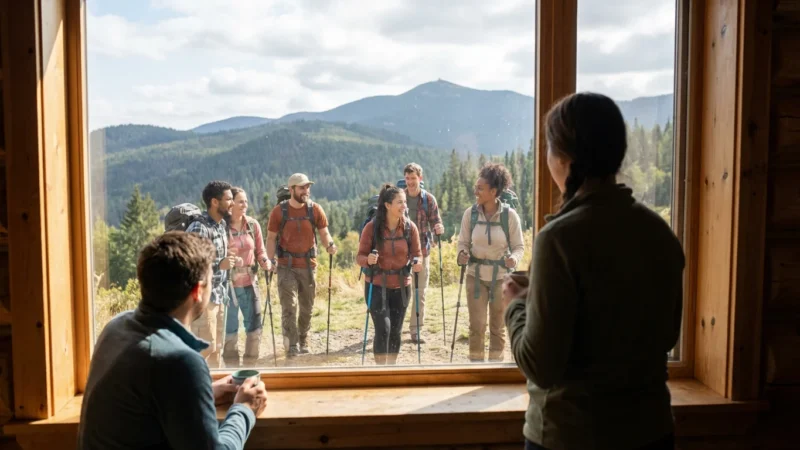
Joining group hikes is another excellent way to ensure safety and meet other outdoor enthusiasts.
If you are looking for companions to share these moments with, joining adventure clubs for seniors is a wonderful way to connect with fellow explorers.
Winter hiking also offers unique health benefits. Moving your body in cooler temperatures boosts circulation and can improve mood, combating seasonal blues. You gain confidence and a deep sense of accomplishment by successfully navigating the elements. Embrace the opportunity to experience nature’s serene, often overlooked, season.
Essential Gear: Layering for Optimal Warmth and Comfort
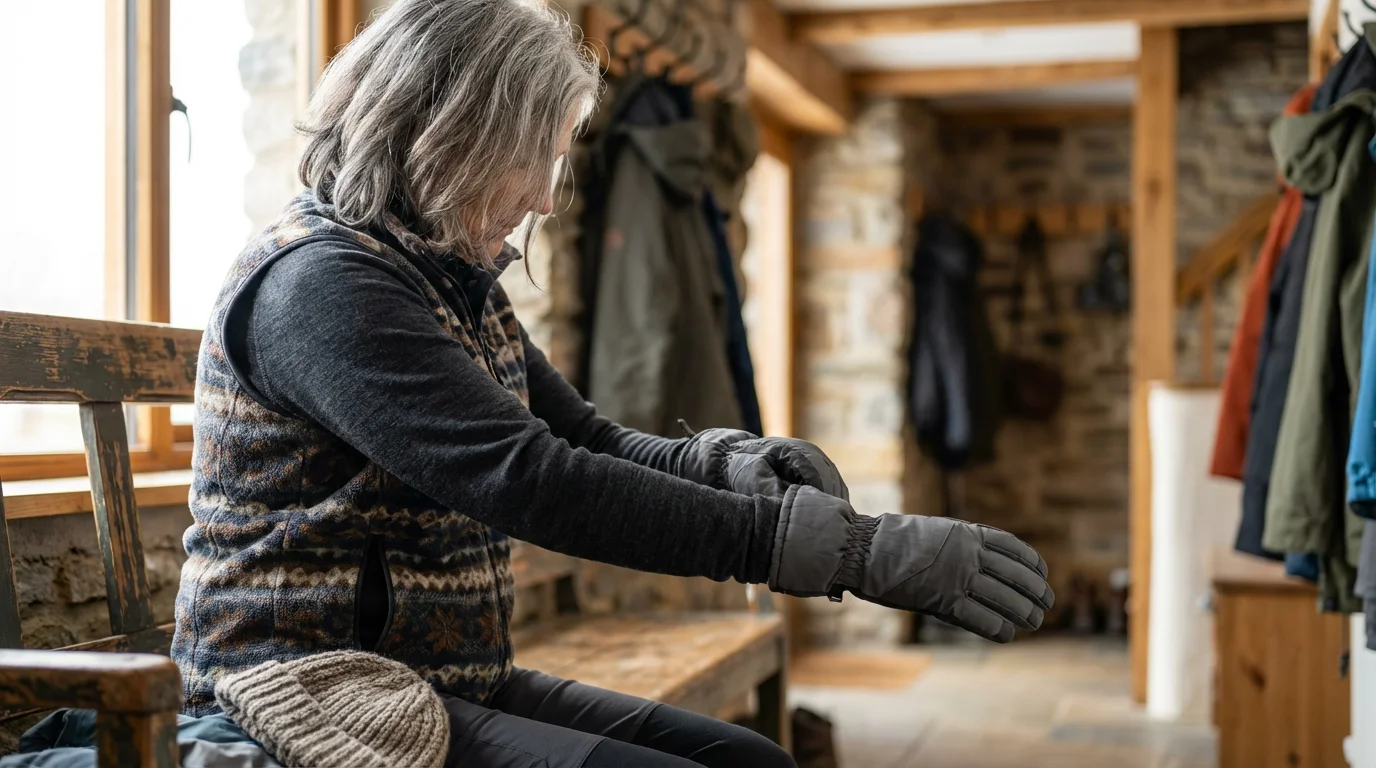
The key to staying warm hiking in cold weather is effective layering. This allows you to adjust your clothing as your activity level changes, preventing both overheating and chilling. You want to trap warm air close to your body while allowing moisture to escape.
Your layering system typically consists of three main components: a base layer, a middle layer, and an outer shell. Each layer serves a distinct purpose in keeping you comfortable and dry. Choose materials that perform well in cold, damp conditions.
Base Layer: Wicking Moisture Away
This layer sits directly against your skin. Its primary job is to wick sweat away from your body, preventing you from getting cold once you stop moving. Dampness quickly leads to hypothermia in cold conditions.
Recommended Base Layer Materials:
- Merino Wool: Excellent warmth-to-weight ratio, naturally odor-resistant, and insulates even when damp.
- Synthetic Fabrics (polyester, polypropylene): Quick-drying, durable, and more affordable than wool.
Avoid cotton for your base layer. Cotton absorbs moisture and holds it against your skin, making you feel cold very quickly.
Mid Layer: Providing Insulation
Your middle layer provides the bulk of your warmth. It traps air close to your body, creating an insulating barrier against the cold. You might wear one or multiple mid-layers depending on the temperature and your activity level.
Common Mid Layer Options:
- Fleece Jackets or Pullovers: Lightweight, breathable, and good insulators. Various thicknesses are available.
- Down or Synthetic Insulated Jackets: Offer superior warmth for their weight, especially for very cold conditions or when you are less active.
Choose a mid-layer that allows for freedom of movement. Ensure it is easy to put on and take off as needed.
Outer Shell: Protection from Wind and Precipitation
This is your protective barrier against the elements. Your outer shell should be windproof and waterproof or highly water-resistant. It shields you from snow, sleet, and harsh winds.
Outer Shell Considerations:
- Waterproof/Breathable Jackets: Materials like Gore-Tex or similar technologies keep rain and snow out while allowing sweat vapor to escape.
- Windproof Jackets: Essential for exposed areas, even if precipitation is not a concern.
Look for features such as adjustable hoods, cuffs, and hemlines to seal out drafts. A durable outer shell is a critical component for hiking safety.
Head, Hands, and Feet: Critical Areas for Heat Retention
You lose a significant amount of heat through your head, hands, and feet. Protecting these areas is crucial for overall warmth and comfort. Seniors should pay particular attention to proper insulation here.
What Seniors Should Wear for Winter Hiking Safety:
- Hats: A warm hat, preferably wool or fleece, is essential. Consider one that covers your ears.
- Gloves or Mittens: Waterproof and insulated gloves are best. Mittens generally offer more warmth than gloves because they allow your fingers to share warmth. Carry an extra pair.
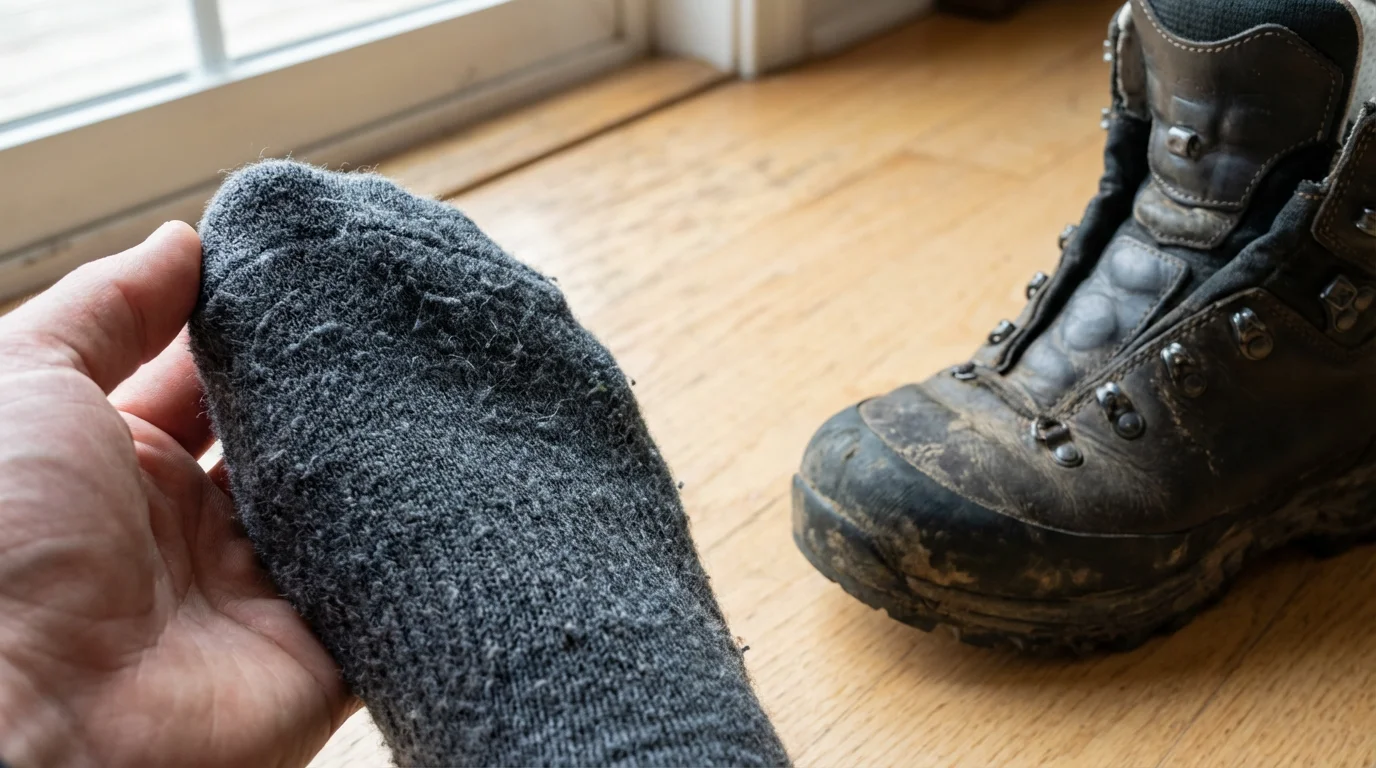
- Socks: Wear wool or synthetic blend socks. Avoid cotton. Many people wear a thin liner sock under a thicker hiking sock to prevent blisters and add warmth.
| Layer Type | Recommended Materials | Avoid Materials | Key Function |
|---|---|---|---|
| Base Layer | Merino wool, Synthetic (polyester, polypropylene) | Cotton | Wicks moisture from skin |
| Mid Layer | Fleece, Down, Synthetic Insulation | Thick cotton sweaters | Provides insulation, traps warmth |
| Outer Shell | Waterproof/breathable (e.g., Gore-Tex), Windproof fabrics | Non-waterproof, non-windproof materials | Protects from wind, snow, rain |
| Headwear | Wool or fleece hat, balaclava | Thin cotton bandanas | Prevents heat loss from head |
| Handwear | Waterproof insulated gloves or mittens | Thin knit gloves (unless liners) | Protects hands from cold, maintains dexterity |
| Socks | Wool, Synthetic blends | Cotton | Insulates feet, prevents blisters |
Footwear and Traction: Staying Steady on Icy Paths
Your feet are your foundation on the trail, and in winter, they require specialized care. Proper footwear is paramount for both warmth and hiking safety. Cold, wet feet can quickly ruin an otherwise enjoyable winter hike.
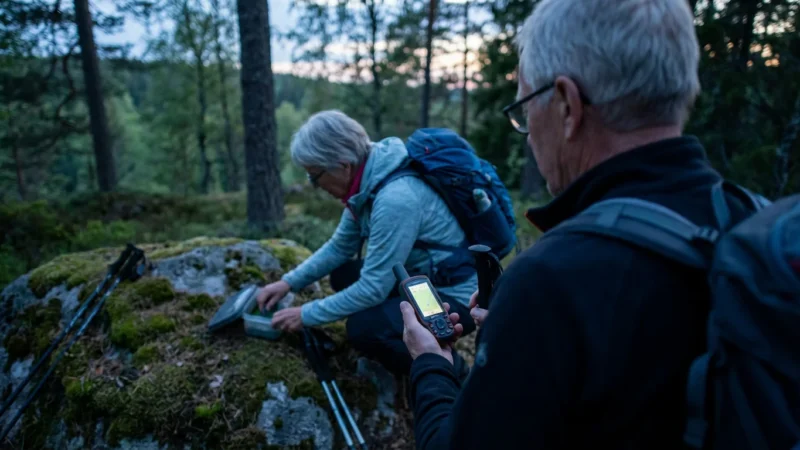
To add an extra layer of excitement to your walk, consider exploring geocaching fun as you search for hidden treasures along the trail.
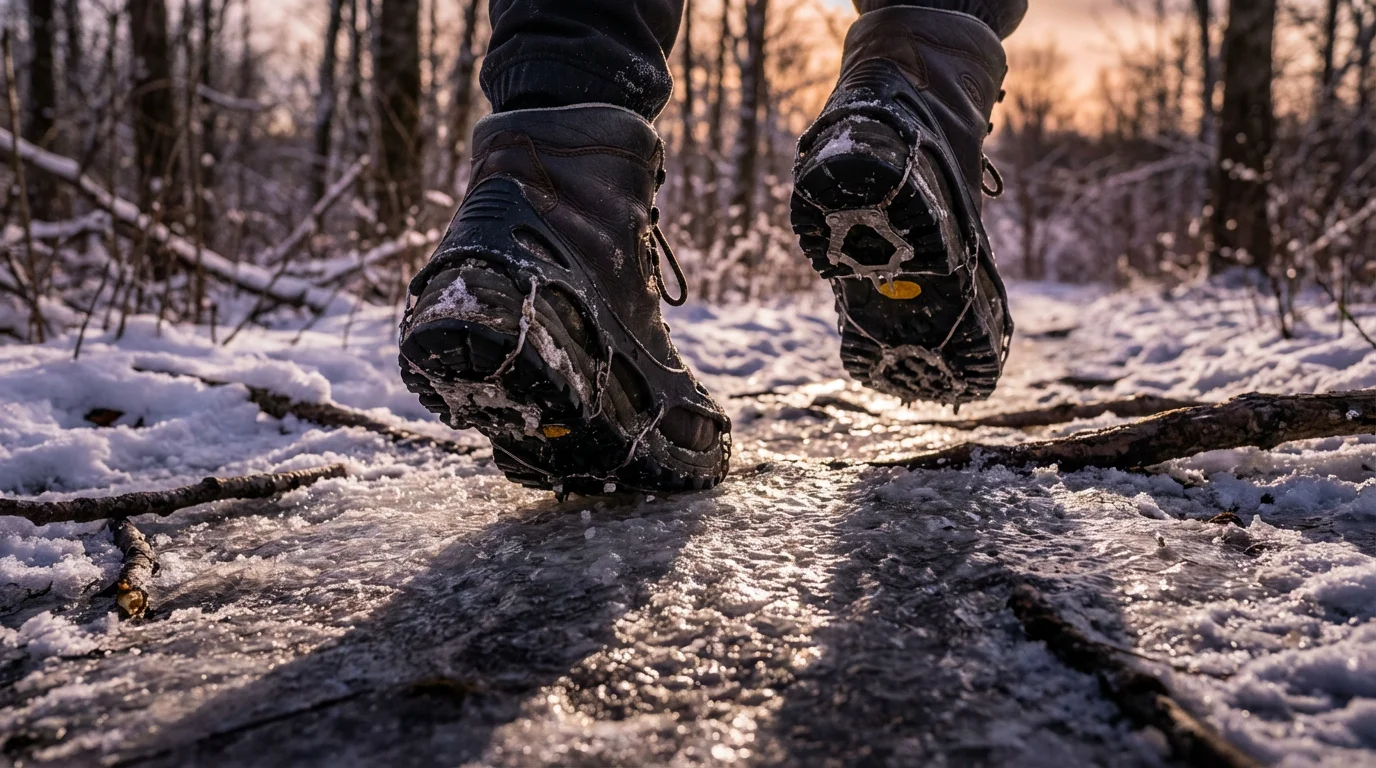
Look for waterproof, insulated hiking boots with good ankle support. The insulation helps retain heat, and the waterproofing keeps melting snow and slush from seeping in. Ensure your boots are comfortable and broken in before a long hike.
Essential Traction Aids:
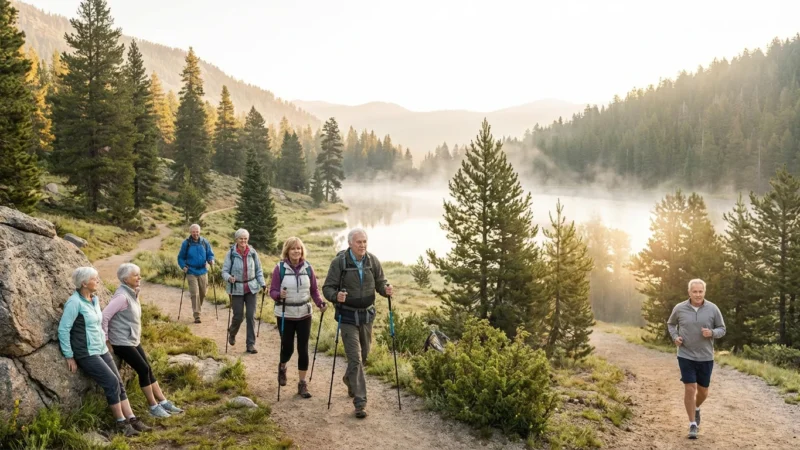
- Trekking Poles: These provide extra points of contact with the ground, significantly improving balance and reducing strain on your knees. They are invaluable on uneven or slippery terrain.
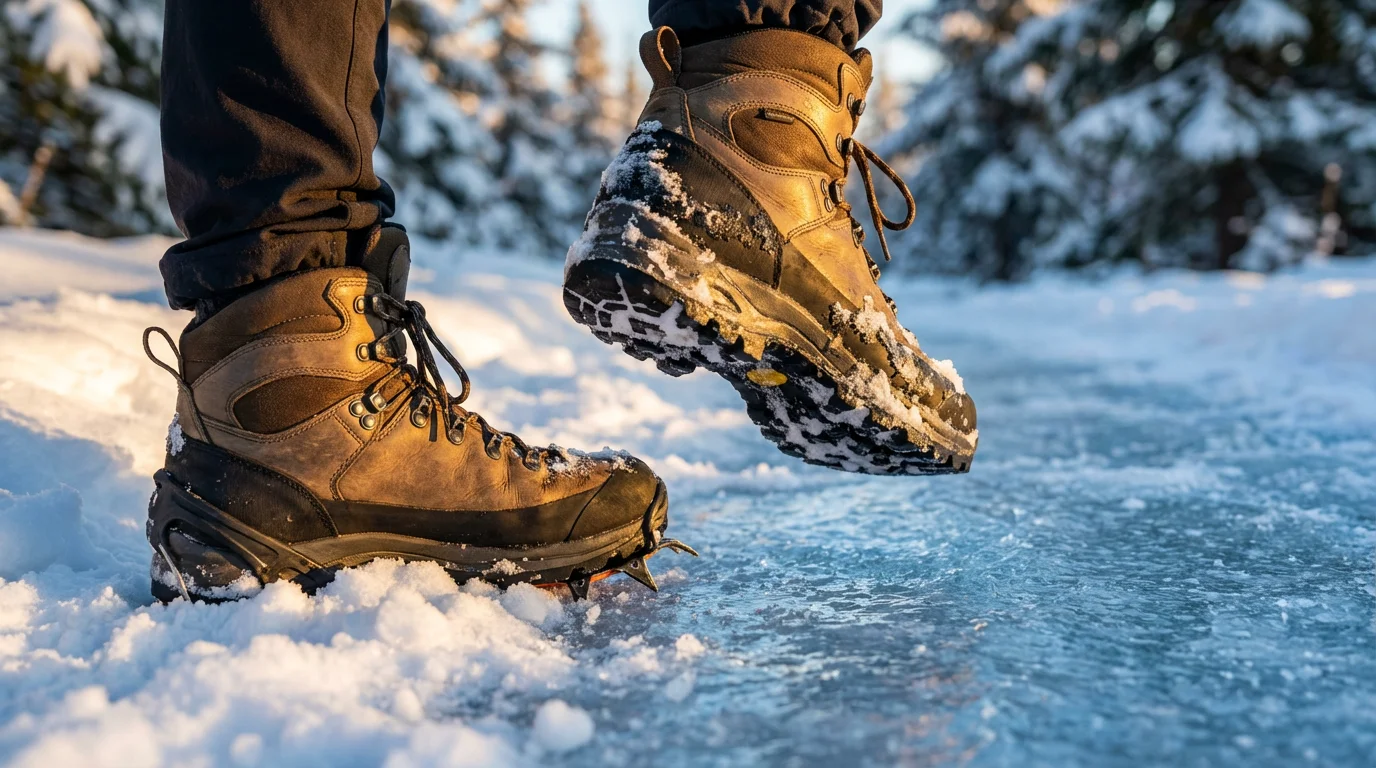
- Microspikes or Crampons: For icy conditions, microspikes attach to your boots and provide aggressive traction. They are different from full mountaineering crampons, being more flexible and suitable for hiking. Understand the conditions you expect and choose accordingly.
Practice walking with your traction aids before your actual hike. This builds confidence and ensures you are comfortable with the equipment. Your stability on the trail directly impacts your safety.
Nutrition and Hydration: Fueling Your Adventure in the Cold
Hiking in cold weather burns more calories than hiking in mild conditions. Your body expends extra energy just to stay warm. Therefore, fueling yourself adequately is crucial for maintaining energy levels and preventing fatigue.
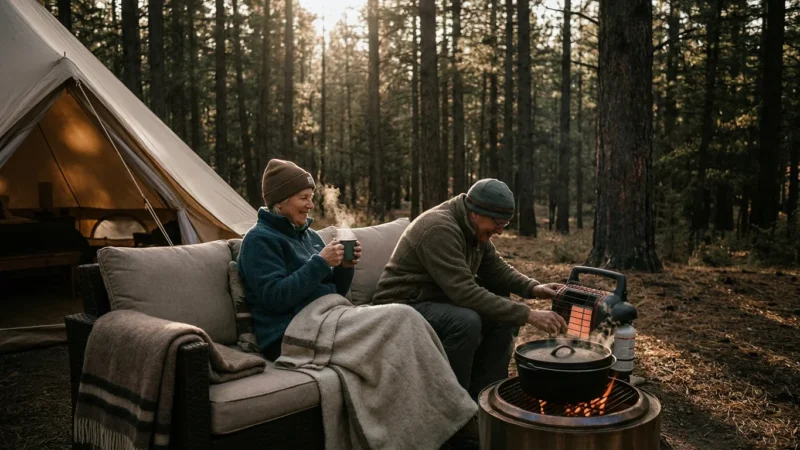
For those who wish to extend their stay in nature, understanding how to go camping comfortably in the cold is a vital skill for winter adventurers.
Dehydration can also occur quickly in cold, dry air, even though you may not feel as thirsty as in warmer weather. Proper hydration is essential for your body to regulate temperature effectively. You want to make sure you have enough fluids to sustain your hike.
Recommended Fuel and Fluids:
- High-Calorie Snacks: Pack foods that are easy to eat on the go and provide sustained energy. Examples include nuts, dried fruit, trail mix, energy bars, and chocolate.
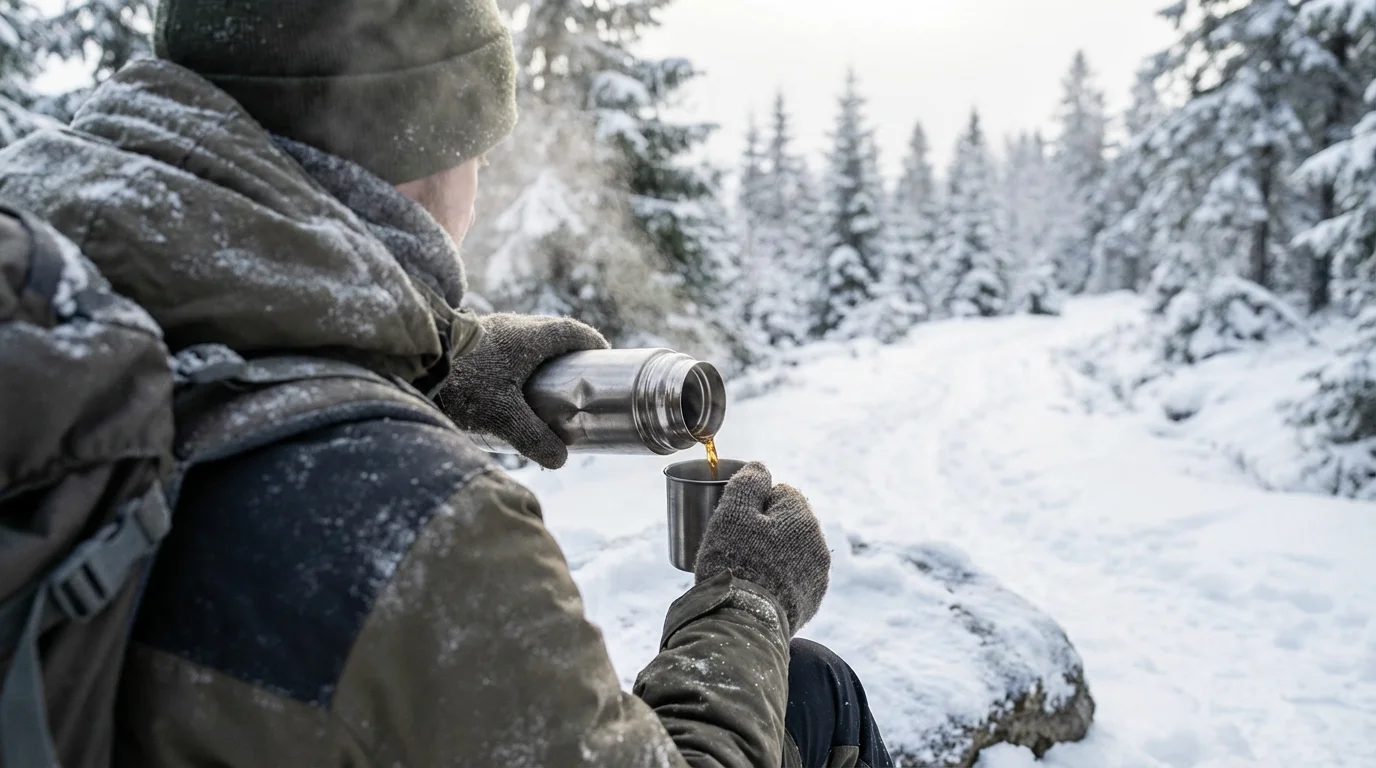
- Warm Beverages: A thermos filled with hot tea, cocoa, or soup can be incredibly comforting and helps warm you from the inside out.
- Plenty of Water: Carry more water than you think you need. Consider an insulated water bottle or bladder to prevent freezing.
Eat and drink regularly throughout your hike, even if you do not feel hungry or thirsty. Listen to your body and refuel proactively. This active approach to nutrition and hydration keeps you performing at your best.
Planning Your Winter Hike: Safety First Steps
Thorough planning is the bedrock of any successful and safe winter adventure. You cannot improvise your way through cold weather conditions. This means diligently checking forecasts, understanding your route, and informing others of your plans.
If your adventure involves a road trip to the trail, be sure to consult an essential RV checklist to ensure your vehicle is prepared for winter conditions.
Planning ahead also allows you to find affordable senior travel options, making your winter explorations even more rewarding.
For those who prefer a guided setting, there are several senior group tours in national parks that specialize in navigating frosty landscapes safely.
Before heading into remote areas, consider whether adventure travel insurance for seniors is necessary to protect your investment and well-being.
While some species hibernate, it is still essential to review safety tips for avoiding wildlife encounters to stay prepared on the trail.
Your preparation directly contributes to your enjoyment and well-being on the trail. Take the time to consider every detail before stepping out the door. It makes all the difference in adverse conditions.
Your Pre-Hike Planning Checklist:
- Check Weather and Trail Conditions: Always consult the latest forecast. Look for information on temperature, wind chill, precipitation, and snow depth. Check trail reports from park services or local hiking groups for current conditions.
- Know Your Route: Choose a well-maintained, marked trail suitable for your fitness level. Familiarize yourself with the terrain and potential bailout points.
- Inform Someone of Your Plans: Tell a trusted friend or family member where you are going, your planned route, and your estimated return time. Provide them with details about your vehicle if you are driving.
- Pack the Ten Essentials (Adapted for Winter): This classic list includes navigation, sun protection, insulation, illumination, first-aid supplies, fire starter, repair kit, nutrition, hydration, and emergency shelter. We will expand on this list.
- Carry Communication Devices: A fully charged cell phone is a must, though service may be unreliable. Consider a satellite messenger for remote areas.
- Assess Your Health: Consult your doctor about strenuous activity in cold weather, especially if you have underlying health conditions. Your well-being is paramount.
The National Park Service offers excellent resources for planning your visit and checking trail conditions, including closures or advisories. Visiting their website at NPS.gov can provide valuable insights for your chosen destination.
On the Trail: Practical Tips for a Safe Journey
Once you are on the trail, remaining vigilant and adaptable ensures your safety and enjoyment. Winter conditions can change rapidly, and your awareness is your best tool. Pay attention to your surroundings and your body’s signals.
Pacing yourself, listening to your body, and being prepared for unexpected situations are key elements of a successful winter hike. You are in control of your adventure.
During Your Hike:
- Pace Yourself: Start slow and maintain a steady, comfortable pace. Avoid pushing yourself too hard, as overexertion can lead to sweating, which then leads to chilling.
- Listen to Your Body: Pay close attention to how you feel. If you are getting too cold, add a layer. If you are sweating, remove a layer. Do not ignore discomfort.
- Stay Hydrated and Nourished: Drink water and eat snacks regularly, even if you do not feel thirsty or hungry. This maintains energy and warmth.
- Stay on Marked Trails: Snow can obscure trail markers. Stick to established paths to avoid getting lost or encountering hidden hazards.
- Recognize Signs of Hypothermia and Frostbite: Learn the symptoms of these cold-related illnesses and how to respond. Early detection is vital for your safety.
- Turn Back Early: If conditions worsen, you feel unwell, or you are running out of daylight, do not hesitate to turn around. Your safety is more important than reaching a summit.
The mountains are calling, and I must go. However, a wise adventurer always heeds the call of preparedness first, ensuring every step is both exhilarating and safe.
Building Your Winter Hiking Kit: A Comprehensive Checklist
Having the right gear makes all the difference in your comfort and safety during cold weather hikes. Beyond your layered clothing, several essential items enhance your experience and prepare you for various scenarios. This winter hiking kit goes beyond the basics to give you peace of mind.
Assemble your kit well in advance of your trip. Familiarize yourself with each item’s use. Your readiness significantly improves your overall safety.
Your Comprehensive Winter Hiking Checklist:
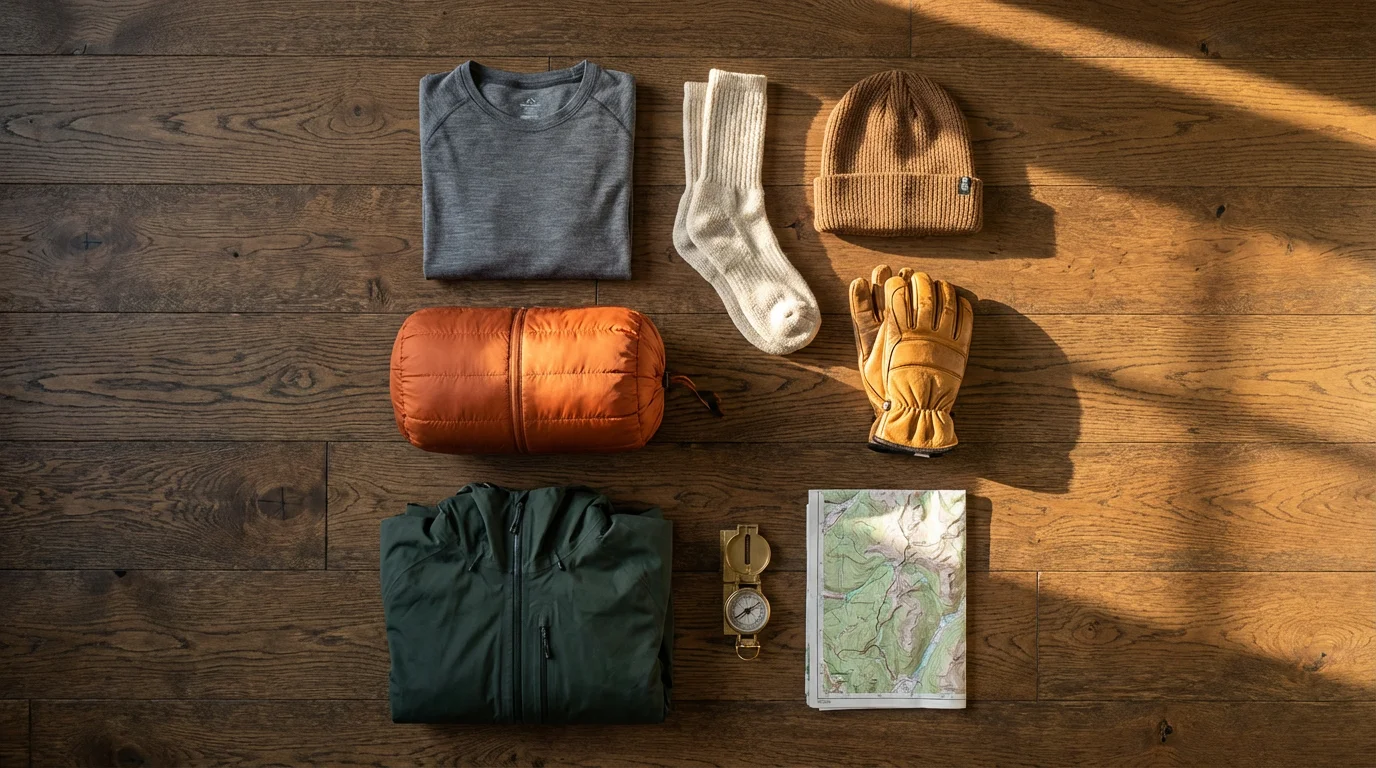
- Navigation: Map, compass, and GPS device (with extra batteries or power bank).
- Headlamp or Flashlight: Essential, even for day hikes, as winter days are short. Pack extra batteries.
- Sun Protection: Sunscreen, sunglasses, and lip balm. Snow reflects sunlight, increasing UV exposure.
- First-Aid Kit: Comprehensive kit, including any personal medications. Consider adding pain relievers, blister treatment, and any specific items recommended by the CDC for travel. You can find guidance at CDC Travelers’ Health.
- Knife or Multi-tool: Useful for various tasks, from repairs to emergency situations.
- Fire Starter: Waterproof matches, lighter, or fire steel. Carry tinder.
- Emergency Shelter: Lightweight tarp, space blanket, or bivy sack. This provides crucial protection if you become stranded.
- Repair Kit: Duct tape, zip ties, and a small amount of cordage for gear repairs.
- Extra Food: Non-perishable, high-energy snacks beyond what you plan to eat.
- Extra Water: Insulated bottles to prevent freezing, or a way to melt snow (stove, fuel).
- Insulated Sit Pad: Prevents heat loss when sitting on snow or cold ground.
- Whistle: For signaling for help.
- Hand Warmers: Chemical hand and foot warmers can provide critical comfort.
- Small Shovel: For digging out snow, if needed, or building a small shelter.
- Binoculars: For wildlife viewing or scouting your route.
- Fully Charged Cell Phone: Essential for communication, even if service is spotty.
- Power Bank: Keeps your electronic devices charged.
This detailed kit prepares you for most situations you might encounter. Being well-equipped is a cornerstone of responsible outdoor adventure.
Navigating Potential Hazards: Understanding and Mitigating Risks
Cold weather hiking introduces unique challenges beyond those found in warmer seasons. Understanding these specific hazards and knowing how to mitigate them keeps you safe. Your awareness directly contributes to your ability to respond effectively.
Seniors should be particularly mindful of these risks. Your experience and judgment are invaluable assets in anticipating and avoiding trouble. Never underestimate the power of winter conditions.
Common Winter Hiking Hazards and How to Address Them:
- Ice and Slippery Surfaces: Trails can be icy under snow. Use microspikes or crampons for traction. Utilize trekking poles for balance. Take smaller, deliberate steps.
- Deep Snow: Walking through deep snow is exhausting and can hide hazards. Consider snowshoes for deeper snow. Stay on packed trails if possible.
- Hypothermia and Frostbite: These are serious cold-related injuries. Know the symptoms: shivering, confusion, slurred speech for hypothermia; numbness, white or grayish skin for frostbite. Carry extra layers, stay dry, and seek shelter immediately if symptoms appear.
- Shorter Daylight Hours: Winter days are significantly shorter. Plan your hikes to finish well before sunset. Always carry a headlamp or flashlight with extra batteries.
- Getting Lost: Snow can cover trail markers and obscure familiar landmarks. Rely on your map, compass, and GPS. Do not stray from the marked path.
- Avalanche Risk: In mountainous or steep terrain, heavy snowfall can create avalanche conditions. Research avalanche forecasts and avoid high-risk areas. If you are unsure, choose a different, safer route.
- Weather Changes: Winter weather can shift rapidly and unexpectedly. Be prepared for sudden drops in temperature, increased wind, or heavy snow. Regularly check the forecast.
Always err on the side of caution. Your preparedness and decision-making skills are your best defenses against winter hazards.
Finding Your Winter Wonderland: Recommended Senior-Friendly Trails
Choosing the right trail is critical for an enjoyable winter hike. You want paths that offer beauty without excessive risk or difficulty. Fortunately, many options cater to various fitness levels and preferences.
Focus on trails that are generally well-maintained, have clear markings, and are known to be accessible. Researching ahead ensures a positive experience. You can discover incredible winter landscapes within your comfort zone.
Tips for Finding Suitable Winter Trails:
- Start Local: Explore local parks, nature preserves, and state parks. Many have paved or well-groomed trails that are easier to navigate after light snow.
- National Parks and Forests: Many National Parks offer winter programs and maintained trails. Check the National Park Service website, NPS.gov, for specific park conditions and recommended winter routes. Some parks even offer guided snowshoe walks.
- Recreation.gov: This platform, at Recreation.gov, provides detailed information on trails and recreational areas across federal lands. You can filter by activity and location.
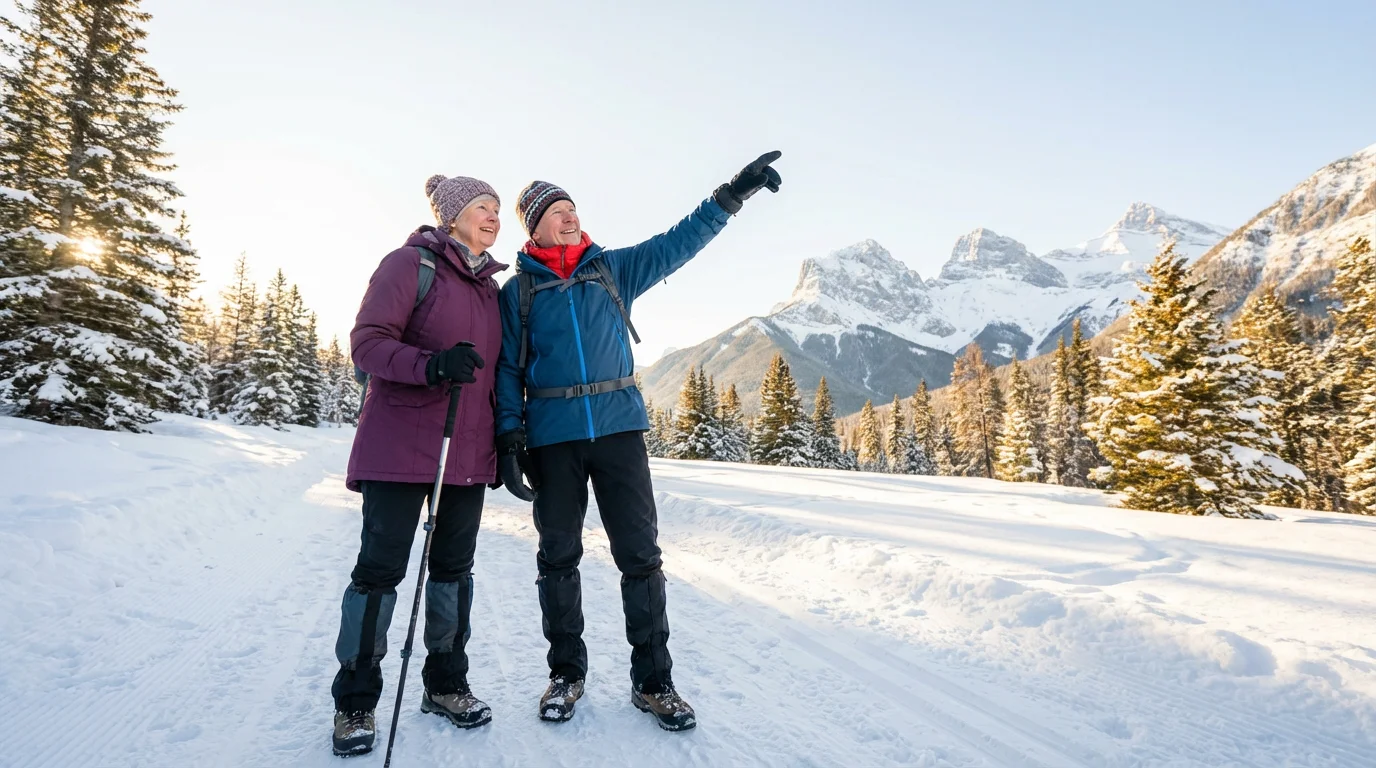
- Consider Groomed Trails: Some areas, particularly cross-country ski resorts, also offer groomed winter walking trails. These are often flat and easy to traverse.
- Read Recent Trail Reports: Websites like AllTrails or local hiking forums often have recent reviews from other hikers, giving you real-time insight into conditions.
- Look for Lower Elevations: Lower elevation trails often have less snow and ice compared to high mountain passes. They can be a great starting point for winter hiking.
Always verify current trail conditions before you go. Remember, an enjoyable trail is one you can complete safely and comfortably.
Frequently Asked Questions
What should seniors wear for winter hiking safety?
Seniors should wear a three-layer system: a moisture-wicking base layer (merino wool or synthetic), an insulating mid-layer (fleece or down), and a waterproof, windproof outer shell. Crucially, wear warm, waterproof insulated boots, wool or synthetic socks, a warm hat that covers your ears, and insulated, waterproof gloves or mittens. Always avoid cotton.
How do you stay warm hiking in cold weather?
Stay warm by layering your clothing effectively, which allows you to adjust to changing temperatures and activity levels. Keep moving to generate body heat. Fuel your body with high-calorie snacks and warm, hydrating drinks. Protect your head, hands, and feet, as these areas lose significant heat. Carry extra layers and hand warmers as a backup.
Is winter hiking safe for seniors?
Yes, winter hiking is safe for seniors when properly prepared and planned. It requires careful attention to appropriate gear, weather conditions, trail selection, and personal health. Always hike within your limits, tell someone your plans, and carry essential safety equipment like traction aids and navigation tools. Consulting your doctor beforehand is always a good idea.
What are the biggest risks of cold weather hiking?
The biggest risks include hypothermia, frostbite, slipping on ice or snow, getting lost due to obscured trails, and rapid changes in weather conditions. Mitigate these risks by dressing in layers, using proper footwear and traction, carrying navigation tools, checking forecasts diligently, and knowing the symptoms of cold-related illnesses.
What kind of traction do I need for winter hiking?
For most winter hiking, insulated, waterproof hiking boots with aggressive treads are essential. Additionally, you should carry microspikes for icy patches. Trekking poles provide crucial stability and balance on slippery or uneven terrain. For deeper snow, snowshoes may be necessary.
Can I use my regular hiking boots for winter hiking?
You can use regular hiking boots for very mild winter conditions, but ensure they are waterproof and you wear thick, warm socks. For colder temperatures, snow, or ice, you will need insulated, waterproof winter hiking boots to prevent cold feet and maintain warmth. Regular hiking boots often lack the necessary insulation and waterproofing for true winter conditions.
Embracing cold weather hiking opens a world of unique beauty and adventure. You gain confidence and a renewed appreciation for nature’s quiet season. Remember, preparedness is your best ally on the winter trails. Equip yourself with the right knowledge and gear, and you will discover the unparalleled joy of a frosty expedition. Your next great adventure awaits, even when the temperatures drop.
Disclaimer: This article is for informational purposes only. Travel conditions, accessibility, and requirements change frequently. We encourage readers to verify current information with official sources before traveling. Always consult with healthcare providers about travel considerations for your specific health situation.

Leave a Reply