
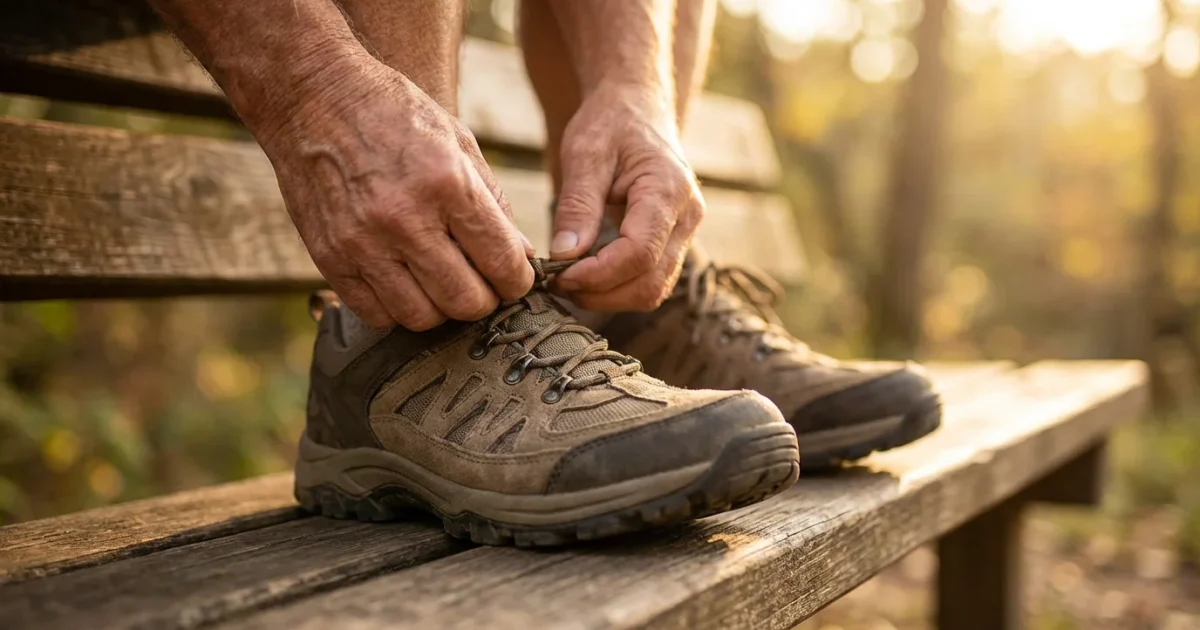
Your adventurous spirit knows no age limit. You envision exploring vibrant city streets, discovering serene national parks, or embarking on a long-awaited international journey. Every great adventure begins with the right foundation, and for travelers aged 55 and beyond, that foundation means choosing the right walking shoes. Comfortable, supportive footwear is not merely a convenience, it is your essential partner in exploration.
Whether you are stopping at scenic overlooks during US road trips or exploring vibrant city streets, having the right foundation is critical.
This comprehensive guide helps you navigate the options, ensuring your feet remain happy, healthy, and ready for every step of your senior adventure travel. We will discuss specific features, different shoe types for various activities, and crucial fitting advice to empower your next journey. By making an informed choice, you unlock the full potential of your travels, from a leisurely stroll to a more challenging trek.
Table of Contents
- Why Your Feet Deserve the Best: The Foundation of Adventure
- Understanding Key Features of Senior Footwear
- Types of Walking Shoes for Different Adventures
- Fitting Your Footwear: The Crucial Step for Comfort
- Practical Tips for Buying Your Next Pair of Travel Shoes
- Maintaining Your Adventure Footwear
- Recommended Features Comparison Table
- Frequently Asked Questions
Why Your Feet Deserve the Best: The Foundation of Adventure
Your feet are incredible machines, logging thousands of miles over your lifetime. As you embrace senior adventure travel, the demands on your feet increase significantly. You often spend more time on your feet, navigate varied terrains, and carry luggage, placing extra stress on joints, muscles, and ligaments.
Choosing shoes that support your mobility allows you to fully enjoy the many benefits of group tours for senior travelers, ensuring you don’t miss a single sight.
To prepare your body for the increased activity, consider following specific senior exercise tips to build stamina before you depart.
Investing in high-quality walking shoes protects your feet and enhances your entire travel experience. Poor footwear leads to blisters, aches, and fatigue, which can quickly derail an exciting day of exploration. Conversely, the right pair provides the cushioning, stability, and support you need to walk further, stand longer, and enjoy every moment without discomfort.
The world is a book and those who do not travel read only one page. — Saint Augustine
Consider the cumulative effect of comfortable feet. You discover more hidden gems, explore more local markets, and climb more scenic viewpoints. Your confidence in your mobility grows, encouraging you to pursue even more ambitious adventures. This proactive approach to choosing your senior footwear directly translates into richer, more enjoyable travels.
Understanding Key Features of Senior Footwear
Selecting the best travel shoes involves more than just aesthetics. You need to prioritize specific features that cater to the unique needs of an active traveler. Focus on how a shoe supports your foot health and prepares you for diverse environments.
Reliable traction and support are especially vital when exploring rugged terrain, such as the desert Southwest.
Look for these critical elements when you choose your next pair of walking shoes:
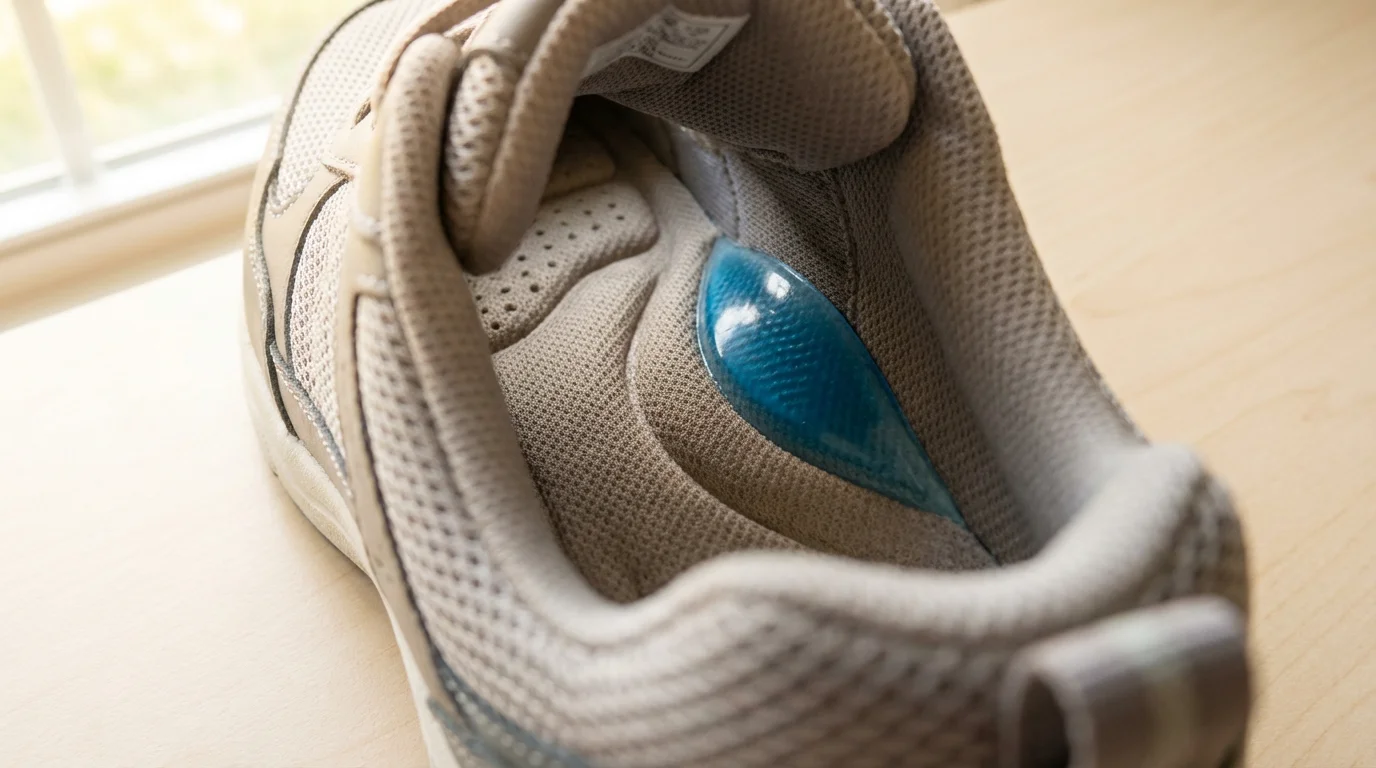
- Cushioning: Ample padding absorbs shock, reducing impact on your joints. Materials like EVA foam or gel inserts provide superior comfort for long periods of standing or walking on hard surfaces.
- Arch Support: Proper arch support prevents foot fatigue and reduces the risk of plantar fasciitis or other common foot ailments. Different arch types require different levels of support, so understand your foot’s natural shape.
- Stability and Support: A firm heel counter and a rigid midsole prevent your foot from rolling inward or outward excessively. This stability is crucial on uneven terrain, protecting your ankles and knees.
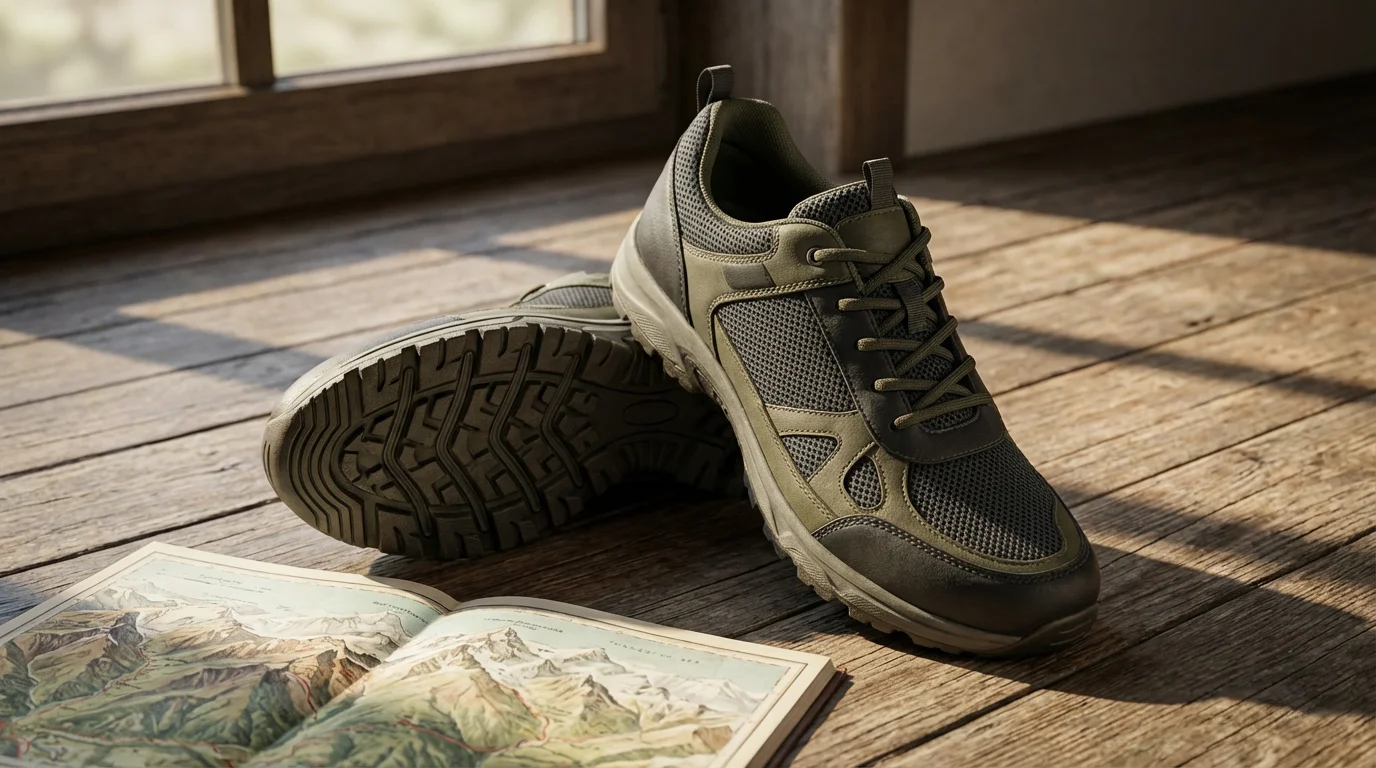
- Traction: The outsole pattern and material dictate grip. Look for rubber outsoles with multi-directional lugs for excellent traction on wet pavement, gravel, or light trails.
- Breathability: Mesh uppers or breathable fabrics allow air circulation, preventing overheating and moisture buildup. This feature keeps your feet dry and comfortable, especially in warmer climates.
- Lightweight Design: Lighter shoes reduce the energy expenditure required for each step, making long walks less tiring. You will appreciate this benefit when exploring all day.
- Water Resistance/Proofing: Depending on your destination, consider shoes with water-resistant or waterproof membranes. These protect your feet from unexpected rain showers or dewy paths.
- Easy On/Off: Laces provide the most secure fit, but some travelers prefer slip-on designs or Velcro closures for convenience, especially during airport security checks. Ensure the shoe still offers adequate support.
Manufacturers often incorporate advanced technologies to enhance these features. Researching specific brand innovations can help you find a walking shoe perfectly suited for your needs.
Types of Walking Shoes for Different Adventures
Your choice of travel shoes depends heavily on your planned activities. A shoe ideal for city strolling may not suffice for a national park hike. Consider the terrain, climate, and duration of your excursions when making your selection.
When heading into the backcountry, it is also important to review safety tips for wildlife encounters to ensure a secure hiking experience.
For those planning overnight stays in nature, remember that camping comfortably requires just as much consideration for your gear as choosing the right shoes.
Here are common types of senior footwear and their ideal uses:
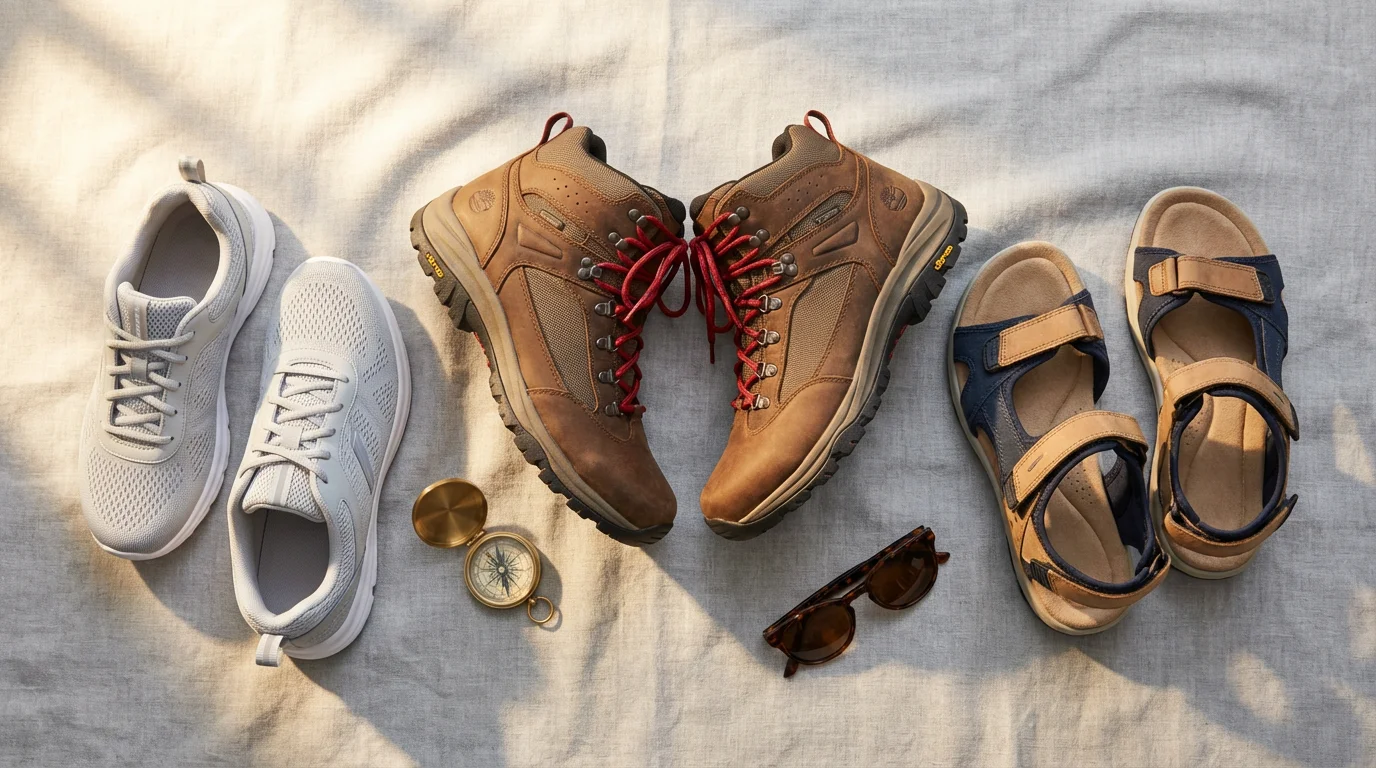
- Casual Walking Shoes: These lightweight, flexible shoes offer good cushioning and moderate support. They are perfect for urban exploration, museum visits, shopping trips, and casual dining. Many feature stylish designs that blend well with everyday attire.
- Athletic Walking Shoes/Trainers: Designed for more active walking, these shoes provide enhanced cushioning, stability, and arch support. They are excellent for brisk walks, moderate hikes on paved or well-maintained paths, and extended periods of standing.
- Hiking Shoes/Light Hikers: For nature enthusiasts, hiking shoes offer superior traction, ankle support (often mid-cut), and durable, water-resistant uppers. They suit national park trails, forest walks, and uneven terrain. Look for models that balance protection with flexibility. The National Park Service emphasizes proper footwear for trail safety.
- Travel Sandals/Water Shoes: In warm, tropical climates, breathable sandals with good arch support and durable outsoles are invaluable. Water shoes protect your feet during beach activities, kayaking, or river excursions. Choose styles with adjustable straps for a secure fit.
- Dressier Comfort Shoes: Sometimes your adventure calls for a more formal look. Many brands now offer elegant shoes, loafers, or low heels with hidden comfort features like cushioned insoles and supportive footbeds. These are suitable for evenings out or events where athletic shoes are inappropriate.
You might find that a combination of two shoe types, like athletic walking shoes and a pair of comfortable travel sandals, covers most of your needs for a multi-faceted trip. This approach ensures you always have the right footwear for your planned activities.

Fitting Your Footwear: The Crucial Step for Comfort
Even the most technologically advanced walking shoes fail to deliver comfort if they do not fit properly. Your feet change over time, so do not rely on old shoe sizes. Always get your feet measured, preferably by a professional, before purchasing new travel shoes.
Follow these steps to ensure an optimal fit for your senior footwear:
- Measure Your Feet Regularly: Have both feet measured for length and width. One foot is often slightly larger than the other; always fit to the larger foot.
- Shop in the Afternoon: Your feet naturally swell throughout the day. Trying on shoes in the afternoon or evening mimics their size when they are at their largest, preventing tightness later.
- Wear Your Preferred Socks: Bring the type of socks you plan to wear while traveling. Thick hiking socks require more room than thin liner socks.
- Stand and Walk: Stand up when trying on shoes to ensure sufficient space. Walk around the store to feel how they perform under pressure. Check for rubbing, pinching, or excessive movement.
- Check for Thumb’s Width: Ensure you have about a thumb’s width of space between your longest toe and the end of the shoe. This prevents your toes from hitting the front when walking downhill.
- Wiggle Your Toes: You should be able to comfortably wiggle all your toes. The toe box should not feel constricting.
- Assess the Heel: Your heel should feel secure without slipping excessively. A small amount of heel lift is acceptable, but too much indicates a poor fit.
- Consider Orthotics: If you use custom orthotics or insoles, bring them to the store. Ensure they fit inside the new shoes without crowding your foot.
- Break Them In: Never wear brand-new shoes on your first day of a big trip. Wear them for increasing periods around your home and neighborhood to ensure they are truly comfortable.
Remember, a good fit feels comfortable from the moment you put the shoes on. Do not expect shoes to “stretch out” or “break in” to correct an initial poor fit. Prioritize comfort above all else.

Practical Tips for Buying Your Next Pair of Travel Shoes
Making a smart purchase requires more than just trying on shoes. Consider the overall value, durability, and versatility of your investment. You want footwear that serves you well across multiple adventures.
When planning your next outing, referring to a senior group tour checklist can ensure all your gear matches your specific itinerary.
In addition to physical comfort, ensuring you have the right adventure travel insurance provides peace of mind for your exploration.
Apply these practical insights when you choose your walking shoes:
- Read Reviews from Senior Travelers: Seek out feedback from others in your age group. Their experiences often highlight specific comfort, fit, and durability aspects relevant to you. Online communities and travel blogs are excellent resources.
- Balance Cost with Quality: While budget-friendly options exist, investing in higher-quality senior footwear often pays off in terms of comfort, durability, and reduced risk of foot problems. AARP Travel often provides guidance on value-driven travel choices.
- Prioritize Versatility: If packing space is limited, look for a shoe that transitions well between different activities and outfits. A neutral color and classic design can be dressed up or down.
- Check Return Policies: Purchase from retailers with generous return policies. This allows you to test shoes at home for short periods without commitment.
- Consider Medical Conditions: If you have specific foot conditions like bunions, hammertoes, or diabetes, consult a podiatrist before making a purchase. They can recommend specific features or brands that accommodate your needs. The CDC Travelers’ Health provides resources for health precautions while traveling.
- Think About Airport Security: Shoes that are easy to slip on and off can expedite your journey through airport security. However, do not sacrifice support for speed. The TSA offers specific guidance on footwear removal.
Your travel shoes are a key part of your adventure gear. Treat this purchase with the care it deserves, and you will set yourself up for countless enjoyable experiences.
Maintaining Your Adventure Footwear
Proper care extends the life of your walking shoes and ensures they remain supportive and comfortable for many trips to come. A little effort goes a long way in preserving your investment.
Follow these simple maintenance steps:
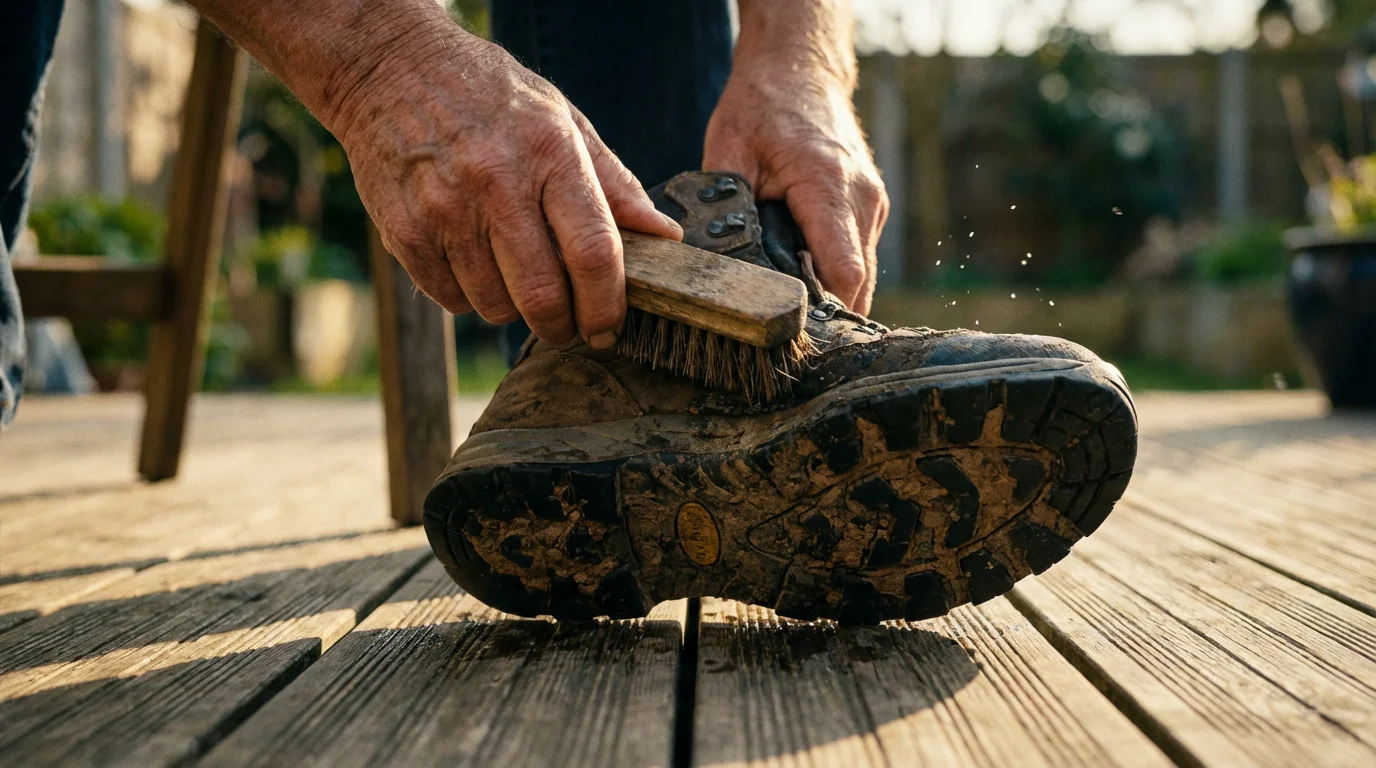
- Clean Regularly: Wipe down shoes after dusty or muddy excursions. Use a soft brush and mild soap for tougher grime, following manufacturer guidelines.
- Air Dry Thoroughly: Always air dry your shoes completely, especially after they get wet. Remove insoles to facilitate drying and prevent odor. Avoid direct heat, which can damage materials.
- Rotate Pairs: If you bring more than one pair of travel shoes, rotate them. This allows each pair to fully dry and recover between wears, extending their lifespan.
- Replace Insoles: Over time, insoles compress and lose their cushioning and support. Replacing them annually, or as needed, revitalizes your shoes.
- Store Properly: Store shoes in a cool, dry place away from direct sunlight. Avoid cramming them into tight spaces, which can distort their shape.
- Inspect for Wear and Tear: Periodically check soles for excessive wear, especially around the heel and ball of the foot. Worn outsoles reduce traction and stability, making them unsafe.
By diligently maintaining your senior footwear, you guarantee they are always ready for your next spontaneous journey, providing the reliable comfort you depend on.
Recommended Features Comparison Table
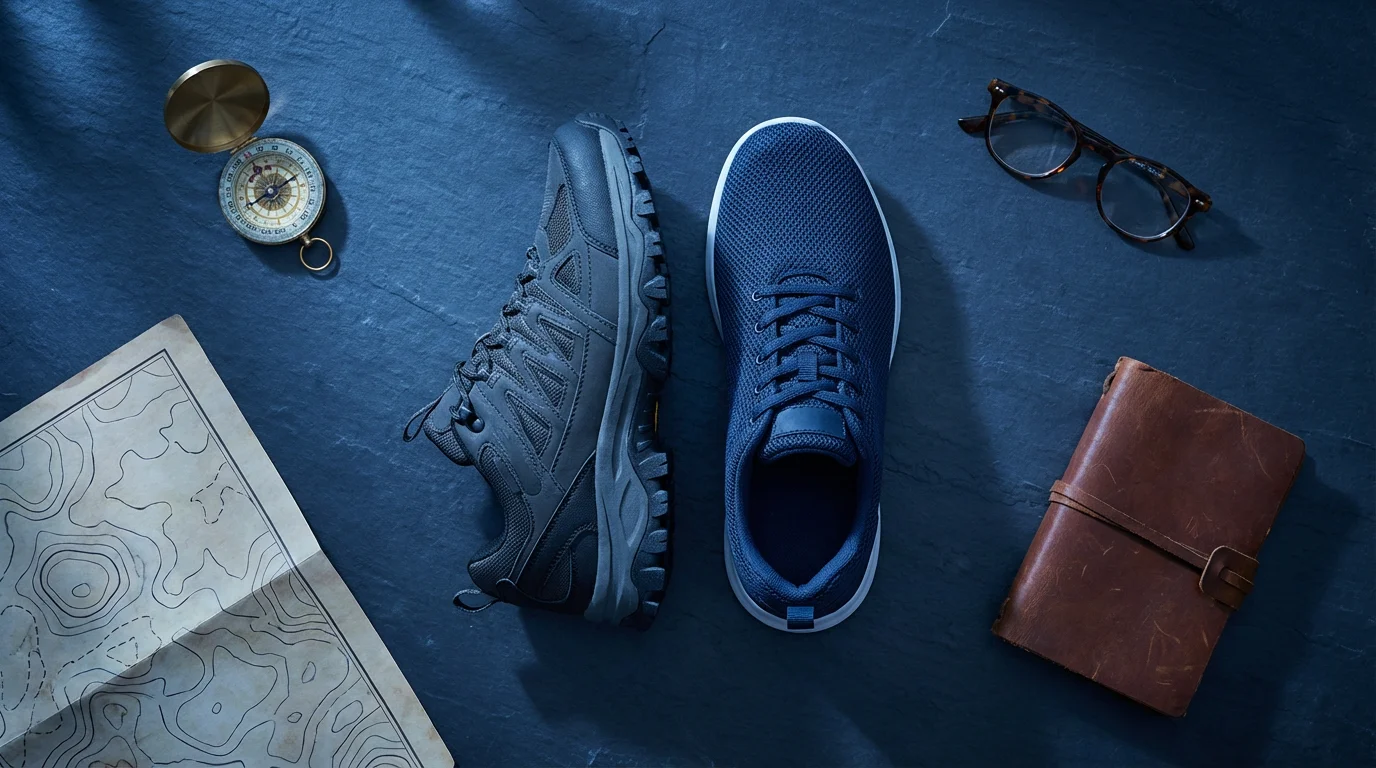
This table helps you compare key features across different shoe types, guiding your selection based on your typical adventure activities.
| Feature | Casual Walking Shoe | Athletic Walking Shoe | Light Hiking Shoe | Travel Sandal/Water Shoe |
|---|---|---|---|---|
| Cushioning Level | Moderate to High | High | Moderate to High | Moderate |
| Arch Support | Moderate | High | High | Variable (seek good support) |
| Stability/Support | Good | Very Good | Excellent (ankle support often higher) | Moderate (look for secure straps) |
| Traction | Good (urban surfaces) | Very Good (pavement, light trails) | Excellent (varied, uneven terrain) | Good (wet surfaces, often quick-drying) |
| Breathability | Excellent | Very Good | Good (some waterproof models less) | Excellent |
| Weight | Light | Light to Moderate | Moderate | Light |
| Water Resistance | Low to None | Low to None (some treated) | Often Water Resistant/Proof | High (quick-drying materials) |
Frequently Asked Questions
What are comfortable walking shoes for travelers over 55?
Comfortable walking shoes for senior travelers prioritize cushioning, arch support, stability, and a proper fit. Look for features like ample shock absorption, firm heel counters, and breathable materials. Brands known for comfort often offer wide widths and customizable insoles.
How do I choose walking shoes if I have specific foot conditions like bunions or plantar fasciitis?
If you have specific foot conditions, consult a podiatrist first. They can recommend shoes with wider toe boxes, specific arch support, or accommodate custom orthotics. Many brands offer extra-wide sizes or stretchable materials to alleviate pressure points.
Is it better to buy walking shoes online or in a physical store?
For your initial purchase or if your foot size has changed, buying in a physical store is highly recommended. You can try on various styles, get professionally measured, and walk around to assess the fit. Once you know your preferred brand and size, purchasing online can be convenient, especially with good return policies.
Should my travel shoes be waterproof?
Whether your travel shoes should be waterproof depends on your destination and planned activities. For rainy climates or damp trails, waterproof shoes are invaluable. For dry, warm destinations, prioritize breathability. Consider bringing both a waterproof option and a highly breathable pair for versatility.
How many pairs of walking shoes should I bring on a trip?
Most senior travelers benefit from bringing two pairs of walking shoes. A primary pair for daily activities, such as an athletic walking shoe, and a secondary pair that can serve a different purpose, like dressier comfort shoes for evenings, or sandals for warm weather. This rotation allows shoes to air out and provides a backup.
What is the most important factor when choosing travel shoes?
The most important factor when choosing travel shoes is fit. Even the highest-rated shoe will cause discomfort if it does not fit your foot properly. Ensure adequate length, width, and volume, and always try them on with the socks you plan to wear during travel.
Your feet are your vehicle for adventure. Equipping them with the right walking shoes sets the stage for comfort, confidence, and countless memorable experiences. By understanding the critical features, selecting the appropriate shoe type for your adventures, and ensuring a perfect fit, you empower yourself to explore the world fully. Step out with confidence, knowing your senior footwear supports every stride of your journey. Happy travels!
Disclaimer: This article is for informational purposes only. Travel conditions, accessibility, and requirements change frequently. We encourage readers to verify current information with official sources before traveling. Always consult with healthcare providers about travel considerations for your specific health situation.







Leave a Reply