
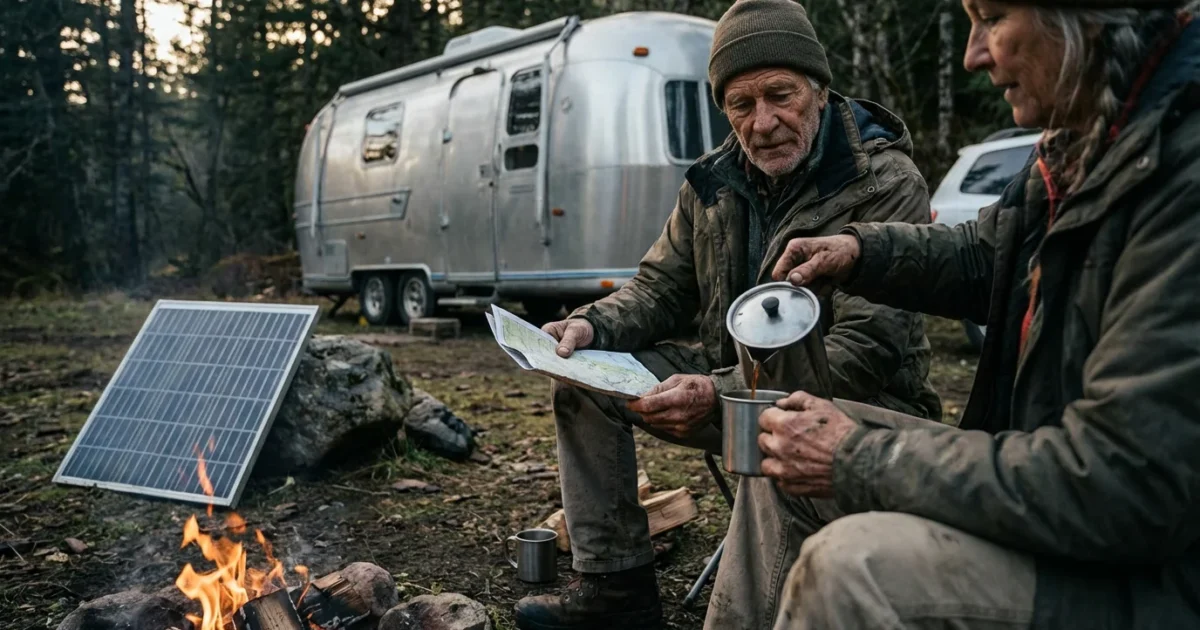
As you embrace your golden years, the call of the open road and the promise of discovery grow stronger. Many seniors seek adventure that is both fulfilling and budget-friendly. Boondocking offers an unparalleled opportunity to explore the vast landscapes of our continent, connecting with nature on your own terms.
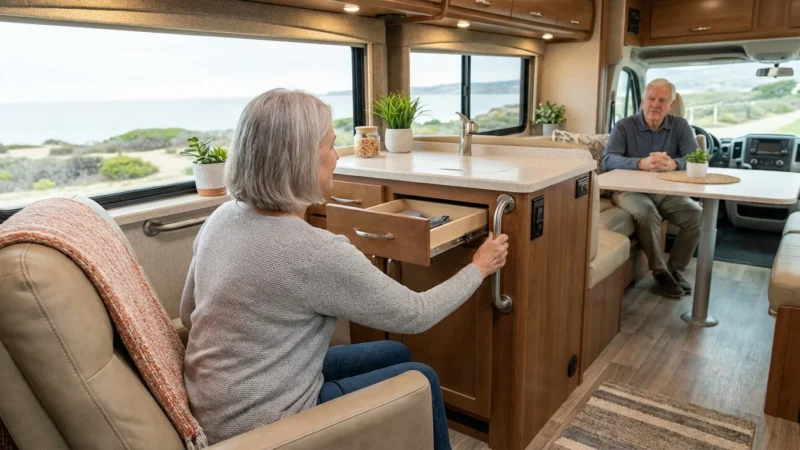
If you have specific physical considerations, exploring accessible adventure options can help you find a vehicle and destination that fits your needs.
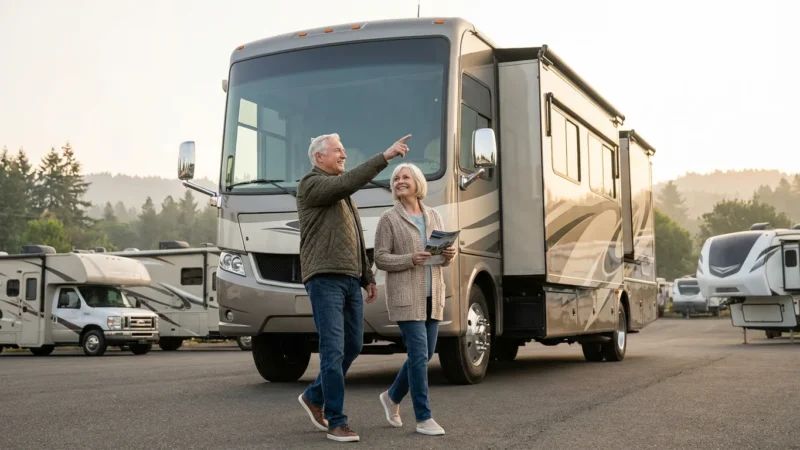
Before setting off, make sure you are choosing the right RV for your specific lifestyle and accessibility needs.
This guide equips you with the knowledge to confidently embark on your boondocking journey, showing you exactly where to find free camping spots and how to boondock safely as a senior. Prepare to unlock a world of freedom, save significant travel costs, and create unforgettable memories.
Table of Contents
- What is Boondocking and Why Seniors Embrace It
- Essential Gear for Your Senior RV Boondocking Adventure
- Where to Find Free Camping Spots: Your Guide to Discovery
- Planning Your Route and Ensuring Senior RV Safety
- Mastering Boondocking Etiquette and Environmental Stewardship
- Overcoming Challenges: Practical Solutions for Senior Boondockers
- Embracing the Boondocking Lifestyle: Real Stories and Inspiration
- Frequently Asked Questions
What is Boondocking and Why Seniors Embrace It
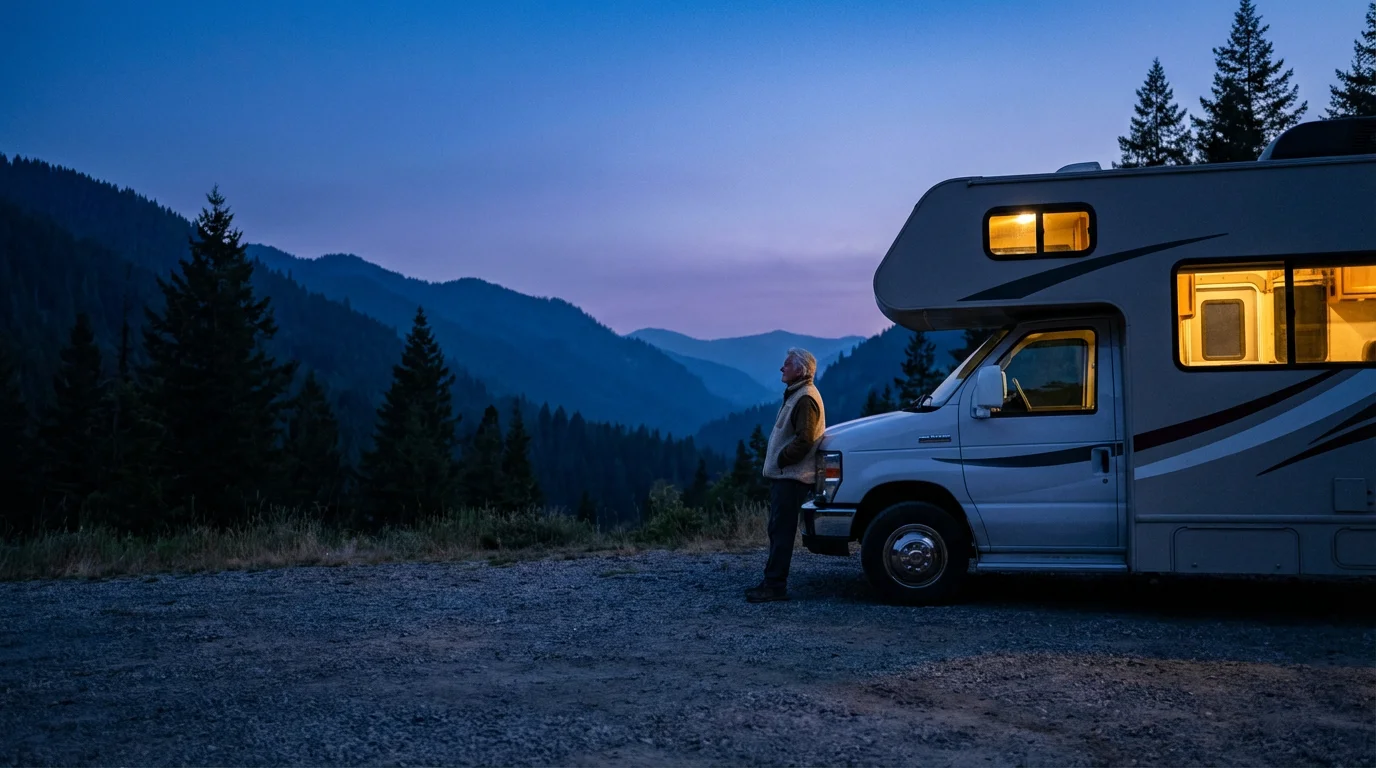
Boondocking refers to camping in an RV or vehicle in undeveloped areas without hookups for water, electricity, or sewer. People often call it dispersed camping or dry camping. You rely entirely on your RV’s self-contained systems, offering ultimate independence.
For seniors, boondocking presents a compelling alternative to traditional campgrounds. You escape the crowds, enjoy profound solitude, and immerse yourself fully in nature’s tranquility. This freedom allows you to set your own pace and itinerary, a significant benefit for travelers seeking flexibility.
The primary advantage of boondocking is its cost-effectiveness. Finding free camping spots eliminates nightly fees, significantly reducing your travel expenses. This allows your retirement budget to stretch further, enabling longer adventures or more frequent trips. It truly empowers you to explore more.
Imagine waking up to incredible sunrises over untouched landscapes, far from the hustle and bustle. Boondocking offers a unique opportunity to connect with wilderness and experience destinations that traditional campgrounds might not reach. It fosters a spirit of self-reliance and deep appreciation for the natural world.
Essential Gear for Your Senior RV Boondocking Adventure
Successfully boondocking as a senior RV traveler requires careful preparation and the right equipment. Your goal is self-sufficiency, ensuring comfort and safety away from amenities. Invest in reliable gear to enhance your experience.
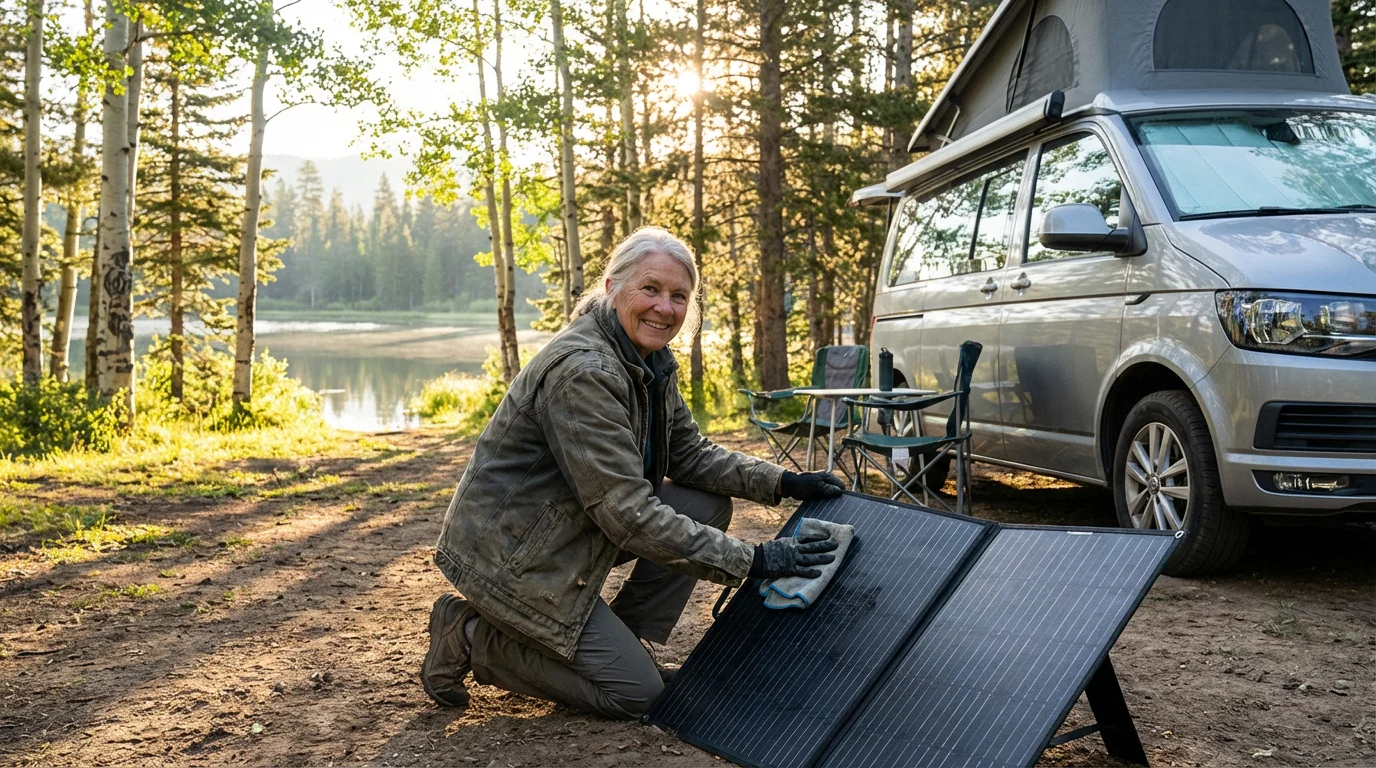
Adequate power is crucial for lights, charging devices, and running essential appliances. Solar panels are an excellent, quiet, and eco-friendly option for recharging house batteries. A portable generator provides a backup power source, but remember its noise and fuel requirements.
Water management is another key consideration. You need to carry enough fresh water for drinking, cooking, and hygiene, while also managing your gray and black water tanks. Consider water-saving techniques and portable waste tanks to extend your stay.
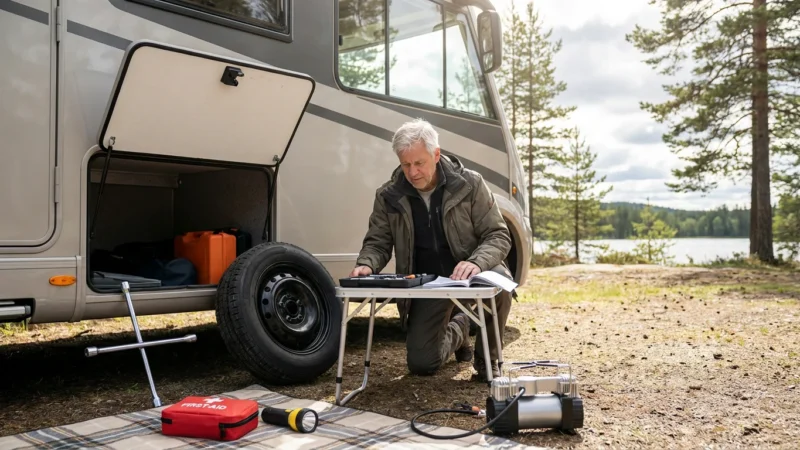
Prioritize safety gear. A comprehensive first aid kit, robust communication devices, and emergency tools are indispensable. Being prepared for unexpected situations provides peace of mind, allowing you to relax and enjoy your surroundings.
Here is a list of essential boondocking gear:
- Power: Solar panel setup with inverter and charge controller, deep-cycle RV batteries, portable generator (with extra fuel), battery monitor.
- Water: Full freshwater tank, potable water containers, water filter or purification tablets, gray water “bluetote” or portable waste tank.
- Waste Management: RV-safe toilet paper, holding tank chemicals, gloves, sewer hose extensions.
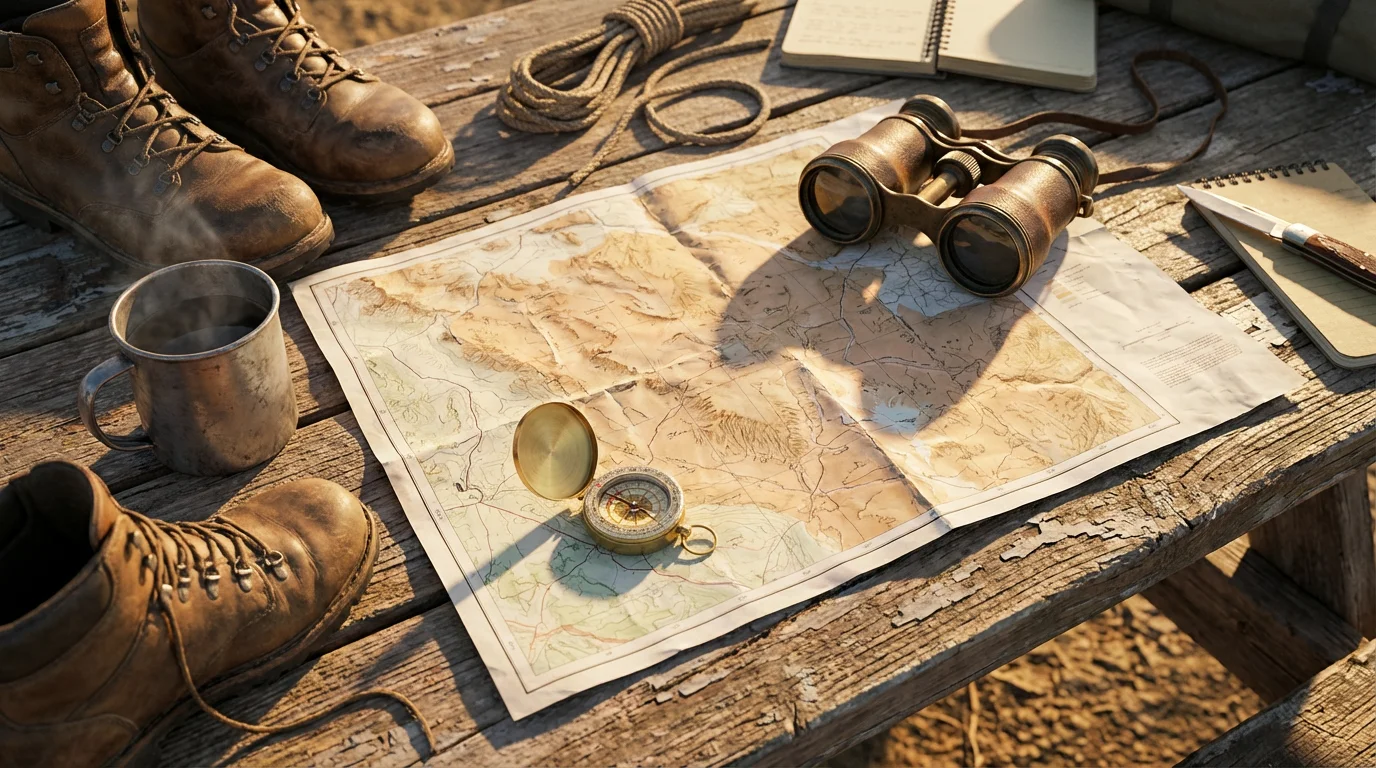
- Navigation: GPS device, detailed paper maps, compass, satellite communication device (e.g., Garmin InReach) for areas without cell service.
- Safety & Emergency: Comprehensive first aid kit, roadside emergency kit, fire extinguisher, powerful flashlight or headlamp, portable air compressor, tire repair kit.
- Comfort: Leveling blocks, sturdy chairs and outdoor mat, insect repellent, warm blankets, trash bags.
- Tools: Basic RV tool kit, duct tape, zip ties, multi-tool.
- Communication: Cell phone booster, two-way radios, fully charged power banks.
Where to Find Free Camping Spots: Your Guide to Discovery
The vast majority of free camping opportunities exist on public lands across the United States. Understanding the different types of public lands and their regulations is key to finding your next amazing spot. These lands offer incredible natural beauty and solitude.
While many popular spots are in the desert, you can also find incredible forest sites when exploring the Pacific Northwest.
Bureau of Land Management (BLM) lands are abundant in the western states and typically allow dispersed camping for up to 14 days in one location. These areas often feature stunning desert landscapes, forests, and mountainous terrain. Always check specific field office rules.
National Forests also offer extensive free dispersed camping options. Similar to BLM, you often find remote, beautiful spots accessible by forest roads. Check with the local Ranger District for motor vehicle use maps and any specific restrictions or fire bans. The National Forest Foundation provides excellent resources for exploring these areas: https://www.nationalforests.org/
Some state forests, wildlife management areas, or county parks might offer limited free camping, but regulations vary significantly. Always research local rules diligently. State websites or direct calls to local authorities provide the most accurate information.
Beyond public lands, several options exist for overnight parking, though these are typically not true “camping.” Many Walmart stores permit overnight RV parking in their lots. Casinos, truck stops, and some large retail chains also frequently allow overnight stays. Always ask permission inside before settling in for the night.
Several apps and websites specialize in helping you locate free camping. iOverlander and Campendium are community-driven platforms offering reviews, photos, and GPS coordinates for countless dispersed sites. Recreation.gov helps you discover and reserve some specific sites, though many listed are paid campgrounds: https://www.recreation.gov/
Consider these resources for finding your ideal free camping spots:
- BLM Land: Websites, local field office maps, and apps like iOverlander or Campendium.
- National Forests: Local Ranger District websites and offices, Motor Vehicle Use Maps (MVUMs), National Forest Foundation resources.
- Retailers & Casinos: Ask store managers or security personnel directly upon arrival.
- Online Platforms: iOverlander, Campendium, FreeCampsites.net.
The clearest way into the Universe is through a forest wilderness. — John Muir
Planning Your Route and Ensuring Senior RV Safety
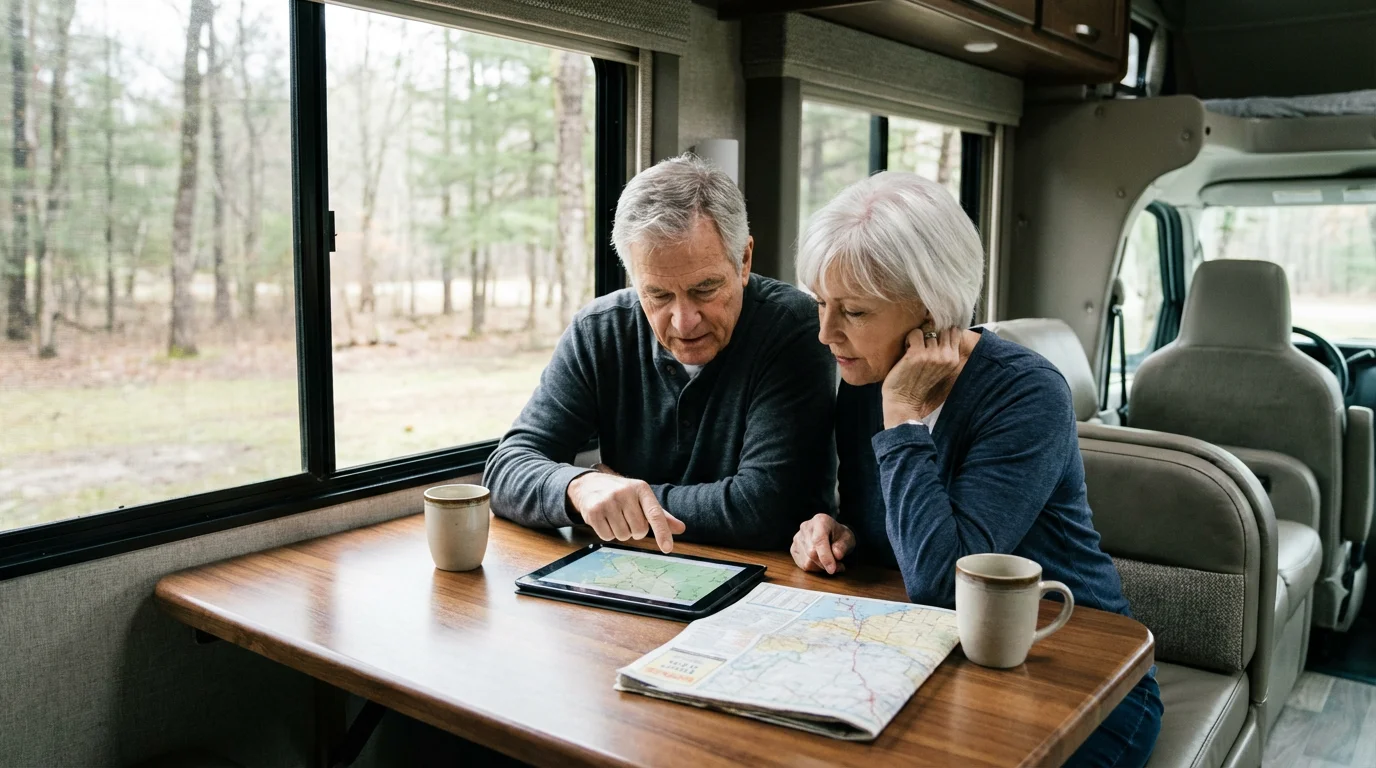
Thorough planning is your best friend when preparing for any boondocking trip, especially when considering senior RV safety. Detailed research minimizes surprises and enhances your overall enjoyment. You gain confidence and peace of mind through careful preparation.
Along with physical prep, look into adventure travel insurance for seniors to cover any unforeseen circumstances while exploring remote areas.
Before heading out, research your intended boondocking location extensively. Check road conditions, particularly for unpaved or gravel roads, and assess their suitability for your RV. Look for recent reviews or reports on accessibility and potential hazards. Knowing what to expect prevents costly or dangerous situations.
Always share your itinerary with a trusted friend or family member. Provide your planned route, estimated arrival and departure times, and details about your specific boondocking spot. This crucial step ensures someone knows your whereabouts, especially if you venture into areas without cell service.
Health considerations are paramount for senior travelers. Pack all necessary medications in easily accessible locations and ensure you have more than enough for your trip’s duration. Carry copies of your prescriptions and medical contacts. Be mindful of your energy levels, take frequent breaks, and stay hydrated.
Safety at your campsite involves several practical steps. When you arrive, ensure your RV is level and secure. Be aware of your surroundings, look for potential hazards like unstable ground or falling branches. Familiarize yourself with local wildlife and take precautions to secure food and attractants, preventing unwanted animal encounters.
Here is a step-by-step planning guide for senior boondockers:
- Research Your Destination: Identify potential boondocking sites on BLM or National Forest lands. Check for road accessibility, weather patterns, and specific rules.
- Check for Cell Service: Use apps or online resources to gauge expected cell coverage. Plan for satellite communication if service is nonexistent.
- Plan Your Route: Map out your drive, noting gas stations, grocery stores, and potential water refill points along the way.
- Inform Your Contacts: Share your exact itinerary, including dates, locations, and expected return, with a trusted person.
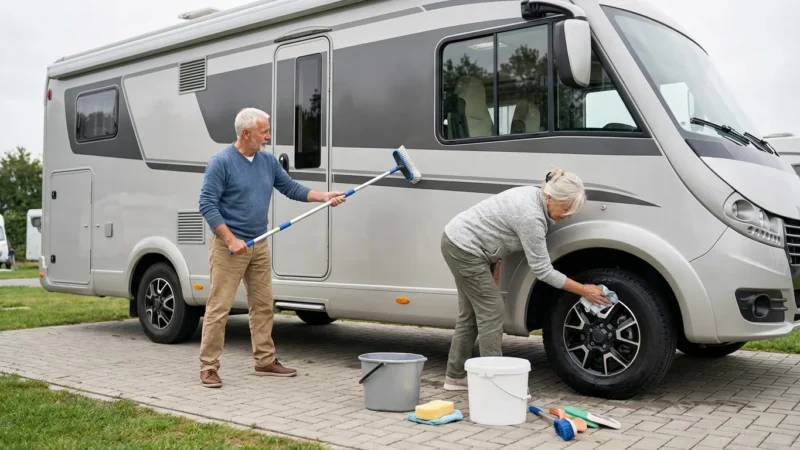
- Perform RV Maintenance: Check tires, fluid levels, brakes, and all essential systems before departure. Ensure your solar setup and batteries are functioning optimally.
- Pack Medications and Essentials: Gather all prescriptions, a well-stocked first aid kit, and sufficient water and food supplies.
- Arrive in Daylight: Always plan to reach your boondocking spot well before sunset. Setting up in the dark is more difficult and less safe.
- Assess Your Surroundings: Upon arrival, scout the area for potential hazards, clear egress routes, and safe leveling spots.
- Practice Leave No Trace: Commit to packing out everything you pack in, leaving your campsite pristine for the next adventurer.
Mastering Boondocking Etiquette and Environmental Stewardship
Boondocking thrives on mutual respect and a deep commitment to protecting the natural environments we enjoy. Adhering to proper etiquette ensures these precious free camping opportunities remain available for everyone. You contribute positively to the boondocking community and the environment.
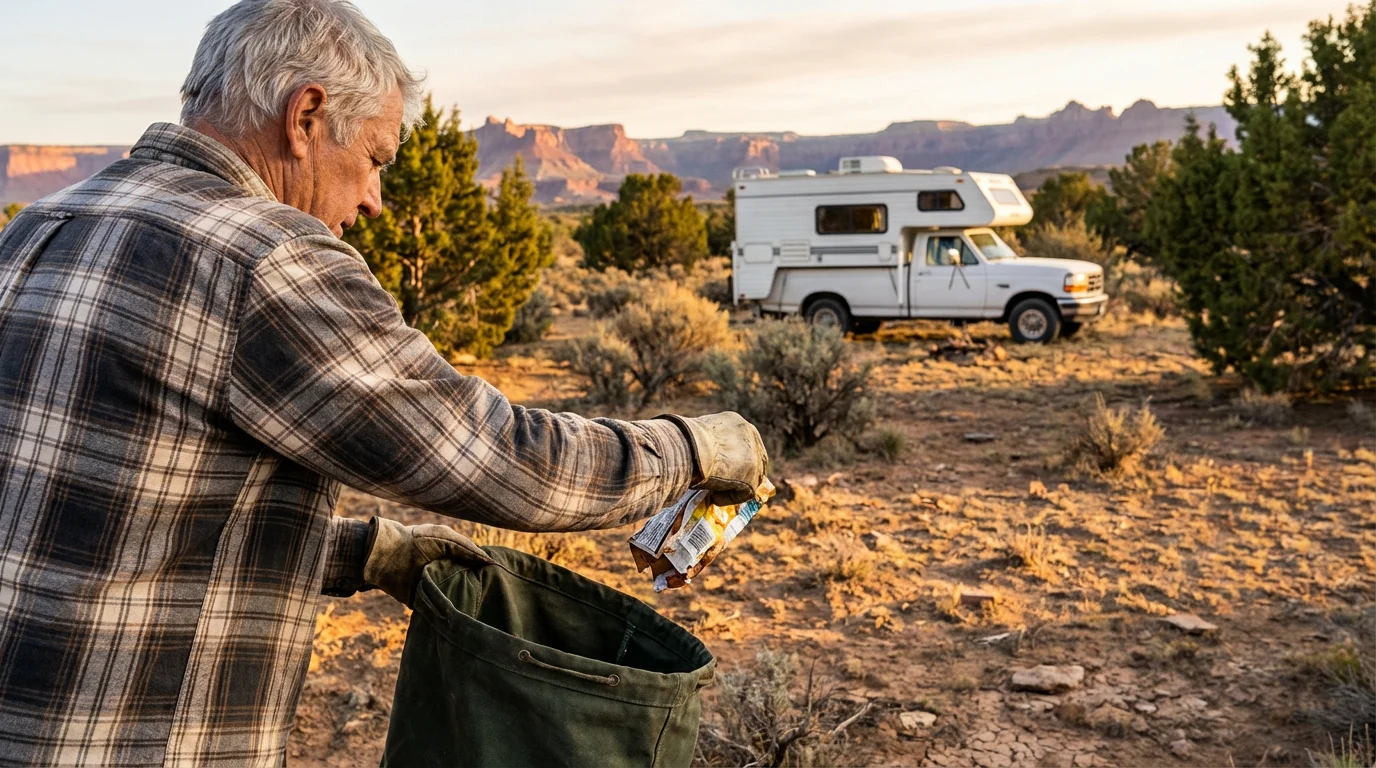
The “Leave No Trace” principles form the bedrock of responsible boondocking. This means packing out everything you pack in, including all trash, food scraps, and even human waste where facilities are absent. Your goal is to leave your campsite looking as if you were never there.
Respect for other campers’ privacy and tranquility is essential. Maintain reasonable distances from other boondockers, if any are present. Keep noise levels down, especially during traditional quiet hours. The remote nature of boondocking is its primary appeal, and preserving that peace benefits everyone.
Proper waste disposal extends beyond just trash. Manage your gray and black water responsibly. Never dump holding tanks directly onto the ground, as this contaminates the environment. Use designated dump stations or appropriate portable waste containers and dispose of them correctly. Water conservation also falls under this umbrella, helping you extend your stay and minimize wastewater.
Fire safety is another critical aspect of boondocking. Always check for current fire restrictions or bans in your chosen area before lighting any campfire. If fires are permitted, use existing fire rings or construct a small, contained fire pit. Never leave a fire unattended, and ensure it is completely extinguished, cold to the touch, before you depart.
By practicing these principles, you help preserve the beauty and accessibility of public lands for future generations. Your responsible actions make a tangible difference. You become a steward of the wild places you love to explore.
Overcoming Challenges: Practical Solutions for Senior Boondockers
While boondocking offers immense rewards, it also presents unique challenges. Being prepared to address these head-on ensures a smoother and more enjoyable experience. You proactively manage potential issues, transforming obstacles into minor inconveniences.
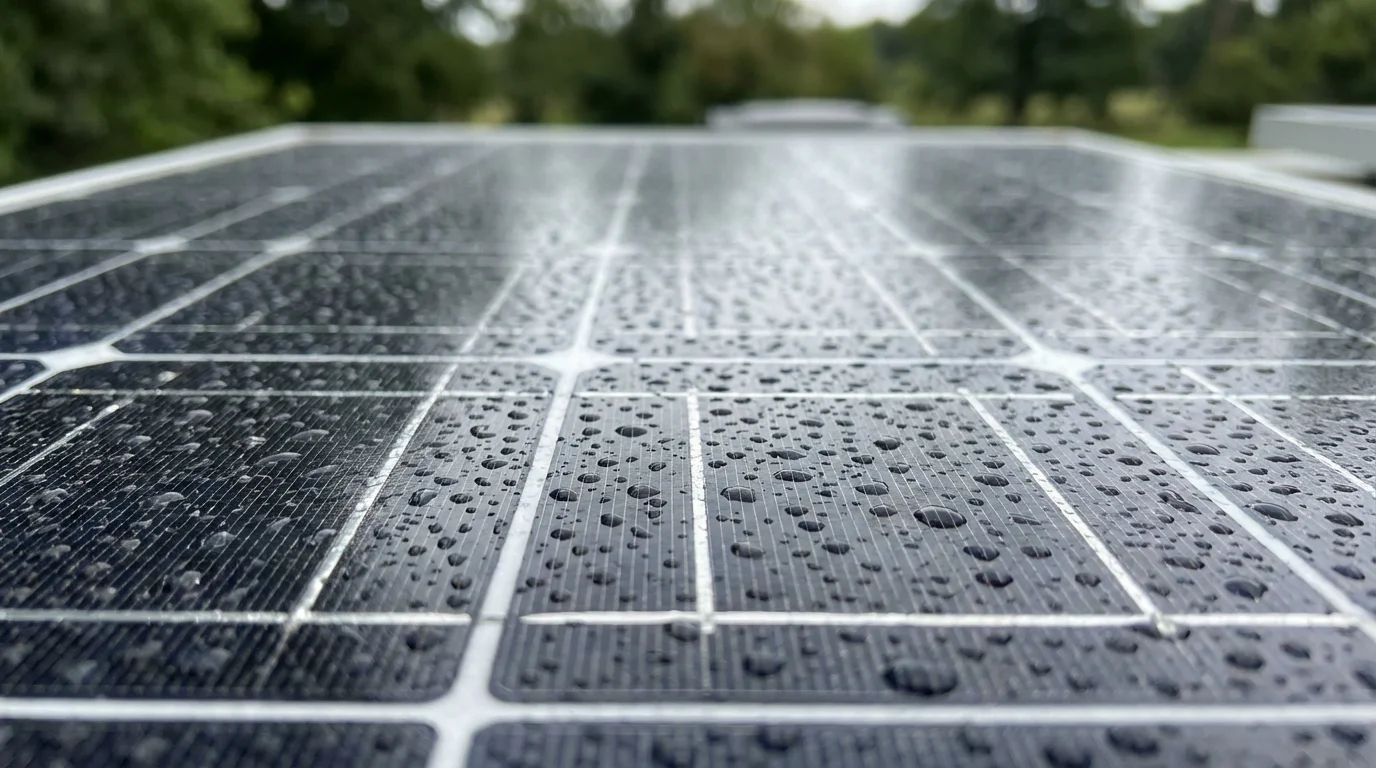
Power management often becomes a primary concern. Running out of battery power can limit your comfort and safety. Invest in a robust solar setup sized for your energy needs, or carry a reliable generator as backup. Monitor your power consumption closely, prioritizing essential appliances.
Water conservation is equally vital. You must make your fresh water supply last while managing limited gray and black tank capacity. Take “navy showers,” wash dishes efficiently, and consider using paper plates for some meals to reduce water usage. Locate water refill and dump stations on your route before you need them.
Dealing with solitude can be a challenge for some, especially solo travelers. Embrace the peace and quiet, but also ensure you have means of communication for emergencies. A satellite messenger provides a lifeline in areas without cell service, giving you and your loved ones peace of mind.
Unexpected weather changes can quickly turn a pleasant trip into a difficult one. Monitor weather forecasts diligently. If severe weather is predicted, have a contingency plan, whether that means moving to a safer location or preparing your RV to weather the storm. Always prioritize safety over staying at a specific spot.
Here are common boondocking challenges and practical solutions:
- Limited Power: Invest in larger battery banks, expand solar panels, use energy-efficient appliances (LED lights, 12V accessories), and minimize unnecessary power usage. Carry a generator for backup.
- Water Depletion: Practice “navy showers,” use minimal water for dishes (consider disposable plates for some meals), collect rainwater if safe, and plan routes with water refill stations.
- Full Waste Tanks: Conserve water to slow tank filling, locate dump stations in advance, and use a portable waste tank (bluetote) to transfer waste if needed.
- Lack of Connectivity: Install a cell phone booster, carry a satellite communication device (e.g., InReach or Starlink RV for internet), and download offline maps and entertainment.
- Navigating Rough Roads: Drive slowly and carefully, know your RV’s clearance, and walk the path ahead if unsure. Use a reliable GPS with offline map capabilities.
- Wildlife Encounters: Store food securely inside, avoid leaving attractants outside, do not feed animals, and educate yourself on local wildlife behavior.
- Emergency Preparedness: Maintain a fully stocked first aid kit, carry essential tools, know how to contact emergency services (even via satellite), and have a clear emergency plan.
Embracing the Boondocking Lifestyle: Real Stories and Inspiration
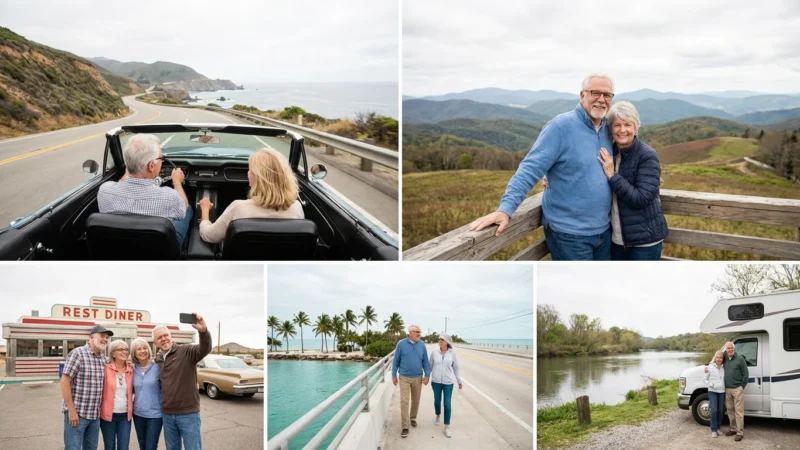
Boondocking offers more than just free camping, it delivers an enriching lifestyle filled with unparalleled freedom and discovery. Seniors across the country are embracing this adventurous way of life, proving that exploration knows no age limit. You gain unique perspectives and experiences.
Consider the story of Mary and John, a couple in their late 60s who sold their home to live full-time in their RV. They spend months at a time exploring vast BLM lands in Arizona and Utah. Mary often says, “Waking up to silence and a sky full of stars is a luxury you cannot buy, only discover.” They have found a new sense of purpose and connection to the natural world.
For solo adventurer Susan, 72, boondocking ignited a passion for photography. Her travels to remote national forests and deserts provide endless subjects. She emphasizes the empowering feeling of self-reliance. “Every new sunrise in a new place reminds me how much more there is to see and experience,” she shares.
These stories highlight the profound impact boondocking has on the lives of seniors. It is not merely a method of travel, it is a philosophy that champions independence, connection with nature, and continuous learning. You become part of a welcoming community of like-minded explorers.
Embrace the challenge of learning new skills, from solar power management to advanced navigation. These experiences keep your mind sharp and your spirit vibrant. Boondocking offers the perfect blend of adventure and tranquility, allowing you to live life to the fullest at any age.
Frequently Asked Questions
Is boondocking safe for seniors?
Yes, boondocking is generally safe for seniors with proper planning and precautions. Always research your location, share your itinerary with others, and ensure your RV has essential safety gear. Trust your instincts and move to a new spot if an area feels unsafe. Many seniors successfully boondock for extended periods.
What are the legal limits for boondocking?
Most public lands, like BLM and National Forests, allow dispersed camping for up to 14 days within a 28-day period at a specific location. Regulations vary by region and land management agency, so always check with the local office or website for precise rules. Private properties, like Walmart parking lots, require permission from management.
How do I get water and dispose of waste while boondocking?
You start with a full freshwater tank and must conserve water diligently. You can refill water at designated RV parks, truck stops, or some city parks. For waste, you use your RV’s holding tanks, which you empty at official dump stations found at RV parks, rest areas, or private facilities. Never dump waste on the ground.
Do I need solar panels for boondocking?
While not strictly mandatory, solar panels are highly recommended for boondocking. They provide a quiet, sustainable, and free way to recharge your RV’s batteries, allowing you to stay off-grid longer. Without solar, you would rely more heavily on a generator or driving your RV to recharge batteries, which can be less convenient and more costly.
What kind of RV is best for boondocking?
Any self-contained RV can boondock, but smaller, more maneuverable RVs (like Class B vans, smaller Class C motorhomes, or travel trailers) often perform better on rougher roads. RVs with larger freshwater and holding tanks, higher ground clearance, and robust solar setups are ideal. Focus on an RV that suits your comfort level and driving ability.
Can I boondock in National Parks?
Generally, National Parks do not allow boondocking or dispersed camping within their boundaries. Most National Parks offer developed campgrounds, which require fees and reservations. You can often find free dispersed camping on adjacent National Forest or BLM lands just outside park boundaries. Always check the specific park’s regulations through the National Park Service: https://www.nps.gov/
Disclaimer: This article is for informational purposes only. Travel conditions, accessibility, and requirements change frequently. We encourage readers to verify current information with official sources before traveling. Always consult with healthcare providers about travel considerations for your specific health situation.

Leave a Reply