
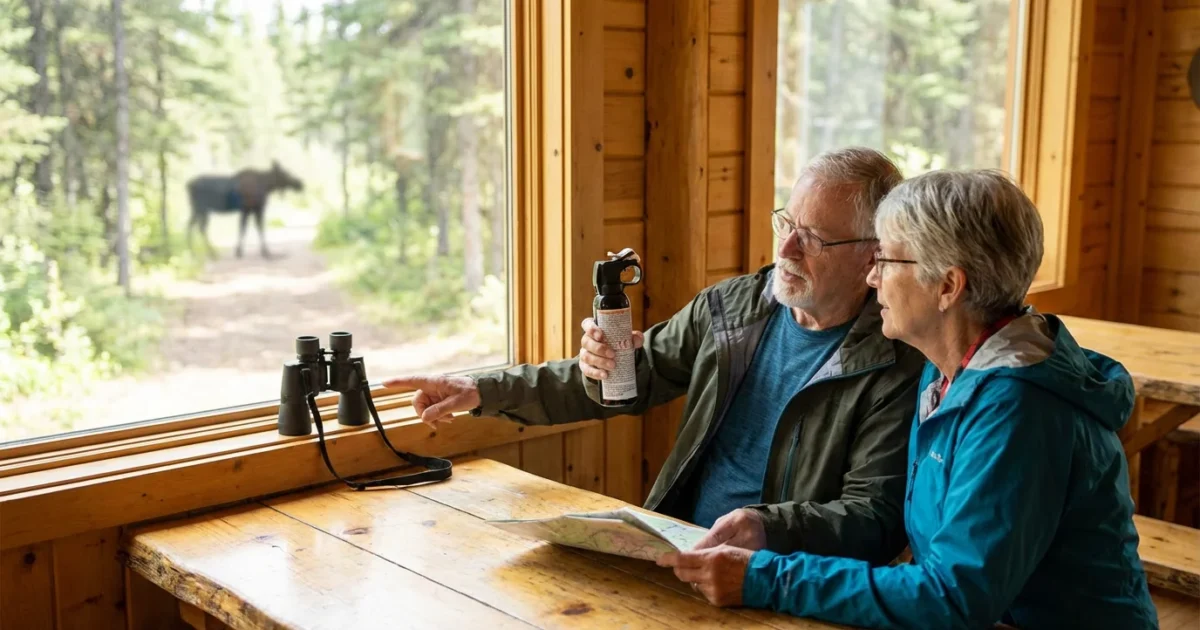
Stepping onto a hiking trail offers a magnificent sense of freedom and connection with nature. You breathe fresh air, admire stunning landscapes, and keep your body moving. Our wild spaces, however, are home to more than just scenic vistas; they host incredible wildlife. Experiencing nature truly means sharing the trail with its inhabitants.
A safe and enjoyable outdoor adventure involves respecting these animals and understanding how to minimize encounters. For senior hikers, preparation and knowledge are your most powerful tools. This guide equips you with practical, actionable strategies to enjoy your treks confidently while keeping yourself and the wildlife safe.
Table of Contents
- Embracing Adventure Responsibly
- Understanding Your Wild Neighbors
- Preparation Is Your Best Defense: Before You Go
- Strategic Trail Practices: On the Path
- Specific Wildlife Encounter Protocols: What to Do
- Essential Gear for Peace of Mind
- Group vs. Solo Adventures: A Safety Perspective
- Staying Healthy and Alert on the Trail
- Frequently Asked Questions
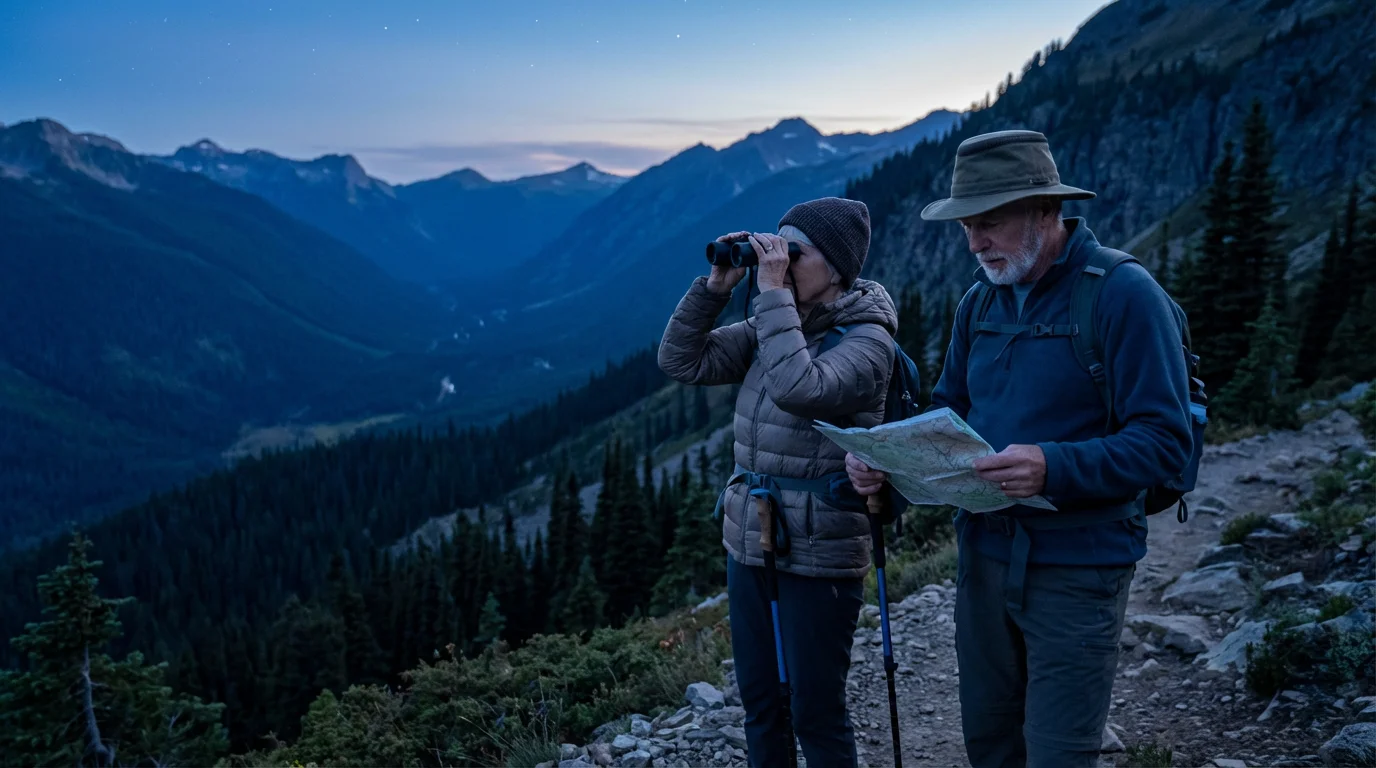
Embracing Adventure Responsibly
As seniors, your love for exploration remains strong. You embrace new experiences, valuing the serenity and challenge of the outdoors. This adventurous spirit thrives on careful planning and responsible practices.
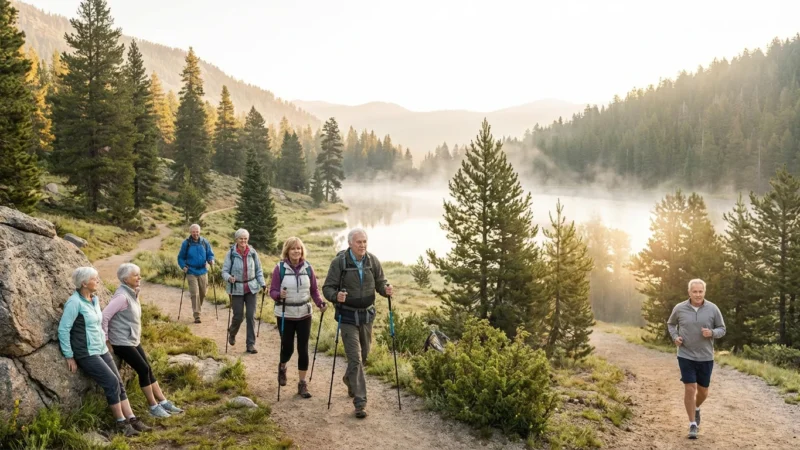
Many active retirees find that joining adventure clubs for seniors helps them gain confidence and share wildlife safety tips with experienced peers.
Prioritizing wildlife safety ensures your hikes create lasting, positive memories. Understanding how to interact with the environment, and its animal residents, protects you and them. This approach allows you to fully immerse yourself in the natural world without unnecessary risk.

Understanding Your Wild Neighbors
Different regions host diverse wildlife. Knowing what animals inhabit your chosen hiking area is your first step in preventing unwanted encounters. Research local species, their behaviors, and any seasonal activity.
For those just starting out, discovering local parks is a great way to observe wildlife in a more managed environment before heading into the deep wilderness.
When exploring the Pacific Northwest, for example, you may encounter very different species than those found in the desert or mountainous regions.
If you are interested in observing nature from a safer distance, birdwatching adventures are an excellent way to connect with the local ecosystem.
Many animals become more active at dawn and dusk. This knowledge helps you plan your hike during less active periods for certain species. Pay attention to warnings about recent sightings or aggressive animal behavior in the area.
Common Wildlife to Consider:
- Bears (Black and Grizzly): Found in many forested and mountainous regions. Black bears are generally smaller and less aggressive than grizzlies, but both require caution.
- Moose and Elk: Large herbivores that can be unpredictable, especially if protecting calves. Moose attacks, though rare, can be very serious.
- Coyotes and Wolves: More common in open plains and some forest edges. They typically avoid humans but can become habituated if fed.
- Mountain Lions (Pumas, Cougars): Elusive predators, generally found in western North America. Encounters are rare but demand extreme caution.
- Snakes (Venomous and Non-venomous): Present in almost all climates. Learning to identify local venomous snakes is crucial for your hiking safety.
- Small Mammals: Raccoons, squirrels, and marmots can carry diseases or become aggressive if they associate humans with food.

Preparation Is Your Best Defense: Before You Go
Thorough preparation significantly reduces your risk of encountering wildlife unexpectedly. It also enhances your overall hiking safety. Think proactively about your route, your gear, and your group.
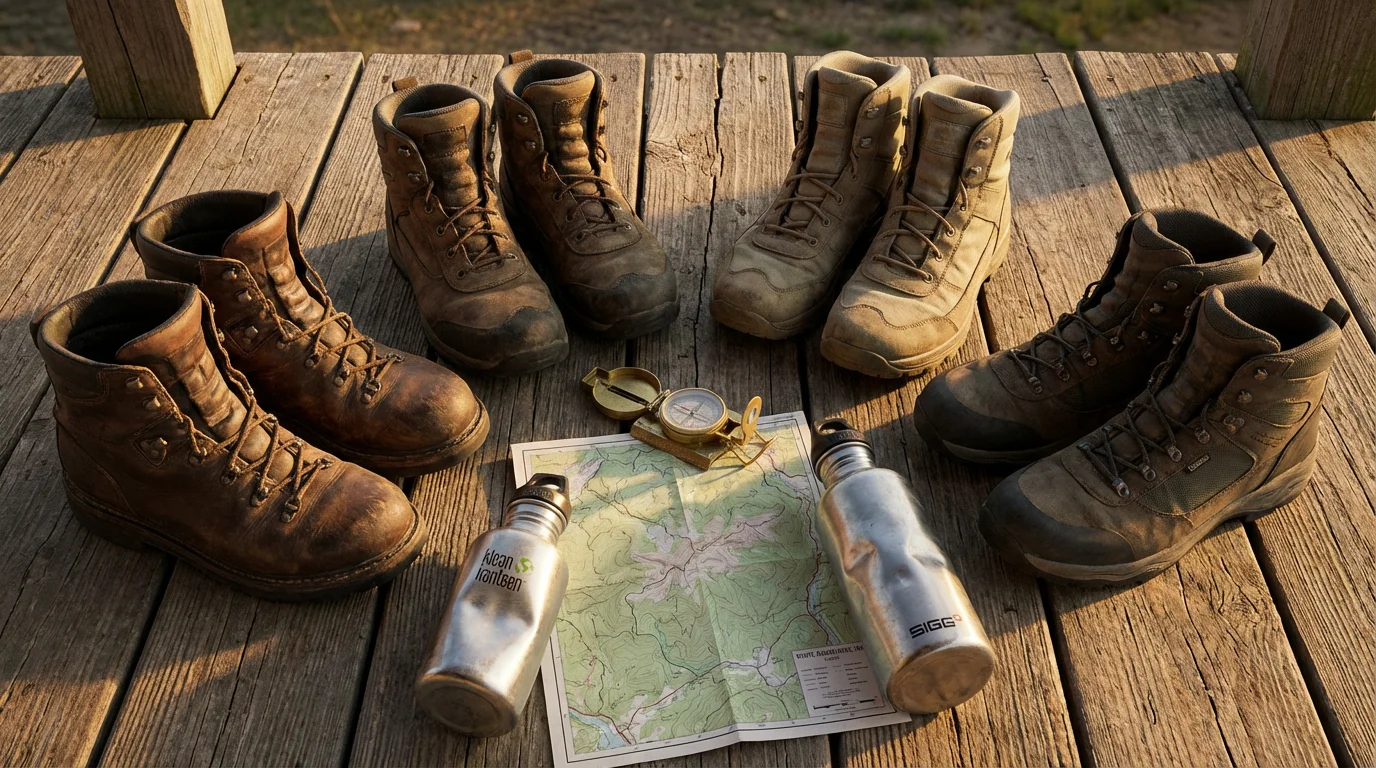
Proper footwear is also a safety essential, so take time choosing the right walking shoes to ensure you have a firm grip and stability on the trail.
Safety preparation should also include financial peace of mind; consider looking into adventure travel insurance for seniors before your next major excursion.
These safety protocols are vital when joining senior group tours in national parks, where encounters with large mammals are more frequent.
Always check trail conditions and advisories from local park rangers or forest services. These resources often provide critical, up-to-date information on `wildlife safety` and recent animal activity. A well-informed hiker is a safe hiker.
Pre-Hike Checklist for Wildlife Safety:
- Research Your Destination: Investigate the specific types of wildlife present in the area. Learn their behaviors and any seasonal patterns. Check the National Park Service or National Forest Foundation websites for local advisories.
- Choose Appropriate Trails: Select trails that match your fitness level and comfort with potential wildlife. Heavily trafficked trails often have less wildlife activity during peak hours.
- Inform Someone of Your Plans: Share your itinerary, including your route, expected return time, and who you are hiking with. This provides a safety net if something unexpected happens.
- Pack Properly: Carry essentials like water, snacks, a first-aid kit, and communication devices. Consider specialized gear for `bear safety` if in bear country.
- Check Weather Forecasts: Sudden weather changes can impact animal behavior and your ability to react to situations. Avoid hiking during storms or heavy fog.
- Secure Food and Scented Items: Use bear-resistant canisters or bags if camping. Even on day hikes, keep food sealed and out of reach in your pack.
- Wear Bright Clothing: While not a guarantee, bright colors can make you more visible to animals and other hikers.
Strategic Trail Practices: On the Path
Your actions on the trail play a crucial role in preventing encounters. Maintain awareness of your surroundings and make your presence known. This active approach protects both you and the animals.
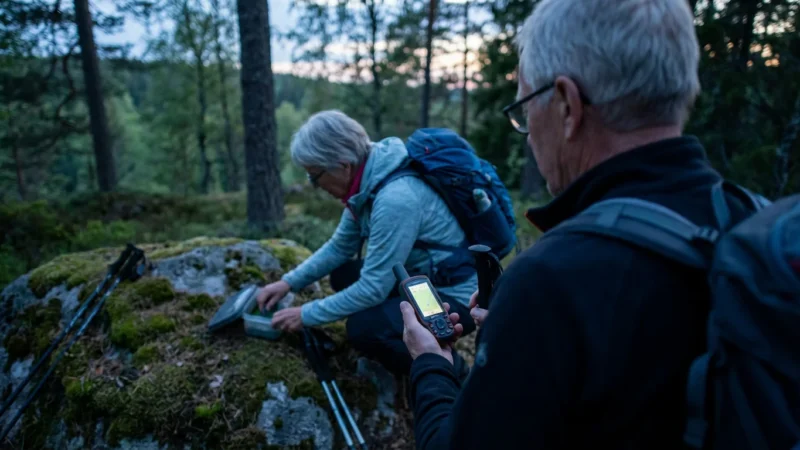
To stay alert while walking, some hikers enjoy the challenge of geocaching fun, which encourages paying close attention to your natural surroundings.
Different environments require different awareness; for instance, exploring the Desert Southwest presents unique wildlife challenges compared to forested regions.
Avoid surprising wildlife, as startled animals are more likely to react defensively. Your hiking safety relies on a calm, prepared demeanor and respectful conduct in their habitat.
Practices for Avoiding Wildlife Encounters:
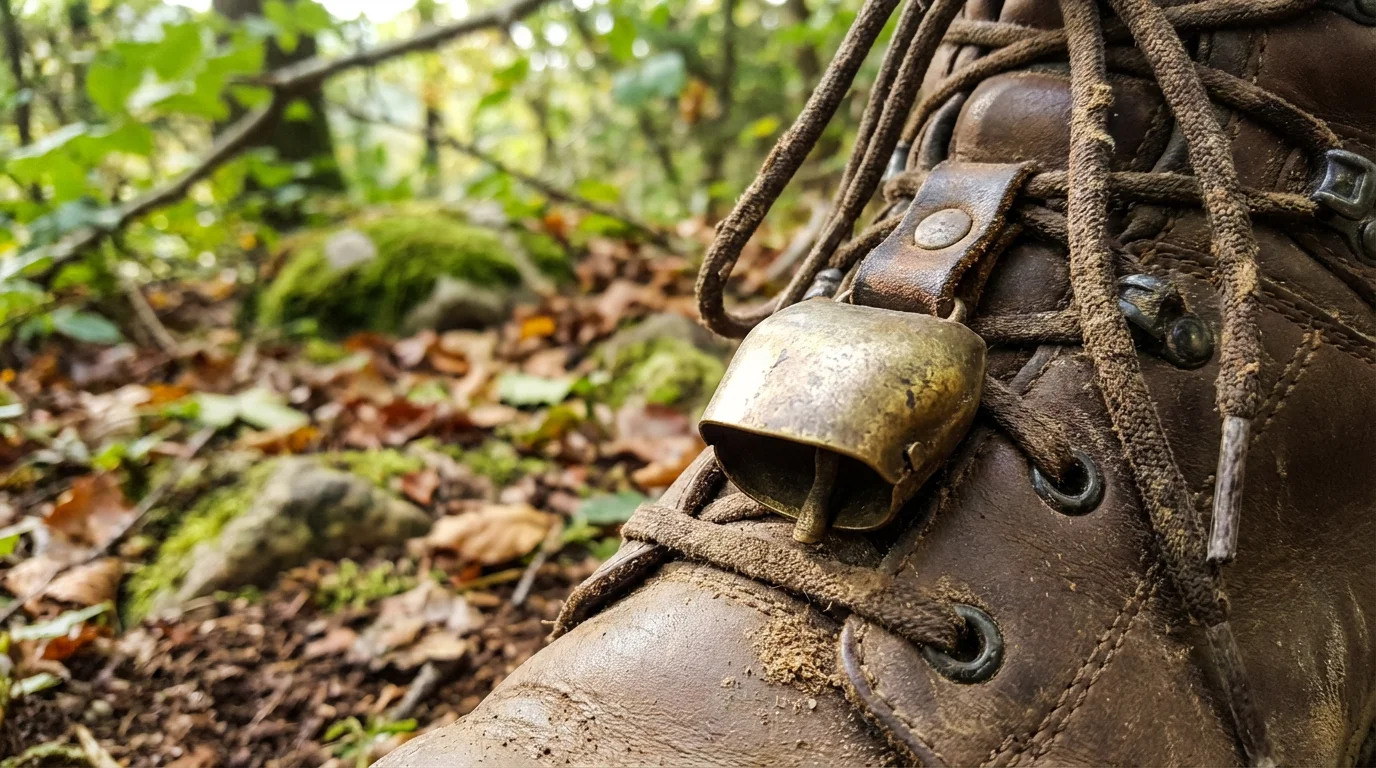
- Make Noise: Talk, sing, or carry a bell. Consistent noise warns animals of your approach, giving them time to move away. This is especially important when hiking through dense vegetation or around blind corners.
- Hike in Groups: Larger groups appear more intimidating to wildlife and make more noise. This significantly reduces the likelihood of an encounter.
- Keep Dogs on a Leash: Unleashed dogs can provoke wildlife, leading to dangerous situations for both the pet and the owner. They might also chase or harass animals, disturbing their natural behavior.
- Stay on Marked Trails: Wandering off-trail can lead you into dense animal habitats or nesting areas. It also increases your risk of getting lost or injured.
- Scan Your Surroundings: Regularly look ahead and to the sides of the trail. Watch for fresh tracks, scat, or disturbed vegetation, which indicate recent animal presence.
- Avoid Dawn and Dusk Hikes: Many animals are most active during these times. If you must hike then, take extra precautions and use a headlamp.
- Never Feed Wildlife: Feeding animals, even seemingly harmless ones, habituates them to humans. This teaches them to approach people for food, leading to aggressive behavior and potential harm to both animals and hikers.
- Pack Out All Trash: Dispose of all food scraps and trash properly. Leaving anything behind attracts animals and disrupts their natural foraging habits.
“The journey of a thousand miles begins with a single step, but only if you know where you are going.”
Specific Wildlife Encounter Protocols: What to Do
Despite your best efforts, you might still encounter wildlife. Knowing `what should seniors do if they encounter wildlife?` empowers you to react calmly and effectively. Your response can determine the outcome of the situation.
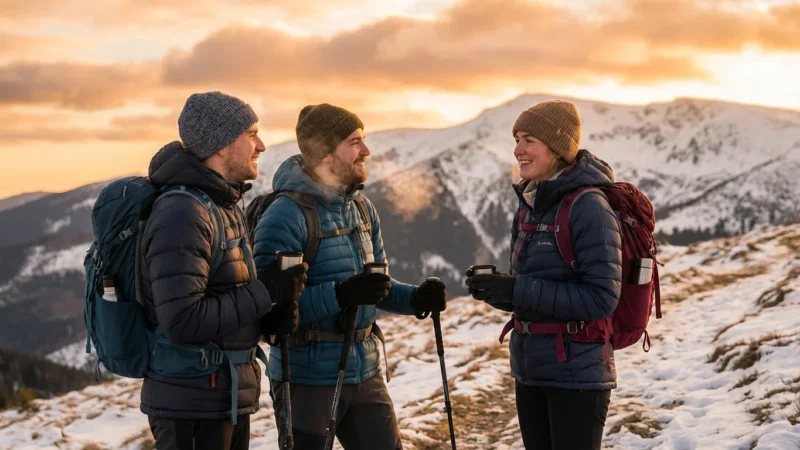
Animal behavior often changes with the seasons, so if you are out in the snow, review our guide on cold weather hiking for comprehensive seasonal safety.
Remember that most animals prefer to avoid humans. Aggressive behavior usually stems from feeling threatened, protecting young, or being habituated to human food. Always prioritize your `hiking safety` by understanding appropriate responses.
If You See Wildlife:
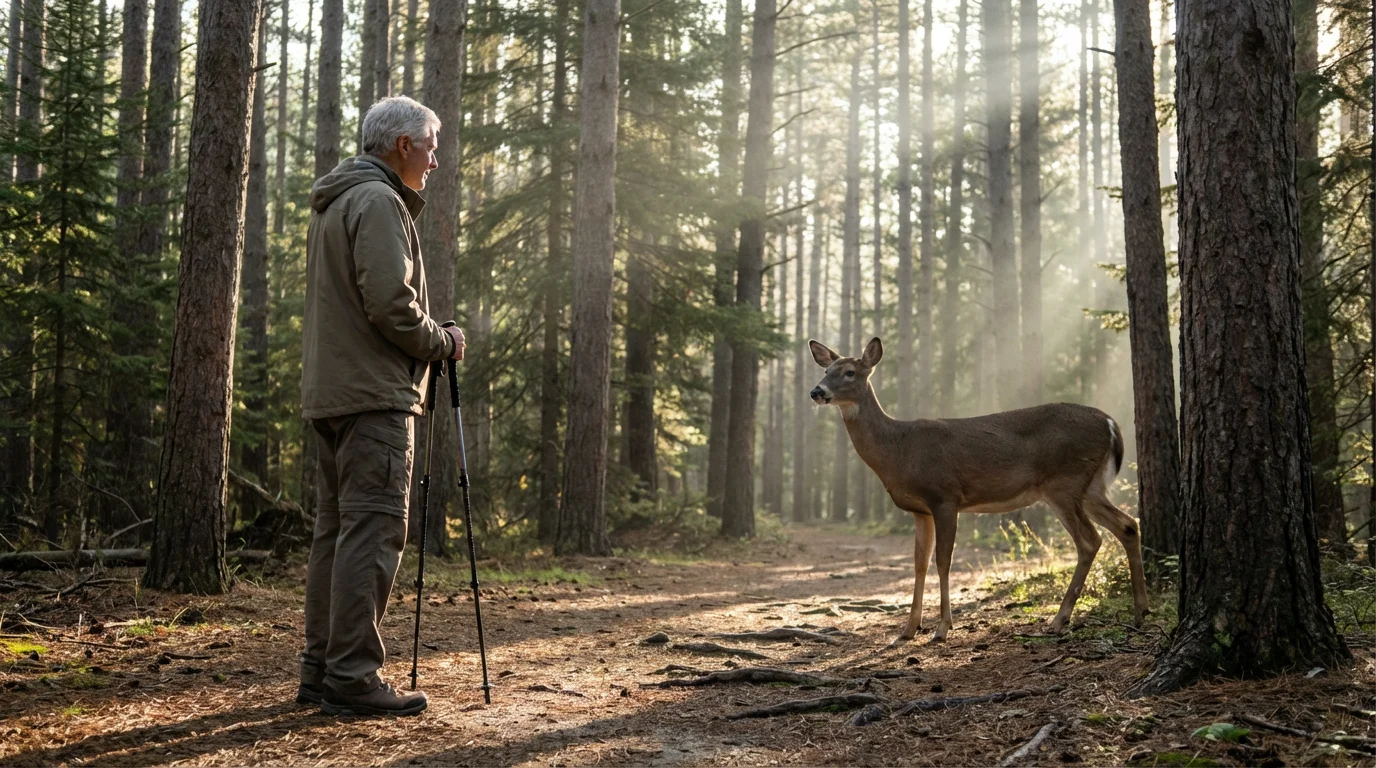
- Give Them Space: Maintain a safe distance. Never approach, follow, or corner an animal. Use binoculars or a telephoto lens for closer viewing. The general rule is if your presence causes the animal to alter its behavior, you are too close.
- Do Not Make Eye Contact: Direct eye contact can be perceived as a challenge by some animals.
- Never Run: Running can trigger a chase response in predators. Move slowly and deliberately.
- Make Yourself Look Big: If an animal acts defensively, raise your arms, wave them slowly, and speak in a low, firm voice. This applies to bears, moose, and mountain lions.
Specific Animal Responses:
- Bears:
- Black Bears: Generally less aggressive. If a black bear approaches, make noise, wave your arms, and try to scare it away. If it attacks, fight back aggressively.
- Grizzly Bears: More dangerous. If a grizzly charges, stand your ground. If it makes contact, play dead immediately by lying on your stomach, covering your neck with your hands. Remain still until you are sure the bear has left. If the attack is prolonged and defensive, fight back. Always carry bear spray in grizzly country.
- Moose and Elk:
- These large animals can be very dangerous, especially during rutting season or if they have calves.
- If a moose or elk charges, run and hide behind a large tree or boulder. They often conduct bluff charges.
- Give them a very wide berth, at least 75 feet, more if possible.
- Coyotes, Wolves, and Mountain Lions:
- These animals usually avoid people. If one approaches, make yourself look large, make noise, and throw rocks or sticks.
- Maintain eye contact with coyotes and wolves. With a mountain lion, never turn your back.
- If attacked, fight back with all your might.
- Snakes:
- Most snake bites occur when people try to handle or harm them.
- If you see a snake, give it plenty of space and walk around it.
- Learn about venomous snakes in your region. If bitten, seek immediate medical attention. Keep the bitten area below your heart and remain calm.
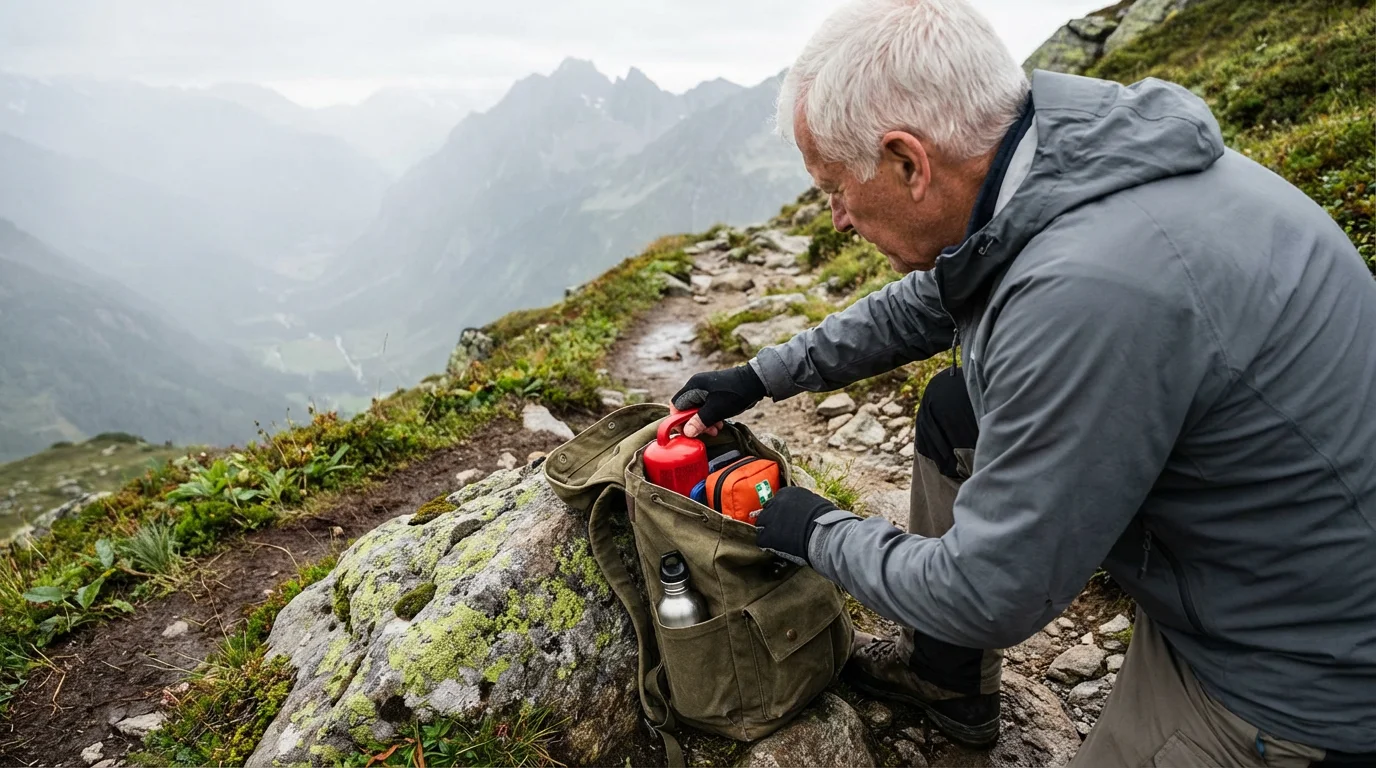
Essential Gear for Peace of Mind
Carrying the right gear enhances your comfort and provides crucial tools for `wildlife safety`. Equip yourself with items that can deter animals or assist you in an emergency. Each piece of gear plays a role in your preparedness.
While safety gear is paramount, don’t forget that choosing the right walking shoes provides the stability needed to navigate uneven trails safely.
Think of your gear as an extension of your knowledge. It provides practical solutions for unexpected situations on the trail, reinforcing your `hiking safety` measures.
Recommended Wildlife Safety Gear:
- Bear Spray: This is a non-lethal deterrent effective against aggressive animals. Purchase it from a reputable retailer and know how to use it. Practice drawing and aiming a inert can if possible. Carry it in an easily accessible holster, not buried in your pack.
- Loud Whistle or Air Horn: Sudden, loud noises can startle and deter many animals.
- First-Aid Kit: Essential for any hike. Include bandages, antiseptic wipes, pain relievers, and any personal medications. Consider adding a snake bite kit, though medical attention remains paramount.
- Proper Food Storage: Bear-resistant canisters or bags prevent animals from accessing your food. These are mandatory in many wilderness areas.
- Navigation Tools: A map, compass, or GPS device ensures you stay on your intended path. Getting lost increases your exposure to unexpected wildlife encounters.
- Headlamp or Flashlight: Necessary if your hike extends into twilight or darkness. It helps you see animals and prevents tripping.
- Trekking Poles: They provide stability, help you maintain balance, and can also be used to make noise on the trail. In an emergency, they offer a perceived defense.
- Communication Device: A fully charged cell phone (though service can be spotty), a satellite messenger, or a personal locator beacon (PLB) can be vital for emergencies.
Group vs. Solo Adventures: A Safety Perspective
Both solo and group hiking offer unique rewards. When considering `wildlife safety`, however, group hiking presents distinct advantages. Assess your comfort level and the specific trail environment.
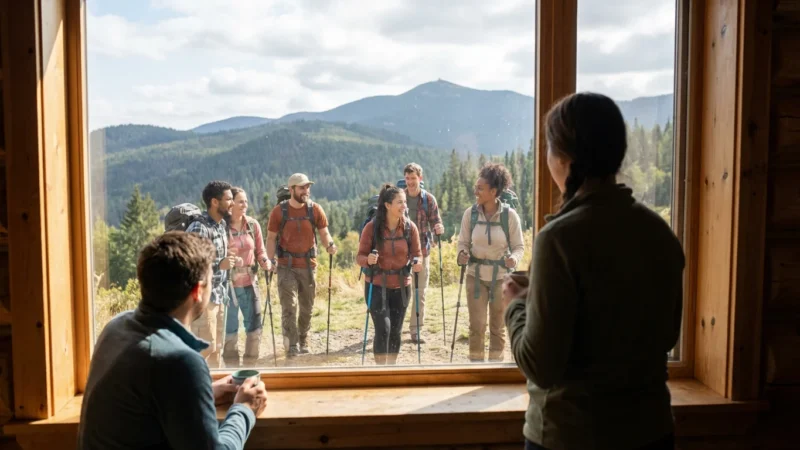
Hiking with others inherently increases your collective safety. More eyes and ears mean greater awareness of your surroundings. A group also presents a more formidable presence to wildlife.
Advantages of Group Hiking:
- Increased Noise: Multiple people naturally make more noise, effectively warning animals of your approach.
- Greater Visibility: A larger group is easier for animals to spot, reducing the chance of a surprise encounter.
- Mutual Support: In an emergency, group members can offer immediate assistance, administer first aid, or seek help.
- Shared Awareness: More people watching for animal signs, tracks, and movement enhance overall trail awareness.
Considerations for Solo Hikers:
- If you prefer solo adventures, choose well-trafficked trails and inform someone of your exact route and expected return.
- Carry a personal locator beacon or satellite messenger for emergency communication.
- Be extra vigilant and make conscious efforts to make noise as you hike.
- Avoid hiking in areas known for aggressive wildlife, especially during peak activity times.

Staying Healthy and Alert on the Trail
Your physical and mental well-being directly impacts your ability to prevent and respond to wildlife encounters. Good health practices are foundational to `hiking safety`. Staying hydrated, nourished, and rested ensures you remain alert.
Fatigue or dehydration can diminish your awareness, making it harder to spot animals or react quickly. Prioritize these aspects of your health for every adventure, as recommended by resources like the CDC Travelers’ Health section.
Health Tips for Enhanced Trail Awareness:
- Stay Hydrated: Carry ample water and drink regularly, even if you do not feel thirsty. Dehydration can lead to fatigue, dizziness, and impaired judgment.
- Eat Nutritious Snacks: Keep your energy levels up with healthy snacks. Stable blood sugar helps maintain focus and alertness.
- Get Adequate Rest: Start your hike well-rested. Fatigue can impair your reaction time and overall awareness.
- Pace Yourself: Hike at a comfortable pace. Pushing too hard can lead to exhaustion, making you less observant and more prone to accidents.
- Know Your Limits: Understand your physical capabilities. Choose trails that are within your fitness level to avoid overexertion.
- Manage Existing Conditions: Bring all necessary medications. Be aware of how your health conditions might affect your response in a stressful situation.
By integrating these health practices into your adventure routine, you enhance not only your personal enjoyment but also your ability to manage unexpected situations, including `wildlife safety` challenges. Your adventurous spirit combined with careful planning ensures many more fulfilling journeys.
Frequently Asked Questions
What are the most common wildlife seniors might encounter on a hike?
Hikers commonly encounter deer, elk, moose, bears (black and grizzly), coyotes, snakes, and a variety of birds. Specific species depend on your geographic location. Always research the local wildlife before you head out.
How can seniors prevent wildlife encounters while hiking?
Prevent encounters by making noise on the trail, hiking in groups, keeping dogs on a leash, and properly storing all food and scented items. Researching your destination’s specific wildlife patterns and regulations also helps immensely.
What should you do if you encounter a bear on the trail?
Stay calm, do not run. Back away slowly while facing the bear. Make yourself look as large as possible. If it’s a black bear, fight back if it attacks. If it’s a grizzly, play dead unless the attack continues. Always carry and know how to use bear spray.
Is it safe for seniors to hike alone in areas with known wildlife?
Hiking alone increases your risk of unnoticed wildlife encounters and reduces the chance of quick assistance if an incident occurs. Consider hiking with a partner or in a group, especially in remote areas or locations known for active wildlife. Always inform someone of your itinerary.
What essential gear helps with wildlife safety?
Carry bear spray and know how to deploy it. A loud whistle can deter animals. Use proper food storage containers or bear bags. A headlamp or flashlight helps for early morning or late evening hikes. Trekking poles can also make noise and offer a perceived defense.
Disclaimer: This article is for informational purposes only. Travel conditions, accessibility, and requirements change frequently. We encourage readers to verify current information with official sources before traveling. Always consult with healthcare providers about travel considerations for your specific health situation.

Leave a Reply