
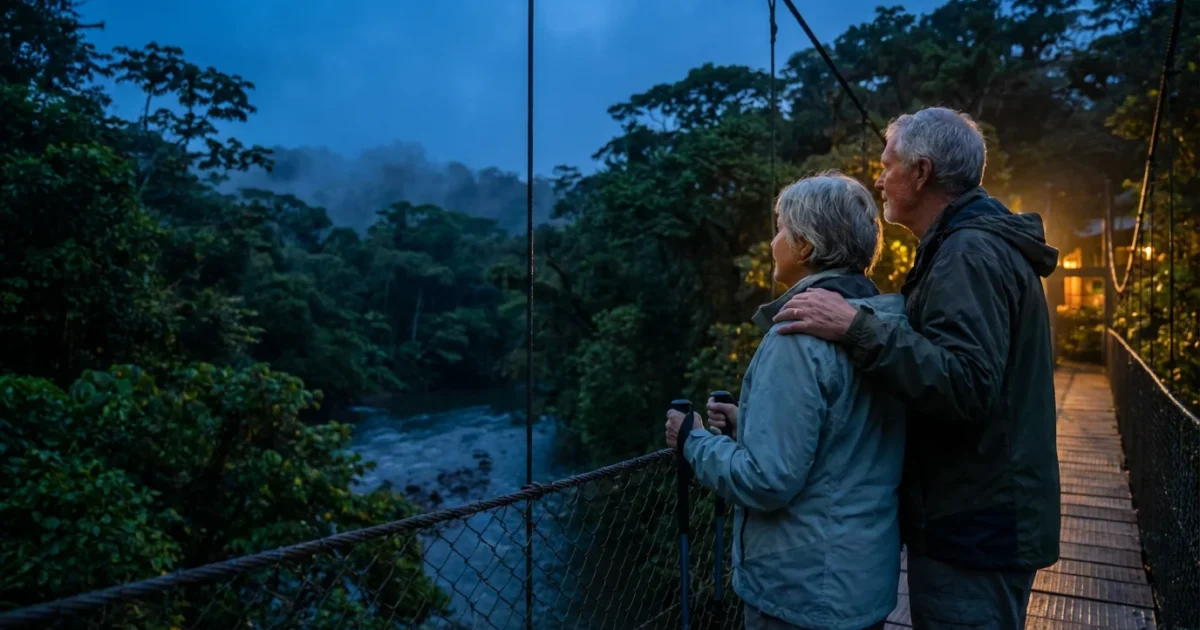
Costa Rica, a jewel of Central America, offers an unparalleled blend of vibrant biodiversity, lush landscapes, and a deep commitment to preserving its natural wonders. This destination stands out as a prime choice for active seniors seeking invigorating travel experiences. You discover a country where ecotourism is not merely a buzzword, but a way of life, welcoming travelers of all ages and abilities to connect with nature.
Connecting with adventure clubs for seniors can also help you find companions who share your enthusiasm for exploring the tropics.
Your journey into Costa Rica reveals a “Pura Vida” lifestyle, emphasizing simplicity, wellness, and happiness. This philosophy perfectly aligns with the adventurous spirit of seniors eager to explore new horizons. You find opportunities for both serene relaxation and thrilling exploration, all within a safe and accessible environment. Embark on an adventure that rejuvenates your spirit and expands your appreciation for the natural world.
Table of Contents
- Why Costa Rica Captivates Active Seniors
- Preparing for Your Costa Rican Eco-Adventure
- Top Senior-Friendly Ecotourism Activities
- Where to Stay: Best Eco Lodges for Seniors
- Navigating Costa Rica: Transport and Logistics
- Health and Safety for Senior Travelers
- Budgeting for Your Pura Vida Journey
- Crafting Your Itinerary: A Sample Plan
- Frequently Asked Questions
Why Costa Rica Captivates Active Seniors
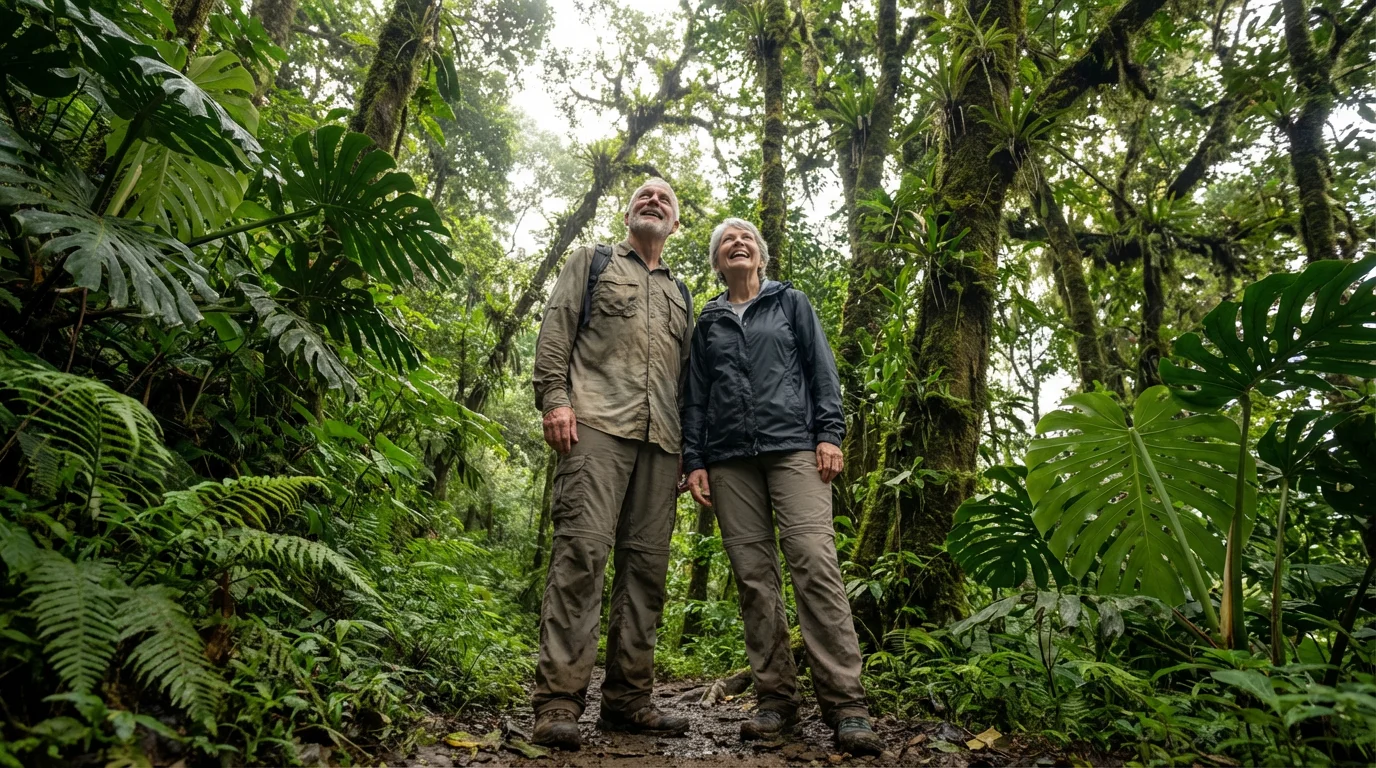
Costa Rica consistently ranks high as a preferred destination for travelers seeking immersive natural experiences. Its unwavering dedication to environmental protection makes it a global leader in ecotourism. You explore a country where over a quarter of its land enjoys protection as national parks, wildlife refuges, or biological reserves.
Even if your physical endurance isn’t what it once was, there are plenty of travel options for seniors with limited mobility throughout the country.
This commitment translates into well-maintained trails, accessible facilities, and a plethora of guided tours catering to various fitness levels. You experience an enriching journey through diverse ecosystems, from misty cloud forests to pristine Pacific beaches. The vibrant culture and friendly locals enhance your overall travel experience, making you feel truly welcome.
The term “Pura Vida” truly embodies the Costa Rican spirit. It means “pure life” and reflects a relaxed, optimistic approach to existence. You will hear this phrase daily, serving as a greeting, a farewell, and a general expression of happiness. Embracing this philosophy allows you to fully immerse yourself in the country’s tranquil beauty and adventurous offerings.

Preparing for Your Costa Rican Eco-Adventure
Careful preparation ensures a smooth and enjoyable Costa Rican adventure. Consider your physical fitness level and discuss your travel plans with your doctor. This allows you to address any health concerns and ensure you are ready for the activities you choose.
Before you fly, it is also wise to look into adventure travel insurance for seniors to ensure you are covered for all your tropical excursions.
Costa Rica is a standout choice for those looking for adventures beyond the familiar while still maintaining a sense of security and comfort.
Understanding CDC Travelers’ Health recommendations for Costa Rica helps you plan for necessary vaccinations and preventive measures. Staying informed empowers you to make wise health decisions before and during your trip. Prioritize your well-being for a worry-free experience.
Many seniors wonder how they handle Costa Rica’s climate. The country features diverse microclimates, ranging from hot and humid coastal areas to cooler, cloud-covered mountains. Pack layers to adapt to changing temperatures and ensure you remain comfortable throughout your explorations. Always remember to stay hydrated, especially in warmer regions, by drinking plenty of water.
Essential Packing List for Your Costa Rican Journey
- Lightweight, breathable clothing, preferably quick-drying fabrics.
- Rain gear, including a waterproof jacket and poncho.
- Comfortable walking shoes or hiking boots with good grip.
- Sandals or water shoes for beach and water activities.
- Swimsuit.
- Sunscreen, sunglasses, and a wide-brimmed hat.
- Insect repellent with DEET or picaridin.
- Reusable water bottle.
- Small daypack for excursions.
- Binoculars for wildlife viewing.
- Portable power bank for electronic devices.
- Any prescription medications, packed in your carry-on.

Top Senior-Friendly Ecotourism Activities
Costa Rica offers a wide array of active travel options designed to accommodate varying activity levels. You find experiences that challenge you gently while providing incredible encounters with nature. Focus on activities allowing you to set your own pace and enjoy the surroundings fully.
Recommended Ecotourism Activities
- Gentle Nature Walks and Birdwatching: Explore well-maintained trails in national parks like Manuel Antonio or Monteverde Cloud Forest. Many lodges offer guided walks specifically designed for seniors, focusing on observation rather than strenuous trekking. Expert guides identify exotic birds and unique flora, enriching your understanding of the ecosystem.
- Wildlife Spotting River Cruises: Take a leisurely boat tour along rivers such as the Tarcoles or Tortuguero canals. These tours provide excellent opportunities to spot crocodiles, monkeys, sloths, and countless bird species from the comfort of a covered boat. You experience minimal physical exertion while maximizing wildlife viewing.
- Soothing Hot Springs: Relax and rejuvenate in the natural thermal hot springs around Arenal Volcano. Resorts like Tabacon or Baldi Hot Springs offer multiple pools at varying temperatures, perfect for easing muscles after a day of exploration. This provides a wonderfully therapeutic experience.
- Canopy Walkways and Hanging Bridges: Experience the forest from a unique perspective on secure hanging bridges. Monteverde and Arenal boast impressive bridge systems that allow you to walk through the rainforest canopy, providing incredible views and opportunities to see arboreal wildlife. These are often flat and well-maintained for ease of access.
- Coffee and Chocolate Plantation Tours: Engage your senses with an educational and delicious tour of a local plantation. You learn about the cultivation and production processes while enjoying fresh samples. These tours involve light walking and offer a cultural insight into Costa Rican agriculture.
The world is a book and those who do not travel read only one page.
— Saint Augustine

Where to Stay: Best Eco Lodges for Seniors
Choosing the right accommodation significantly enhances your ecotourism experience in Costa Rica. Many eco lodges prioritize sustainability, comfort, and accessibility, making them ideal for senior travelers. You find options that seamlessly blend into the natural environment while offering modern amenities and personalized service.
Recommended Eco Lodges and Regions
- Arenal Volcano Region: Look for lodges near La Fortuna. Many provide stunning volcano views, on-site hot springs, and guided tours tailored to various activity levels. Some even offer accessible rooms and paved pathways. Examples include Tabacon Thermal Resort & Spa or The Springs Resort and Spa.
- Monteverde Cloud Forest: Select lodges that offer private nature reserves and direct access to hanging bridges. These accommodations often feature comfortable cabins or rooms with balconies overlooking the forest. Consider El Establo Mountain Hotel or Hotel Belmar for their blend of comfort and natural immersion.
- Manuel Antonio: Choose properties with ocean views and proximity to Manuel Antonio National Park. You find resorts that offer shuttle services to beaches and park entrances, along with accessible room options. Tulemar Resort and Arenas del Mar Beachfront & Rainforest Resort are excellent choices for their services and amenities.
- Osa Peninsula (South Pacific): For a more immersive wilderness experience, consider lodges in this biodiversity hotspot. Many are remote, requiring a short domestic flight, but provide unparalleled wildlife viewing opportunities. Lapa Rios Ecolodge is a prime example, offering guided nature walks and accessible pathways. Always confirm accessibility details if mobility is a concern.
When selecting your lodge, inquire about specific amenities such as accessible rooms, golf cart services, and the availability of private guides. Confirming these details ensures your comfort and maximizes your enjoyment of the Costa Rican ecosystem.
Navigating Costa Rica: Transport and Logistics
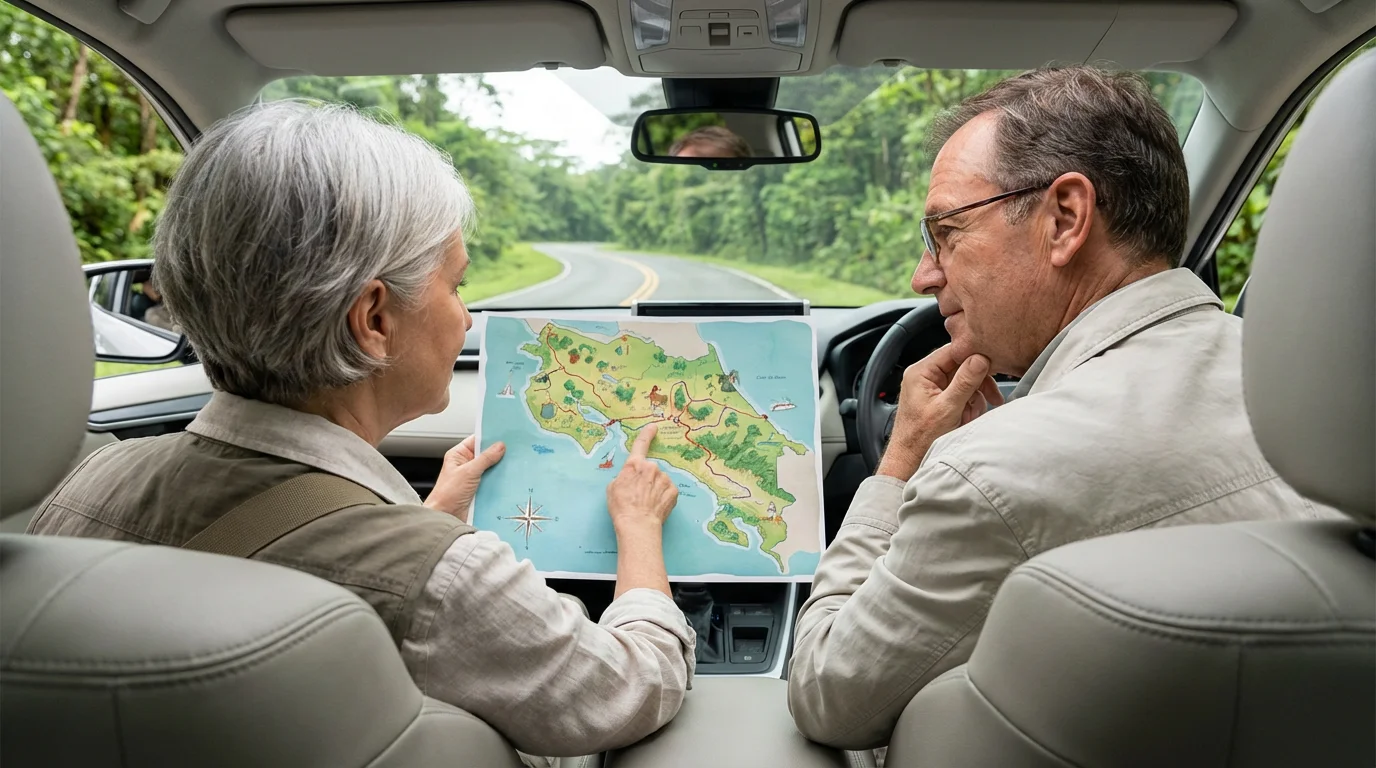
Getting around Costa Rica requires some planning, but several senior-friendly options exist. You can choose methods that prioritize comfort and convenience, allowing you to focus on the adventure. Consider how you prefer to travel between destinations.
Understanding the many benefits of group tours for senior travelers can help you decide if an organized itinerary is right for your Costa Rican trip.
Transportation Options
- Organized Group Tours: Companies like Road Scholar specialize in educational travel for older adults. They manage all logistics, including transportation, accommodation, and guided activities, providing a stress-free experience. This option offers camaraderie with fellow travelers.
- Private Transfers: Hiring a private driver provides maximum flexibility and comfort. You travel directly between destinations at your own pace, stopping for scenic views or breaks as desired. This eliminates the complexities of public transport or navigating unfamiliar roads.
- Domestic Flights: For longer distances or reaching remote areas like the Osa Peninsula, domestic flights offer a quick and efficient solution. Airlines such as Sansa or Aerobell operate regular routes connecting major tourist hubs. This saves significant travel time compared to ground transportation.
- Shuttle Services: Shared shuttle vans are a popular, cost-effective option for intercity travel. They offer door-to-door service between hotels and major destinations. While less flexible than private transfers, they provide a comfortable and convenient way to travel.
- Renting a Car: If you enjoy driving and navigating, renting a 4×4 vehicle provides independence. Be aware that some roads, especially to more remote eco lodges, can be unpaved and challenging. Ensure your rental includes comprehensive insurance and a GPS.
Always book your transportation in advance, especially during peak travel seasons. This secures your preferred method and helps you avoid last-minute complications. A well-planned itinerary reduces stress and enhances your enjoyment.

Health and Safety for Senior Travelers
Your health and safety remain paramount during any adventure. Costa Rica is generally a safe country for tourists, but taking standard precautions enhances your security. Always stay aware of your surroundings and protect your valuables.
Consult your physician about vaccinations and any necessary precautions for tropical travel well before your departure. Consider travel insurance that includes medical evacuation coverage. This provides peace of mind for unforeseen circumstances.
Key Health and Safety Tips
- Stay Hydrated: The tropical climate requires consistent hydration. Drink bottled water or water purified by your lodge. Carry a reusable water bottle and refill it frequently.
- Sun Protection: The equatorial sun is strong. Apply high-SPF sunscreen regularly, wear a wide-brimmed hat, and seek shade during peak sun hours. Sunglasses protect your eyes from intense glare.
- Insect Repellent: Mosquitoes are present, especially in humid and forested areas. Use an effective insect repellent, particularly at dawn and dusk. Consider wearing long sleeves and pants in the evenings.
- Food and Water Safety: Eat at reputable establishments. Wash hands frequently, especially before meals. Enjoy fresh fruits and vegetables, ensuring they are washed or peeled.
- Travel Advisories: Check the U.S. Department of State travel advisories for Costa Rica before and during your trip. This keeps you informed about any current safety concerns or recommendations.
- Emergency Contacts: Keep a list of emergency contacts, including your embassy or consulate, local emergency services, and your travel insurance provider. Share your itinerary with a trusted friend or family member.
Take your time, listen to your body, and do not push yourself beyond comfortable limits. Your Costa Rican adventure should be enjoyable and safe at every turn.
Budgeting for Your Pura Vida Journey
A Costa Rican adventure can fit various budgets, from luxurious eco-resorts to more modest, yet comfortable, options. Planning your expenses helps you allocate funds effectively and avoid unexpected costs. Consider the peak and off-peak seasons when planning your travel dates.
If you are watching your expenses, there are several budget-friendly adventure vacations for retirees that allow you to enjoy Pura Vida without breaking the bank.
The high season, from December to April, offers excellent weather but comes with higher prices for flights and accommodations. Traveling during the shoulder seasons, May, June, or November, often provides a balance of good weather and lower costs. The “green season,” from May to November, brings more rain but also lush landscapes and fewer crowds.
Budgeting Tips for Seniors
- Book in Advance: Secure flights and accommodations several months ahead, especially for popular eco lodges. This often results in better rates and ensures availability.
- Consider All-Inclusive Packages: Some eco lodges and tour operators offer all-inclusive packages that cover meals, activities, and transfers. This simplifies budgeting and often provides good value.
- Eat Like a Local: Explore “sodas,” small Costa Rican restaurants, for delicious and affordable traditional meals. You experience authentic cuisine at a fraction of the cost of tourist-focused restaurants.
- Use Local Transportation: While private transfers offer convenience, shared shuttles or public buses can significantly reduce transportation costs. Weigh your priorities between cost and comfort.
- Look for Senior Discounts: Inquire about senior discounts on tours, attractions, or accommodations. While not universally available, some providers offer reduced rates.
- Carry Local Currency: While credit cards are widely accepted, having some Costa Rican colones for smaller purchases, tips, or local markets proves beneficial.
Your ideal budget depends on your preferred travel style and desired level of comfort. You can enjoy an incredible experience in Costa Rica regardless of your budget, through careful planning and smart choices.
Crafting Your Itinerary: A Sample Plan
Creating a well-structured itinerary maximizes your experience in Costa Rica while ensuring a relaxed pace. This sample plan offers a balanced approach, combining adventure with downtime. Feel free to customize it to match your interests and energy levels.
- Day 1-2: Arrival in San José and Transfer to Arenal Region.
- Arrive at Juan Santamaría International Airport (SJO).
- Arrange for a pre-booked private transfer or shared shuttle to La Fortuna, near Arenal Volcano (approx. 3 hours).
- Check into your eco lodge.
- Enjoy a relaxed evening, perhaps a gentle walk around the lodge grounds.
- On day 2, take a guided gentle nature walk to learn about the volcano and surrounding rainforest flora and fauna.
- Spend the afternoon relaxing at local hot springs, such as Tabacon or Baldi.
- Day 3-4: Monteverde Cloud Forest Exploration.
- Transfer from Arenal to Monteverde (approx. 3-4 hours, often involving a “Jeep-Boat-Jeep” transfer for scenic views).
- Check into your Monteverde eco lodge.
- On day 3, explore the famed hanging bridges, walking through the cloud forest canopy at your own pace.
- Consider a guided birdwatching tour, known for its incredible avian diversity, including the Resplendent Quetzal.
- On day 4, visit a coffee and chocolate plantation for a sensory cultural tour.
- Explore the local community of Santa Elena and its artisan shops.
- Day 5-6: Pacific Coast Relaxation in Manuel Antonio.
- Transfer from Monteverde to Manuel Antonio (approx. 4-5 hours).
- Check into your beachfront or ocean-view resort.
- On day 5, enjoy the beautiful beaches, like Espadilla Beach, perfect for swimming and sunbathing.
- On day 6, take a guided tour of Manuel Antonio National Park. The trails are well-maintained, and guides point out sloths, monkeys, and iguanas. Ensure you book a tour with a senior-friendly pace.
- Day 7-8: Return to San José for Departure or Cultural Exploration.
- Transfer back to San José (approx. 3-4 hours).
- If time permits before your flight, explore the city’s cultural attractions, such as the National Theatre or Gold Museum.
- Enjoy a farewell dinner.
- Depart from SJO.
You can adjust the length of your stay in each region or add days for additional activities like a boat tour in Tortuguero or a visit to the La Paz Waterfall Gardens. Flexibility is key to a truly personalized experience. Consider booking your accommodations and major tours through a reputable tour operator or directly with the eco lodges themselves to ensure they meet your specific needs.
Frequently Asked Questions
Is Costa Rica safe for seniors to travel alone or with a partner?
Costa Rica is generally very safe for senior travelers, whether alone or with a partner. The country boasts a stable democracy and a peaceful culture. Exercise standard travel precautions such as safeguarding valuables and avoiding isolated areas at night. Many senior-friendly tours and lodges specifically cater to individual travelers or couples, providing secure and welcoming environments.
What is the best time of year for seniors to visit Costa Rica?
The best time for seniors to visit Costa Rica depends on their preferences. The dry season, from December to April, offers sunny weather and minimal rain, ideal for outdoor activities. The green season, from May to November, brings more rain but also fewer crowds, lush landscapes, and often lower prices. Travel during shoulder seasons, like May or November, offers a good balance of weather and value. Consider your comfort with heat and humidity.
Do I need to be in excellent physical shape for senior-friendly ecotourism activities?
You do not need to be in excellent physical shape for most senior-friendly ecotourism activities in Costa Rica. Many tours and attractions cater to a range of mobility levels. Options include gentle nature walks on paved paths, boat tours, accessible canopy walkways, and relaxing hot springs. Always check the activity’s intensity level and confirm accessibility beforehand. Communicate any mobility concerns to tour operators to ensure a suitable experience.
How accessible are eco lodges and attractions in Costa Rica for seniors with limited mobility?
Accessibility for seniors with limited mobility varies across Costa Rica. Many newer eco lodges and major attractions have made significant strides in offering accessible rooms, ramps, and paved pathways. However, some older or more remote lodges may present challenges. It is crucial to directly contact the specific eco lodge or tour operator to inquire about their accessibility features. Clearly communicate your needs when booking to ensure your comfort and safety.
What currency should I use, and are credit cards widely accepted?
The official currency of Costa Rica is the Colón (CRC). However, U.S. dollars are widely accepted in tourist areas, hotels, and larger establishments. Many places also accept major credit cards like Visa and Mastercard. It is advisable to carry some Colones for smaller purchases, local markets, or when venturing into less tourist-heavy areas. ATMs are readily available in towns and cities. Inform your bank of your travel plans to avoid card issues.
Are guided tours recommended for senior travelers in Costa Rica?
Guided tours are highly recommended for senior travelers in Costa Rica. Experienced local guides enhance your experience by identifying wildlife, explaining local ecosystems, and sharing cultural insights. Many tours are specifically designed with seniors in mind, offering slower paces and comfortable transportation. Organized tours, such as those offered by AARP Travel partners or Road Scholar, manage all logistics, providing a stress-free and enriching adventure.
Disclaimer: This article is for informational purposes only. Travel conditions, accessibility, and requirements change frequently. We encourage readers to verify current information with official sources before traveling. Always consult with healthcare providers about travel considerations for your specific health situation.







Leave a Reply