

Your passion for exploration thrives at every age. The world remains full of wonders waiting for you to discover, regardless of mobility considerations. Senior travel continues to evolve, making incredible adventures accessible to everyone.
Many travelers prioritize affordable senior travel to ensure their retirement funds go further while exploring new horizons.
You find a growing number of destinations, transportation providers, and tour operators specifically catering to travelers with limited mobility. This guide provides practical, actionable insights, empowering you to plan your next journey with confidence and ease. Embrace new horizons and create unforgettable memories.
Table of Contents
- Embracing the Spirit of Accessible Travel
- Essential Planning for Your Accessible Adventure
- Transportation Solutions for Every Journey
- Exploring Senior-Friendly Accessible Destinations
- Selecting the Right Mobility Aids and Gear
- Group Tours and Guided Adventures for Peace of Mind
- Navigating Challenges and Ensuring Safety
- Maximizing Your Accessible Travel Experience
- Frequently Asked Questions

Embracing the Spirit of Accessible Travel
Your desire to explore remains a powerful force. Mobility limitations represent a challenge, not a barrier to experiencing the world. Many seniors find profound joy and renewed purpose through travel, even with the need for extra planning and support.
Before you set off, debunking myths about senior group travel can help build the confidence needed for your first major excursion.
Connecting with adventure clubs for seniors can provide a sense of community and specialized support during your travels.
Accessible travel focuses on creating inclusive experiences for everyone. It involves thoughtful design and services, ensuring you can navigate destinations comfortably and safely. This approach opens doors to destinations once considered out of reach, offering you freedom and independence.
“The world is a book and those who do not travel read only one page.” — Saint Augustine
You gain significant benefits from embracing accessible travel. These include improved physical well-being through gentle activity, enhanced mental stimulation from new environments, and a boost in overall life satisfaction. You deserve to continue your adventures, enjoying every moment of discovery.

Essential Planning for Your Accessible Adventure
Successful accessible travel begins with thorough preparation. You must consider your specific needs and preferences at every stage of the planning process. Proactive research and clear communication streamline your journey.
When preparing your gear, don’t overlook the importance of choosing the right walking shoes to ensure maximum comfort and stability during your excursions.
Pre-Trip Research is Key
Begin by researching potential destinations and their accessibility infrastructure. Look for official tourism websites, accessibility blogs, and reviews from other accessible travelers. These resources provide invaluable insights into ramps, accessible restrooms, and transportation options.
You can often find detailed accessibility information directly from providers. Hotels, airlines, and attractions increasingly share this data to better serve their guests. Validate all claims with recent reviews or direct contact.
Medical Considerations and Health Preparedness
Consult your healthcare provider well before your trip. Discuss your itinerary, potential activities, and any specific health concerns. Your doctor can offer advice on managing medications across time zones, preventing common travel ailments, and carrying necessary medical documentation.
Carry a comprehensive list of your medications, dosages, and medical conditions. Include contact information for your doctors and an emergency contact person. Pack enough prescription medication for your entire trip, plus a few extra days, in your carry-on bag.
Booking Accessible Accommodations and Transportation
Always specify your accessibility needs when booking. Do not simply click an “accessible room” box online. Call the hotel directly and speak with a manager to confirm specific features, such as roll-in showers, grab bars, and room dimensions. Document these conversations.
When booking flights, inform the airline about any mobility aids you use, like wheelchairs or scooters, and whether you require assistance boarding or deplaning. You can find detailed guidelines on the TSA website regarding security procedures for travelers with disabilities. Reserve accessible seating in advance on trains and buses.
Follow these steps for seamless accessible travel planning:
- Define Your Needs: Clearly list all your specific accessibility requirements, from shower grab bars to oxygen tank storage.
- Research Destinations Thoroughly: Prioritize destinations known for their commitment to accessibility, checking city guides and local resources.
- Communicate Directly: Call hotels, airlines, and tour operators. Confirm accommodations and services verbally, then follow up with an email to create a written record.
- Plan Your Route: Map out accessible routes between attractions, considering public transportation, ride-sharing services, or accessible taxis.
- Prepare for Health: Consult your doctor, pack all medications, and carry necessary medical documents.
- Consider Travel Insurance: Invest in a policy that covers medical emergencies, trip cancellations, and lost or damaged mobility equipment.
- Pack Smart: Create a detailed packing list, including essential mobility aids, comfortable clothing, and any specialized equipment you might need.
Transportation Solutions for Every Journey
Navigating transportation presents a primary consideration for accessible travel. Fortunately, many options exist to help you move comfortably and safely. You can choose from air, sea, rail, or road, each offering distinct advantages.
If you are planning a longer journey, choosing the right RV is a critical step in ensuring comfort and accessibility on the open road.
To simplify your logistics, many travelers opt for accessible group tours for seniors that handle all local transportation and mobility support.
Air Travel with Mobility Aids
Airlines must provide reasonable accommodations for passengers with disabilities. You should notify the airline at least 48 hours in advance if you require wheelchair assistance, have specific seating needs, or plan to travel with an electric wheelchair or scooter. Confirm the battery type and dimensions of your mobility aid with the airline to ensure proper handling.
The TSA offers resources for travelers with disabilities and medical conditions, outlining screening procedures. You can request a Passenger Support Specialist for assistance through security. Remember to keep important documents and medications in your carry-on.
Accessible Cruise Ship Adventures
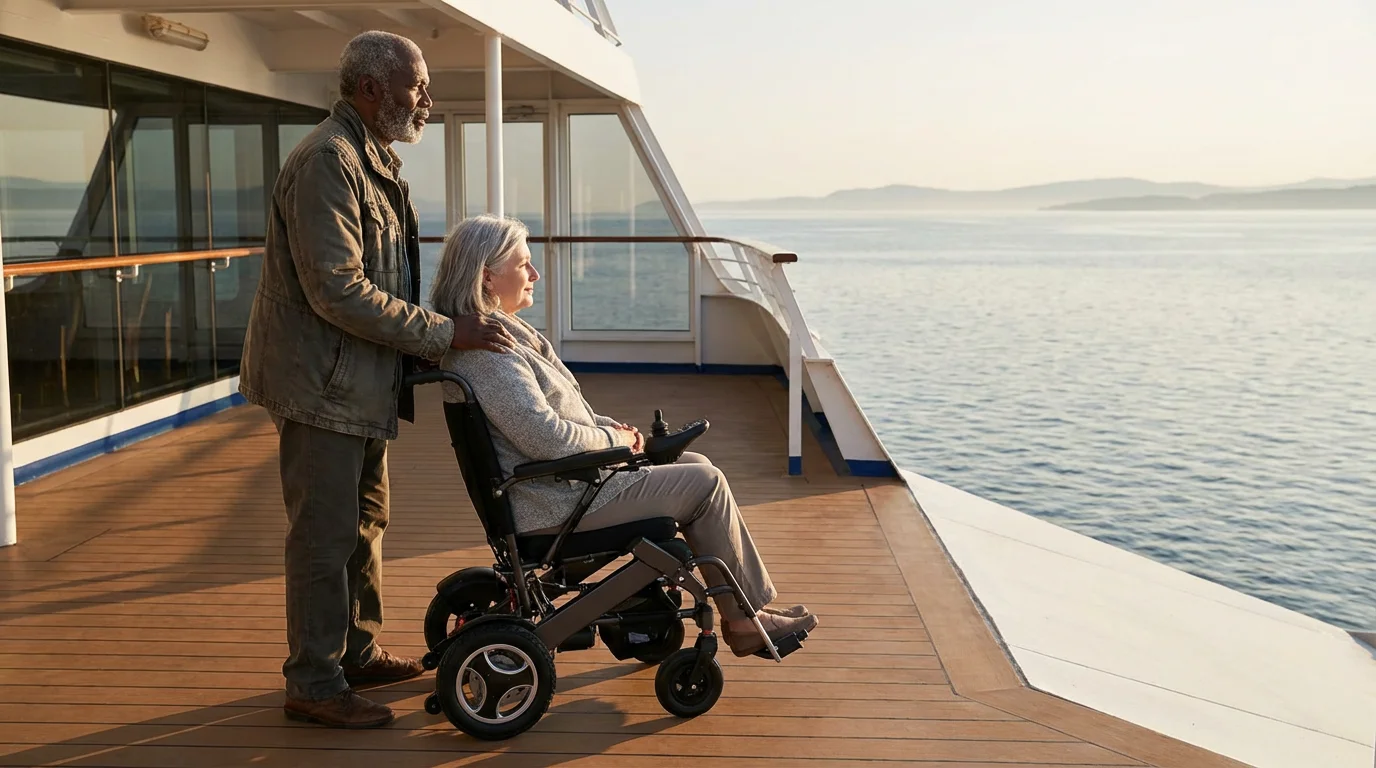
Cruises are often an excellent choice for seniors seeking accessible travel options. Modern cruise ships feature wide hallways, accessible cabins, elevators, and accessible public areas like restaurants and theaters. You only unpack once, and your floating hotel takes you to multiple destinations.
Research individual cruise lines and specific ships for their accessibility features. Some ships offer specialized shore excursions designed for guests with limited mobility. Always verify the accessibility of ports of call and planned activities before booking.
Train Travel and Road Trips
Amtrak provides accessible services for passengers with disabilities, including accessible seating, restrooms, and boarding assistance. You can find detailed information on their website, ensuring a comfortable journey across scenic landscapes.
Road trips offer unparalleled flexibility. Renting an accessible vehicle, such as a van with a wheelchair lift, allows you to set your own pace and itinerary. Many national parks and attractions provide accessible parking and pathways, making exploration easier. If you own an RV, consider modifications for enhanced accessibility, allowing you to travel independently.
Consider the following transportation modes for your next trip:
| Transportation Mode | Key Accessibility Features | Best For | Considerations |
|---|---|---|---|
| Air Travel | Wheelchair assistance, accessible lavatories, mobility aid transport. | Long distances, international travel. | Advance notification required, TSA screening procedures, potential for mobility aid damage. |
| Cruise Ships | Accessible cabins, wide decks, elevators, accessible public spaces, onboard medical services. | Multi-destination travel with single unpacking, social atmosphere. | Shore excursion accessibility varies, port tenders may be inaccessible. |
| Train Travel (e.g., Amtrak) | Accessible seating, restrooms, boarding assistance, scenic routes. | Leisurely domestic travel, avoiding airport hassles. | Limited routes in some regions, station accessibility varies. |
| Road Trips (Accessible Rentals/RV) | Personalized itinerary, door-to-door access, adaptive vehicles available. | Flexibility, exploring national parks, rural areas. | Driving fatigue, fuel costs, parking accessibility. |

Exploring Senior-Friendly Accessible Destinations
The world offers a multitude of destinations prioritizing accessibility. These places ensure you experience their beauty and culture without unnecessary hurdles. You will find comfort and convenience, whether you seek natural wonders or vibrant city life.
In addition to exploring land-based destinations, accessible European river cruises provide a wonderful, stress-free way to see multiple countries from the comfort of a ship.
Accessible National Parks and Natural Wonders
Many U.S. National Parks actively enhance their accessibility. You can find accessible visitor centers, paved trails, scenic overlooks, and even accessible campsites. The National Park Service provides detailed accessibility information for each park, including specific trail conditions and available services. For example, parks like Yellowstone, Grand Canyon, and Yosemite offer numerous accessible viewpoints and boardwalks.
Consider visiting national forests for serene nature experiences. The National Forest Foundation supports initiatives for trail accessibility. Many forests feature paved loops or compacted gravel paths suitable for wheelchairs and scooters.
Accessible Cities and Cultural Hubs
Major cities worldwide invest in accessible infrastructure. San Francisco, with its accessible public transit, and Washington D.C., boasting flat terrain and accessible museums, are excellent domestic choices. European cities like London, with its accessible Underground, and parts of Berlin, known for flat sidewalks and accessible attractions, also welcome travelers with mobility needs.
You can enjoy cultural sites, museums, and historical landmarks with greater ease in these cities. Always check specific venue websites for their accessibility statements and any special provisions they offer, like accessible entrances or loaner wheelchairs.
International Destinations with Good Infrastructure
Beyond Europe, look to destinations such as Singapore, highly rated for its urban accessibility, and parts of Australia, particularly Sydney, offering robust accessible public transport and attractions. Canada, with its commitment to accessibility, also provides excellent options, especially in cities like Vancouver and Montreal.
Planning international travel requires additional research into local laws and cultural norms regarding accessibility. The State Department Travel website offers country-specific information, including health and safety advisories.
Here are some accessible destination ideas:
- Grand Canyon National Park, Arizona: Mather Point, Yavapai Point, and the Rim Trail offer paved, accessible viewpoints for breathtaking vistas.
- Washington D.C.: Explore accessible monuments, museums (Smithsonian institutions), and the National Mall with ease.
- San Francisco, California: Enjoy accessible cable car routes, Fisherman’s Wharf, and Golden Gate Park.
- London, England: Many tube stations are step-free, and major attractions like the British Museum and Tower of London offer accessibility features.
- Sydney, Australia: Experience the accessible Opera House, Circular Quay, and public transport network.
Selecting the Right Mobility Aids and Gear
Choosing appropriate mobility aids and travel gear enhances your comfort, safety, and independence. You want to ensure your equipment suits your specific needs and can withstand the rigors of travel.
Wheelchairs, Scooters, and Walkers
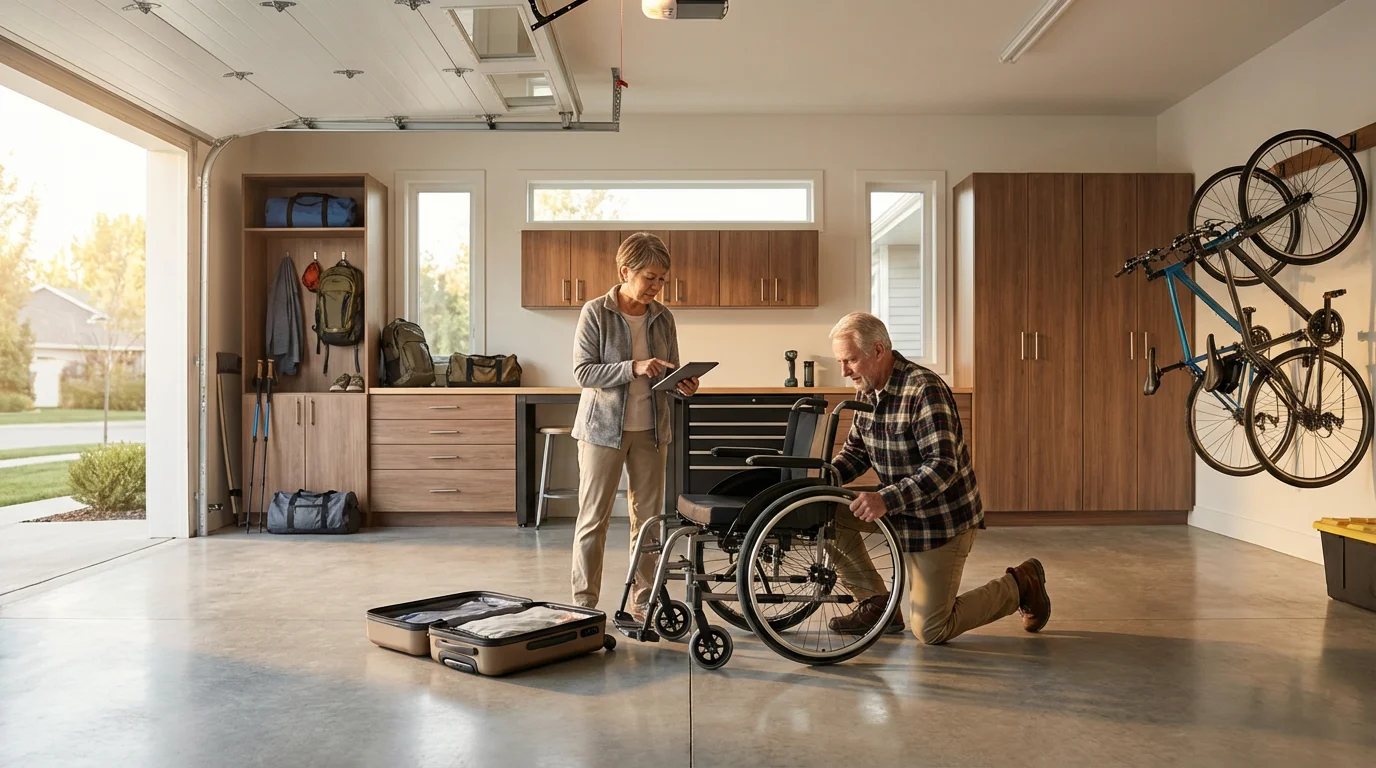
Assess your mobility needs carefully. Manual wheelchairs offer portability, while power wheelchairs or scooters provide greater independence for longer distances. Many travel-friendly models disassemble easily or fold compactly for transport.
If you use a walker or cane, consider a lightweight, foldable version for travel. Ensure any mobility aid you bring meets airline or cruise line specifications for size and battery type. Practice using your aid in varied terrain before your trip.
Portable Ramps and Other Adaptations
Portable ramps can bridge small gaps or navigate steps, opening up more accessible routes. Research lightweight, foldable ramps that you can easily transport. Some hotels or tour operators may offer loaner ramps, but confirming this in advance is essential.
Consider other useful adaptations, such as seat cushions for comfort, grab bars that attach with suction cups for temporary use, or specialized travel pillows. These small additions make a big difference in your travel experience.
Essential Travel Gear for Comfort and Ease
Your packing list should prioritize comfort, convenience, and safety. Focus on items that support your mobility and health needs. Being well-prepared reduces stress and allows you to enjoy your adventure fully.
Here is a suggested packing list for accessible travel:
- Medications: All prescriptions, over-the-counter remedies, and a detailed medication list.
- Medical Documents: Doctor’s notes, insurance cards, and emergency contact information.
- Mobility Aids: Your primary wheelchair, scooter, or walker, plus a backup if feasible, or repair kit for minor issues.
- Accessible Toiletries: Easy-to-open containers, travel-sized adaptive aids if needed.
- Comfort Items: A supportive cushion, travel pillow, compression socks.
- Adaptive Clothing: Easy-on, easy-off garments, comfortable walking shoes with good support.
- Charging Equipment: Chargers for all electronic devices and mobility aids, plus universal adapters if traveling internationally.
- Communication Devices: Fully charged phone, portable power bank, relevant apps for translation or navigation.
- Personal Safety: Small first-aid kit, hand sanitizer, personal alarm, copies of important documents.
- Entertainment: Books, e-reader, music, or puzzles for downtime.
Group Tours and Guided Adventures for Peace of Mind
Group tours offer a fantastic solution for seniors seeking accessible travel, especially those who prefer structure and support. Many companies specialize in accessible travel, handling logistics so you can focus on enjoyment.
Benefits of Group Tours for Accessible Travel
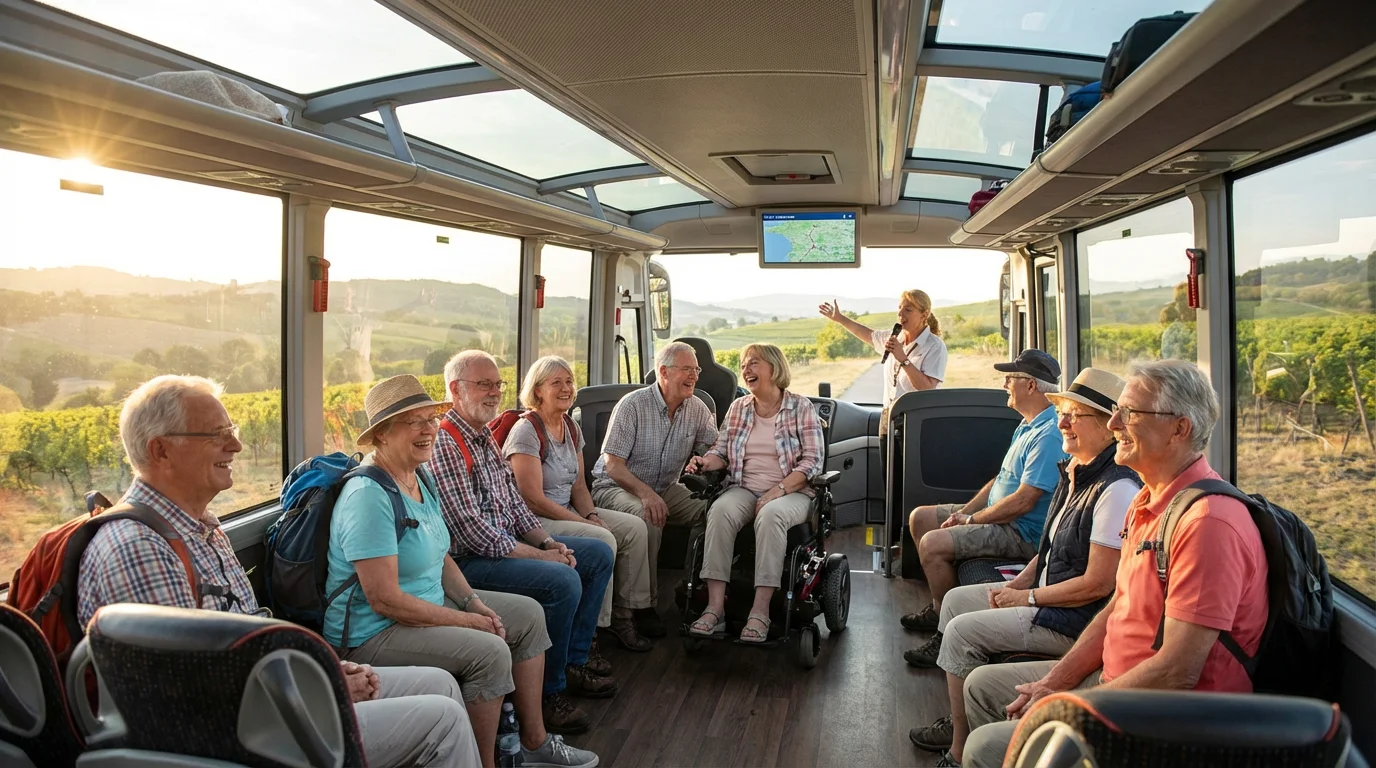
Group tours often include accessible transportation, pre-booked accessible accommodations, and itineraries designed with mobility in mind. You benefit from experienced guides who understand the challenges and can provide assistance. The social aspect of group travel also appeals to many, fostering new friendships and shared experiences.
These tours frequently include a medical or support staff member, offering an extra layer of security. This comprehensive approach minimizes stress and maximizes your ability to participate in activities.
Specialized Accessible Tour Operators
Look for tour operators that explicitly advertise accessible tours for seniors. These companies possess expertise in vetting destinations, hotels, and activities for accessibility standards. They understand diverse mobility needs and tailor experiences accordingly.
Organizations like Road Scholar provide educational adventures for seniors, with some programs offering varying activity levels and accessible options. Always inquire about the specific accessibility features of any tour you consider, including the pace of the itinerary and the physical demands.

Navigating Challenges and Ensuring Safety
Anticipating potential challenges and prioritizing safety empowers you to travel confidently. You can mitigate many risks with proactive planning and awareness.
Emergency Preparedness and Medical Alerts
Carry a medical alert bracelet or necklace detailing any significant conditions, allergies, or medications. Ensure your emergency contact information is easily accessible. Before you depart, research local emergency services and hospitals at your destination.
Consider carrying a small card with key phrases in the local language, such as “I need a doctor” or “My medication is…” This helps you communicate effectively in an emergency. Inform your traveling companions or tour guide about your health conditions and what to do in a crisis.
Travel Insurance for Peace of Mind
Comprehensive travel insurance is crucial, especially for accessible travel. It should cover medical emergencies, emergency medical evacuation, trip cancellation or interruption, and baggage loss. Crucially, ensure your policy covers pre-existing conditions and protects against damage or loss of essential mobility equipment.
Read the policy details carefully to understand what is covered and any exclusions. This investment provides invaluable financial protection and peace of mind, allowing you to relax and enjoy your trip.
Staying Informed on Local Conditions
Before and during your trip, stay updated on local conditions, weather forecasts, and any travel advisories. The CDC Travelers’ Health website offers health recommendations and alerts for various destinations. The State Department Travel website provides critical safety and security information for international destinations.
Being aware of your surroundings and avoiding isolated areas enhances your personal safety. Trust your instincts. If a situation feels unsafe, remove yourself from it.

Maximizing Your Accessible Travel Experience
You play an active role in creating a fulfilling accessible adventure. A positive mindset, clear communication, and a willingness to adapt contribute significantly to your enjoyment.
Communication Tips with Providers
Be specific and clear when communicating your needs. Do not assume providers understand your requirements implicitly. Use precise language, stating exactly what you need rather than what you cannot do. For instance, instead of “I need help,” say “I need assistance transferring from my wheelchair to a shower chair.”
Follow up any verbal confirmations in writing, whether by email or a message through the booking platform. This provides a record of your requests and the provider’s commitments. Being an informed advocate for yourself ensures your needs receive proper attention.
Flexibility and Patience are Virtues
Travel, particularly accessible travel, can involve unexpected detours or delays. Maintain a flexible attitude and practice patience. Not every situation will unfold perfectly, but your ability to adapt makes a difference.
Build extra time into your itinerary for transfers, boarding, and navigating new spaces. A relaxed pace allows you to savor experiences rather than rush through them. You travel to enjoy, so let go of minor frustrations and focus on the positive aspects of your journey.
Embrace Unexpected Discoveries
Sometimes the most memorable moments arise from unplanned encounters or slight deviations from your itinerary. Embrace the spontaneity that travel offers. You might discover a charming accessible cafe, a local artisan’s shop, or a friendly resident willing to share a hidden gem.
Approach your accessible adventure with an open heart and mind. Your spirit of exploration remains the most vital tool you possess. Enjoy every step, roll, or glide of your journey.
Frequently Asked Questions
What are the first steps for planning accessible senior travel?
Begin by assessing your specific mobility needs and consulting your healthcare provider. Next, research destinations known for accessibility, focusing on accommodations and transportation that explicitly cater to your requirements. Always communicate directly with providers to confirm services.
How do I ensure my mobility aids are handled safely during air travel?
Notify the airline at least 48 hours in advance about your mobility aid. Provide exact dimensions and battery type for electric aids. Arrive early at the airport. You can request a “gate check” for manual wheelchairs, ensuring you use it until boarding. The TSA offers resources for travelers with disabilities to ease security checks.
Are there travel insurance options that cover pre-existing conditions and mobility equipment?
Yes, many travel insurance policies offer coverage for pre-existing conditions, often requiring purchase within a specific timeframe after your initial trip deposit. Look for policies that explicitly cover medical emergencies, trip cancellations, and damage or loss of essential mobility equipment. Read policy details carefully to understand terms and exclusions.
What resources are available for finding accessible destinations and tours?
Many online resources assist with accessible travel planning. The National Park Service website provides accessibility details for parks. Organizations like AARP Travel and Road Scholar offer senior-focused travel information and accessible tour options. Search for specialized accessible travel agencies and blogs from travelers with similar needs.
How can I make a road trip more accessible?
Rent an accessible vehicle with features like a wheelchair lift or hand controls, if needed. Plan your route to include accessible rest stops, restaurants, and attractions. Many national parks and state parks have accessible trails and facilities. Book accessible accommodations in advance and verify details directly with hotels.
Disclaimer: This article is for informational purposes only. Travel conditions, accessibility, and requirements change frequently. We encourage readers to verify current information with official sources before traveling. Always consult with healthcare providers about travel considerations for your specific health situation.







Leave a Reply