
The majestic Canadian Rockies offer some of the most breathtaking landscapes on Earth. Imagine glaciers sparkling under an azure sky, turquoise lakes reflecting towering peaks, and wildlife roaming free in vast national parks. For seniors seeking adventure without the strain of driving or the rush of constant packing and unpacking, exploring this iconic region by train presents an unparalleled opportunity. This guide empowers you to plan an unforgettable rail journey, blending comfort, stunning scenery, and seamless exploration.
Train travel transforms your trip into a moving panorama. You gain panoramic views from spacious cars, enjoy gourmet meals, and meet fellow travelers, all while the stunning Canadian wilderness unfolds outside your window. This method of travel reduces stress, enhances comfort, and delivers an immersive experience of one of the world’s most spectacular natural wonders.
Table of Contents
- Embrace the Majesty: Why the Canadian Rockies Await You by Train
- Selecting Your Grand Route: Premier Canadian Rockies Train Journeys
- A Senior’s Checklist: Step-by-Step Planning for Your Rail Adventure
- Packing Smart: Essential Gear for Your Mountain Rail Exploration
- Enhancing Your Experience: Onboard Comfort and Off-Train Discoveries
- Budgeting Your Dream Trip: Practical Financial Planning
- Navigating Health and Safety on Your Mountain Rail Journey
- Frequently Asked Questions
Embrace the Majesty: Why the Canadian Rockies Await You by Train
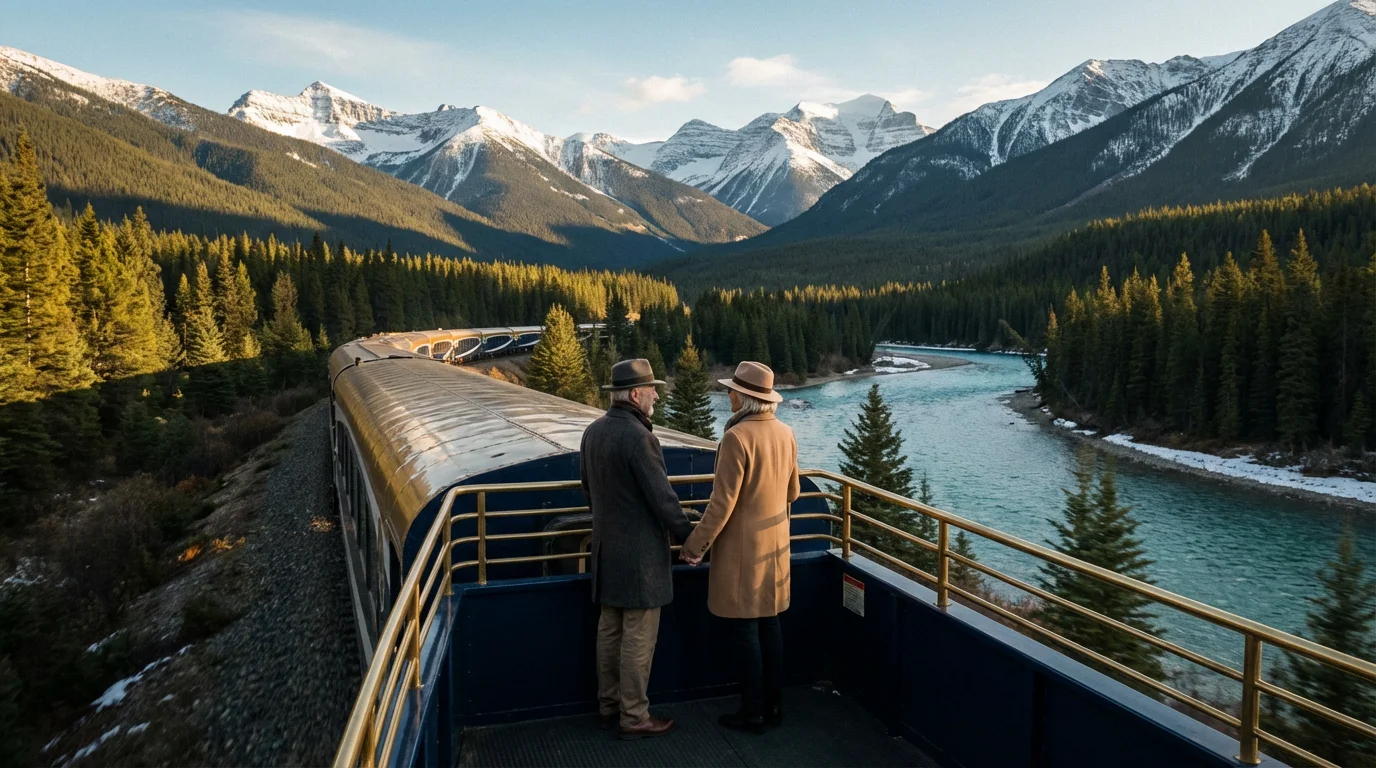
The Canadian Rockies call to explorers of all ages, offering a vast wilderness of snow-capped peaks, verdant forests, and vibrant blue waters. Train travel provides a unique gateway into this natural splendor. You experience the landscape intimately, watching elk graze in meadows or eagles soar above canyons, all from the comfort of a climate-controlled carriage.
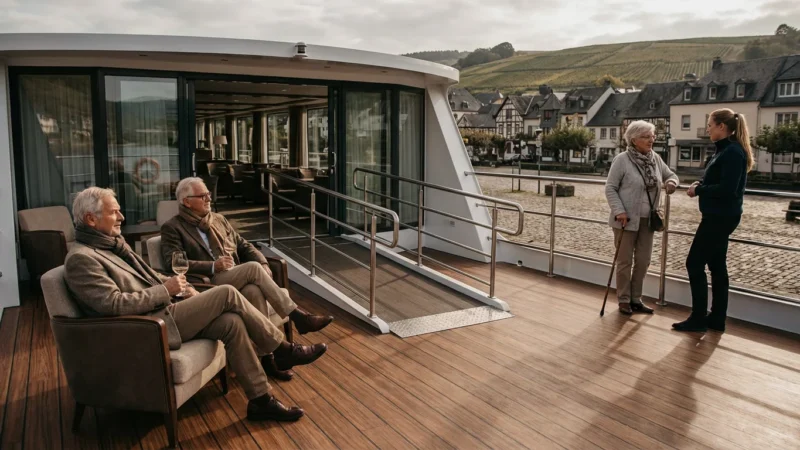
Much like a luxury rail journey, accessible European river cruises offer a stress-free way to witness iconic landscapes from the comfort of a masterfully designed vessel.
Consider the myriad benefits that make rail journeys particularly appealing for senior travelers. You eliminate the need to navigate unfamiliar roads, deal with challenging parking, or constantly carry heavy luggage between destinations. This convenience significantly reduces common travel stressors, allowing you to truly relax and savor every moment of your adventure.
A train journey transforms travel from a chore into a core part of the experience. You enjoy continuous, panoramic views from spacious windows, often designed specifically for scenic viewing. This means you do not miss any stunning vista or wildlife sighting while focusing on driving. Instead, the journey itself becomes a destination.
Train tours also often feature accessible coaches and dedicated staff ready to assist with any mobility needs. Many operators design itineraries with senior travelers in mind, including comfortable pacing, ample opportunities for rest, and excursions tailored to various activity levels. This ensures you simply relax and absorb the beauty, making memories without the usual logistical worries.
Choosing train travel allows you to embrace active aging through exploration. You engage your senses, connect with nature, and participate in a social, communal experience with fellow adventurers. It fosters a spirit of discovery, proving that grand adventures remain accessible and deeply rewarding at any stage of life.
“The world is a book and those who do not travel read only one page.” — Saint Augustine
Selecting Your Grand Route: Premier Canadian Rockies Train Journeys
Choosing your ideal train journey through the Canadian Rockies depends on your preferences for luxury, pace, and specific destinations. Two primary operators dominate the scenic railway experience, each offering distinct advantages: the luxurious Rocky Mountaineer and the transcontinental VIA Rail.
If your rail journey begins or ends in Vancouver, you might consider extending your trip to explore the Pacific Northwest and its stunning coastal vistas.
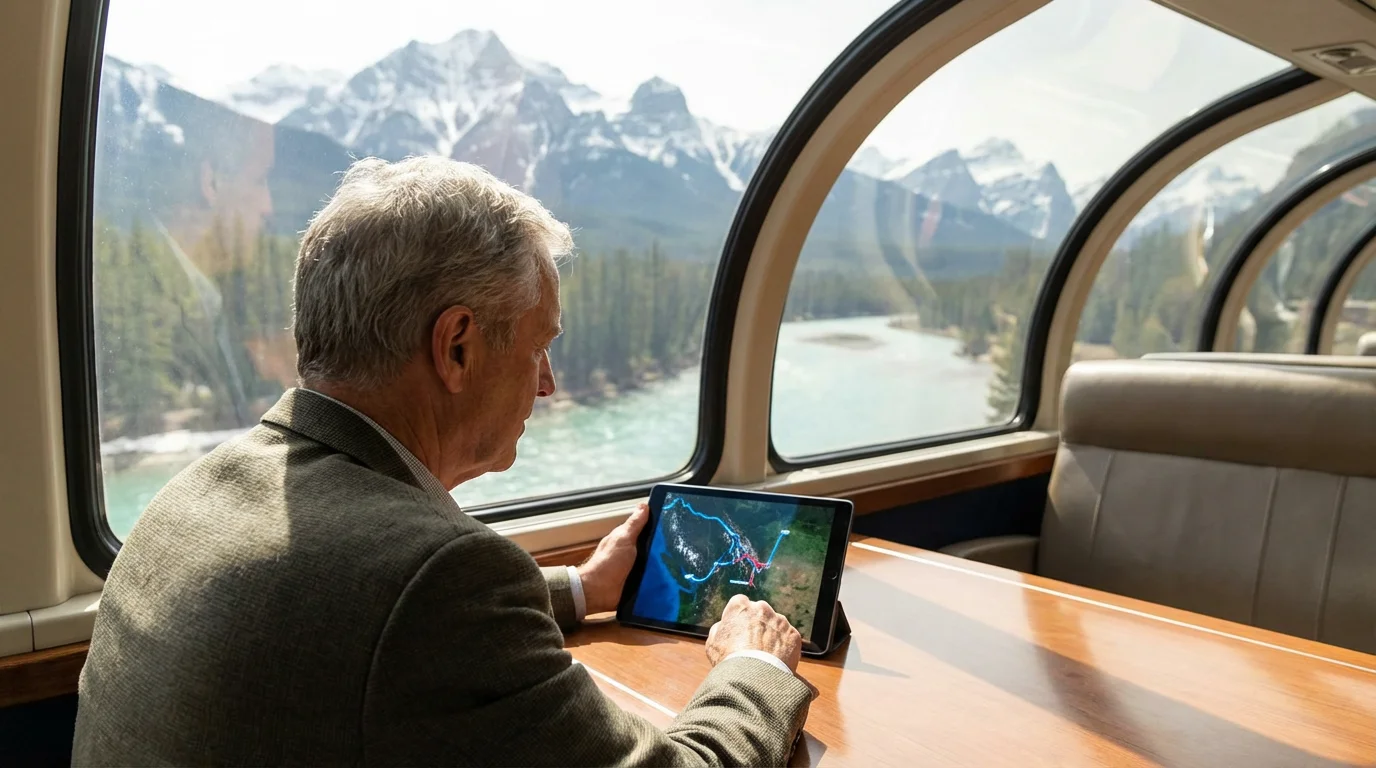
The Rocky Mountaineer offers unparalleled daylight journeys, famous for its glass-domed coaches and gourmet dining. It operates several distinct routes, primarily connecting Vancouver with destinations like Banff, Lake Louise, and Jasper. You travel exclusively during daylight hours, ensuring you miss none of the spectacular scenery, with comfortable overnight stays in hotels in designated stopover towns. Its service levels, like GoldLeaf and SilverLeaf, offer varying degrees of luxury, dining, and viewing experiences.
VIA Rail Canada, the national passenger rail service, provides a different experience. Its iconic “Canadian” route travels from Toronto to Vancouver, passing directly through the Rockies, offering both coach and sleeper accommodations. You enjoy a more traditional, extended train travel experience, complete with dining cars, observation domes, and sleeper berths for overnight segments. This makes it suitable for longer, cross-country adventures where the journey itself is as important as the destination points.
Consider your desired style of travel. Do you seek luxurious comfort and daylight-only viewing with seamless hotel transfers, characteristic of the Rocky Mountaineer? Or do you prefer a classic, extended rail adventure with sleeping berths, communal dining, and the opportunity for a longer, cross-country exploration, as offered by VIA Rail? Both options deliver incredible views, but their travel philosophies differ significantly.
Here is a comparison of popular train travel options in the Canadian Rockies, highlighting key differences to help you make your selection:
| Feature | Rocky Mountaineer (Example: “First Passage to the West”) | VIA Rail (Example: “The Canadian” Westbound) |
|---|---|---|
| Primary Routes | Vancouver to Banff/Lake Louise, Vancouver to Jasper, Vancouver to Quesnel/Jasper (various combinations) | Toronto to Vancouver (major stops: Winnipeg, Saskatoon, Edmonton, Jasper, Vancouver) |
| Travel Style | Ultra-luxury, daylight-only, guided scenic touring. Focused on prime daytime viewing. | Traditional passenger rail, classic long-distance travel, sleeper options available. Combines travel with sleep. |
| Accommodation | Overnight in carefully selected hotels off-train. Luggage transferred for you. | Onboard sleeper cabins (e.g., Sleeper Plus, Prestige Class), economy seats. Sleep directly on the train. |
| Dining | Gourmet meals served at your seat or in a dedicated dining car, often with local ingredients and wines. | Full menu dining car service, cafe car for lighter fare. Meals included in Sleeper Plus/Prestige. |
| Key Destinations | Banff, Lake Louise, Jasper, Kamloops, Whistler. Focus on the core Rockies region. | Jasper, Edmonton, Saskatoon, Winnipeg, Toronto. Wider Canadian exploration beyond just the Rockies. |
| Duration in Rockies Region | Typically 2-3 days of rail travel through the most scenic sections. | Approximately 2 days for the main Rockies segment (Edmonton/Jasper to Vancouver), part of a longer journey. |
| Cost Range | Premium to Luxury. Packages can range from several thousand to over ten thousand USD per person. | Economy to Mid-range Luxury for sleeper classes. A Toronto-Vancouver trip in Prestige Class can be several thousand USD. |
| Flexibility | Mostly packaged tours with hotels and transfers. Less customizability for individual segments. | More flexible. You can book specific segments, and it offers more independent travel options. |
| Accessibility | Excellent accessibility on modern coaches, dedicated staff assistance, ramps, wider aisles. | Generally good, with specific accessible cabins and staff support available. Communicate needs in advance. |
Many reputable tour operators also offer curated packages that combine train travel with hotel stays, guided excursions, and airport transfers. You often find these packages simplify planning and provide comprehensive coverage for your entire trip. Consider your budget, desired level of service, and how much time you want to spend exploring on and off the train when making your decision.
A Senior’s Checklist: Step-by-Step Planning for Your Rail Adventure
Effective planning ensures a smooth and enjoyable Canadian Rockies train adventure. This step-by-step guide helps you navigate the booking process and prepare for your journey, making your experience as effortless as possible. You gain confidence and reduce stress by taking a methodical approach to your travel preparations.
If you enjoy the geological wonders of the Rockies, you might also find inspiration in Arizona’s hidden desert gems during the winter months.
While rail tours can be a premium experience, there are many other budget-friendly adventure vacations available for retirees looking to see the world without overspending.
- Define Your Trip Goals: Articulate your vision for the trip. Determine your ideal trip duration, budget, and desired level of luxury. Do you prefer a short, focused scenic tour or a longer, more immersive cross-country experience? Consider your preferred pace, your interest in social interaction, and whether you want solo, couple, or group travel.
- Research Train Operators and Routes: Thoroughly explore options like Rocky Mountaineer and VIA Rail, along with any other specialized tour operators. Compare their routes, service levels, package inclusions, and cancellation policies. Read reviews from other senior travelers. Consider what specific scenery or destinations you prioritize, such as Banff, Lake Louise, or Jasper.
- Choose Your Travel Season: Your choice of season significantly impacts your experience. Summer (June-August) brings warm weather, lush landscapes, and peak activity, but also larger crowds and higher prices. Fall (September-October) showcases stunning autumn foliage, often with fewer crowds, though weather can be more unpredictable. Winter (November-March) offers a magical, snowy wonderland experience, with unique activities like ice skating, but some routes or excursions may have limited availability.
- Book Your Journey in Advance: Popular train tours, especially during peak seasons, sell out quickly. You should book your tickets and any associated hotel packages many months, or even a year, in advance to secure your preferred dates and accommodations. For popular Rocky Mountaineer routes, booking 9-18 months ahead is often advisable. Early booking also frequently locks in better pricing and wider availability of desirable cabins or seats.
- Review Accessibility and Special Needs: Proactively inform your chosen train operator about any mobility requirements, dietary restrictions, or medical equipment needs well before your departure. Most operators accommodate these requests effectively when given sufficient notice. Ask specific questions about wheelchair access, assistance with boarding and disembarking, accessible restrooms, and the availability of staff support. Document these communications.
- Arrange Comprehensive Travel Insurance: Protect your investment and your peace of mind. Comprehensive travel insurance covers trip cancellations, medical emergencies, lost luggage, and trip interruptions. Look for policies that include medical evacuation, especially for international travel. Consider “cancel for any reason” coverage if you want maximum flexibility. AARP Travel provides valuable resources and guidance on selecting appropriate travel insurance options for seniors.
- Plan Pre- and Post-Train Stays: Build in buffer days at your departure and arrival cities, such as Vancouver, Banff, or Jasper. This allows for relaxation, sightseeing, and a buffer against potential travel delays. Explore Vancouver’s Stanley Park, wander through Banff’s charming town, or enjoy the tranquility of Jasper National Park before or after your rail journey. These extra days enhance your overall experience without feeling rushed.
- Confirm All Reservations and Create an Itinerary: Double-check your train tickets, hotel bookings, transfer arrangements, and any excursion reservations a few weeks before your trip. Create a detailed itinerary that includes contact numbers, addresses, and confirmation codes for all segments of your journey. Keep both digital copies on your phone and printed copies for easy access. Share your itinerary with a trusted family member or friend at home.
Packing Smart: Essential Gear for Your Mountain Rail Exploration
Packing intelligently contributes significantly to your comfort and enjoyment. Focus on versatility, layers, and essential personal items. Remember that train travel generally means less moving of luggage compared to air travel, but efficient packing still makes a significant difference in your daily ease and comfort.
Consider the varying climates you will encounter, from the potentially mild coastal city of Vancouver to the cooler, more unpredictable mountain air of the Rockies. Layers are your best friend, allowing you to adapt effortlessly to temperature changes both on the train and during your excursions. Prioritize items that can serve multiple purposes and are comfortable for extended wear.
Here is a comprehensive packing list designed for your Canadian Rockies train journey:
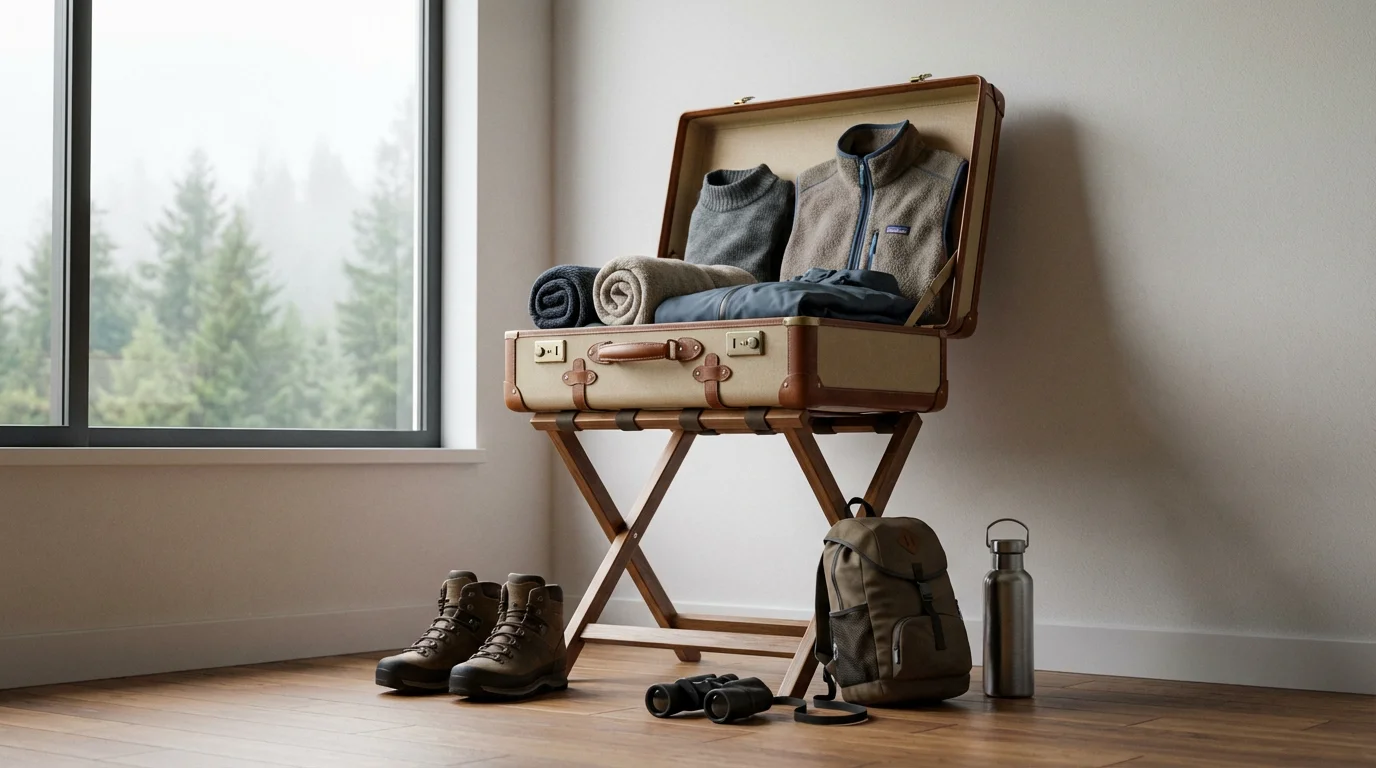
- Comfortable Layered Clothing: Pack a variety of short-sleeved shirts, long-sleeved shirts, a warm sweater or fleece, and a waterproof or water-resistant jacket. Consider quick-drying fabrics like merino wool for warmth and odor resistance. Include comfortable pants or slacks ideal for long hours of sitting.
- Sturdy, Comfortable Walking Shoes: These are absolutely essential for exploring towns, national parks, and walking to and from the train. Ensure they offer excellent support, good cushioning, and reliable traction on uneven surfaces. If you plan light hikes, consider waterproof hiking boots.
- Dressier Outfit: Pack one or two smart-casual outfits for special dinners or evening events, if your itinerary includes them. This adds a touch of elegance to your travel experience.
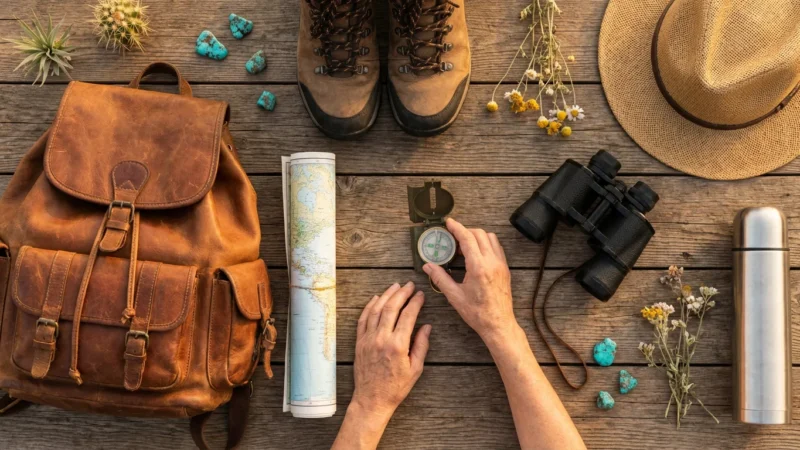
- Small Daypack: A lightweight, comfortable daypack is invaluable for daily excursions. Use it to carry water, snacks, your camera, binoculars, a light jacket, and any personal essentials you need while off the train.
- Medications and First-Aid Kit: Bring all prescription medications in their original, clearly labeled containers, plus any over-the-counter remedies you typically use (pain relievers, antacids, allergy medication). Carry these in your carry-on bag. Include a small first-aid kit with bandages, antiseptic wipes, and blister treatment. Create a medication log with dosages and pharmacy information.
- Toiletries and Personal Care Items: Pack your preferred brands of shampoo, conditioner, soap, and moisturizer, opting for travel sizes to save space. Include sunscreen, lip balm with SPF, and insect repellent, especially if you plan to spend time outdoors in the summer.
- Eyewear: Bring sunglasses for bright mountain glare and a spare pair of prescription glasses, if applicable. Keep lens cleaning wipes handy.
- Camera, Binoculars, and Accessories: Capture the stunning scenery and spot wildlife with a good camera. Binoculars enhance your viewing experience significantly. Pack extra batteries, memory cards, and charging cables for all your electronic devices. A portable power bank is also highly recommended.
- Books, Magazines, or E-reader: Enjoy some quiet time and entertainment between scenic highlights. Download audiobooks or podcasts for added variety.
- Reusable Water Bottle: Stay hydrated throughout your journey. An insulated water bottle keeps your drinks cool or warm, and many trains offer water stations for refills.
- Travel Pillow and Blanket (Optional): A neck pillow provides extra comfort during long stretches of sitting, and a lightweight travel blanket can add warmth on cooler evenings, especially on VIA Rail’s sleeper options.
- Important Documents: Keep your identification (passport, driver’s license), train tickets, hotel confirmations, travel insurance information, and a list of emergency contacts organized and easily accessible. Store digital copies on your phone and email them to yourself or a trusted contact.
Enhancing Your Experience: Onboard Comfort and Off-Train Discoveries
Your train journey through the Canadian Rockies offers much more than just transportation. It presents a moving platform for discovery and relaxation. You maximize your enjoyment by embracing both the onboard amenities and the exciting excursions at stops. This approach ensures a holistic and deeply satisfying travel experience.
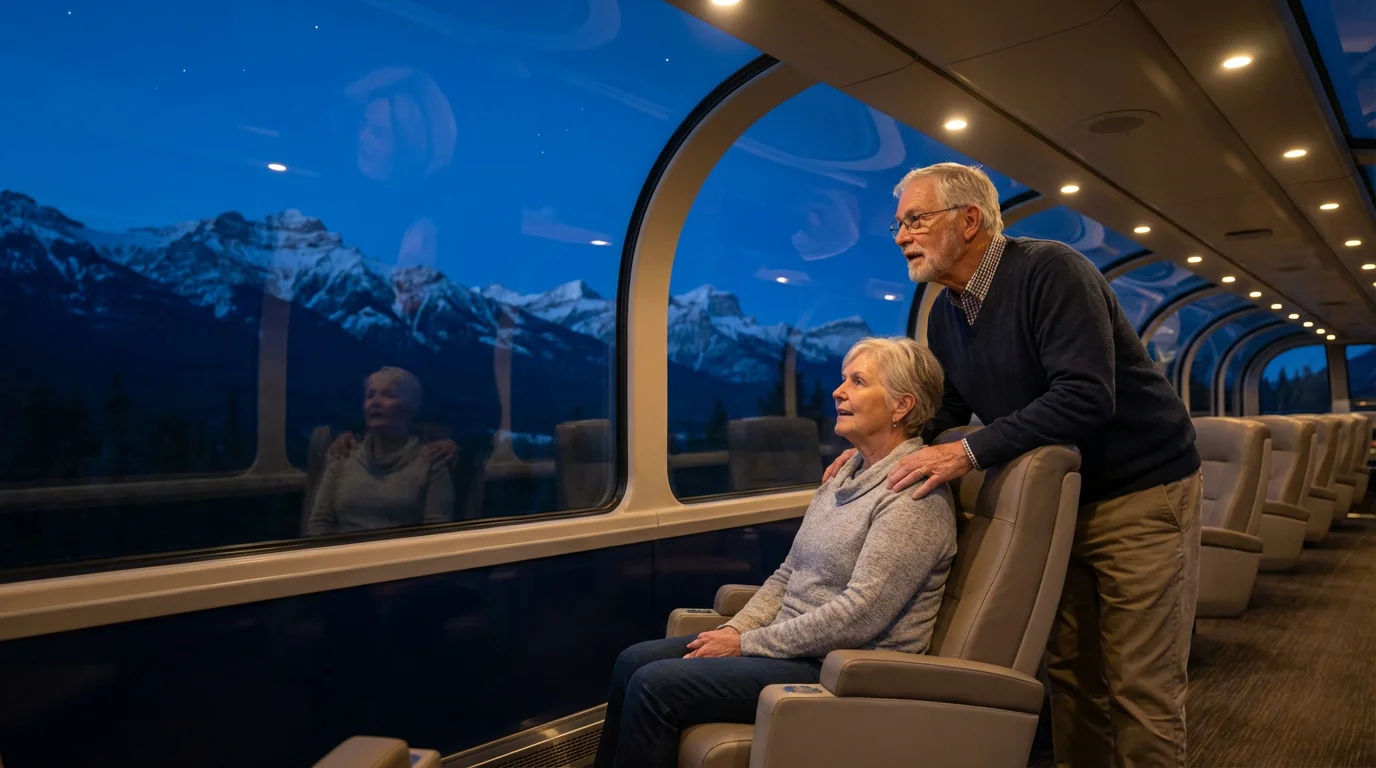
Onboard, take full advantage of the observation cars and dome coaches. These specialized cars provide unparalleled panoramic views, allowing you to fully absorb the grandeur of the mountains, valleys, and forests. Engage with fellow passengers, sharing stories and travel tips; many lifelong friendships begin on scenic train journeys. Train staff, often acting as guides, provide live commentary, pointing out significant landmarks, potential wildlife sightings, and historical facts as you pass them. This rich narration deepens your understanding and appreciation of the region.
Dining on Canadian Rockies trains is often a highlight in itself. Enjoy freshly prepared gourmet meals, often featuring local ingredients, served in elegant dining cars or right at your seat. This communal experience adds to the charm of rail travel, turning each meal into a memorable occasion. Many trains also feature lounges or activity cars where you can play cards, read, or simply watch the world go by in a comfortable, social setting.
Off-train, your adventure continues with exciting stops in iconic towns and national parks. Here are ways to make the most of your stops and fully immerse yourself in the Canadian Rockies:
- Explore Banff National Park: Wander through the charming town of Banff, browse local shops, and visit the historic Banff Springs Hotel. Take a scenic gondola ride up Sulphur Mountain for breathtaking panoramic views of the Bow Valley. Consider short, accessible walks along the Bow River or around Lake Minnewanka.
- Discover Jasper National Park: Experience a quieter, wilder side of the Rockies. Visit Maligne Lake and the iconic Spirit Island, or take a scenic drive along a portion of the Icefields Parkway, renowned for its glaciers and waterfalls. The Jasper Skytram offers incredible elevated vistas. You can also enjoy easy walks on paved trails around the townsite.
- Relax at Lake Louise: Marvel at the stunning turquoise waters of Lake Louise, framed by the majestic Victoria Glacier. Enjoy a gentle, flat stroll along the lakeshore path or simply sit on a bench and take in the iconic, postcard-perfect view. Consider afternoon tea at the Fairmont Chateau Lake Louise for a touch of elegance.
- Engage with Local Culture: Many towns offer local markets, artisan shops, and museums that showcase the region’s heritage and artistic talent. Support local businesses by purchasing unique souvenirs and learning about the Indigenous history and mountaineering culture.
- Participate in Guided Tours and Excursions: Many train packages include guided excursions at stops. These often provide accessible transportation and expert commentary, enriching your understanding of the area’s geology, flora, and fauna. You learn fascinating details you might otherwise miss.
- Stay Active with Gentle Walks: Use your sturdy shoes for easy walks on paved paths, boardwalks, or well-maintained trails within national parks. Even short walks offer fresh air and close-up views of nature. Always check trail difficulty, conditions, and wildlife advisories before setting out.
Remember to pace yourself. You do not need to do everything at every stop. Choose activities that genuinely appeal to you and align with your comfort level and physical capabilities. The goal is enjoyment, rejuvenation, and memorable experiences, not exhaustion. Embrace the rhythm of train travel and the opportunities for both exploration and quiet reflection.

Budgeting Your Dream Trip: Practical Financial Planning
Planning your Canadian Rockies train adventure includes careful financial consideration. Train travel can represent a significant investment, but understanding the cost components helps you budget effectively and find optimal value. Prices vary widely based on the operator, class of service, duration, and time of year. You can tailor your trip to fit various financial plans, from luxurious indulgence to more cost-conscious exploration.
Finding the balance between comfort and cost is essential, so consider looking into affordable senior travel tips to maximize your retirement savings while seeing the world.
Luxury train experiences like the Rocky Mountaineer typically range from a few thousand dollars to upwards of ten thousand dollars per person for multi-day packages. This comprehensive cost generally includes rail travel, premium hotel accommodations, gourmet meals, and often some guided excursions and transfers. VIA Rail offers more budget-friendly options, with economy seats for cross-country routes costing hundreds, and private sleeper cabins ranging from one to several thousand dollars depending on the journey length and service level chosen. A cross-Canada trip in Prestige Class, for example, represents a substantial investment.
Key factors significantly impacting your budget:
- Class of Service: Opting for GoldLeaf or SilverLeaf on Rocky Mountaineer, or Sleeper Plus versus Prestige Class on VIA Rail, dramatically changes the price. Higher classes offer more spacious seating, enhanced dining, and exclusive amenities.
- Seasonality: Peak travel seasons (summer, June-August, and early fall, September-October) generally feature the highest prices due to demand. Consider shoulder seasons (late spring, late fall) for potentially lower fares, fewer crowds, and still excellent weather, though some attractions might have reduced hours.
- Duration and Inclusions: Longer trips with more included excursions, hotel nights, and gourmet meals naturally increase the overall cost. Evaluate what truly adds value and aligns with your travel style versus what you might prefer to arrange independently.
- Additional Expenses: Factor in airfare to your departure city, any pre- and post-train accommodation you book independently, meals not included on the train, souvenirs, personal spending, and tips for guides and service staff. Allow a buffer for unexpected costs.
Practical tips for managing your budget effectively:
- Book in Advance: Early booking often secures better rates and wider availability, especially for popular tours and specific cabin types. Many operators offer early bird discounts.
- Look for Package Deals: Many reputable tour operators and travel agencies offer comprehensive packages that bundle rail, hotels, transfers, and excursions. These can sometimes offer better value than booking each component separately and simplify your planning process.
- Travel During Shoulder Seasons: Consider late spring (May-early June) or late fall (mid-October) for potentially lower prices and often beautiful weather, though some high-altitude attractions might be closed in early spring or late fall.
- Monitor Promotions: Sign up for newsletters from train operators and travel agencies to receive alerts on sales, special offers, and senior discounts. Check their websites regularly for flash sales.
- Consider Group Travel: Traveling with an organized senior group, such as those offered by Road Scholar, often provides group discounts and a structured, all-inclusive itinerary, which can simplify budgeting and logistics.
- Prioritize Expenses: Decide what experiences are most important to you. If a private sleeper cabin is a must-have, perhaps you can save money by choosing more casual dining options when off the train, or opting for fewer, but more impactful, excursions.
- Create a Detailed Budget: Develop a spreadsheet tracking all anticipated costs, from major bookings to daily spending. This approach provides clarity and helps you make informed decisions about your dream trip, ensuring you stay within your financial comfort zone.
Navigating Health and Safety on Your Mountain Rail Journey
Prioritizing your health and safety ensures a worry-free and thoroughly enjoyable Canadian Rockies adventure. Train travel offers a comfortable and generally safe environment, but awareness and proactive preparation remain crucial for senior travelers. You gain peace of mind by addressing potential concerns before you depart.
Before booking, consult your doctor. Discuss your travel plans, any existing health conditions, and necessary precautions. Obtain a copy of your medical records and a comprehensive list of all medications, including generic names, dosages, and prescribing physicians. This proactive step ensures you are well-prepared for any health-related needs or emergencies that might arise during your journey. Ask about vaccinations, motion sickness prevention, and managing chronic conditions while traveling.
Key health considerations for your rail journey:
- Medication Management: Pack all essential prescription medications in your carry-on bag, along with a few days’ extra supply in case of unexpected delays. Keep them in their original, labeled containers. If you carry controlled substances, bring a written prescription from your doctor. A medication log can be helpful.
- Hydration: Drink plenty of water throughout your journey, especially at higher altitudes in the mountains. Dehydration can exacerbate fatigue, headaches, and other health issues. Avoid excessive alcohol and caffeine, which can contribute to dehydration. Recognize symptoms like dry mouth, infrequent urination, or dizziness.
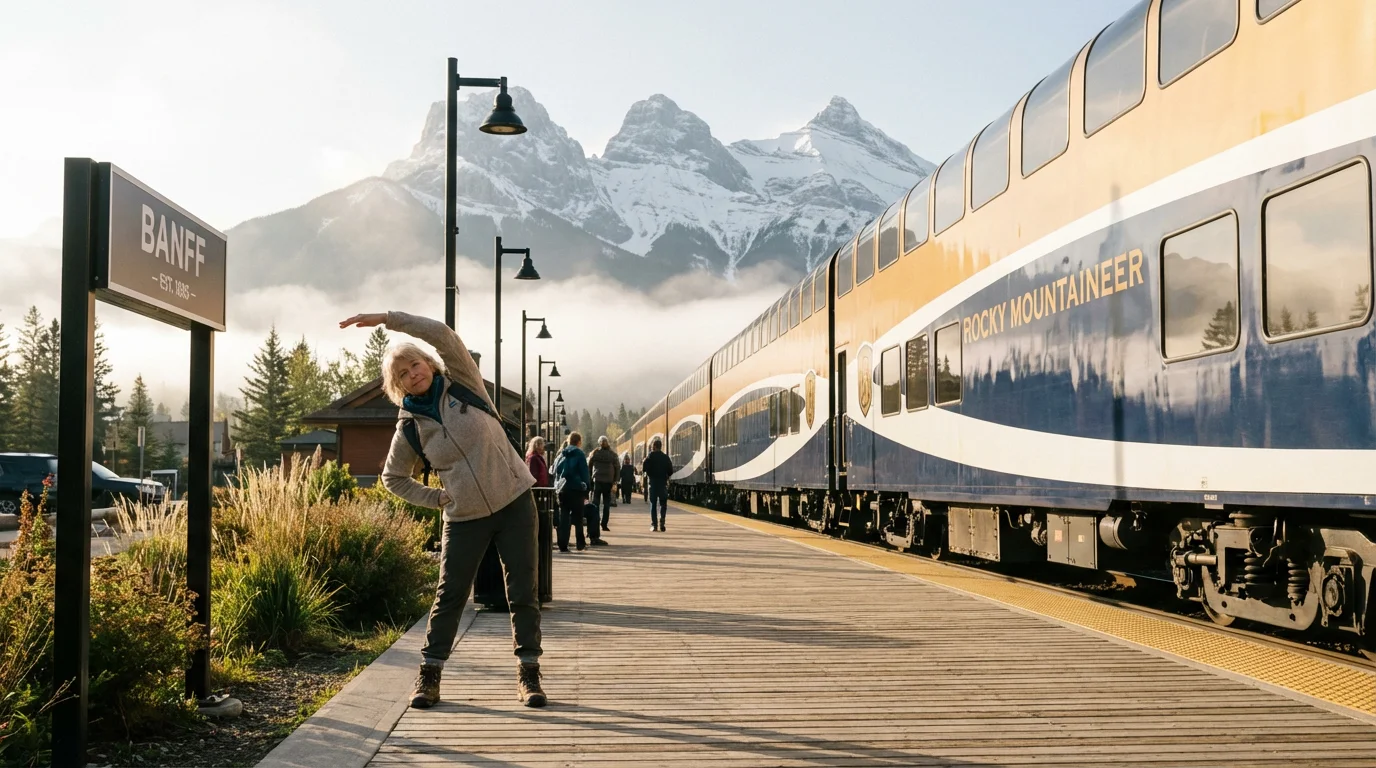
- Mobility and Exercise: Even on a train, stand up and move around periodically to promote circulation and prevent stiffness. Perform simple stretches in your seat or take short walks through the train cars. If you use mobility aids, ensure they are easily accessible and communicate your needs to the train staff upon boarding; they are usually very helpful.
- Altitude Sickness Awareness: While train routes through the Rockies generally do not reach extreme altitudes, some stops or excursions into higher elevations might. Stay hydrated, avoid alcohol and strenuous activity on arrival at higher elevations, and recognize symptoms like headache, nausea, dizziness, or unusual fatigue. Most train itineraries are designed to minimize severe altitude issues.
- Travel Insurance: As mentioned, comprehensive travel insurance with robust medical coverage is invaluable. It protects you financially in case of unexpected illness, injury, or the need for medical evacuation. Verify that your policy covers pre-existing conditions and includes emergency medical repatriation.
Essential safety considerations for your Canadian Rockies adventure:
- Personal Belongings Security: Keep valuables secure and out of sight, especially when leaving your seat for extended periods or during overnight segments. Use onboard lockers if available, and consider an RFID-blocking wallet for your credit cards and passport.
- Awareness of Surroundings: Be mindful of your environment, both on the train and during excursions in towns or national parks. Stick to well-lit, populated areas when exploring independently. Research common local scams if traveling internationally, though Canada is generally very safe.
- Stay Informed and Follow Instructions: Pay close attention to announcements from train staff regarding safety procedures, emergency exits, and specific instructions for on- and off-train excursions. They provide vital information for your well-being.
- Emergency Contacts and Itinerary: Carry a list of emergency contacts, including family, your doctor, and your insurance provider’s 24/7 assistance number. Program “ICE” (In Case of Emergency) contacts into your phone. Share your detailed itinerary with a trusted person at home.
- Government Travel Advisories: Check current travel advisories for Canada from your home country’s government. For U.S. citizens, the State Department Travel website provides up-to-date information on safety and security.
- Health Guidelines: Consult resources like CDC Travelers’ Health for general travel health recommendations, destination-specific health alerts, and advice on staying healthy abroad.
Train travel offers a remarkably secure and supportive environment for senior adventurers. By taking these proactive steps, you enhance your peace of mind and ensure a safe, healthy, and thoroughly enjoyable journey through the magnificent Canadian Rockies.
Frequently Asked Questions
What are the best train tours in Canada for seniors?
The Rocky Mountaineer is highly regarded for its luxury, daylight-only scenic tours through the Canadian Rockies, offering multiple routes between Vancouver, Banff, Lake Louise, and Jasper. VIA Rail’s “The Canadian” provides a classic, longer-duration train experience, including sleeper accommodations, for those traveling cross-country or through the Rockies. Both offer unique benefits tailored to different travel preferences.
How do seniors book train travel for the Canadian Rockies?
Seniors can book train travel directly through the official websites of operators like Rocky Mountaineer and VIA Rail. Many specialized travel agents focusing on senior travel or Canadian tours also offer packaged itineraries that bundle rail, hotels, and excursions. Booking well in advance, especially for popular routes and seasons, secures your desired dates and often better pricing.
Is train travel through the Canadian Rockies accessible for seniors with mobility issues?
Yes, both Rocky Mountaineer and VIA Rail provide accessible options for travelers with mobility issues. Rocky Mountaineer’s modern coaches feature wide aisles, accessible restrooms, and staff assistance for boarding and disembarking. VIA Rail offers specific accessible cabins and amenities. It is crucial to communicate your specific mobility needs to the operator when booking so they can make appropriate arrangements and recommend suitable services.
What is the best time of year to explore the Canadian Rockies by train?
The best time depends on your preferences. Summer (June-August) offers warm weather, long daylight hours, and vibrant landscapes, ideal for outdoor activities. Fall (September-October) brings spectacular autumn colors, often with fewer crowds and cooler temperatures. Winter (November-March) provides a magical snowy landscape and unique experiences, though some train services or off-train activities might be limited due to weather conditions.
What should I pack for a Canadian Rockies train trip?
Pack layers of comfortable clothing suitable for varying temperatures, including a waterproof jacket and a warm sweater or fleece. Bring sturdy, comfortable walking shoes for excursions. Essential items include all prescription medications in your carry-on, sunscreen, sunglasses, a camera, binoculars, a small daypack for daily outings, and important travel documents. Consider a reusable water bottle and a travel pillow for added comfort.
Are meals included on Canadian Rockies train tours?
Many premium Canadian Rockies train tours, like those offered by Rocky Mountaineer, include gourmet meals prepared onboard and served at your seat or in a dedicated dining car. VIA Rail’s “Sleeper Plus” and “Prestige” classes also include meals in the dining car as part of their service. Economy class on VIA Rail usually requires purchasing meals from a cafe car or bringing your own provisions.
Disclaimer: This article is for informational purposes only. Travel conditions, accessibility, and requirements change frequently. We encourage readers to verify current information with official sources before traveling. Always consult with healthcare providers about travel considerations for your specific health situation.
Leave a Reply