
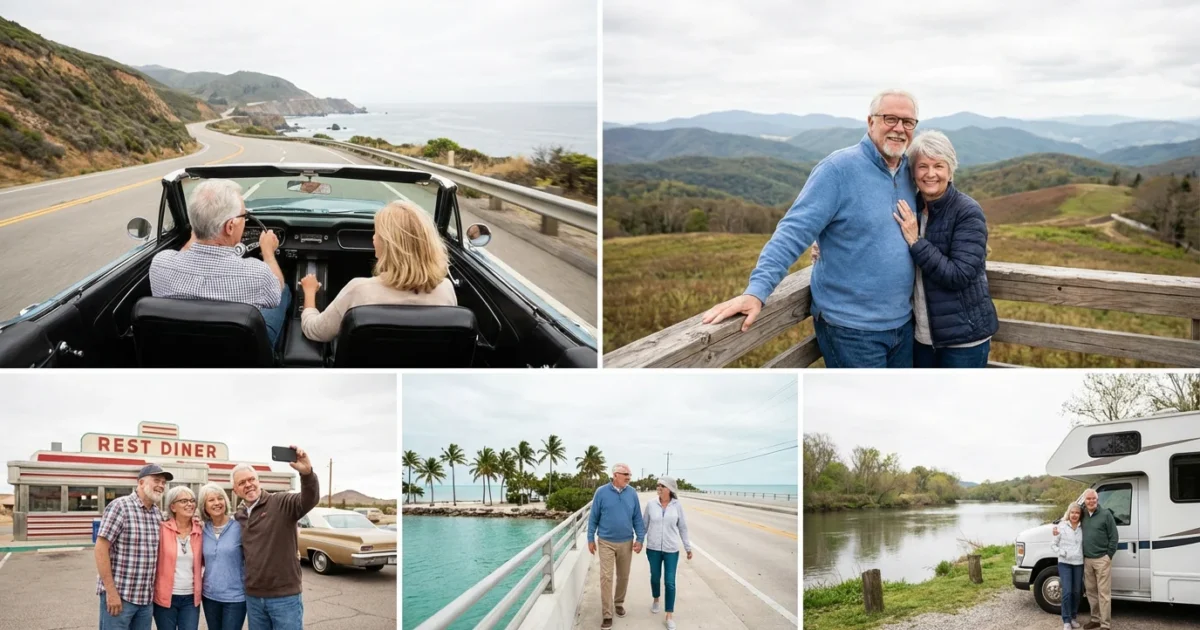
The open road beckons, offering boundless opportunities for discovery, relaxation, and adventure. As a senior traveler, you possess the wisdom, the time, and the spirit to embark on unforgettable journeys across the United States. Road trips provide unparalleled freedom, allowing you to set your own pace, linger in captivating spots, and truly immerse yourself in the diverse landscapes and cultures of America.
Connecting with adventure clubs for seniors can also be a fantastic way to find travel companions who share your enthusiasm for exploring the country.
For those looking to see the world while staying mindful of costs, there are many budget-friendly adventure vacations designed specifically for retirees.
You control the itinerary, making stops whenever inspiration strikes. This flexibility makes road tripping an ideal way to explore, catering to your preferences and comfort. Forget rigid schedules, embrace spontaneous detours, and create memories that will last a lifetime.
Disclaimer: This article is for informational purposes only. Travel conditions, accessibility, and requirements change frequently. We encourage readers to verify current information with official sources before traveling. Always consult with healthcare providers about travel considerations for your specific health situation.
Table of Contents
- Pacific Coast Highway: California’s Coastal Masterpiece
- Blue Ridge Parkway: Appalachian Serenity
- Historic Route 66: Reliving Americana
- Florida Keys Scenic Highway: Tropical Island Hopping
- Utah’s Mighty 5: A Grand Circle of National Parks
- Planning Your Ultimate Senior Road Trip
- Staying Safe and Healthy on the Road
- Essential Gear for a Smooth Journey
- Road Trip Comparison Table
- Frequently Asked Questions

Pacific Coast Highway: California’s Coastal Masterpiece
California’s Pacific Coast Highway, famously known as Highway 1, presents one of the most iconic road trips in the world. Stretching along the state’s dramatic coastline, this route offers breathtaking ocean views, charming seaside towns, and lush redwood forests. You will find numerous accessible viewpoints and comfortable accommodations along the way.
If you find yourself enchanted by seaside vistas, you might also enjoy a scenic drive through Coastal Maine for a different perspective on America’s rugged shorelines.
This journey allows for a leisurely pace, ensuring you have ample time to enjoy each stop. Consider starting north of San Francisco and heading south for easier access to pull-offs overlooking the Pacific. Many sections of the highway are well-maintained, providing a smooth driving experience.
Highlights of the Pacific Coast Highway
- Big Sur: Experience the rugged beauty of towering cliffs, redwood groves, and misty vistas. Stop at Bixby Bridge for iconic photos.
- Carmel-by-the-Sea: Explore this fairy-tale village with unique shops, art galleries, and a beautiful white-sand beach. Its walkable downtown is very appealing.
- Monterey: Visit the world-renowned Monterey Bay Aquarium, enjoy Cannery Row, and consider a whale-watching tour. The city offers diverse dining and lodging options.
- San Simeon: Tour the opulent Hearst Castle, a historical landmark offering various accessible tours. Check their website for current information.
- Santa Barbara: Discover Spanish colonial architecture, stroll along Stearns Wharf, and relax on beautiful beaches. This city provides a refined and comfortable stop.
- Malibu and Santa Monica: Experience Southern California’s beach culture with stunning views and iconic piers. Enjoy the vibrant atmosphere and ocean breezes.
Allow at least five to seven days to truly savor this route without feeling rushed. Book accommodations in advance, especially during peak seasons, to secure preferred options. The changeable coastal weather means you should pack layers for comfort.

Blue Ridge Parkway: Appalachian Serenity
The Blue Ridge Parkway, a designated All-American Road, meanders for 469 miles through the Appalachian Mountains of Virginia and North Carolina. This scenic route prioritizes natural beauty and cultural heritage over speed, making it an excellent choice for senior travel. You will discover stunning panoramic views, historic sites, and vibrant mountain communities.
For travelers preferring the comfort of a motorhome, reviewing an essential RV checklist before departure ensures a safe and smooth mountain journey.
The speed limit rarely exceeds 45 mph, encouraging a relaxed journey through lush forests and misty peaks. Numerous overlooks and picnic areas invite frequent stops. The Parkway also provides access to various walking trails, many offering gentle slopes and paved paths.
Must-See Stops on the Blue Ridge Parkway
- Mabry Mill, Virginia: A picturesque historic mill, blacksmith shop, and cabin, offering a glimpse into mountain life. Enjoy the easy walking paths around the mill.
- Peaks of Otter, Virginia: Features a lodge, restaurant, and three peaks with varying hiking difficulties. You can enjoy the lake walk or a scenic drive to overlooks.
- Asheville, North Carolina: A vibrant city near the Parkway, known for its arts scene, craft breweries, and delicious food. Consider visiting the Biltmore Estate for a grand historical experience.
- Mount Pisgah, North Carolina: Offers spectacular views and picnic spots. You can access an accessible trail to the Pisgah Inn for dining with a view.
- Linville Falls, North Carolina: Features multiple overlooks accessible via short, well-maintained trails, offering views of the cascading waterfall.
- Grandfather Mountain, North Carolina: Experience the Mile High Swinging Bridge for incredible views. The park also features wildlife habitats and gentle walking paths.
Plan your trip for spring for blooming wildflowers, summer for lush greenery, or autumn for spectacular fall foliage. Services are limited directly on the Parkway, so plan your fuel and food stops in nearby towns. Check the National Park Service website for road closures, especially in winter or during inclement weather, as sections may close due to ice or snow.
“The world is a book and those who do not travel read only one page.” — Saint Augustine

Historic Route 66: Reliving Americana
Historic Route 66, the “Mother Road,” offers a nostalgic journey through the heart of America. While the original route spans eight states from Chicago to Los Angeles, you can choose shorter, more manageable segments perfect for senior travel. This iconic road trip allows you to rediscover classic roadside diners, vintage motels, and quirky attractions that define American history.
Focusing on specific, well-preserved sections makes this adventure enjoyable and less demanding. For example, the Illinois or Arizona stretches provide ample opportunities to experience the Route 66 charm without covering vast distances. You will find many small towns eager to share their unique stories and heritage.
Iconic Stops on Selected Route 66 Segments
- Illinois Segment:
- Joliet: Visit the Old Joliet Prison and enjoy local museums.
- Springfield: Explore Abraham Lincoln Presidential Library and Museum and his home.
- Atlanta, IL: See the Bunyon’s Statue, a classic Route 66 roadside giant.
- Missouri Segment:
- St. Louis: Gateway Arch National Park and the historic Chain of Rocks Bridge.
- Cuba: Known as “Mural City,” with numerous historical murals.
- Arizona Segment:
- Seligman: Considered the “Birthplace of Historic Route 66,” offering classic diners and gift shops.
- Grand Canyon National Park: While not directly on Route 66, it’s an essential side trip easily accessible from Flagstaff or Williams. The South Rim offers many accessible viewpoints. For more, visit the National Park Service.
- Kingman: Home to the Arizona Route 66 Museum, showcasing the road’s history.
Research the specific segments you plan to travel, as conditions vary significantly. Many towns along historic Route 66 welcome senior travelers with open arms and provide accessible facilities. Consider renting a comfortable, reliable vehicle for your journey, as some roads can be older. This scenic route for seniors provides a unique blend of history and adventure.

Florida Keys Scenic Highway: Tropical Island Hopping
The Florida Keys Scenic Highway, essentially US-1, takes you on an unforgettable journey across a string of tropical islands connected by bridges. This road trip offers a relaxed pace, stunning turquoise waters, and abundant opportunities for marine activities. You will experience a unique blend of American and Caribbean cultures as you drive south to Key West.
Before heading out on your island-hopping trek, it is wise to understand adventure travel insurance for seniors to protect yourself against unexpected changes.
The longest bridge, Seven Mile Bridge, provides spectacular views and an exhilarating driving experience. This route is excellent for those who enjoy warm weather, fresh seafood, and a laid-back atmosphere. Many resorts and attractions in the Keys cater to senior travelers, offering accessible options for enjoyment.
Key Stops in the Florida Keys
- Key Largo: Dive or snorkel in John Pennekamp Coral Reef State Park, America’s first underwater park. Glass-bottom boat tours provide an excellent alternative for viewing marine life.
- Islamorada: Known as the “Sportfishing Capital of the World.” Visit the History of Diving Museum or feed the tarpon at Robbie’s Marina.
- Marathon: Explore the Dolphin Research Center or visit the Turtle Hospital, offering educational tours. Walk along the historic Old Seven Mile Bridge for panoramic views.
- Big Pine Key: Spot the endangered Key deer in the National Key Deer Refuge. Enjoy the peaceful, undeveloped natural beauty.
- Key West: Reach the southernmost point of the continental US. Explore Ernest Hemingway’s Home, Mallory Square for sunset celebrations, and the vibrant Duval Street. Many attractions are walkable or accessible via hop-on-hop-off trolleys.
The best time to visit the Florida Keys is during the dry season, from November to April, to avoid hurricane season and enjoy pleasant temperatures. Hydration is crucial, and sun protection is a must in this sunny climate. Ensure your vehicle’s air conditioning works well for maximum comfort. This tropical road trip offers ample relaxation and discovery for senior travel enthusiasts.

Utah’s Mighty 5: A Grand Circle of National Parks
Utah’s “Mighty 5” National Parks – Zion, Bryce Canyon, Capitol Reef, Canyonlands, and Arches – offer an awe-inspiring road trip through some of America’s most dramatic landscapes. This adventure provides unparalleled geological wonders, from towering sandstone cliffs to intricate rock formations. You will find many accessible scenic drives, viewpoints, and paved trails within these parks.
Each park boasts unique features, guaranteeing a diverse and unforgettable experience. Plan for at least 10-14 days to fully appreciate each park without rushing. The National Park Service offers senior passes that provide lifetime access to these incredible destinations. This is one of the best US road trips for nature lovers.
Highlights of Utah’s Mighty 5
- Zion National Park: Drive the scenic Zion Canyon Scenic Drive (shuttle required for most of the year) to access numerous easy walks, like the Pa’rus Trail. Enjoy breathtaking views of sandstone cliffs.
- Bryce Canyon National Park: Marvel at the amphitheater of hoodoos from various rim overlooks, many of which are wheelchair accessible. The Scenic Drive offers frequent pull-offs.
- Capitol Reef National Park: Drive the scenic Highway 24 and the scenic drive within the park. Enjoy fruit orchards (seasonal) and ancient petroglyphs. The park is often less crowded, offering a peaceful experience.
- Canyonlands National Park (Island in the Sky district): Discover vast canyons and mesa formations. Mesa Arch, Green River Overlook, and Grand View Point are easily accessible.
- Arches National Park: Drive the scenic road to numerous viewpoints and short, paved trails leading to iconic arches, such as Delicate Arch viewpoint and Balanced Rock. Timed entry may be required.
Hydrate constantly, especially at higher elevations, and use sun protection. Book accommodations, particularly inside the parks or in gateway towns like Springdale (Zion) and Moab (Arches/Canyonlands), well in advance. Check park websites for current conditions, shuttle schedules, and accessibility information. This adventure offers grand scale beauty, perfect for senior travel and exploration.

Planning Your Ultimate Senior Road Trip
Careful planning ensures a smooth and enjoyable road trip. Your comfort and safety are paramount. Start early, allowing ample time for research and reservations. This preparation alleviates stress and enhances your overall experience.
Consider the season, your budget, and your physical activity level when choosing your destination. Tailor the trip to your interests, whether you seek relaxation, history, or outdoor adventure. A well-planned itinerary builds anticipation and confidence.
Step-by-Step Road Trip Planning
- Choose Your Destination: Select a route that matches your desired pace and interests. Consider factors like climate, attractions, and accessibility.
- Set Your Budget: Account for gas, accommodations, food, activities, and a contingency fund. Look for senior discounts through organizations like AARP Travel.
- Plan Your Route and Itinerary: Use online maps and guides to plot your stops. Build in flexibility for spontaneous detours and rest days. Avoid over-scheduling your days.
- Book Accommodations: Reserve hotels, motels, or campgrounds in advance, especially during peak seasons. Confirm accessibility features if needed.
- Prepare Your Vehicle: Get a full vehicle inspection, check tires, brakes, fluids, and lights. Ensure your roadside assistance is up to date.
- Pack Smart: Create a comprehensive packing list, including clothing, medications, personal items, and emergency supplies. We discuss this further below.
- Inform Others: Share your itinerary with a trusted friend or family member. Provide contact information and expected return dates.
Remember, the goal is to enjoy the journey. Flexibility remains key, even with a detailed plan. Adjust as needed to ensure comfort and maximize enjoyment on your US travel adventure.

Staying Safe and Healthy on the Road
Your well-being is crucial for a memorable road trip. Proactive measures regarding safety and health ensure you can fully enjoy your adventure. Prioritize regular breaks, proper hydration, and diligent medication management. These steps contribute significantly to a worry-free journey.
Staying informed about local conditions and having emergency contacts readily available also provides peace of mind. Driving long distances can be tiring, so recognizing your limits and resting when needed remains essential. Consult the CDC Travelers’ Health website for region-specific health information and recommendations.
Key Safety and Health Tips
- Take Frequent Breaks: Stop every 2-3 hours to stretch, walk around, and rest your eyes. This prevents fatigue and improves focus.
- Stay Hydrated and Eat Well: Drink plenty of water throughout the day. Pack healthy snacks and choose nutritious meals to maintain energy levels.
- Manage Medications: Keep all essential medications in your carry-on or easily accessible bag. Carry copies of prescriptions and your doctor’s contact information.
- Inform Your Doctor: Discuss your travel plans with your healthcare provider, especially if you have pre-existing conditions. Ask about any necessary vaccinations or precautions.
- Emergency Preparedness: Have a fully charged cell phone, a car charger, and a physical map in case of no signal. Know how to contact emergency services in different areas.
- Vehicle Safety: Drive defensively. Be aware of your surroundings, adhere to speed limits, and avoid distractions. Ensure your vehicle is in top mechanical condition.
- Protect Against Sun: Wear sunscreen, hats, and sunglasses, even in the car. UV rays can penetrate windows.
Your enjoyment hinges on feeling good and secure. By following these guidelines, you empower yourself to embrace every mile of your senior travel experience.
Essential Gear for a Smooth Journey
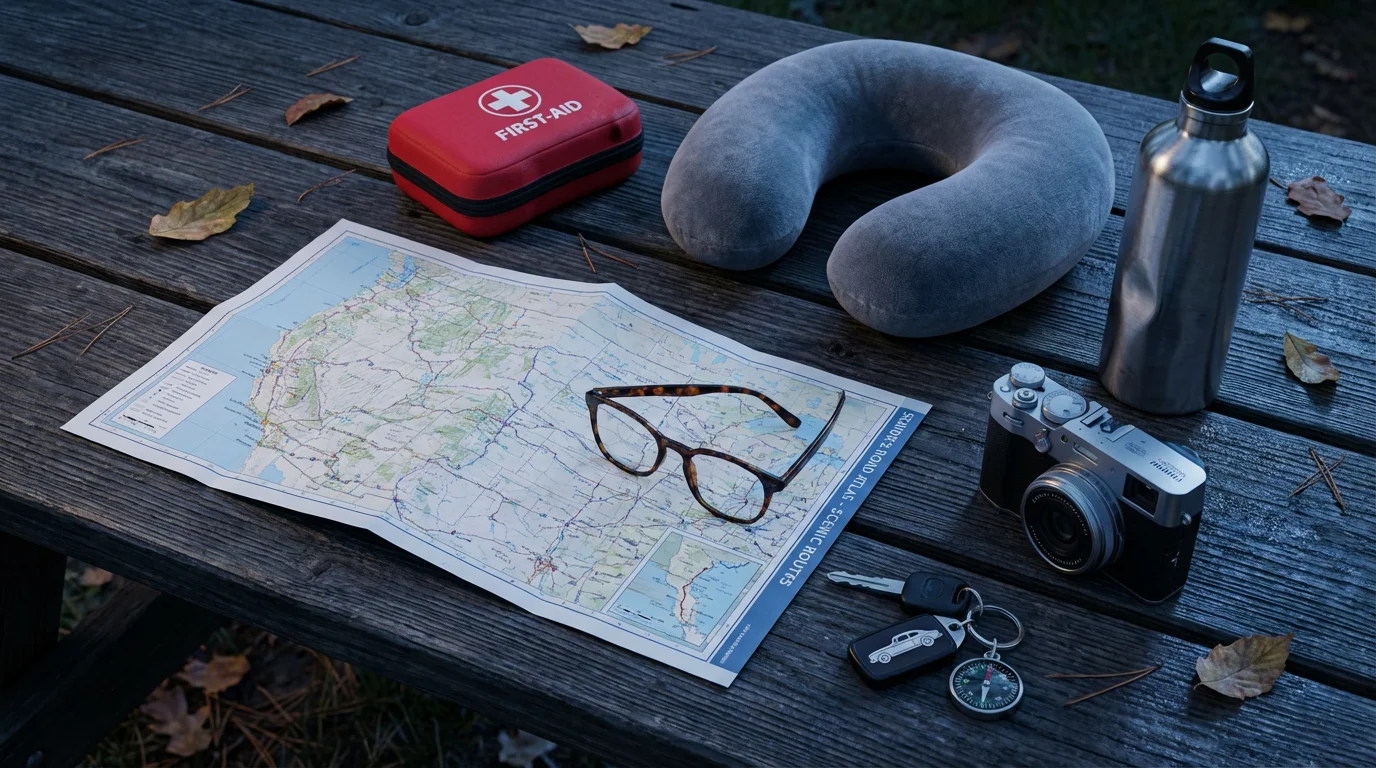
Packing wisely makes a significant difference in the comfort and ease of your road trip. A well-prepared traveler enjoys the journey more, regardless of unexpected turns. Focus on practical items that enhance safety, convenience, and enjoyment. You will appreciate having everything you need readily available.
Consider the climate of your chosen destination and pack accordingly. Layers are always a good idea for varying temperatures. A thoughtful packing strategy ensures you are ready for any situation on your road trips.
Road Trip Packing List
- Navigation: GPS device or smartphone with downloaded offline maps, physical maps, and a compass.
- Documents: Driver’s license, vehicle registration, insurance cards, medical insurance cards, emergency contacts list, AARP card (for discounts).
- Comfort: Comfortable clothing (layers), walking shoes, hat, sunglasses, neck pillow, blanket, travel mug, reusable water bottle.
- Health & Hygiene: All prescription medications, first-aid kit, pain relievers, hand sanitizer, wet wipes, toiletries, sunscreen, insect repellent.
- Food & Drink: Cooler with snacks, drinks, and ice. Easy-to-eat, non-perishable food items.
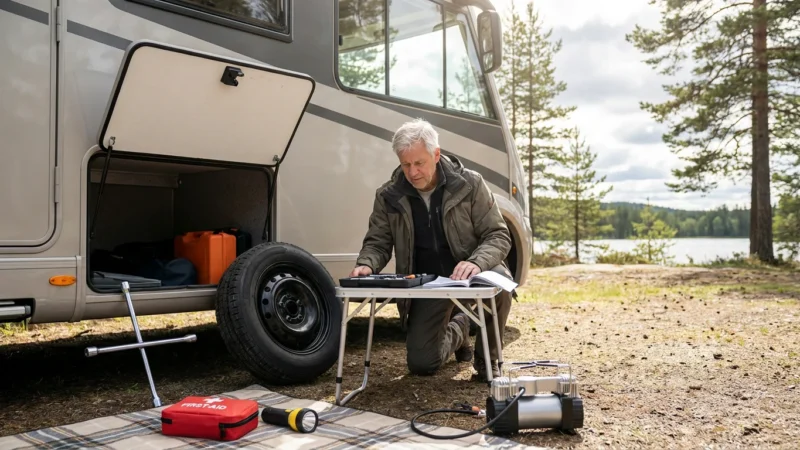
- Vehicle Essentials: Jumper cables, tire pressure gauge, basic tool kit, flashlight, spare tire, car charger for devices, small trash bag.
- Entertainment: Books, audiobooks, podcasts, music playlists, camera, binoculars.
- Miscellaneous: Small backpack for day trips, cash for tolls or small purchases, power bank for charging devices, pen and paper.
Organize your items so frequently used articles are easily accessible. A well-stocked emergency kit provides peace of mind. Being prepared allows you to focus on the incredible experiences ahead.

Road Trip Comparison Table
This table offers a quick overview to help you decide which of these amazing US road trips best suits your interests and travel style for your next senior travel adventure.
| Road Trip | Ideal Duration | Key Attractions | Best For | Pace |
|---|---|---|---|---|
| Pacific Coast Highway | 5-7 Days | Big Sur, Hearst Castle, Monterey Bay Aquarium | Scenic views, coastal towns, photography | Moderate, leisurely stops |
| Blue Ridge Parkway | 4-6 Days | Mabry Mill, Asheville, Appalachian culture | Mountain scenery, history, gentle hikes | Slow, very relaxed |
| Historic Route 66 (Segments) | 3-7 Days (per segment) | Classic diners, roadside attractions, historical sites | Nostalgia, Americana, unique cultural stops | Flexible, discovery-driven |
| Florida Keys Scenic Highway | 4-6 Days | Key West, Islamorada, marine life, beaches | Tropical relaxation, ocean views, water activities | Relaxed, island time |
| Utah’s Mighty 5 | 10-14 Days | Zion, Bryce Canyon, Arches, stunning rock formations | National Parks, geology, accessible viewpoints | Active, grand landscapes |
Frequently Asked Questions
What are the best US road trips for seniors looking for relaxation?
For relaxation, consider the Florida Keys Scenic Highway for its tropical vibe and leisurely pace, or segments of the Blue Ridge Parkway with its serene mountain views. These routes offer ample opportunities to unwind without feeling rushed, ideal for senior travel.
How far should seniors drive in a day on a road trip?
Limit your daily driving to 4-6 hours, or roughly 200-300 miles. This allows for frequent breaks, reduces fatigue, and ensures you have time to explore your destinations. Flexibility is key to an enjoyable senior road trip experience.
What should I pack for a senior road trip, specifically for safety?
Beyond personal items and medications, pack a comprehensive first-aid kit, jumper cables, a tire pressure gauge, a flashlight, and a physical map. A fully charged cell phone and car charger are also essential. These items enhance your safety and preparedness for any US travel journey.
Are national parks accessible for senior travelers on road trips?
Yes, many national parks, including those in Utah’s Mighty 5, offer numerous accessible scenic drives, paved trails, visitor centers, and restrooms. Always check the specific park’s National Park Service website for detailed accessibility information before your visit to ensure a comfortable senior travel experience.
How can I find budget-friendly accommodations for senior road trips?
Look for hotel chains that offer senior discounts, utilize booking websites with senior filters, and consider AARP Travel benefits. Off-peak travel seasons also offer lower rates. Researching campground options in national or state parks can also be a cost-effective solution for your road trips.
What vehicle is best for a senior road trip?
A comfortable, reliable vehicle with good fuel efficiency and ample space for luggage is ideal. Consider features like automatic transmission, cruise control, and modern safety features. Ensure your vehicle has a recent tune-up before embarking on any long US travel.




Leave a Reply