
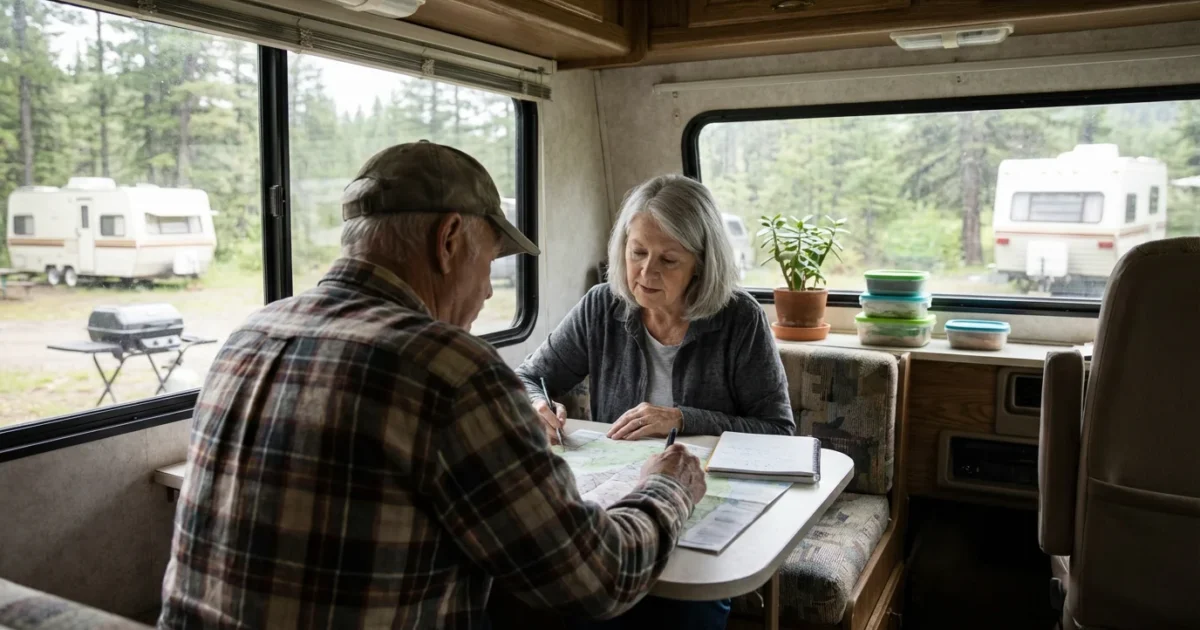
Embracing the open road in an RV offers an unparalleled sense of freedom and adventure, a dream for many seniors. You envision waking up to new landscapes, connecting with nature, and discovering hidden gems across the country. This lifestyle promises constant exploration, but a common concern often arises: can you truly enjoy RV living without breaking the bank?
The answer is a resounding yes. Frugal RV living allows you to maximize your adventures while carefully managing your finances. This guide equips you with practical, actionable strategies to enjoy the boundless opportunities of RV travel, all while adhering to a budget.
Your journey into affordable RV adventures begins now. Prepare to unlock a world of exploration without financial stress, proving that the spirit of adventure thrives at every age and budget.
Table of Contents
- The Allure of RV Living for Seniors
- Choosing Your Home on Wheels Wisely
- Mastering Campground Costs and Strategies
- Fuel Efficiency and Smart Driving Habits
- Food, Glorious Food: Eating Well on a Budget
- Maintenance and DIY: Keeping Your RV Road-Ready
- Finding Free and Low-Cost Activities
- Insurance, Connectivity, and Other Essential Savings
- Building a Community and Embracing the Lifestyle
- Your Journey Awaits: Embracing Frugal RV Adventures
- Frequently Asked Questions

The Allure of RV Living for Seniors
RV living offers an unmatched blend of comfort and discovery for seniors. You carry your home with you, eliminating the constant packing and unpacking of traditional travel. This mobility allows you to chase pleasant weather, explore diverse regions, and immerse yourself in various communities at your own pace.
Many seniors find RVing a more budget-friendly option than frequent hotel stays and restaurant dining. You control your accommodation and meal expenses, making long-term travel more sustainable. This lifestyle also fosters incredible social connections, as you encounter fellow travelers who share your passion for exploration.
Consider the psychological benefits. Research suggests that active engagement and new experiences contribute to well-being in later life. RVing provides a continuous stream of novelty, keeping your mind sharp and your spirits high. You gain independence, flexibility, and a renewed sense of purpose on the open road.
The world is a book and those who do not travel read only one page. — Saint Augustine
Choosing Your Home on Wheels Wisely
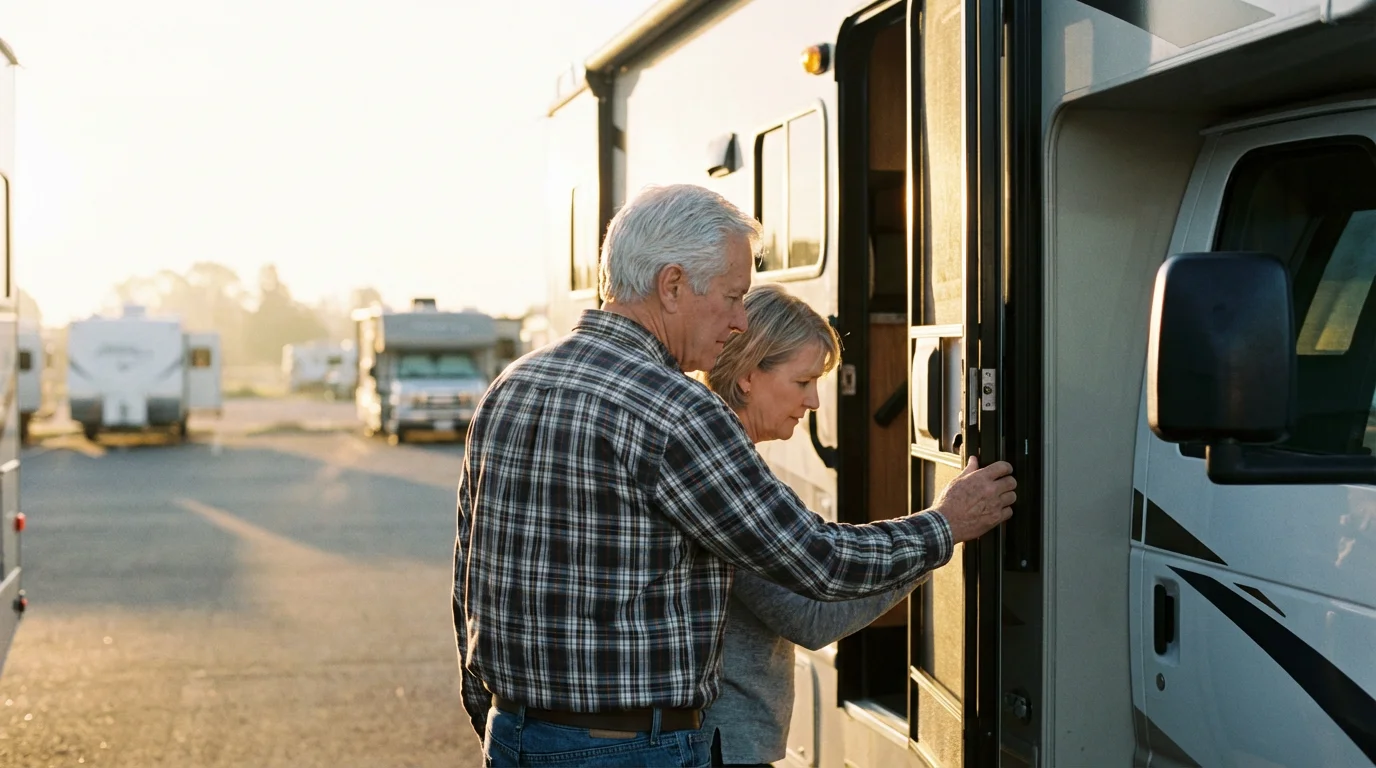
Your RV selection significantly impacts your overall budget. Initial purchase price, fuel efficiency, and maintenance costs vary greatly among different types. Take time to assess your needs, lifestyle, and financial limits before making a commitment.
Used RVs often provide excellent value. You can find well-maintained units at a fraction of the new price, allowing you to save substantially. Conduct thorough inspections, ideally with a certified RV technician, to identify potential issues before purchase. A good deal on a used RV can quickly become expensive if it requires major repairs.
Consider the size and type of RV that best suits your travel style. Larger RVs offer more space and amenities but consume more fuel and are more challenging to maneuver. Smaller RVs, such as Class B campervans or travel trailers, often provide better fuel economy and easier access to remote campsites.
Types of RVs and Their Budget Implications:
Here is a comparison of common RV types, focusing on their typical budget impact:
| RV Type | Initial Cost (Used) | Fuel Efficiency | Maintenance Complexity | Pros for Budgeting | Cons for Budgeting |
|---|---|---|---|---|---|
| Class A Motorhome | $50,000 – $200,000+ | Low (4-10 MPG) | High | Spacious, full amenities, often includes generator. | High fuel costs, expensive repairs, limited maneuverability. |
| Class B Campervan | $30,000 – $100,000+ | Moderate (18-25 MPG) | Moderate | Good fuel economy, easy to drive/park, stealth camping potential. | Limited space, fewer amenities, higher initial cost than trailers. |
| Class C Motorhome | $40,000 – $120,000+ | Low-Moderate (8-14 MPG) | Moderate | Balance of space and drivability, often includes generator. | Still has significant fuel costs, requires separate vehicle for local errands. |
| Travel Trailer | $10,000 – $60,000+ | Varies (depends on tow vehicle) | Low-Moderate | Lower initial cost, can detach tow vehicle for local use, diverse sizes. | Requires capable tow vehicle, parking can be tricky, setup/takedown. |
| Fifth-Wheel Trailer | $20,000 – $80,000+ | Varies (depends on tow vehicle) | Moderate | More spacious than travel trailers, stable towing, often more amenities. | Requires heavy-duty truck, higher initial cost than basic travel trailers. |
| Pop-Up Camper | $5,000 – $20,000+ | Good (minimal drag when folded) | Low | Very affordable, lightweight, easy to store, good fuel economy. | Limited amenities, less insulation, setup required. |
Your choice significantly influences your long-term savings. Balance upfront costs with ongoing operational expenses for the most budget-friendly option.
Mastering Campground Costs and Strategies
Campground fees represent a major expense for RVers. Smart planning and alternative camping options can drastically reduce these costs. You have many choices beyond expensive private resorts.
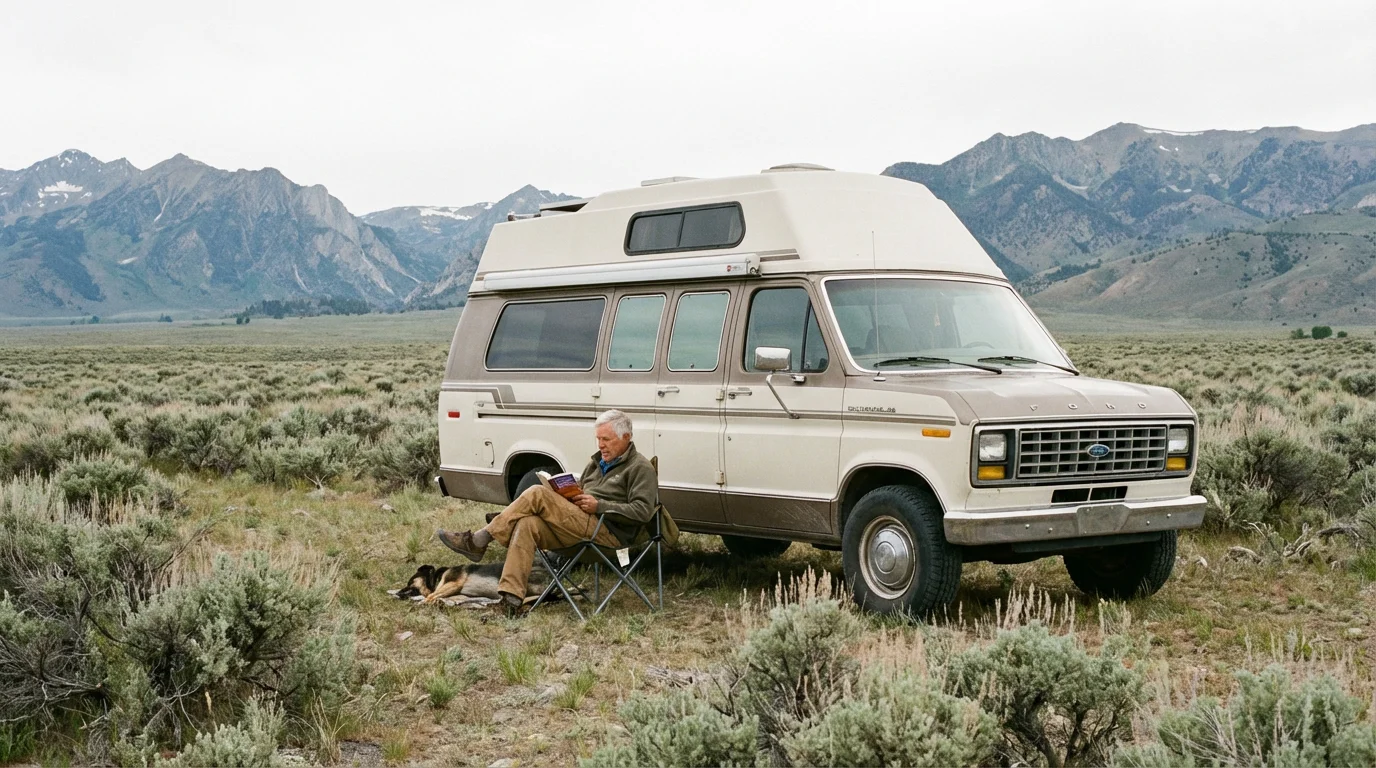
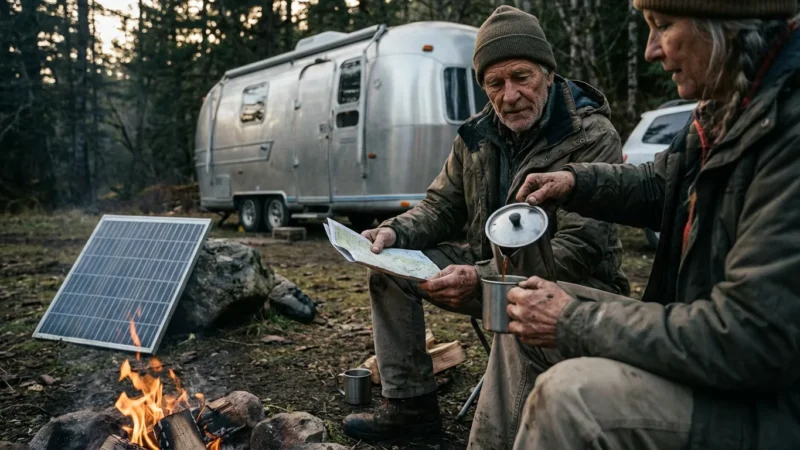
Boondocking, or dispersed camping, involves camping on public lands without hookups. This is often free and provides unparalleled access to nature. The Bureau of Land Management, National Forests, and some State Parks offer designated dispersed camping areas. You need to be self-sufficient, managing your water, power, and waste.
You can find information about boondocking opportunities through websites and apps dedicated to RV travel. Always research regulations for specific areas to ensure compliance and safety. This truly embodies frugal RV living.
Tips for Finding Affordable Campsites:
- Utilize Public Lands: Explore National Forests, BLM land, and Army Corps of Engineers sites. These often offer primitive or low-cost camping. The National Forest Foundation provides resources to explore these vast areas.
- Invest in Memberships: Consider memberships like Passport America for 50 percent discounts at participating campgrounds, or Harvest Hosts for free overnight stays at farms, wineries, and attractions.
- Join RV Clubs: Many RV clubs offer discounts on campgrounds, services, and gear. AARP Travel often highlights discounts for seniors, which can extend to camping.
- Look for Senior Discounts: Many state and national parks offer significant discounts for seniors. The National Park Service offers an America the Beautiful Senior Pass for a lifetime of access and discounts.
- Camp Off-Season: Travel during the shoulder seasons (spring and fall) to avoid peak prices and crowds. You often find better rates and more availability.
- Seek Out County and City Parks: These parks can be much more affordable than private campgrounds, offering a good balance of amenities and lower cost.
- Use Online Resources: Websites and apps like Recreation.gov help you find and reserve campsites on federal lands, often with clear pricing.
Fuel Efficiency and Smart Driving Habits
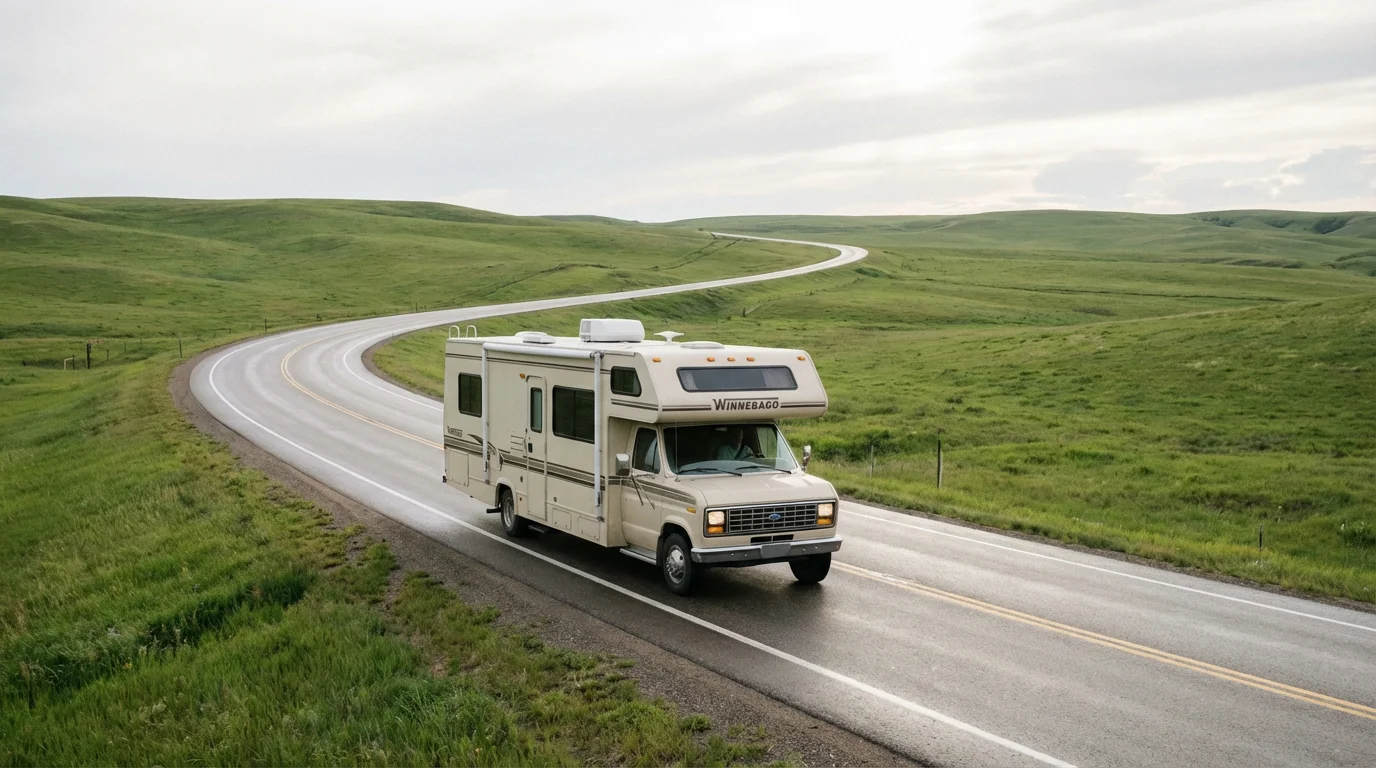
Fuel is consistently one of the largest expenses for RVers. You can implement several strategies to minimize your consumption and keep your budget intact. Small changes in your driving habits make a big difference over time.
Route planning is paramount. Avoid unnecessary detours and choose the most direct, fuel-efficient routes. Utilize GPS and RV-specific navigation apps to account for road conditions, grades, and potential low-clearance areas, which can impact fuel use.
Your speed directly affects fuel consumption. Driving at a steady, moderate speed, typically between 55 and 65 mph, yields the best gas mileage for most RVs. Avoid rapid acceleration and hard braking, as these actions waste fuel and cause wear on your vehicle.
Fuel-Saving Driving Tips:
- Maintain Optimal Tire Pressure: Properly inflated tires reduce rolling resistance, improving fuel economy and safety. Check your tire pressure regularly, especially before long trips.
- Reduce Weight: Only carry essentials. Excess weight makes your RV work harder, burning more fuel. Review your packing list before each trip.
- Minimize Drag: Close windows, roof vents, and awnings when driving at highway speeds. Remove external accessories that create unnecessary drag when not in use.
- Use Cruise Control: On flat or gently rolling terrain, cruise control helps maintain a consistent speed, optimizing fuel consumption.
- Plan Shorter Legs: Instead of rushing through long distances, plan shorter travel days. This reduces fatigue and allows for more relaxed, fuel-efficient driving.
- Idle Less: Turn off your engine if you anticipate being stopped for more than a minute. Idling consumes fuel without taking you anywhere.
- Shop for Fuel: Use apps to find the lowest fuel prices along your route. Even a few cents per gallon adds up over hundreds or thousands of miles.
Food, Glorious Food: Eating Well on a Budget
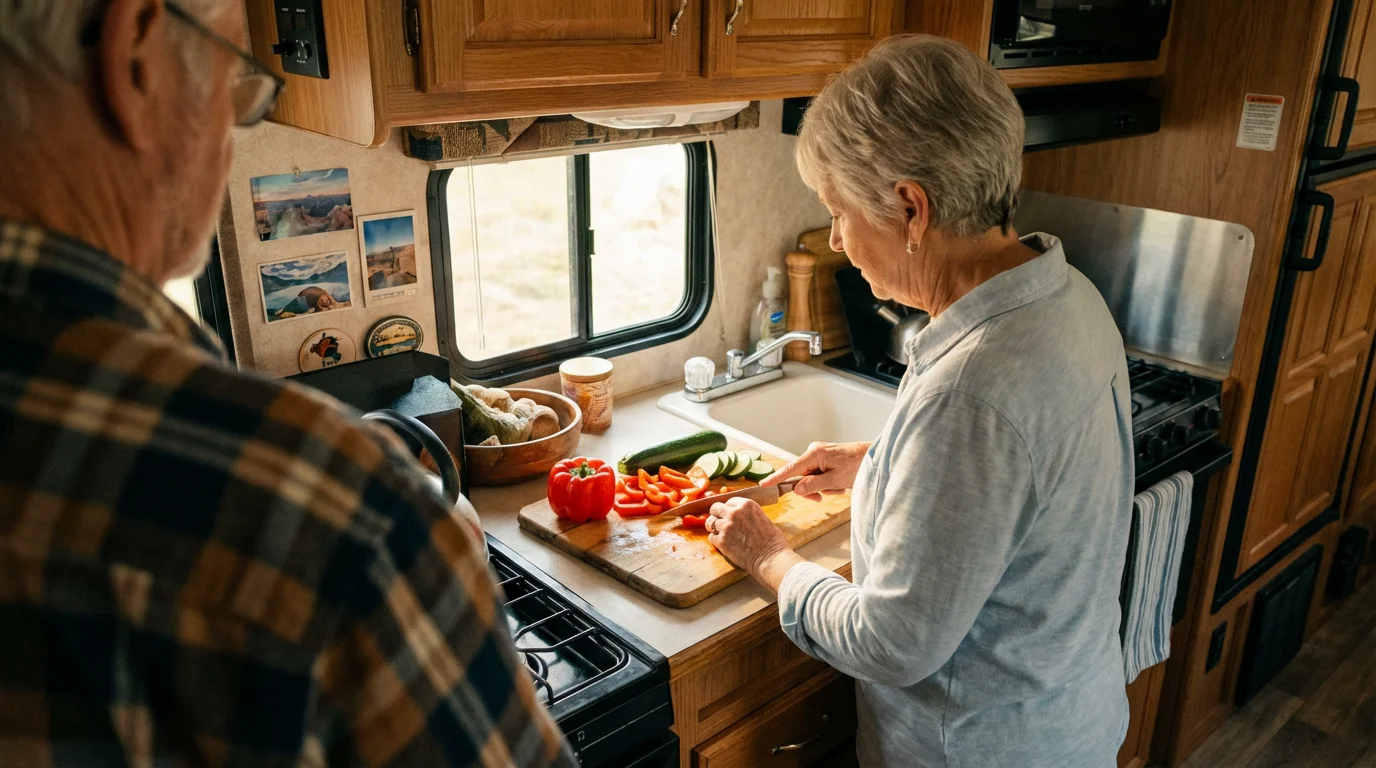
Dining out frequently adds up quickly, regardless of where you travel. Your RV kitchen offers a fantastic opportunity to save money by preparing delicious, healthy meals. You have the flexibility to cook what you want, when you want.
Meal planning is the cornerstone of frugal RV cooking. Before you embark on a trip or head to a new location, outline your meals for the week. This helps you create a precise grocery list, preventing impulse purchases and food waste. Plan for simple, one-pot meals to minimize cleanup.
Stock your pantry with non-perishable staples. Canned goods, dried pasta, rice, and spices form the foundation of many meals. You can then purchase fresh produce and proteins as needed, reducing the frequency of grocery store visits and preventing spoilage.
Pantry Staples for RV Cooking:
- Canned beans, tomatoes, and vegetables
- Dried pasta, rice, and quinoa
- Oats for breakfast
- Shelf-stable milk or powdered milk
- Coffee or tea
- Basic spices: salt, pepper, garlic powder, onion powder, chili powder, Italian seasoning
- Oils: olive oil, vegetable oil
- Vinegars: apple cider vinegar, white vinegar
- Flour or cornmeal for thickening
- Long-lasting vegetables: potatoes, onions, carrots, squash
- Canned tuna or chicken
- Crackers and peanut butter
When you do shop, seek out local farmers markets for fresh, seasonal produce, often at lower prices than supermarkets. Utilize supermarket loyalty programs and look for sales. Consider buying in bulk when practical for items you use frequently.
Maintenance and DIY: Keeping Your RV Road-Ready
Preventive maintenance is crucial for budget-conscious RVers. Addressing small issues before they become major problems saves you significant money and prevents inconvenient breakdowns on the road. You actively extend the life of your vehicle and appliances.
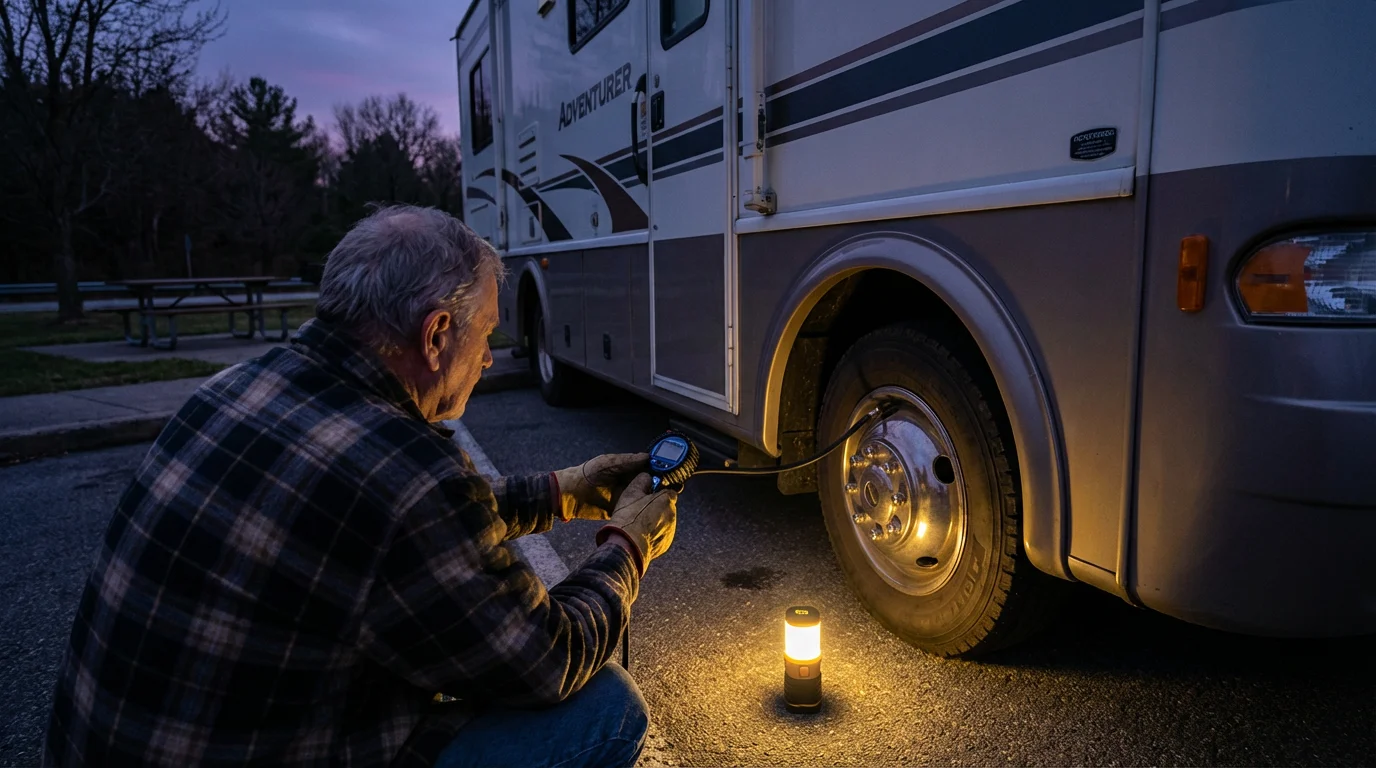
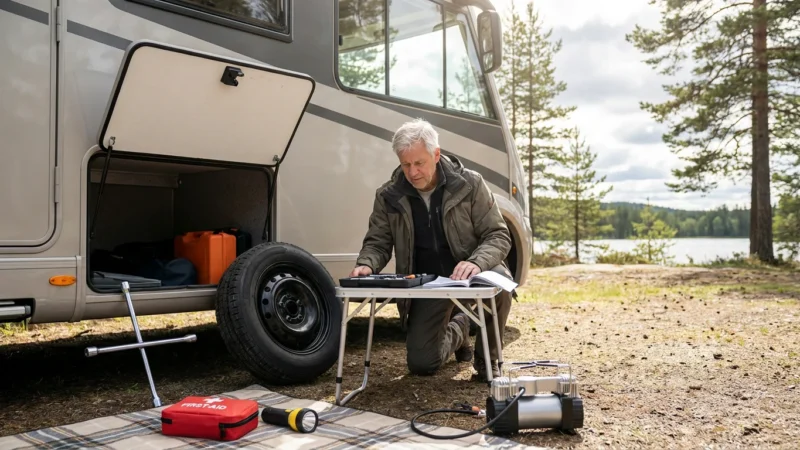
Regular inspections are simple yet effective. Check your fluid levels, tire pressure, and lights before each trip. Inspect seals around windows and vents for leaks, which can lead to costly water damage. You can easily learn many of these basic tasks.
Embrace the DIY spirit for minor repairs. Online tutorials and RV forums offer a wealth of information for tasks like replacing a faulty fuse, fixing a leaky faucet, or maintaining your battery bank. Having a basic toolkit on board empowers you to handle common issues without professional help.
Essential RV Maintenance Tasks:
- Routinely Check Tire Pressure: This includes your spare. Proper inflation prevents blowouts and saves fuel.
- Inspect and Clean Roof: Look for cracks, tears, or damage to sealant around vents and skylights. Clean regularly to prevent mold and mildew.
- Test All Appliances: Ensure your refrigerator, stove, water heater, and air conditioner function correctly before and during trips.
- Check Fluid Levels: Monitor engine oil, coolant, brake fluid, and power steering fluid in motorhomes.
- Maintain Battery Health: Clean terminals, check water levels in wet-cell batteries, and ensure they hold a charge.
- Service Generator: Change oil, air filter, and spark plug according to manufacturer recommendations.
- Inspect Hoses and Belts: Look for cracks, fraying, or looseness. Replace as needed to prevent breakdowns.
- Empty and Flush Tanks Regularly: Maintain your black and gray water tanks to prevent odors and clogs.
Keep detailed records of all maintenance performed, whether by you or a professional. This helps track your RV’s health and can be valuable if you decide to sell in the future.
Finding Free and Low-Cost Activities
Adventure does not always come with a hefty price tag. Many of the most rewarding experiences in RV living are free or cost very little. You can discover incredible beauty and engaging activities without overspending.
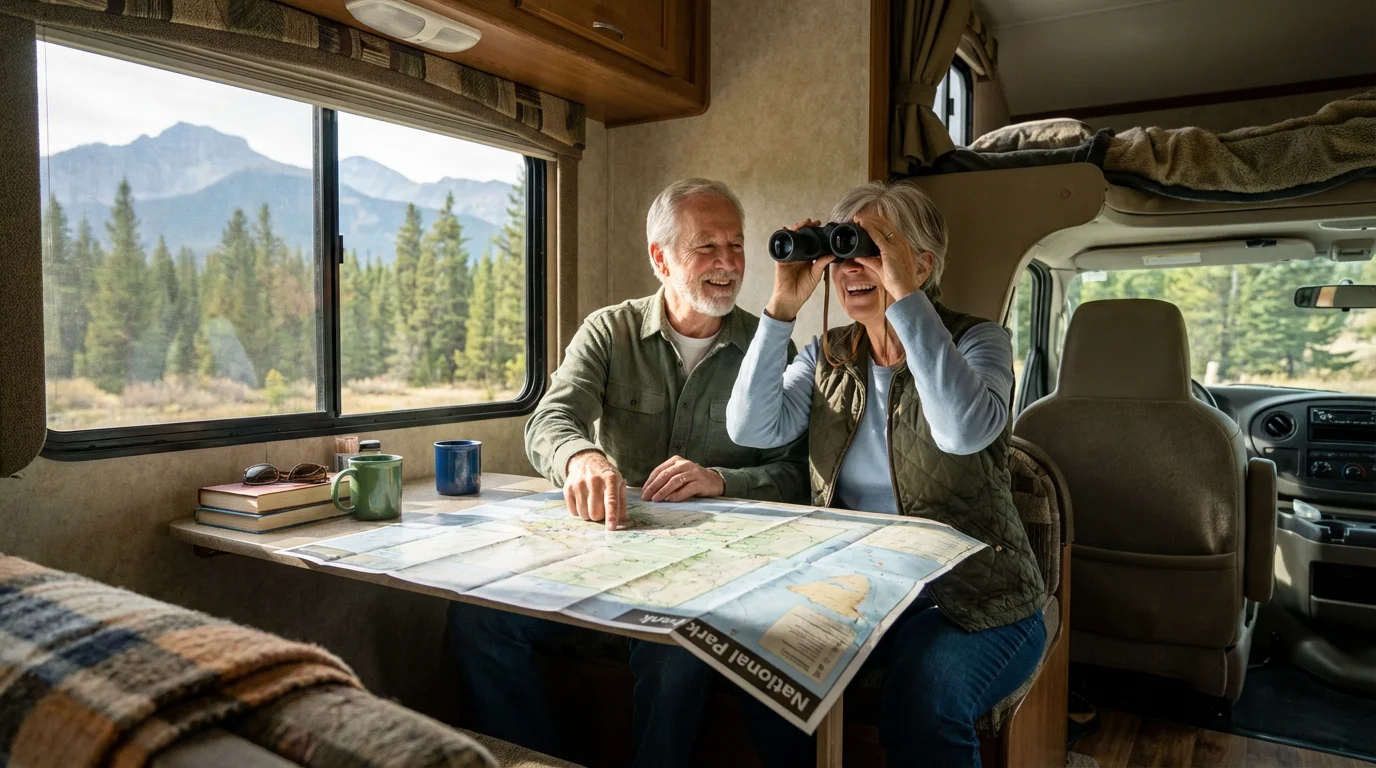
National Parks and National Forests offer unparalleled opportunities for hiking, wildlife viewing, and photography. Your America the Beautiful Senior Pass grants you access to these treasures for a lifetime. Utilize the National Park Service website to plan your visits and find free ranger-led programs.
Many towns and cities across the country host free festivals, concerts, and public markets. Research local event calendars upon arrival in a new area. Walking tours, public art installations, and historical markers also provide engaging, budget-friendly entertainment.
Free or Low-Cost Activities for RVers:
- Hiking and Nature Walks: Explore trails in National Parks, State Parks, and local preserves.
- Stargazing: Find dark sky locations for breathtaking celestial views.
- Picnics: Pack a meal and enjoy it in a scenic overlook or park.
- Birdwatching: Bring binoculars and a field guide to identify local avian species.
- Photography: Capture the stunning landscapes and unique moments of your travels.
- Visiting Libraries: Access free Wi-Fi, books, and local information.
- Geocaching: A fun, free outdoor treasure hunt activity for all ages.
- Exploring Small Towns: Wander through historic downtowns, browse local shops, and soak in the atmosphere.
- Attending Free Community Events: Look for local fairs, concerts in the park, or farmers markets.
Embrace the simplicity of nature. A comfortable chair, a good book, and a beautiful view can create a deeply fulfilling experience, costing you nothing. You make your own entertainment on the road.
Insurance, Connectivity, and Other Essential Savings
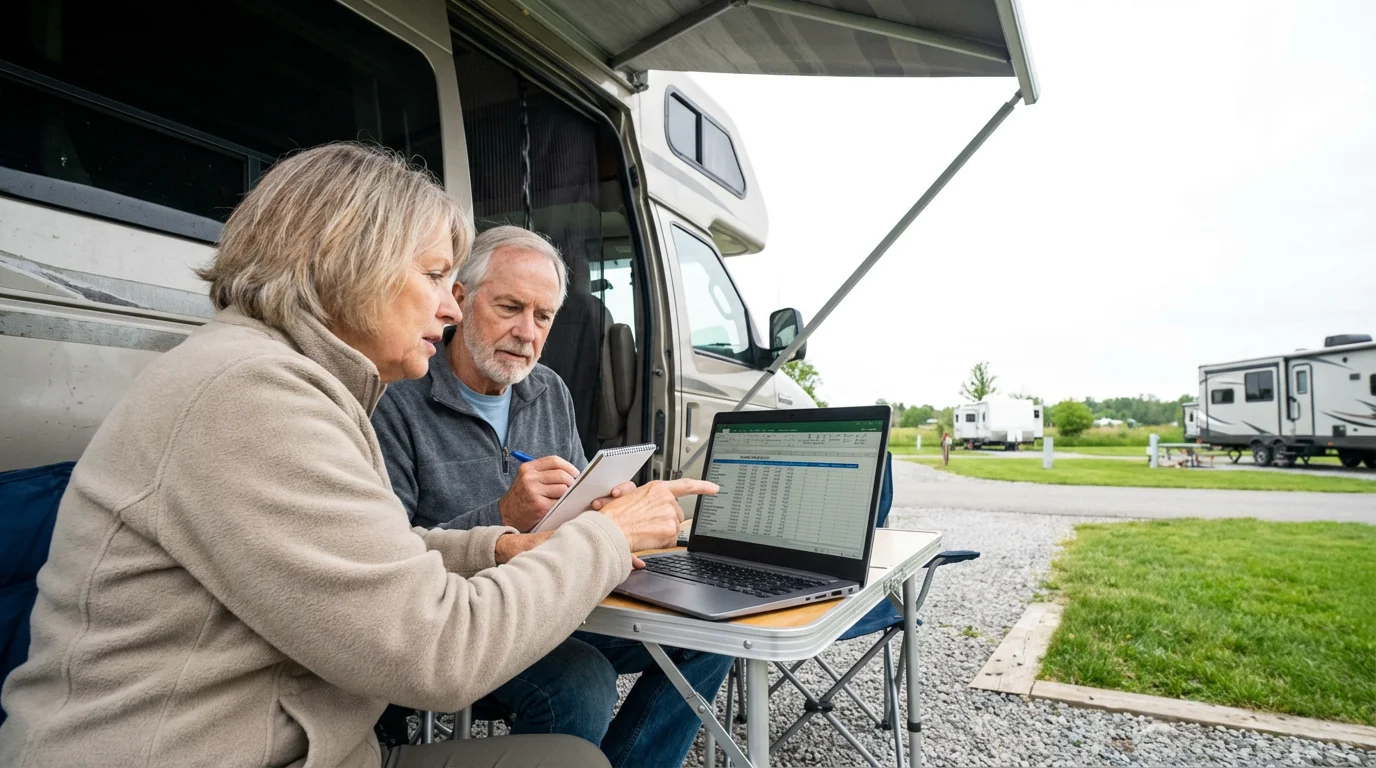
Beyond the immediate costs of travel, several ongoing expenses require careful management. You can find savings in areas like insurance, communication, and even healthcare while on the road.
RV insurance is a non-negotiable expense, but you can shop for competitive rates. Compare quotes from multiple providers, considering factors like coverage limits, deductibles, and roadside assistance. Some insurers offer discounts for safe drivers, security features, or bundling policies. AARP Travel often has resources for finding insurance providers with senior-friendly options.
Staying connected is important, but costly data plans can strain your budget. Explore various options for internet access. Public libraries often provide free Wi-Fi. Consider a mobile hotspot device with a data plan that suits your usage, or look into unlimited data plans from major carriers, specifically checking their hotspot policies.
Budgeting for Unexpected Expenses:
- Emergency Fund: Maintain a dedicated emergency fund for unforeseen repairs or medical needs. Aim for at least three to six months of living expenses.
- Roadside Assistance: Invest in a reliable roadside assistance plan. This saves you from expensive towing and repair calls in remote areas.
- Health Insurance Review: Understand your health insurance coverage while traveling. Ensure your plan provides adequate coverage across different states or if you travel internationally. The CDC Travelers’ Health website offers guidance on health precautions and resources.
- Mail Forwarding Service: A specialized mail forwarding service handles your mail and packages, ensuring you receive important documents without maintaining a permanent address.
- Veterans Benefits: If you are a veteran, research any available benefits or discounts that apply to travel, camping, or services.
Proactive planning for these essential services and potential emergencies provides peace of mind and protects your budget from sudden, significant outlays.

Building a Community and Embracing the Lifestyle
While often seen as a solitary pursuit, RV living offers incredible opportunities for community building. You meet fellow travelers, share experiences, and even form lasting friendships. This social aspect enhances your journey significantly.
Joining RV clubs or online forums connects you with a network of experienced RVers. You gain access to invaluable advice, tips, and support from people who understand the lifestyle. These communities often organize meetups and rallies, providing a structured way to socialize.
Embrace the spontaneous interactions that RV parks and public lands offer. A wave, a friendly hello, or an offer of help can spark a conversation. Many RVers are eager to share their stories and learn from yours, creating a welcoming atmosphere.
Staying safe on the road also forms a crucial part of this lifestyle. You should always be aware of your surroundings, secure your RV, and communicate your travel plans with trusted individuals. This ensures a more relaxed and enjoyable experience.
Adventure is worthwhile in itself. — Amelia Earhart
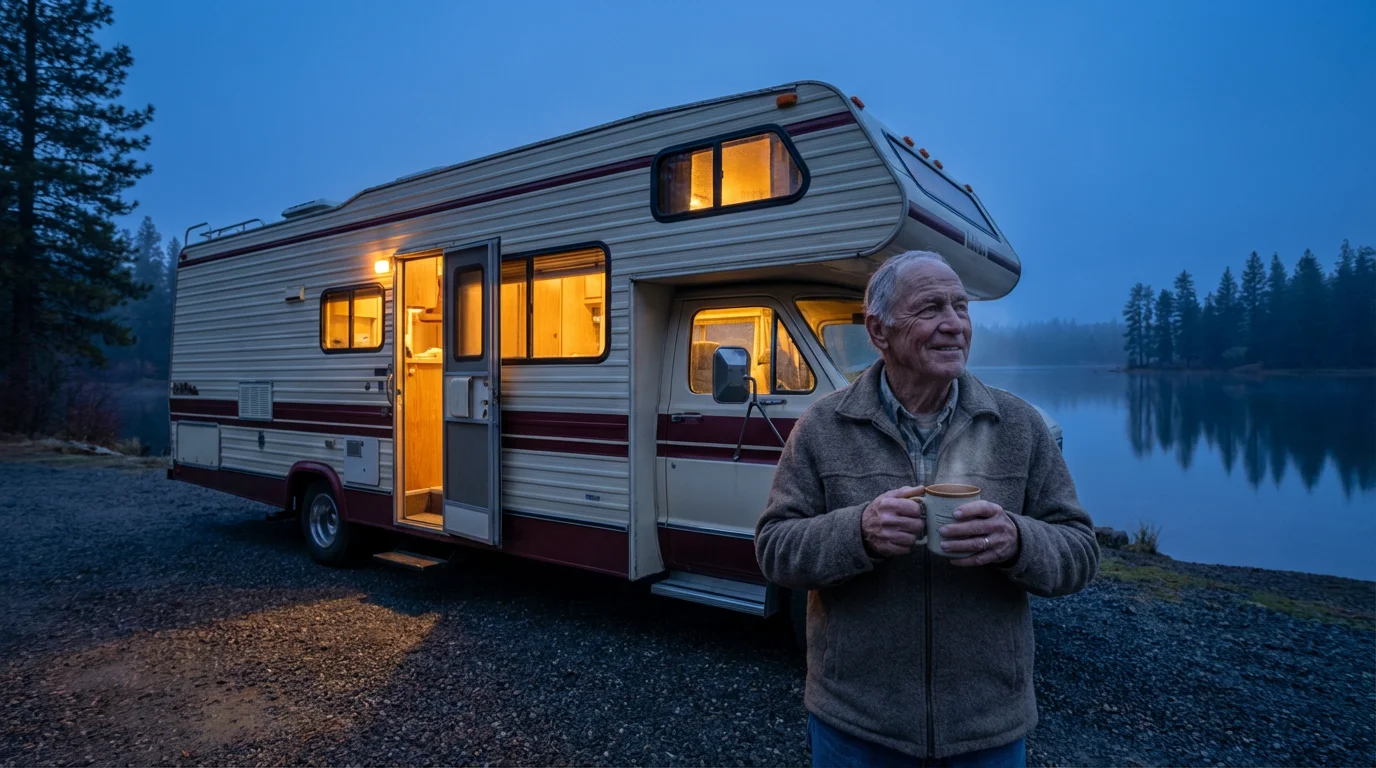
Your Journey Awaits: Embracing Frugal RV Adventures
RV living on a budget is more than just saving money, it is about embracing a resourceful, intentional lifestyle. You gain the freedom to explore at your leisure, discover hidden wonders, and create memories that last a lifetime, all while managing your finances wisely.
The keys to successful frugal RVing lie in thoughtful planning, smart choices, and a willingness to adapt. You now possess the knowledge to choose the right RV, minimize campground and fuel costs, cook delicious meals economically, and find free activities. You also understand the importance of maintenance and budgeting for essential services.
Step confidently into your RV adventures. The open road beckons, offering endless possibilities for discovery and joy. Embrace the spirit of exploration, knowing you can achieve your travel dreams within your budget. Your next great adventure awaits.
Frequently Asked Questions
What is the most budget-friendly type of RV for seniors?
Travel trailers, especially smaller models or pop-up campers, often represent the most budget-friendly entry point for RV living. They typically have lower purchase prices and maintenance costs than motorhomes. Your overall cost depends on the tow vehicle you already own.
Can I really boondock for free in my RV?
Yes, you can absolutely boondock for free on vast areas of public lands managed by the Bureau of Land Management and the National Forest Service. You must practice self-sufficiency, conserving water and power, and adhering to Leave No Trace principles. Always check local regulations for specific areas before you go.
How do seniors find discounts for RV travel?
Seniors find discounts through various avenues. Consider purchasing an America the Beautiful Senior Pass for lifetime access and discounts at National Parks and federal recreation sites. Many private campgrounds, RV parks, and even some state parks offer senior rates. Joining RV clubs and AARP Travel also provides access to exclusive discounts on camping, travel, and services.
What are the biggest expenses to budget for in RV living?
The largest expenses in RV living typically include fuel, campground fees, RV insurance, and maintenance. By strategically planning your routes, utilizing boondocking or public campsites, shopping for competitive insurance rates, and performing routine DIY maintenance, you significantly reduce these costs.
Is RV living safe for solo senior travelers?
Yes, RV living is very safe for solo senior travelers. You enhance your safety by choosing well-lit campgrounds, securing your RV, sharing your itinerary with trusted contacts, and carrying a reliable communication device. Many solo RVers find a strong sense of community and support within the RVing network, which further contributes to a secure experience.
How can I stay connected to the internet while RVing on a budget?
Staying connected on a budget involves a mix of strategies. Public libraries often offer free Wi-Fi. Consider a portable mobile hotspot with a data plan tailored to your usage. Some RV parks provide Wi-Fi, though quality varies. You can also explore affordable data plans from major cellular carriers, ensuring you understand their coverage in the areas you plan to visit.
Disclaimer: This article is for informational purposes only. Travel conditions, accessibility, and requirements change frequently. We encourage readers to verify current information with official sources before traveling. Always consult with healthcare providers about travel considerations for your specific health situation.





Leave a Reply