

The golden years offer an unparalleled opportunity for discovery, especially when you embrace the richness of the past. Imagine walking through ancient ruins, exploring vibrant cultural traditions, and understanding pivotal historical events firsthand. Senior group tours focused on history and culture provide a unique way to satisfy this curiosity, blending immersive experiences with the comfort and camaraderie of like-minded travelers.
You gain access to expert guides, carefully curated itineraries, and seamless logistics when you choose a group tour. This approach allows you to fully engage with the destination without the stress of independent planning. It empowers you to delve deep into the stories, art, and heritage of places you have always dreamed of visiting.
Table of Contents
- Why Choose Senior Group Tours for History and Culture?
- Finding the Right Historical Group Tour for You
- Top Destinations for Immersive History and Culture
- Planning Your Cultural Expedition
- Essential Packing for Your Cultural Journey
- Ensuring Safety and Comfort on Your Senior Group Tour
- Selecting a Reputable Tour Operator
- Frequently Asked Questions
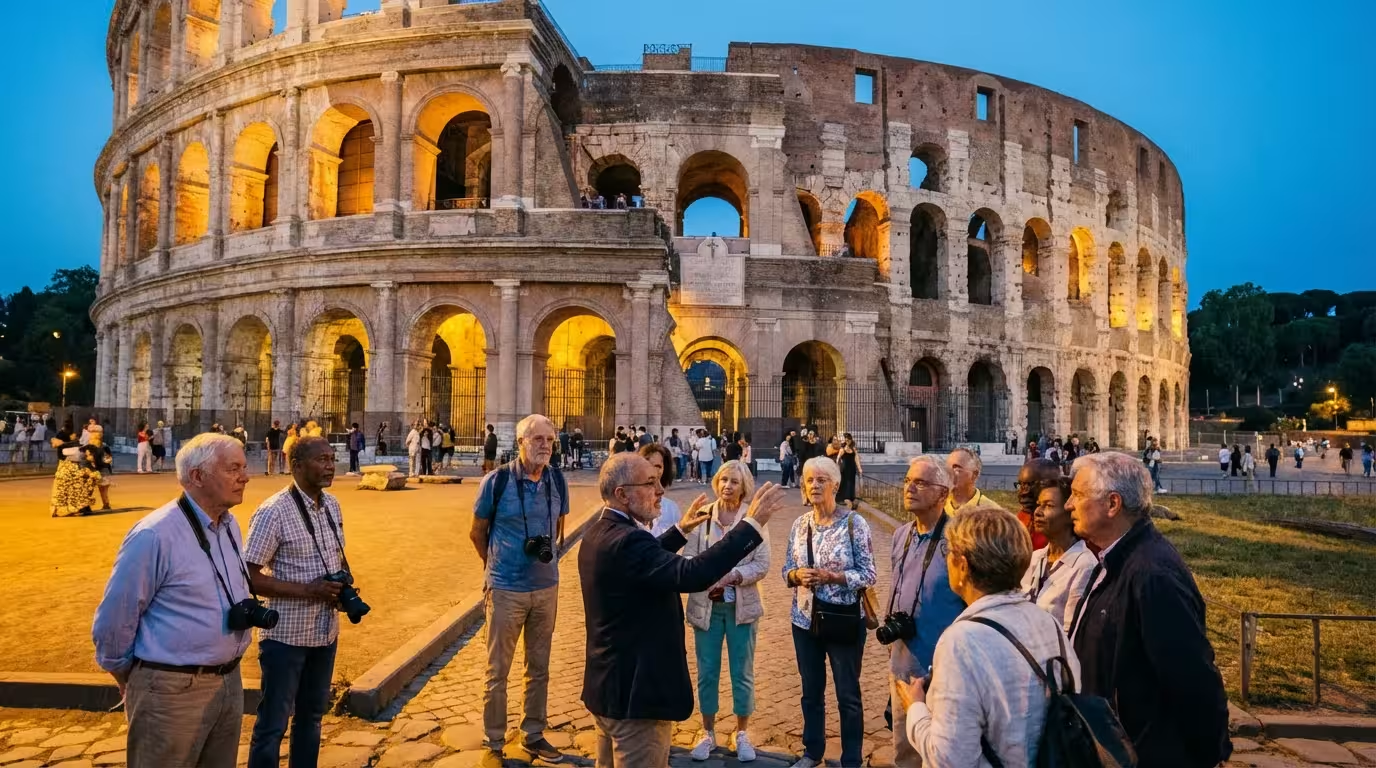
Why Choose Senior Group Tours for History and Culture?
Embarking on a senior group tour focused on history and culture delivers a profoundly enriching travel experience. These tours cater specifically to your interests and needs, offering numerous advantages over solo travel or general leisure trips. You find inspiration and ease in every aspect of the journey.
One primary benefit involves the expertise provided. Professional guides bring historical sites and cultural traditions to life, offering insights you simply cannot gain from a guidebook. They share compelling stories, explain complex events, and answer your questions, ensuring a deeper understanding of each location. This expert narration transforms sightseeing into a truly educational adventure.
Group travel also handles all the logistical complexities. Tour operators manage accommodations, transportation, many meals, and entry fees to attractions. You avoid the stress of navigating unfamiliar public transit, booking multiple hotels, or arranging tickets. This frees your time and energy to focus purely on the discovery and enjoyment of your surroundings.
Furthermore, these tours foster a strong sense of community. You travel with peers who share your passion for learning and exploration. This creates opportunities for new friendships, shared laughter, and collective discovery. Many travelers report that the connections made with fellow group members become one of the most memorable aspects of their trip.
“The world is a book and those who do not travel read only one page.” — Saint Augustine
Safety and accessibility remain paramount for senior tours. Reputable operators design itineraries with your comfort and well-being in mind. They often include accessible transportation, provide ample rest stops, and offer a moderate pace. This careful planning allows you to enjoy every moment without feeling rushed or overwhelmed.
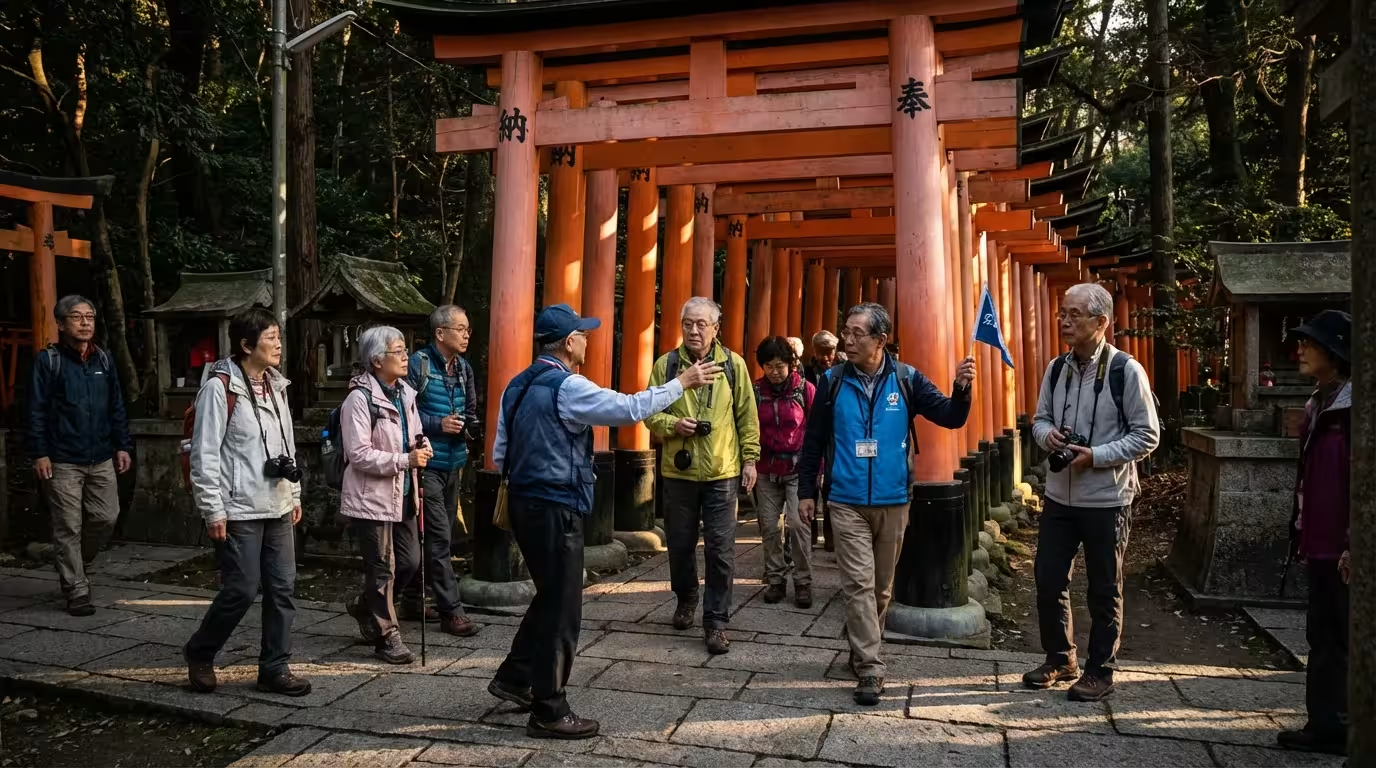
Finding the Right Historical Group Tour for You
Selecting the ideal senior tour requires careful consideration of several factors. Your personal preferences, physical comfort, and desired level of immersion all play a role. You want a tour that perfectly matches your expectations for exploration and learning.
Consider the pace of the tour. Some historical group tours offer a brisk schedule, visiting multiple sites daily, while others adopt a more leisurely approach. A slower pace often includes more time at each location, allowing for deeper exploration and less rush. You should assess your energy levels and interest in moving quickly versus savoring individual experiences.
Accessibility is another critical factor. Enquire about the physical demands of the itinerary, including walking distances, stair climbs, and availability of elevators. Many senior tours specifically cater to travelers with varying mobility needs, offering options like ground-floor rooms or accessible vehicles. Always communicate your specific needs to the tour operator before booking.
Review the tour’s focus and inclusions. Do you prefer a broad overview of a region’s history, or do you seek a deep dive into a specific period or theme, such as ancient civilizations, wartime history, or artistic movements? Check what the tour package covers, including meals, excursions, and optional activities. A comprehensive package can simplify budgeting and planning significantly.
Finally, look into the size of the group. Smaller groups often provide a more intimate experience, allowing for greater flexibility and personalized attention from guides. Larger groups can offer a more social atmosphere and potentially lower per-person costs. Decide which group size aligns best with your comfort level for social interaction.
Here is a comparison of typical tour attributes to help you decide:
| Attribute | Small Group Tour (e.g., 10-20 people) | Large Group Tour (e.g., 30-50 people) |
|---|---|---|
| Pace | Often more flexible, moderate to leisurely | Structured, can be brisk due to logistics |
| Guide Interaction | Higher, more personalized attention | General, less individual interaction |
| Flexibility | Greater opportunity for spontaneous changes | Limited flexibility, strict itinerary adherence |
| Accommodation Style | Often boutique hotels, unique stays | Standard hotels, often larger chains |
| Cost | Typically higher per person | Generally more budget-friendly |
| Ideal For | Deep immersion, personal connections | Social travelers, comprehensive overviews |
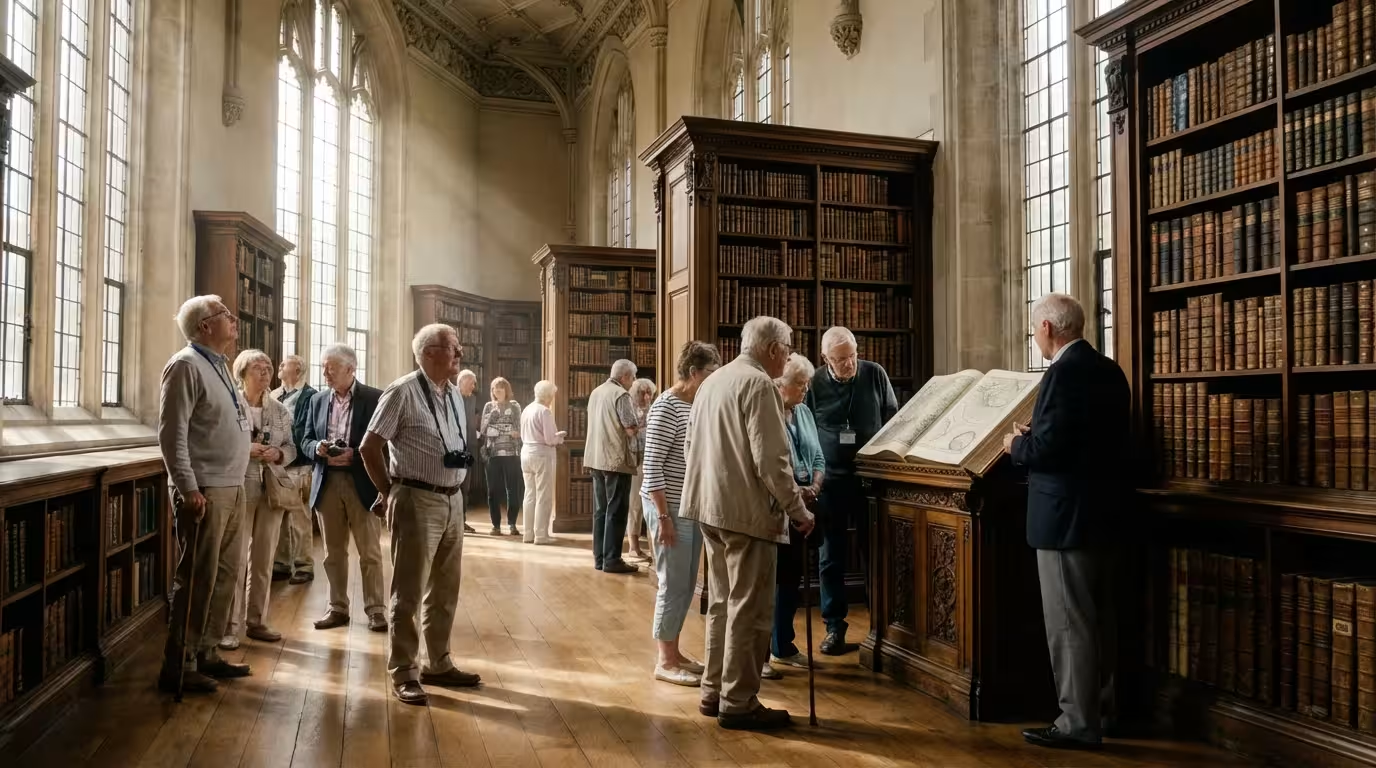
Top Destinations for Immersive History and Culture
The world abounds with incredible sites perfect for senior history tours. You can explore ancient wonders, pivotal battlefields, and rich cultural traditions, engaging with history in a truly memorable way. These destinations offer comprehensive experiences for those who ask, “What are the best historical group tours for seniors?” and “Where can seniors experience culture and history?”
United States: A Rich Tapestry of History
- Colonial Williamsburg, Virginia: Step back into 18th-century America. Costumed interpreters, historic buildings, and engaging demonstrations bring the revolutionary era to life. You witness daily life and political discussions that shaped the nation.
- Civil Rights Trail, Southern States: Follow the path of courage and change, visiting sites like the Edmund Pettus Bridge in Selma, the 16th Street Baptist Church in Birmingham, and the Lorraine Motel in Memphis. These tours offer a powerful and educational journey through a defining period of American history.
- Gettysburg, Pennsylvania: Experience one of the most significant battlefields of the American Civil War. Expert guides provide vivid narratives of the conflict, helping you understand the immense sacrifices made here. The National Park Service protects and interprets this crucial site.
- Washington D.C.: Explore iconic monuments, world-class museums, and significant government buildings. From the Smithsonian institutions to the National Mall, you gain deep insights into American governance, art, and scientific achievement. Many tours focus on specific historical themes within the city.
- New England’s Historic Cities: Walk the Freedom Trail in Boston, visit Plymouth Rock, and explore the charming colonial towns of Massachusetts. This region offers a comprehensive look at early American history and maritime heritage.
International Wonders: Global Cultural Exploration
- Italy (Rome, Florence, Venice): Italy offers an unparalleled journey through ancient Roman history, Renaissance art, and timeless culture. You can wander through the Colosseum, marvel at Michelangelo’s David, and glide through the canals of Venice. Many `senior tours` focus on specific regions, allowing for deeper exploration.
- Greece (Athens & Islands): Discover the birthplace of democracy and Western philosophy. Explore the Acropolis in Athens, visit ancient Delphi, and enjoy the beauty of the Greek Isles. History here spans millennia, from ancient myths to Byzantine empires.
- Peru (Machu Picchu & Sacred Valley): Immerse yourself in the captivating Inca civilization. A `group travel` tour often includes exploring Cusco, the Sacred Valley, and the majestic citadel of Machu Picchu. Tours typically include acclimatization time and options for varying activity levels to ensure comfort.
- Vietnam and Cambodia: Explore the rich history, vibrant cultures, and stunning landscapes of Southeast Asia. Visit the ancient temples of Angkor Wat, learn about the Vietnam War at historical sites, and experience local traditions. These tours offer a poignant and beautiful experience.
- Egypt (Pyramids & Nile River Cruise): Uncover the mysteries of ancient Egypt. Marvel at the Pyramids of Giza, explore the temples of Luxor and Karnak, and sail along the Nile River. Expert Egyptologists on `history tours` provide context to these millennia-old wonders.

Planning Your Cultural Expedition
Successful planning ensures a smooth and enjoyable senior group tour. A methodical approach helps you manage expectations, prepare for various scenarios, and maximize your experience. You gain confidence knowing you have considered all essential aspects.
- Research Thoroughly: Start by identifying destinations that pique your interest. Read reviews of different tour operators, comparing itineraries, pricing, and services. Look for tours specifically designed for seniors, as they often include suitable pacing and accommodations. Road Scholar is a highly respected organization specializing in educational travel for seniors, offering numerous history and culture-focused programs. You can explore their offerings at Road Scholar.
- Set Your Budget: Determine how much you want to spend, including the tour cost, airfare, travel insurance, personal expenses, and souvenirs. Some tours are all-inclusive, while others require additional spending for certain meals or activities. Understanding the full financial commitment prevents surprises.
- Check Health and Mobility Requirements: Consult your doctor about your travel plans, especially for international trips or tours involving moderate physical activity. Discuss any necessary vaccinations or medications. Be realistic about your physical capabilities and choose a tour that aligns with them. The CDC Travelers’ Health website offers valuable information and recommendations for various destinations, which you can find at CDC Travelers’ Health.
- Review Documentation and Entry Requirements: Ensure your passport remains valid for at least six months beyond your return date for international travel. Research visa requirements for your chosen destination well in advance. Keep copies of all important documents, both physical and digital. The U.S. Department of State provides comprehensive travel advisories and passport information at State Department Travel.
- Arrange Travel Insurance: Purchase comprehensive travel insurance that covers trip cancellation, interruption, medical emergencies, and evacuation. This safeguards your financial investment and provides peace of mind. Many companies offer specialized plans for senior travelers.

Essential Packing for Your Cultural Journey
Smart packing enhances your comfort and readiness for any historical or cultural exploration. You want to bring everything you need without overpacking, ensuring ease of movement and avoiding unnecessary luggage fees. Consider versatile clothing and practical items.
- Comfortable Walking Shoes: You will spend significant time on your feet exploring historical sites. Pack at least two pairs of broken-in, supportive shoes.
- Layered Clothing: Weather can change unexpectedly. Bring items you can easily add or remove, such as a light jacket, a sweater, and short and long-sleeved shirts.
- Small Daypack: Use this for daily essentials like water, snacks, guidebooks, a camera, and personal items.
- Reusable Water Bottle: Stay hydrated, especially when exploring in warm climates or active areas.
- Sun Protection: A wide-brimmed hat, sunglasses, and high-SPF sunscreen protect you from the sun’s rays during outdoor excursions.
- Medication and First-Aid Kit: Pack all prescribed medications in their original containers, along with a basic first-aid kit for minor ailments. Include pain relievers, band-aids, antiseptic wipes, and any personal necessities.
- Copies of Important Documents: Keep digital and physical copies of your passport, visa, insurance, and tour itinerary separate from the originals.
- Adapter and Portable Charger: Ensure your electronics stay powered, especially if traveling internationally.
- Camera and Journal: Capture memories and reflect on your experiences.
- Comfortable Sleepwear and Travel Pillow: Essential for restful nights and comfortable long journeys.

Ensuring Safety and Comfort on Your Senior Group Tour
Your well-being remains a top priority during any adventure. Group tours often incorporate safety measures, but you can take additional steps to enhance your comfort and security. Prioritize proactive health and safety practices throughout your travels.
Stay aware of your surroundings, especially in crowded tourist areas. Keep valuables secure and out of sight. Consider wearing a money belt or a secure cross-body bag. Always follow the advice of your tour guides regarding local customs and safe practices.
Maintain your health by staying hydrated, eating balanced meals, and getting adequate rest. Listen to your body and communicate any discomfort or fatigue to your tour leader. Most senior tours allow for flexibility and provide opportunities for rest when needed.
Travel insurance offers a crucial safety net. It covers unexpected medical emergencies, trip cancellations, or lost luggage. Verify your policy details before departure to understand your coverage limits and what assistance it provides. This investment protects you financially and offers peace of mind.
Pack any necessary personal mobility aids, such as a cane or walking poles, if they assist your comfort and stability. Inform your tour operator in advance about any specific accessibility requirements you have. They can often make arrangements to ensure your comfort and enjoyment.

Selecting a Reputable Tour Operator
Choosing the right tour operator makes a significant difference in your senior group travel experience. A reputable company prioritizes your safety, comfort, and satisfaction, delivering on its promises. Look for transparency, experience, and positive reviews.
Begin by checking their longevity and specialization. Companies with many years in the industry, especially those focusing on senior tours, possess valuable experience. They understand the unique needs of older travelers and design itineraries accordingly. For example, Road Scholar has a long history of providing educational and cultural programs for adults.
Examine their credentials and affiliations. Membership in travel industry associations often indicates adherence to certain standards of quality and ethical conduct. Verify their licensing and insurance to ensure they operate legitimately and protect their travelers.
Read customer reviews and testimonials extensively. Look for consistent feedback regarding the quality of guides, accuracy of itineraries, responsiveness to issues, and overall satisfaction. Online travel forums and independent review sites provide valuable insights from previous customers. Pay attention to how the company addresses any negative feedback, which often reveals their commitment to customer service.
Review the tour’s detailed itinerary before booking. A good operator provides clear information about daily activities, included meals, accommodation standards, and any optional excursions. They also specify what is and is not included in the price, avoiding hidden costs. Clear communication builds trust and helps you prepare effectively.
Frequently Asked Questions
Are senior group tours physically demanding?
Most senior group tours are designed with a moderate pace, allowing for comfortable exploration. Tour operators provide details on the physical demands, such as walking distances or stair climbs, for each itinerary. You can choose tours specifically categorized as “easy” or “leisurely” if you prefer minimal physical exertion.
What is the typical age range for senior group tours?
While the term “senior” can vary, most group tours cater to travelers aged 55 and older. You will often find participants ranging from their late 50s to 80s, all sharing a common interest in discovery and companionship. This creates a comfortable and supportive travel environment.
Do I need travel insurance for a senior group tour?
Yes, securing comprehensive travel insurance is highly recommended for all senior group tours. It protects your investment against unforeseen events like trip cancellations, medical emergencies, or lost luggage. Many tour operators even require it for participation, especially for international travel.
Can I travel solo on a senior group tour?
Absolutely. Many individuals travel solo on senior group tours. These tours offer a fantastic opportunity to meet new people and share experiences in a safe and structured environment. Most operators offer single supplements for private rooms, and some even provide roommate matching services.
What kind of meals are typically included in senior history tours?
Meal inclusions vary by tour. Many comprehensive packages include breakfast daily, some lunches, and several dinners. Tour operators often arrange group meals at local restaurants, offering a taste of regional cuisine. Always check the specific itinerary for meal details and inform the operator of any dietary restrictions in advance.
Disclaimer: This article is for informational purposes only. Travel conditions, accessibility, and requirements change frequently. We encourage readers to verify current information with official sources before traveling. Always consult with healthcare providers about travel considerations for your specific health situation.









Leave a Reply