

Embarking on international adventures opens up a world of discovery, offering unique cultural experiences, breathtaking landscapes, and unforgettable memories. As an active senior, you possess the wisdom and freedom to explore destinations many only dream of. International travel requires careful planning, especially regarding essential documents like your passport and visas. Understanding these requirements ensures a smooth journey and allows you to focus on the joy of exploration.
This comprehensive guide equips you with practical, actionable steps for managing your travel documents. You will learn how to navigate the complexities of international regulations, secure your necessary paperwork, and prepare for a safe, fulfilling adventure abroad. Prepare to transform your travel dreams into reality, one stamp at a time.
Table of Contents
- Your Passport: Your Gateway to the World
- Decoding Visa Requirements
- Essential Travel Documents Beyond Passport and Visa
- Health and Safety for International Explorers
- Financial Preparedness for Overseas Adventures
- Leveraging Technology for Smoother Journeys
- Smart Packing and Accessibility Considerations
- Embrace the Journey: Mindset and Flexibility
- Frequently Asked Questions

Your Passport: Your Gateway to the World
Your passport represents your most crucial document for international travel. It verifies your identity and citizenship, granting you permission to cross borders. Understanding its validity, renewal process, and security is paramount for any global explorer.
Passport Validity Rules
Many countries enforce a “six-month rule” for passport validity. This means your passport must remain valid for at least six months beyond your intended departure date from their country. Failing to meet this requirement can lead to denied boarding or entry, even if your passport expires after your planned trip. Always check your destination country’s specific entry requirements well in advance of your travel dates.
Applying for or Renewing Your Passport
Do not wait until the last minute to apply for a new passport or renew an expiring one. Processing times fluctuate, particularly during peak travel seasons. Expedited services exist, but they incur additional fees. The U.S. Department of State provides detailed information and forms for passport services.
- Gather Required Documents: You will need proof of U.S. citizenship (like a previous passport or birth certificate), a valid ID (driver’s license), and a recent color photograph meeting specific criteria.
- Complete the Application Form: Fill out Form DS-11 for a new passport or DS-82 for renewal. You can download these forms from the State Department website.
- Submit Your Application: New passports require an in-person application at an acceptance facility, such as a post office or clerk of courts. Renewals can often be done by mail if you meet specific criteria.
- Pay the Fees: Passport fees include the application fee and an execution fee for new passports. Check current fee schedules on the State Department website.
- Track Your Application: The State Department offers an online tracking service, allowing you to monitor your passport’s progress.
“The world is a book and those who do not travel read only one page.” — Saint Augustine
Passport Security and Handling
Your passport is a valuable document. Treat it with the utmost care to prevent damage or loss. Keep it in a secure place when not in use. Consider carrying a passport cover to protect it from wear and tear. Make photocopies and digital scans of your passport, storing them separately from the original. This helps immensely if you lose your passport abroad.
The U.S. Department of State offers comprehensive guidance on passport applications, renewal, and security. You can find essential details and application forms on their official travel website, ensuring you meet all requirements for your international journeys. Visit travel.state.gov for current information.

Decoding Visa Requirements
Beyond your passport, many countries require a visa for entry. A visa acts as an official endorsement on your passport, permitting you to enter, stay, or transit through a country for a specific period and purpose. Visa requirements vary significantly by your citizenship, destination, and the nature of your visit.
Determining if You Need a Visa
The easiest way to determine visa requirements is by checking the official embassy or consulate website of your destination country. Travel advisories from your home country’s government, such as the U.S. Department of State, also provide general guidance. Some popular destinations, like Canada and Mexico, typically do not require visas for U.S. citizens for short tourist stays. The Schengen Area in Europe allows U.S. citizens visa-free travel for up to 90 days within any 180-day period.
Types of Visas and Application Processes
Visas come in various forms: tourist, business, student, transit, and more. For leisure travel, you will generally seek a tourist visa. The application process typically involves:
- Research Requirements: Confirm required documents, fees, and processing times specific to your nationality and destination.
- Complete the Application Form: Many countries now offer online visa applications (e-visas), streamlining the process. Others require paper forms and in-person interviews at an embassy or consulate.
- Gather Supporting Documents: You may need flight itineraries, hotel bookings, proof of sufficient funds, travel insurance, and recent passport-sized photos.
- Pay the Visa Fee: Fees vary widely and are often non-refundable.
- Submit and Wait: Some e-visas process quickly, within days. Traditional visas can take weeks or even months. Apply well in advance of your travel dates.
Understanding E-Visas
E-visas represent a convenient option for many travelers. These electronic authorizations connect directly to your passport number. Countries like Australia (ETA), Kenya, and others utilize e-visa systems. You apply online, receive approval via email, and simply present your passport upon arrival. Always print a copy of your e-visa approval, even if not explicitly required, as a backup.
Essential Travel Documents Beyond Passport and Visa
While your passport and visa are non-negotiable, a suite of other documents smooths your international journey. Organizing these items beforehand prevents stress and facilitates easier access to services abroad.
Travel Insurance Policy
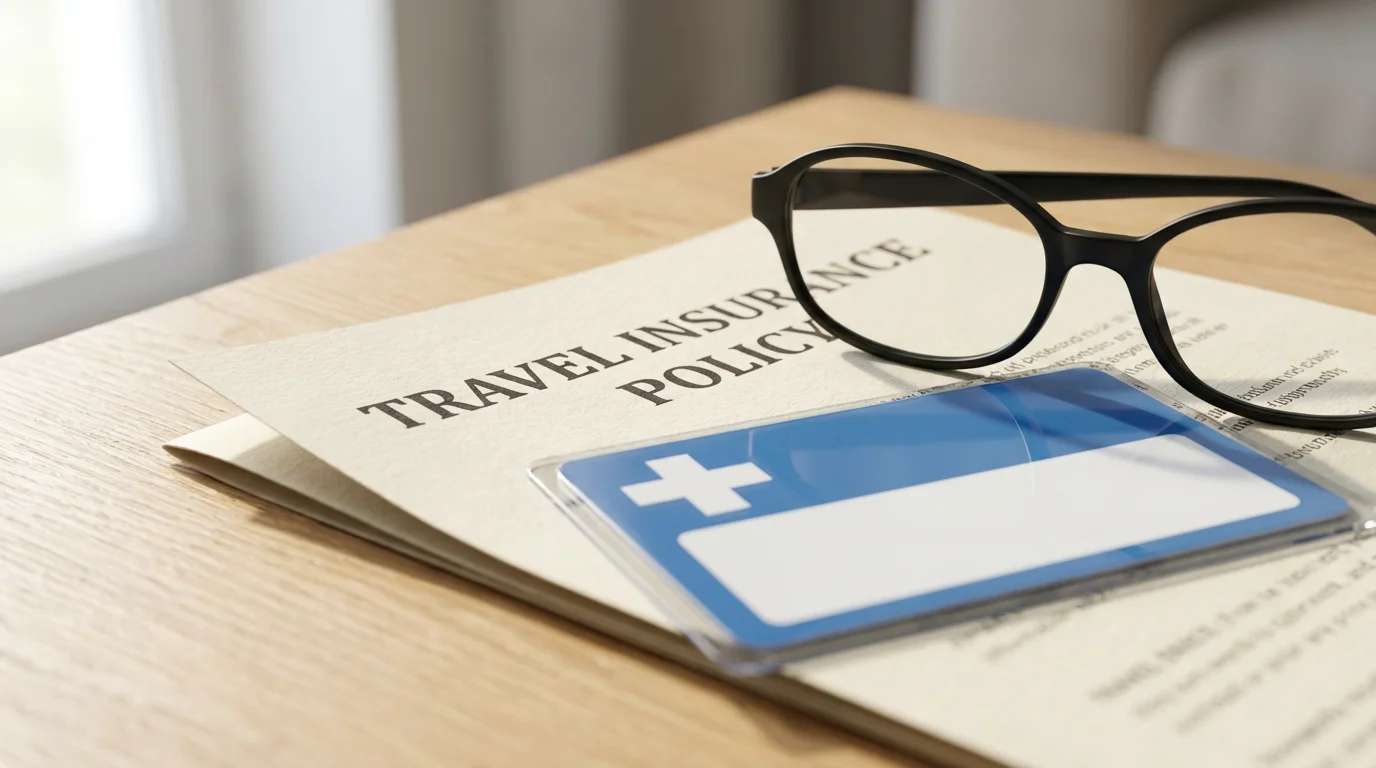
Travel insurance is invaluable for seniors. It provides coverage for unexpected events such as medical emergencies, trip cancellations, lost luggage, and travel delays. Ensure your policy covers pre-existing conditions and medical evacuation. Compare plans from reputable providers and choose one that aligns with your health and travel plans. AARP Travel offers resources and advice on selecting appropriate travel insurance for seniors.
Medical Information and Prescriptions
Carry a summary of your medical history, including current medications, dosages, and any allergies. Have original prescriptions for all medications, especially controlled substances, and ensure they are in their original pharmacy-labeled containers. Some countries have strict regulations on bringing certain medications across borders. Consult your doctor and the embassy of your destination country for specific requirements. The CDC Travelers’ Health website provides excellent guidance on health preparations for international trips, including advice on medications and vaccinations.
For more detailed information on staying healthy while traveling, including necessary vaccinations and managing medications abroad, visit the CDC Travelers’ Health website.
Emergency Contacts and Itinerary
Keep a list of emergency contacts, both domestic and international. This includes family members, your doctor, and your insurance provider. Share your detailed itinerary, including flight numbers, accommodation addresses, and tour bookings, with a trusted person back home. Store digital copies of all these documents in a secure cloud service and on your phone.
International Driving Permit (IDP)
If you plan to drive abroad, an International Driving Permit (IDP) translates your domestic driver’s license into multiple languages. Many countries require an IDP in addition to your valid U.S. driver’s license. You can obtain an IDP through AAA or the American Automobile Touring Alliance. Apply for it before you leave the U.S.
Comprehensive Document Checklist
Organizing your documents ensures you have everything at hand when needed. Use this table as a guide to prepare your travel folder.
| Document | Original | Photocopy (separate bag) | Digital Copy (cloud/email) |
|---|---|---|---|
| Passport | ✔ | ✔ | ✔ |
| Visa(s) (if applicable) | ✔ | ✔ | ✔ |
| Travel Insurance Policy | ✔ | ✔ | ✔ |
| Flight/Accommodation Bookings | ✔ | ✔ | ✔ |
| Medical History Summary | ✔ | ✔ | ✔ |
| Prescriptions & Doctor’s Notes | ✔ | ✔ | ✔ |
| Emergency Contact List | ✔ | ✔ | ✔ |
| International Driving Permit | ✔ | ✔ | ✔ |
| Credit/Debit Card Contact Info | ✔ | ✔ |

Health and Safety for International Explorers
Prioritizing your health and safety allows you to fully enjoy your international adventures. Proactive planning minimizes risks and enhances your travel experience.
Pre-Travel Medical Consultation
Schedule a visit with your doctor at least 4-6 weeks before your trip. Discuss your itinerary, pre-existing conditions, and any potential health risks associated with your destinations. Your doctor can advise on necessary vaccinations, preventative medications (like for malaria or traveler’s diarrhea), and managing chronic conditions while abroad.
Vaccinations and Health Precautions
Many countries require specific vaccinations for entry, such as Yellow Fever for certain regions. Others recommend vaccinations like Hepatitis A and B, Typhoid, and updated Tetanus shots. Always check the CDC Travelers’ Health website for country-specific vaccination recommendations. Practice good hygiene, including frequent handwashing, and be cautious about food and water sources in new environments.
Managing Medications Abroad
Always carry enough of your prescription medications to last your entire trip, plus a few extra days’ supply. Keep them in your carry-on luggage with original labels. A letter from your doctor detailing your medications and conditions can prevent issues at customs. Be aware of time zone changes and adjust your medication schedule accordingly, consulting your doctor or pharmacist if unsure.
Travel Insurance: Your Safety Net
Reiterate the importance of comprehensive travel insurance. Ensure your policy covers emergency medical treatment, hospitalization, and medical evacuation. Standard health insurance plans often do not cover international medical expenses. Understand your policy’s limits, deductibles, and emergency contact procedures before you depart.
Staying Safe and Aware
Vigilance is key to personal safety abroad. Research local customs and laws to avoid unintentional offenses. Be aware of your surroundings, especially in crowded tourist areas where pickpocketing can occur. Avoid displaying expensive jewelry or electronics. Use reputable transportation and accommodation services. Register your trip with your country’s embassy or consulate, for example, the Smart Traveler Enrollment Program (STEP) for U.S. citizens. This helps them locate you in an emergency and provides you with important alerts.

Financial Preparedness for Overseas Adventures
Managing your finances effectively ensures a stress-free experience abroad. Planning your budget, understanding currency exchange, and securing your funds are critical components of international travel preparation.
Currency Exchange and Local Cash
While many places accept credit cards, carrying some local currency for small purchases, tips, or markets is always advisable. Exchange a small amount of currency before you leave or use an ATM upon arrival at the airport. Avoid exchanging large sums at airport kiosks, as they often have unfavorable rates. Research the local currency and its value relative to your home currency. Applications or online tools can help you track exchange rates in real time.
Credit and Debit Card Strategies
Notify your bank and credit card companies of your travel dates and destinations. This prevents them from flagging your transactions as suspicious activity and freezing your cards. Carry at least two different credit cards and a debit card, keeping them separate in case one is lost or stolen. Inquire about foreign transaction fees and consider getting a travel-specific credit card that waives these charges. These fees can quickly add up, so understanding them helps you manage your spending.
Budgeting for Your Trip
Create a realistic budget encompassing flights, accommodation, food, activities, transportation, and a contingency fund for unexpected expenses. International travel costs vary significantly by destination and your travel style. Research typical costs for meals, local transport, and entrance fees for attractions. Stick to your budget to enjoy your trip without financial worry. Consider utilizing senior discounts where available, often for museums, transportation, and attractions.
Preventing Financial Fraud
Guard your credit card information and PINs diligently. Use ATMs in secure, well-lit locations. Be wary of public Wi-Fi networks for financial transactions. Regularly check your bank and credit card statements for any unauthorized charges during and after your trip. Report any lost or stolen cards immediately to your bank and credit card companies using their international emergency numbers.

Leveraging Technology for Smoother Journeys
Modern technology simplifies international travel significantly. Embrace digital tools to enhance communication, navigation, and access to information, making your adventure more convenient and enjoyable.
Smartphone Essentials
Your smartphone becomes an indispensable travel companion. Ensure it is unlocked before you travel so you can use a local SIM card for cheaper calls and data, or consider an international roaming plan from your provider. Alternatively, rely on Wi-Fi for communication and internet access. Many apps are designed specifically for travelers.
- Translation Apps: Google Translate or iTranslate allow you to communicate in local languages. Download offline language packs for use without internet access.
- Navigation Apps: Google Maps or Apple Maps help you find your way. Download offline maps of your destination cities.
- Communication Apps: WhatsApp or FaceTime facilitate free calls and messages over Wi-Fi, keeping you connected with family and friends.
- Ride-Sharing Apps: Uber or local equivalents can provide safe and convenient transportation in many cities.
Portable Chargers and Adapters
A portable power bank is essential for keeping your devices charged on the go, especially during long sightseeing days. Research the type of electrical outlets used in your destination countries and purchase the appropriate travel adapters before you leave. A universal adapter with multiple plug types is a smart investment for future international travel.
Digital Document Management
Store digital copies of all your important documents – passport, visa, flight confirmations, hotel reservations, insurance policy, and medical information – in a secure cloud service (like Google Drive, Dropbox, or iCloud) and email them to yourself. This provides easy access from any device if your physical documents are lost or stolen. You can also save these documents as PDFs on your smartphone or tablet for offline access.
Staying Connected
Beyond your phone, consider a small, portable Wi-Fi hotspot for reliable internet access in areas without free Wi-Fi. Many hotels and cafes offer complimentary Wi-Fi, but always exercise caution when accessing personal information on public networks. Using a Virtual Private Network (VPN) can add a layer of security to your online activities when using public Wi-Fi.
Smart Packing and Accessibility Considerations
Packing efficiently and considering accessibility needs are vital for a comfortable and stress-free international trip, particularly for senior adventurers.
The Art of Light Packing
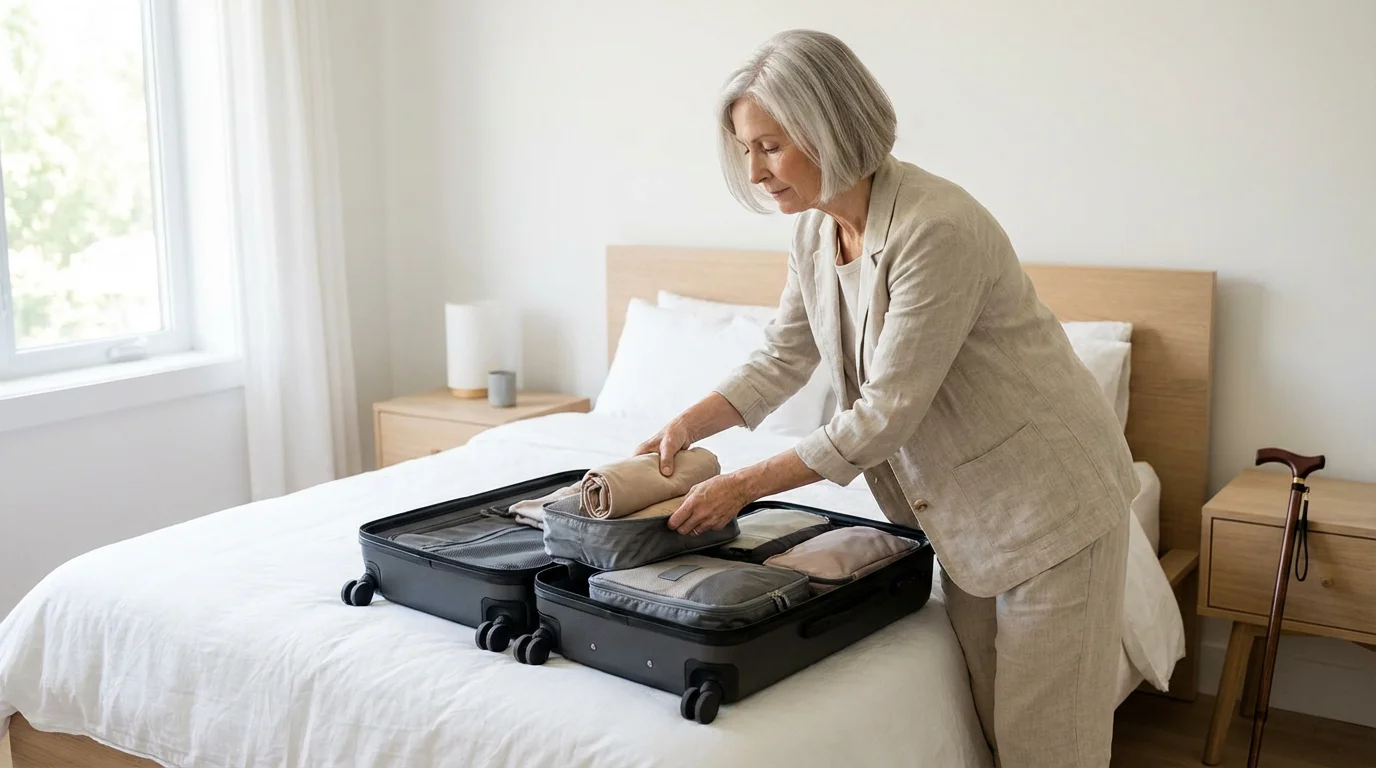
Pack light to avoid heavy luggage and simplify transit. Focus on versatile clothing that you can layer and mix and match. Opt for quick-drying fabrics. Roll your clothes to save space and minimize wrinkles. Consider using packing cubes to organize your suitcase. Check airline baggage weight limits to avoid overweight fees. Many seniors find a carry-on and a personal item sufficient for trips of up to two weeks.
Essential Packing List
- Comfortable walking shoes (broken-in)
- Layered clothing for varying temperatures
- Medications (in carry-on with original labels)
- Small first-aid kit (band-aids, antiseptic wipes, pain relievers)
- Toiletries (travel-sized)
- Universal travel adapter
- Portable power bank
- Copies of important documents
- Small daypack or crossbody bag
- Reusable water bottle
- Sunglasses and hat
- Sleep mask and earplugs
For detailed guidelines on what you can and cannot bring on flights, including liquids and medical devices, consult the TSA website before you pack.
Accessibility Planning
If you have mobility considerations or require specific accommodations, research your destinations thoroughly. Many European cities, for instance, have cobblestone streets and older buildings with limited elevator access. Contact hotels, tour operators, and airlines in advance to confirm accessibility features. Inquire about accessible transportation options from airports and within cities. Websites and forums dedicated to accessible travel can provide invaluable insights and recommendations.
Mobility Aids and Air Travel
If you use a walker, cane, or wheelchair, inform your airline when booking your flights. Airlines generally provide assistance from check-in to your gate and for boarding. Your mobility aid usually travels free of charge. Familiarize yourself with airport procedures for medical equipment and mobility devices. TSA has specific guidelines for screening travelers with disabilities and medical conditions.

Embrace the Journey: Mindset and Flexibility
The spirit of adventure lies not just in meticulous planning, but also in an open mind and a flexible attitude. Embrace the unexpected, learn from new experiences, and savor every moment of your international exploration.
Cultivating an Adventurous Mindset
International travel offers a chance to step outside your comfort zone, try new foods, learn about different cultures, and meet people from all walks of life. Approach each new experience with curiosity and an eagerness to learn. Challenges may arise, but viewing them as part of the adventure enriches your journey. You possess a lifetime of experience; use it to navigate new situations with confidence and grace.
The Value of Flexibility
Despite thorough planning, travel plans can change. Flights get delayed, weather shifts, or an unexpected local festival might alter your itinerary. Remaining flexible allows you to adapt to these changes without stress. Sometimes, the most memorable moments arise from spontaneous decisions or unexpected detours. Embrace the flow of your journey.
Considering Group Tours
For many seniors, guided group tours offer an excellent way to experience international travel with minimized logistical worries. Reputable organizations like Road Scholar specialize in educational and cultural adventures designed for older adults. These tours often handle all transportation, accommodation, and activity planning, providing a supportive environment to explore. You gain the benefit of expert guides and the camaraderie of fellow travelers. Road Scholar provides enriching learning adventures for older adults, focusing on cultural immersion and intellectual discovery. Explore their diverse programs at roadscholar.org.
Savoring Each Moment
Take time to pause and absorb your surroundings. Enjoy a leisurely coffee at a Parisian café, marvel at ancient ruins in Rome, or simply watch the world go by from a bench in a foreign park. These quiet moments often become the most cherished memories. You are creating your own unique story with every destination you visit.
Frequently Asked Questions
What is the “six-month passport validity rule”?
Many countries require your passport to be valid for at least six months beyond your planned date of departure from their country. Always check your specific destination’s entry requirements to avoid issues, even if your passport expires after your trip ends.
How far in advance should I apply for a passport or visa?
Apply for a passport or renew it at least 6-9 months before planned international travel, especially during peak travel seasons. For visas, processing times vary greatly, ranging from a few days for e-visas to several weeks or months for traditional visas. Start your visa application process as soon as your travel dates are firm.
Can I travel internationally with just a copy of my passport?
No, you cannot travel internationally with just a copy of your passport. You must present your physical, valid passport to enter and exit countries. Carry copies separately for identification in case of loss or theft, but they are not valid for border crossings.
What should I do if I lose my passport or visa abroad?
Immediately report the loss or theft to the local police and obtain a police report. Then, contact your country’s embassy or consulate in that country. They will guide you through the process of obtaining an emergency travel document or a new passport, which usually requires an appointment and proof of identity and citizenship.
Is travel insurance necessary for seniors traveling internationally?
Travel insurance is highly recommended for seniors, especially for international trips. It provides crucial coverage for unexpected medical emergencies, trip cancellations or interruptions, lost luggage, and emergency medical evacuation. Standard health insurance plans often do not cover international medical costs, making travel insurance a vital safety net.
Do I need an International Driving Permit (IDP) to drive overseas?
If you plan to drive a vehicle in most foreign countries, you likely need an International Driving Permit (IDP) in addition to your valid U.S. driver’s license. The IDP translates your license into multiple languages and is recognized in over 150 countries. Obtain it from AAA or the American Automobile Touring Alliance before your trip.
Disclaimer: This article is for informational purposes only. Travel conditions, accessibility, and requirements change frequently. We encourage readers to verify current information with official sources before traveling. Always consult with healthcare providers about travel considerations for your specific health situation.








Leave a Reply