
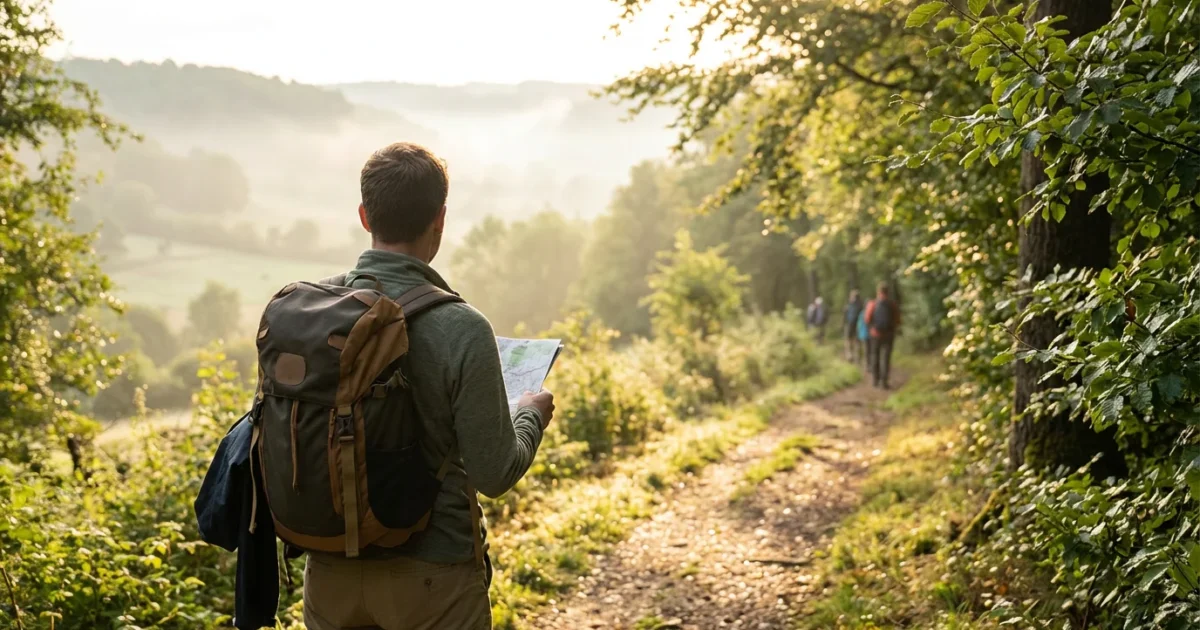
The natural world offers unparalleled beauty and rejuvenation. Stepping outside provides more than just a change of scenery. It invites you into a realm of peace, wonder, and gentle adventure. You discover the simple joy of moving through landscapes filled with life, embracing fresh air, and feeling the earth beneath your feet.
Nature walks are accessible to everyone, regardless of your current fitness level. They represent a wonderful way for active Americans 55+ to engage with the outdoors, improve well-being, and explore new horizons. This guide empowers you to begin your journey into nature walking, offering practical advice and inspiration for every step.
Table of Contents
- The Transformative Power of a Nature Walk
- Why Nature Walks are Essential for Senior Health
- Getting Started: Your First Steps into Nature
- Essential Gear for a Comfortable Nature Walk
- Planning Your Route: Finding Senior-Friendly Trails
- Safety First: Staying Secure on the Trail
- Embracing the Experience: Mindfulness and Observation
- Beyond the Beginner Trail: Expanding Your Horizons
- Frequently Asked Questions
The Transformative Power of a Nature Walk
A nature walk offers more than physical movement. It connects you deeply with the environment, stimulating your senses and calming your mind. Imagine the rustle of leaves, the scent of pine, and the sight of sunlight filtering through branches. These elements create a rich, immersive experience.
You rediscover a sense of wonder often lost in daily routines. Each outing presents new discoveries, from a unique wildflower to the intricate patterns of a bird’s nest. This engagement revitalizes your spirit and brings a refreshing perspective to your life. Your well-being improves with every step you take in nature.
Why Nature Walks are Essential for Senior Health
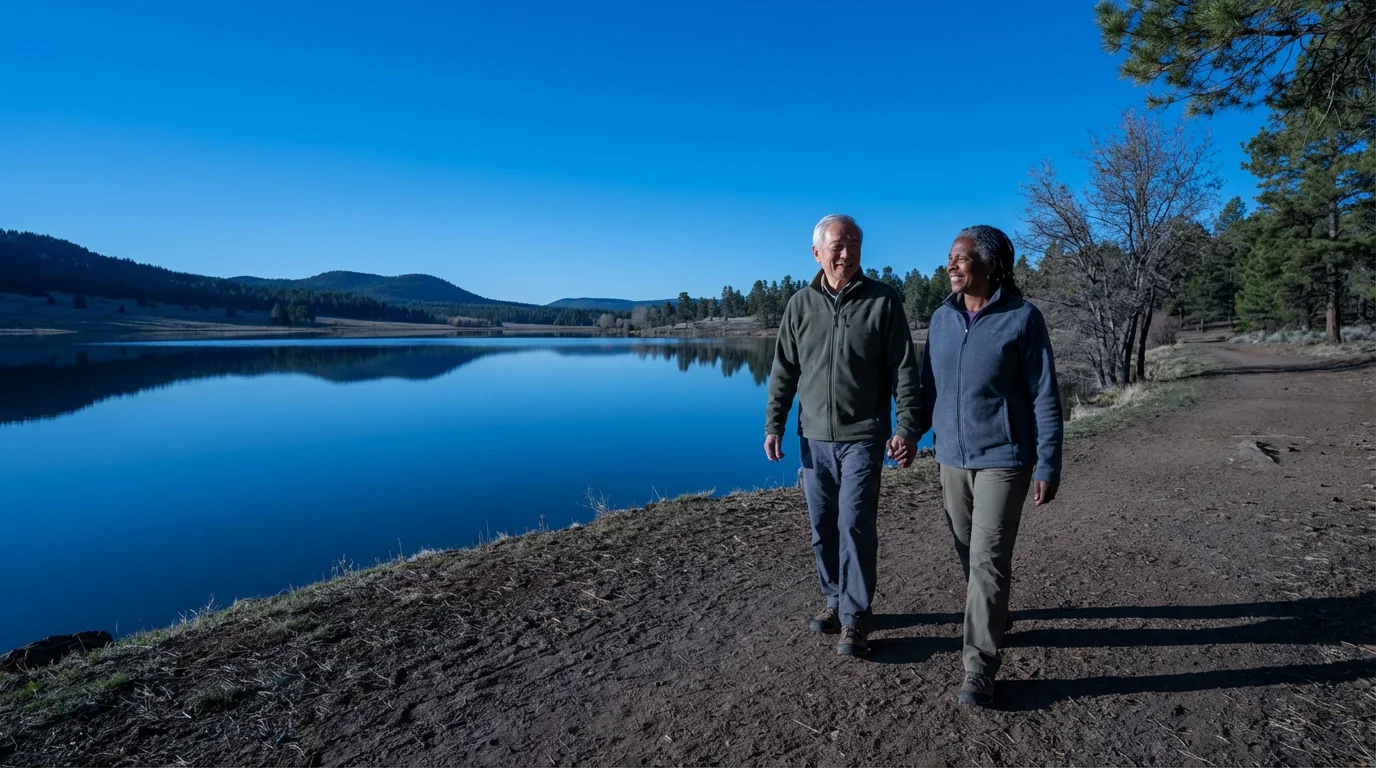
Engaging in a regular nature walk provides immense benefits for your physical and mental health. This low-impact activity supports comprehensive senior exercise. It strengthens your heart, improves circulation, and helps manage your weight. You build stronger bones and muscles, crucial for maintaining mobility and preventing falls.
Your outdoor health significantly improves with consistent exposure to natural environments. Studies show that spending time in nature lowers stress hormones like cortisol, reduces blood pressure, and boosts your immune system. You experience improved mood and reduced feelings of anxiety or depression. The gentle uneven terrain often found on trails also enhances your balance and proprioception.
| Benefit Category | Specific Advantages of Nature Walks |
|---|---|
| Physical Health | Improved cardiovascular function, stronger bones and muscles, enhanced balance, weight management, reduced joint stiffness. |
| Mental & Emotional Health | Stress reduction, mood elevation, decreased anxiety/depression, improved cognitive function, enhanced creativity. |
| Social Well-being | Opportunities for group walks, shared experiences, community connection (if walking with others). |
| Sensory Engagement | Stimulation through sights, sounds, smells of nature, fostering mindfulness and presence. |
Getting Started: Your First Steps into Nature
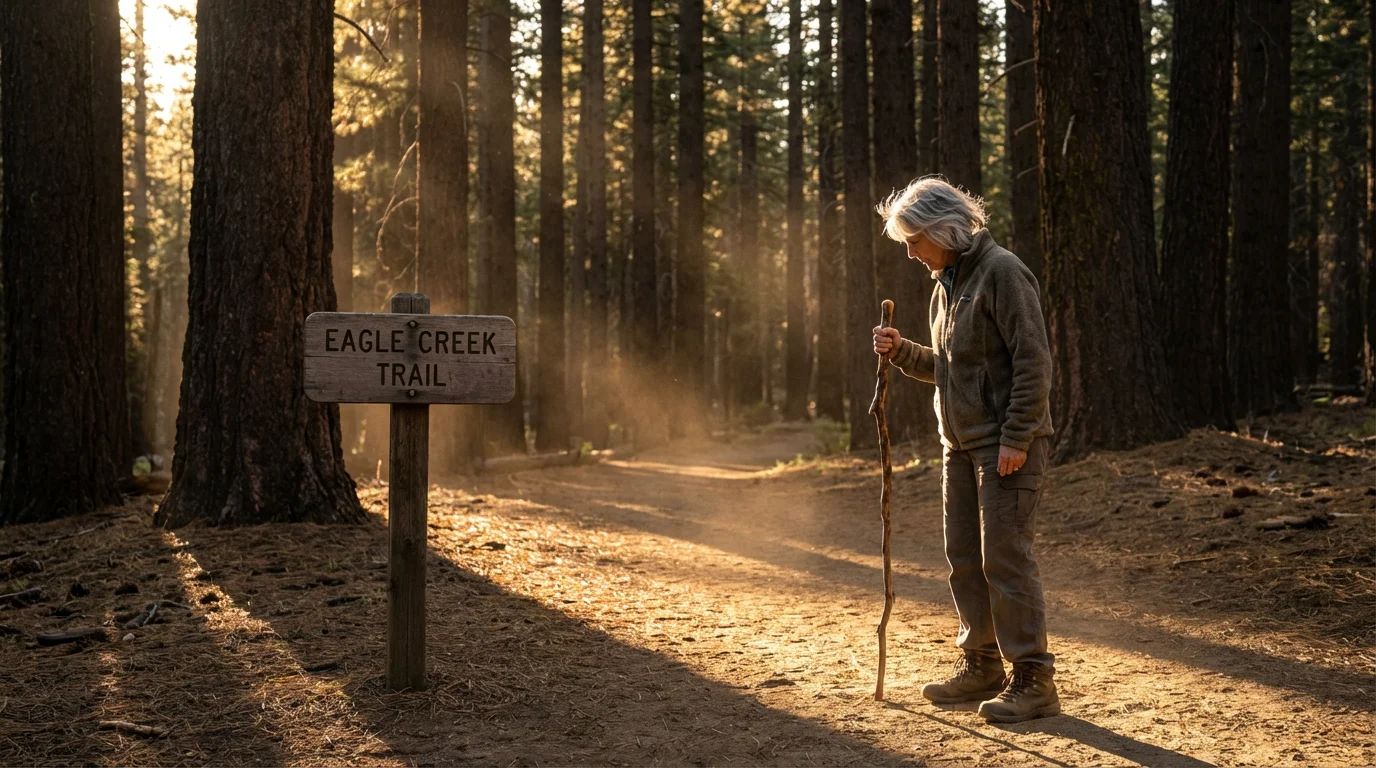
Starting a nature walking routine requires minimal effort and preparation. You do not need specialized skills or extensive training. Begin where you feel comfortable and build gradually. Your initial goal involves consistency, not extreme challenges.
How to start nature walking as a senior? Focus on enjoyment and gentle progression. Choose a pace that allows you to talk comfortably. This indicates a moderate intensity suitable for building endurance without overexertion.
- Consult Your Doctor: Always speak with your healthcare provider before starting any new exercise program. This ensures your chosen activity aligns with your current health status and any specific medical considerations you may have.
- Start Small and Local: Begin with short walks in familiar areas, perhaps a local park or a paved greenway. A 15-20 minute stroll is a perfect starting point.
- Choose Flat Terrain: Opt for trails with minimal elevation changes and smooth surfaces initially. This builds your confidence and reduces the risk of strains or falls.
- Walk Regularly: Aim for 2-3 walks per week to establish a routine. As you feel stronger, gradually increase the duration or frequency.
- Listen to Your Body: Pay attention to any discomfort. Rest when needed, and do not push through pain. Your body provides important signals.
- Hydrate: Drink water before, during, and after your walk, especially in warmer weather. Proper hydration is critical for energy and preventing cramps.
“The clearest way into the Universe is through a forest wilderness.” — John Muir
Essential Gear for a Comfortable Nature Walk
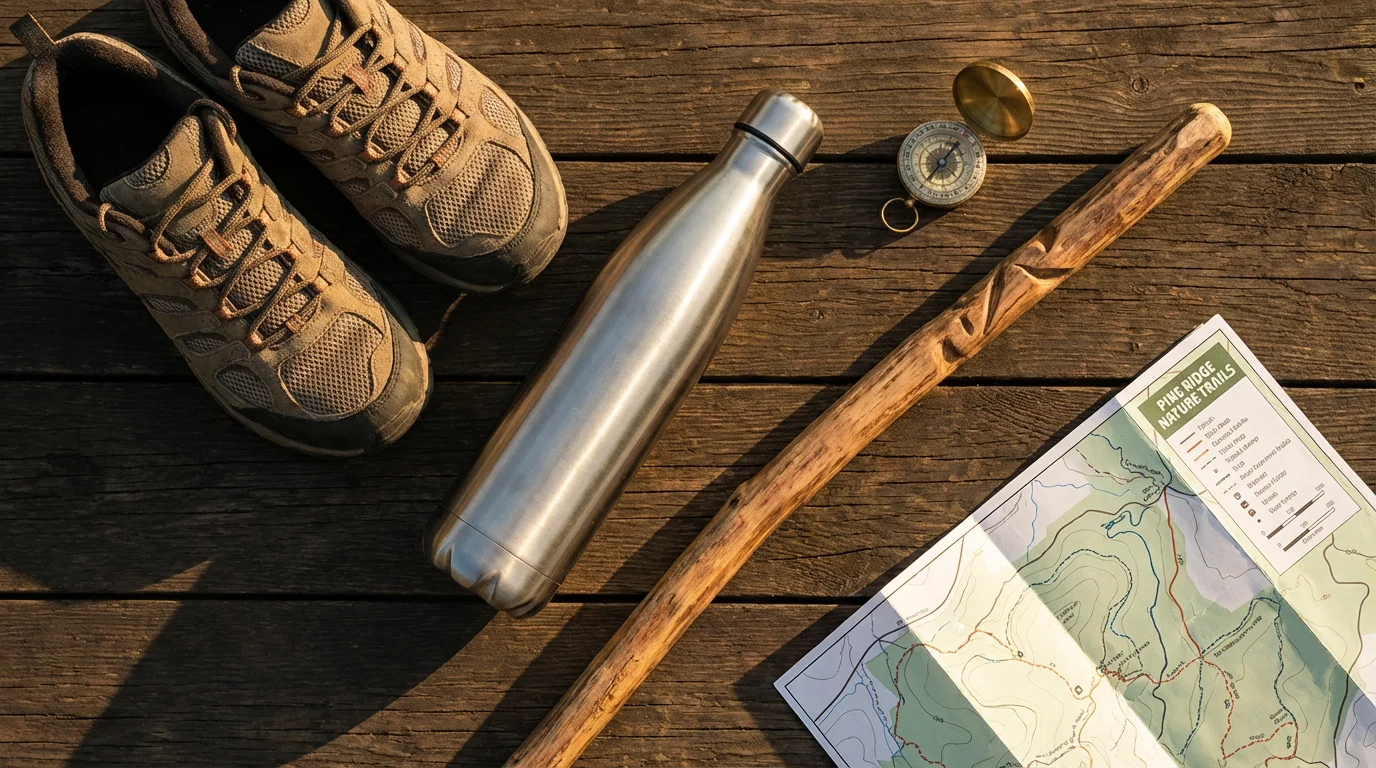
Proper gear significantly enhances your nature walking experience. You do not need expensive equipment. Focus on comfort, safety, and functionality. These items ensure a pleasant and secure outing every time.
Your footwear selection remains paramount. Support and cushioning prevent fatigue and protect your feet on varied terrain. Layered clothing allows you to adjust to changing temperatures.
What to Pack for Your Nature Walk:
- Sturdy Walking Shoes: Choose shoes with good arch support, cushioning, and a non-slip sole. Hiking shoes or robust athletic sneakers work best. Ensure they are well broken-in.
- Comfortable Socks: Opt for moisture-wicking socks to prevent blisters and keep your feet dry. Cotton socks retain moisture, so avoid them.
- Layered Clothing: Dress in layers you can easily add or remove. A base layer (moisture-wicking), a middle layer (for warmth), and an outer layer (rain/wind protection) provide versatility.
- Small Backpack: A lightweight backpack carries your essentials without burdening you. Look for one with comfortable straps.
- Water Bottle: Stay hydrated. A reusable water bottle is environmentally friendly and practical.
- Hat and Sunglasses: Protect yourself from the sun’s glare and harmful UV rays. A wide-brimmed hat offers more comprehensive coverage.
- Sunscreen: Apply sunscreen to exposed skin, even on cloudy days. Reapply as needed.
- Insect Repellent: Protect against ticks and mosquitoes, especially in wooded areas or during warmer months.
- Basic First-Aid Kit: Include band-aids, antiseptic wipes, pain relievers, and any personal medications.
- Walking Poles (Optional): Trekking poles provide added stability, distribute weight, and can reduce strain on your knees, particularly on uneven paths.
- Cell Phone: For emergencies, navigation, or capturing beautiful photos. Ensure it is fully charged.
Planning Your Route: Finding Senior-Friendly Trails
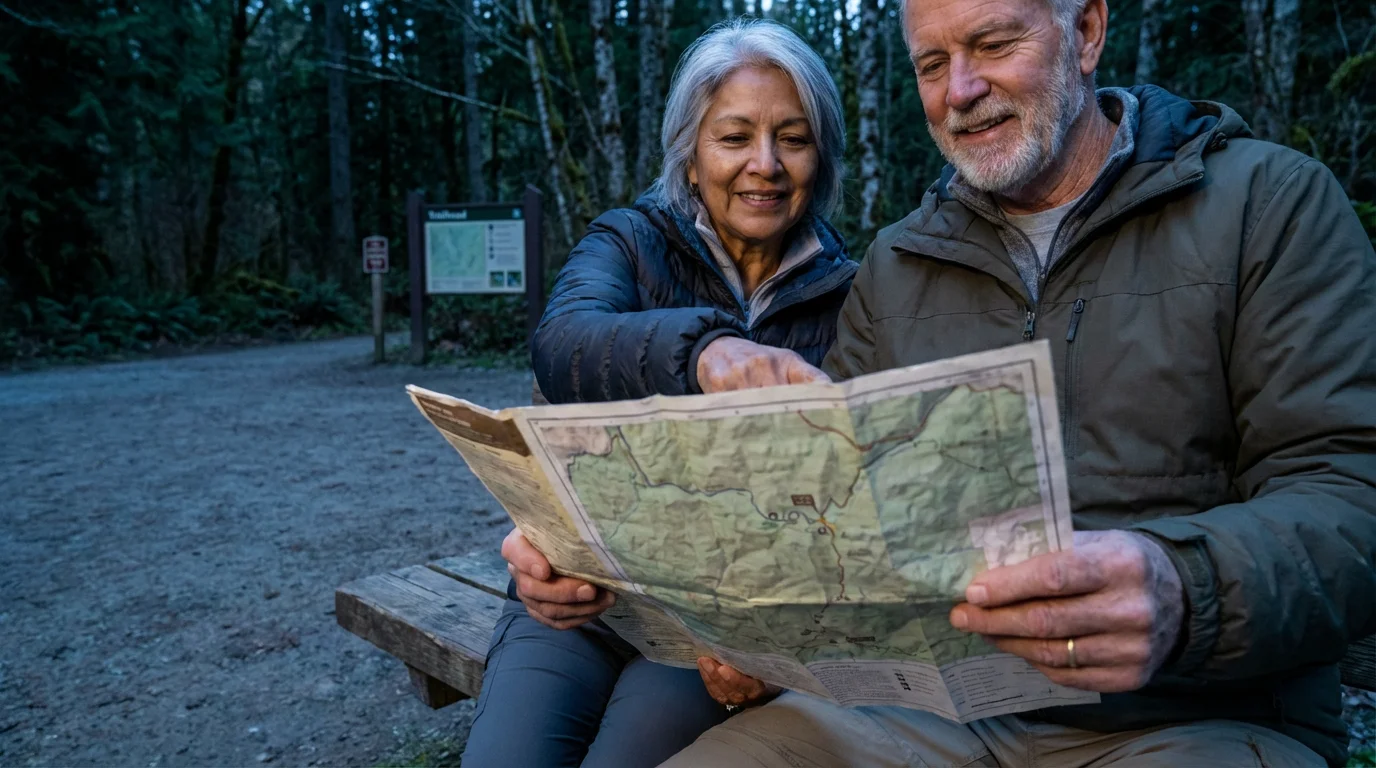
Successful nature walks start with thoughtful planning. You want to select trails that match your comfort level and physical capabilities. Numerous resources exist to help you discover ideal paths. Review trail descriptions and maps carefully before you leave home.
Consider factors like trail length, elevation gain, and surface type. Paved or gravel paths offer a gentler introduction. Seek out trails designated as “easy” or “beginner friendly.”
Resources for Finding Trails:
- Local and State Parks: Many parks feature well-maintained trails, often with clear signage and varying difficulty levels. Check their official websites for detailed maps and descriptions.
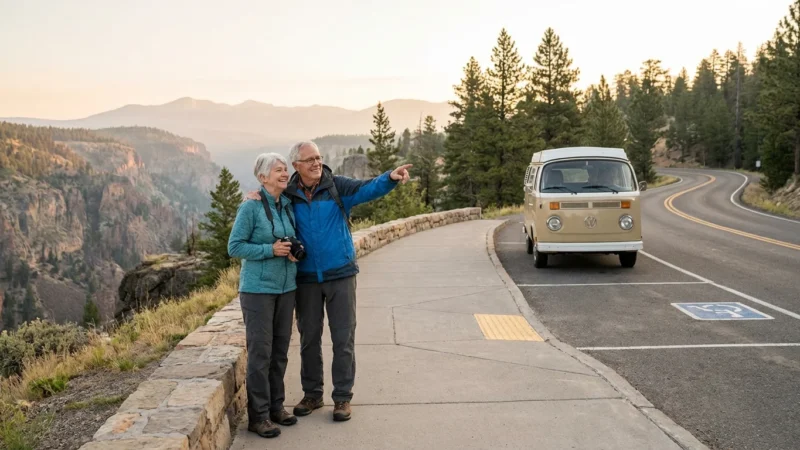
- National Park Service: The National Park Service website provides extensive information on trails within national parks, monuments, and historical sites across the country. You can filter by activity, difficulty, and accessibility.
- National Forest Foundation: Explore trails in national forests through the National Forest Foundation. These areas often provide serene, less crowded options.
- Online Trail Apps and Websites: Apps like AllTrails or Gaia GPS offer user-generated reviews, photos, and detailed maps. You can filter for specific criteria, such as “wheelchair friendly” or “easy.”
- Community Centers: Many local community centers organize group walks or provide information on local trails suitable for seniors.
Always look for recent reviews or trail conditions reports. Weather events can alter trail accessibility and safety. Confirm hours of operation and any required permits or fees for your chosen location.
Safety First: Staying Secure on the Trail
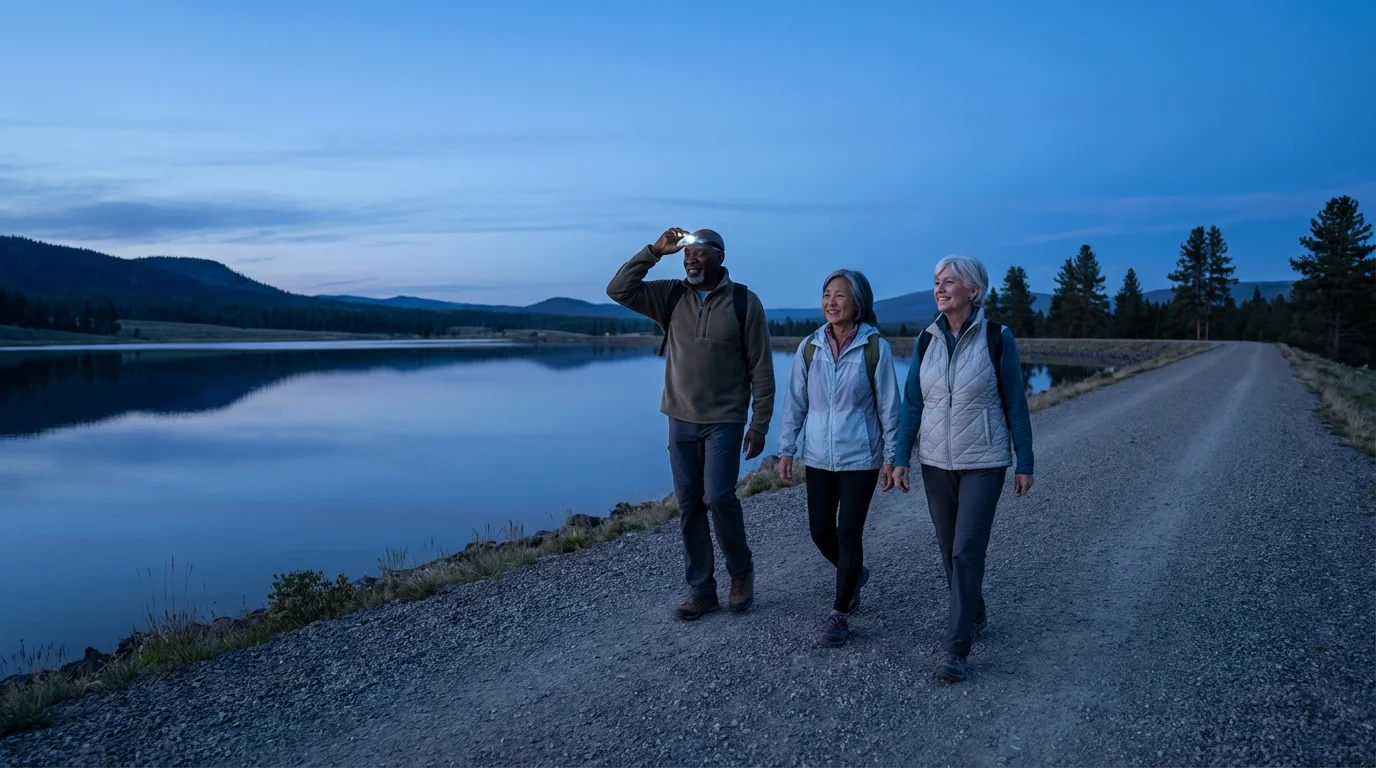
Your safety remains paramount during any outdoor activity. A proactive approach to safety ensures an enjoyable and worry-free nature walk. You minimize risks by preparing adequately and being aware of your surroundings. These simple precautions make a significant difference.
Essential Safety Tips:
- Inform Someone of Your Plans: Always tell a friend or family member your intended route and expected return time. This provides peace of mind for both you and your loved ones.
- Check Weather Forecasts: Understand the conditions for your entire outing. Be prepared for sudden changes, and postpone your walk if severe weather is anticipated.
- Carry a Charged Phone: A cell phone is invaluable for emergencies or navigation. Consider a portable charger for longer excursions.
- Stay on Marked Trails: Wandering off-trail can lead to getting lost, encountering hazardous terrain, or disturbing wildlife. Stick to designated paths.
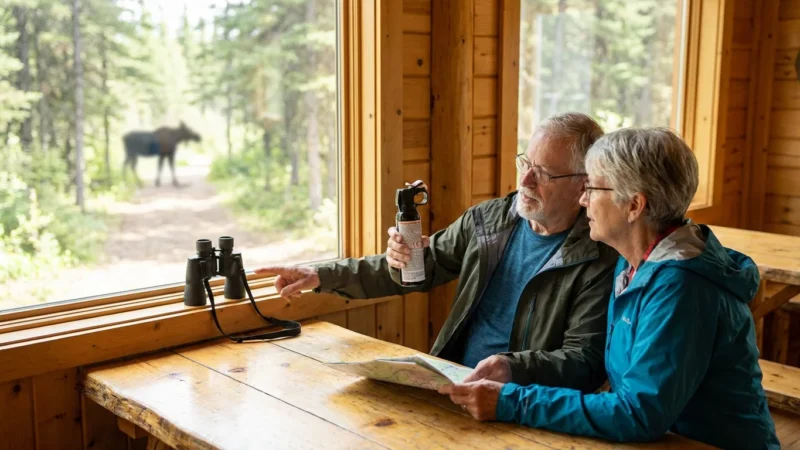
- Be Aware of Wildlife: Learn about common wildlife in the area. Maintain a respectful distance and avoid feeding animals. Make noise to avoid surprising them.
- Pack Enough Water and Snacks: Dehydration and low blood sugar can quickly become serious issues. Always carry more water than you think you need.
- Sun Protection: Use sunscreen, wear a hat, and seek shade when possible. Sun exposure contributes to fatigue.
- Recognize Your Limits: Do not overexert yourself. Take breaks, drink water, and turn back if you feel unwell or tired. There is no shame in cutting a walk short.
- First-Aid Basics: Ensure your small first-aid kit contains essentials for minor scrapes, blisters, or insect bites. Consult resources like the CDC Travelers’ Health for general health preparedness tips.
Embracing the Experience: Mindfulness and Observation
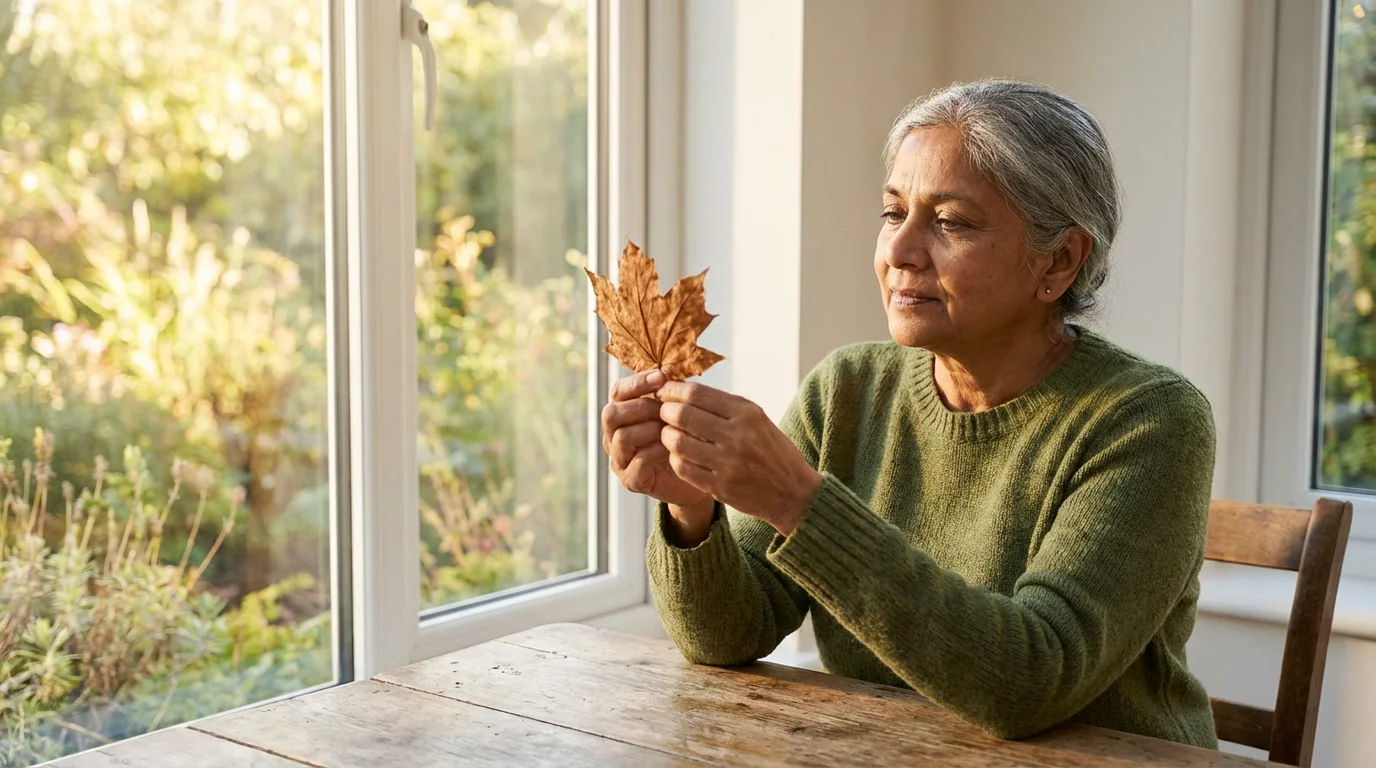
A nature walk offers a unique opportunity for mindfulness. Move beyond simply putting one foot in front of the other. Engage your senses fully in the present moment. This deepens your connection to nature and enhances your overall well-being.
Take time to pause and observe. Notice the intricate details of a spider’s web, the patterns on a tree’s bark, or the melody of a bird’s song. Your mind calms as you focus on these natural wonders. This practice reduces stress and cultivates a sense of peace.
Tips for Mindful Walking:
- Slow Your Pace: Do not rush. Allow yourself to truly see and experience your surroundings.
- Engage All Senses: What do you hear, smell, see, and feel? Pay attention to the textures of leaves, the warmth of the sun, or the coolness of a breeze.
- Breathe Deeply: Practice deep, conscious breaths. Inhale the fresh air and exhale any tension.
- Leave Your Phone in Your Pocket: Unless for navigation or emergencies, resist the urge to constantly check your phone. Disconnect to truly connect.
- Journal Your Observations: Consider bringing a small notepad to jot down interesting sights, sounds, or reflections. This enhances memory and appreciation.

Beyond the Beginner Trail: Expanding Your Horizons
As your confidence and fitness grow, you will naturally seek new adventures. The world of nature walking offers endless possibilities. You can gradually increase the length or difficulty of your walks. Explore different types of natural environments, from coastal paths to mountain foothills.
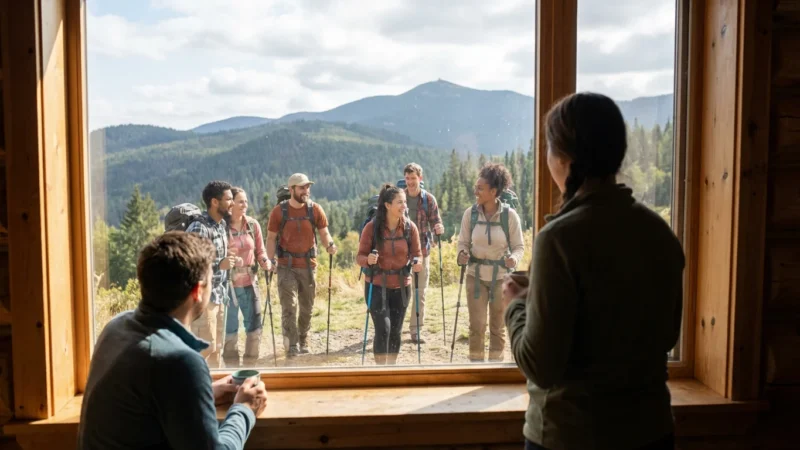
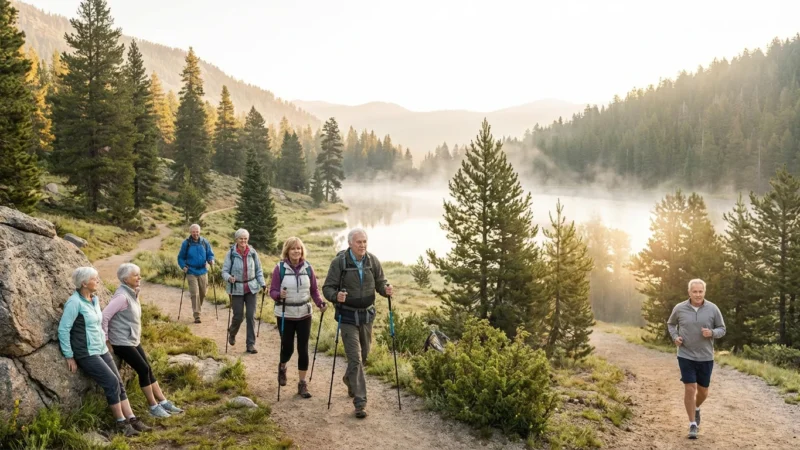
Consider joining a walking group or guided tour. Organizations often offer senior-specific walking programs, providing companionship and expert guidance. This introduces you to new trails and experiences while ensuring safety. Look for opportunities in your local area or through travel adventure companies.
Ways to Expand Your Nature Walking Journey:
- Explore New Parks and Reserves: Venture beyond your local favorites. Discover regional or state parks that offer different landscapes and challenges.
- Join a Walking Club: Many communities have walking clubs catering to various fitness levels. This provides motivation and social interaction.
- Consider Guided Tours: Specialized tour operators offer walking tours for seniors, often focusing on scenic areas with knowledgeable guides. These can range from day trips to multi-day excursions.
- Try New Terrains: If you have been sticking to paved paths, gradually try packed gravel or gentle dirt trails. This improves balance and ankle strength.
- Incorporate Hill Training: For a greater challenge, seek out trails with modest inclines. Start with short, gentle hills and increase as your strength builds.
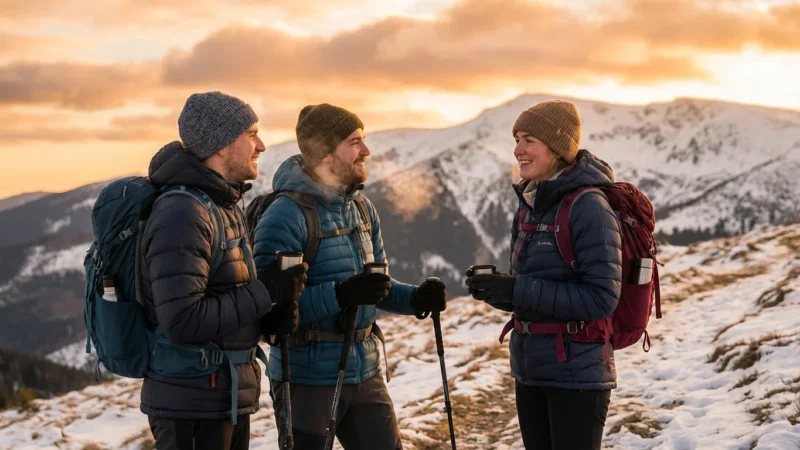
- Embrace Seasonal Changes: Each season offers a unique walking experience. Enjoy the vibrant colors of autumn, the crisp air of winter, or the blossoming life of spring.
Your journey into nature walking represents a continuous path of discovery and growth. Embrace each outing as an opportunity to move, breathe, and connect with the incredible world around you.
Frequently Asked Questions
What are the primary health benefits of nature walks for seniors?
Nature walks offer significant benefits for seniors. You experience improved cardiovascular health, stronger muscles and bones, better balance, and enhanced cognitive function. They also significantly reduce stress, lower blood pressure, and boost your mood through exposure to natural environments.
How should a senior new to nature walking prepare for their first outing?
Starting a nature walk involves simple preparations. Choose a flat, short trail, wear comfortable, supportive shoes, and bring water. Inform someone of your plans and always check the weather forecast. Consult your doctor before starting any new exercise regimen to ensure it suits your current health.
What essential gear do I need for a beginner nature walk?
Essential gear for a beginner nature walk includes sturdy, comfortable walking shoes, weather-appropriate clothing layered for versatility, a small backpack, and a refillable water bottle. Consider a hat, sunglasses, sunscreen, and insect repellent for added comfort and protection.
How can seniors find accessible and suitable nature trails?
Many resources help you find suitable trails. Local park websites often detail trail conditions and accessibility. National Park Service and National Forest Foundation websites offer extensive databases of trails across the country, often with filters for difficulty, length, and paved or unpaved surfaces. Always review recent trail reports before your visit.
Is it safe for seniors to walk alone in nature?
Walking alone offers solitude and reflection, but prioritize safety. Inform a friend or family member about your route and estimated return time. Carry a fully charged phone and a whistle. Stick to well-trafficked, familiar trails, especially when starting out. Consider a walking buddy for added security and companionship.
How often should a senior engage in nature walks for optimal outdoor health benefits?
Aim for at least 150 minutes of moderate-intensity aerobic activity each week, which nature walks perfectly fulfill. This could mean 30-minute walks five times a week. Listen to your body, increase duration and intensity gradually, and consistency provides the greatest benefits for your outdoor health and overall well-being.
Disclaimer: This article is for informational purposes only. Travel conditions, accessibility, and requirements change frequently. We encourage readers to verify current information with official sources before traveling. Always consult with healthcare providers about travel considerations for your specific health situation.

Leave a Reply