
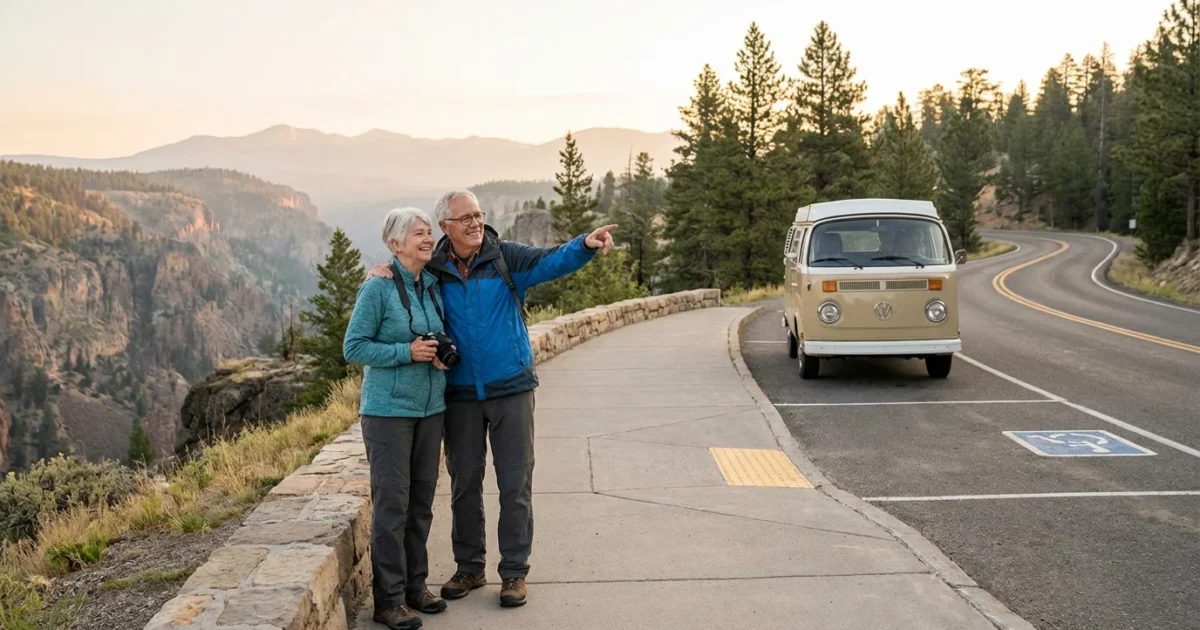
The open road beckons. Imagine sweeping vistas, ancient forests, and the quiet majesty of nature. National Parks offer unparalleled beauty, and you can absolutely experience them regardless of age or mobility. Embarking on a national park road trip provides freedom, discovery, and a deep connection to America’s natural wonders. This comprehensive guide helps you plan an accessible, inspiring adventure tailored for senior travelers.
You possess a lifetime of experiences, and your golden years present the perfect opportunity to explore. Discover how to plan fulfilling journeys through our nation’s treasures, focusing on comfort, accessibility, and unforgettable moments. This journey is yours to define.
Disclaimer: This article is for informational purposes only. Travel conditions, accessibility, and requirements change frequently. We encourage readers to verify current information with official sources before traveling. Always consult with healthcare providers about travel considerations for your specific health situation.
Table of Contents
- Embrace the Open Road: Why National Park Road Trips for Seniors?
- Planning Your Accessible National Park Road Trip
- Discovering Accessible Trails and Experiences: What National Parks Have Accessible Trails?
- Top Accessible National Park Destinations
- Packing for Comfort and Safety
- On the Road: Tips for a Smooth Journey
- Budget-Friendly National Park Adventures
- Connecting with the Community: Group Travel and Resources
- Frequently Asked Questions
Embrace the Open Road: Why National Park Road Trips for Seniors?
You earned this time. Retirees, couples, and solo adventurers alike find immense joy in the flexibility and discovery a road trip offers. National Parks provide a diverse range of experiences, from stunning scenic drives to tranquil accessible trails.
Driving through these protected landscapes lets you set your own pace. You stop when you want, explore what interests you, and create memories on your terms. This freedom contrasts sharply with more rigid travel itineraries.
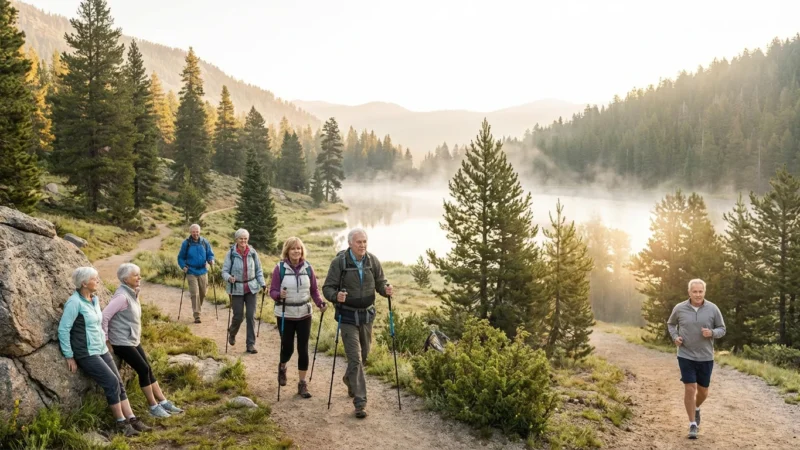
Furthermore, immersing yourself in nature boosts both physical and mental well-being. Fresh air, beautiful scenery, and gentle activity rejuvenate your spirit. You experience active aging through exploration, keeping your mind sharp and your body engaged.
“The world is a book and those who do not travel read only one page.” — Saint Augustine
Your journey into the heart of America’s natural beauty begins with a single step, or perhaps, a well-planned turn of the ignition key. Prepare for an adventure that inspires and revitalizes you.
Planning Your Accessible National Park Road Trip
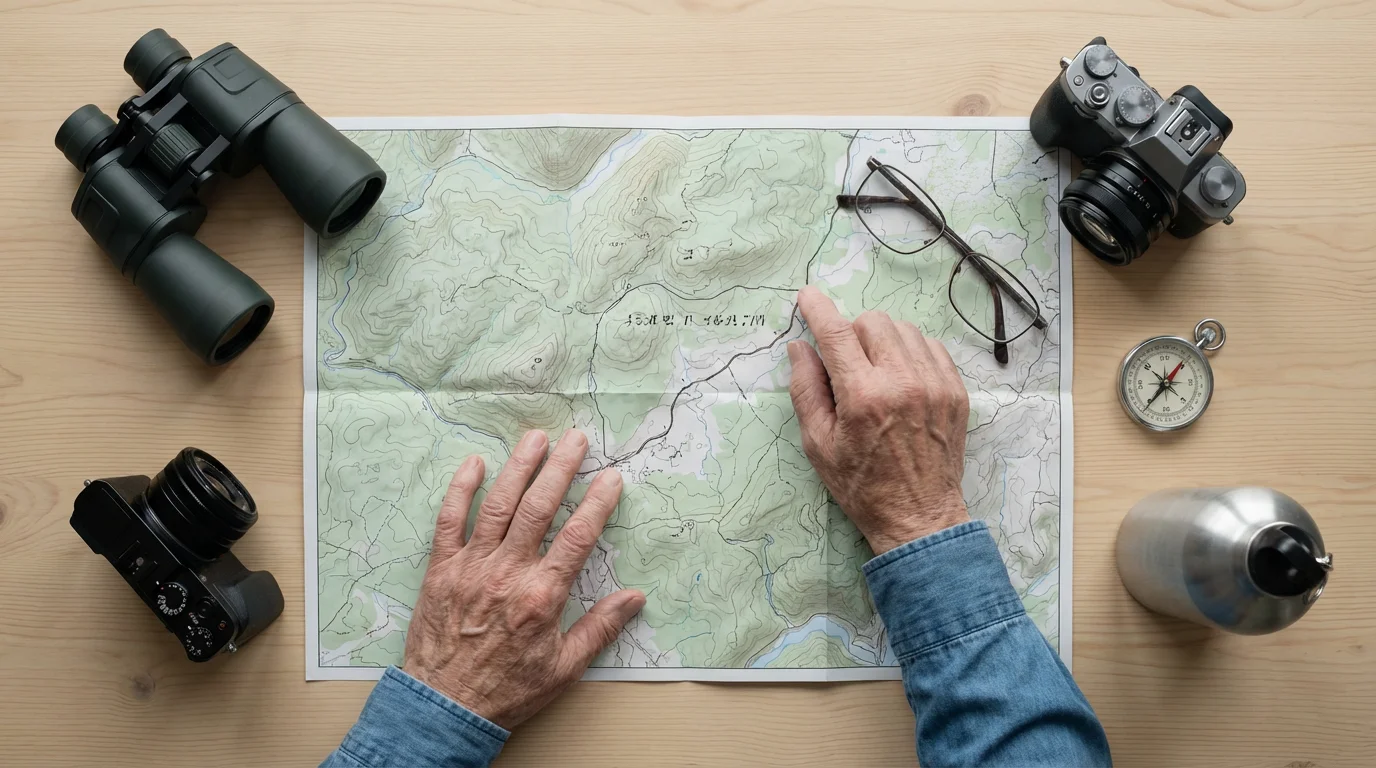
A successful national park road trip for seniors begins with meticulous planning. You ensure comfort, safety, and maximum enjoyment by addressing key considerations upfront. This preparation empowers you to handle any situation.
Step-by-Step Planning for Your Accessible Adventure
-
Research Accessibility: Visit the official National Park Service website, NPS.gov, for detailed accessibility information on specific parks. Look for sections on “accessibility” or “universal access” on individual park pages. This step directly answers “what national parks have accessible trails?”
-
Define Your Interests: Do you prioritize scenic drives, short walks, wildlife viewing, or historical sites? Understanding your preferred activities helps narrow down park choices. Tailor your trip to your personal adventure style.
-
Set a Realistic Budget: Factor in transportation, accommodation, food, park entrance fees, and unexpected costs. Consider options like camping, cabins, or hotels, and plan your meals strategically to save money.
-
Choose Your Timing Wisely: Shoulder seasons, spring and fall, often offer pleasant weather, fewer crowds, and more affordable rates. Avoid peak summer months if you prefer tranquility and easier access to popular sites. Check the CDC Travelers’ Health website for specific health advisories related to your destination.
-
Select Your Vehicle: Choose a comfortable, reliable vehicle with ample space for luggage and any necessary mobility aids. Consider renting an RV for enhanced comfort and flexibility. Ensure your vehicle receives a thorough maintenance check before you depart.
-
Plan Your Route and Pacing: Map out your daily driving distances, ensuring you avoid overexertion. Build in rest days and allow extra time for spontaneous stops and relaxation. Flexibility is your friend on the road.
-
Book Accommodations and Activities: Reserve campsites, hotel rooms, and guided tours well in advance, especially in popular parks. Confirm accessibility features when booking. Prioritize guaranteed accessible rooms or sites.
-
Review Health and Safety: Consult your doctor about travel plans, especially for high-altitude parks. Pack all necessary medications, copies of prescriptions, and a first-aid kit. Share your itinerary with a trusted contact. The CDC Travelers’ Health site offers valuable information for all travelers.
-
Secure Necessary Passes: If you are 62 or older, purchase an America the Beautiful Senior Pass. This lifetime pass grants access to all national parks and federal recreation lands for a one-time fee. It saves you significant money on entrance fees.
Effective planning ensures your national park road trip transitions from a dream to an enjoyable reality. You empower yourself for a smooth, rewarding journey.

Discovering Accessible Trails and Experiences: What National Parks Have Accessible Trails?
The National Park Service actively works to make its sites welcoming to all visitors. Many national parks offer a variety of accessible trails and experiences. You find options catering to diverse mobility levels, from paved paths suitable for wheelchairs to gentle, packed-dirt trails.
When you research, look for terms like “wheelchair accessible,” “ADA compliant,” “stroller friendly,” or “easy walk.” These indicators suggest trails you can comfortably navigate. Visitor centers typically provide detailed accessibility maps and information, including trail grades and surface types.
Key Accessible Features to Look For:
- Paved or Boardwalk Trails: Many parks feature smooth surfaces allowing easy navigation for wheelchairs, scooters, and walkers.
- Accessible Visitor Centers: Most modern visitor centers offer ramps, elevators, accessible restrooms, and interpretive exhibits designed for all.
- Scenic Overlooks: Numerous overlooks provide stunning views from paved parking areas or accessible viewing platforms.
- Accessible Restrooms: You find these throughout parks, often near visitor centers, trailheads, and picnic areas.
- Ranger Programs: Many parks offer ranger-led talks and programs at accessible venues. Some even provide assistive listening devices or sign language interpreters upon request.
- Accessible Campgrounds and Lodging: Reserve accessible campsites or hotel rooms designed with wider doorways, grab bars, and roll-in showers.
To help answer “what national parks have accessible trails?” here is a comparison of some popular parks and their accessible offerings:
| National Park | Key Accessible Features | Popular Accessible Activities |
|---|---|---|
| Yellowstone National Park | Paved boardwalks around geysers (e.g., Old Faithful, Grand Prismatic Spring), accessible visitor centers, accessible restrooms, scenic drives. | Geyser basin viewing, scenic drives (Grand Loop Road), Mammoth Hot Springs Terraces (boardwalks). |
| Grand Canyon National Park | Paved Rim Trail (South Rim), Mather Point, Yavapai Point, and Bright Angel Lodge viewpoints are wheelchair accessible. Accessible shuttle service. | Rim Trail walks, shuttle bus tours, accessible viewpoints (Mather Point, Yavapai Geology Museum). |
| Acadia National Park | Paved Park Loop Road, Jordan Pond Path (section), Ocean Path, accessible carriage roads. Sand Beach and Thunder Hole have accessible viewing. | Scenic drives, portions of historic carriage roads, Jordan Pond House popovers (accessible dining), accessible beach viewing. |
| Zion National Park | Pa’rus Trail (paved, along Virgin River), accessible shuttle bus, accessible visitor center. The Zion Lodge is also accessible. | Pa’rus Trail, scenic drive on the shuttle, accessible visitor center exhibits, photography. |
| Everglades National Park | Anhinga Trail (boardwalk), Shark Valley Tram Road (paved, tram tours available), accessible visitor centers. | Wildlife viewing on Anhinga Trail, Shark Valley Tram tour, scenic drives. |
| Rocky Mountain National Park | Trail Ridge Road (scenic drive), Bear Lake Nature Trail (hardened surface), accessible visitor centers, Sprague Lake loop (accessible). | Scenic drives, short nature walks, accessible visitor centers, wildlife viewing. |
You find abundant opportunities to connect with nature’s majesty. Researching these options allows you to choose parks perfectly suited to your travel style and mobility needs.

Top Accessible National Park Destinations
While many national parks offer accessible features, some stand out for their extensive provisions. These destinations combine natural splendor with practical amenities, ensuring a rewarding experience for all senior travelers. Consider these highly recommended parks for your next adventure.
Yellowstone National Park, Wyoming/Montana/Idaho
- Iconic Geysers: Experience Old Faithful and Grand Prismatic Spring from extensive paved boardwalks. You navigate these features easily.
- Scenic Drives: The Grand Loop Road provides breathtaking views from your vehicle, with numerous accessible pullouts. You spot wildlife from your car.
- Accessible Facilities: Many visitor centers, restrooms, and some lodging options offer full accessibility. Check NPS.gov for detailed site-specific information.
Grand Canyon National Park, Arizona
- South Rim Accessibility: The South Rim offers the most accessible options. You find paved paths and shuttle services.
- Rim Trail: Sections of the Rim Trail are paved and relatively flat, providing spectacular canyon views for wheelchair users and those with limited mobility. Consider Mather Point and Yavapai Point.
- Shuttle Bus System: A free, accessible shuttle bus system operates along the South Rim, connecting viewpoints and services. You ride comfortably between locations.
Acadia National Park, Maine
- Historic Carriage Roads: Many miles of these crushed-rock paths are suitable for wheelchairs and electric scooters. You enjoy gentle grades and picturesque scenery.
- Park Loop Road: This scenic drive offers numerous accessible overlooks and points of interest. You park and easily access stunning coastal views.
- Jordan Pond House: Enjoy their famous popovers and tea from an accessible dining experience with beautiful lake views.
Zion National Park, Utah
- Pa’rus Trail: This paved, relatively flat trail runs along the Virgin River, offering stunning canyon views. You enjoy a peaceful stroll or roll.
- Accessible Shuttle: During peak season, the park shuttle system provides accessible transportation to many scenic spots. You leave your car behind and relax.
- Visitor Center and Lodge: The Zion Canyon Visitor Center and Zion Lodge both offer accessible facilities and services. You find comfort and convenience.
Everglades National Park, Florida
- Anhinga Trail: A famous boardwalk trail where you observe abundant wildlife, including alligators and various bird species, at eye level. This trail is fully accessible.
- Shark Valley Tram Road: This paved 15-mile loop offers guided tram tours, allowing you to experience the park’s ecosystem comfortably. You also cycle this route.
- Scenic Drives and Kayaking: You find accessible boat tours and opportunities for gentle paddling in designated areas.
These parks represent just a few of the many accessible wonders awaiting your visit. Each provides unique beauty and thoughtful accommodations for senior travelers.

Packing for Comfort and Safety
Packing intelligently ensures your national park road trip remains comfortable and safe. You prepare for varying weather conditions and potential needs. Your packing list should prioritize practicality and ease of access.
Essential Packing List for Senior Travelers:
- Comfortable Footwear: Pack sturdy, broken-in walking shoes with good support. Include sandals or slip-ons for relaxing at camp or in your lodging.
- Layered Clothing: National park weather can change rapidly. Bring moisture-wicking base layers, insulating mid-layers, and a waterproof/windproof outer shell.
- Medications and Prescriptions: Carry all prescription medications in their original containers, along with a copy of your prescriptions and your doctor’s contact information. Pack a full week’s extra supply.
- First-Aid Kit: Include bandages, antiseptic wipes, pain relievers, blister treatment, allergy medication, and any personal medical necessities.
- Sun Protection: Pack a wide-brimmed hat, sunglasses, and broad-spectrum sunscreen (SPF 30+). You protect your skin from intense UV rays.
- Hydration System: Bring reusable water bottles or a hydration pack. Staying hydrated is crucial, especially at higher elevations or in warm climates.
- Snacks: Pack non-perishable snacks like granola bars, nuts, and fruit. These provide energy between meals and during activities.
- Navigation Tools: Carry a physical map, compass (and know how to use it), and a fully charged smartphone with offline maps downloaded. Do not rely solely on cell service.
- Headlamp or Flashlight: Essential for navigating in the dark, whether at a campsite or in unfamiliar lodging.
- Personal Care Items: Include your usual toiletries, hand sanitizer, insect repellent, and any mobility aids you require.
- Important Documents: Keep your driver’s license, insurance cards, Senior Pass, and emergency contact information readily accessible. Consider digital copies on a secure device.
- Entertainment: Books, e-readers, puzzles, or journals enhance downtime.
- Camera and Binoculars: Capture memories and get closer views of wildlife and distant landscapes.
- Small Backpack: Use this for day trips to carry water, snacks, layers, and personal items.
You ensure a hassle-free journey by carefully curating your packing list. This preparation allows you to focus on the beauty around you.

On the Road: Tips for a Smooth Journey
Once you hit the road, maintaining comfort, health, and flexibility becomes paramount. You control the pace and ensure a stress-free experience. These practical tips help you navigate your national park adventure with ease.
Driving and Travel Comfort:
- Pace Yourself: Avoid long stretches of driving. Plan for frequent breaks every 1.5 to 2 hours. Get out, stretch, and walk around to improve circulation.
- Share Driving Responsibilities: If traveling with a partner, take turns driving to reduce fatigue. You both enjoy the scenery more.
- Stay Hydrated and Nourished: Keep water and healthy snacks within reach. Dehydration and hunger can impact your concentration and energy.
- Comfortable Seating: Use back supports or seat cushions if needed. Adjust your seat regularly to prevent stiffness.
- Emergency Preparedness: Have roadside assistance information handy. Ensure your cell phone is fully charged. Carry a basic emergency kit in your vehicle, including blankets, jumper cables, and a flashlight.
Health and Safety Considerations:
- Monitor Your Health: Pay attention to how you feel, especially at higher altitudes. Headaches or unusual fatigue could indicate altitude sickness.
- Sun and Heat Awareness: Protect yourself from the sun. Drink plenty of water. Wear light clothing. Seek shade during the hottest parts of the day.
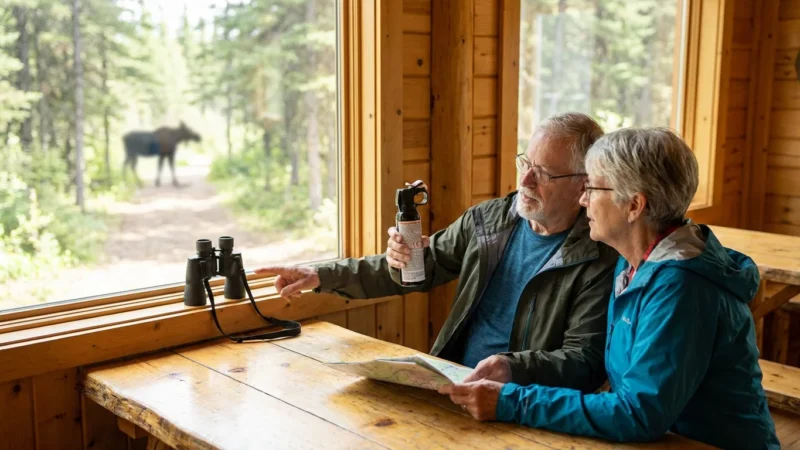
- Wildlife Safety: Maintain a safe distance from all wildlife. Never feed animals. Store food properly to prevent attracting bears and other creatures. Review park-specific wildlife guidelines.
- Know When to Turn Back: If a trail or activity feels too challenging, or weather conditions change, do not hesitate to adjust your plans. Your safety comes first.
- Inform Others: Let someone know your daily itinerary, especially if you plan to venture onto less-trafficked trails.
Flexibility and Enjoyment:
- Embrace Spontaneity: While planning is essential, allow room for unplanned stops or detours. Some of the best discoveries happen unexpectedly.
- Connect with Rangers: Park rangers are invaluable resources. They offer current trail conditions, accessibility updates, and local insights. You gain immediate, reliable information.
- Savor the Moments: Take time to sit, observe, and truly absorb the beauty around you. Do not rush from one point to the next.
You master the art of the road trip by prioritizing your well-being and embracing flexibility. This approach ensures a truly memorable and comfortable adventure.
Budget-Friendly National Park Adventures
Exploring national parks does not require breaking the bank. You access incredible experiences while managing your finances wisely. Strategic planning helps you enjoy the parks on a budget.
Maximize Your Savings:
- America the Beautiful Senior Pass: If you are 62 or older, purchase the America the Beautiful Senior Pass. This lifetime pass costs a modest one-time fee and grants you access to all national parks and federal recreation lands. It also provides a 50% discount on many federal campground fees.
- Travel During Shoulder Seasons: Visit parks in spring or fall. You encounter fewer crowds and often find lower prices for accommodation outside the parks.
- Camping: Camping within national parks offers an affordable lodging option. Many campgrounds have accessible sites. Research and book well in advance.
- Cook Your Own Meals: Pack a cooler and portable cooking gear. Preparing your own meals saves significant money compared to eating out. Most campgrounds and many picnic areas offer tables.
- Utilize Free Ranger Programs: Attend free ranger-led talks, walks, and campfire programs. These provide educational and entertaining experiences without cost.
- Look for Free Days: The National Park Service designates several fee-free days each year. You enter parks without charge on these specific dates.
- Stay Outside the Park: Sometimes, lodging just outside park boundaries offers more affordable rates than accommodations within the park. Factor in travel time and gas costs.
You create an incredible national park adventure without overspending. Smart choices allow you to stretch your budget further, enhancing your travel possibilities.

Connecting with the Community: Group Travel and Resources
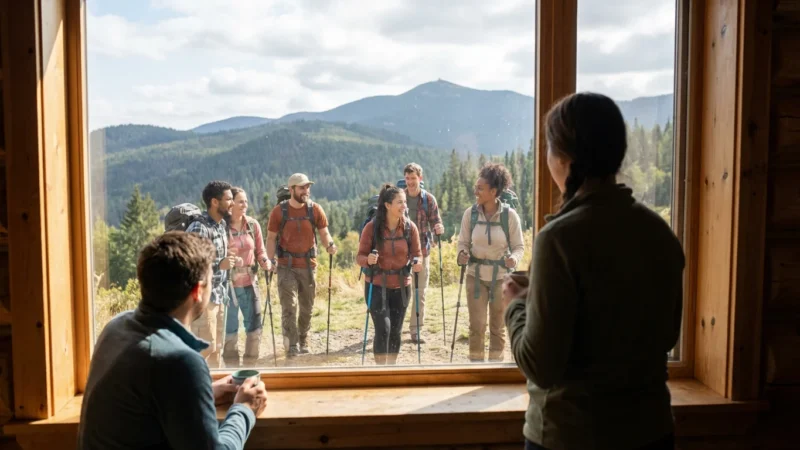
While solo and couple adventures offer freedom, group travel and community resources provide structure, companionship, and specialized support. You choose the option that best fits your comfort and travel style.
Group Tours for Seniors:
Organizations specializing in senior travel offer curated itineraries focusing on accessibility, comfort, and rich experiences. They handle logistics, allowing you to relax and enjoy. Road Scholar is a prime example of such a group.
Road Scholar provides educational adventures specifically designed for older adults. Their programs often include expert guides, accessible transportation, and accommodations. You learn, explore, and connect with like-minded individuals.
AARP Travel also offers resources and deals specifically for senior travelers. They provide advice, discounts, and travel packages. You benefit from their extensive network and expertise.
Volunteer Opportunities:
Consider volunteering with the National Park Service or organizations like the National Forest Foundation. You contribute to preserving these incredible places while meeting new people and gaining unique perspectives. Many volunteer roles accommodate various abilities.
Online Communities and Forums:
Join online forums or social media groups dedicated to senior travel or accessible travel. You exchange tips, ask questions, and connect with others who share your passion for exploration. This helps you plan and find companions.
You enhance your travel experience by tapping into these valuable communities and resources. They offer support, companionship, and deeper engagement with the places you visit.
Frequently Asked Questions
What are the best national parks for senior travelers with limited mobility?
Many national parks offer excellent accessibility. Yellowstone, Grand Canyon (South Rim), Acadia, Zion, and Everglades National Parks consistently rank highly for their paved trails, accessible visitor centers, shuttle services, and scenic drives. Always check individual park websites for the most current accessibility details.
How do I plan a national park road trip if I need accessible lodging?
When booking, specifically search for “ADA compliant” or “accessible” rooms. Confirm features like roll-in showers, grab bars, and wider doorways directly with the hotel or campground. The National Park Service website also lists accessible lodging options within parks. Book well in advance, as accessible units are often limited.
Is the America the Beautiful Senior Pass worth it?
Absolutely. If you are 62 or older, the America the Beautiful Senior Pass is an incredible value. It provides lifetime access to all national parks and federal recreation sites, plus a 50% discount on many federal recreation fees, including camping. You quickly recoup its modest one-time cost with just a few visits.
What should I do if I have a medical emergency during my national park road trip?
Prioritize preparation. Carry all essential medications and a comprehensive first-aid kit. Keep emergency contacts and medical information readily accessible. Ensure your phone is charged, and consider carrying a satellite communication device in remote areas. Dial 911 in an emergency. Park rangers are trained in emergency response and can assist.
Can I travel solo to national parks as a senior?
Yes, many seniors enjoy solo travel to national parks. Solo travel offers incredible freedom and introspection. Take extra precautions: share your itinerary with a trusted friend or family member, stick to well-trafficked areas, carry a personal safety device, and ensure your vehicle is in excellent condition. Utilize ranger stations for current conditions and advice.
How do I find accessible trails and facilities within a specific national park?
The best resource is the official National Park Service website, NPS.gov. Navigate to the specific park you plan to visit and look for sections titled “Accessibility,” “Plan Your Visit,” or “Things to Do.” Many parks also provide detailed accessibility guides or maps at their visitor centers upon arrival. You can also call the park directly before your trip for specific questions.



Leave a Reply