
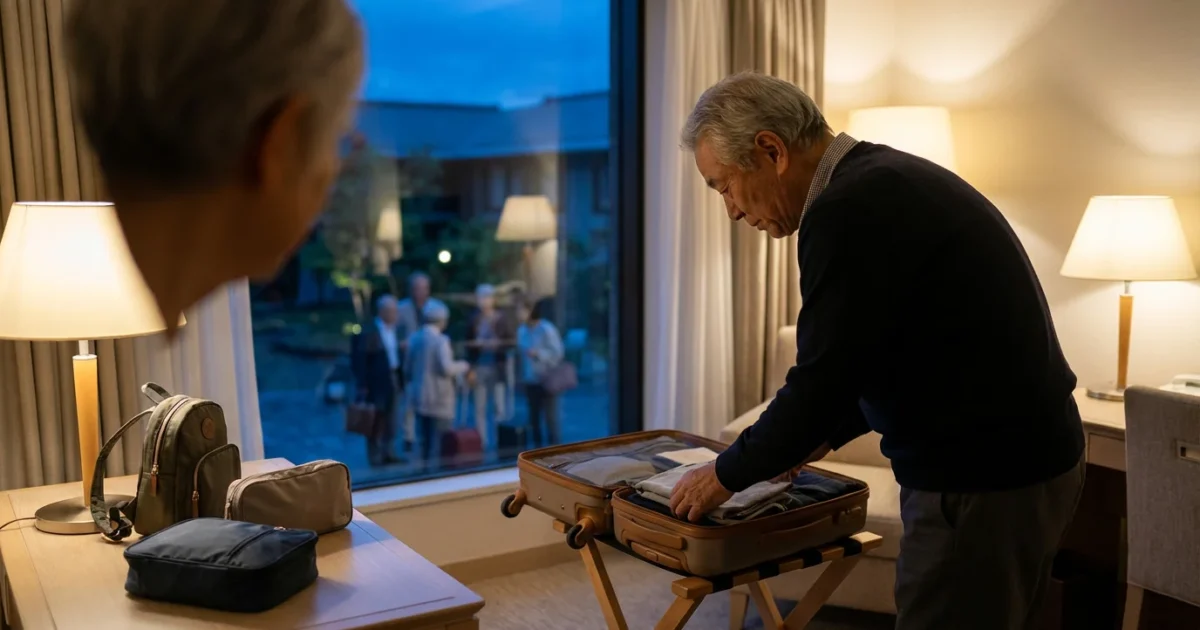
Embarking on a senior group tour offers an incredible opportunity to explore new horizons, connect with like-minded adventurers, and create lasting memories. The convenience of group travel, with its meticulously planned itineraries and expert guides, allows you to focus on discovery. However, a common challenge many travelers face, especially those joining a group tour, involves the burden of excessive luggage. Mastering the art of packing light transforms your travel experience, ensuring comfort, ease, and flexibility from start to finish.
Heavy bags slow you down, incur extra fees, and complicate transfers between destinations. They can also add unnecessary physical strain. This comprehensive guide provides you with practical, actionable strategies and packing hacks specifically tailored for seniors on group tours. Prepare to lighten your load, streamline your journey, and embrace every moment of your adventure.
Disclaimer: This article is for informational purposes only. Travel conditions, accessibility, and requirements change frequently. We encourage readers to verify current information with official sources before traveling. Always consult with healthcare providers about travel considerations for your specific health situation.
Table of Contents
- Why Pack Light? The Freedom of Less
- Understand Your Itinerary and Destination
- The Core Principles of Efficient Packing
- The Ultimate Senior Group Tour Packing List
- Smart Clothing Strategies for Comfort and Versatility
- Essentials for Health, Safety, and Connectivity
- Packing Hacks for Seniors on Group Tours
- Mastering Your Carry-On and Personal Item
- Pre-Trip Checklist: Your Final Review
- Frequently Asked Questions
Why Pack Light? The Freedom of Less
The decision to pack light goes beyond simply reducing weight. It profoundly impacts your entire group travel experience. Imagine easily navigating airports, quickly moving between hotels, and having fewer worries about lost luggage. Packing light empowers you to be more agile and spontaneous, fully immersing yourself in your adventure.
Lighter luggage means fewer checked bag fees, a significant saving on many airlines. It reduces the stress of handling multiple heavy bags, a benefit particularly appreciated during a group tour with frequent transitions. Less baggage translates to more time enjoying your destination and less time managing your belongings.
“The world is a book and those who do not travel read only one page.” — Saint Augustine
Embrace this freedom and discover how shedding physical weight can lift your spirits. You gain greater independence and minimize the chances of luggage-related delays or frustrations, ensuring a smoother journey. Focus your energy on experiencing the world, not wrestling with your suitcase.
Understand Your Itinerary and Destination
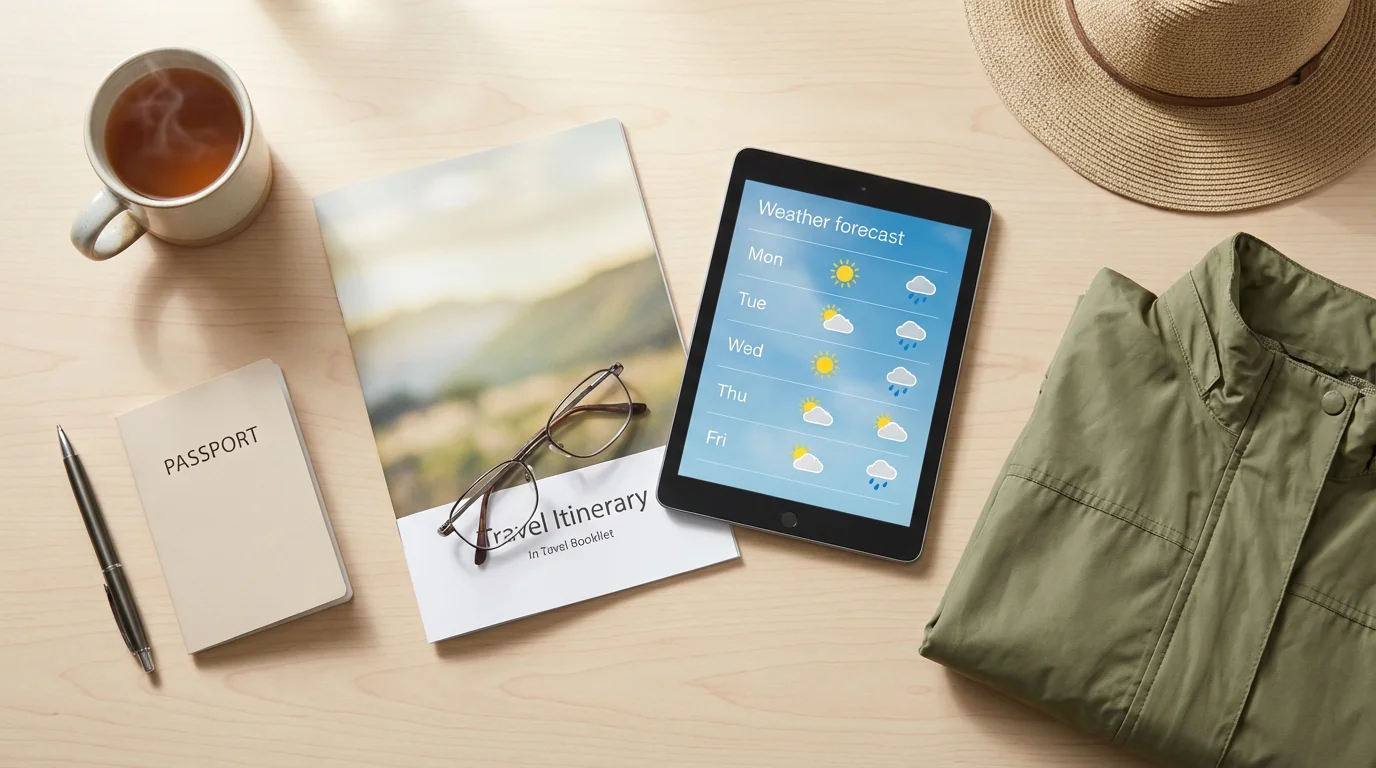
Successful packing starts with thorough research into your group tour’s itinerary and destination specifics. Your tour operator provides detailed information regarding daily activities, expected weather conditions, and accommodation styles. Review this carefully to make informed packing decisions.
Consider the climate, potential for rain or extreme temperatures, and the types of activities planned. Will you be hiking, attending cultural events, or relaxing? These factors dictate the type and quantity of clothing and gear you need. Understanding your daily schedule helps you visualize what you will actually wear and use.
Group tours often include specific dress codes for certain events, such as a welcome dinner or theater performance. Ensure you pack one versatile outfit that meets these requirements without adding unnecessary bulk. Tailor your packing to the realities of your trip, avoiding “just in case” items that rarely see use.
The Core Principles of Efficient Packing
Adopting a few core principles revolutionizes your packing strategy. These guidelines ensure you maximize space, minimize weight, and pack only what is truly essential. Implement these principles from the moment you begin planning your packing list.
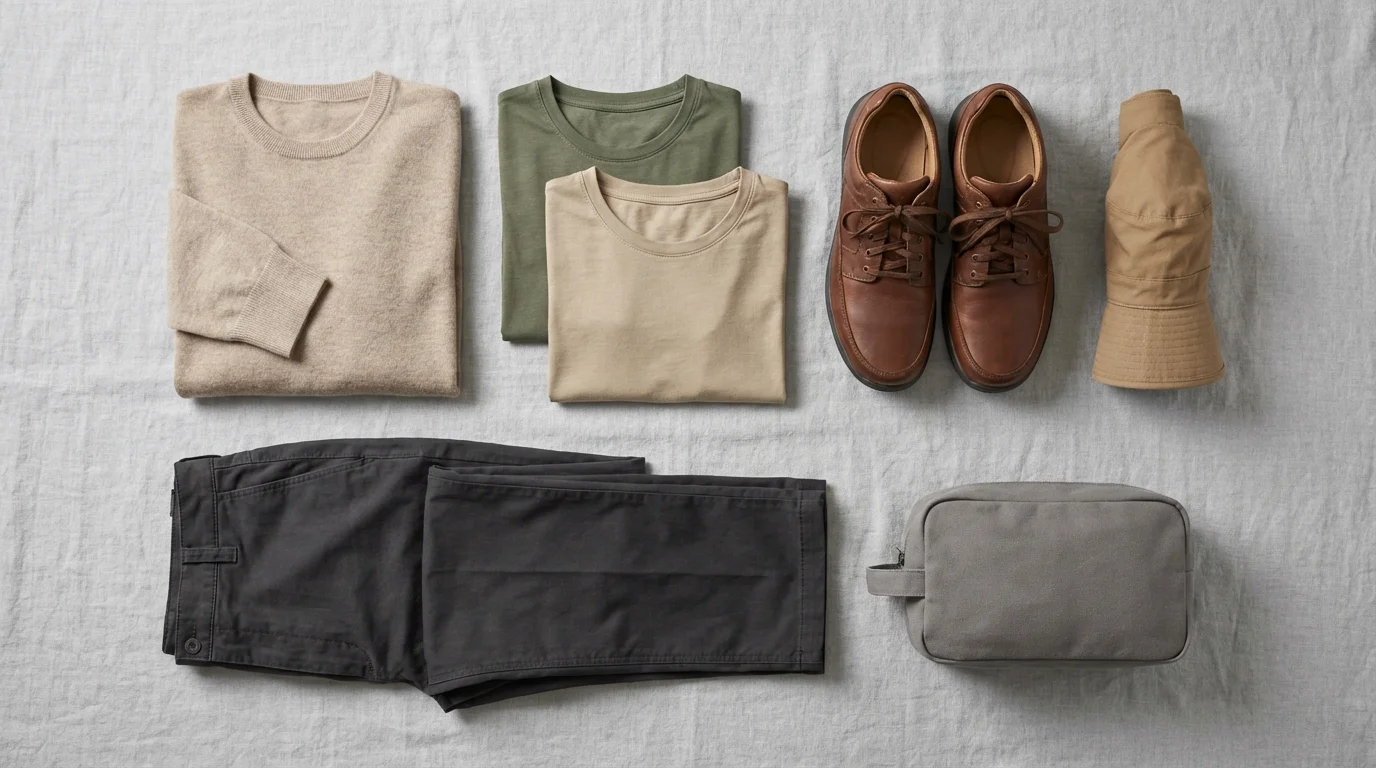
- Embrace Versatility: Choose clothing items that mix and match easily to create multiple outfits. Neutral colors are your best friend, allowing for endless combinations.
- Layering is Key: Pack items that can be layered to adapt to fluctuating temperatures. This strategy eliminates the need for bulky single-use garments.
- Prioritize Multi-Use Items: Look for products that serve more than one purpose. A scarf can be a fashion accessory, a head covering, a blanket, or a sun shield.
- Invest in Lightweight, Quick-Drying Fabrics: Modern synthetic fabrics, merino wool, and certain cotton blends dry quickly and often resist wrinkles. These are ideal for washing on the go.
- Use Packing Organizers: Compression bags, packing cubes, and small pouches help organize your belongings and compress them to save space.
These principles empower you to create a functional and adaptable wardrobe for any tour. They reduce decision fatigue while traveling and help you maintain a manageable luggage weight.
The Ultimate Senior Group Tour Packing List
This comprehensive list outlines essential items for your senior group tour, focusing on practicality and comfort. Adapt it based on your specific itinerary, destination, and personal needs. Remember, less is often more.
Clothing (Aim for 3-5 days’ worth, plan to wash)
- 3-4 tops (versatile, mix-and-match, quick-drying)
- 2-3 bottoms (e.g., comfortable travel pants, convertible trousers, dark jeans, or a skirt)
- 1-2 comfortable shorts (if appropriate for destination/activities)
- 1-2 outer layers (light jacket, cardigan, or fleece for layering)
- 1 waterproof and windproof jacket (packable, even if just for unexpected weather)
- Underwear and socks (pack a few extra pairs than days, especially if walking extensively)
- Sleepwear
- Swimsuit (if applicable)
- 1 dressier outfit (for special dinners or events, versatile and not easily wrinkled)
Footwear
- Comfortable walking shoes (already broken in, supportive)
- Second pair of comfortable shoes (e.g., sandals, lighter casual shoes)
- Shower sandals/slippers (optional, for comfort in accommodations)
Toiletries & Personal Care
- Travel-sized shampoo, conditioner, soap/body wash
- Toothbrush, toothpaste, floss
- Deodorant
- Sunscreen (important for outdoor activities)
- Insect repellent (if relevant for destination)
- Moisturizer, lip balm with SPF
- Small brush/comb
- Any specific hair care products in travel sizes
Health & Safety
- Personal medications (in original containers, with prescriptions if international travel)
- Basic first-aid kit (band-aids, antiseptic wipes, pain relievers, motion sickness medication)
- Hand sanitizer
- Reading glasses and spare pair
- Hearing aids and spare batteries (if applicable)
Documents & Money
- Passport/ID and visa (if international travel, check State Department Travel for requirements)
- Copy of itinerary, tour operator contact info
- Medical insurance card (travel insurance details)
- Credit/debit cards, some local currency
- Emergency contact information
Tech & Miscellaneous
- Smartphone and charger
- Portable power bank
- Universal travel adapter (if international)
- Small daypack or tote bag (collapsible) for daily excursions
- Water bottle (reusable)
- Reading material (e-reader or lightweight book)
- Small umbrella or rain poncho
- Travel pillow (inflatable or compact)
- Sunglasses
Smart Clothing Strategies for Comfort and Versatility
Your choice of clothing forms the backbone of your packing light success. Focus on pieces that offer maximum utility and comfort. This strategy ensures you remain prepared for various activities and weather conditions without overpacking.
Layering for Success
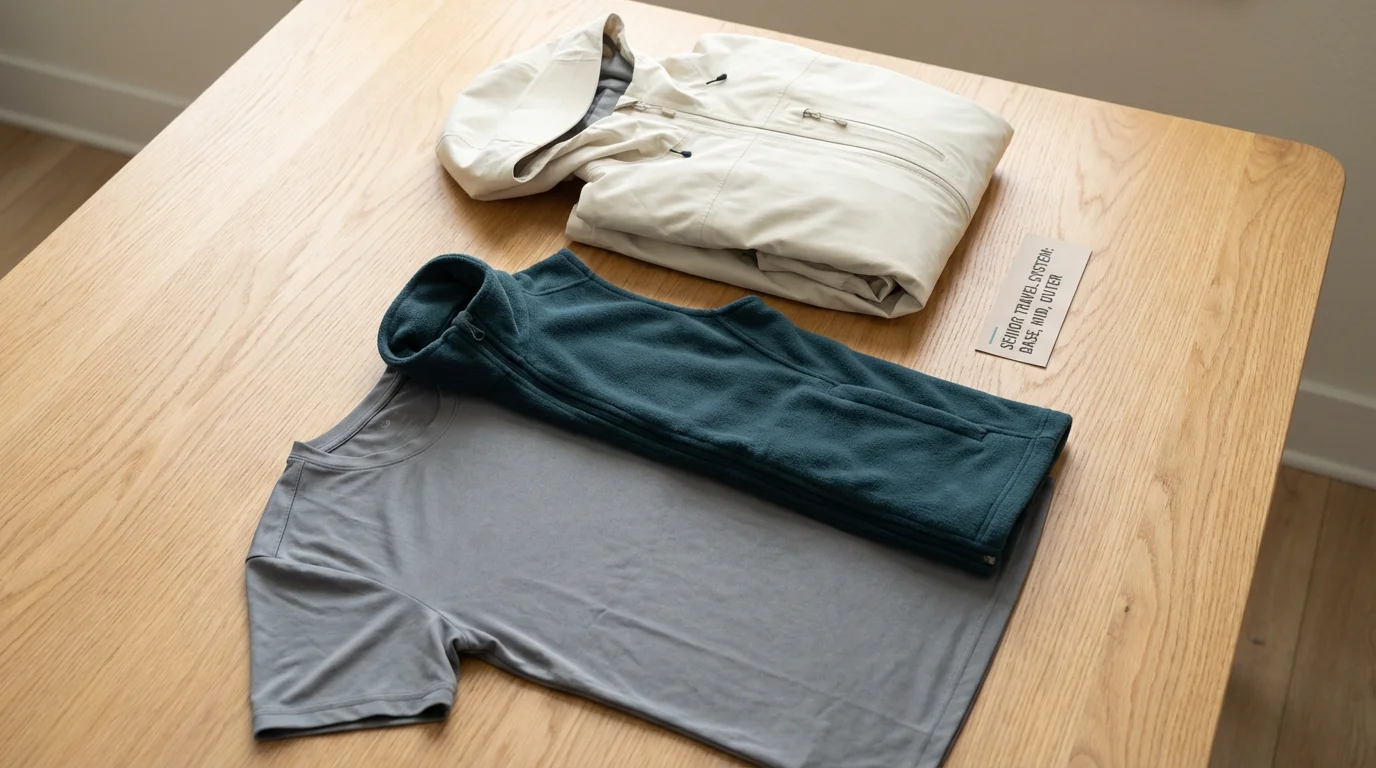
Layering is crucial for senior travelers as it allows you to easily adjust to temperature changes throughout the day. Start with a moisture-wicking base layer, add an insulating mid-layer like a fleece, and finish with a waterproof outer shell. This adaptable system eliminates the need for separate heavy garments for different climates.
Fabric Choices Matter
Opt for fabrics known for their performance characteristics. Merino wool is excellent for temperature regulation, odor resistance, and quick drying. Synthetic blends also offer quick-drying properties and wrinkle resistance, making them ideal for travel. Avoid heavy cotton or denim where possible, as they take long to dry and add bulk.
Creating a Capsule Wardrobe
Build a travel capsule wardrobe using a limited number of items that all complement each other. Stick to a cohesive color palette, such as neutrals with one or two accent colors. Every top should go with every bottom, and every outer layer should match your core pieces. This maximizes your outfit options from minimal items.
Versatile Pieces to Include
- Convertible Pants: Zip-off pants transform from trousers to shorts, perfect for varied activities like hiking or city exploration.
- Multi-Use Scarf: A large scarf can serve as a shawl, head covering, blanket on a cold plane, or even a modest wrap for cultural sites.
- Dark-Colored Bottoms: Dark pants or skirts hide dirt and stains better, allowing for more wears between washes.
- Quick-Dry Undergarments: Lightweight, quick-drying underwear and socks allow you to easily handwash and air dry them overnight, significantly reducing the number you need to pack.
Essentials for Health, Safety, and Connectivity
Ensuring your well-being and staying connected are paramount, especially during group travel. Prioritize packing items that address these needs. A little preparation goes a long way in managing unexpected situations.
Managing Medications and Health Needs
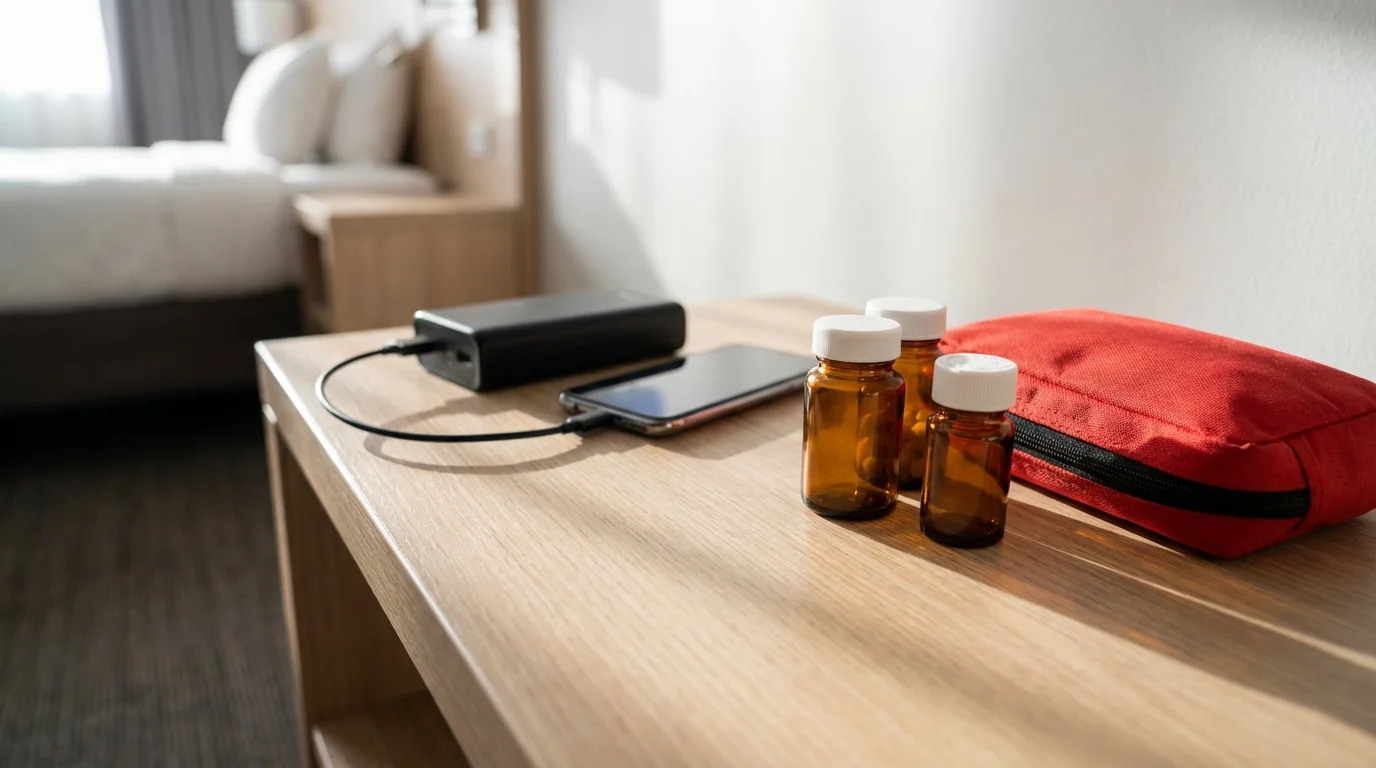
Always pack prescription medications in your carry-on bag, in their original containers, along with copies of prescriptions. This prevents issues at security checkpoints and ensures you have access to them if your checked luggage is delayed. Carry a sufficient supply for your entire trip plus a few extra days. Consult CDC Travelers’ Health for destination-specific health advice.
A small, personal first-aid kit is invaluable. Include pain relievers, bandages, antiseptic wipes, any personal allergy medications, and a cream for insect bites or minor rashes. Consider packing rehydration salts, particularly for tours in warmer climates. Always discuss your travel plans with your doctor, ensuring you have any necessary vaccinations or preventive care.
Staying Safe and Secure
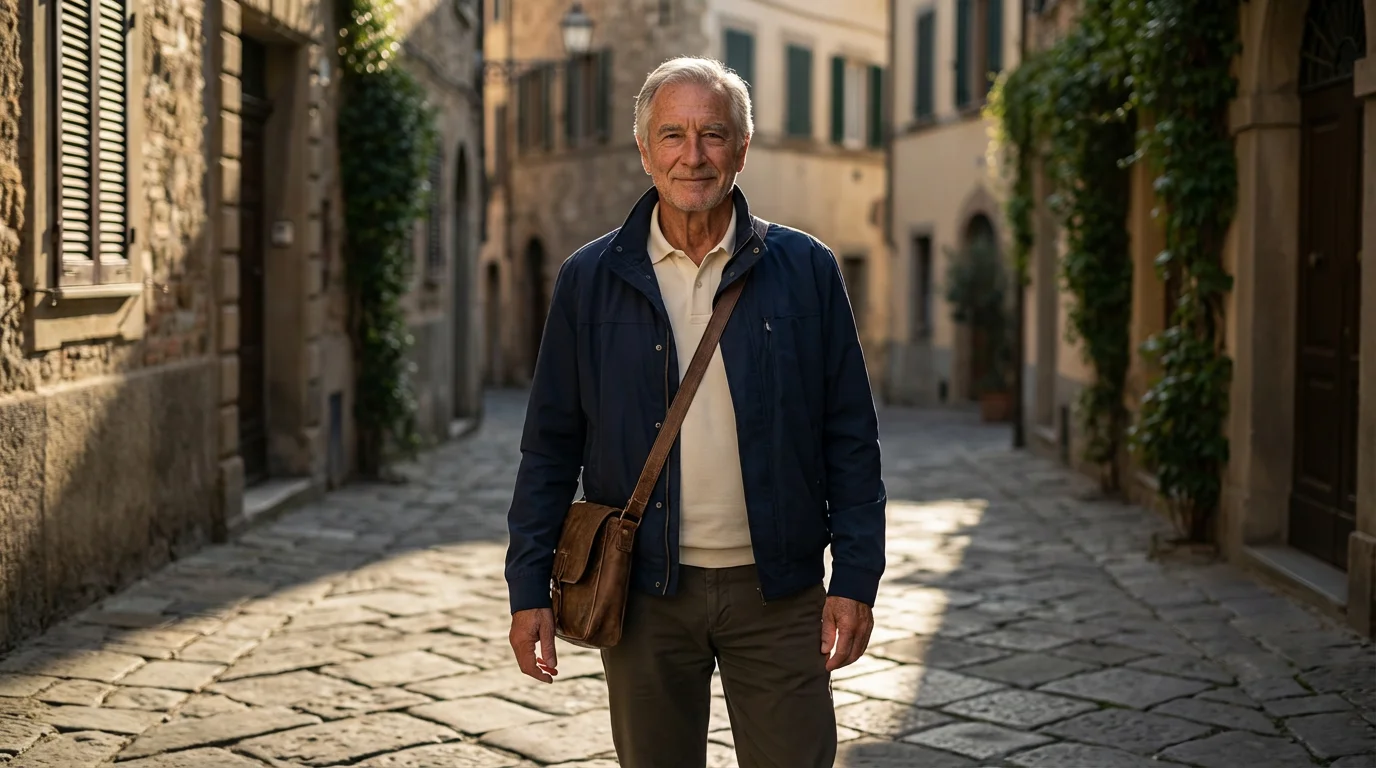
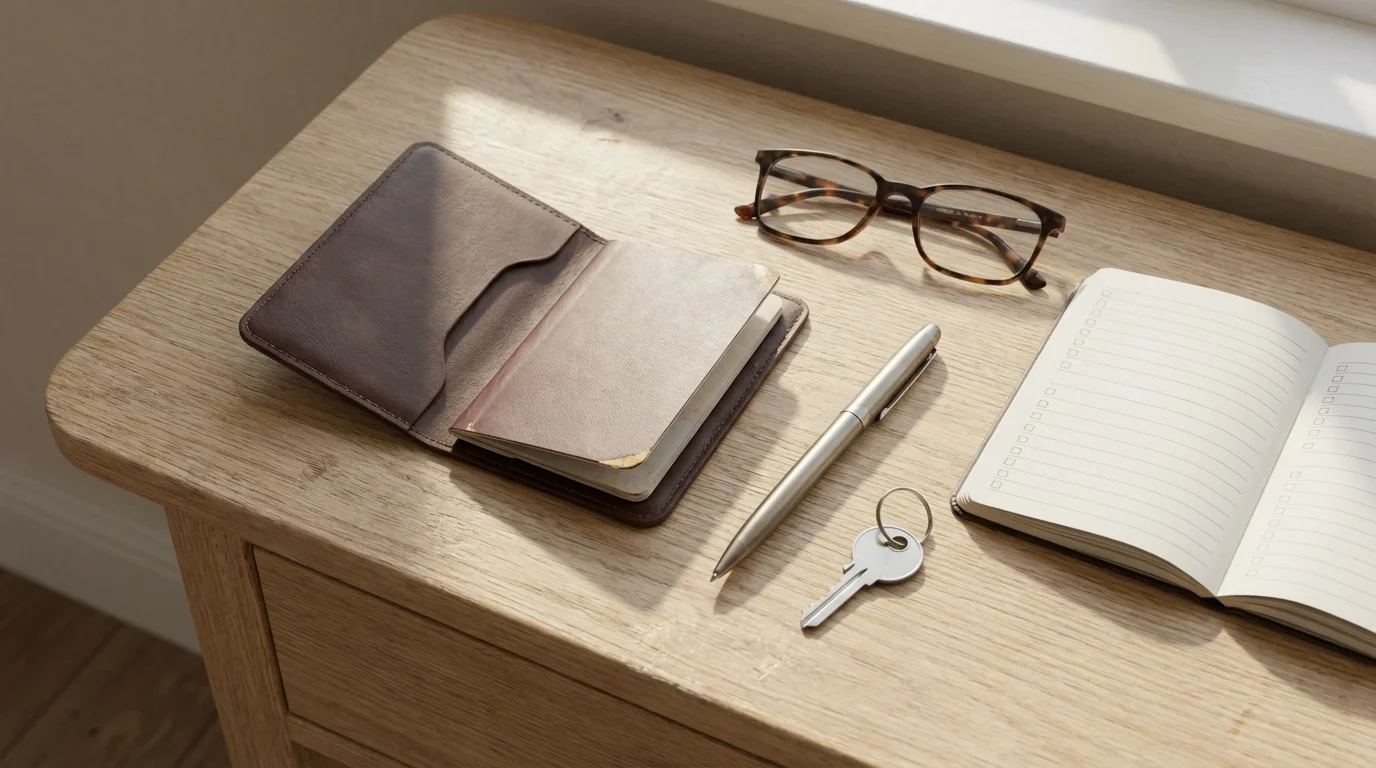
Carry a small, secure cross-body bag or money belt for important documents, cash, and cards. Make digital copies of your passport, visa, and insurance information, storing them securely online and sharing with a trusted family member. Use an RFID-blocking wallet to protect against digital theft.
Familiarize yourself with local emergency numbers and carry the tour operator’s emergency contact information. A personal safety alarm can also provide an extra layer of security. Always remain aware of your surroundings, especially in crowded areas.
Keeping Connected
Your smartphone is a vital tool for navigation, communication, and capturing memories. Ensure it is fully charged and consider a portable power bank for on-the-go charging. For international travel, research local SIM cards or international roaming plans before you depart.
A universal travel adapter is essential for charging electronics in different countries. Download offline maps and translation apps to your phone. These tools help you navigate and communicate even without an internet connection, enhancing your sense of independence and preparedness.
Packing Hacks for Seniors on Group Tours
These smart packing hacks help you save space, reduce wrinkles, and make accessing your items easier. Incorporate these strategies to elevate your packing game and enjoy a stress-free travel experience.
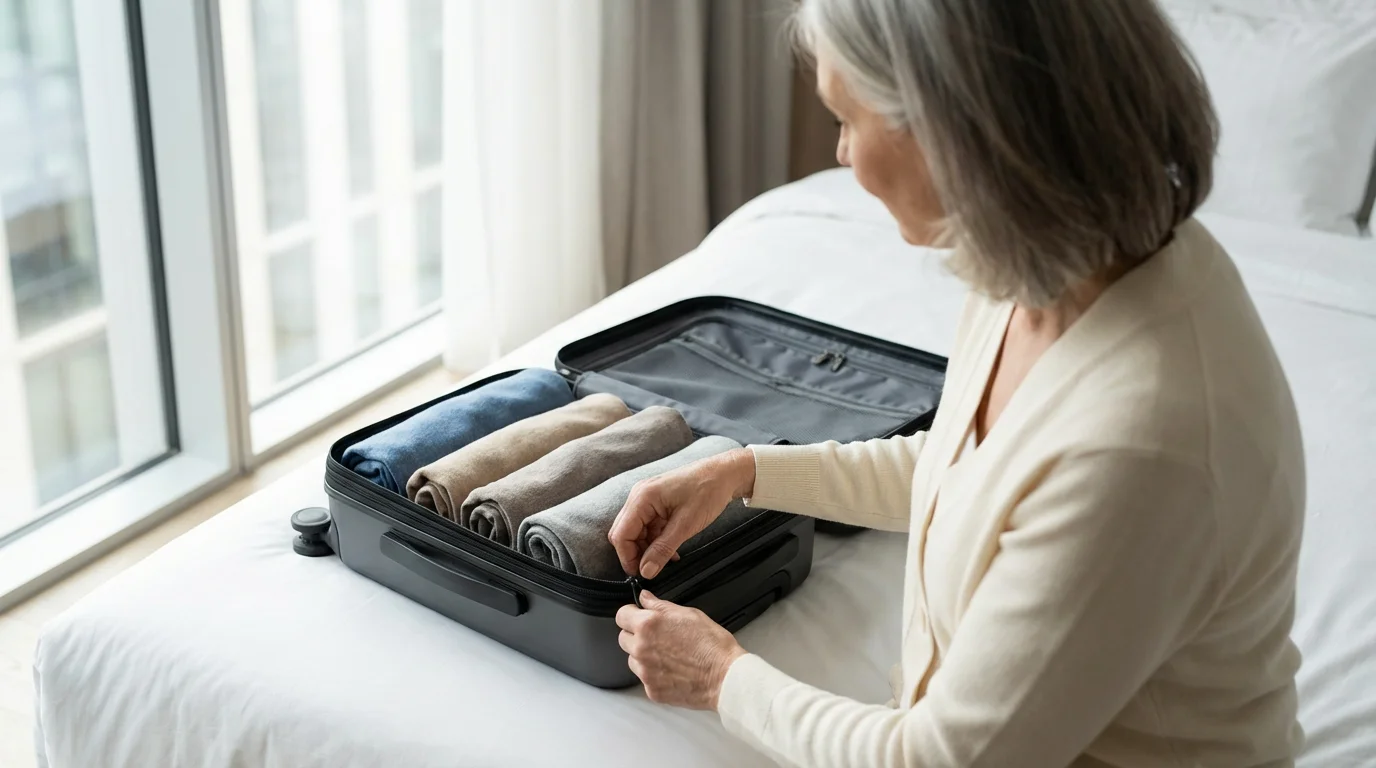
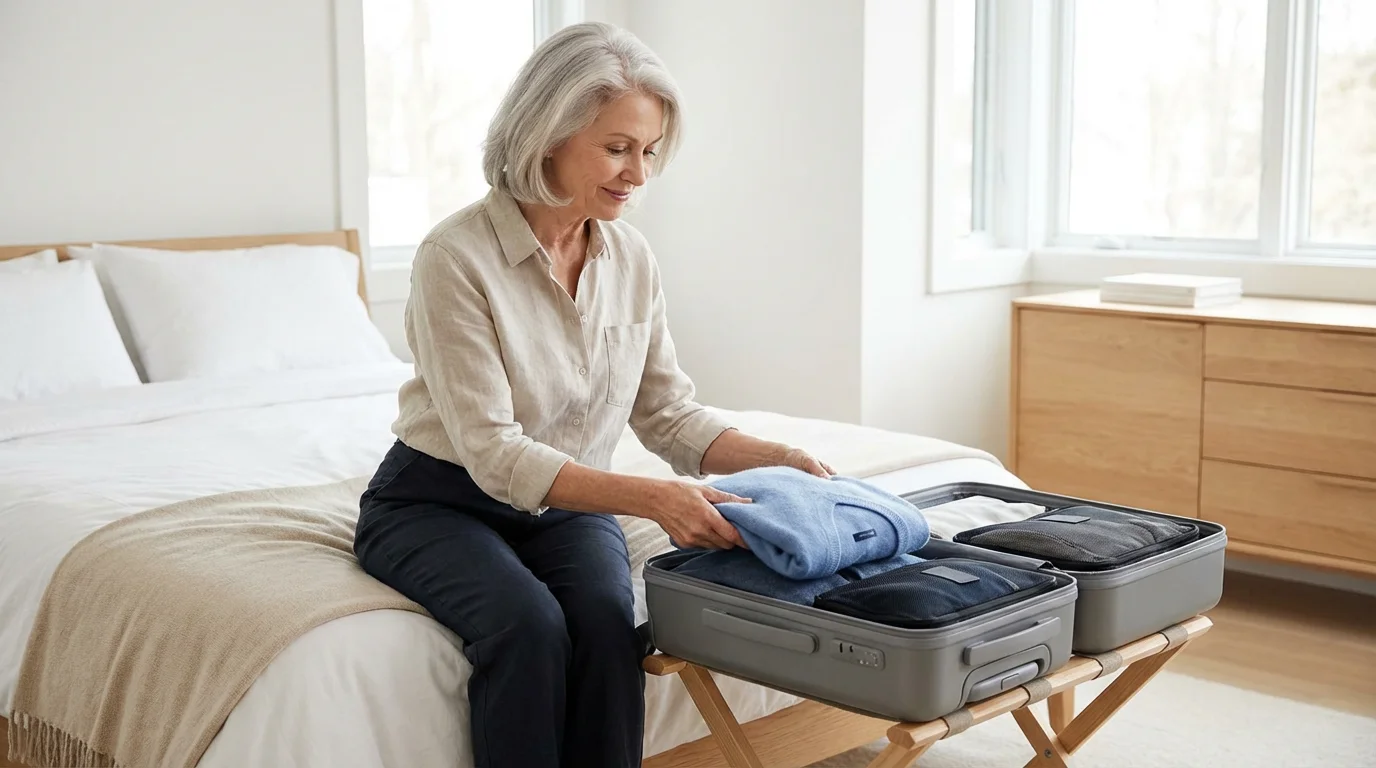
- Roll, Don’t Fold: Rolling clothes tightly minimizes wrinkles and saves significant space. This method works particularly well for softer garments like t-shirts, socks, and underwear.
- Use Packing Cubes: These zippered fabric containers organize your clothes by type, outfit, or destination. They compress items, make it easy to find what you need, and simplify moving items between suitcases if necessary. You can even use one cube for dirty laundry.
- Wear Your Bulkiest Items: Wear your heaviest shoes and bulkiest jacket on travel days. This frees up valuable space and weight in your luggage.
- Utilize Dead Space: Stuff socks, underwear, or small accessories into your shoes. Fill empty spaces in your bag with smaller, soft items.
- Choose Travel-Sized Toiletries or Solid Alternatives: Minimize liquids to avoid leaks and comply with TSA regulations for carry-ons. Consider solid shampoo bars, soap, and toothpaste tablets.
- Pack a Laundry Kit: A small bag with a few clothesline clips and a travel-sized detergent can be a lifesaver for refreshing clothes overnight, especially with quick-drying fabrics.
By implementing these efficient packing techniques, you gain more control over your luggage. You also simplify your routine, allowing you to focus on the adventures ahead.
Mastering Your Carry-On and Personal Item
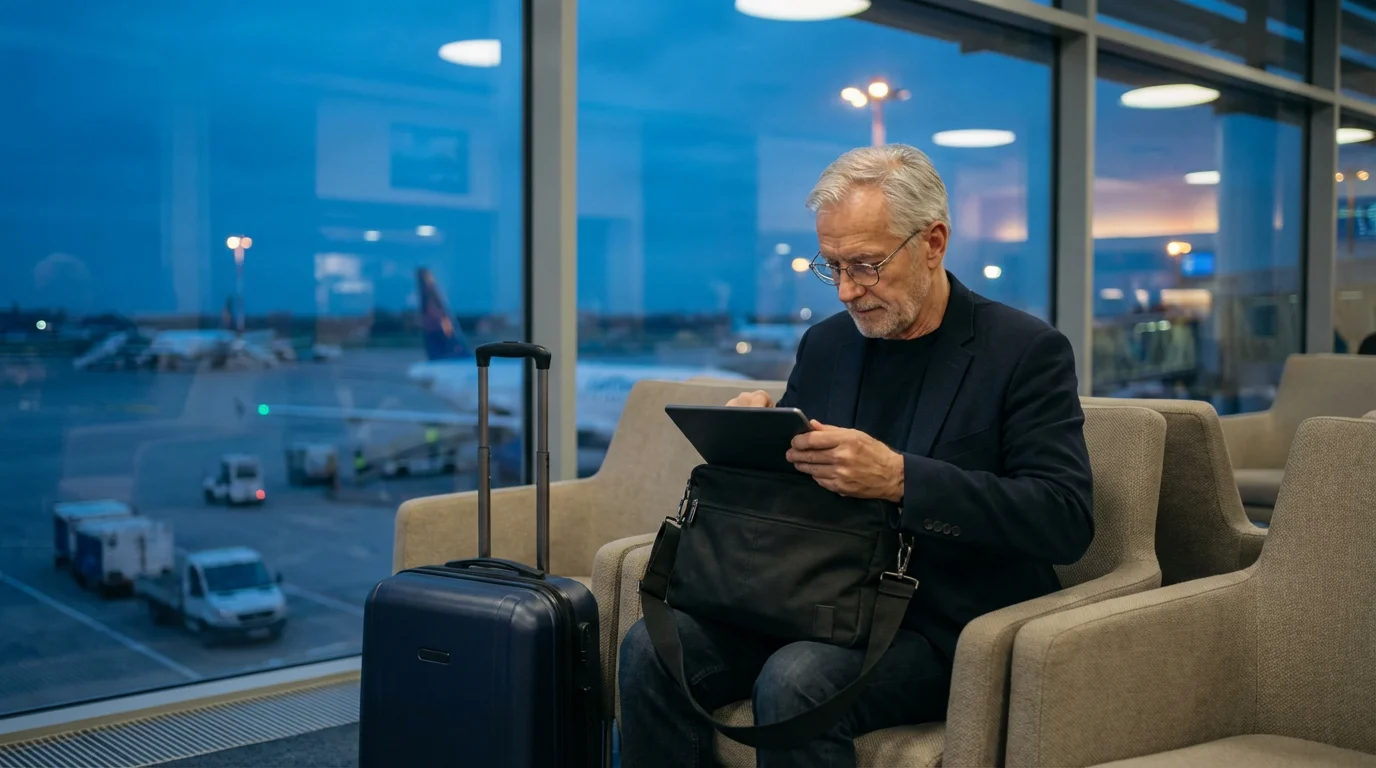
Your carry-on bag and personal item are your most crucial pieces of luggage. These bags contain everything you need for immediate access and are your lifeline if your checked luggage is delayed. Pack them strategically for comfort and peace of mind.
What to Pack in Your Carry-On
The golden rule for your carry-on: pack essentials that you cannot replace or would need immediately upon arrival. This includes all medications, important documents (passport, tickets, itinerary), a change of clothes, and any valuable electronics. Familiarize yourself with TSA guidelines for liquids and prohibited items.
Consider packing a lightweight reusable shopping bag. This can serve as an extra bag for souvenirs or a dirty laundry holder. Also include any comfort items like a travel pillow, eye mask, and noise-canceling headphones, especially for long journeys. Your carry-on should be easy to lift and maneuver.
Optimizing Your Personal Item
Your personal item, such as a backpack or large purse, sits under the seat in front of you. This is ideal for items you want within arm’s reach. Include your phone, charger, a book or e-reader, snacks, water bottle (empty through security), and any small comfort items. Having these essentials accessible enhances your travel comfort.
For seniors, ensuring that your personal item is not overly heavy or cumbersome is important. Choose one with comfortable straps and multiple compartments for easy organization. This allows you to quickly grab what you need without rummaging or disturbing others.
A Note on Mobility Aids
If you use mobility aids such as a cane or walker, check with your airline and tour operator about their policies for carrying these items. Most airlines allow canes and walkers in the cabin free of charge, but specific dimensions and storage rules apply. Advance notification helps ensure a smooth boarding process.
Pre-Trip Checklist: Your Final Review
Before you zip up your bags and head out the door, a final review ensures you haven’t overlooked anything vital. This checklist provides a systematic way to confirm your readiness for departure. Follow these steps for a confident start to your senior group tour.
- Confirm Itinerary Details: Re-read your tour itinerary, noting any last-minute updates or specific requirements. Ensure you understand arrival and departure times for each leg of your journey.
- Verify All Documents: Double-check your passport/ID, visas, tickets, boarding passes, accommodation vouchers, and tour confirmations. Have digital and physical copies available.
- Medication Check: Ensure you have all necessary medications, in their original containers, with enough supply for the entire trip. Pack them in your carry-on.
- Currency and Cards: Confirm you have some local currency for your destination, along with your credit and debit cards. Notify your bank of your travel dates to avoid fraud alerts.
- Charge All Electronics: Fully charge your phone, power bank, e-reader, and any other electronic devices. Pack all chargers and adapters.
- Weigh Your Bags: Use a luggage scale to confirm your bags meet airline weight restrictions for both checked and carry-on luggage. Adjust as needed to avoid unexpected fees.
- Final Comfort Check: Ensure your walking shoes are accessible, your daypack is ready, and you have comfort items for the journey.
Completing this checklist provides peace of mind, allowing you to relax and anticipate the exciting experiences ahead. You have planned meticulously, and now it is time to enjoy the fruits of your preparation.
Frequently Asked Questions
What is the most effective way to save space when packing?
The most effective way to save space involves a combination of rolling clothes, using packing cubes to compress items, and wearing your bulkiest shoes and outerwear on travel days. These methods work together to maximize available space in your luggage.
How many outfits should I pack for a one-week senior group tour?
For a one-week tour, aim to pack 3-5 days’ worth of versatile clothing items. Focus on mix-and-match pieces that can create multiple outfits. Plan to wash items as needed, especially if you have quick-drying fabrics. This strategy significantly reduces luggage bulk.
Should I pack all my medications in my carry-on bag?
Yes, absolutely. Always pack all prescription and essential over-the-counter medications in your carry-on bag. Keep them in their original containers to avoid issues with security. This ensures immediate access and prevents inconvenience if your checked luggage is delayed or lost.
What type of bag is best for a carry-on for senior travelers?
A lightweight, wheeled carry-on bag with a sturdy handle is often best for senior travelers. Look for one that is easy to maneuver, fits airline size restrictions, and has accessible compartments. This minimizes physical strain during airport transfers and boarding.
How can I avoid wrinkles when packing light?
To avoid wrinkles, roll clothes tightly instead of folding them. Use packing cubes to keep items compressed and prevent shifting. Choose wrinkle-resistant fabrics like merino wool, synthetics, or travel-specific blends. You can also hang items in the bathroom upon arrival for a quick steam.
Are packing cubes really worth it for seniors on group tours?
Yes, packing cubes are highly recommended for seniors on group tours. They organize your belongings, make it easier to locate specific items without unpacking everything, and help compress clothes, saving space. They also streamline packing and unpacking, which is beneficial when moving between multiple accommodations.
Leave a Reply