
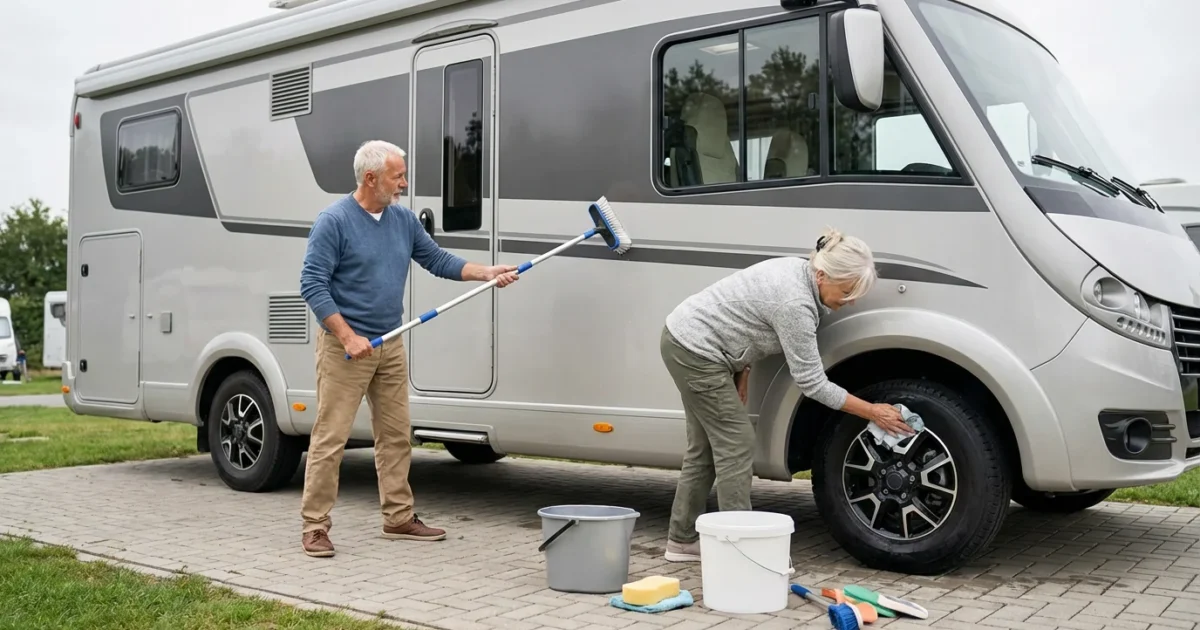
The open road beckons, offering unparalleled freedom and discovery for senior adventurers. Your recreational vehicle is more than just a mode of transport, it is your mobile sanctuary, your ticket to exploring stunning landscapes, national parks, and hidden gems across the country. To ensure your journeys remain smooth, enjoyable, and safe, understanding and performing basic RV maintenance is essential. This guide empowers you with the knowledge to care for your RV, ensuring countless future adventures.
Proactive RV care extends the life of your vehicle and prevents costly breakdowns, allowing you to focus on the joy of travel. Many maintenance tasks are simple and require only basic tools, fitting perfectly into your active lifestyle. You gain confidence and independence on the road by mastering these routines. Let us explore the practical steps you can take to keep your RV in prime condition.
Table of Contents
- The Open Road Awaits: Why RV Maintenance Fuels Your Senior Adventures
- Your Essential RV Maintenance Toolkit: Tools for Every Senior RVer
- Exterior Essentials: Protecting Your RV’s Shell and Foundation
- Inside Your Home on Wheels: Maintaining Interior Systems
- Keeping the Engine Humming: Drivetrain and Power System Care
- Routine Checks: Pre-Trip and Post-Trip RV Care Simplified
- Knowing Your Limits: When to Seek Professional RV Service
- Budgeting for RV Longevity: Smart Financial Planning for Maintenance
- Seasonal Savvy: Preparing Your RV for Every Climate
- Frequently Asked Questions

The Open Road Awaits: Why RV Maintenance Fuels Your Senior Adventures
Your RV represents freedom. It provides a unique opportunity for senior RVing, allowing you to explore at your own pace, carry the comforts of home with you, and adapt your itinerary on a whim. This unparalleled flexibility, however, relies heavily on your RV’s reliability. Neglecting basic RV care can lead to unexpected repairs, wasted travel time, and significant expenses.
Consider the data: industry reports indicate that proactive maintenance saves RV owners an average of 30 percent on repair costs compared to reactive repairs. You are not simply performing tasks, you are investing in peace of mind and the uninterrupted enjoyment of your travels. Understanding how to maintain your RV ensures your adventure continues without unwelcome interruptions.
Regular maintenance also contributes directly to your safety. Properly functioning brakes, tires, and lights protect you and your fellow travelers on the highway. Secure propane systems and well-maintained electrical components prevent hazards within your living space. Taking responsibility for your RV care means you are taking responsibility for your well-being.
Moreover, a well-maintained RV retains its value better. If you decide to upgrade or sell in the future, a comprehensive service history and evident care translate into a higher resale price. This financial benefit complements the lifestyle advantages of careful maintenance.
The world is a book and those who do not travel read only one page.
— Saint Augustine
Your Essential RV Maintenance Toolkit: Tools for Every Senior RVer
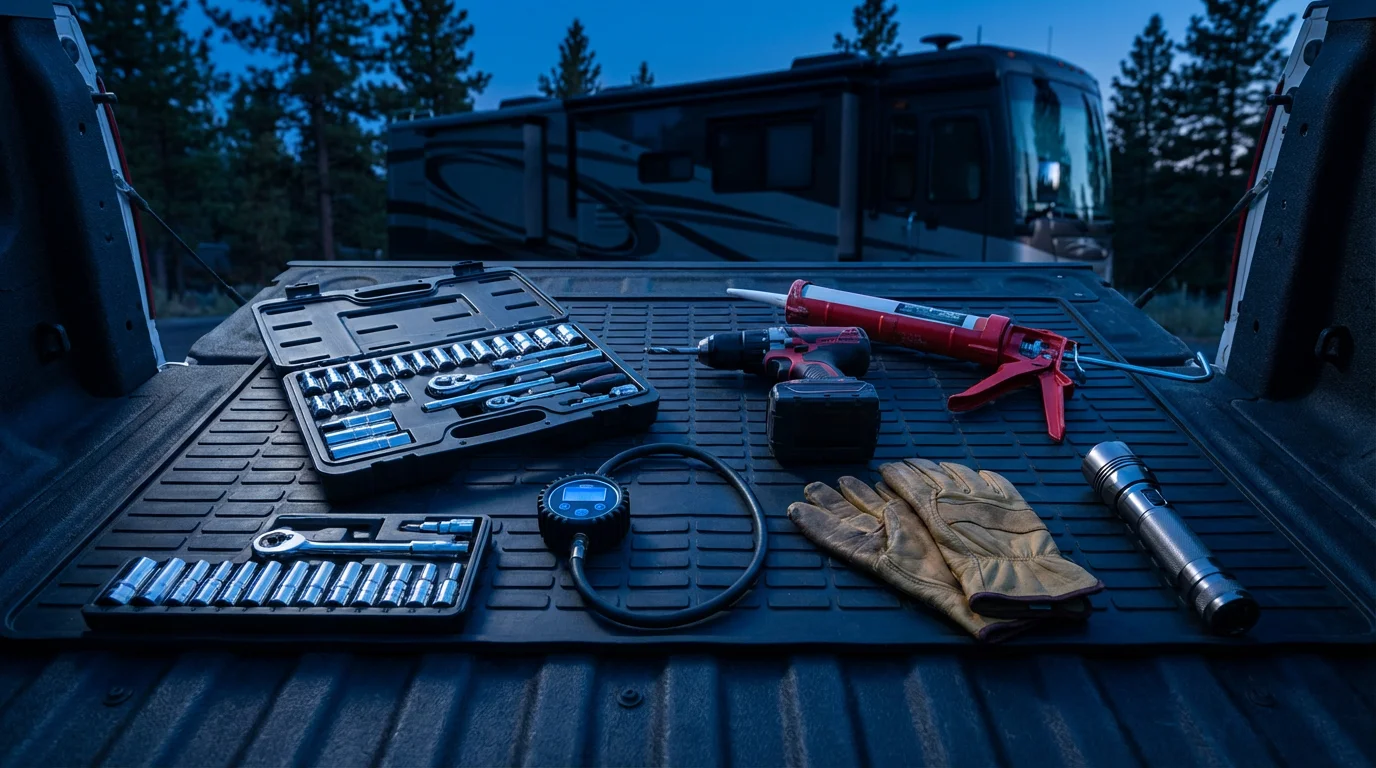
You do not need an entire garage full of specialized tools to perform routine RV maintenance. A well-stocked, compact toolkit addresses most common tasks. Equipping yourself with these essentials empowers you to handle minor issues quickly, keeping your journey on track. Having the right tools on hand prevents small problems from escalating.
Many items are readily available at hardware stores, auto parts retailers, or online. Select tools that are comfortable for you to use and easy to store in your RV. Organization of your toolkit means you find what you need quickly when a task arises.
Here is a list of fundamental items for your RV maintenance toolkit:
- Basic Hand Tools: A set of wrenches, screwdrivers (Phillips and flathead), pliers, a socket set, and an adjustable crescent wrench.
- Tire Pressure Gauge: Essential for monitoring tire inflation, including a dual-foot gauge for easier access to inner dual tires.
- Torque Wrench: Ensures proper lug nut tightness, critical for wheel safety.
- Multimeter: Helps diagnose electrical issues by checking voltage, current, and continuity.
- Leveling Blocks and Chocks: For stable parking and preventing accidental movement.
- Sealant and Caulking Gun: UV-resistant, self-leveling sealants specific for RV roofs and non-sag sealants for vertical seams.
- Duct Tape and Electrical Tape: Versatile for temporary repairs.
- Flashlight or Headlamp: Essential for inspecting dark areas.
- Gloves and Safety Glasses: Protect your hands and eyes during tasks.
- Funnel and Drain Pan: For fluid changes without spills.
- Cleaning Supplies: RV-specific wash, brushes, sponges, and microfiber cloths.
- Spare Fuses: Carry an assortment of various amperages for your electrical system.
- Work Mat or Kneeling Pad: Improves comfort when working under the RV.

Exterior Essentials: Protecting Your RV’s Shell and Foundation
The exterior of your RV faces constant exposure to sun, rain, wind, and road debris. Diligent exterior RV care protects your investment and ensures structural integrity. Focusing on a few key areas prevents significant issues down the line.
You play a direct role in extending the life of your vehicle by regularly inspecting and maintaining these components.
Roof Maintenance: Preventing Leaks and Damage
Your RV’s roof is its primary defense against the elements. Inspect the roof at least every three months, or more frequently if you travel in harsh conditions. Look for cracks, tears, or peeling sealants around vents, skylights, and seams.
- Clean Your Roof: Use an RV-specific roof cleaner and a soft brush. Avoid harsh chemicals or pressure washers which damage the membrane. Rinse thoroughly.
- Inspect Sealants: Pay close attention to all sealant lines. Look for any signs of cracking, shrinking, or separation from the roof material.
- Repair Minor Damage: Apply UV-resistant, self-leveling sealant to any compromised areas. Ensure the surface is clean and dry before application.
- Check Vents and Covers: Confirm all vent covers and skylights are intact and securely fastened. Repair or replace any damaged components.
Tire Care: Your Connection to the Road
RV tires carry significant weight and are crucial for safety. Proper tire maintenance prevents blowouts and improves fuel efficiency. Tire pressure, tread depth, and overall condition demand your regular attention.
- Check Tire Pressure: Use a reliable tire pressure gauge before every trip and at least monthly when stored. Inflate to the manufacturer’s recommended cold pressure, found on a sticker inside your RV, not the maximum pressure listed on the tire itself.
- Inspect Tread and Sidewalls: Look for uneven wear, cuts, cracks, bulges, or embedded objects. Uneven wear indicates alignment or inflation issues.
- Monitor Tire Age: RV tires, even with good tread, degrade over time due to UV exposure and oxidation. Most manufacturers recommend replacing RV tires every five to seven years, regardless of mileage.
- Balance and Rotate: Follow manufacturer recommendations for tire balancing and rotation to ensure even wear and a smooth ride.
- Use Tire Covers: When parked for extended periods, especially in sunny climates, use UV-protective tire covers. This significantly reduces damage from sun exposure.
Slide-Out and Seal Maintenance
Slide-outs expand your living space, but their seals protect your RV interior. Maintaining them prevents water intrusion and operational problems.
- Clean Seals Regularly: Use an RV-approved rubber seal conditioner and cleaner. This keeps the seals pliable and prevents drying and cracking.
- Inspect for Damage: Examine seals for tears, cuts, or deformation. Replace any damaged seals promptly.
- Lubricate Slide Mechanisms: Apply a dry lubricant, specifically designed for RV slide mechanisms, to the tracks and gears. Follow your RV manufacturer’s instructions for appropriate lubrication points.
Inside Your Home on Wheels: Maintaining Interior Systems
Your RV’s interior systems provide the comfort and convenience you expect from your mobile home. Keeping the plumbing, electrical, and appliance systems in good working order is key to an enjoyable travel experience. Consistent interior RV care avoids frustrating issues when you are far from home.
Plumbing System: Fresh Water and Waste Management
The plumbing system ensures you have fresh water for cooking and cleaning, and properly manages wastewater. Neglecting it leads to odors, leaks, and potential health hazards. Pay attention to all water connections and tanks.
- Sanitize Your Fresh Water Tank: Annually, or after extended storage, sanitize your fresh water system. Mix a quarter-cup of household bleach for every 15 gallons of tank capacity with a gallon of water, pour into the tank, fill the tank, and run through all faucets until you smell bleach. Let sit for several hours, then drain and flush thoroughly with fresh water.
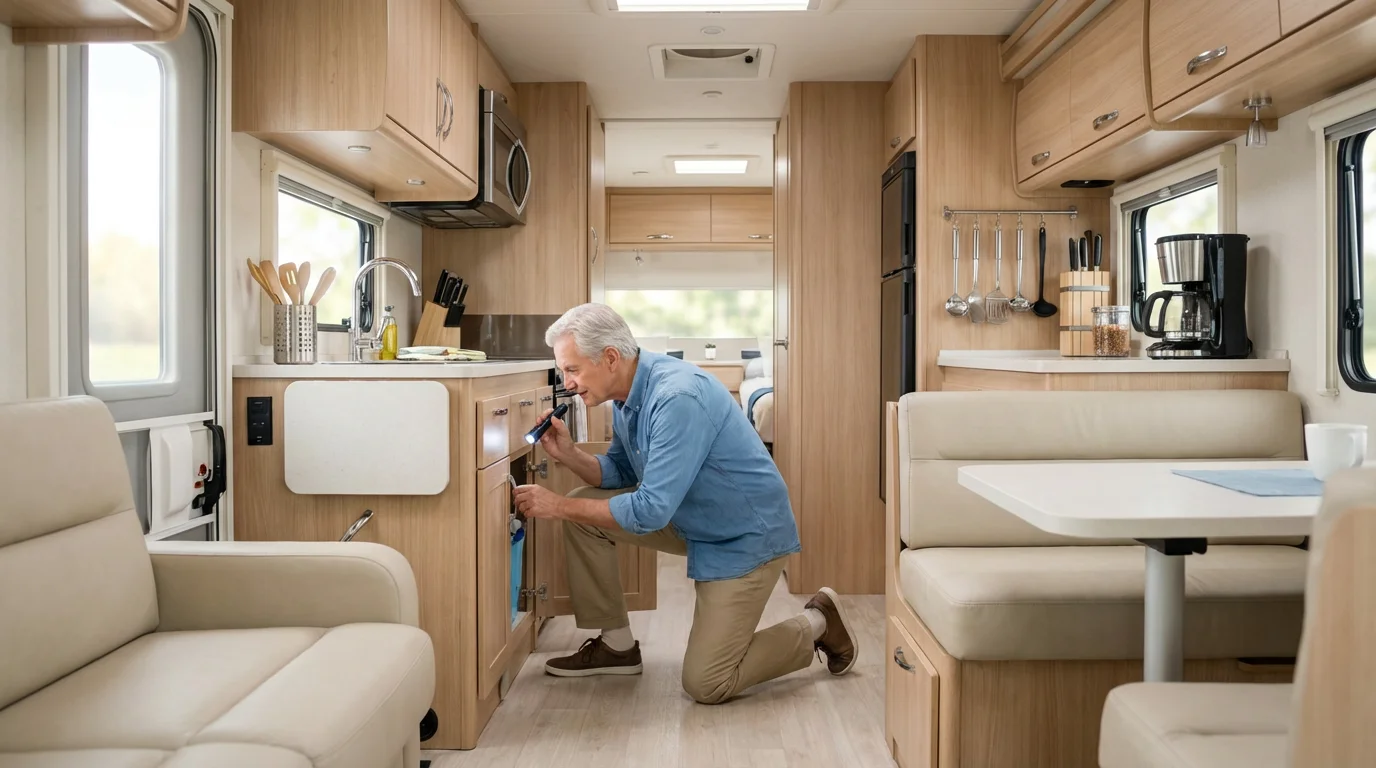
- Check for Leaks: Regularly inspect all plumbing connections, under sinks, and around the water heater for any signs of leaks. Tighten connections as needed.
- Water Pump Care: Ensure your water pump operates smoothly. If it runs continuously or pulsates, it might indicate a leak or a failing pressure switch.
- Black and Grey Tank Maintenance: Use RV-specific tank treatments to break down waste and control odors. Rinse your tanks thoroughly after each dump, especially the black tank, to prevent buildup.
- Water Heater Anode Rod: If your water heater uses an anode rod, typically in Suburban models, inspect and replace it annually. It corrodes to protect your tank from rust.
Electrical System: Powering Your Adventures
Your RV’s electrical system powers lights, appliances, and charges your devices. Proper electrical RV care ensures reliable power, whether you are connected to shore power or boondocking.
- Battery Maintenance: Check the water levels in lead-acid batteries monthly and top up with distilled water if needed. Keep battery terminals clean and free of corrosion. Ensure terminals are tight.
- Battery Charging: Monitor your RV’s battery charge. Avoid letting batteries deeply discharge, as this shortens their lifespan.
- Shore Power Cord: Inspect your shore power cord for any cuts, fraying, or damaged prongs. Ensure connections are secure and clean.
- Fuses and Breakers: Familiarize yourself with your fuse panel and breaker box. Know how to reset breakers and replace fuses if an electrical component stops working.
Appliance Care: Keeping Comfort Running
Your RV’s refrigerator, furnace, and air conditioner contribute significantly to your comfort. Regular appliance RV care maintains their efficiency and longevity.
- Refrigerator: Clean the condenser coils annually to improve cooling efficiency. Ensure the exterior vent is free of debris.
- Furnace: Clean the intake and exhaust vents outside the RV. For safety, inspect for blockages from insects or nests.
- Air Conditioner: Clean or replace the air filter inside the RV regularly. Ensure the exterior unit is free from leaves and debris.
Keeping the Engine Humming: Drivetrain and Power System Care
For motorized RVs, the engine and drivetrain are the heart of your travel experience. Consistent maintenance of these components guarantees reliable performance and safe journeys. What is involved in RV care at this level ensures you reach your destinations without mechanical worries.
Adhering to manufacturer service schedules for your specific RV chassis is paramount. This investment in preventative care prevents major mechanical failures.
Engine Maintenance: The Core of Your RV
Your engine requires regular attention to perform optimally. This includes fluid checks, filter replacements, and general inspections.
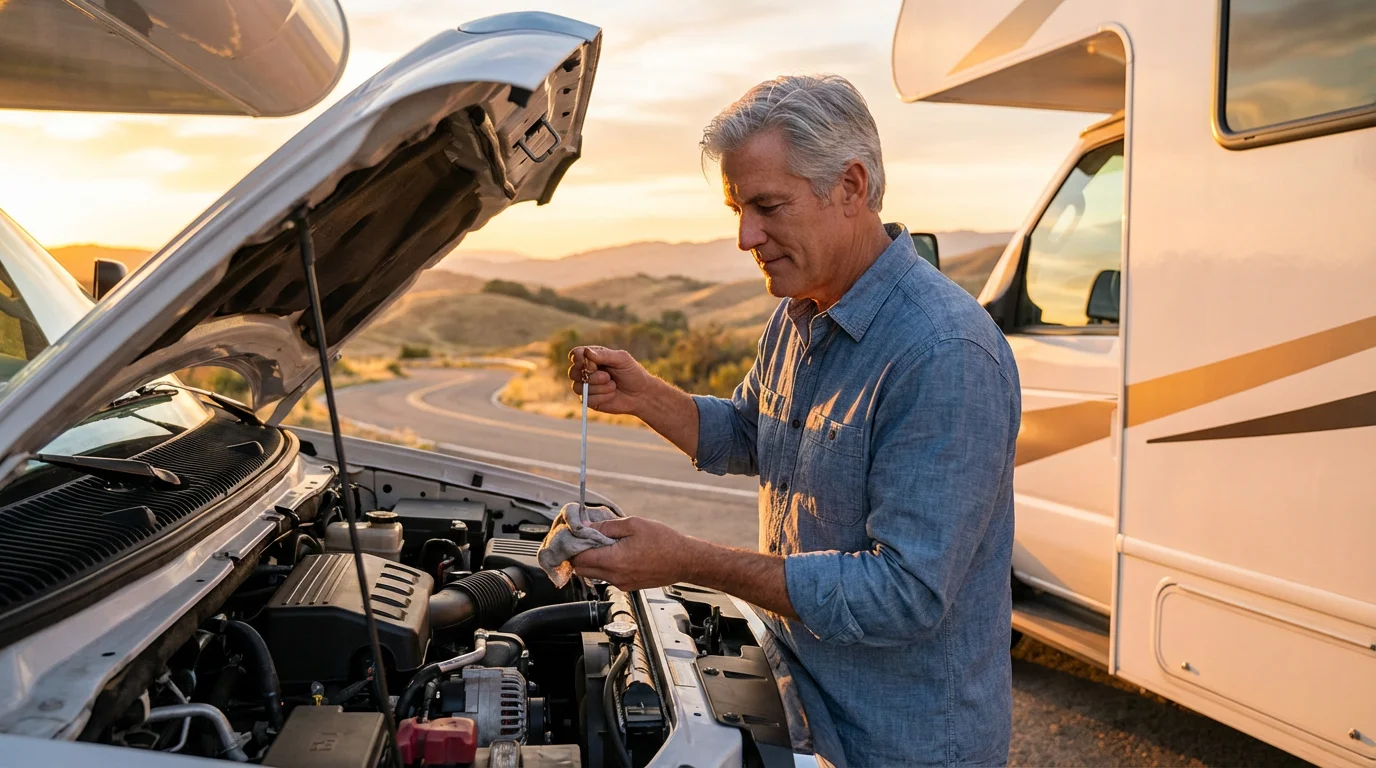
- Oil and Filter Changes: Follow your RV manufacturer’s recommendations for oil and filter change intervals. These are typically based on mileage or time, whichever comes first. Synthetic oils often offer extended intervals but always verify.
- Coolant Levels: Check your engine coolant reservoir regularly. Ensure it is at the proper level. Flush and replace coolant according to your chassis manufacturer’s schedule, typically every few years.
- Air Filter: Inspect and replace the engine air filter as needed. A clean air filter improves engine performance and fuel efficiency.
- Fuel Filters: Replace fuel filters according to the manufacturer’s recommendations. Dirty fuel filters restrict fuel flow and impact engine performance.
- Drive Belts and Hoses: Visually inspect all engine belts for cracks, fraying, or excessive wear. Check hoses for cracks, bulges, or leaks. Replace any compromised components.
Transmission and Drivetrain: Smooth Power Delivery
The transmission and drivetrain components transfer power from the engine to the wheels. Their proper function ensures a smooth and efficient ride.
- Transmission Fluid: Check transmission fluid levels with the engine warm and running, following your specific vehicle’s procedure. Replace fluid and filter according to the manufacturer’s schedule.
- Differential Fluid: Ensure differential fluid levels are correct. This fluid lubricates the gears in the axle.
- Lubricate Chassis Components: Grease all specified chassis components, such as suspension parts and universal joints, at recommended intervals. This reduces wear and prevents premature failure.
Brake System: Essential Safety
Your RV’s brake system is critical for safe travel. Regular inspection and maintenance provide confidence and control on the road.
- Brake Fluid: Check brake fluid levels. Low levels can indicate worn pads or a leak.
- Brake Inspection: Have a qualified mechanic inspect your brake pads, rotors/drums, and brake lines regularly. This ensures they are in good working order and have adequate life remaining.

Routine Checks: Pre-Trip and Post-Trip RV Care Simplified
Establishing pre-trip and post-trip checklists is one of the most effective ways to ensure consistent RV maintenance. These routines prevent minor issues from becoming major problems and give you confidence before hitting the road. Implementing these habits simplifies how to maintain your RV.
You gain peace of mind knowing your RV is ready for adventure or properly stored after one. These checklists are vital components of senior RVing safety and enjoyment.
Pre-Trip Checklist: Preparing for Departure
Before every journey, perform a thorough walk-around and interior check. This ensures everything is secure and operational.
- Exterior Inspection:
- Check tire pressure (including spare) and lug nut torque.
- Inspect exterior lights (headlights, tail lights, brake lights, turn signals) and wipers.
- Verify all doors, windows, and compartments are latched and locked.
- Confirm awnings are fully retracted and secured.
- Ensure entry steps are retracted.
- Disconnect all utility hookups (water, sewer, electric) and store hoses/cables.
- Interior Inspection:
- Secure all loose items and cabinet doors.
- Close and latch all roof vents and windows.
- Verify refrigerator door is latched, often a travel latch.
- Check fluid levels: engine oil, coolant, transmission fluid, power steering fluid.
- Test brakes and check mirrors.
- Ensure propane tanks are secured and valve is open if needed for travel.
- System Checks:
- Test smoke and carbon monoxide detectors.
- Verify propane detector is active.
- Check battery charge levels.
Post-Trip Checklist: Securing Your RV After the Journey
After returning from a trip, a few simple steps prepare your RV for storage and identify any issues that arose during travel.
- Exterior Actions:
- Wash the exterior to remove dirt, bugs, and road grime. This prevents paint damage.
- Inspect tires for any new damage or embedded objects.
- Check roof and seals for any signs of wear or damage incurred during travel.
- Empty and flush black and grey water tanks thoroughly.
- Disconnect batteries if storing for an extended period, or ensure they are on a trickle charger.
- Interior Actions:
- Clean the interior, emptying trash and removing perishable food items.
- Leave refrigerator door ajar if turned off, to prevent mildew.
- Check all appliances for proper function.
- Inspect for any leaks or new drips under sinks or around plumbing.
- Documentation:
- Note any issues discovered during the trip that require attention.
- Record mileage and maintenance performed.
Knowing Your Limits: When to Seek Professional RV Service
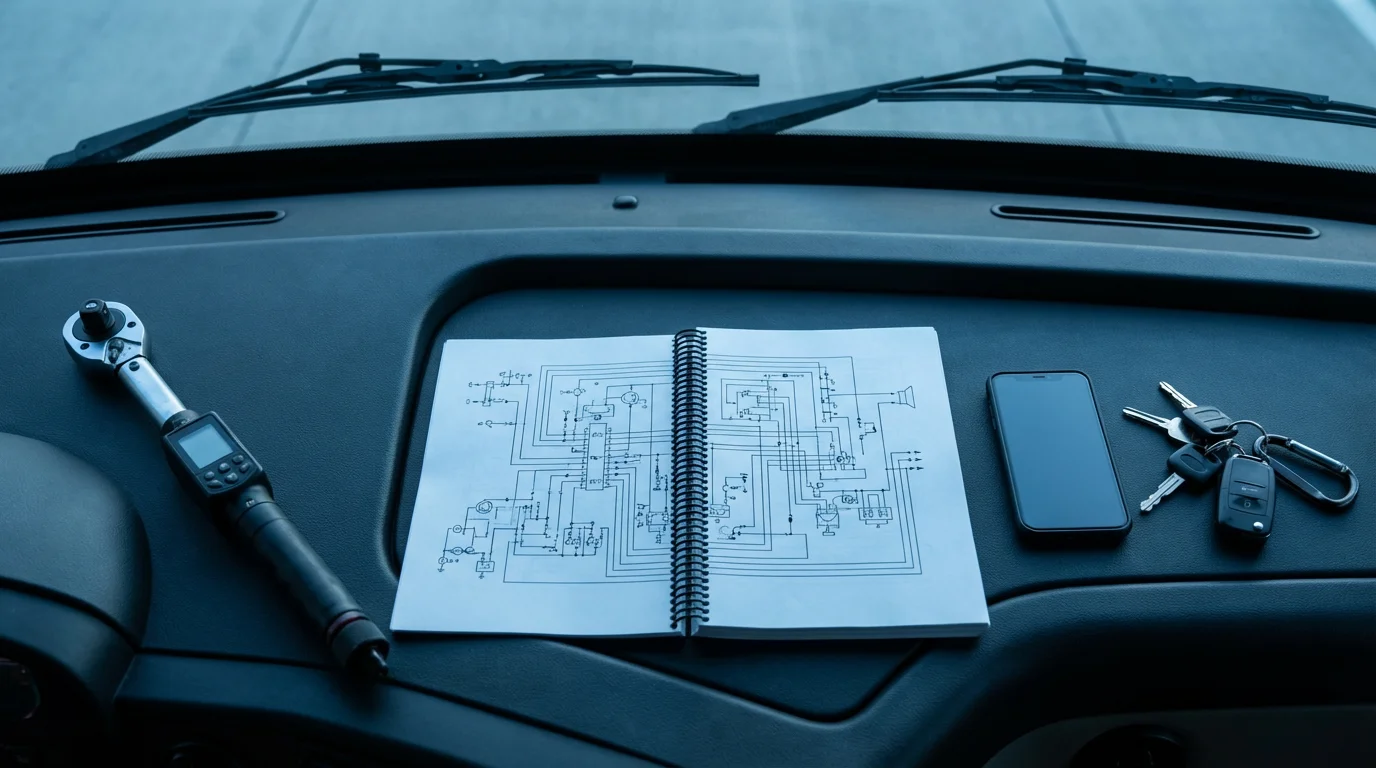
While basic RV care empowers you, some tasks require the expertise and specialized tools of a professional RV technician. Recognizing when to call for help is a sign of smart RV ownership, not a limitation. You prioritize your safety and the longevity of your RV by seeking qualified assistance for complex issues.
Attempting repairs beyond your skill level or without the proper equipment can lead to further damage, costly mistakes, or even personal injury. Professional service ensures the job is done correctly and to industry standards. Seek professional assistance for these types of situations:
- Engine and Transmission Major Repairs: Complex engine diagnostics, transmission overhauls, or significant brake system work.
- Generator Issues: If your onboard generator is not running, not producing power, or exhibiting unusual symptoms.
- Electrical System Diagnostics: When a persistent electrical problem defies your troubleshooting efforts, especially if it involves AC power or inverter systems.
- Propane System Leaks or Malfunctions: Any issues with propane lines, regulators, or appliances require expert attention due to safety concerns.
- Structural or Chassis Damage: Frame repair, suspension work, or significant body damage.
- Appliance Major Repairs: If your refrigerator, air conditioner, or furnace requires internal component replacement.
- Recall Service: Always take your RV to a dealer or authorized service center for any safety recalls.
- Annual Professional Inspection: Even if you perform basic RV care, consider an annual professional inspection to catch subtle issues and ensure everything meets safety standards.
When choosing an RV repair shop, look for certified technicians and positive customer reviews. Do not hesitate to ask for a written estimate before any work begins. A trustworthy shop explains the necessary repairs clearly and offers transparent pricing.

Budgeting for RV Longevity: Smart Financial Planning for Maintenance
Just as you budget for fuel and campgrounds, incorporating RV maintenance costs into your financial planning is crucial. Proactive budgeting for RV care prevents financial surprises and ensures you can address issues promptly, avoiding more expensive repairs later. This approach contributes to truly carefree senior RVing.
Industry experts suggest setting aside a percentage of your RV’s purchase price annually for maintenance. For example, budgeting 1-2 percent of your RV’s original value per year can provide a realistic fund. For a $100,000 RV, this means allocating $1,000 to $2,000 annually.
Tips for Smart Maintenance Budgeting:
- Create a Dedicated Savings Account: Set up a separate fund specifically for RV maintenance and repairs. This prevents you from dipping into other savings.
- Prioritize Preventative Maintenance: Investing in regular oil changes, sealant inspections, and tire care is almost always less expensive than repairing major failures caused by neglect.
- DIY What You Can: Performing tasks like cleaning, checking fluid levels, and minor sealant repairs yourself saves labor costs. Your RV maintenance toolkit becomes an investment that pays off.
- Research Part Costs: Before visiting a mechanic, research the approximate cost of common replacement parts. This helps you evaluate repair estimates.
- Consider an Extended Warranty: For newer RVs, an extended service contract offers peace of mind for major component failures. Carefully read the terms and conditions to understand coverage.
- Track Expenses: Keep a detailed log of all maintenance expenses. This helps you analyze your spending and adjust your budget as needed.
Remember, your RV is a significant investment in your lifestyle and adventures. Budgeting for its care is a practical step towards enjoying those adventures for many years to come.
Seasonal Savvy: Preparing Your RV for Every Climate
RVing offers the joy of experiencing diverse climates, from sunny deserts to snowy mountains. Adapting your RV maintenance to seasonal changes is paramount for its protection and your comfort. Proper seasonal RV care, particularly winterization and de-winterization, prevents extensive damage and ensures your rig is ready for the road, no matter the weather.
You actively preserve your RV’s systems and extend its lifespan by preparing it for extreme temperatures.
Winterization: Protecting Your RV from Freezing Temperatures
If you live in or travel through areas with freezing temperatures, winterizing your RV is not optional, it is essential. Water expands when it freezes, causing pipes, tanks, and fixtures to crack. This leads to costly repairs.
- Drain All Water:
- Empty fresh water, grey water, and black water tanks completely.
- Drain the water heater. Bypass it if your system allows, to avoid filling it with antifreeze.
- Open all faucets (hot and cold) and flush the toilet until water stops flowing.
- Open low-point drain valves for fresh water lines.
- Add RV Antifreeze:
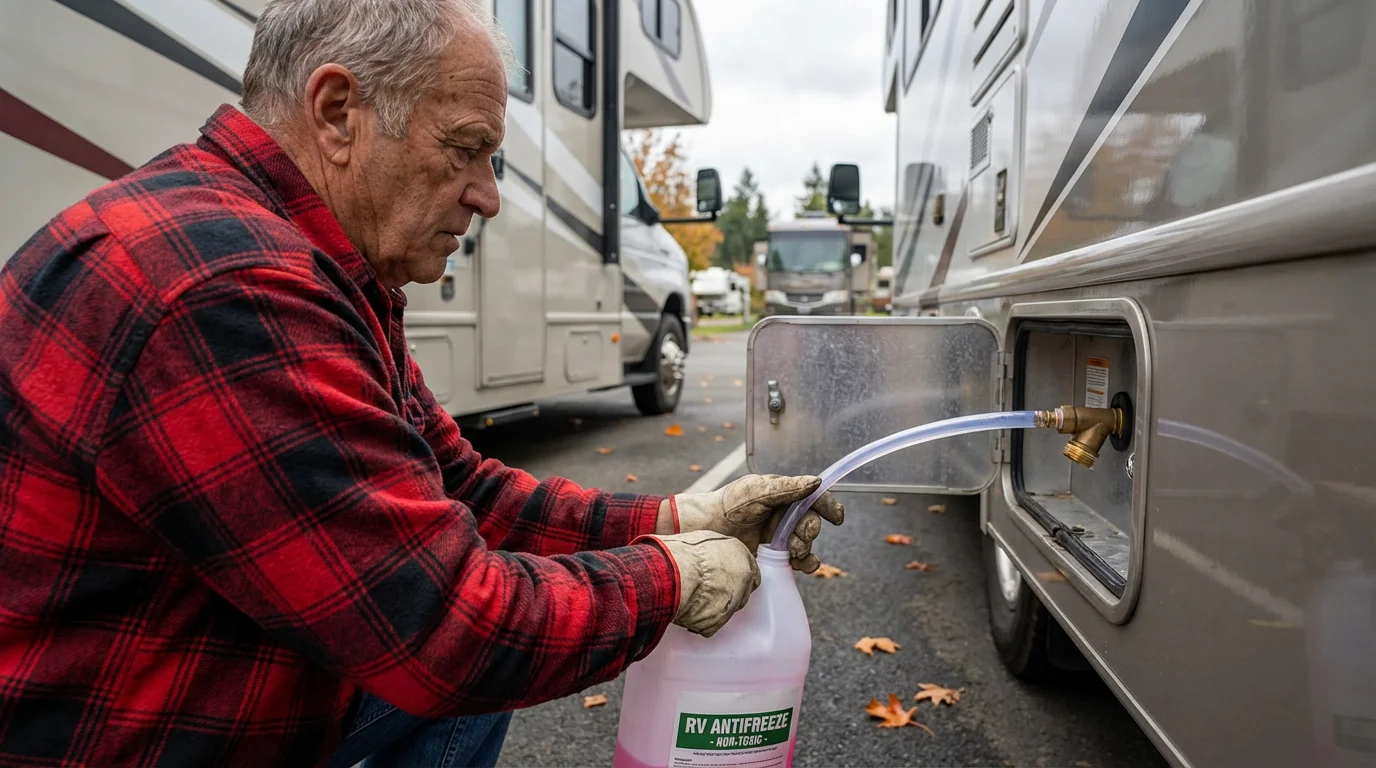
- Using an RV-specific pump kit or by pouring directly into the fresh water tank, pump non-toxic RV antifreeze through your entire water system.
- Run water through each hot and cold faucet, shower, toilet, and outdoor shower until antifreeze appears.
- Pour a cup of antifreeze down each drain and into the toilet to protect P-traps and toilet seals.
- Protect Other Systems:
- Remove and store water filter cartridges.
- Ensure propane tanks are full or disconnected if storing off-site.
- Disconnect and clean batteries, store them in a cool, dry place if possible, or connect to a smart trickle charger.
- Clean and cover the exterior, including tires, to protect from elements.
De-Winterization: Preparing for Spring Adventures
When warmer weather returns, reverse the winterization process to prepare your RV for the road.
- Flush Antifreeze:
- Reconnect bypass lines to the water heater.
- Close all drain valves.
- Fill the fresh water tank with potable water.
- Open all faucets and flush the toilet until only clear water comes out and no pink antifreeze remains.
- Drain and refill the fresh water tank several times to ensure all antifreeze is removed.
- Sanitize Water System: After flushing, sanitize your fresh water system using the bleach method described in the plumbing section.
- Check Batteries and Appliances:
- Reconnect batteries, ensuring terminals are clean and tight.
- Check water levels in lead-acid batteries.
- Test all appliances, lights, and electrical outlets for proper function.
- Exterior Inspection: Perform a thorough exterior inspection, similar to a pre-trip check, looking for any issues that developed over the winter.
Frequently Asked Questions
How often should I check my RV tires?
You should check your RV tire pressure before every trip and at least once a month, even when the RV is in storage. Always check when tires are cold, before driving. Additionally, inspect tire tread and sidewalls for wear or damage regularly.
What type of sealant should I use for my RV roof?
Use an RV-specific, UV-resistant, self-leveling lap sealant for horizontal roof surfaces around vents and seams. For vertical seams or sidewall areas, use a non-sag sealant. Always verify compatibility with your RV’s roof material, such as EPDM, TPO, or fiberglass.
Is it really necessary to winterize my RV if I live in a mild climate?
Even in mild climates, unexpected cold snaps can occur, causing temperatures to drop below freezing. If temperatures are forecast to dip to 32°F (0°C) or below for several hours, winterization is highly recommended to prevent costly damage to your RV’s plumbing system. Err on the side of caution to protect your investment.
How often should I service my RV engine and generator?
Follow your RV chassis manufacturer’s recommendations for engine service, typically based on mileage or time, whichever comes first. For your RV generator, refer to its specific owner’s manual. Most generators require oil changes and air filter replacements after a certain number of operating hours or annually.
Can I use automotive products for my RV?
While some general automotive cleaning products are acceptable, use RV-specific products for certain tasks. RV roof sealants, tank treatments, and rubber seal conditioners are formulated for RV materials and systems. Automotive antifreeze is toxic and should never be used in your RV’s potable water system, always use non-toxic RV antifreeze.
What is the most common RV maintenance issue senior RVers face?
Tire issues, including underinflation and age-related degradation, and roof leaks from failing sealants are among the most common and preventable RV maintenance problems. These often lead to more significant damage if neglected. Regular inspection and proactive care significantly reduce your risk.
Disclaimer: This article is for informational purposes only. Travel conditions, accessibility, and requirements change frequently. We encourage readers to verify current information with official sources before traveling. Always consult with healthcare providers about travel considerations for your specific health situation.






Leave a Reply