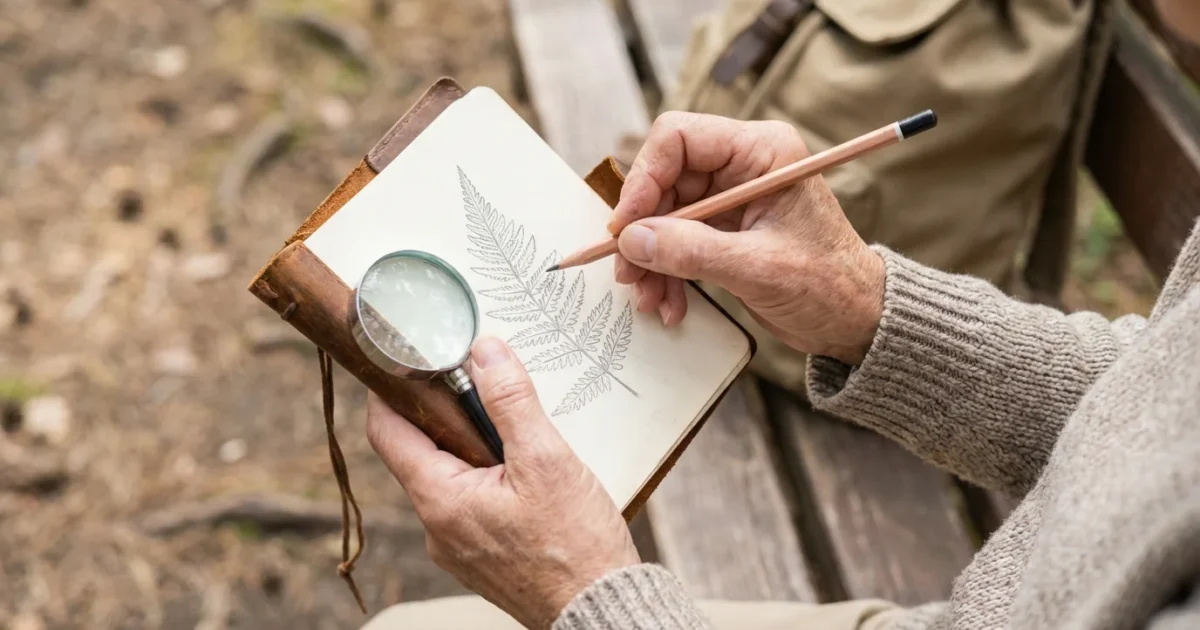
Embarking on a new adventure does not mean simply visiting a new place. For many active Americans 55+, it involves enriching your mind and expanding your horizons. Educational travel offers a unique way to combine your passion for exploration with a desire for lifelong learning.
You have the time and the wisdom to delve deeply into subjects that captivate you. Imagine mastering a new language in Italy, uncovering ancient civilizations in Greece, or refining your photography skills amidst the grandeur of a national park. This approach to travel transforms a vacation into a profound personal growth experience, making every moment count.
This guide equips you with practical insights and inspiring ideas for senior learning journeys. Discover the best educational adventures awaiting you, and learn how to plan these enriching experiences seamlessly. You can truly learn while traveling, regardless of your age or prior experience.
Table of Contents
- Why Embrace Educational Travel After 55?
- Choosing Your Educational Adventure: Types of Senior Learning Journeys
- Top Educational Travel Ideas for Seniors
- Planning Your Educational Trip: A Step-by-Step Guide
- Budgeting for Senior Educational Adventures
- Solo, Couple, or Group: Finding Your Learning Community
- Staying Safe and Healthy on Your Educational Journey
- Making the Most of Your Learning Experience
- Frequently Asked Questions
Why Embrace Educational Travel After 55?
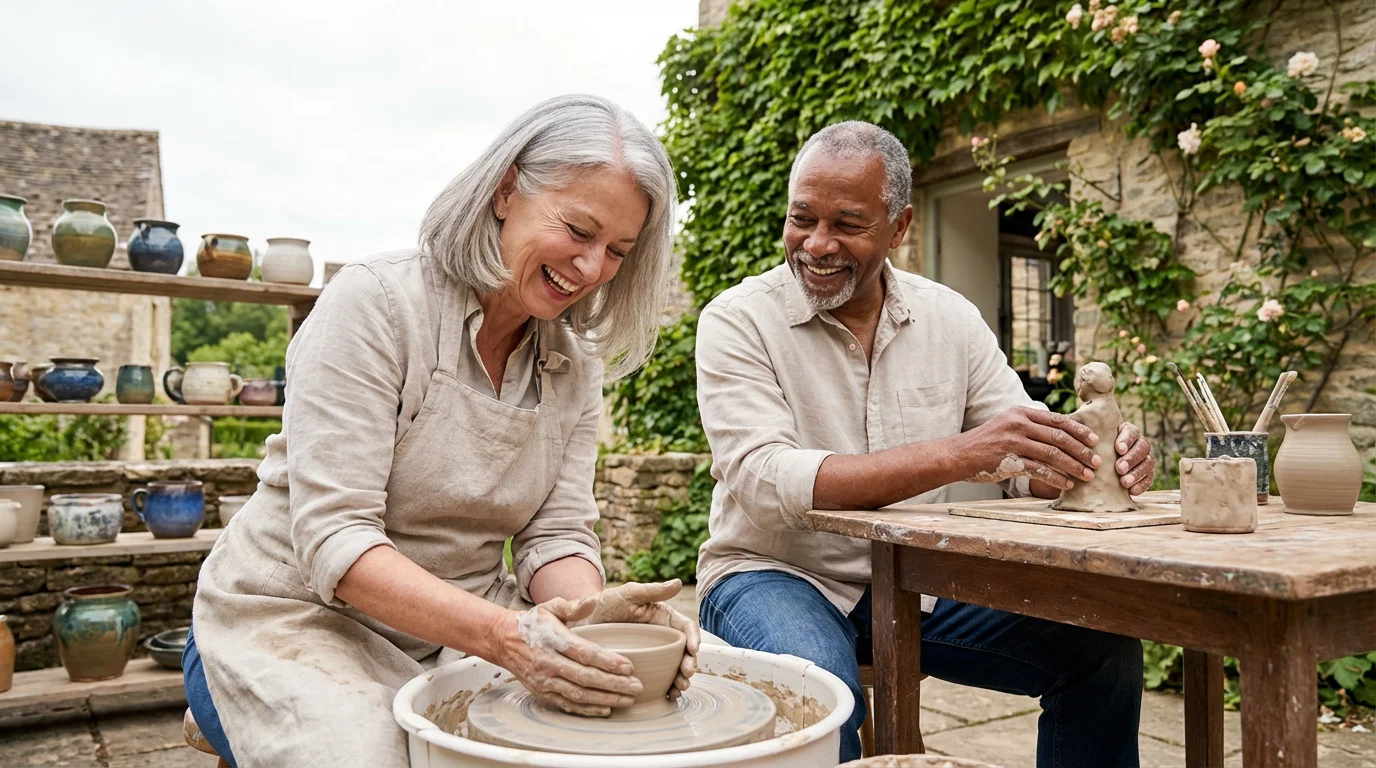
Continuing to learn throughout your life offers immense benefits for your mind and spirit. Educational travel specifically combines intellectual stimulation with the physical and cultural joys of exploration. You gain new knowledge and perspectives, keeping your mind sharp and engaged.
Beyond the classroom, these trips provide incredible opportunities for cultural immersion. You connect with local communities, understand different ways of life, and broaden your worldview. This deep engagement fosters a sense of purpose and fulfillment often sought in later life stages.
Research consistently shows that engaging in new learning experiences contributes to cognitive health. Active engagement with new skills and environments helps maintain brain vitality. Educational adventures offer a compelling way to stay mentally agile and physically active.
“The world is a book and those who do not travel read only one page.” — Saint Augustine
Choosing Your Educational Adventure: Types of Senior Learning Journeys
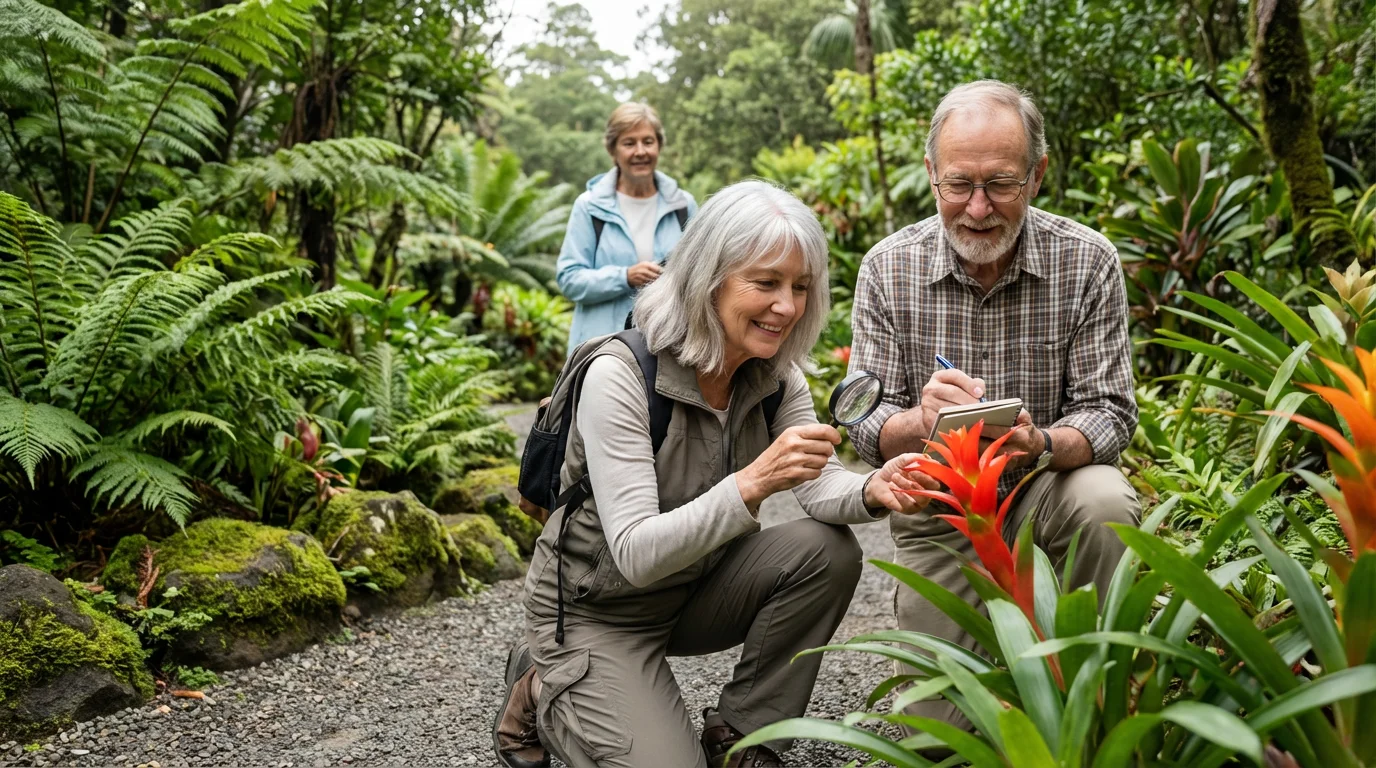
The landscape of educational travel offers a rich variety of experiences tailored for senior learning. You find programs spanning numerous interests, from history and art to science and outdoor skills. Consider what genuinely excites you and aligns with your travel style.
Some programs focus on academic study, often partnering with universities or cultural institutions. Others offer hands-on workshops, allowing you to create art or prepare regional cuisine. Many tours also integrate lectures and guided discussions into their itineraries.
Specialized tour operators, like Road Scholar, design comprehensive educational programs specifically for older adults. These organizations handle logistics, provide expert instructors, and ensure a supportive learning environment. You benefit from their experience crafting enriching itineraries.
Here is a comparison of popular educational travel options:
| Type of Program | Description | Typical Activities | Ideal For |
|---|---|---|---|
| University-Affiliated Programs | Lectures, seminars, field trips, often hosted at university campuses. | History lectures, art history tours, science workshops. | Those seeking academic depth and structured learning. |
| Cultural Immersion Tours | Living with local families, language classes, cooking lessons, community engagement. | Spanish language study in Mexico, pasta making in Italy, traditional dance workshops. | Travelers wanting deep cultural engagement and language acquisition. |
| Hobby & Skill Workshops | Intensive hands-on training in a specific craft or skill. | Photography tours, painting retreats, pottery classes, birdwatching expeditions. | Individuals passionate about developing a new skill or refining an existing one. |
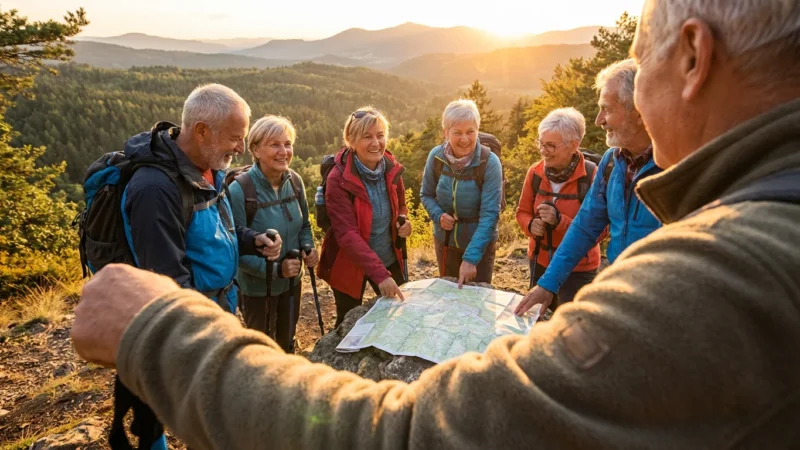
| Adventure Learning Trips | Combining outdoor activities with ecological or historical education. | Guided hikes with naturalists, archaeological digs, wildlife tracking. | Active seniors who enjoy nature and historical exploration. |
| Volunteer & Learning Programs | Contributing to conservation or community projects while learning about the region. | Restoration work in national parks, teaching English abroad, cultural exchange. | Those seeking purpose-driven travel and direct contribution. |
Top Educational Travel Ideas for Seniors
You have countless possibilities for how to learn while traveling. Consider these compelling educational trip ideas to spark your imagination and help you plan your next adventure.
Master a New Language Abroad
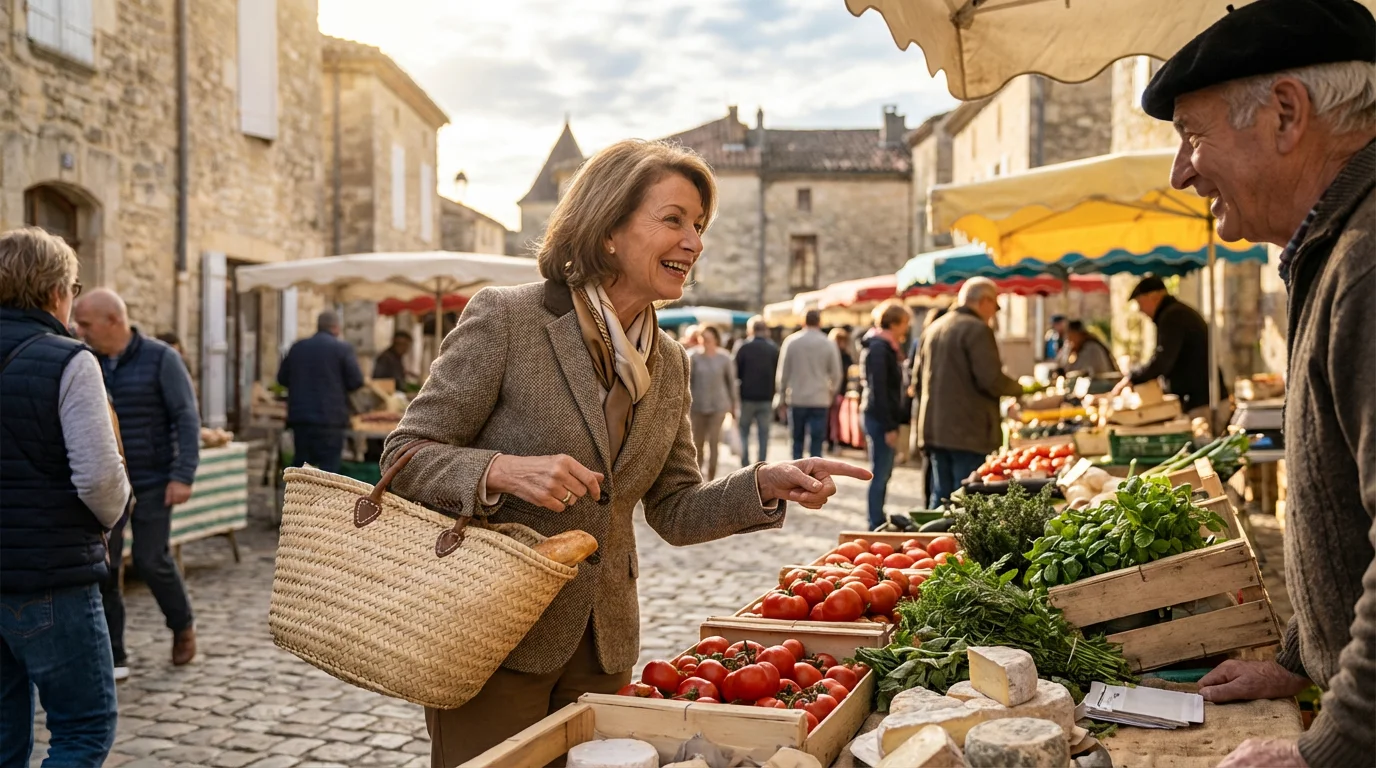
Immerse yourself in a new culture while picking up a new language. Imagine spending a few weeks in a charming French village, taking daily language classes and practicing with locals. Many programs combine morning lessons with afternoon excursions to local markets or historical sites. You will not only learn the language, but also gain a profound understanding of the culture.
- Destinations: Paris, France; Rome, Italy; San Miguel de Allende, Mexico; Seville, Spain.
- Benefits: Enhanced cognitive function, cultural fluency, practical communication skills.
- Considerations: Choose a program with small class sizes and experienced instructors. Look for homestay options for deeper immersion.
Explore History and Archaeology
Walk through the footsteps of ancient civilizations. Join a guided tour that specializes in archaeological sites, offering lectures from expert historians and archaeologists. You might visit the pyramids of Egypt, the Roman Colosseum, or the Mayan ruins in Central America. These trips transform textbooks into tangible, awe-inspiring experiences.
- Destinations: Athens, Greece; Rome, Italy; Cairo, Egypt; Belize; Peru.
- Benefits: Deepened historical knowledge, appreciation for ancient cultures, often involves gentle walking.
- Considerations: Ensure the tour pace accommodates your mobility. Many tours offer varying levels of physical activity.
Unleash Your Inner Artist or Photographer
Cultivate your creative talents in inspiring settings. Photography workshops often take you to breathtaking landscapes like national parks, teaching you composition and lighting. Painting or drawing retreats in scenic locales provide expert instruction and dedicated studio time. You return home with new skills and beautiful creations.
- Destinations: Sedona, Arizona; Tuscany, Italy; Acadia National Park, Maine; Santa Fe, New Mexico.
- Benefits: Develop new skills, express creativity, travel to visually stunning locations.
- Considerations: Check skill level requirements. Some workshops cater to beginners, others to more advanced artists.
Delve into Culinary Arts
Discover the secrets of regional cuisines with hands-on cooking classes. Learn to prepare authentic Italian pasta, create intricate Thai dishes, or bake traditional French pastries. Many programs include market visits, wine tastings, and meals with local families. You bring delicious new recipes and cultural insights back to your own kitchen.
- Destinations: Florence, Italy; Chiang Mai, Thailand; Provence, France; New Orleans, Louisiana.
- Benefits: Practical cooking skills, cultural understanding through food, delicious experiences.
- Considerations: Inform instructors of any dietary restrictions or allergies in advance.
Connect with Nature and Wildlife
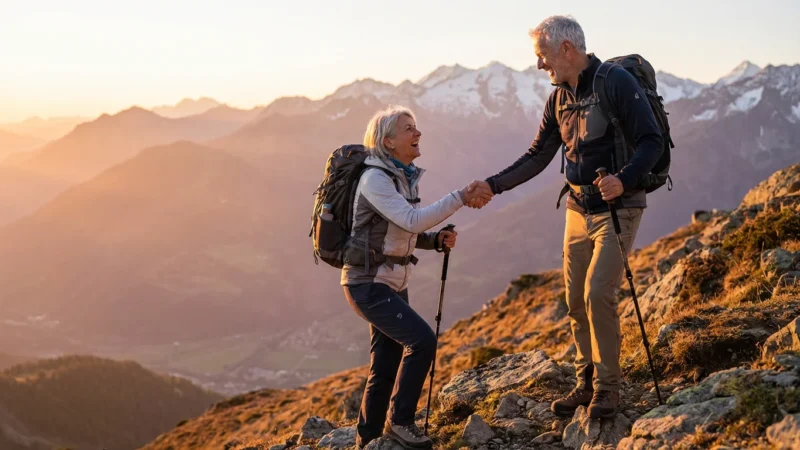
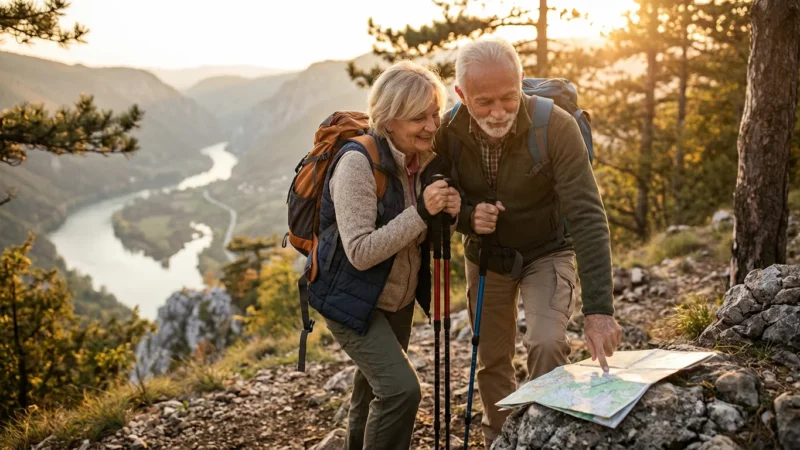
Combine your love for the outdoors with learning about ecology and wildlife. Guided natural history tours often include expert naturalists who teach you about local flora and fauna. You might track wildlife in Alaska, study marine biology on a coastal cruise, or learn about conservation efforts in the Amazon rainforest. These trips offer an immersive way to understand our natural world.
- Destinations: Yellowstone National Park, Wyoming; Alaskan wilderness; Costa Rica; Galapagos Islands.
- Benefits: Increased environmental awareness, opportunities for gentle outdoor activity, stunning natural beauty.
- Considerations: Research the physical demands of any hikes or excursions. Look for senior-friendly nature tours.
Explore Genealogy and Ancestry Research
Embark on a personal quest to uncover your family history. Genealogy trips often involve visiting ancestral homelands, researching archives, and connecting with distant relatives. Specialized tours assist you in navigating historical records and local resources. You gain a deeper understanding of your roots and personal narrative.
- Destinations: Ireland, Scotland, Germany, Poland, tracing your specific family origins.
- Benefits: Personal discovery, connection to heritage, unique travel experiences.
- Considerations: Pre-trip research into your family tree enhances the experience.

Planning Your Educational Trip: A Step-by-Step Guide
Successful educational travel requires thoughtful preparation. Follow these steps to ensure your journey is smooth, enriching, and tailored to your preferences. A systematic approach helps you manage logistics and maximize your learning.
-
Define Your Learning Goals and Interests: What skill or subject truly interests you? Do you want a language immersion, a historical deep dive, or a hands-on workshop? Clarifying your goals guides your research. This initial step helps narrow down the vast options for senior learning.
-
Research Educational Programs and Providers: Look for reputable organizations specializing in senior educational travel. Road Scholar offers extensive programs designed for older adults. You can also explore university extension programs or specialized workshop providers. Read reviews and compare itineraries carefully.
-
Consider Your Travel Style and Preferences: Do you prefer solo adventures, couple getaways, or group tours? Think about the pace of the trip, the level of physical activity involved, and your comfort with different accommodations. You must choose an experience that aligns with your personal comfort levels.
-
Set Your Budget: Educational trips vary widely in cost. Factor in tuition, accommodation, meals, airfare, and incidental expenses. Research scholarships or discounts specifically for seniors, as some programs offer financial assistance. AARP Travel offers resources for budget-friendly trips: https://www.aarp.org/travel/.
-
Check Health and Accessibility Requirements: Review the physical demands of the program. Discuss your travel plans with your doctor, especially for international trips or strenuous activities. The CDC Travelers’ Health website provides essential health information: https://wwwnc.cdc.gov/travel/. Inquire about accessibility for accommodations and activities.
-
Arrange Travel Logistics: Book flights and accommodations well in advance. Consider travel insurance to protect your investment in case of unforeseen circumstances. If traveling internationally, confirm your passport validity and visa requirements. The State Department Travel website offers vital information: https://travel.state.gov/.
-
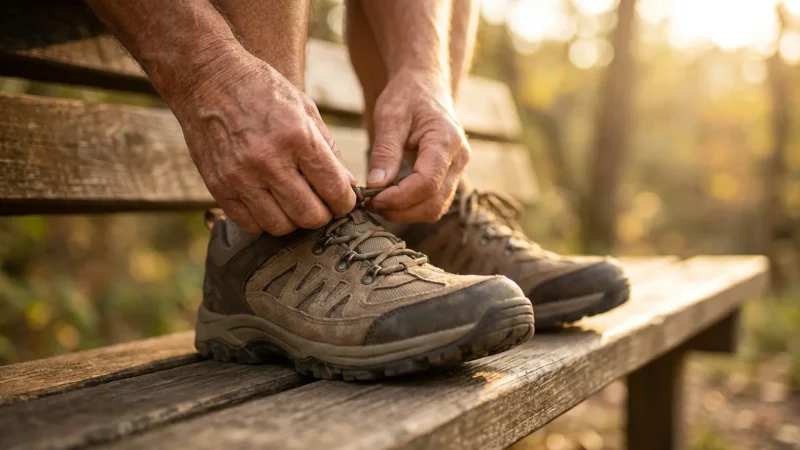
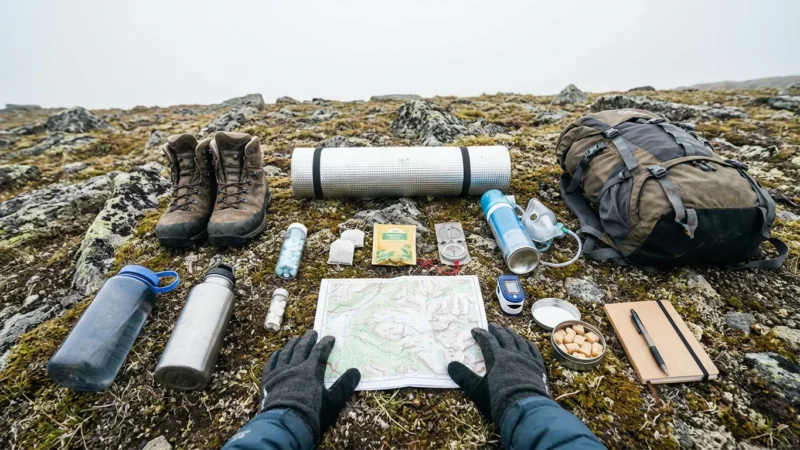
Pack Smart: Create a packing list specific to your destination and activities. Include comfortable walking shoes, appropriate attire for classes or workshops, and any personal learning materials. Light packing makes travel easier, especially if you move between locations.

Budgeting for Senior Educational Adventures
You can pursue educational travel without breaking the bank. Smart planning and resourcefulness unlock many affordable options. Consider these strategies to manage your expenses effectively.
Many educational institutions and non-profit organizations offer scholarships or discounts for seniors. Inquire directly with program providers about any available financial aid. Sometimes early bird registration also provides significant savings.
Look for programs during the shoulder season, outside of peak tourist times. Airfare and accommodation prices often drop, and destinations experience fewer crowds. This strategy allows you to enjoy a more relaxed learning environment at a lower cost.
Consider educational trips within your home country. Exploring National Parks or historical sites in the USA can be just as enriching and often more budget-friendly than international travel. The National Park Service website is a great resource: https://www.nps.gov/.
You can also opt for shorter programs, which naturally cost less than extended ones. Focusing on a weekend workshop or a one-week intensive course still delivers a powerful learning experience. Prioritize the quality of the educational content over the length of the trip.

Solo, Couple, or Group: Finding Your Learning Community
Your choice of travel companionship significantly shapes your educational adventure. Each option offers distinct advantages for senior learners. Consider your preferences for independence, shared experiences, and social interaction.
Solo Educational Travel
Traveling solo provides unmatched freedom and flexibility. You set your own pace, choose your activities, and immerse yourself fully in the learning experience. Many educational programs, especially those with group components, offer a supportive environment for solo travelers to connect with others.
- Benefits: Independence, profound self-discovery, opportunities to meet new people.
- Considerations: Be aware of single supplements on tours. Prioritize safety measures and share your itinerary with a trusted contact.
Educational Travel as a Couple
Sharing a learning journey with your partner creates lasting memories and strengthens your bond. You can support each other in new challenges, discuss your discoveries, and enjoy shared interests. Many programs cater to couples, offering joint activities and shared accommodations.
- Benefits: Shared experiences, mutual support, deeper connection.
- Considerations: Ensure you both share similar learning interests and travel styles. Compromise on itineraries if necessary.
Group Educational Tours
Group tours offer a structured and social learning environment. You travel with like-minded individuals, fostering camaraderie and shared intellectual engagement. Logistics are typically handled by the tour operator, allowing you to focus on learning and enjoying the experience. Organizations like Road Scholar excel in this area.
- Benefits: All-inclusive planning, expert guides, built-in social network, often safer for complex destinations.
- Considerations: Less flexibility in itinerary. Research group size and demographics to ensure a good fit.

Staying Safe and Healthy on Your Educational Journey
Prioritizing your health and safety ensures you fully enjoy your educational adventure. Proactive planning helps mitigate potential risks and allows for a worry-free experience. You deserve to focus on learning, not on concerns.
Before You Go
Schedule a pre-travel medical check-up with your doctor. Discuss your itinerary, especially for international travel, to ensure you receive necessary vaccinations or preventive medications. The CDC Travelers’ Health website offers country-specific health advice.
Pack a sufficient supply of any prescription medications, along with copies of your prescriptions. Keep essential medications in your carry-on bag. Bring a basic first-aid kit for minor ailments.
Consider travel insurance that includes medical coverage and emergency evacuation. This provides a crucial safety net for unexpected health issues abroad. Review policy details carefully for specific exclusions or requirements.
During Your Trip
Stay hydrated, especially in warm climates or during active excursions. Drink bottled water or water purified by other safe methods. Maintain a balanced diet and avoid unfamiliar foods that might upset your stomach.
Practice common sense safety. Keep valuables secure, avoid walking alone at night in unfamiliar areas, and be aware of your surroundings. The State Department Travel website offers country-specific safety advisories.
Pace yourself during activities. Listen to your body and do not overexert yourself. Educational travel aims for enrichment, not exhaustion. Take breaks and adjust your participation if needed.
Maintain digital safety. Use strong, unique passwords for all accounts and enable two-factor authentication. Be cautious about using public Wi-Fi networks for sensitive transactions. Back up important documents, like passports and itineraries, digitally and keep physical copies separate from originals.

Making the Most of Your Learning Experience
You invest time and resources into educational travel. Maximize your returns by approaching your journey with an open mind and proactive engagement. These tips help you deepen your understanding and enjoyment.
Engage actively with your instructors and fellow learners. Ask questions, participate in discussions, and share your own experiences. Diverse perspectives enrich the learning environment for everyone. Your unique life experiences contribute valuable insights.
Step outside your comfort zone. Try new foods, attempt conversations in a new language, or explore local neighborhoods independently. These moments often lead to the most memorable discoveries and personal growth. Genuine learning happens when you embrace the unfamiliar.
Keep a journal to record your observations, thoughts, and new knowledge. This practice helps consolidate your learning and provides a wonderful memento of your trip. Documenting your journey deepens your reflection and retention.
Extend your learning beyond the formal program. Read books related to your destination or subject before and after your trip. Visit local museums, art galleries, or natural parks in your free time. Your learning adventure does not have to end when the program concludes.
Frequently Asked Questions
Are educational trips suitable for all fitness levels?
Many educational travel programs offer varying levels of physical activity, catering to diverse fitness levels. Some focus on lectures and light excursions, while others include more active components like hiking or extensive walking. Always check the trip itinerary and physical requirements before booking. Reputable providers clearly outline activity levels, ensuring you select a suitable adventure.
What is the typical age range for senior educational travel groups?
Educational travel groups for seniors typically include individuals aged 55 and older. You will often find participants ranging from recent retirees in their late 50s to active travelers in their 80s or beyond. These groups foster a welcoming and supportive environment among like-minded peers, creating opportunities for shared learning and camaraderie.
How do I choose the best educational adventure for my interests?
Start by identifying your passions. Do you love history, art, nature, or a specific craft? Research programs from organizations like Road Scholar, university extension services, or specialized workshop providers. Read detailed itineraries, check reviews, and consider what kind of learning environment you prefer. You will find the perfect fit by aligning the trip with your deep interests.
Can I travel solo on an educational tour?
Absolutely. Many educational travel programs welcome and accommodate solo travelers. While some tours may have a single supplement fee, many organizations also offer roommate matching services. Traveling solo allows you to focus on your learning objectives and provides ample opportunities to connect with fellow participants who share your interests.
What should I pack for an educational trip?
Your packing list depends on your destination, climate, and planned activities. Generally, include comfortable walking shoes, layers of clothing, any specific gear for your chosen skill (e.g., camera, sketchpad), a daypack, and personal medications. Always check the specific program’s recommendations for clothing and equipment. Light packing makes your journey more enjoyable.
How much does senior educational travel typically cost?
The cost varies significantly based on destination, duration, program type, and inclusions. A short domestic workshop might cost a few hundred dollars, while a multi-week international tour with extensive inclusions could range from $3,000 to over $10,000. Research various programs, consider budget-friendly options, and inquire about senior discounts or scholarships. Many find the investment well worth the enriching experience.
You have the opportunity to transform your travel into a profound learning experience. Educational travel empowers you to pursue new passions, deepen existing knowledge, and connect with the world in meaningful ways. Step out, explore, and let your next adventure be a journey of lifelong learning.
Disclaimer: This article is for informational purposes only. Travel conditions, accessibility, and requirements change frequently. We encourage readers to verify current information with official sources before traveling. Always consult with healthcare providers about travel considerations for your specific health situation.



Leave a Reply