
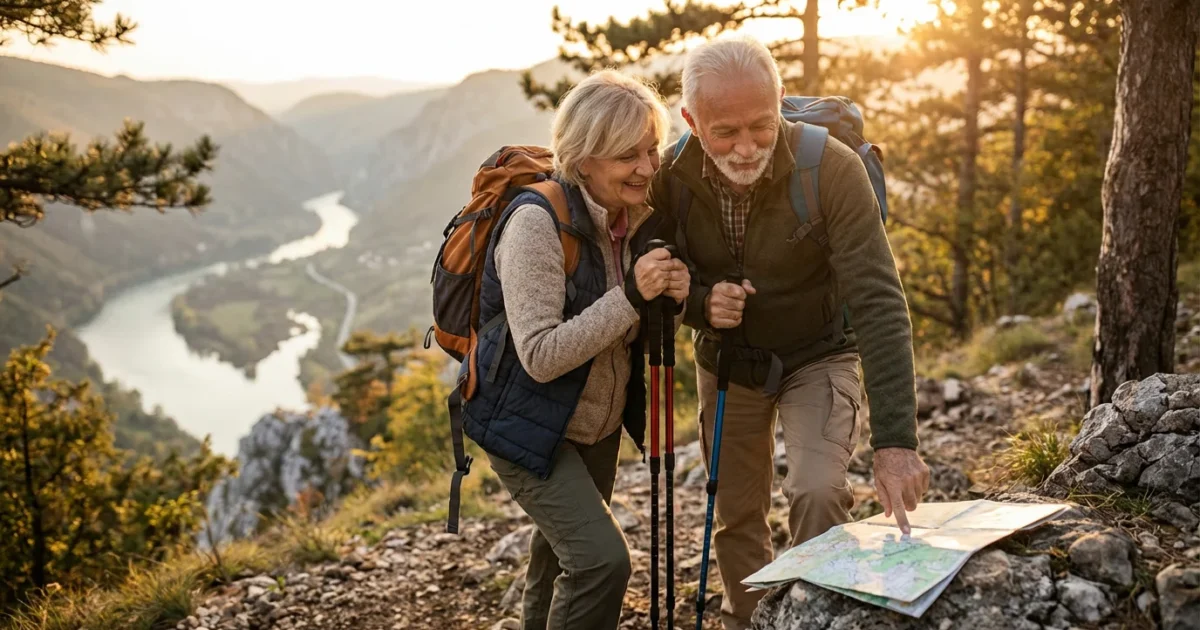
Embrace the call of the wild and discover the profound joy of hiking and trekking. Age offers a distinct advantage on the trails, bringing a wealth of life experience, patience, and appreciation for the natural world. You possess the wisdom to plan thoughtfully, the resilience to adapt, and the spirit to discover new horizons with every step.
This comprehensive guide helps you plan safe, rewarding hiking experiences. You learn how to select ideal trails, gather essential gear, and apply crucial safety practices. Prepare to elevate your outdoor adventures and experience the unparalleled freedom that comes from exploring nature on your own terms.
Disclaimer: This article is for informational purposes only. Travel conditions, accessibility, and requirements change frequently. We encourage readers to verify current information with official sources before traveling. Always consult with healthcare providers about travel considerations for your specific health situation.
Table of Contents
- Why Hiking is for You: Benefits Beyond the Trail
- Assessing Your Readiness and Setting Realistic Goals
- Choosing the Right Trail for Your Adventure
- Essential Gear for Senior Hikers
- Mastering Trail Safety: Senior Hiking Tips
- Nutrition, Hydration, and On-Trail Wellness
- Planning Your Senior Hiking Adventure: Step-by-Step
- Group Tours and Guided Treks for Seniors
- Preserving Our Trails and Leaving No Trace
- Frequently Asked Questions
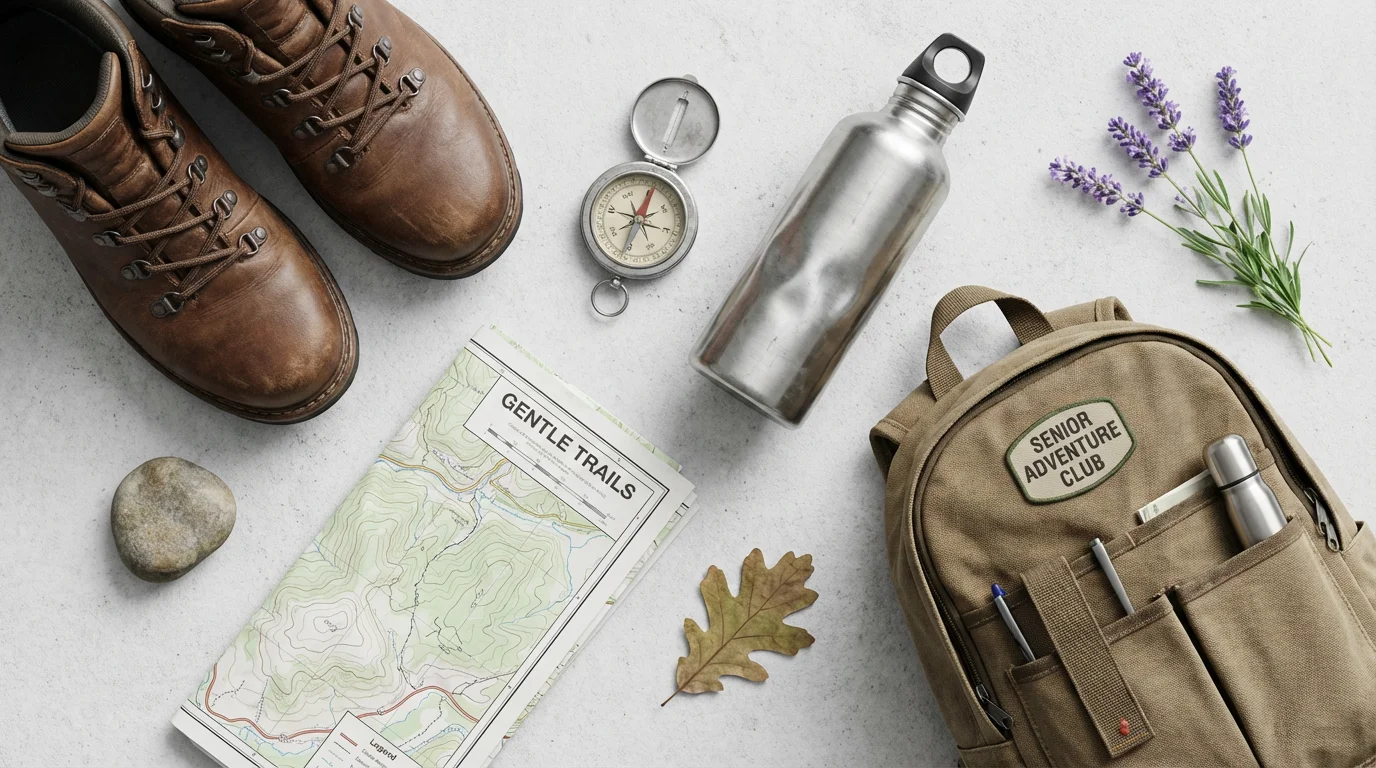
Why Hiking is for You: Benefits Beyond the Trail
Hiking offers more than just scenic views, it provides a powerful pathway to physical and mental well-being for seniors. Regular activity strengthens your cardiovascular system, improves bone density, and enhances balance. This directly reduces your risk of falls and keeps your body robust for all life’s adventures.
Beyond the physical, hiking profoundly impacts your mental health. Connecting with nature reduces stress, boosts mood, and sharpens cognitive function. You gain a sense of accomplishment with each completed trail, reinforcing your confidence and adventurous spirit. This combination of benefits makes senior hiking an invaluable activity.
“The world is a book and those who do not travel read only one page.” — Saint Augustine
Assessing Your Readiness and Setting Realistic Goals
Before you hit the trails, assess your current fitness level and consult your healthcare provider. A doctor helps you understand any physical limitations or necessary precautions. This professional advice ensures your hiking plans align with your health status.
Begin with shorter, flatter trails if you are new to hiking or returning after a break. Gradually increase distance, elevation, and terrain difficulty as your stamina and strength improve. This progressive approach prevents injury and builds lasting confidence for more challenging senior hiking adventures.
Pre-Hike Self-Assessment Checklist
- Do I have any joint pain or chronic conditions that might affect my mobility?
- Can I walk for at least 30-60 minutes comfortably on varied terrain?
- Have I been engaging in regular physical activity in the weeks leading up to my hike?
- Am I hydrated and nourished adequately before starting?
- Do I feel mentally prepared and enthusiastic about the trail ahead?
Choosing the Right Trail for Your Adventure
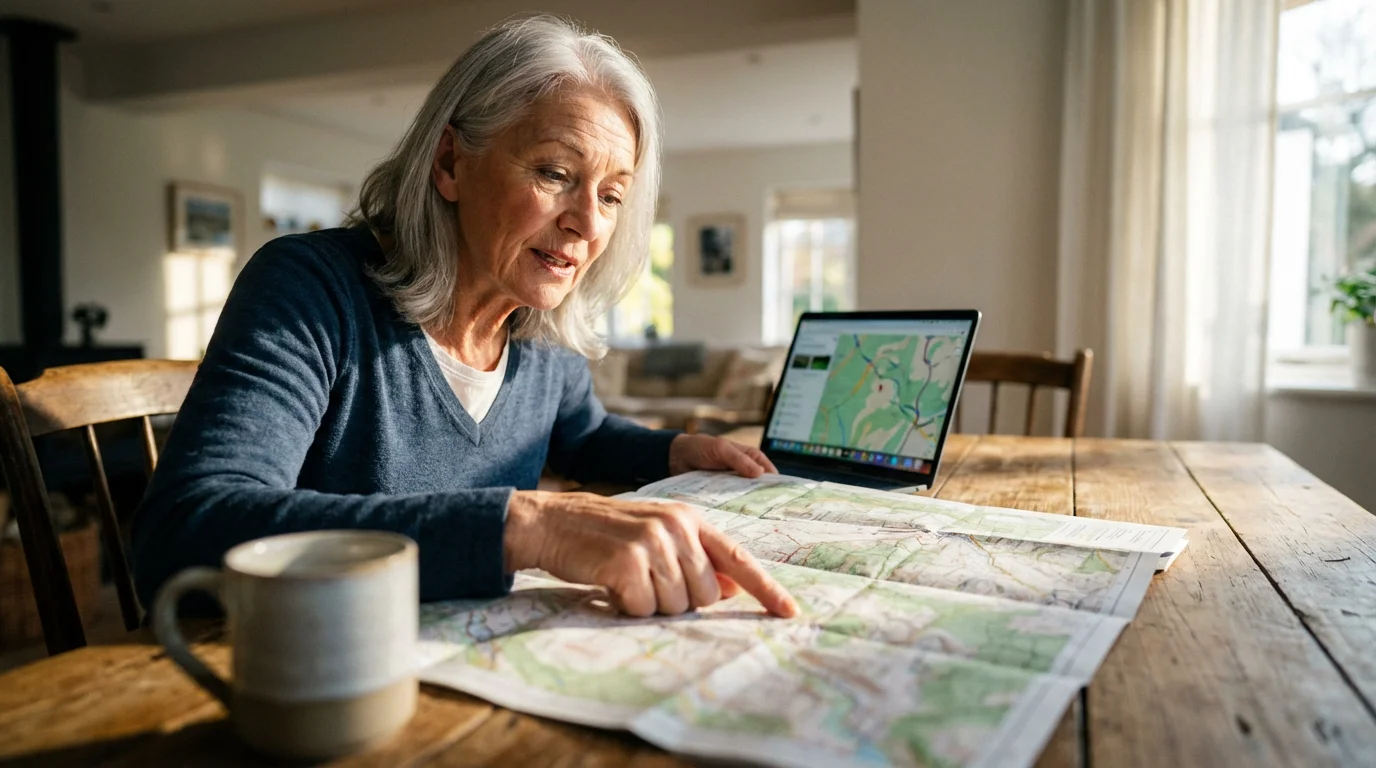
Selecting the appropriate trail is the most crucial step for enjoyable and safe senior hiking. Research your options thoroughly, considering factors like length, elevation gain, terrain, and accessibility. Websites like the National Park Service and Recreation.gov provide detailed trail information, including user reviews and interactive maps.
Focus on trails marked as easy or moderate initially. Look for well-maintained paths with minimal roots or rocks, especially when starting out. Many state parks and national forests offer accessible trails designed with paved surfaces or gentle grades. These features make for the safest hikes for seniors.
Understanding Trail Difficulty Ratings
Trail ratings provide a general guide, but your personal fitness and comfort level determine suitability. Always consider the specific conditions of a trail, as ratings can vary between different park systems.
| Difficulty Level | Description | Typical Features | Best For |
|---|---|---|---|
| Easy | Suitable for most fitness levels, including beginners and families. | Well-maintained, generally flat or gentle slopes, short distance (1-3 miles). | First-time senior hikers, those with limited mobility, leisurely strolls. |
| Moderate | Requires a moderate level of fitness and stamina. | Some hills, uneven terrain, longer distances (3-7 miles), moderate elevation gain. | Active seniors with regular exercise routines, those seeking a mild challenge. |
| Strenuous | Demands good physical condition and hiking experience. | Steep climbs, significant elevation gain, difficult terrain, longer distances (7+ miles). | Experienced senior hikers with excellent fitness and endurance. |
| Very Strenuous | Only for experienced, highly fit hikers. May involve scrambling or exposure. | Extreme elevation gain, rugged or unmarked trails, potential for technical sections. | Highly adventurous, extremely fit seniors comfortable with challenging conditions. |
Resources for Trail Planning
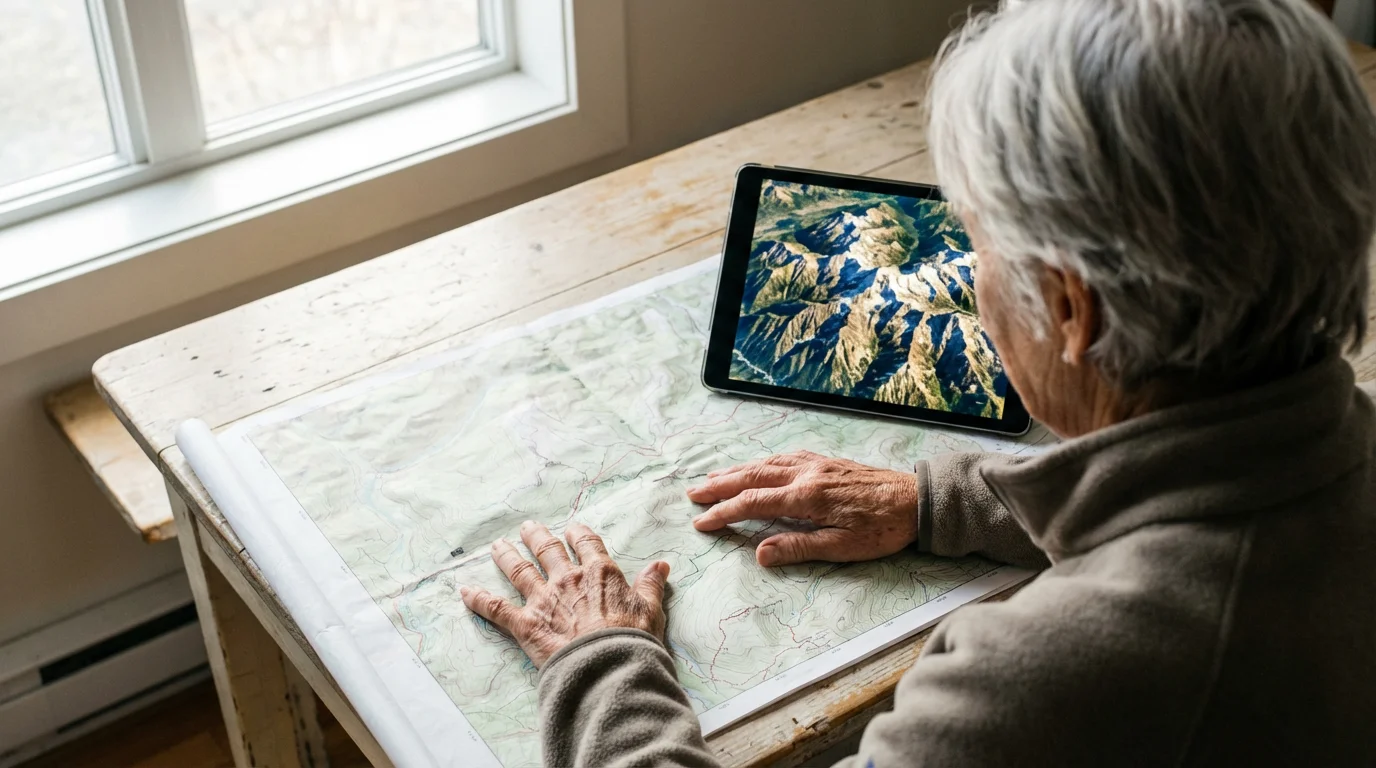
Utilize online platforms and local knowledge to find the best trails. Online mapping tools offer satellite views and elevation profiles, helping you visualize the terrain. Park visitor centers provide up-to-date trail conditions and personalized recommendations.
- National Park Service (NPS.gov): Offers extensive trail guides for national parks across the U.S. You find information on accessibility, length, and difficulty for thousands of trails.
- National Forest Foundation (Nationalforests.org): Provides resources for exploring national forests, which often feature less crowded and diverse trail options.
- AllTrails.com and GaiaGPS: Popular apps and websites with user-generated reviews, photos, and downloadable maps. Filter by difficulty, length, and features to find trails matching your needs.
- Local Parks and Recreation Departments: Often maintain excellent, easily accessible trails within city or county limits, ideal for daily walks or shorter excursions.
Essential Gear for Senior Hikers
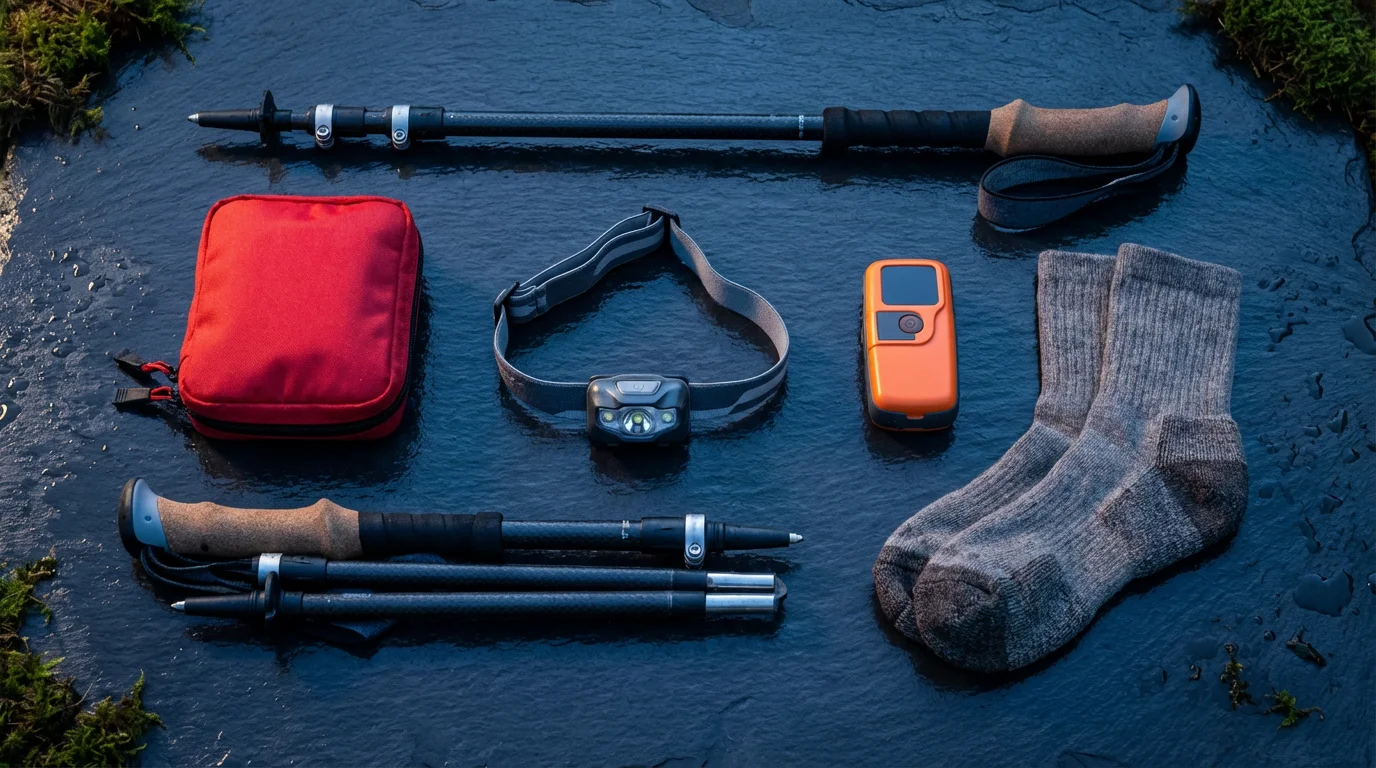
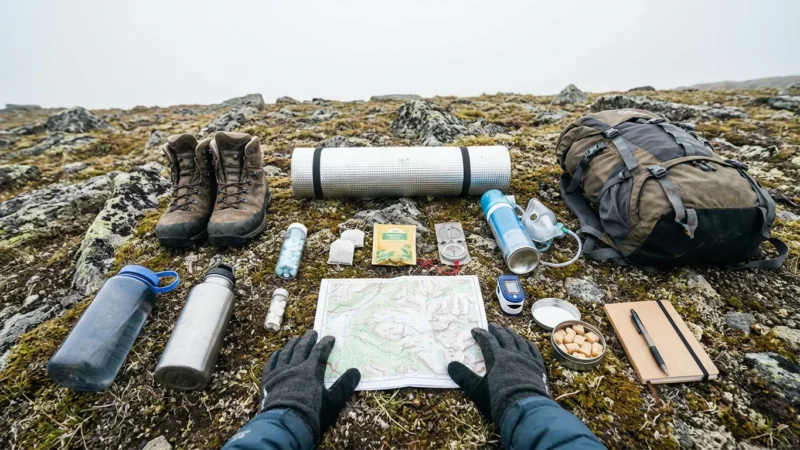
The right gear significantly enhances your comfort, safety, and enjoyment on the trail. Invest in quality items appropriate for the climate and terrain you plan to explore. Prioritize comfort and functionality over trends.
Key Gear for Senior Hiking Success
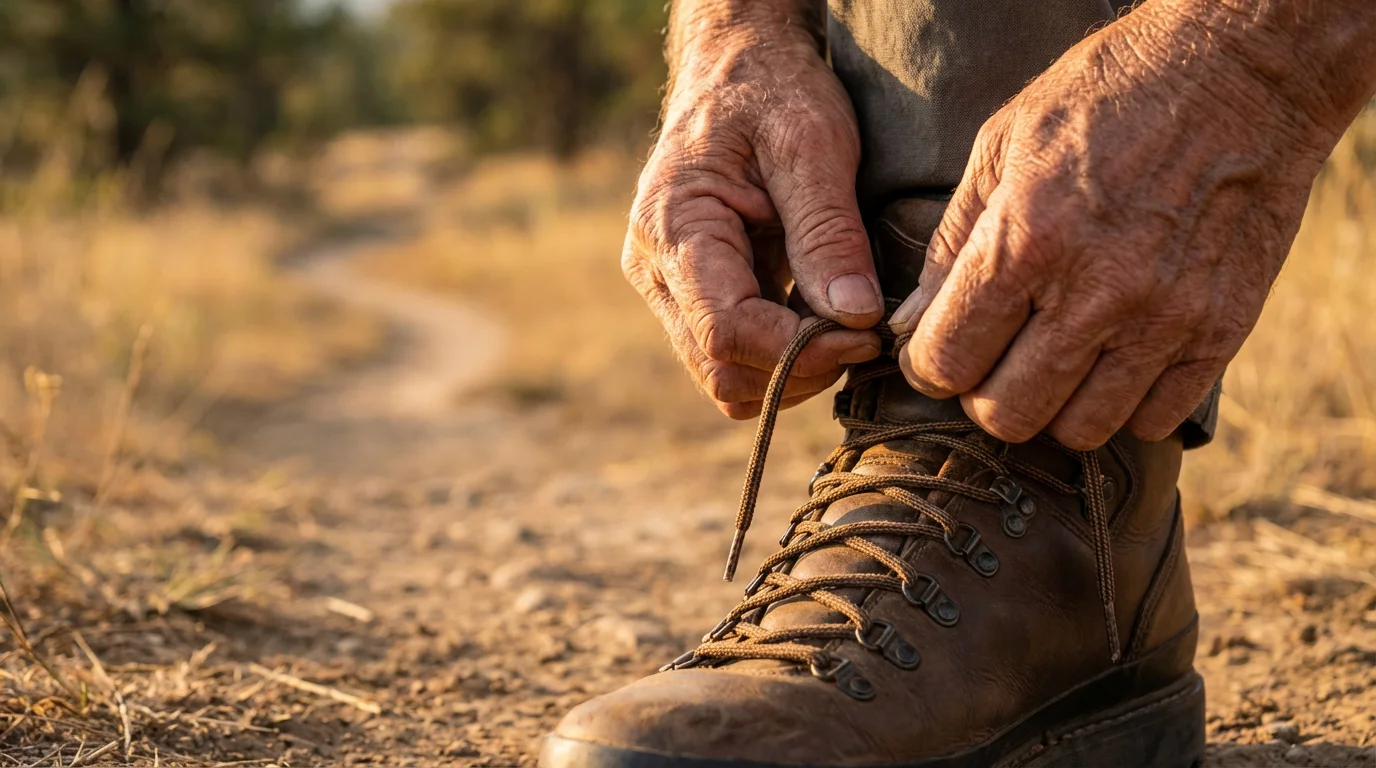
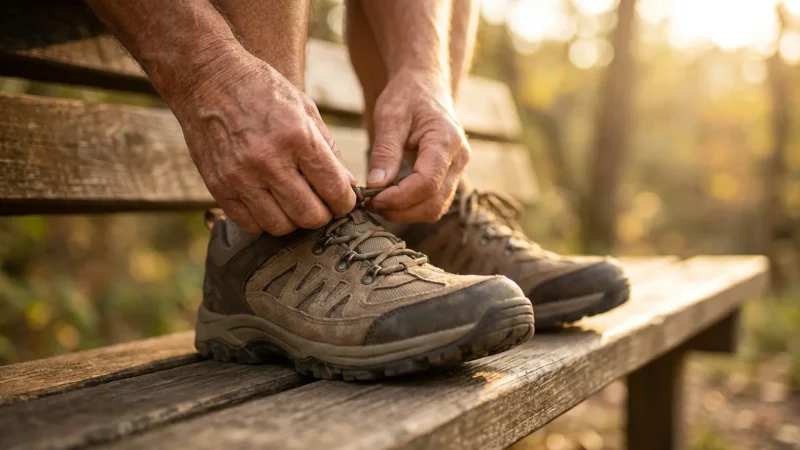
- Footwear: Choose hiking shoes or boots with good ankle support, sturdy soles, and excellent traction. Ensure they are broken in before your hike to prevent blisters. Consider waterproof options for wet conditions.
- Layered Clothing: Dress in layers you can easily add or remove. Opt for moisture-wicking fabrics like merino wool or synthetic blends. Avoid cotton, which retains moisture and can lead to chafing or hypothermia.
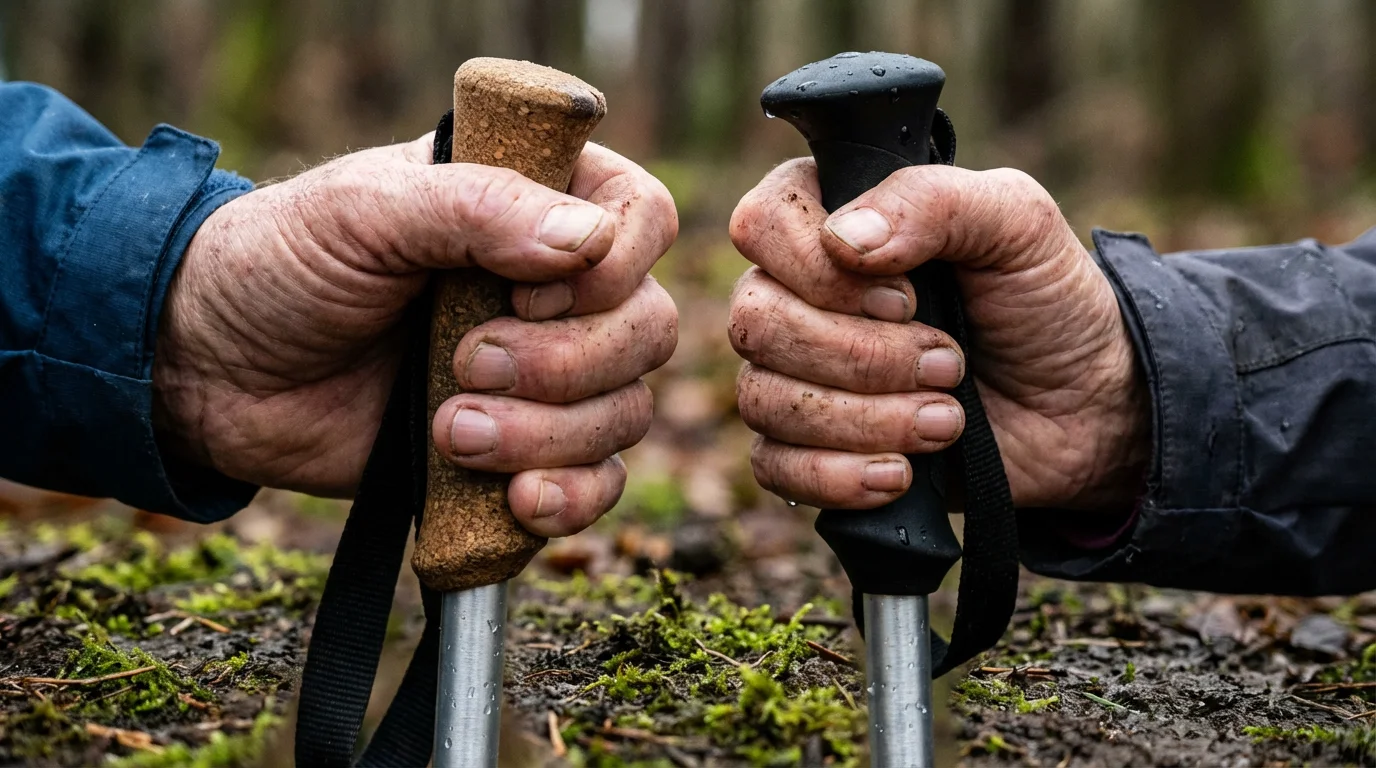
- Hiking Poles: Trekking poles greatly improve balance, reduce strain on your knees, and provide stability on uneven terrain. They distribute weight and offer a critical point of contact for every step, boosting your hiking safety.
- Backpack: A comfortable, well-fitting daypack carries your essentials, distributing weight evenly. Look for features like padded straps and a hip belt.
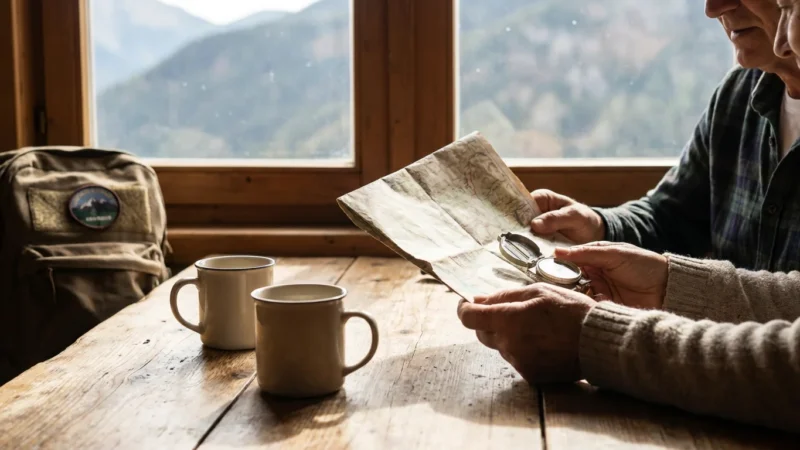
- Navigation Tools: Carry a physical map and compass, and know how to use them. Supplement these with a fully charged phone with downloaded offline maps.
- First Aid Kit: Include bandages, antiseptic wipes, pain relievers, allergy medication, blister treatment, and any personal prescription medications.
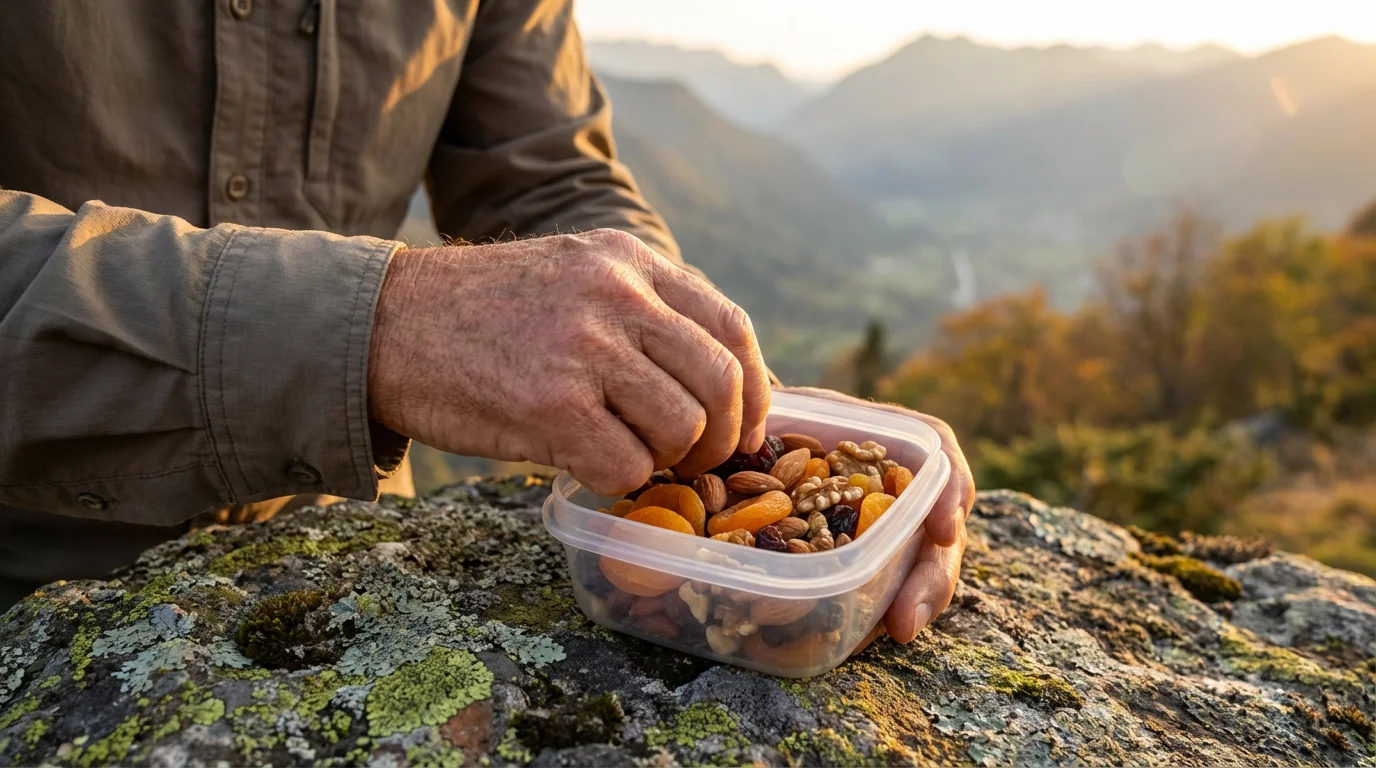
- Water and Snacks: Carry more water than you think you need, especially in warmer weather. Pack energy-rich snacks like nuts, dried fruit, granola bars, and sandwiches.
- Sun Protection: A wide-brimmed hat, sunglasses, and sunscreen protect you from harmful UV rays.
- Rain Gear: A lightweight, packable rain jacket and pants keep you dry in unexpected downpours.
- Headlamp or Flashlight: Essential even for day hikes in case you are caught out after dusk or need to navigate a dark patch of trail.
- Whistle: A simple yet effective tool for signaling for help in an emergency.

Mastering Trail Safety: Senior Hiking Tips
Your safety on the trail is paramount. Thoughtful preparation and adherence to best practices prevent mishaps and ensure a positive experience. Focus on communication, awareness, and preparedness.
Essential Senior Hiking Safety Practices
- Tell Someone Your Plan: Always inform a trusted friend or family member about your hiking route, estimated return time, and who you are with. Provide specific details about your chosen trail and location.
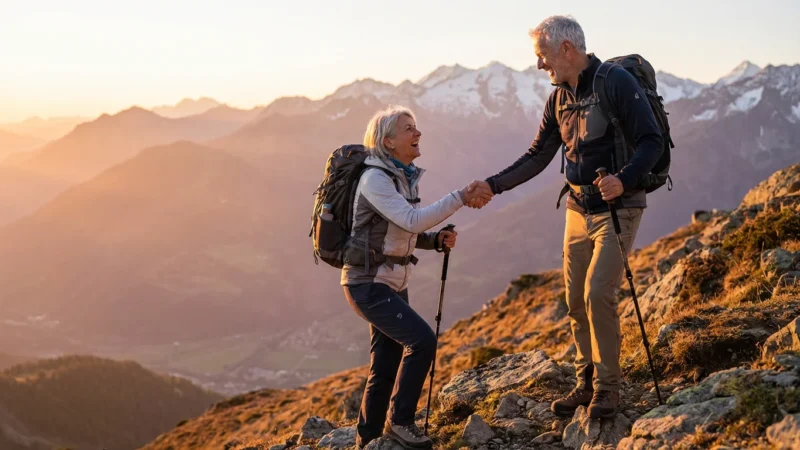
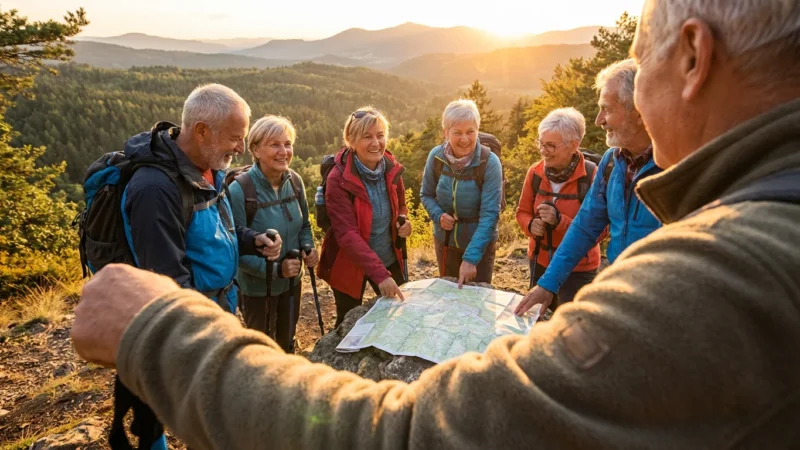
- Hike with a Buddy: Whenever possible, hike with at least one other person. A companion provides assistance in an emergency and offers mutual encouragement. Consider joining a hiking group designed for seniors for camaraderie and support.
- Check Weather Forecasts: Consult the weather forecast immediately before your hike. Unpredictable weather, especially in mountainous regions, changes rapidly. Postpone your hike if severe weather is predicted.
- Pace Yourself: Listen to your body and maintain a comfortable pace. Do not feel pressured to keep up with faster hikers. Take frequent breaks to rest, hydrate, and enjoy the scenery. Your enjoyment and well-being come first.
- Stay Hydrated and Nourished: Drink water regularly, even if you do not feel thirsty. Dehydration affects your energy and judgment. Eat small, frequent snacks to maintain steady energy levels.
- Stay on Marked Trails: Wandering off-trail causes environmental damage and significantly increases your risk of getting lost or injured. Respect trail markers and boundaries.
- Be Aware of Your Surroundings: Pay attention to trail conditions, potential hazards like loose rocks or roots, and local wildlife. Learn about common venomous plants or animals in the area.
- Carry Communication Devices: A fully charged cell phone is essential, but remember signal is not always available in remote areas. Consider carrying a personal locator beacon (PLB) or satellite messenger for true backcountry excursions.
- Know Basic First Aid: Familiarize yourself with basic first aid techniques for common hiking injuries like blisters, sprains, or scrapes. Your first aid kit should include supplies for these situations.
- Turn Back if Conditions Worsen: Do not hesitate to turn back if the weather deteriorates, you feel unwell, or the trail becomes too challenging. Your safety takes precedence over completing the hike.
Nutrition, Hydration, and On-Trail Wellness
Proper fueling and hydration are vital for energy, endurance, and overall well-being during your hike. Your body requires sustained energy to perform optimally. Plan your food and water intake carefully, considering the length and intensity of your trek.
Before your hike, consume a balanced meal rich in complex carbohydrates and lean protein. During the hike, prioritize easily digestible snacks that offer quick energy. Continuously monitor your hydration levels, especially on longer or warmer trails.
Smart Fueling for the Trail
- Pre-Hike Meal: A bowl of oatmeal with berries and nuts, or whole-wheat toast with avocado and an egg, provides sustained energy.
- On-Trail Snacks:
- Trail mix (nuts, seeds, dried fruit)
- Energy bars or granola bars
- Fresh fruit (apples, oranges, bananas)
- Cheese sticks or jerky for protein
- Sandwiches or wraps with lean protein
- Hydration:
- Carry at least 1 liter of water for every 2 hours of hiking.
- Consider electrolyte drinks or tablets for longer hikes or hot weather to replenish lost minerals.
- Begin hydrating well before your hike starts.
- Listen to Your Body: If you feel unusually fatigued, lightheaded, or experience muscle cramps, it may signal dehydration or insufficient nutrition. Take a break, rehydrate, and snack.
Planning Your Senior Hiking Adventure: Step-by-Step
Successful hiking trips begin with meticulous planning. A structured approach ensures you cover all necessary bases, from destination research to emergency preparedness. This how to prepare for senior hike tutorial guides you through each stage.
A Step-by-Step Guide to Planning Your Hike
- Define Your Goal: Decide on the type of hiking experience you desire. Do you want a short, leisurely walk, a moderate day hike, or a multi-day trek? Your fitness level and desired challenge guide this decision.
- Research Destinations and Trails: Use online resources, guidebooks, and local knowledge to identify suitable locations and trails. Pay close attention to trail length, elevation gain, terrain type, and current conditions. Look at websites like the National Park Service for detailed information on trails within their parks.
- Check Weather and Seasonal Conditions: Verify the typical weather for your chosen time of year and specific daily forecasts. Account for potential seasonal closures, snow, mud, or extreme heat.
- Assess Gear and Supplies: Inventory your existing gear and purchase or rent any necessary items. Create a packing list for each hike, ensuring you have essentials like water, food, first aid, and appropriate clothing.
- Physical Preparation: Engage in regular exercise, including cardiovascular activities, strength training, and flexibility exercises, in the weeks leading up to your hike. Mimic hiking movements on stairs or inclines.
- Assemble Your Team (if applicable): If hiking with others, discuss expectations, fitness levels, and emergency plans. Ensure everyone understands their role and responsibilities.
- Inform Others of Your Itinerary: Share your detailed plan with a non-hiking contact. Include your trail name, expected duration, and emergency contact information.
- Permits and Reservations: Determine if your chosen trail or park requires permits, reservations, or entrance fees. Secure these well in advance, especially for popular areas.
- Create an Emergency Plan: Discuss what to do in case of injury, getting lost, or encountering wildlife. Know how to use your navigation and communication devices.
- Final Checks: The day before, pack your bag, charge all electronics, and lay out your clothes. The morning of, double-check the weather and make sure you have everything you need.
Group Tours and Guided Treks for Seniors
For many seniors, joining a guided group tour offers an ideal way to experience new trails with confidence and companionship. These tours handle logistics, provide expert guides, and foster a supportive environment. You enjoy the adventure without the stress of intricate planning.
Organizations like Road Scholar specialize in educational and adventurous trips for older adults. They offer a range of hiking and trekking tours tailored to various fitness levels. These structured experiences allow you to explore diverse landscapes, from national parks to international trails, with like-minded individuals. You gain new knowledge and share unforgettable moments, enriching your senior adventures.
Consider these benefits of guided tours:
- Expert Guidance: Knowledgeable guides lead the way, manage navigation, and share insights about local flora, fauna, and history.
- Safety and Support: Guides carry first-aid kits, possess wilderness training, and ensure everyone’s well-being. They provide encouragement and assistance as needed.
- Logistics Handled: Transportation, accommodations, and meals are often included, simplifying your travel experience.
- Camaraderie: You meet fellow adventurers, forge new friendships, and share the joy of discovery.
- Access to Remote Areas: Many tours access areas that are challenging to navigate independently, offering unique and exclusive experiences.
Preserving Our Trails and Leaving No Trace
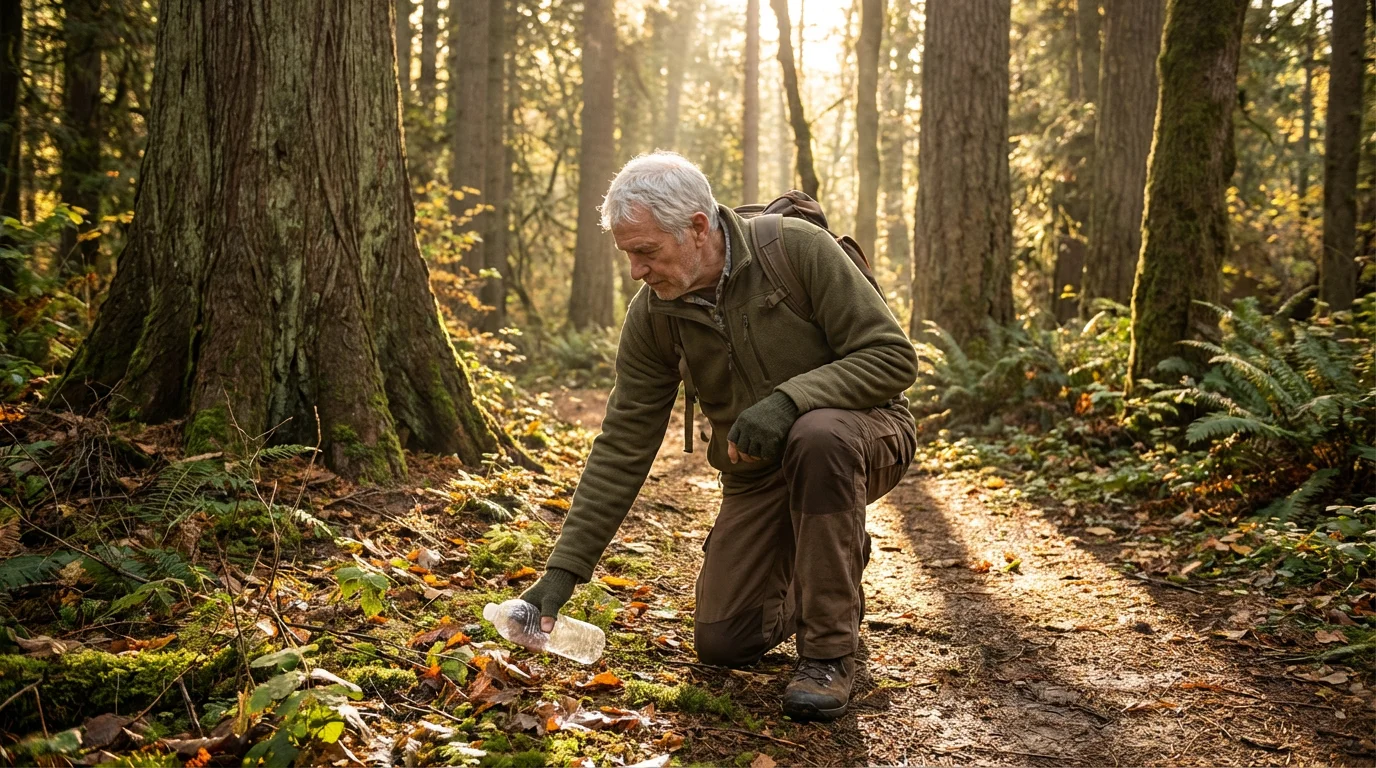
As you explore the beauty of nature, commit to preserving it for future generations. Adhering to Leave No Trace principles protects fragile ecosystems, minimizes human impact, and ensures everyone enjoys unspoiled natural environments. Your actions directly contribute to the longevity of our trails and wild spaces.
Key Leave No Trace Principles
- Plan Ahead and Prepare: Research your destination, pack accordingly, and know regulations.
- Travel and Camp on Durable Surfaces: Stay on existing trails, even when muddy. Avoid widening trails or creating new ones.
- Dispose of Waste Properly: Pack out everything you pack in, including food scraps. Use designated restrooms or dig catholes at least 200 feet from water, trails, and camps.
- Leave What You Find: Do not take natural objects or disturb cultural artifacts. Leave plants, rocks, and historical items as you discover them.
- Minimize Campfire Impacts: Use established fire rings or consider a small, lightweight stove for cooking. Ensure fires are completely out before leaving.
- Respect Wildlife: Observe animals from a distance. Never feed them. Store food securely to prevent animal access.
- Be Considerate of Other Visitors: Yield to uphill hikers, keep noise levels down, and allow others to enjoy their experience.
Frequently Asked Questions
What are the safest hikes for seniors?
The safest hikes for seniors are generally those rated as “easy” or “moderate.” These trails feature well-maintained, relatively flat paths, minimal obstacles like roots or rocks, and gentle elevation changes. Prioritize trails with clear markings, good cell service, and proximity to emergency services. Many local and state parks offer paved or gravel accessible trails that are perfect for starting out.
How do I prepare for senior hiking if I haven’t hiked in years?
Start with a doctor’s visit to confirm your readiness. Begin a consistent walking regimen, gradually increasing distance and duration on varied surfaces like pavement, grass, and inclines. Incorporate strength training exercises for your legs and core, and practice balance exercises. Choose short, easy trails for your first few hikes to build confidence and stamina.
What essential gear do I need for senior hiking safety?
Essential gear includes comfortable, broken-in hiking shoes with good traction, layered clothing made from moisture-wicking materials, and trekking poles for stability. Always carry a daypack with plenty of water, energy-rich snacks, a basic first-aid kit, sun protection (hat, sunglasses, sunscreen), and navigation tools like a map and compass or a fully charged phone with offline maps.
Can I hike alone as a senior?
While hiking with a buddy is always recommended for enhanced safety, you can hike alone if you take extra precautions. Always inform someone of your exact route and expected return time. Choose well-trafficked, familiar trails with good cell reception. Carry a personal locator beacon or satellite messenger for remote areas. Listen to your intuition and turn back if conditions feel unsafe or uncomfortable.
How do I prevent common hiking injuries like falls or blisters?
Prevent falls by using trekking poles, wearing appropriate footwear with good traction, and paying close attention to trail conditions. Take frequent breaks and avoid rushing. Prevent blisters by wearing moisture-wicking socks, ensuring your shoes fit properly, and carrying blister treatment in your first-aid kit. Address any hot spots on your feet immediately.
Where can I find senior-friendly hiking groups or guided tours?
Organizations like Road Scholar offer numerous guided hiking and trekking tours specifically designed for older adults, often including educational components. Many local community centers, senior centers, and outdoor clubs also organize senior-friendly hiking groups. Online platforms and social media groups can help you connect with local hiking communities tailored to your age group and fitness level.


Leave a Reply