
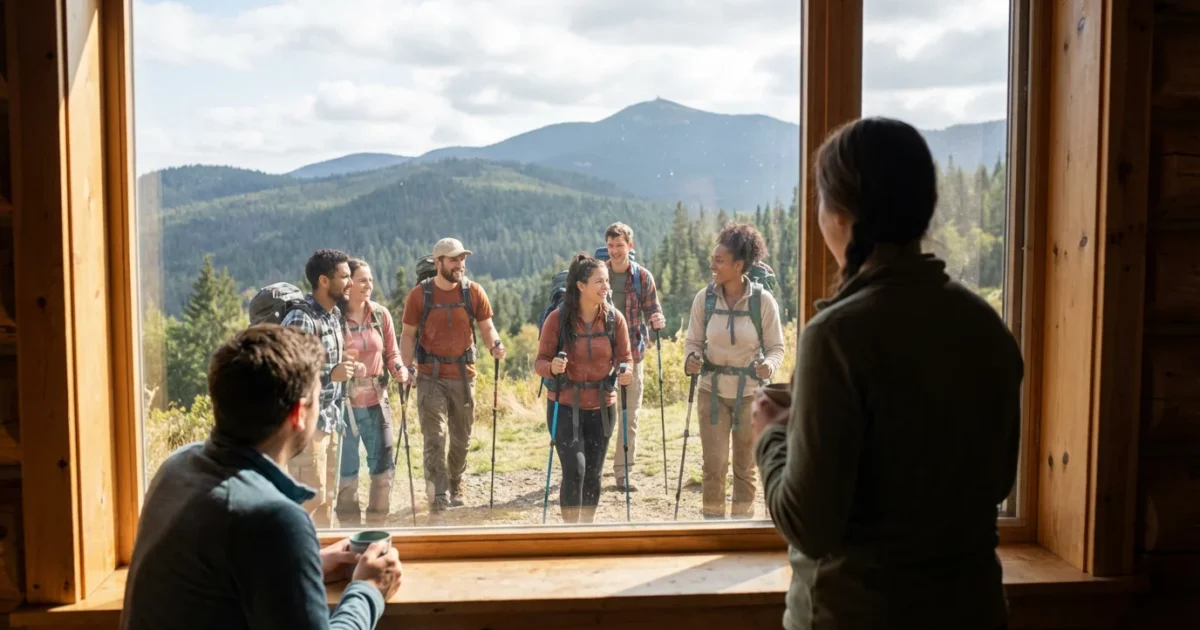
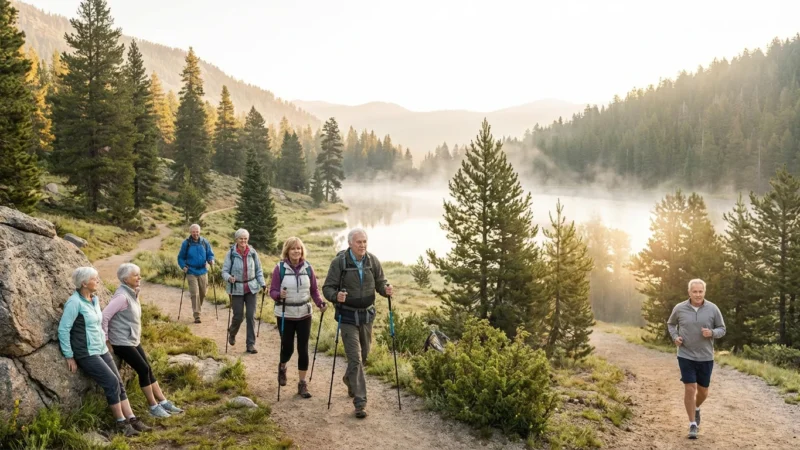
Embrace the call of the wild and the joy of shared adventure. Group hikes offer a fantastic way to explore stunning landscapes, challenge yourself physically, and forge new friendships. As you seek vibrant experiences in your senior years, consider stepping onto the trail with a community of fellow explorers.
Hiking with a group transcends a solitary walk. It transforms an outing into a rich social experience, a shared journey of discovery, and a collective embrace of nature’s beauty. You gain support, camaraderie, and a sense of belonging with every step.
This guide empowers you to find, prepare for, and thoroughly enjoy group hiking. You will discover the immense benefits, learn how to locate the perfect hiking companions, and equip yourself for safe and memorable outdoor adventures.
Table of Contents
- The Joy of Hiking Together: Why Group Hikes?
- Finding Your Tribe: How Seniors Can Find Local Hiking Groups
- Choosing the Right Group and Trail for You
- Essential Gear for a Comfortable and Safe Hike
- Preparing Your Body and Mind for the Trail
- Safety First on Every Adventure
- Beyond the Local Trails: Exploring Farther Afield
- Frequently Asked Questions
The Joy of Hiking Together: Why Group Hikes?
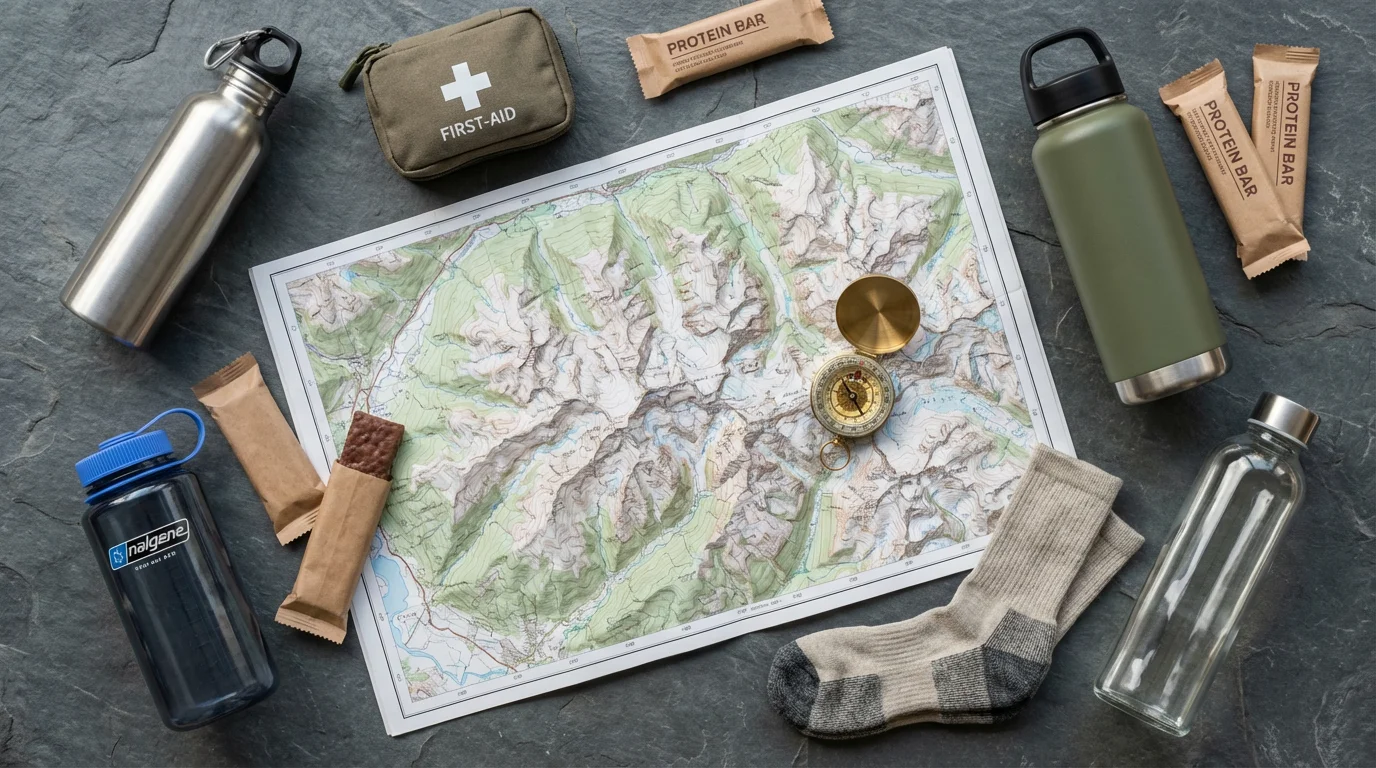
Group hikes offer an unparalleled blend of physical activity, mental stimulation, and social connection. They provide a structured yet flexible environment for seniors to remain active and engaged with the world around them. You gain so much more than just exercise.
Many participants find that incorporating birdwatching adventures adds a wonderful layer of mindfulness and discovery to every outing.
Consider the health benefits. Regular hiking improves cardiovascular health, strengthens muscles and bones, and enhances balance. These physical gains contribute significantly to your overall well-being and independence.
Mental health also receives a boost. Spending time in nature reduces stress, improves mood, and can even sharpen cognitive function. The shared experience of a group hike amplifies these positive effects, fostering a sense of achievement and shared joy.
Perhaps the most compelling reason to join a group hike is the social aspect. You meet like-minded individuals, share stories, and build lasting friendships. Many seniors report that the social bond formed on trails becomes a vital part of their weekly routine. This social connection combats loneliness and keeps your spirit vibrant.
“The journey of a thousand miles begins with a single step.” — Lao Tzu
The shared adventure builds camaraderie. Navigating varied terrain, spotting wildlife, or simply enjoying a scenic vista becomes a memorable experience when shared with others. These are moments you will cherish.
Furthermore, group hikes provide an added layer of safety. Walking with companions reduces risks associated with getting lost or encountering unexpected situations. You always have someone nearby to offer assistance or encouragement.
Finding Your Tribe: How Seniors Can Find Local Hiking Groups
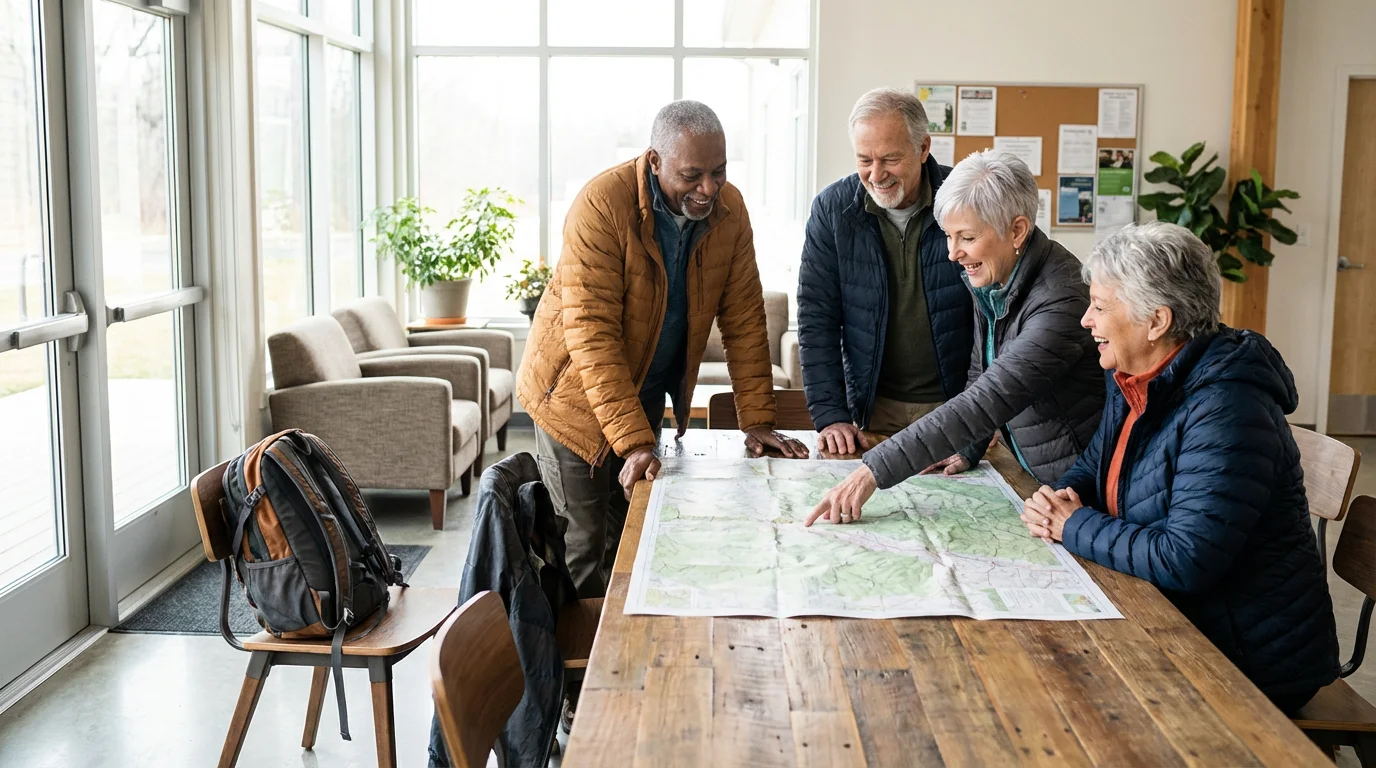
Finding the right group for your adventure style and fitness level requires a bit of research. Many excellent organizations and communities actively welcome senior hikers. Your perfect hiking social experience awaits.
Beyond hiking-specific groups, joining broader adventure clubs for seniors can connect you with fellow travelers interested in a wide range of outdoor pursuits.
Start by exploring local community centers and senior activity hubs. These institutions often organize guided walks and nature excursions specifically tailored for older adults. They understand the unique needs and preferences of senior groups.
Online platforms like Meetup.com host numerous hiking groups across various cities and regions. You can filter groups by activity level, distance, and even age range, making it easier to find one that fits your interests. Check group descriptions carefully for details on pace and terrain.
Local park systems and nature preserves frequently offer guided hikes led by naturalists. These events are often free or low-cost and provide an excellent introduction to local trails. They also present opportunities to meet others who enjoy similar activities.
Organizations dedicated to outdoor activities or active aging also provide resources. The Appalachian Mountain Club, Sierra Club chapters, and local walking clubs often have special interest groups or events for seniors. These established groups frequently lead longer, more ambitious trips.
Consider asking friends or family for recommendations. Word of mouth remains a powerful tool for discovering hidden gems within your community. Your neighbors might already belong to fantastic local hiking groups.
Here is a helpful table comparing common sources for finding hiking groups:
| Source | Pros | Considerations |
|---|---|---|
| Community Centers & Senior Centers | Tailored for seniors, often local, gentle pace. | Limited variety of trails, may require membership. |
| Online Platforms (e.g., Meetup.com) | Vast selection, filter by interest/level, easy to join. | Requires online access, group dynamics vary, vet leaders. |
| Local Park Systems & Nature Preserves | Expert guides, educational focus, access to specific trails. | Schedule dependent, may not be recurring groups. | Outdoor Clubs (e.g., Sierra Club chapters) | Experienced leaders, diverse trips, strong community. | May require membership dues, some trips more strenuous. |
| Word of Mouth / Friend Referrals | Trusted recommendations, familiar faces. | Limited to your social circle, may not always align. |
Choosing the Right Group and Trail for You
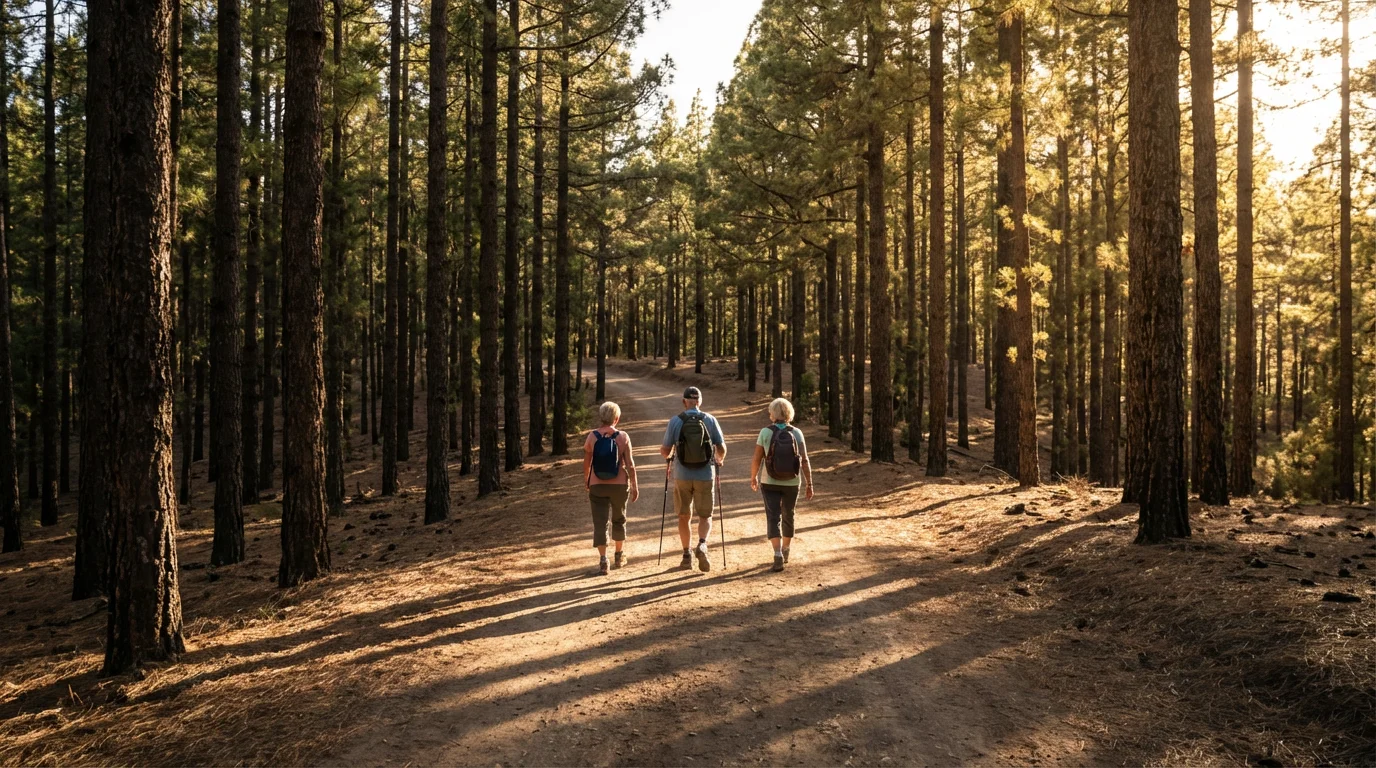
Selecting a group and a trail that match your current fitness level and personal preferences ensures a rewarding experience. Do not feel pressured to tackle advanced trails immediately. Start comfortably and build your endurance.
First, assess your fitness. Are you comfortable walking for an hour on flat ground, or do you regularly engage in more vigorous exercise? Be honest with yourself about your capabilities. Most groups categorize hikes by difficulty level, such as easy, moderate, or strenuous.
Look for groups that specify their pace and distance. Some prefer a leisurely stroll with frequent stops for photography and conversation. Others maintain a brisker pace to cover more ground. Find a group whose style aligns with yours.
Consider the trail type. Do you prefer paved paths, gravel trails, or rugged, natural terrain? Some trails feature significant elevation changes, while others remain relatively flat. Know your preferences for a truly enjoyable outing.
Inquire about the group’s leadership and safety protocols. Reputable groups have experienced leaders who know the trails well and carry first aid supplies. They should prioritize the safety and enjoyment of all participants.
Many groups offer introductory or beginner-friendly hikes. These are excellent opportunities to try out a group without a major commitment. Use these initial outings to gauge the group’s compatibility with your expectations.
Essential Gear for a Comfortable and Safe Hike
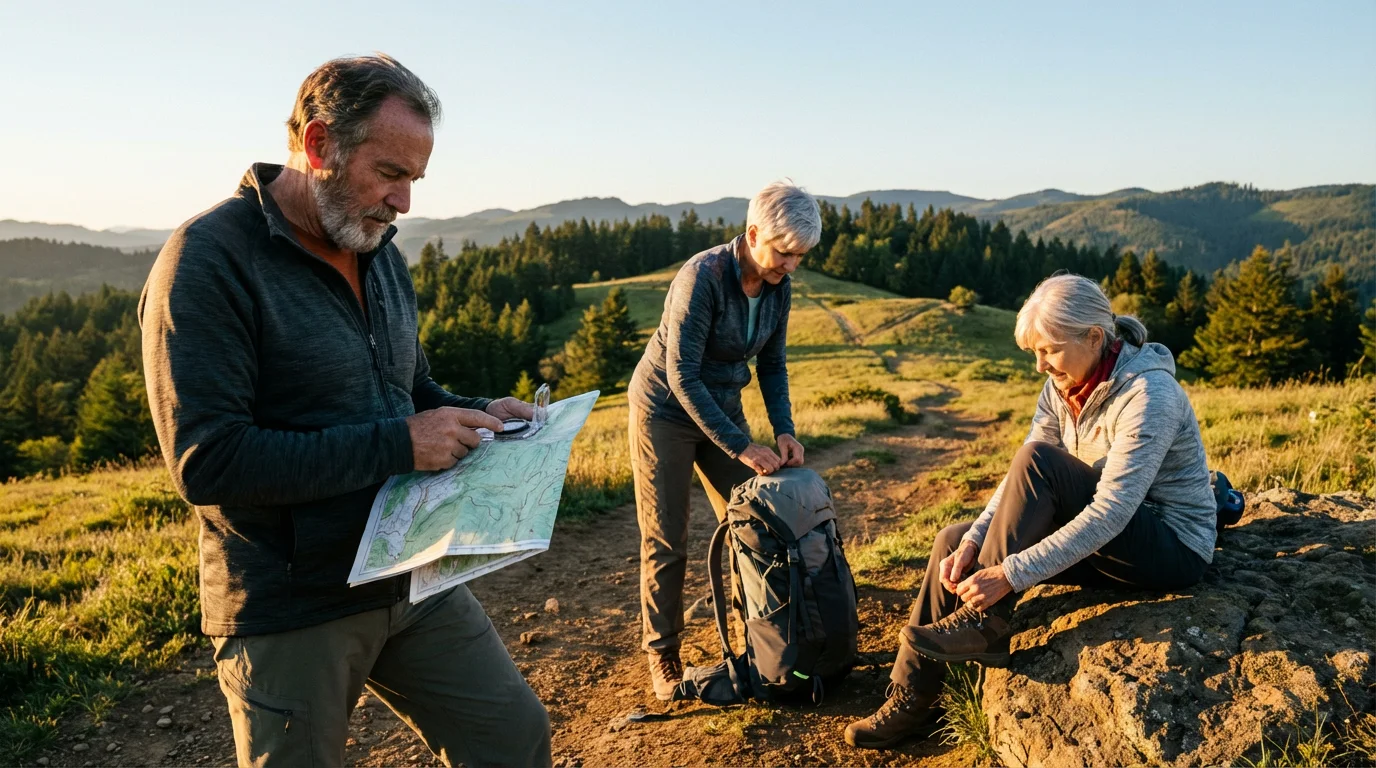
Proper gear makes all the difference between a challenging hike and an enjoyable adventure. Investing in a few key items significantly enhances your comfort, safety, and overall experience on the trail. You do not need expensive, specialized equipment for most senior-friendly group hikes.
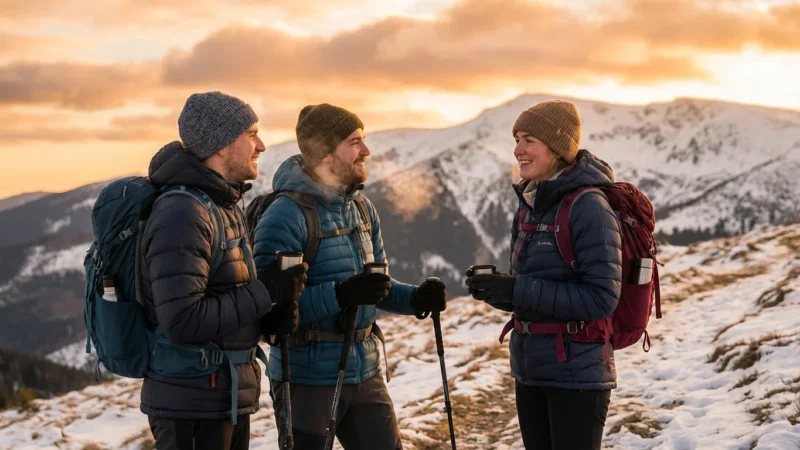
When the temperature drops, specialized gear and techniques for cold weather hiking become essential for maintaining comfort on the trail.
Here is a list of essential items for your group hiking adventures:
- Comfortable Hiking Shoes or Boots: Choose footwear with good ankle support, adequate cushioning, and a non-slip sole. Ensure they are broken in before your first hike to prevent blisters.
- Layered Clothing: Dress in layers to adapt to changing weather conditions. Wicking fabrics are best for moisture management. Avoid cotton, which stays wet and cold.
- Backpack: A small, comfortable daypack to carry water, snacks, extra layers, and personal items.
- Water Bottle or Hydration Reservoir: Staying hydrated is crucial. Carry more water than you think you need, especially on warmer days.
- Snacks: Energy bars, fruit, or trail mix provide necessary fuel.
- Sun Protection: A wide-brimmed hat, sunglasses, and sunscreen protect you from harmful UV rays.
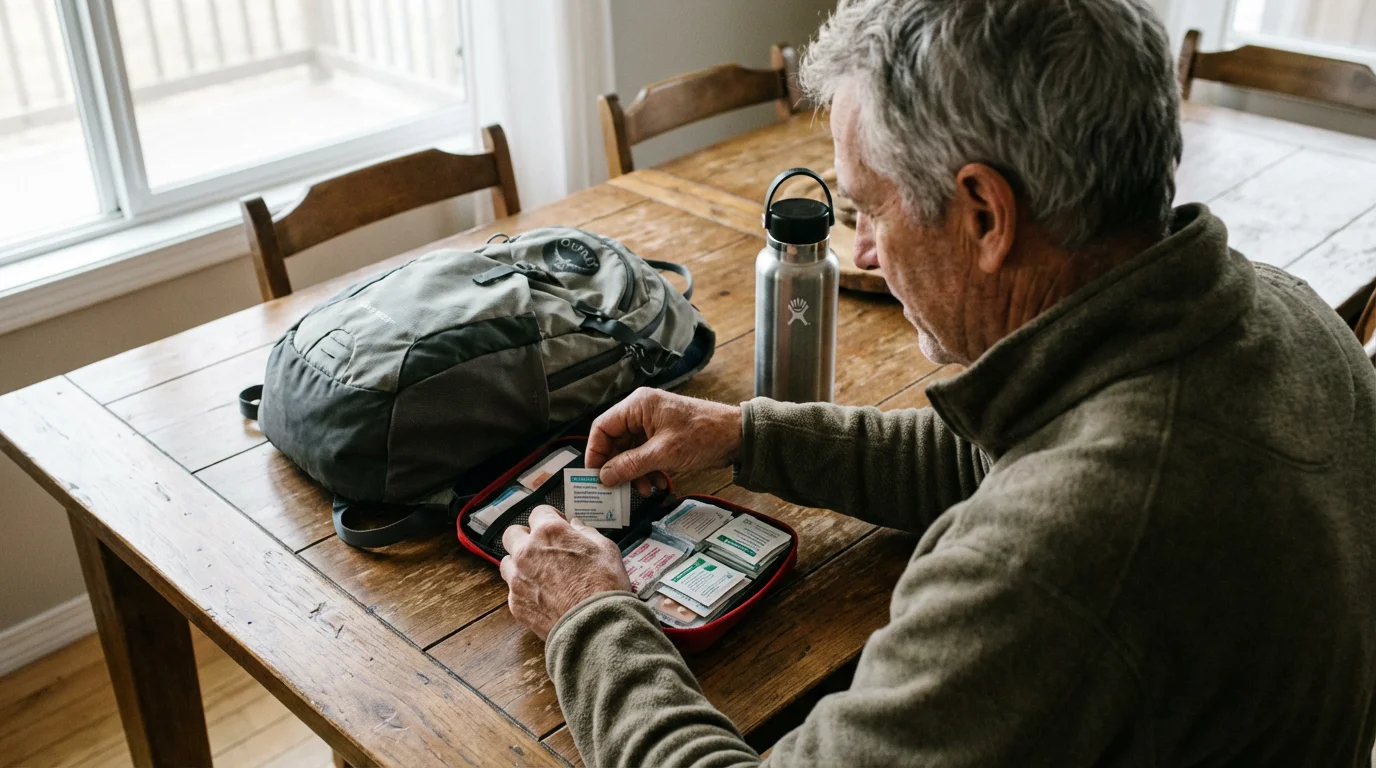
- First Aid Kit: Include bandages, antiseptic wipes, pain relievers, blister treatment, and any personal medications.
- Navigation Tools: A map and compass or a fully charged smartphone with a reliable GPS app. While hiking with a group, your leader often navigates, but personal awareness is still valuable.
- Whistle: For signaling in an emergency.
- Headlamp or Flashlight: Even if you plan to finish before dark, unexpected delays can occur.
- Trekking Poles: Offer stability, reduce impact on joints, and assist with balance on uneven terrain. Many seniors find them invaluable.
Remember to check the weather forecast before you leave. Adjust your clothing and gear accordingly. A light rain jacket or waterproof pants become essential in unpredictable conditions.
Preparing Your Body and Mind for the Trail
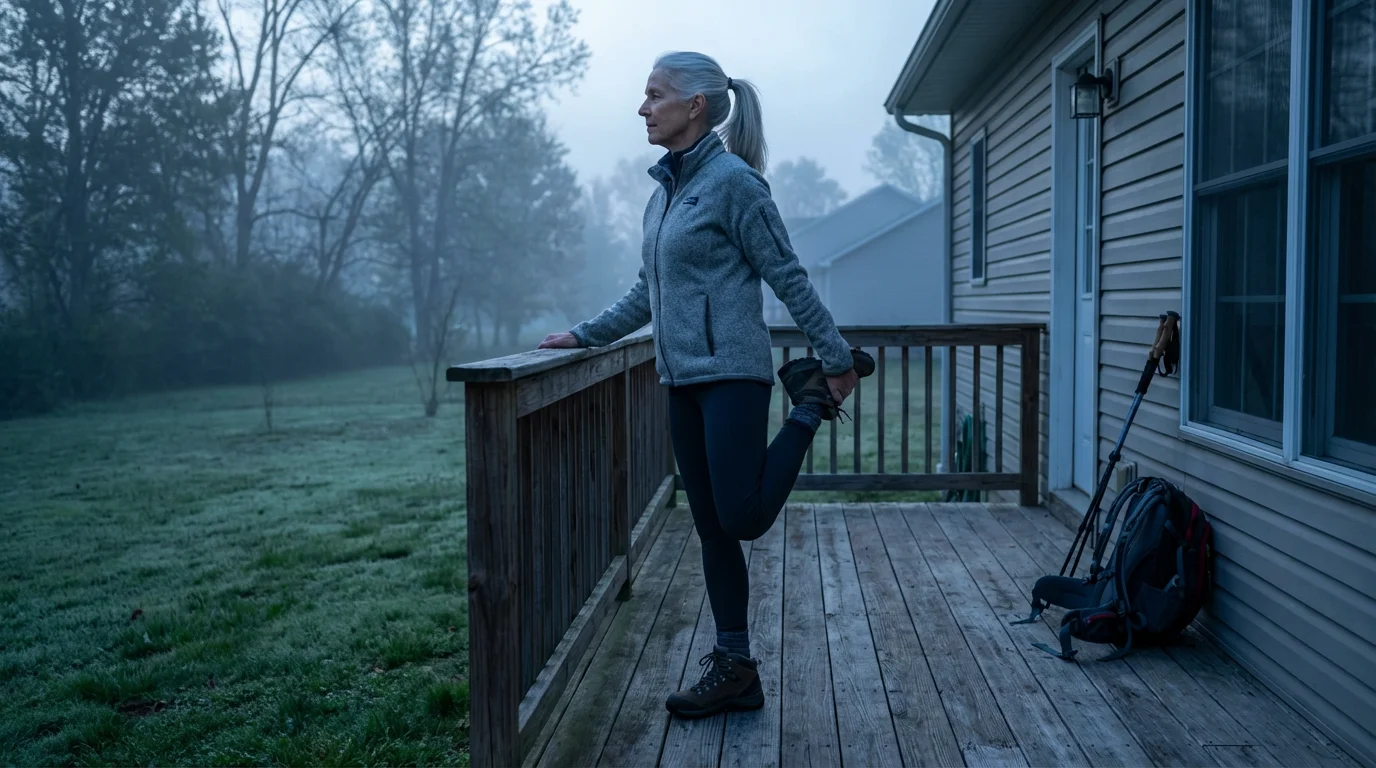
Effective preparation significantly enhances your enjoyment and reduces the risk of injury. Physical readiness and a positive mindset set the stage for a successful group hike. You control much of your hiking experience before you even step on the path.
Part of being mentally prepared is knowing how to handle nature’s residents, so review these tips for avoiding wildlife encounters before you head out.
Begin a consistent walking routine if you are not already active. Start with short, flat walks and gradually increase distance and duration. Aim to walk three to four times a week, building up to at least an hour of continuous movement.
Incorporate strength and balance exercises into your routine. Lunges, squats, and heel raises strengthen leg muscles crucial for hiking. Practicing standing on one foot or walking heel-to-toe improves balance, which prevents falls on uneven ground.
Here are steps to prepare your body for group hikes:
- Start Small: Begin with gentle walks on familiar, even terrain.
- Increase Duration: Gradually extend the length of your walks by 10-15 minutes each week.
- Add Incline: Introduce hills or stairs to build endurance and leg strength.
- Focus on Balance: Practice balance exercises daily, like standing on one leg or using a balance board.
- Stretch Regularly: Improve flexibility in your hamstrings, quads, and calves to prevent muscle soreness.
- Stay Hydrated: Drink plenty of water daily, not just on hike days, to maintain optimal body function.
- Listen to Your Body: Rest when needed. Pushing too hard too soon increases injury risk.
Inform your group leader about any health conditions or limitations before the hike. This transparency allows them to support you better and make appropriate adjustments if necessary. Good leaders appreciate this open communication.
Mentally, embrace the challenge and the beauty of nature. Approach each hike with curiosity and a willingness to explore. The sense of accomplishment you gain from completing a trail with your group is incredibly rewarding.
Safety First on Every Adventure
Prioritizing safety ensures that every group hike remains a positive and memorable experience. While group settings offer inherent safety advantages, individual awareness and preparation remain crucial. You play an active role in your own safety and that of your companions.
Always stay with your group. Do not wander off the marked trail or fall too far behind. If you need to stop for any reason, inform a group leader or another member. This simple communication prevents others from worrying and ensures you receive assistance if required.
Carry a fully charged phone for emergencies, but remember that service can be unreliable in remote areas. Consider a personal locator beacon for more extensive or isolated hikes, particularly if you venture into areas without cell coverage.
Pay attention to trail markers and the surrounding environment. Knowing basic directions and landmarks can be helpful, even when hiking with experienced leaders. A good understanding of your location adds another layer of security.
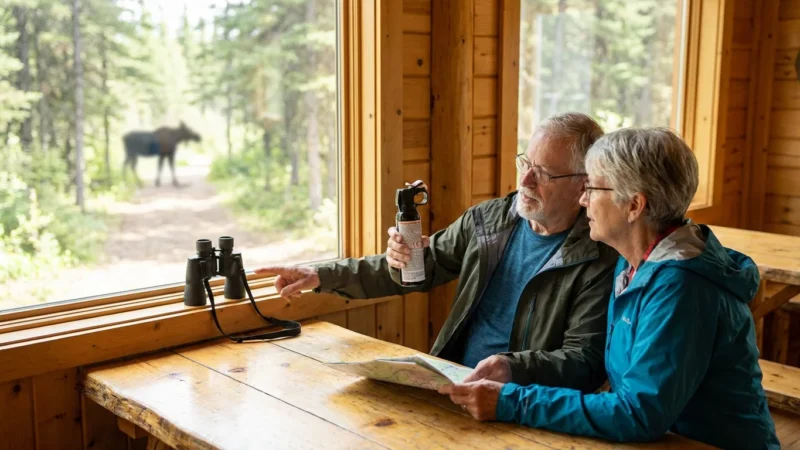
Be aware of wildlife. Learn about common animals in the area and how to react if you encounter them. Never approach or feed wild animals. Store food properly to avoid attracting unwanted attention.
Monitor weather conditions closely, both before and during your hike. Weather can change rapidly in mountainous or open areas. Be prepared to turn back if conditions become unsafe, like sudden storms or extreme temperatures.
Communicate any discomfort or injury immediately to your group leader. Do not try to push through pain, as this can worsen an injury. Your well-being takes precedence over completing the hike.
Know basic first aid techniques, or at least how to access your personal first aid kit. Even minor scrapes and blisters can become problematic if left unaddressed. A well-stocked kit and a clear head are your best allies.
Beyond the Local Trails: Exploring Farther Afield
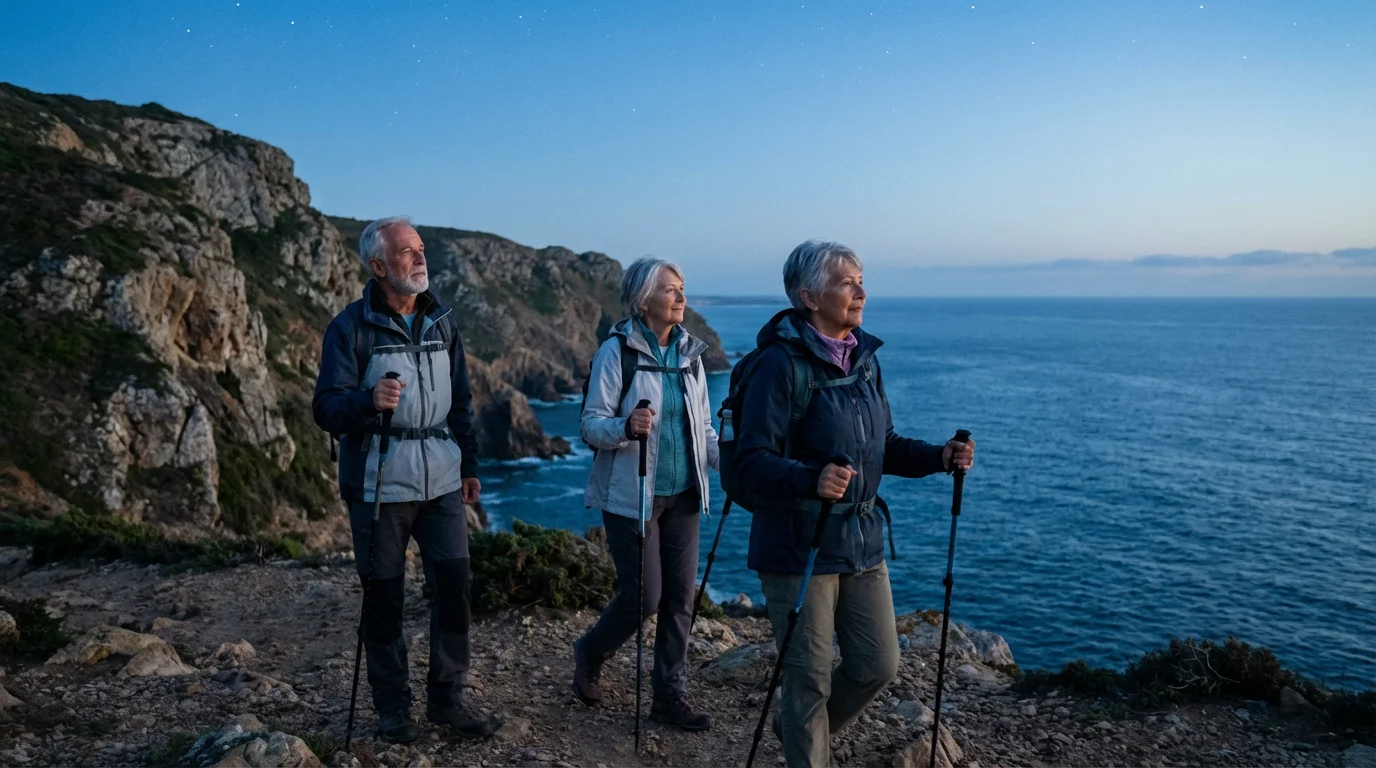
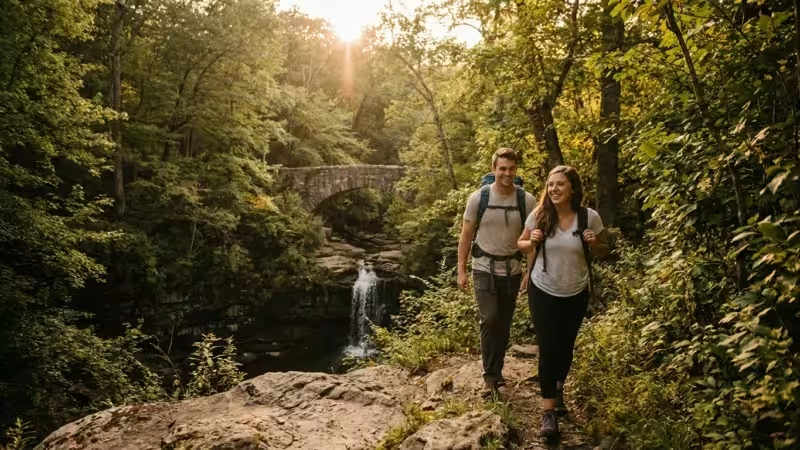
Once you gain confidence and experience on local trails, consider expanding your horizons. The world offers an incredible array of hiking destinations, many perfectly suited for senior groups. You can explore iconic landscapes and discover new cultures through the power of hiking.
National Parks across the United States feature extensive trail networks catering to all skill levels. Many offer ranger-led hikes, providing educational insights into the park’s ecology and history. Visiting a National Park is an unforgettable experience. Explore opportunities through the National Park Service website.
International guided walking tours provide an immersive way to experience new countries. Companies specializing in senior travel offer itineraries with carefully planned routes, accommodation, and support. These trips remove much of the logistical planning, allowing you to focus on the adventure. Consider organizations like Road Scholar for educational and active travel programs designed for older adults.
For a unique adventure, explore parts of the National Forest System. These vast public lands offer diverse hiking opportunities, from short nature walks to multi-day treks. Many provide developed campgrounds and visitor services.
When planning longer trips, research travel insurance, required vaccinations, and local customs. The CDC Travelers’ Health provides comprehensive information on health considerations for international travel. Always ensure you carry appropriate identification and copies of important documents.
Consider group trips specifically designed for seniors. These often include slower paces, comfortable accommodations, and expert guides. They focus on enjoyment and cultural immersion over strenuous exertion, making grand adventures accessible.
Embrace these opportunities to challenge yourself, witness breathtaking scenery, and create enduring memories with new friends. Your adventurous spirit knows no age limit.
Frequently Asked Questions
How can seniors find local hiking groups?
You can find local hiking groups through community centers, senior activity groups, online platforms like Meetup.com, and local chapters of outdoor clubs such as the Sierra Club. Local park systems also frequently offer guided walks and events. Asking friends or family for recommendations also proves effective.
What are the benefits of group hikes for seniors?
Group hikes offer numerous benefits for seniors, including improved cardiovascular health, strengthened muscles and bones, enhanced balance, and reduced stress. They provide vital social interaction, foster new friendships, and create a sense of belonging, combating loneliness. The shared adventure also boosts mental well-being and provides an added layer of safety.
What should I consider when choosing a senior hiking group?
When choosing a senior hiking group, consider your current fitness level, the group’s typical pace and distance, and the terrain of their usual trails. Inquire about the experience of the group leaders and their safety protocols. Look for groups that offer introductory hikes to gauge compatibility before committing.
What essential gear do I need for group hikes?
Essential gear includes comfortable, supportive hiking shoes or boots, layered clothing (avoiding cotton), a small backpack, plenty of water, and energy-boosting snacks. You should also carry sun protection (hat, sunglasses, sunscreen), a basic first aid kit, a whistle, and a headlamp. Trekking poles provide excellent support and stability for many seniors.
How can I prepare physically for a group hike?
Prepare physically by establishing a regular walking routine, gradually increasing distance and duration. Incorporate strength and balance exercises like squats, lunges, and single-leg stands. Stretch regularly to maintain flexibility. Always stay well-hydrated daily. Begin with easier trails and build your endurance progressively.
What are important safety tips for group hiking?
Always stay with your group and on the marked trail. Inform a leader or companion if you need to stop. Carry a fully charged phone, but understand service limitations. Be aware of your surroundings and potential wildlife. Monitor weather conditions and be prepared to turn back if necessary. Immediately communicate any discomfort or injury to your group leader.
Disclaimer: This article is for informational purposes only. Travel conditions, accessibility, and requirements change frequently. We encourage readers to verify current information with official sources before traveling. Always consult with healthcare providers about travel considerations for your specific health situation.

Leave a Reply