
Disclaimer: This article is for informational purposes only. Travel conditions, accessibility, and requirements change frequently. We encourage readers to verify current information with official sources before traveling. Always consult with healthcare providers about travel considerations for your specific health situation.
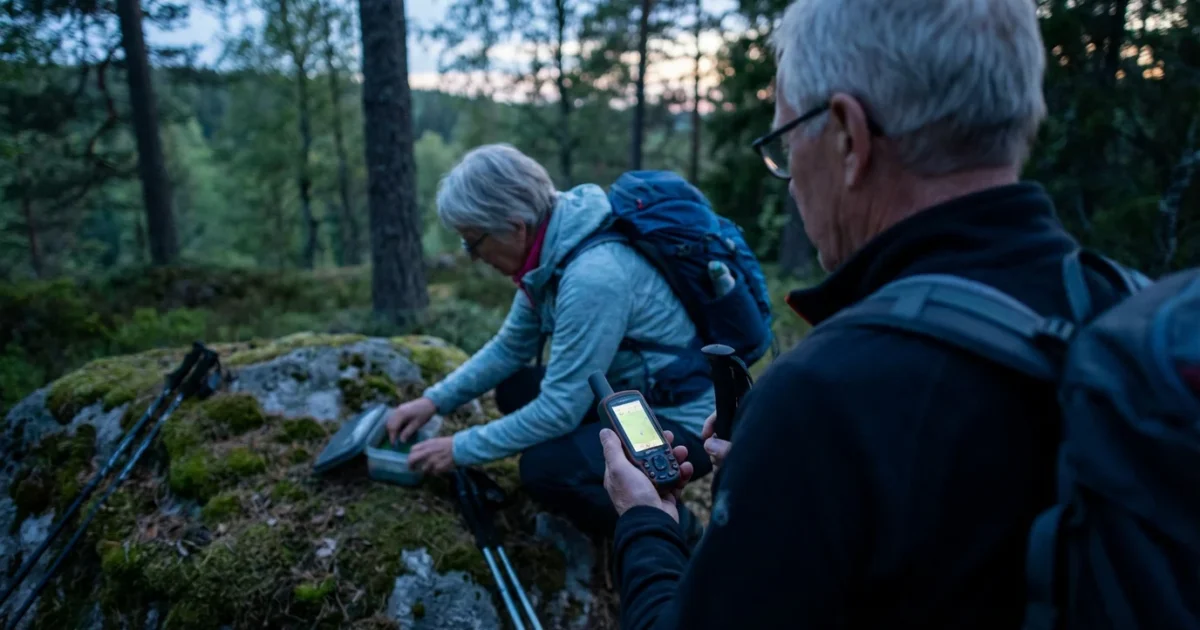
Are you ready for a new adventure, a pursuit that combines technology, exploration, and the thrill of discovery? Geocaching, a global treasure hunt, offers active seniors a fantastic way to engage with the outdoors, stay mentally sharp, and connect with a vibrant community. This activity transforms parks, urban spaces, and natural landscapes into exciting playgrounds, inviting you to uncover hidden secrets.
Geocaching requires only a GPS-enabled device, typically your smartphone, and a spirit of adventure. You navigate to specific coordinates, seeking a hidden container, a geocache, left by fellow enthusiasts. This activity provides a refreshing blend of physical activity, problem-solving, and the joy of uncovering something new. Prepare to step outside, breathe fresh air, and embark on your next grand quest.
Table of Contents
- What is Geocaching? Your Modern-Day Treasure Hunt
- Why Geocaching is Perfect for Active Seniors
- Getting Started: Your First Steps to Geocaching
- Essential Gear for Your Geocaching Adventures
- Navigating the Hunt: Tips for Finding Caches
- Types of Geocaches You Might Encounter
- Safety and Accessibility for Senior Geocachers
- Beyond the Find: Community and Continued Exploration
- Frequently Asked Questions
What is Geocaching? Your Modern-Day Treasure Hunt
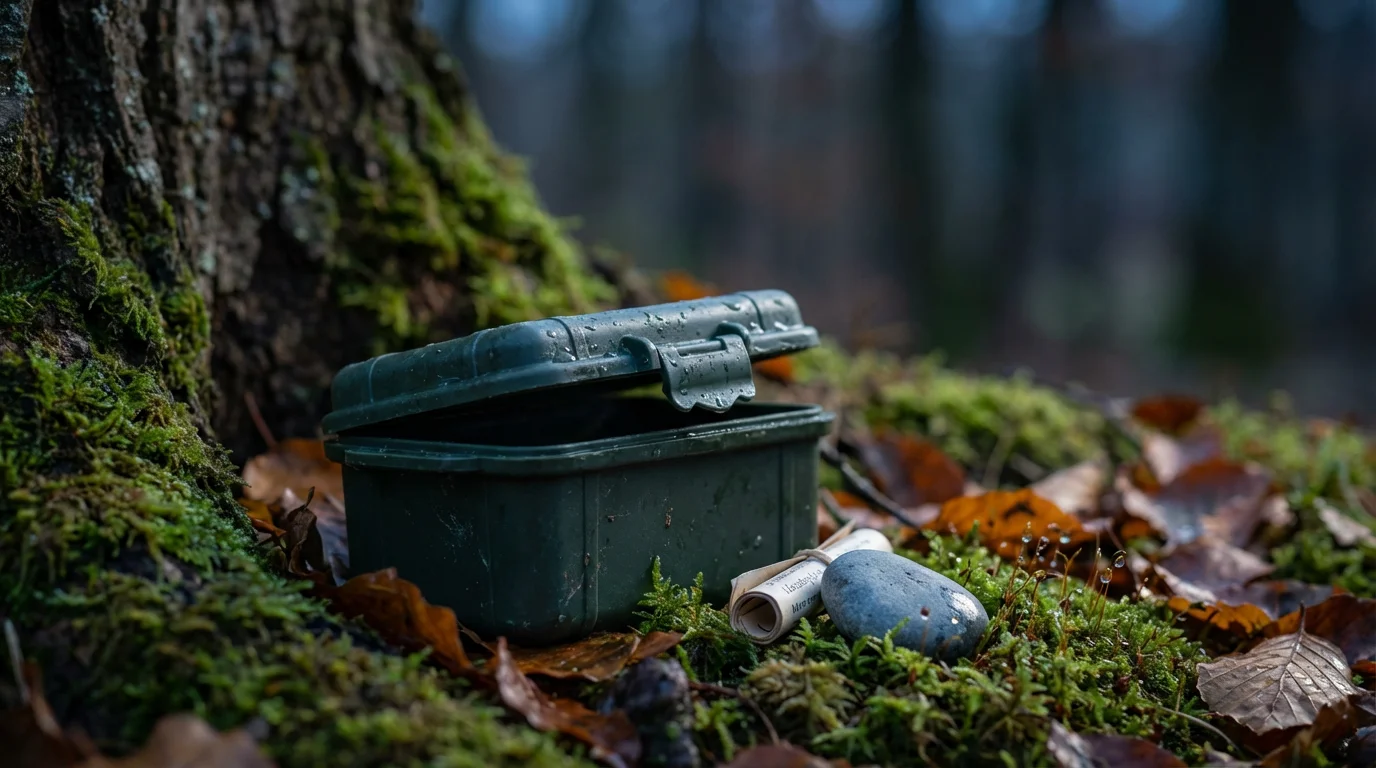
Geocaching is an outdoor recreational activity where participants use a Global Positioning System (GPS) receiver or a mobile device to hide and seek containers, called “geocaches” or “caches,” anywhere in the world. A typical cache is a small waterproof container holding a logbook and sometimes a small trinket for trade.
The concept is simple: someone hides a cache, notes its coordinates, and shares these online. Others then use their GPS to find it. Upon discovery, you sign the logbook, perhaps swap a trinket for one of your own, and then carefully re-hide the cache exactly as you found it for the next seeker. This engaging activity brings a new dimension to exploring familiar or new locations, transforming ordinary walks into exciting expeditions.
Why Geocaching is Perfect for Active Seniors
Geocaching offers numerous benefits, making it an ideal `senior activity`. It combines gentle physical exercise with mental stimulation, appealing to a wide range of interests and abilities. You determine your pace and choose caches suited to your comfort level, ensuring an enjoyable experience every time you head out.
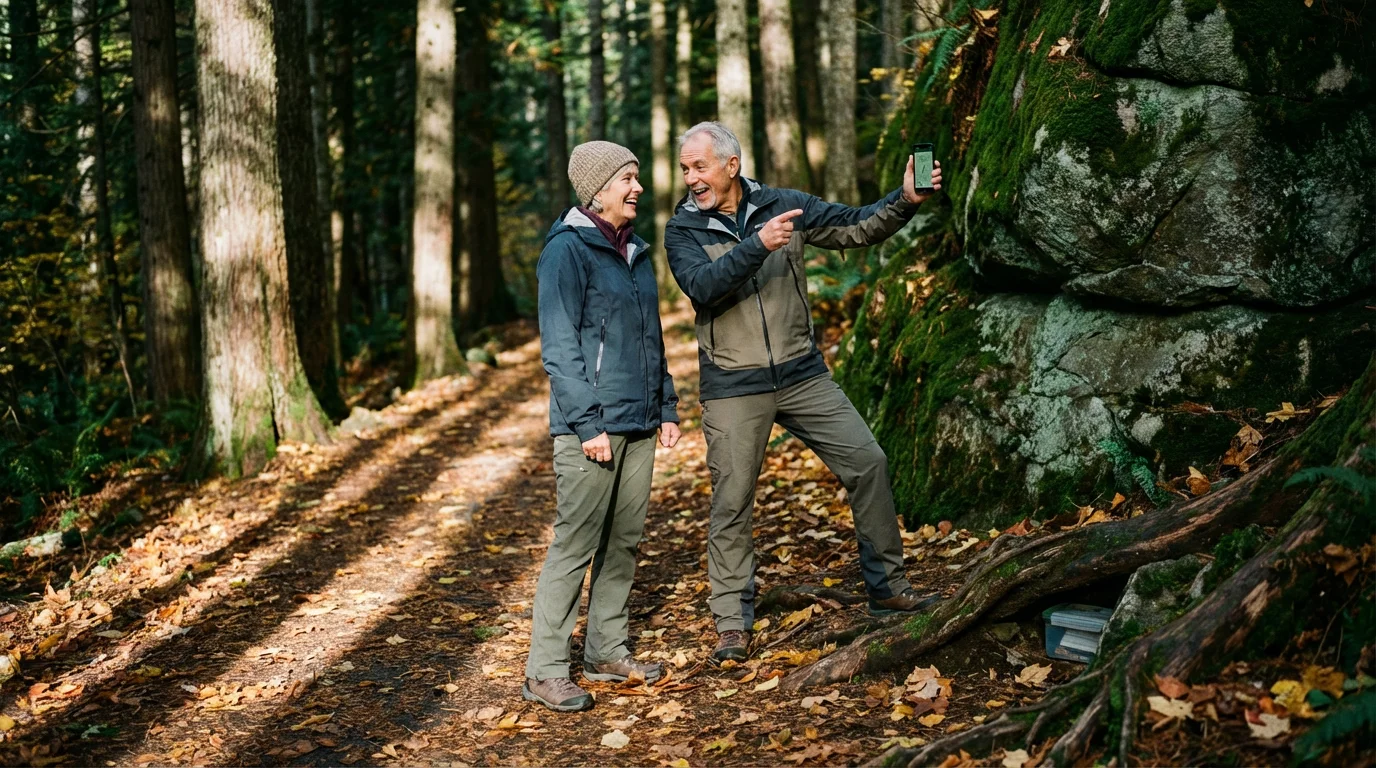
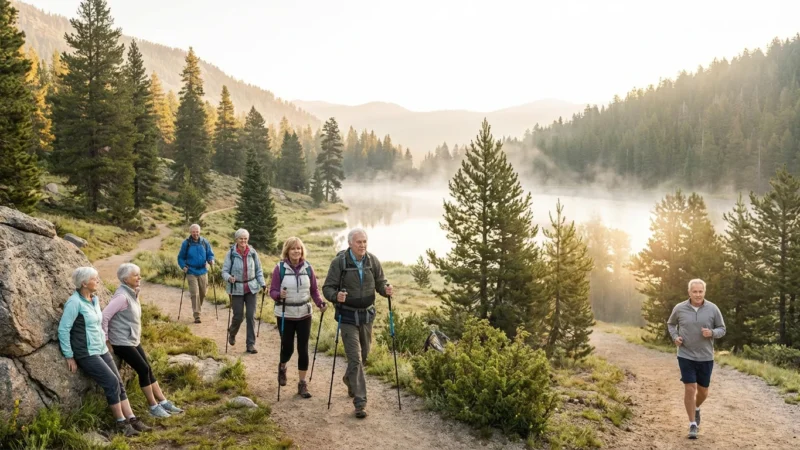
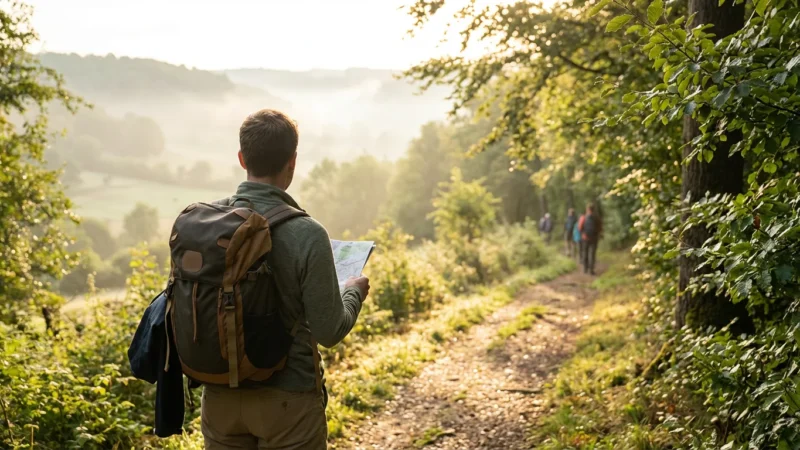
Pairing your treasure hunt with group hikes can turn a solo search into a social event with fellow outdoor enthusiasts.
This `outdoor game` encourages you to step outside, enjoy nature, and discover hidden gems in your local area or while traveling. It provides a unique opportunity to explore parks, historic sites, and scenic trails you might otherwise overlook. For many seniors, geocaching becomes a cherished hobby that promotes active living and lifelong learning.
- Physical Activity: Engage in walking, hiking, and gentle exploration. Choose caches with easy terrain for a leisurely stroll, or challenge yourself with moderate paths that offer a bit more exertion.
- Mental Engagement: Exercise your brain with navigation, problem-solving, and observation skills. Deciphering clues and interpreting maps keeps your mind sharp and agile, providing a stimulating challenge.
- Social Connection: Join local geocaching groups or participate in events to meet like-minded individuals. Many seniors enjoy geocaching with partners, grandchildren, or friends, fostering connection and shared adventure.
- Exploration and Discovery: Uncover local history, natural beauty, and hidden art installations. Each cache provides a reason to explore new corners of your community or travel destinations, revealing unexpected treasures.
- Budget-Friendly Fun: Most geocaches are free to find, requiring only your phone and perhaps a few small items for swapping. It provides extensive entertainment without significant costs, making adventure accessible.
“The real voyage of discovery consists not in seeking new landscapes, but in having new eyes.” — Marcel Proust

Getting Started: Your First Steps to Geocaching
`How to participate in geocaching as a senior?` Beginning your geocaching journey is straightforward and accessible. The primary tool you need is a smartphone with GPS capabilities and the official Geocaching app. This simple setup unlocks a world of hidden treasures waiting for you, right in your pocket.
Patience and a sense of humor are your best companions as you start. Your first few finds may involve a learning curve, but the satisfaction of discovering that first cache makes every effort worthwhile. Embrace the process, enjoy the fresh air, and let the adventure unfold at your own pace.
- Download the Geocaching App: Find the official Geocaching® app on your smartphone’s app store. It is available for both iOS and Android devices. A free basic membership allows you to find many caches, while a premium membership unlocks additional features and cache types for enhanced exploration.
- Create Your Free Account: Sign up within the app or on the Geocaching website. You will choose a unique geocaching username, which becomes your trail name for the community. This identity connects you with fellow adventurers.
- Learn the Lingo: Familiarize yourself with common terms like “Muggle” (a non-geocacher), “TFTC” (Thanks for the Cache), “BYOP” (Bring Your Own Pen/Pencil), and D/T ratings (Difficulty and Terrain). Understanding these terms enhances your experience and communication within the community.
- Find a Beginner-Friendly Cache: Use the app to locate nearby caches. Filter by difficulty and terrain ratings, choosing caches marked with low numbers (e.g., 1/1) for your initial hunts. Look for traditional caches in open, accessible areas like local parks for an easier start.
- Read Cache Descriptions and Logs: Before heading out, read the cache description carefully. It contains vital clues, hints, and information about the cache size and terrain. Previous finders’ logs offer valuable insights and tips, helping you prepare for the hunt.
- Pack Essentials: Gather your phone, a pen or pencil to sign the logbook, and small trinkets if you plan to swap. Hydration and appropriate attire for the weather are always wise, ensuring comfort and safety during your adventure.
- Go for the Find: Use your phone’s GPS to navigate to the cache location. The app will guide you with a compass and distance indicator. Once you are within about 20-30 feet, put your phone away and start visually searching, relying on your keen observation skills.
- Sign the Logbook and Re-hide: When you find the cache, sign the logbook with your geocaching name and the date. If it is a cache with swappable items, take one you like and leave one of equal or greater value. Carefully re-hide the cache exactly as you found it, maintaining the experience for others.
- Log Your Find Online: After your hunt, use the app to log your find. Share your experience, any challenges you faced, and perhaps a photo (without revealing the cache location). This step informs the cache owner that their treasure has been found and encourages others in the community.
Essential Gear for Your Geocaching Adventures
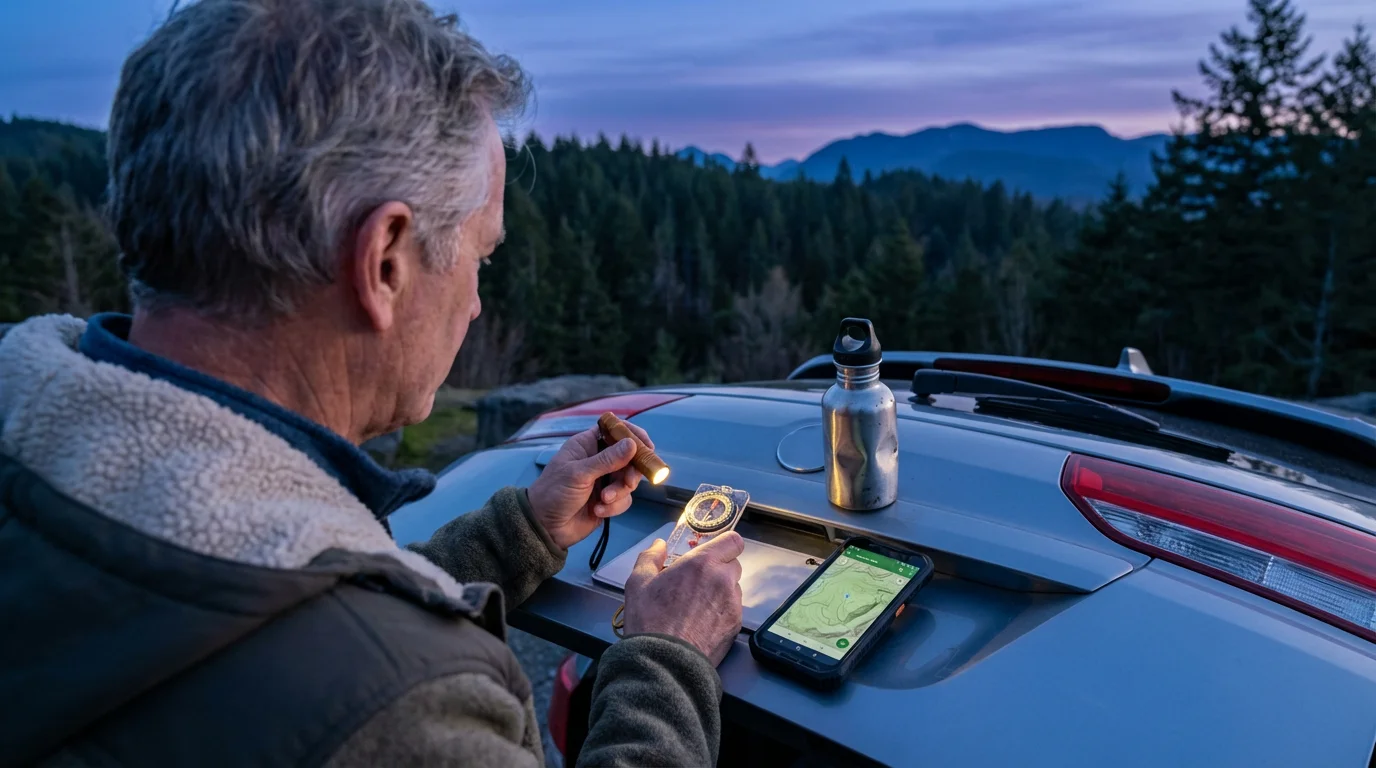
`What equipment is needed for senior geocaching?` The beauty of geocaching lies in its minimal gear requirements. Most items are things you already own or can acquire easily, making it an accessible hobby. Prioritizing comfort and safety will enhance your experience, allowing you to focus on the thrill of the hunt.
Before you head out, you might also want to look into building stamina for outdoor adventures to ensure you can handle longer trails with ease.
Investing in good quality, comfortable footwear and staying hydrated are crucial for any outdoor activity, especially as you explore various terrains. Consider these recommendations as you prepare for your geocaching excursions, ensuring you are well-equipped for discovery.
| Category | Item | Why It’s Essential |
|---|---|---|
| Navigation | Smartphone with GPS | Your primary tool for locating caches and logging finds. Ensure it has a full charge before starting your adventure. |
| Portable Power Bank | Extends your phone’s battery life, especially on longer hunts or in areas with weak signal. This prevents unexpected interruptions to your search. | |
| Documentation | Pen or Pencil | Mandatory for signing logbooks inside the caches. Many caches are “BYOP,” meaning you need to bring your own writing instrument. |
| Small Notebook (optional) | For jotting down clues, memorable moments, or coordinates for multi-caches. This can be a helpful memory aid. | |
| Comfort & Safety | Comfortable Walking Shoes | Supportive footwear is critical for navigating various terrains safely and comfortably. Choose shoes with good grip and ankle support. |
| Weather-Appropriate Clothing | Layers are best for adapting to changing conditions. Protect yourself from sun, rain, or cold with a hat, sunglasses, and a waterproof jacket. | |
| Water Bottle | Stay hydrated, especially during warmer weather or longer walks. Dehydration can quickly diminish your enjoyment and energy. | |
| Snacks | Maintain energy levels for extended hunts. A small granola bar or fruit can make a big difference. | |
| Small First-Aid Kit | For minor scrapes, blisters, or unexpected needs. Include any personal medications you regularly take. | |
| Hand Sanitizer | Good hygiene after handling cache containers, which are exposed to the elements and many hands. | |
| Optional Additions | Swag/Trade Items | Small, inexpensive trinkets to exchange in caches if you choose to participate in swaps. Think small toys, coins, or keychains. |
| Tweezers/Grabber Tool | Helpful for extracting tiny log scrolls from micro-caches without damage. This prevents frustration with smaller containers. | |
| Flashlight/Headlamp | Useful for examining dark areas or finding caches in low light conditions, even during the day. Many caches are tucked into shadowy spots. |
Navigating the Hunt: Tips for Finding Caches
Once you are at the posted coordinates, the real fun begins. Your GPS device will get you close, but the final discovery relies on your observation skills. Geocaches often blend seamlessly into their environment, requiring a keen eye and a bit of creativity to spot the cleverly hidden containers.
For those seeking more structured experiences, adventure group tours often include outdoor activities that complement the skills used in geocaching.
Do not get discouraged if a cache is not immediately apparent. Sometimes the best finds are those that require a little extra effort and persistence. Remember, the journey and the hunt are as rewarding as the find itself, fostering a sense of accomplishment.
- Trust Your GPS, Then Your Eyes: Your phone guides you to a general area. Once you are within 10-30 feet, put the phone away and start searching visually. Look under rocks, in tree hollows, behind signposts, or near fences, using the terrain to your advantage.
- Read the Hint: Most cache listings include a hint, which can be invaluable for pinpointing the exact location. Sometimes the hint is encrypted, adding another layer of puzzle to solve, which can be a fun challenge.
- Check Recent Logs: Review the most recent activity logs for clues from previous finders. They might mention the cache is a “tough hide” or offer a helpful tip without giving away the exact spot, providing context for your search.
- Think Like a Hider: Consider where you would hide a small container if you wanted it to be somewhat concealed but accessible. Caches are often hidden in plain sight, disguised as natural objects or cleverly tucked away, requiring you to think outside the box.
- Bring a Friend: Geocaching with a partner or group enhances the experience. Two or more sets of eyes are better than one, and it is a fun way to share the discovery and celebrate successes together.
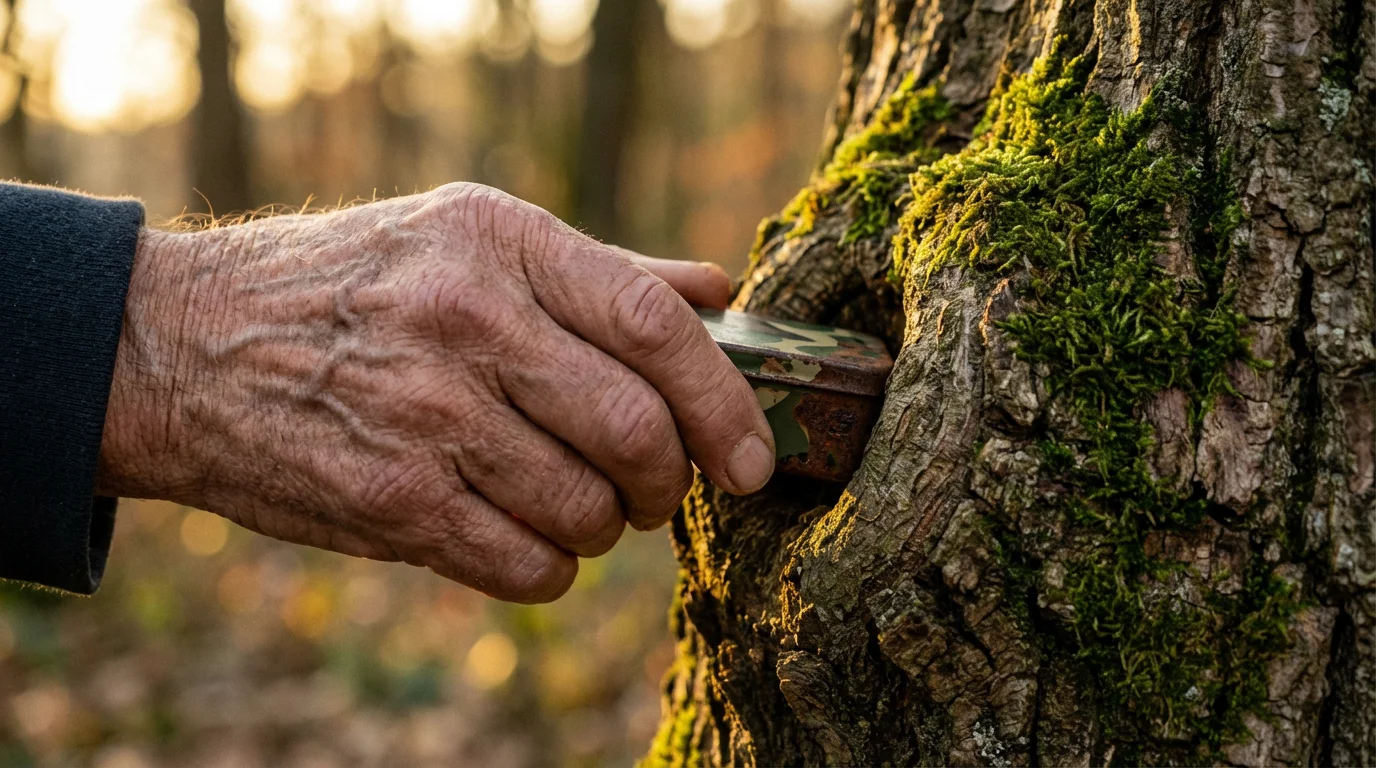
- Look for Camouflage: Many caches are designed to blend in. They might look like a rock, a pinecone, or a branch. Inspect anything that seems out of place or unnaturally placed, as these are often tell-tale signs.
- Be Stealthy: Pay attention to your surroundings. Avoid drawing attention to yourself while searching, especially in public areas. This prevents “Muggles” from discovering or disturbing the cache, preserving the game.
- Respect the Environment: Always practice Leave No Trace principles. Do not disturb flora or fauna, and always re-hide the cache exactly as you found it. This ensures the environment remains pristine and the cache stays in place for future finders.
Types of Geocaches You Might Encounter
The world of `geocaching` offers a diverse range of cache types, each presenting its own unique challenge and reward. As you gain experience, you might explore beyond the traditional caches, expanding your adventurous pursuits and discovering new ways to play.
Start with traditional caches to build confidence before venturing into more complex types. Each type provides a different experience, keeping the hobby fresh and exciting for years to come, offering endless opportunities for discovery.
| Cache Type | Description | Difficulty/Terrain | Ideal For Seniors |
|---|---|---|---|
| Traditional Cache | A physical container located at the given coordinates. These are the most common and often best for beginners, offering a straightforward treasure hunt. | Low to Moderate (1-3 D/T) | Excellent starting point. Straightforward navigation to a single physical location, minimizing complex steps. |
| Multi-Cache | Involves two or more locations. The first stage gives you clues to find the second, and so on, until the final cache. These offer an extended adventure. | Moderate to High (2-4 D/T) | Engaging puzzle, offers more walking and exploration. Choose those with reasonable distances between stages to manage your energy. |
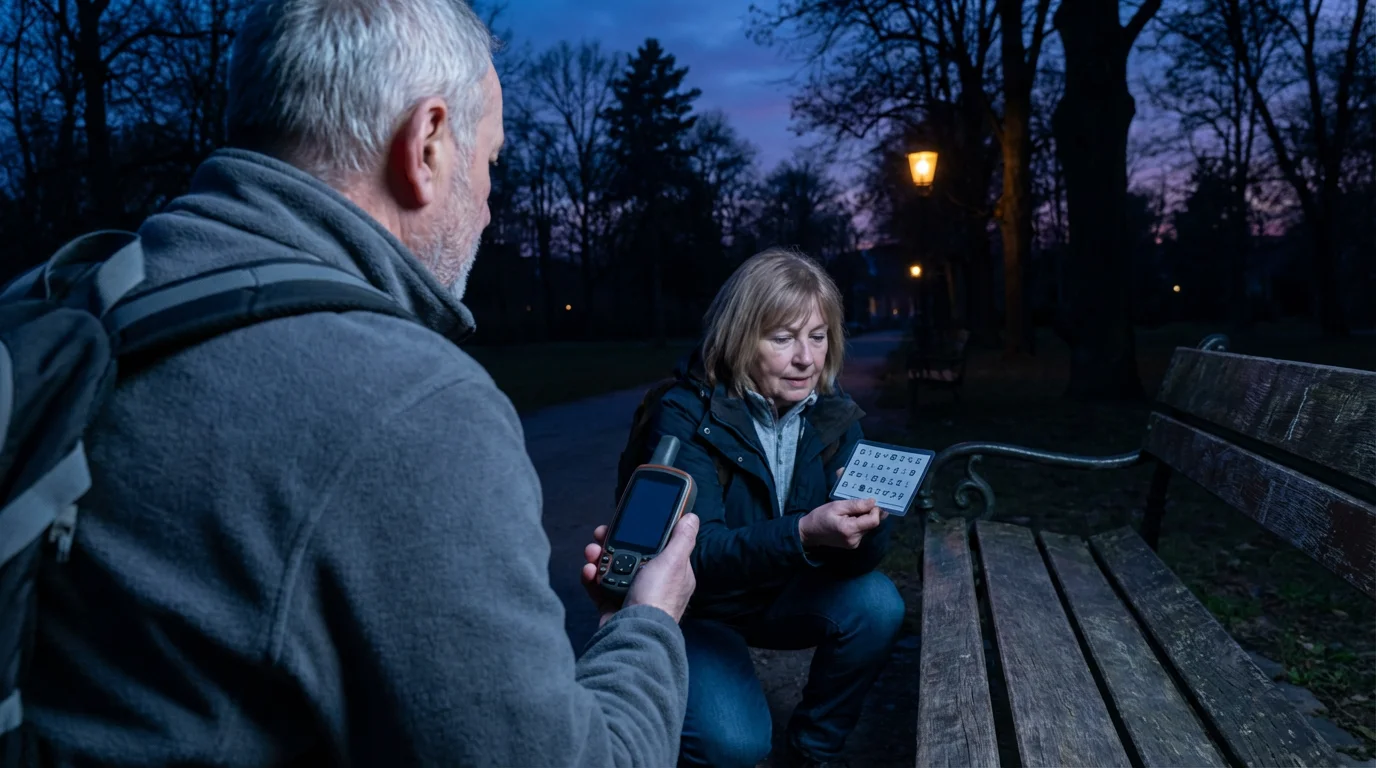
| Mystery/Puzzle Cache | The listed coordinates are not the actual cache location. You must solve a puzzle, question, or riddle to determine the true coordinates. These are great for mental exercise. | Moderate to High (2-5 D/T) | Great for mental exercise. Can often be solved from home before heading out, allowing you to plan your physical journey effectively. |
| EarthCache | A special type of cache that leads you to a unique geological feature. You answer educational questions about the site rather than finding a physical container. | Low to Moderate (1-3 D/T) | Educational and often scenic. Perfect for those who enjoy nature, learning about natural sciences, and visiting beautiful landscapes. |
| Letterbox Hybrid | Combines geocaching with letterboxing. You use clues to find a physical container that includes a stamp to imprint your personal logbook. | Low to Moderate (1-3 D/T) | Another good option for beginners, often with a creative, artistic element. You might bring your own stamp to leave your unique mark. |
Safety and Accessibility for Senior Geocachers
Your safety and comfort are paramount when embarking on any `outdoor game`. Geocaching is an activity that offers flexibility, allowing you to choose adventures that match your physical capabilities and preferences. Always prioritize well-being over finding a cache.
Before you head out, assess the weather, the terrain, and your own physical condition. Smart planning ensures a rewarding and safe `senior activity` every time you go geocaching, allowing you to enjoy the experience worry-free.
- Assess Terrain and Difficulty: Always check the cache’s terrain (T) and difficulty (D) ratings before you go. Choose caches with lower ratings (1-2) initially, which typically involve paved paths or flat, well-maintained trails suitable for most seniors.
- Share Your Plans: Inform a friend or family member about your geocaching route and expected return time. This is especially important if you are going solo or exploring a new area, providing an extra layer of security.
- Check Weather Conditions: Dress appropriately for the weather. Be prepared for sudden changes, carry rain gear if needed, and avoid geocaching during extreme temperatures or storms to prevent discomfort or danger.
- Stay Hydrated and Energized: Carry sufficient water and snacks. Dehydration and low blood sugar can quickly diminish your enjoyment and well-being, making you tired or disoriented.
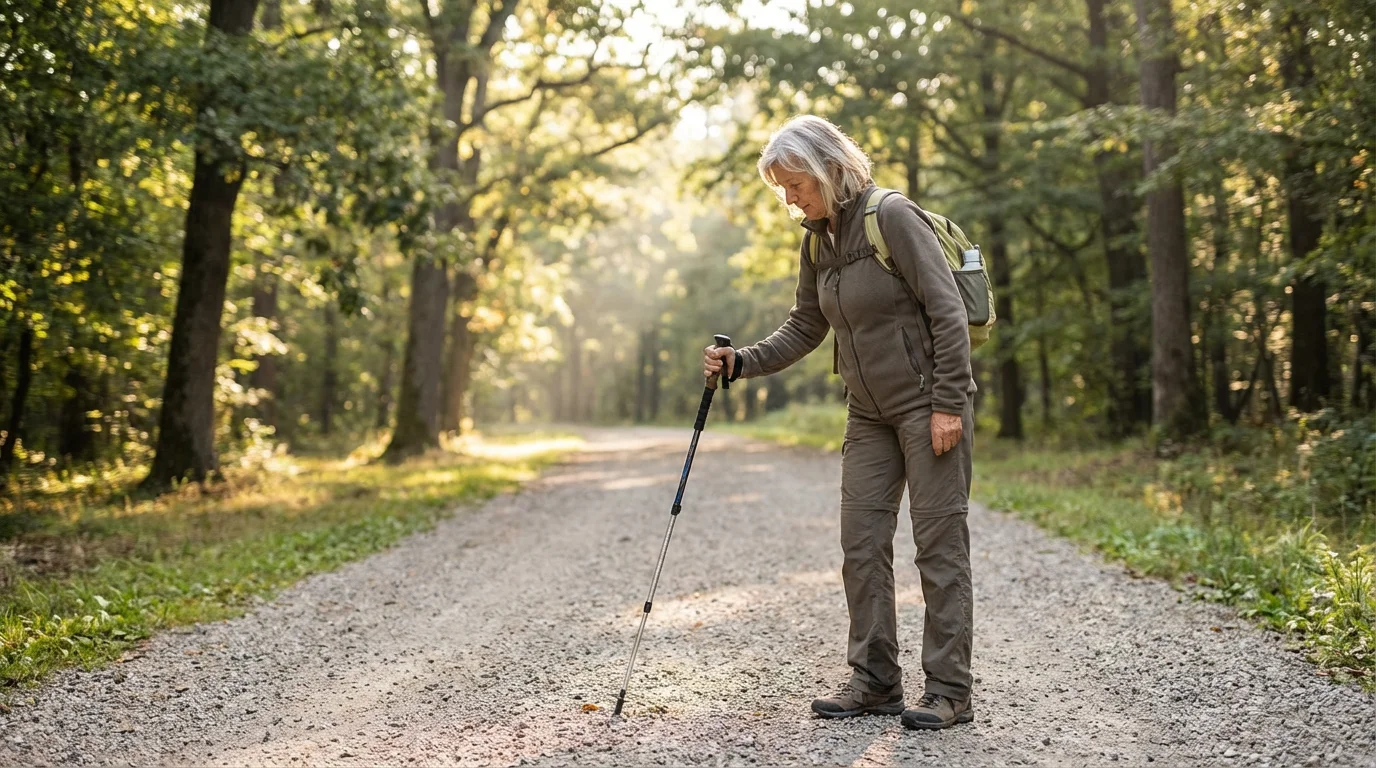
- Wear Appropriate Footwear: Sturdy, comfortable walking shoes with good grip prevent slips and falls. Consider hiking poles for added stability on uneven terrain, particularly if you have balance concerns.
- Be Aware of Your Surroundings: Watch for obstacles like roots, uneven ground, or slippery surfaces. Always be mindful of traffic, pedestrians, and natural hazards like poison ivy, ensuring your path is clear.
- Know Your Limits: Do not push yourself beyond your comfort zone. If a path seems too steep, slippery, or overgrown, turn back and find a more accessible cache. There is always another adventure waiting that suits your abilities.
- Emergency Preparedness: Carry a fully charged phone for emergencies. Consider carrying a small whistle to attract attention if needed. Program emergency contacts into your phone for quick access.
- Consult Health Professionals: If you have specific health concerns, consult your doctor before engaging in new physical activities. The CDC Travelers’ Health website offers general advice for staying healthy during travel and outdoor activities, which can be helpful. Learn more about safe travel practices at CDC Travelers’ Health.
“Adventure is worthwhile in itself.” — Amelia Earhart
Beyond the Find: Community and Continued Exploration
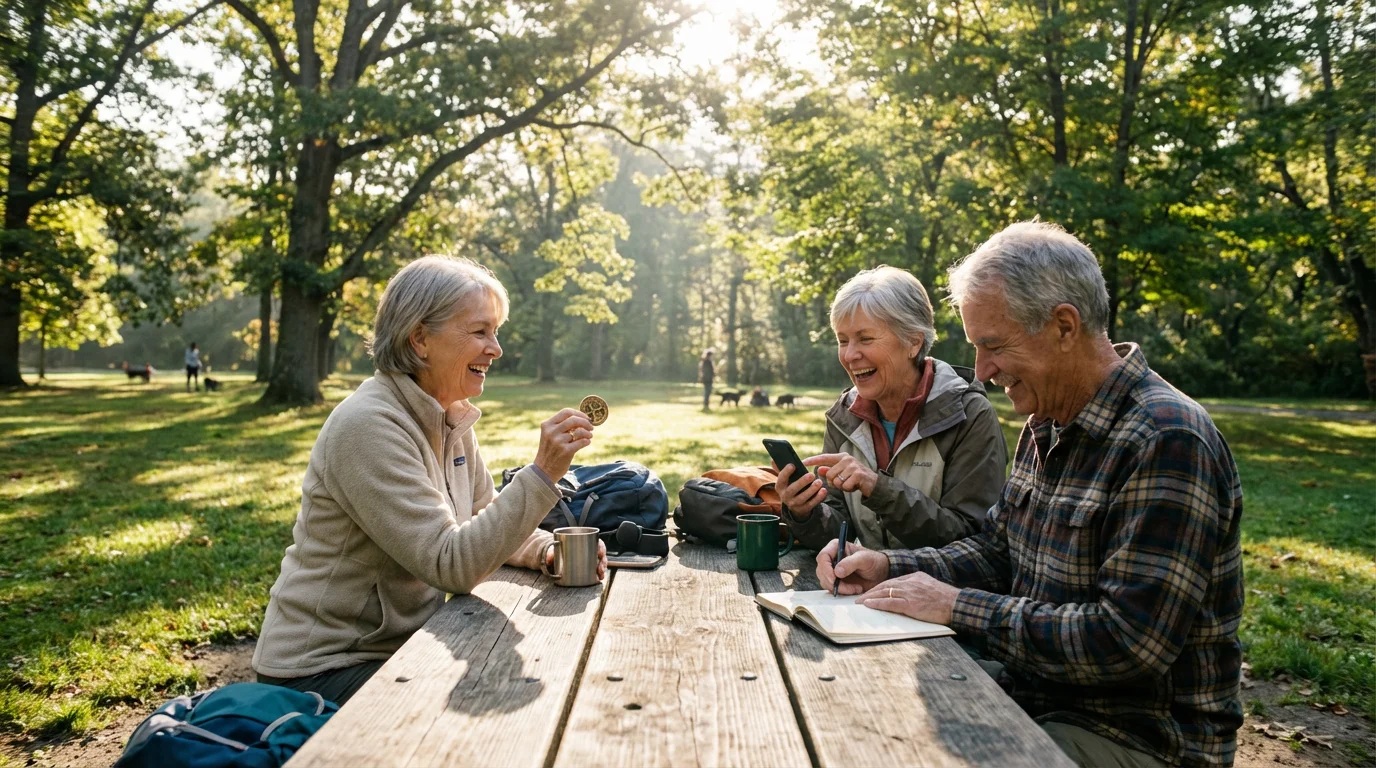
Geocaching is more than just finding containers; it is about joining a global community of explorers. The camaraderie among geocachers is a significant part of the experience, fostering connections and shared enthusiasm. Connecting with others enriches your adventures and provides new opportunities for discovery.
As you become more comfortable, you can explore advanced cache types, attend local events, or even hide your own caches. The `geocaching` journey offers endless possibilities for growth and continued engagement with the outdoors, keeping the hobby fresh and exciting.
- Attend Local Events: Many geocaching communities host events, from casual meet-and-greets to large-scale cache-finding expeditions. These gatherings are excellent for learning tips, sharing stories, and making new friends, building your network of fellow adventurers.
- Contribute to the Community: Write detailed log entries, provide helpful hints for challenging caches, and practice good cache maintenance. Your contributions enhance the experience for others, fostering a supportive environment.
- Hide Your Own Cache: Once you have found a good number of caches, consider hiding one yourself. This allows you to contribute to the game and share a special spot with fellow geocachers, adding to the global treasure map.
- Explore Different Locations: Take your geocaching hobby on the road. Many `senior-friendly travel destinations` have a wealth of caches, turning sightseeing into an interactive quest. You can find caches in National Parks, offering a unique way to explore these beautiful areas. Discover geocaching opportunities in National Parks through the National Park Service.
- Try Advanced Geocaching Tools: For serious enthusiasts, dedicated GPS devices offer enhanced accuracy and durability compared to smartphones. These can be particularly useful in remote areas without cellular service, ensuring reliable navigation.
- Explore National Forests: Many National Forests offer fantastic geocaching opportunities, allowing you to explore vast natural landscapes. Always check local guidelines for geocaching within these protected areas. Explore geocaching in National Forests with guidance from the National Forest Foundation.
Frequently Asked Questions
Is geocaching suitable for seniors with limited mobility?
Yes, geocaching offers varying difficulty and terrain ratings. You can filter caches to find those with low terrain ratings (e.g., T1), indicating wheelchair accessibility or paved, flat paths. Many urban caches are easily accessible, providing a gentle outdoor experience for those with limited mobility. Always check recent logs for specific accessibility comments to ensure the chosen cache meets your needs.
Do I need an internet connection to geocache?
You need an internet connection to download cache listings and maps initially. Once downloaded, many geocaching apps allow you to use offline maps and cache data, meaning you can navigate to caches without a live internet connection. This is particularly useful in remote areas where cellular service is spotty. Ensure you download maps for your intended area before heading out to avoid interruptions.
What should I do if I cannot find a geocache?
Do not get discouraged. Geocaching requires patience and keen observation. Re-read the cache description and hint for overlooked clues. Check recent logs for insights from previous finders. Expand your search radius around the coordinates, looking high and low, and checking camouflaged objects. If you still cannot find it, you can log a “Did Not Find” (DNF) entry, which helps the cache owner understand if their cache needs maintenance. There is always another cache to find!
Can I geocache in national parks or forests?
Absolutely, many national parks and forests embrace geocaching as a way to engage visitors. However, always check the specific rules and regulations of the park or forest you plan to visit. Some areas have designated geocaching policies to protect sensitive environments or historical sites. You can often find information on their official websites, such as the National Park Service or National Forest Foundation, for specific guidelines.
What is the difference between a traditional cache and a mystery cache?
A traditional cache is the simplest type, where the coordinates listed online are the exact location of the physical container. A mystery or puzzle cache requires you to solve a puzzle, answer a question, or complete a task to obtain the correct coordinates for the physical cache. Mystery caches challenge your mind before you even step outside, adding an extra layer of enjoyment for puzzle enthusiasts.
Is geocaching safe to do alone as a senior?
Geocaching can be a safe solo activity, provided you take precautions. Always inform someone of your plans, including your route and expected return time. Stick to well-trafficked areas and caches with lower terrain ratings when alone. Carry a fully charged phone, water, and a basic first-aid kit. Consider a personal safety alarm for added peace of mind. For wilderness areas or challenging terrain, geocaching with a partner or group is always recommended for enhanced safety.
Leave a Reply