
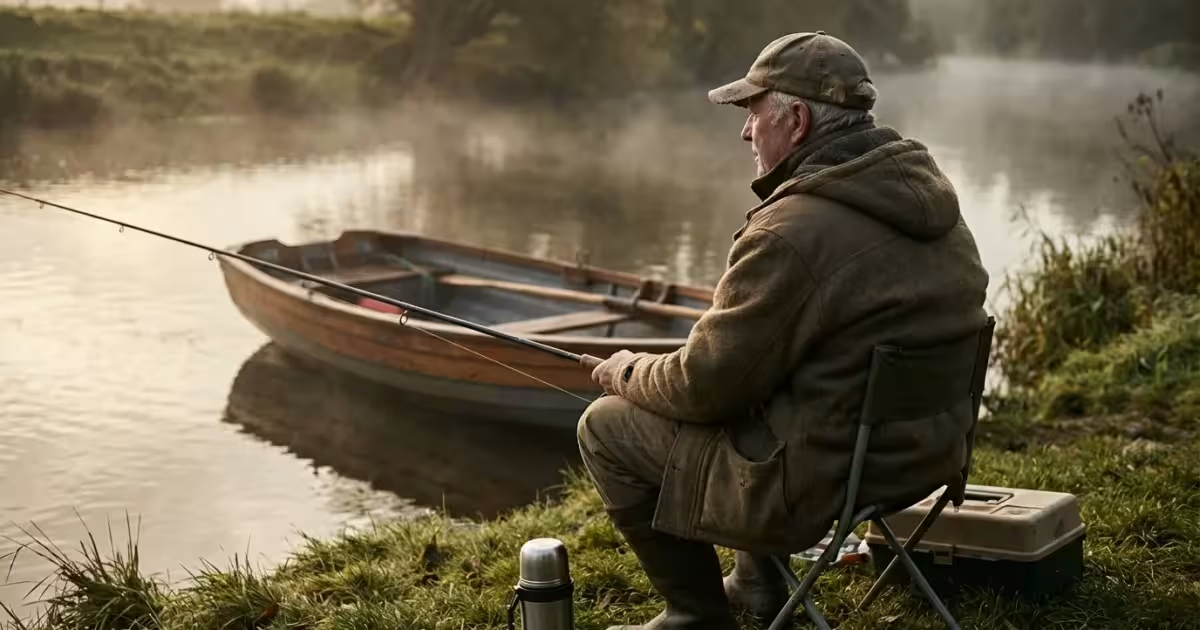
Embracing new adventures at any age brings profound rewards. Fishing offers a unique blend of tranquility, focus, and connection with nature, making it an ideal pursuit for seniors seeking relaxation and gentle activity. Whether you envision peaceful mornings by a calm lake or the quiet thrill of a riverbank, angling provides a pathway to discover new skills and forge lasting memories.
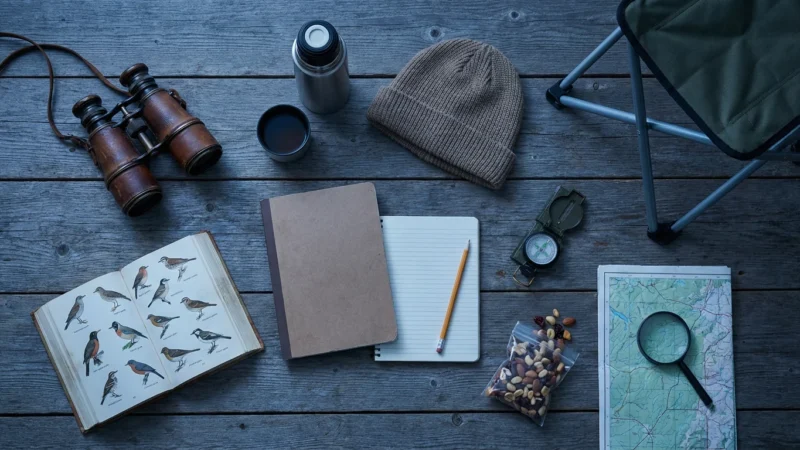
If you enjoy the quiet observation of nature, you might also find birdwatching for seniors to be a perfect companion hobby to your fishing trips.
You do not need prior experience or extensive gear to begin your fishing journey. This guide delivers practical advice and actionable steps, empowering you to cast your first line with confidence. Prepare to discover a rewarding pastime that enhances your well-being and opens doors to new outdoor experiences.
Table of Contents
- Why Fishing Appeals to Seniors
- Essential Gear for the Beginner
- Mastering the Basics: Casting and Baiting
- Finding Your Perfect Fishing Spot
- Safety and Comfort on the Water
- Responsible Angling Practices
- Beyond the Catch: The Community and Calm
- Frequently Asked Questions
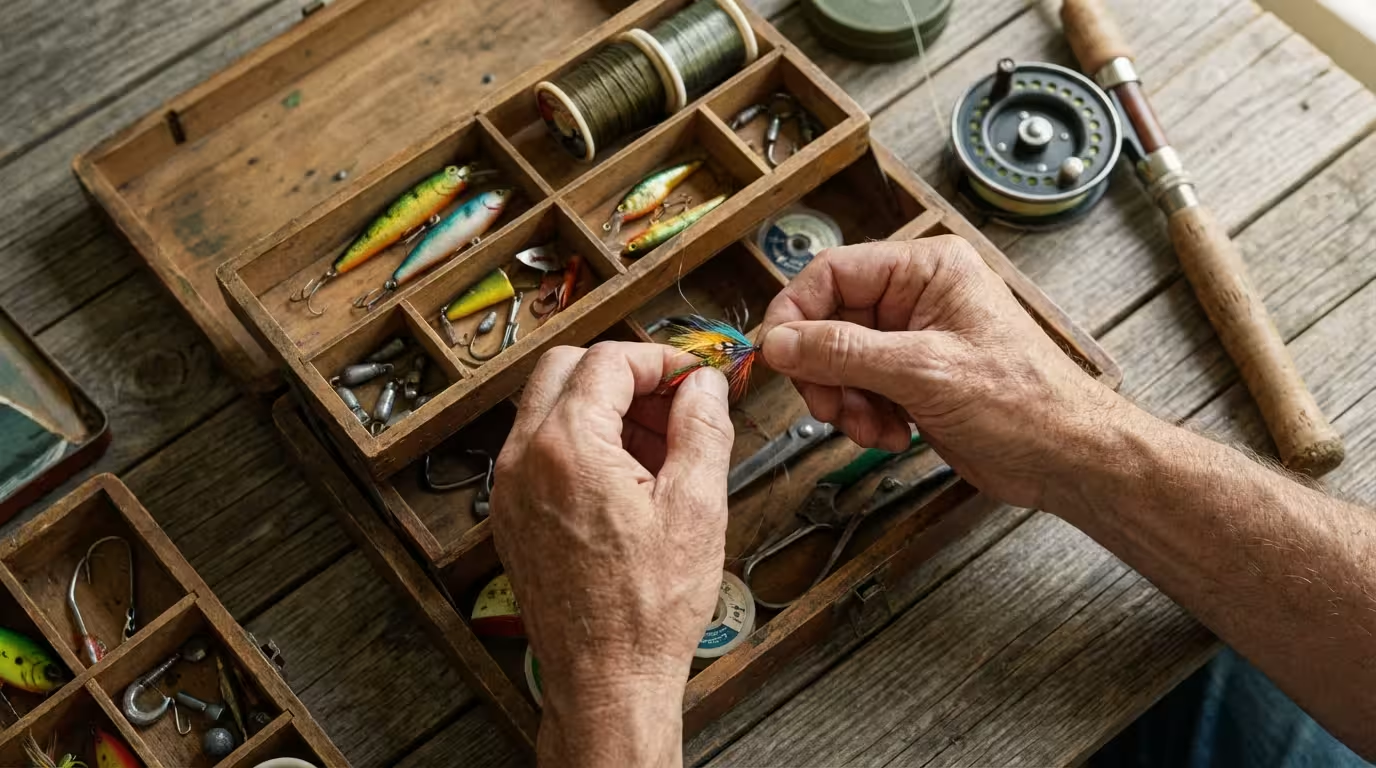
Why Fishing Appeals to Seniors
Fishing offers more than just the chance to catch dinner; it provides significant health and wellness benefits. Engaging in relaxing hobbies like fishing reduces stress, improves concentration, and offers a gentle form of exercise. The repetitive motion of casting and reeling, combined with the peaceful environment, calms your mind and invigorates your body.
To find a community to fish with, consider joining senior adventure clubs that organize group outings and local meetups.
Many seniors find joy in the mental stimulation fishing provides. It requires patience, problem-solving, and an understanding of natural environments. These cognitive challenges keep your mind sharp and engaged, offering a fulfilling counterpoint to the physical activity.
Connecting with nature is another powerful draw. Spending time outdoors, breathing fresh air, and observing wildlife enhances your mood and overall sense of well-being. This connection strengthens your appreciation for the natural world and offers a profound sense of peace. For those asking how to start fishing as a senior, recognize these immediate benefits as your motivation.
Essential Gear for the Beginner
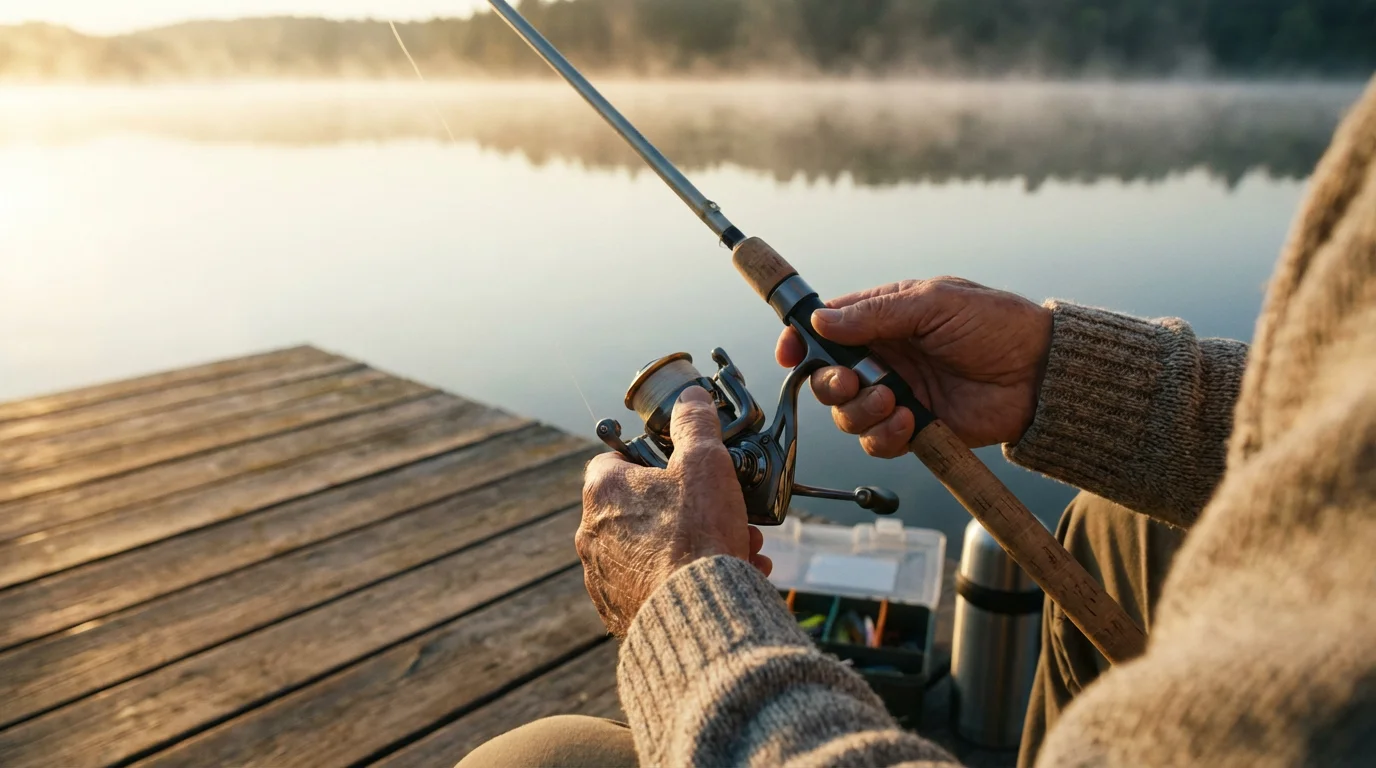
You do not need to invest heavily in specialized equipment to begin senior fishing. Start with simple, user-friendly gear that makes your initial experiences enjoyable and stress-free. Focus on comfort and ease of use over advanced features.
Choosing Your Rod and Reel
For beginners, a spinning rod and reel combination is your best choice. These setups are versatile, easy to cast, and suitable for catching a wide variety of fish. Look for a medium-light or medium action rod, typically 6 to 7 feet long, which offers good flexibility and control.
Many sporting goods stores sell pre-spooled combos, which simplify the selection process. Ensure the reel feels comfortable in your hand and operates smoothly. Practice holding and “casting” in the store to get a feel for different options.
Basic Tackle Box Essentials
Your tackle box does not need to be overflowing. Start with a few fundamental items that cover most beginner fishing scenarios. Keep it lightweight and organized for easy access.
- Hooks: Sizes 6-10 are good for panfish, bass, and trout.
- Sinkers/Weights: Assorted split-shot weights help your bait sink.
- Bobbers/Floats: Small, brightly colored bobbers indicate when a fish bites.
- Swivels: Prevents line twist.
- Pliers/Forceps: Essential for removing hooks safely from fish.
- Line Clippers: Small scissors or nail clippers work well for trimming line.
- Bait: Live worms, crickets, or commercially prepared dough baits are excellent for beginners.
Comfort and Safety Items
Beyond fishing gear, pack items that ensure your comfort and safety during your outing. Thoughtful preparation makes a significant difference in your enjoyment.
- Sunscreen and Hat: Protect yourself from harmful UV rays.
- Insect Repellent: Keep pesky bugs away, especially in humid or wooded areas.
- Water Bottle: Stay hydrated, even on cooler days.
- Snacks: Energy bars or fruit provide a quick boost.
- Portable Chair: A lightweight, foldable chair offers comfort during long waits.
- First-Aid Kit: For minor cuts, scrapes, or insect bites.
- Fishing License: Check your state’s regulations and purchase one before you go.
Mastering the Basics: Casting and Baiting
Learning how to cast and bait your hook are fundamental fishing tips. Practice these skills in your backyard before heading to the water to build confidence and muscle memory. Remember, everyone starts somewhere.
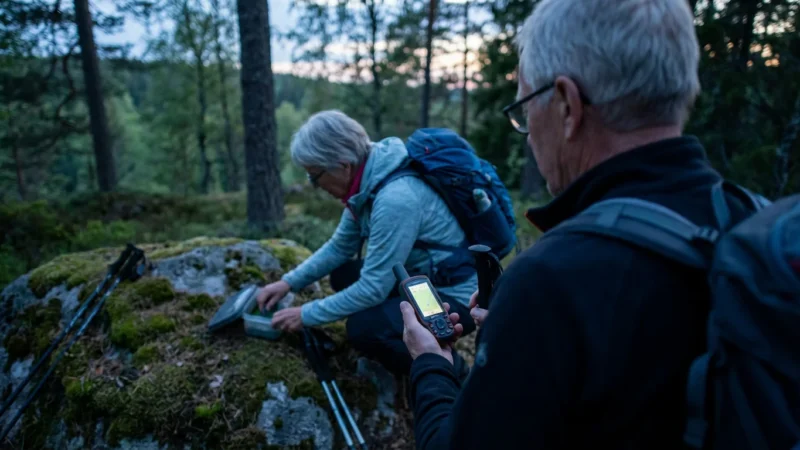
While waiting for a bite, you can also engage in other outdoor activities like geocaching for seniors, which combines technology with nature exploration.
How to Cast a Spinning Reel
- Hold the Rod: Grasp the rod handle with your dominant hand, placing your index finger above the reel stem.
- Open the Bail: Flip the bail arm open with your free hand.
- Grip the Line: Use your index finger to lightly hold the fishing line against the rod handle.
- Position for Cast: Turn your body to face your target. Hold the rod out in front of you, with the tip pointed slightly up.
- Backward Motion: Bring the rod smoothly back over your shoulder, stopping when the rod tip points behind you. This loads the rod with energy.
- Forward Cast: With a controlled, forward motion, sweep the rod tip towards your target.
- Release the Line: As the rod tip comes forward and just before it reaches your target, release your index finger from the line.
- Close the Bail: Once the lure or bait hits the water, flip the bail arm closed to prevent more line from spooling out.
- Retrieve: Begin reeling slowly, keeping tension on the line.
Baiting Your Hook
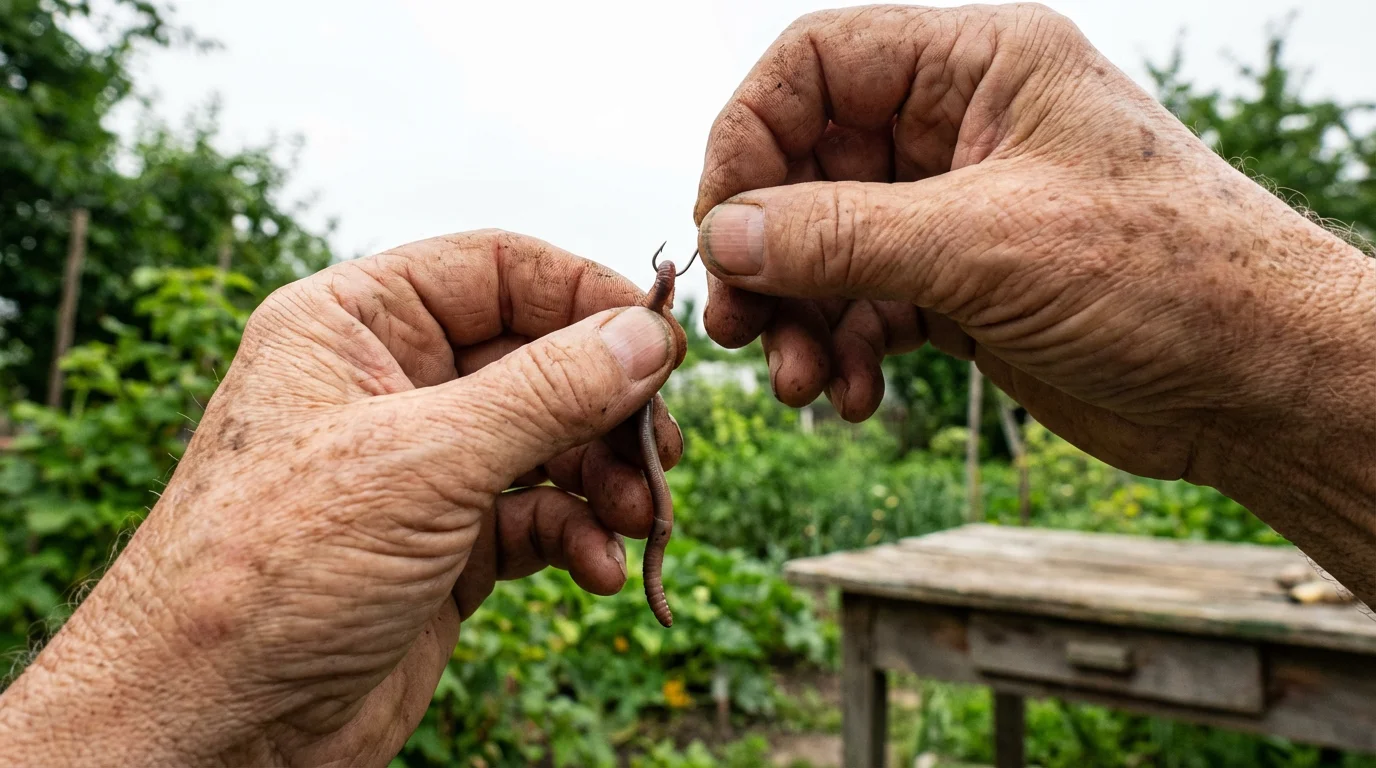
Baiting your hook correctly ensures your bait stays on and attracts fish. Different baits require slightly different approaches.
- Worms: Thread a live worm onto the hook, ensuring it covers the point and barb. You want some worm dangling for attraction.
- PowerBait (Dough Bait): Pinch off a small piece and mold it around the hook, completely covering the hook point. Form it into a ball or tear-drop shape.
- Minnows: Hook a live minnow through the back, just behind the dorsal fin, avoiding its spine, or through both lips from the bottom up.
Experiment with different baits to see what works best in your chosen location. Local bait shops can offer excellent advice on what fish are biting on.
Finding Your Perfect Fishing Spot
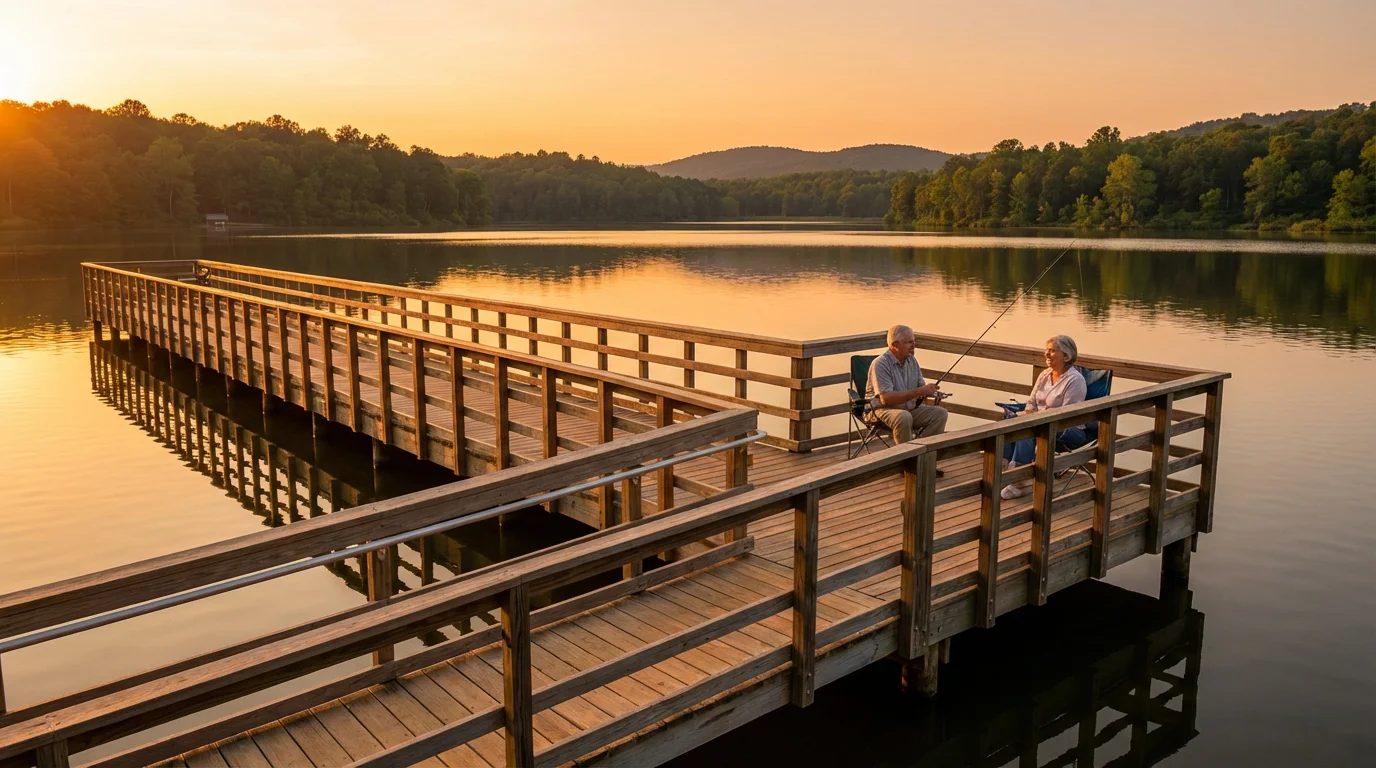
Discovering great fishing locations is part of the adventure. You want spots that are accessible, safe, and likely to yield a catch. What are the best fishing spots for seniors? Look for places that prioritize ease of access and comfortable surroundings.
For those looking to extend their stay by the water, senior-friendly camping is an excellent way to turn a day trip into a full weekend adventure.
Accessible Lakes and Ponds
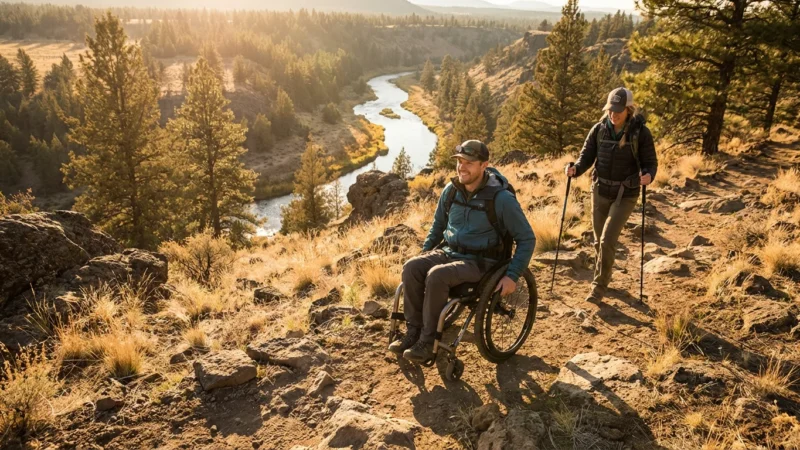
Many state and national parks feature lakes and ponds with designated fishing piers or accessible shorelines. These areas often have paved paths, restrooms, and picnic facilities. They provide a comfortable environment for extended stays.
- State Parks: Check your state’s park website for fishing opportunities and accessibility details.
- Local Community Ponds: Many towns maintain public ponds stocked with fish. These are often very senior-friendly.
- National Forests: The National Forest Foundation provides information on fishing in National Forests, which often includes serene, accessible lakes.
Rivers and Streams
Rivers and streams offer a different kind of fishing experience, often with a stronger current and different fish species. Look for stretches with calm eddies, slower currents, and stable banks.
- Designated Public Access Points: Many rivers have marked access points that are easier to navigate.
- Walk-in Access: For more adventurous anglers, some streams offer walk-in access, but ensure the terrain is manageable for you.
- Fishing Guides: Consider hiring a local fishing guide for your first river trip; they know the best spots and can teach you specific river techniques.
Safety and Comfort on the Water
Your safety and comfort are paramount for an enjoyable fishing experience. Prepare for varying conditions and always prioritize your well-being. Even for active aging through exploration, good preparation prevents common issues.
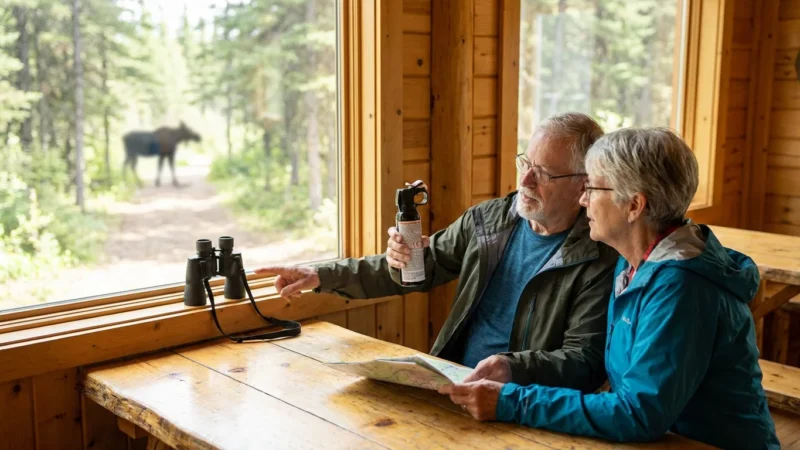
When fishing in more secluded areas, it is wise to be aware of wildlife safety tips to ensure your focus remains on the relaxation of the sport.
Staying Safe
- Know the Weather: Check the forecast before you go and be prepared for changes. Avoid fishing during storms or high winds.
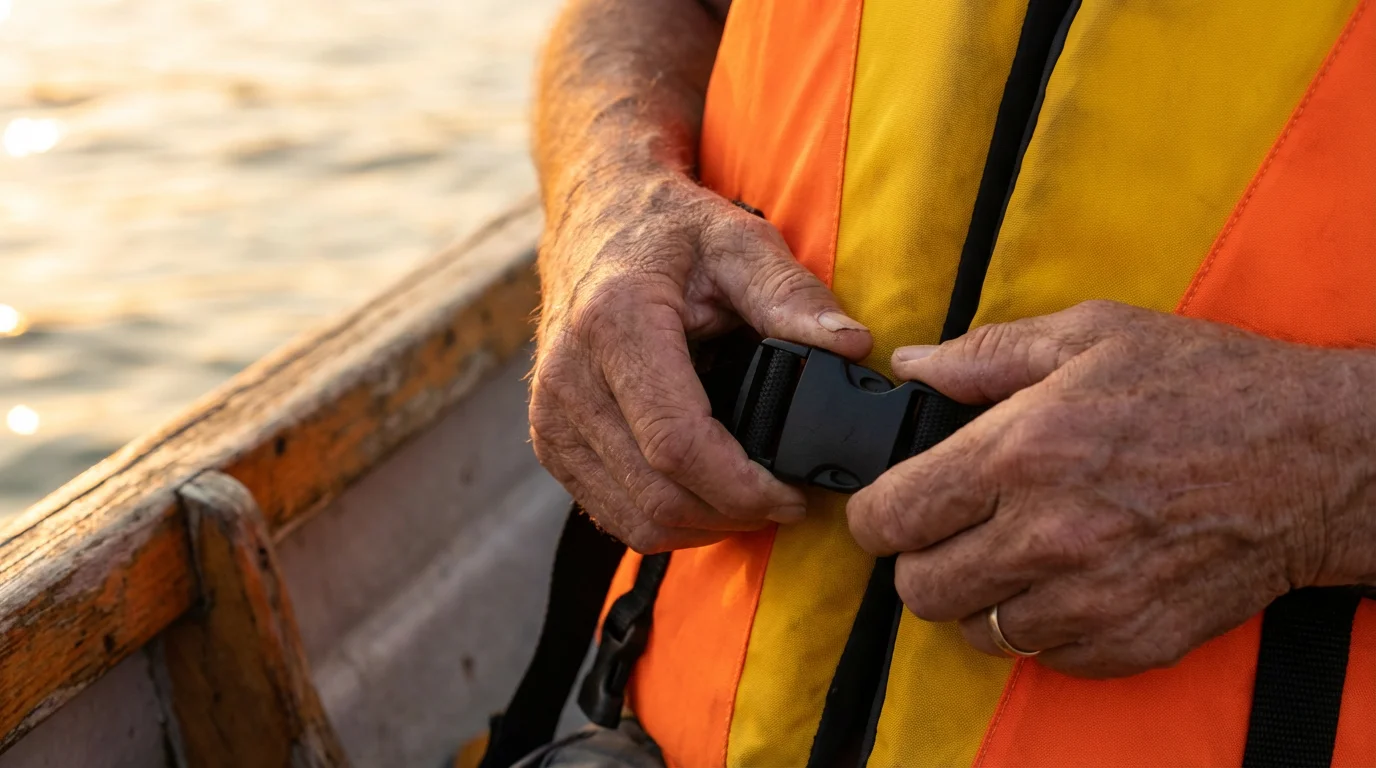
- Wear a Life Vest: If fishing from a boat or near deep, fast-moving water, always wear a properly fitted life vest.
- Inform Someone: Let a friend or family member know where you are going and when you expect to return.
- Avoid Slippery Surfaces: Be mindful of wet rocks, muddy banks, and slippery boat decks. Wear appropriate footwear with good grip.
- Carry a Phone: For emergencies, ensure your phone is charged and protected from water.
- Hydration: Dehydration can sneak up on you, even on cooler days. Drink water regularly.
Ensuring Comfort
Long hours spent fishing require comfort to sustain enjoyment. Small considerations make a big difference.
- Appropriate Clothing: Dress in layers to adapt to temperature changes. Wear breathable fabrics in warmer weather.
- Comfortable Seating: A portable chair or cushion makes waiting much more pleasant.
- Shade: Position yourself under natural shade or bring a small umbrella.
- Patience and Breaks: Take breaks to stretch, walk around, and rehydrate. Do not push yourself if you feel tired.
The charm of fishing is that it is the pursuit of what is elusive but attainable, a perpetual series of occasions for hope. — John Buchan
Responsible Angling Practices
As senior anglers, you play a crucial role in preserving our natural resources. Practicing responsible angling ensures healthy fish populations and pristine environments for future generations to enjoy. Embrace these simple guidelines every time you cast a line.
Catch and Release
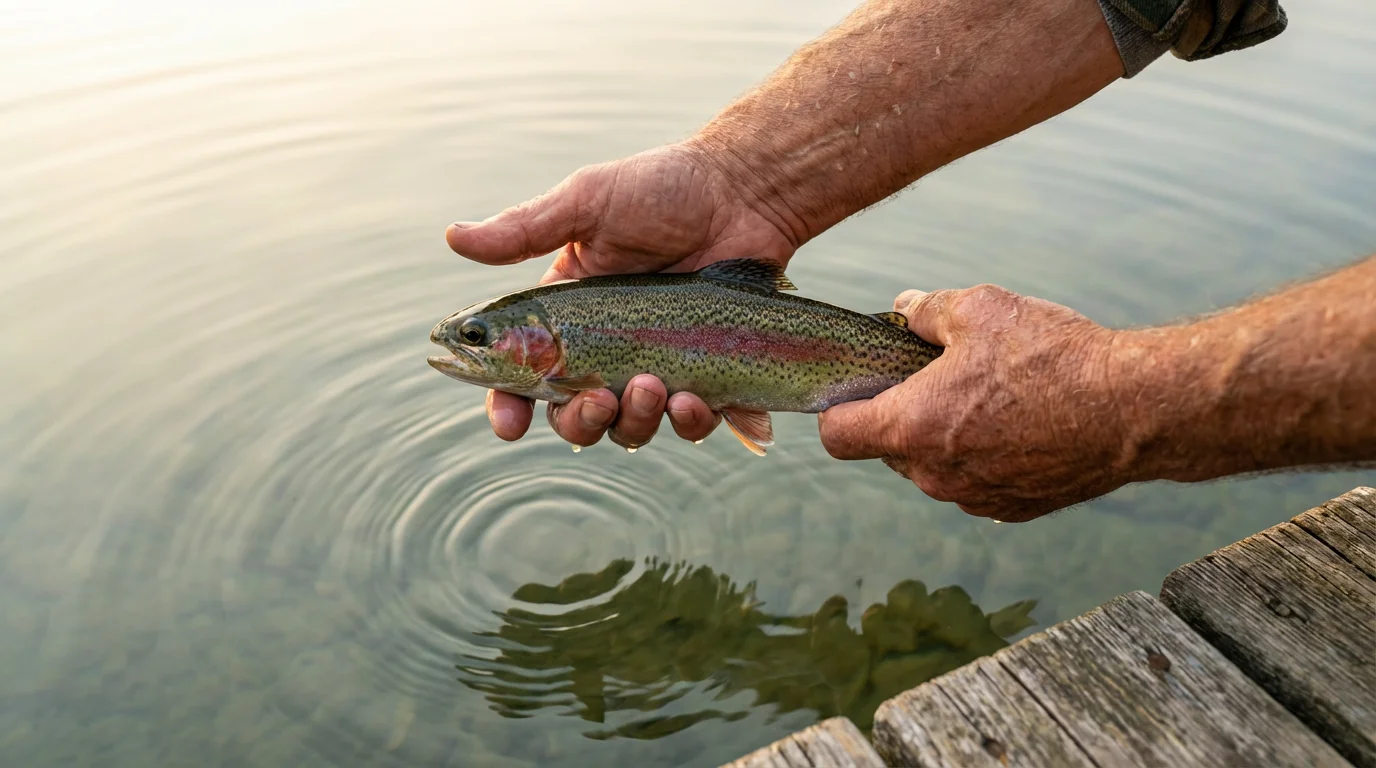
Consider practicing catch and release, especially for fish you do not intend to eat or those that are undersized or oversized according to local regulations. Handle fish gently, minimize their time out of water, and use a dehooking tool to remove hooks cleanly. Wet your hands before touching fish to protect their protective slime coat.
Leave No Trace
Pack out everything you pack in, including fishing line, bait containers, and any food wrappers. Do not litter. Dispose of fish waste properly, away from shorelines or high-traffic areas, to prevent attracting scavengers and maintain water quality. Leaving your spot cleaner than you found it contributes to a better experience for everyone.
Respect Wildlife and Regulations
Observe local fishing regulations regarding catch limits, size restrictions, and fishing seasons. These rules help manage fish populations sustainably. Respect wildlife by maintaining a safe distance and avoiding disturbance. Understanding the local ecosystem enriches your fishing experience and promotes conservation.
Beyond the Catch: The Community and Calm
Fishing offers immense personal satisfaction, but it also opens doors to a vibrant community and profound moments of peace. Embrace these aspects to enrich your experience further.
Joining the Angling Community
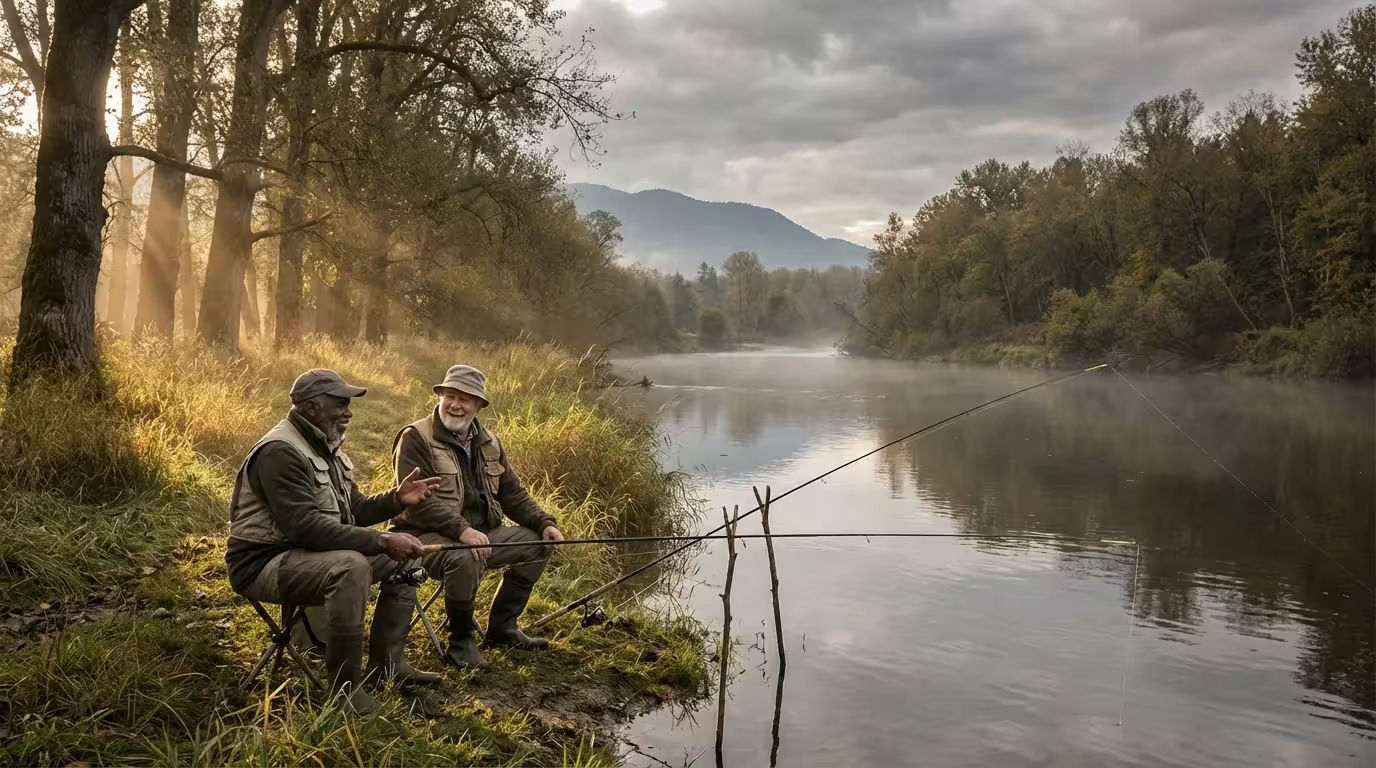
Connect with other anglers at local fishing spots, bait shops, or through online forums. Sharing stories, tips, and experiences enhances your enjoyment and provides valuable learning opportunities. You might find a new fishing buddy or discover hidden gems of local knowledge. Many groups offer group tours and guided adventures focused on fishing, perfect for making new connections.
The Therapeutic Power of Water
The gentle rhythm of water, the rustle of leaves, and the calls of birds create a natural symphony that soothes the soul. Fishing provides an opportunity for mindful presence, allowing you to disconnect from daily worries and immerse yourself in the moment. This connection to nature revitalizes your spirit and promotes mental clarity.
Embrace the journey, the quiet anticipation, and the thrill of the catch. Fishing is a lifelong adventure that continuously offers new lessons and peaceful moments. You are ready to explore the serene world of angling, one cast at a time.
Frequently Asked Questions
What is the easiest type of fish for seniors to catch?
Panfish such as bluegill, crappie, and sunfish are excellent for beginners. They are abundant, relatively easy to catch, and often found in accessible waters like ponds and small lakes. Trout are also a popular choice in stocked areas.
Do I need a fishing license?
Yes, almost all states require a valid fishing license for anyone aged 16 and older. Check your state’s specific regulations and purchase your license online or at a local bait and tackle shop before you go fishing. Some states offer reduced rates for seniors.
What kind of bait should a beginner use?
Live worms (nightcrawlers or red wigglers) are incredibly effective and widely available. Other good options include crickets, minnows, or commercially prepared dough baits like PowerBait, especially for trout. Consult local bait shops for recommendations based on the fish in your area.
Is fishing a good exercise for seniors?
Fishing provides a gentle form of physical activity. It involves walking to fishing spots, casting, reeling, and standing, which contributes to light aerobic exercise and improved balance. The mental focus required also offers significant cognitive benefits, making it a holistic activity for active aging.
How can I find accessible fishing spots?
Look for state and local parks that feature designated fishing piers, paved access to shorelines, and accessible restrooms. Websites for your state’s fish and wildlife department or parks and recreation often highlight ADA-compliant fishing locations. Local bait shops are also a great resource for accessible, productive spots.
Disclaimer: This article is for informational purposes only. Travel conditions, accessibility, and requirements change frequently. We encourage readers to verify current information with official sources before traveling. Always consult with healthcare providers about travel considerations for your specific health situation.


Leave a Reply