

The open road beckons, promising unparalleled freedom and discovery. For many active seniors, an RV road trip represents the ultimate adventure, offering comfort, flexibility, and a direct connection to America’s stunning landscapes. Imagine waking up to a new view each day, having all your essentials right at hand, and crafting an itinerary that perfectly suits your pace. This dream is entirely within your reach, and meticulous preparation ensures every mile is a joyous experience.
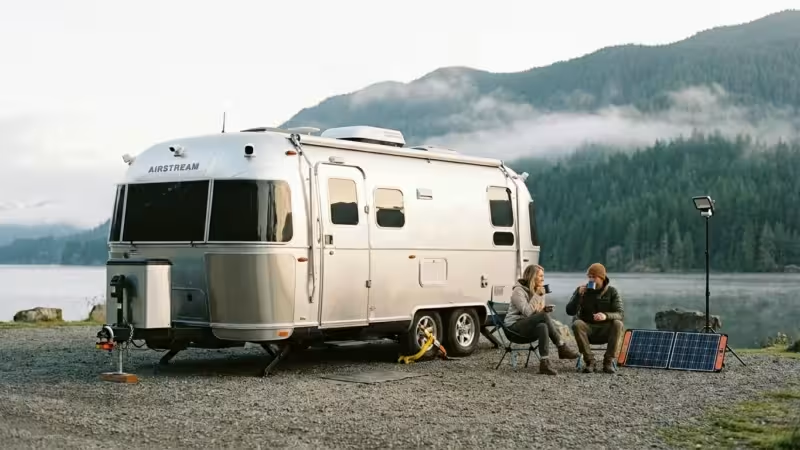
This dream is entirely within your reach, and camping comfortably is the reward for meticulous preparation.
Embarking on an RV journey requires a thoughtful approach, particularly for senior travelers. A well-prepared RV is your key to a stress-free and memorable adventure. This comprehensive guide provides an essential RV checklist, designed to cover every detail from vehicle maintenance to personal comfort, ensuring you are ready for whatever the road brings. By proactively addressing these items, you can focus on the beauty of your surroundings and the joy of exploration.
Table of Contents
- The Freedom of the Open Road for Seniors
- Phase 1: Pre-Trip RV Inspection and Maintenance
- Phase 2: Essential Documents and Digital Preparedness
- Phase 3: Stocking Your RV Kitchen and Pantry
- Phase 4: Comfort and Personal Essentials
- Phase 5: Tools, Safety, and Outdoor Gear
- Phase 6: Health and Wellness on the Road
- Phase 7: Before You Hit the Road: Final Checks
- Navigating the Road Ahead: Embracing the Journey
- Frequently Asked Questions
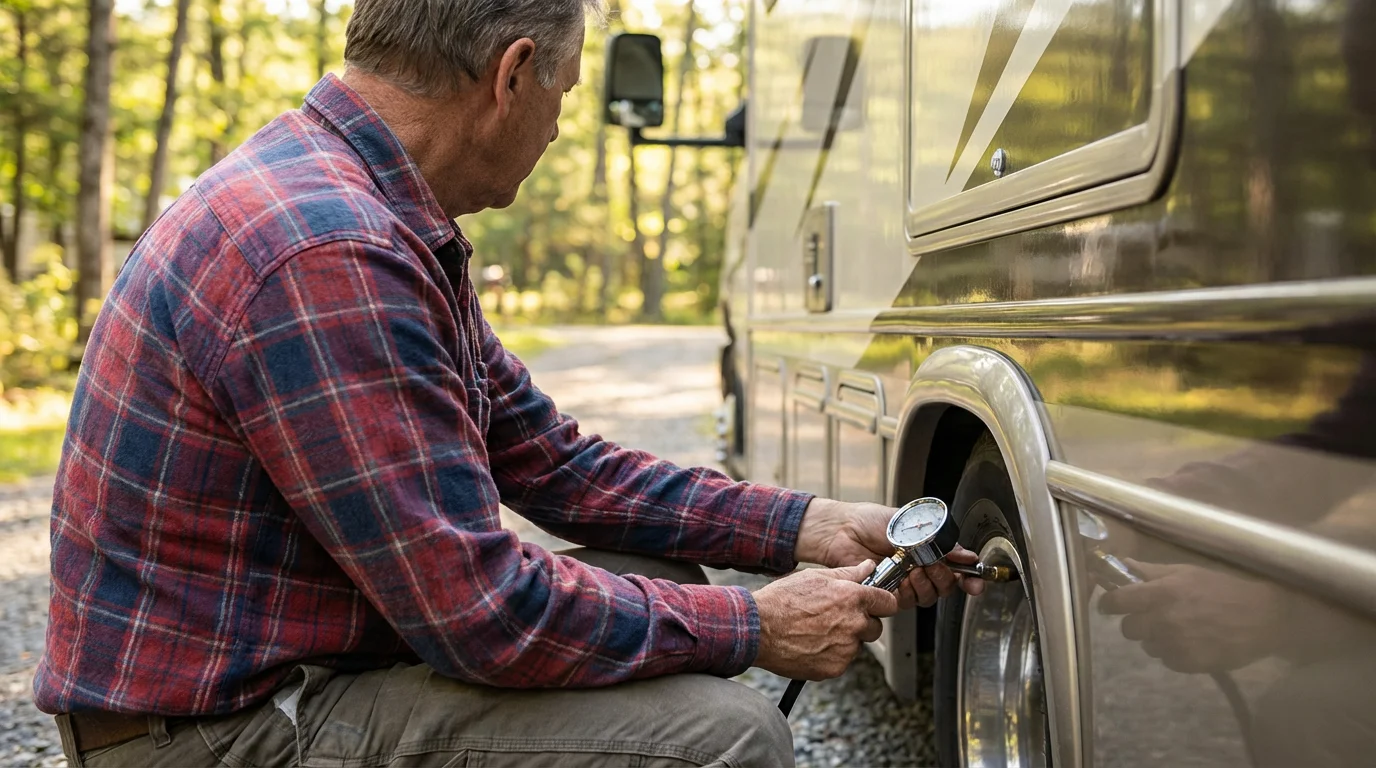
The Freedom of the Open Road for Seniors
RV travel offers an unparalleled blend of adventure and convenience for senior travelers. You set your own schedule, change plans on a whim, and bring the comforts of home wherever you go. This flexibility makes a road trip an ideal way to explore new destinations or revisit beloved spots at your own pace. Data from the RV Industry Association consistently shows that RV ownership is growing, with a significant portion of owners being 55 and older, highlighting its appeal for active aging through exploration.
You might also consider planning a scenic road trip through Maine to experience the stunning Atlantic coastline.
If you are looking for destination ideas, explore these amazing US road trips that are ideal for senior travelers.
The ability to travel with your own bed, your favorite snacks, and all necessary medications simplifies the journey considerably. You avoid the hassles of airport security, hotel bookings, and restaurant searches, gaining more time to immerse yourself in the natural beauty and cultural richness of your destinations. A well-planned RV adventure truly elevates your senior travel experience, turning every road into an opportunity for discovery.
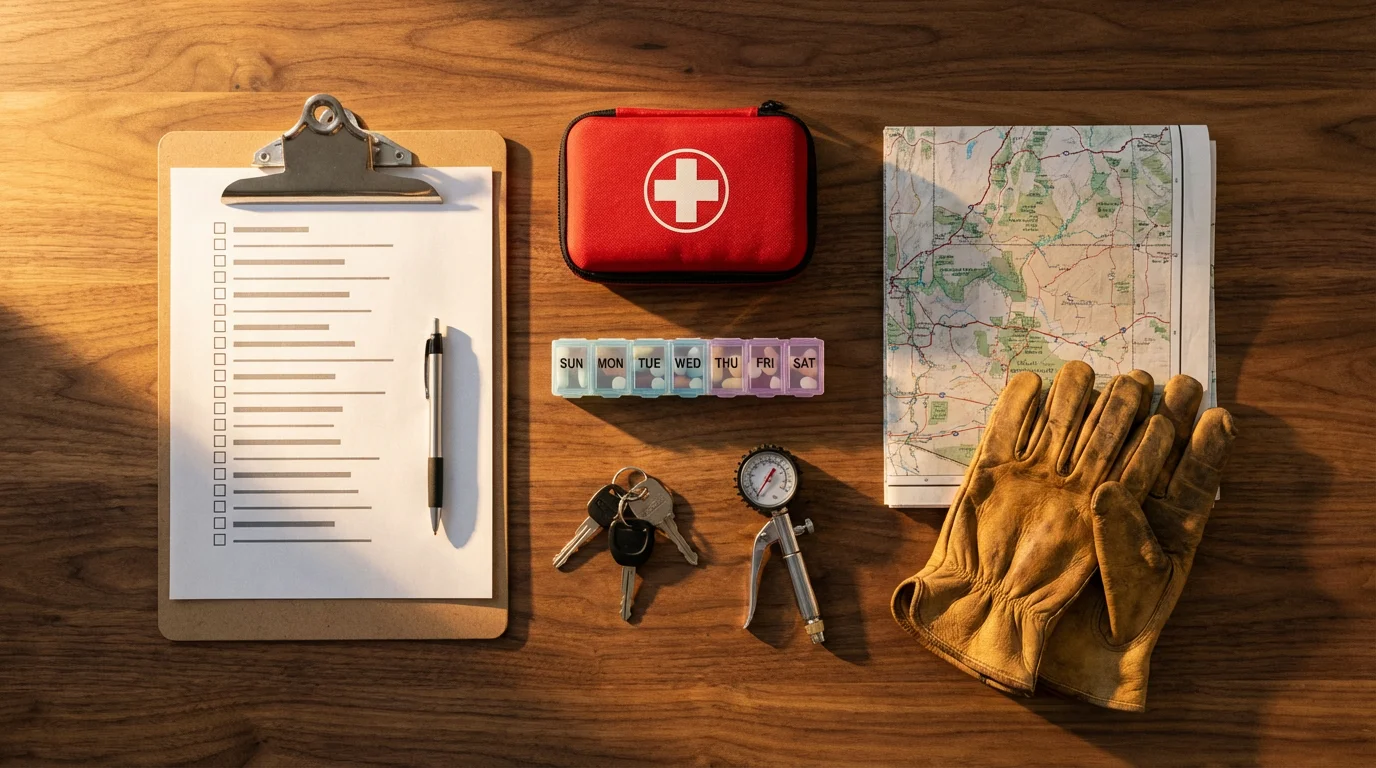
Phase 1: Pre-Trip RV Inspection and Maintenance
Before any senior travel adventure begins, a thorough RV inspection and maintenance check are paramount. This proactive step ensures your vehicle is mechanically sound and safe for extended travel, preventing breakdowns and enhancing your peace of mind. Even if your RV seems fine, a detailed review of all systems is a critical part of how to prepare RV for trip.
Once your safety checks are complete, you’ll be ready to tackle challenging environments like Arizona’s desert landscapes.
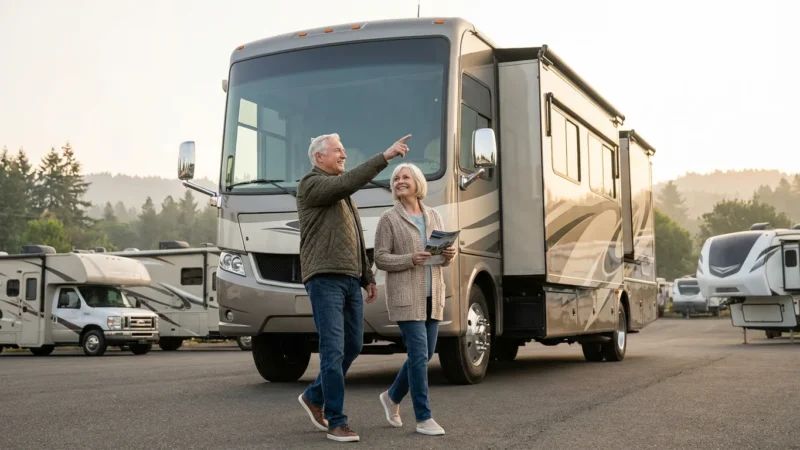
Meticulous preparation begins with choosing the right RV for your specific lifestyle and comfort needs.
Consider scheduling a professional RV service appointment several weeks before your departure date. This allows time for any necessary repairs or parts orders. For those comfortable with DIY, follow this comprehensive checklist to ensure your RV is road-trip ready.
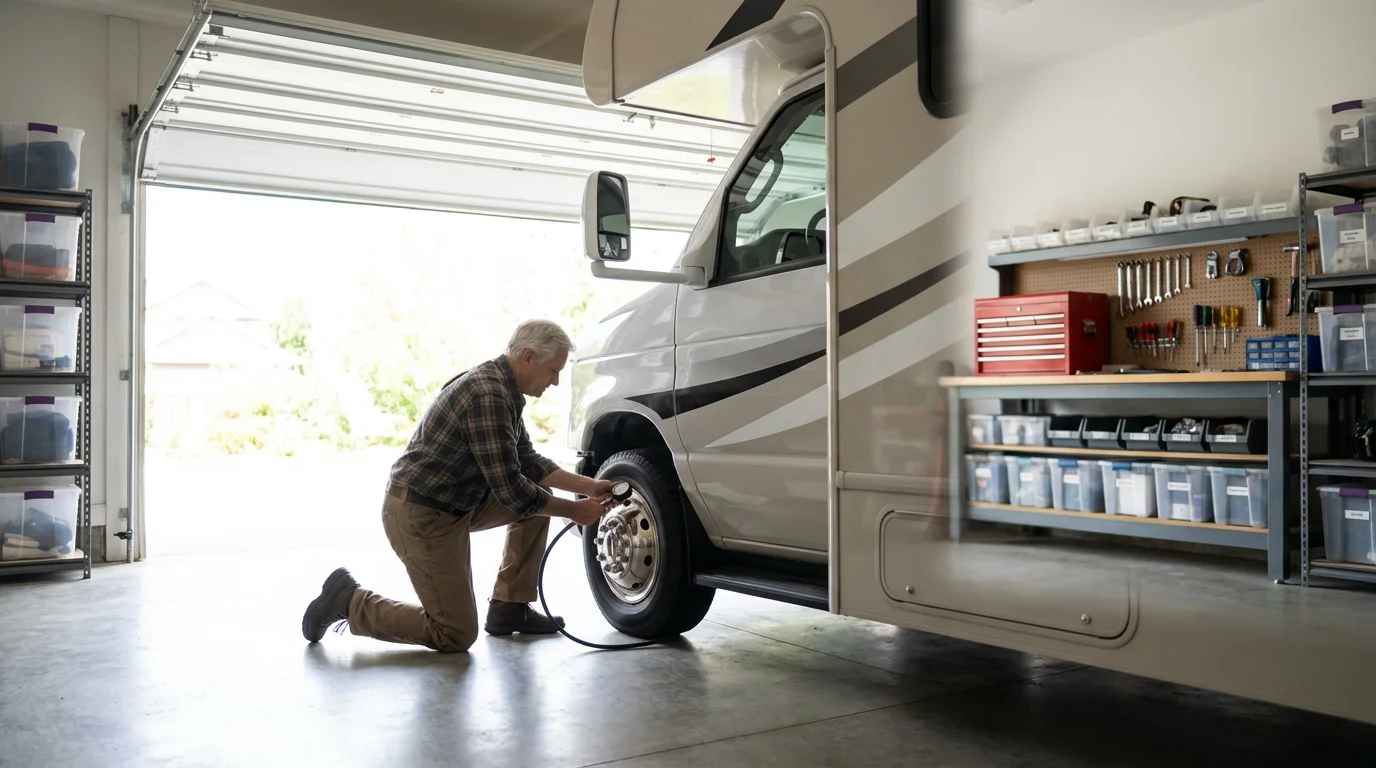
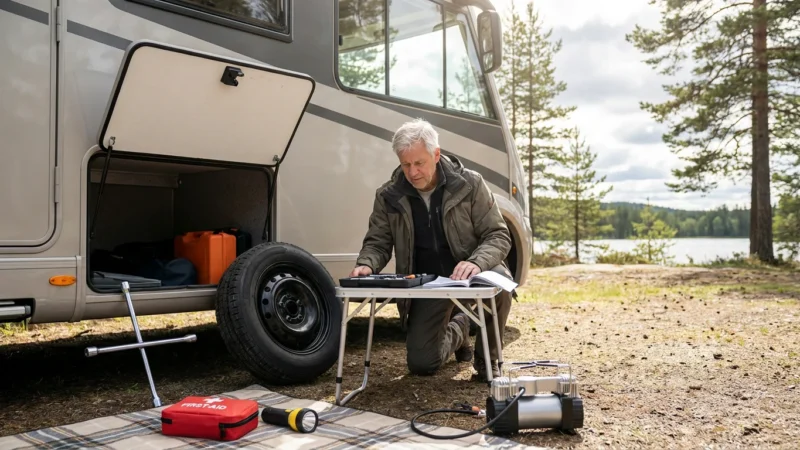
- Tires: Check tire pressure, including the spare, to manufacturer specifications. Inspect for signs of wear, cracks, or bulges. Rotate tires if needed.
- Fluid Levels: Verify engine oil, coolant, brake fluid, power steering fluid, and windshield washer fluid are at appropriate levels.
- Brakes: Test brake function and listen for any unusual noises. Inspect brake pads and rotors if you have the expertise, or have a professional do so.
- Lights and Signals: Confirm all exterior and interior lights work, including headlights, tail lights, brake lights, turn signals, and marker lights.
- Battery: Clean battery terminals, check water levels in wet-cell batteries, and ensure cables are secure. Test battery charge.
- Engine Belts and Hoses: Look for cracks, fraying, or leaks. Replace any worn components.
- Wipers: Ensure wiper blades are in good condition for clear visibility in all weather.
- Generator: Start and run your generator for 15-20 minutes to ensure it functions correctly. Check oil levels.
- Propane System: Inspect all connections for leaks. Test carbon monoxide and propane detectors. Ensure tanks are full.
- Plumbing System: Check for leaks in all water lines, connections, and faucets. Sanitize your fresh water tank. Empty and flush gray and black water tanks.
- Electrical System: Test all outlets, lights, and appliances. Inspect shore power cord for damage.
- Appliances: Run the refrigerator, stove, oven, microwave, and air conditioning/heater to confirm they operate efficiently.
- Roof and Seals: Inspect the RV roof for cracks or damage to seals around vents, skylights, and seams. Water leaks can cause significant damage.
- Safety Equipment: Ensure your fire extinguisher is charged and accessible. Test smoke and carbon monoxide detectors. Keep a basic tool kit on board.
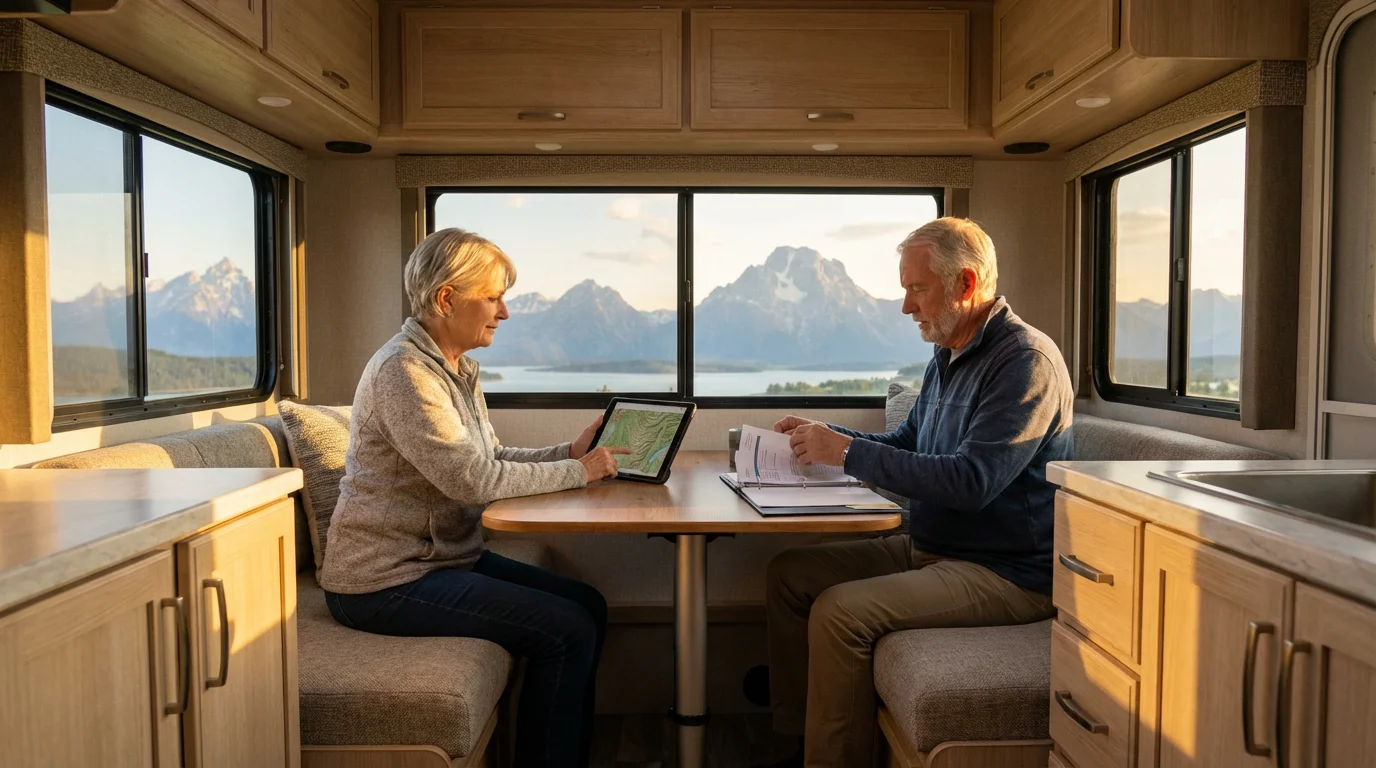
Phase 2: Essential Documents and Digital Preparedness
Being prepared with the right documents and digital tools is as crucial as preparing your RV. This part of your RV checklist ensures you have quick access to vital information and stay connected while on your road trip. Having these items organized minimizes stress in unexpected situations.
Staying organized with your paperwork also helps you track expenses and maintain an affordable travel budget.
Beyond traditional parks, many seniors enjoy the solitude of boondocking in more remote locations.
- Driver’s License and RV Registration: Keep these current and easily accessible.
- Insurance Documents: Carry proof of RV insurance and health insurance cards. Understand your coverage for medical emergencies and roadside assistance.
- RV Manuals: Digital or physical copies for quick troubleshooting of appliances and systems.
- Medical Information: A list of current medications, dosages, allergies, and emergency contact numbers. Consider carrying a doctor’s note for prescription medications, especially if crossing international borders. The CDC Travelers’ Health site offers helpful advice for health preparedness.
- Emergency Contacts: Keep a physical list of family, friends, and doctors.
- Roadside Assistance Membership: Renew your membership or sign up for a service like AAA or Good Sam. This is invaluable for senior travel.
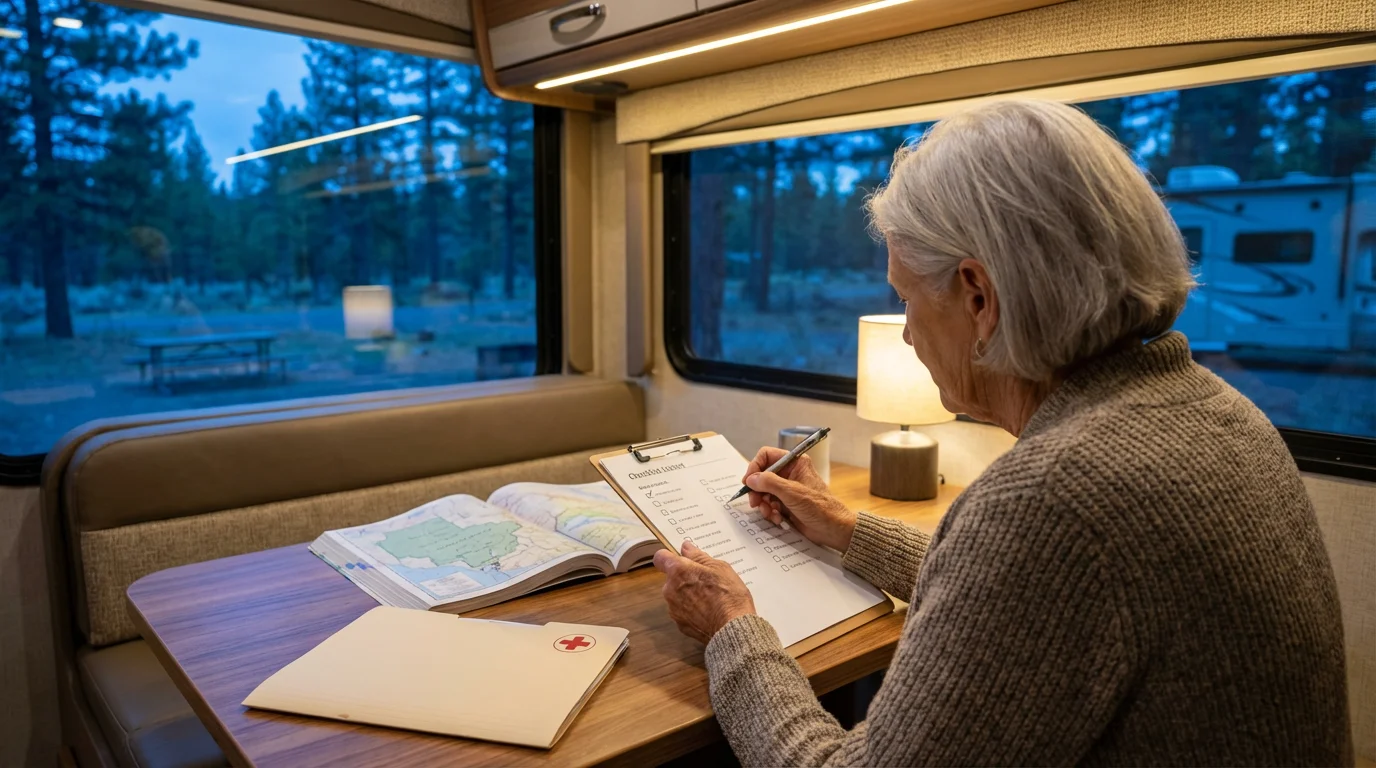
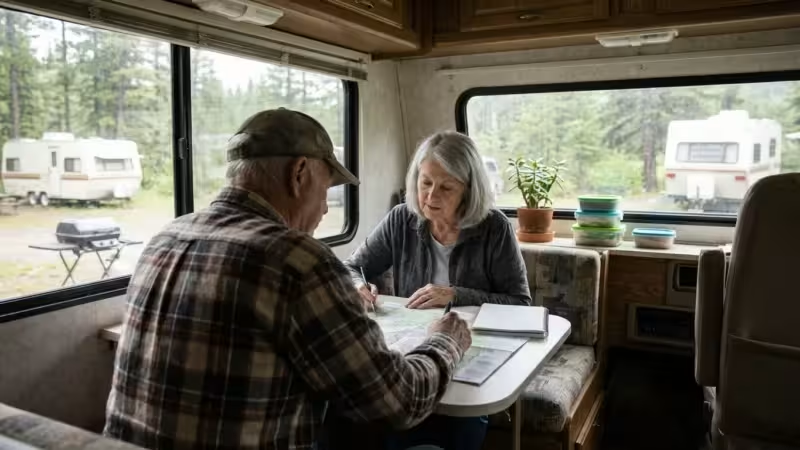
- Maps and GPS: While digital navigation is great, always have physical maps as a backup in areas with no signal. Download offline maps to your phone or tablet.
- RV Park Memberships: Have membership cards for Passport America, KOA, or other discount clubs readily available.
- Digital Devices: Fully charge phones, tablets, and laptops. Pack all necessary chargers and power banks.
- Cloud Backups: Ensure important documents, photos, and contacts are backed up to a cloud service.
- Communication Plan: Discuss a check-in schedule with family and friends, especially if traveling to remote areas.
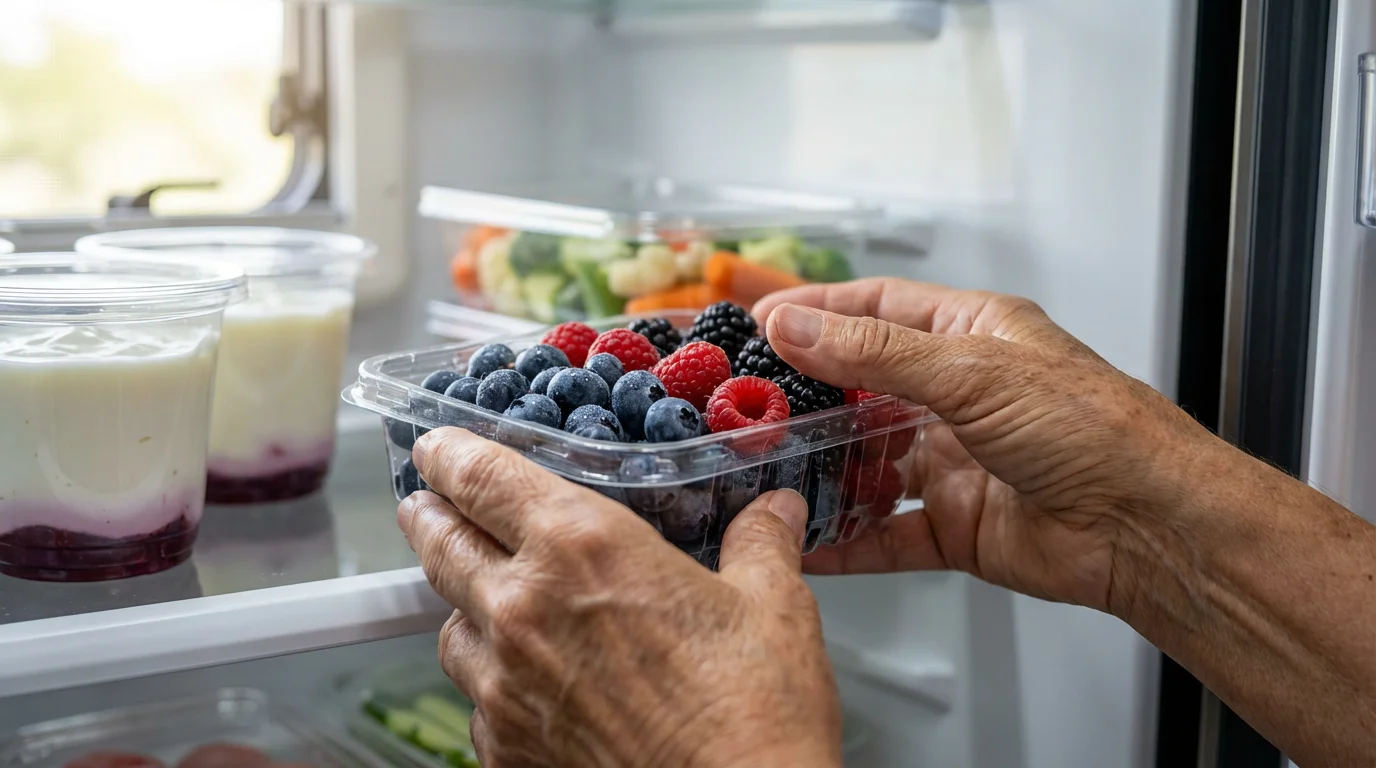
Phase 3: Stocking Your RV Kitchen and Pantry
One of the great joys of RV road trips is the ability to prepare your own meals, saving money and catering to your dietary preferences. A well-stocked RV kitchen minimizes grocery stops and ensures you have nutritious options available, an important aspect of senior travel health. This “what to pack for RV” section focuses on culinary essentials.
Effective meal planning is a top strategy for those seeking budget-friendly adventure vacations during retirement.
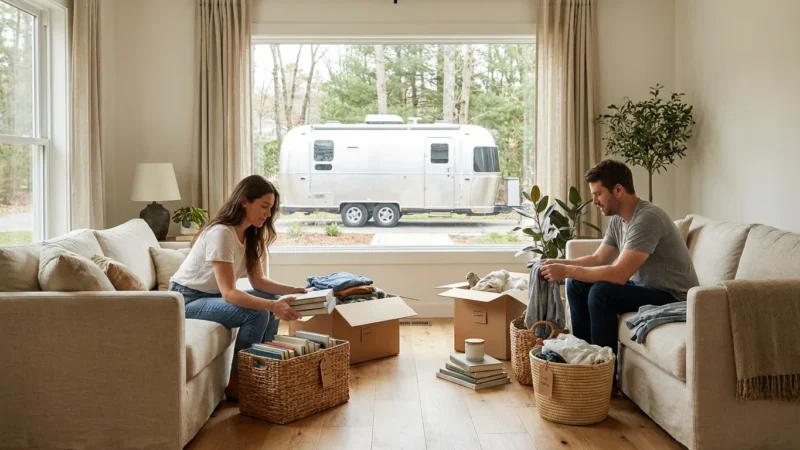
Once you have selected your vehicle, decluttering for RV life is an essential step to maximize your living space.
- Non-Perishable Foods:
- Canned goods: beans, soups, vegetables, fruit.
- Pasta, rice, quinoa.
- Oatmeal, cereals.
- Coffee, tea, powdered milk.
- Healthy snacks: nuts, dried fruit, granola bars.
- Spices, oils, vinegar, salt, pepper.
- Fresh Produce: Start with non-perishables like apples, oranges, onions, potatoes, and garlic. Add leafy greens and perishable fruits as you travel.
- Cooking Essentials:
- Pots, pans, baking sheet.
- Utensils: spatula, ladle, tongs, can opener, bottle opener, corkscrew.
- Plates, bowls, cups, mugs (consider durable, lightweight options).
- Cutlery.
- Cutting board.
- Food storage containers or resealable bags.
- Dish soap, sponges, dish towels.
- Paper towels.
- Beverages: Water bottles, juice, your favorite drinks. Consider a water filter pitcher or portable filtration system.
- Trash Bags: Keep a supply for easy waste disposal.
- Small Appliances: Coffee maker, toaster, blender (if desired and space allows).

Phase 4: Comfort and Personal Essentials
Your RV is your home on wheels, and packing personal essentials ensures comfort, hygiene, and enjoyment throughout your journey. This critical part of your RV checklist addresses everything from clothing to entertainment, making sure you feel at home wherever you park. Always prioritize medications and comfort items for senior travel.
Prioritizing your physical needs is vital, especially when looking for accessible travel options that accommodate mobility challenges.
To make your mobile home even more functional, consider some accessibility modifications tailored for senior comfort.
- Clothing:
- Layers for varying temperatures: breathable fabrics, fleeces, waterproof jacket.
- Comfortable shoes for driving, walking, and hiking.
- Swimsuit if visiting lakes, beaches, or pools.
- Sleepwear.
- Enough underwear and socks for the trip length, or plan for laundry stops.
- Toiletries and Personal Care:
- Toothbrush, toothpaste, dental floss.
- Shampoo, conditioner, soap.
- Moisturizer, sunscreen, insect repellent.
- Prescription eyeglasses/contacts and solution, plus a spare pair.
- Over-the-counter pain relievers, antacids, allergy medication.
- Feminine hygiene products, razors, nail clippers.
- Hand sanitizer and wipes.
- Medications:
- All prescription medications in their original containers, with extra supply for unexpected delays.
- Medical alert bracelet if applicable.
- Daily vitamins and supplements.
- First-aid kit: bandages, antiseptic wipes, pain relievers, adhesive tape, gauze, burn cream.
- Bedding and Linens:
- Sheets, blankets, pillows for all beds.
- Bath towels, hand towels, washcloths.
- Entertainment and Hobbies:
- Books, e-readers.
- Magazines, puzzles, board games, playing cards.
- Art supplies, craft projects, or knitting materials.
- Camera and accessories for capturing memories.
- Headphones for quiet enjoyment.
- Eyewear: Sunglasses for driving and outdoor activities.
Phase 5: Tools, Safety, and Outdoor Gear
Preparedness extends beyond your personal items to include practical tools and safety equipment. This section of your RV checklist ensures you can handle minor issues and fully enjoy outdoor activities. Having these items on hand dramatically improves your ability to manage common road trip challenges.
- Basic Tool Kit: Screwdrivers (flathead and Phillips), wrenches, pliers, duct tape, electrical tape, zip ties.
- Tire Pressure Gauge: Essential for maintaining proper tire inflation and safety.
- Jumper Cables: For unexpected battery issues.
- Emergency Roadside Kit: Reflective triangles or flares, flashlight (with extra batteries), work gloves.
- Leveling Blocks and Wheel Chocks: Critical for stable and safe parking.
- Water Hose and Pressure Regulator: For filling your freshwater tank safely.
- Sewer Hose and Fittings: For proper waste disposal.
- Electrical Adapters: For different shore power connections (30 amp to 50 amp, 15 amp household).
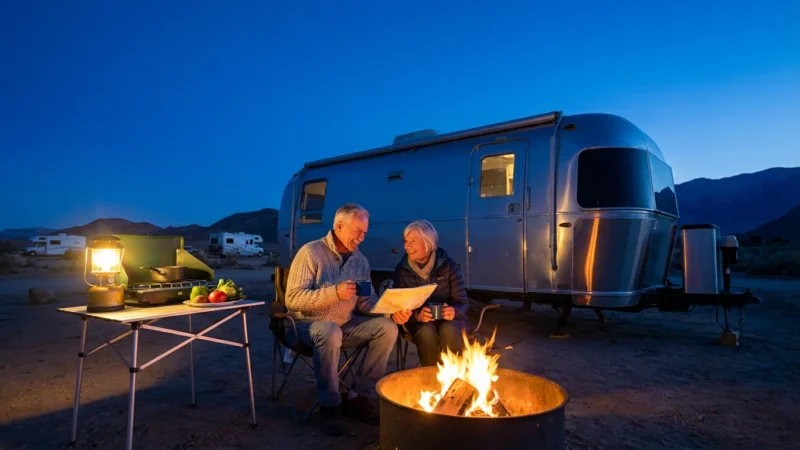
- Outdoor Chairs and Table: For comfortable campsite living.
- Portable Grill or Campfire Grate: For outdoor cooking enjoyment.
- Lanterns or Headlamps: For evening activities and emergencies.
- Binoculars: For wildlife viewing and scenic observation.
- Backpacks/Daypacks: For hikes and day trips from your RV.
- Sunshade/Awning: For protection from sun and rain.
- Navigation Devices: Handheld GPS for hiking, or a marine GPS for boating activities, if applicable.
Phase 6: Health and Wellness on the Road
Maintaining your health and wellness is a top priority for senior travel. Proactive planning helps ensure your road trip remains enjoyable and safe. This section focuses on specific considerations for your well-being while embracing the RV lifestyle. For general travel health advice, the CDC Travelers’ Health website is an excellent resource.
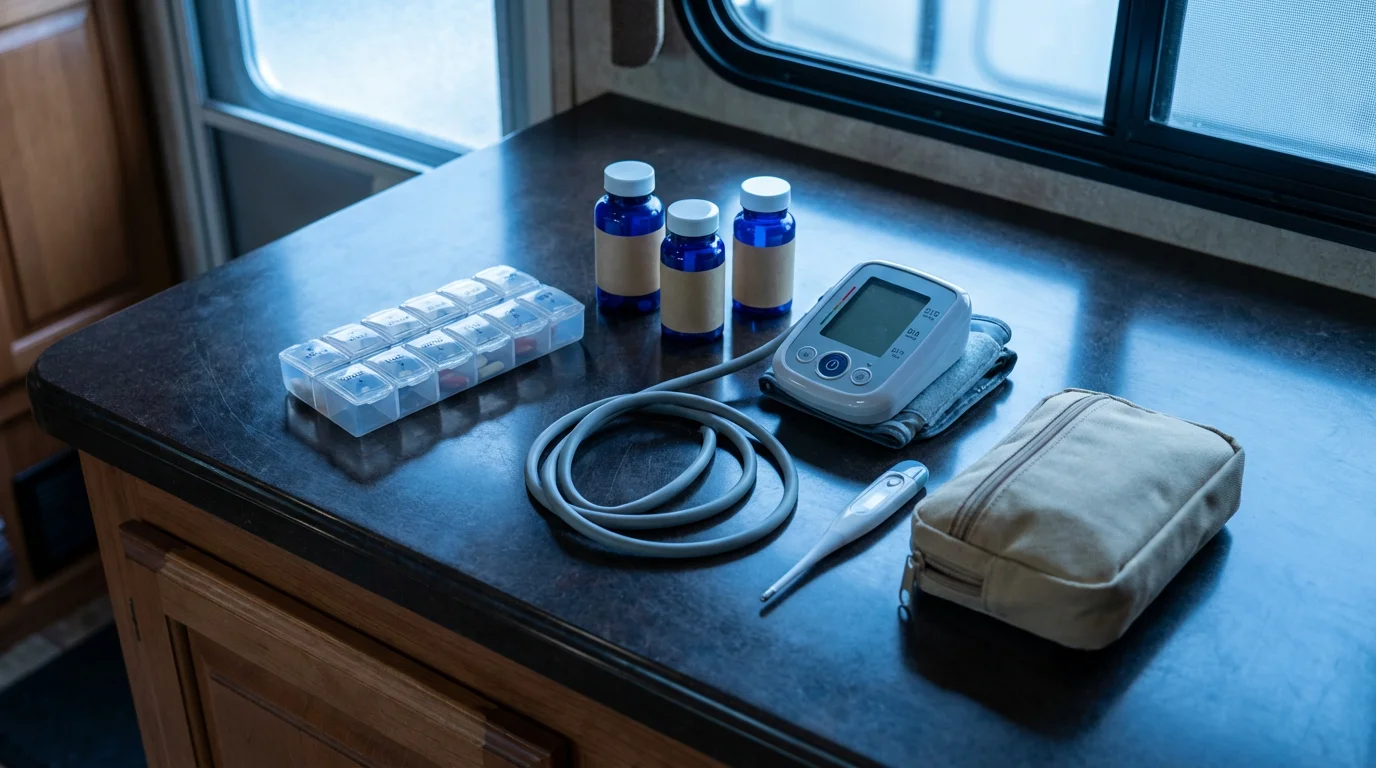
- Medication Management:
- Organize medications in a daily pill organizer.
- Keep a detailed list of all medications, dosages, and prescribing doctors.
- Carry enough medication for your entire trip plus a few extra days.
- Store medications properly, avoiding extreme temperatures.
- Staying Hydrated: Drink plenty of water, especially in warm climates or at higher altitudes. Carry reusable water bottles.
- Nutrition: Plan healthy meals and snacks. Limit processed foods and excessive sugar. Utilize fresh produce available at local markets.
- Physical Activity:
- Incorporate regular walks or light hikes at your destinations.
- Stretch regularly, especially on long driving days.
- Look for RV parks with fitness facilities or nearby walking trails.
- Sleep Hygiene: Maintain a consistent sleep schedule as much as possible. Ensure your RV sleeping area is comfortable and dark.
- Emergency Health Plan:
- Know how to access medical care in different locations.
- Carry contact information for your primary care physician.
- Understand your travel insurance coverage for medical emergencies.
- Sun Protection: Use sunscreen, wear hats, and seek shade during peak sun hours.
- Managing Stress: Build flexibility into your itinerary. Don’t overschedule. Take breaks when driving.
Phase 7: Before You Hit the Road: Final Checks
With your RV prepped and packed, a final sequence of checks ensures everything is secure and ready for departure. This comprehensive pre-trip RV preparation list prevents common mishaps and gets your senior travel adventure off to a smooth start. These are the last steps before you begin your road trip.
- Secure All Interior Items: Close and latch all cupboards, drawers, and refrigerator doors. Stow loose items to prevent shifting during transit.
- Close and Latch All Windows and Vents: This prevents damage and ensures climate control.
- Retract Awnings and Slide-Outs: Double-check they are fully retracted and locked.
- Disconnect Utilities: Unplug shore power, disconnect water hose, and unhook sewer hose. Store them properly.
- Verify Hitch and Tow Connections (if applicable): Ensure trailer hitch is secure, safety chains are crossed, and brake/signal lights are working on towed vehicle.
- Check Exterior Storage Compartments: Confirm all bay doors are closed and locked.
- Inspect Tire Pressure One Last Time: Especially important if the RV has been sitting for a while.
- Adjust Mirrors: Ensure good visibility for driving.
- Plan Your First Leg: Review your initial route, including potential stops for fuel, food, or rest. Recreation.gov is a great resource for booking campsites and activities at federal recreation sites.
- Take a Walk-Around: Do a final visual inspection of the entire RV exterior, looking for anything out of place or forgotten.
Navigating the Road Ahead: Embracing the Journey
Completing this essential RV checklist empowers you to embark on your senior road trip with confidence and excitement. The spirit of adventure thrives in preparation, allowing you to fully embrace the unexpected wonders of the journey. Whether you plan to visit a national park like those described on the National Park Service website, explore charming small towns, or simply chase the horizon, your well-prepared RV is your ticket to unforgettable experiences.
Remember that flexibility is key to enjoying RV travel. While a checklist provides structure, the true magic lies in the freedom to adapt, discover, and savor every moment. This is your adventure, your pace, your story. Embrace the journey, make new friends, and create memories that will last a lifetime.
The world is a book and those who do not travel read only one page. — Saint Augustine
Frequently Asked Questions
What are the most critical items on an RV checklist for seniors?
For seniors, the most critical items include comprehensive vehicle maintenance, ensuring all medications are packed with extra supply, having up-to-date medical information readily available, and a reliable roadside assistance plan. Safety checks like tire pressure and brake function are also paramount.
How far in advance should I start preparing my RV for a long trip?
Begin your major RV inspection and maintenance at least 4-6 weeks before a long trip. This provides ample time for professional servicing, repairs, or ordering parts without last-minute stress. Gathering documents and packing can start 1-2 weeks prior.
What specific safety considerations should seniors prioritize in an RV?
Seniors should prioritize maintaining good mobility within the RV, ensuring clear pathways, and having grab bars if needed. Regularly testing smoke and carbon monoxide detectors, having an easily accessible fire extinguisher, and knowing emergency exit routes are vital. Plan routes that avoid excessively challenging terrain or dense urban traffic for safer driving.
How can I stay connected and navigate effectively in areas with poor cell service?
To stay connected, download offline maps to your smartphone or a dedicated GPS device before entering areas with poor service. Consider a satellite communication device for true emergencies. Inform family of your itinerary and check-in schedule. For navigation, always carry physical maps as a reliable backup.
What are some budget-friendly tips for senior RV travelers?
Cook most of your meals in your RV to save on dining out. Utilize loyalty programs and discount memberships for campgrounds, like Passport America or Good Sam. Travel during the shoulder seasons to enjoy lower rates and fewer crowds. Prioritize free or low-cost activities such as hiking in national forests, often found via the National Forest Foundation, and visiting free museums.
What should I do if I experience a medical emergency while on the road?
In a medical emergency, pull over safely immediately. If able, call 911 or your local emergency number. Have your medical information (medications, allergies, emergency contacts) readily accessible. If traveling with a companion, ensure they know where to find this information and who to contact. Having a roadside assistance plan that includes medical transport options can also be beneficial.
Disclaimer: This article is for informational purposes only. Travel conditions, accessibility, and requirements change frequently. We encourage readers to verify current information with official sources before traveling. Always consult with healthcare providers about travel considerations for your specific health situation.


Leave a Reply