
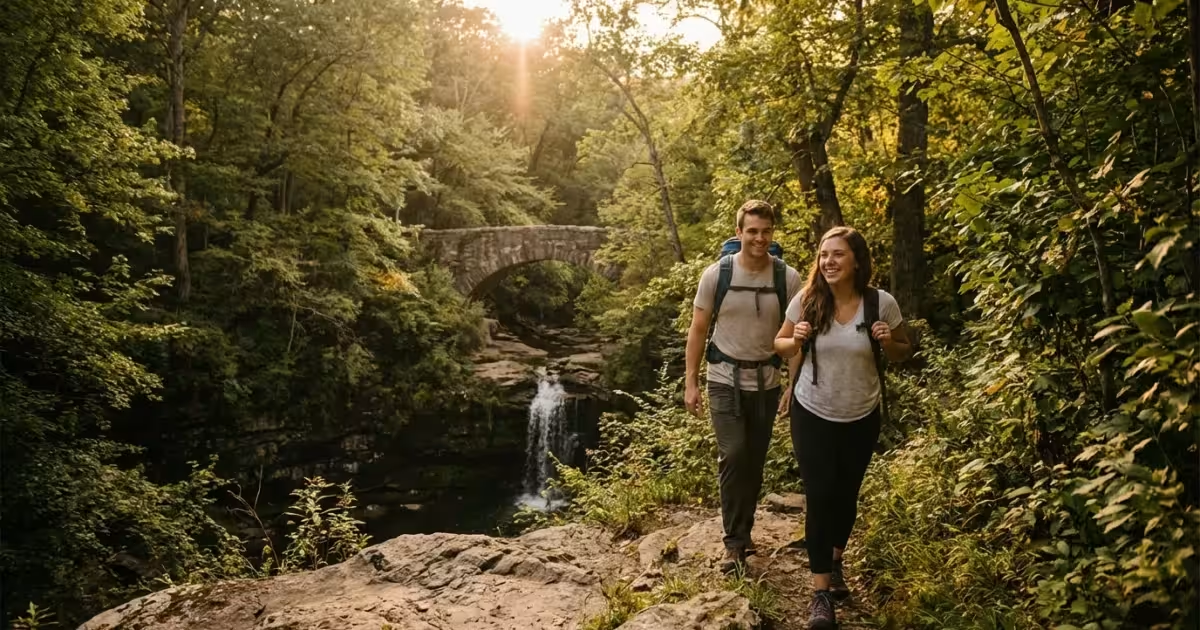
You possess a remarkable spirit for adventure, and it often begins closer than you think. While grand voyages capture the imagination, the everyday discovery of `local parks` offers profound joy, accessibility, and countless benefits for active Americans aged 55 and beyond. These green spaces, often just a short drive from your home, provide perfect settings for `senior outings`, fostering physical well-being, mental clarity, and social connection.
Embrace the accessible beauty and quiet thrills awaiting you in your community’s natural havens. This article guides you through uncovering these hidden gems, offering practical advice and inspiring ideas to make your next park visit a rewarding adventure.
Table of Contents
- The Unsung Benefits of Your Local Parks
- Finding Your Next Adventure: Locating Accessible Local Parks
- Activities for Every Pace: Making the Most of Senior Outings
- Planning Your Park Visit: Essential Tips for Seniors
- Gear Up for Comfort and Safety
- Beyond the Path: Unique Features to Discover in Local Parks
- Building Community Through Park Exploration
- Frequently Asked Questions

The Unsung Benefits of Your Local Parks
Stepping into a `local park` offers a refreshing escape from daily routines. These green spaces serve as vital community assets, providing a myriad of advantages that directly impact your quality of life. Understanding these benefits empowers you to seek out and appreciate these nearby treasures.
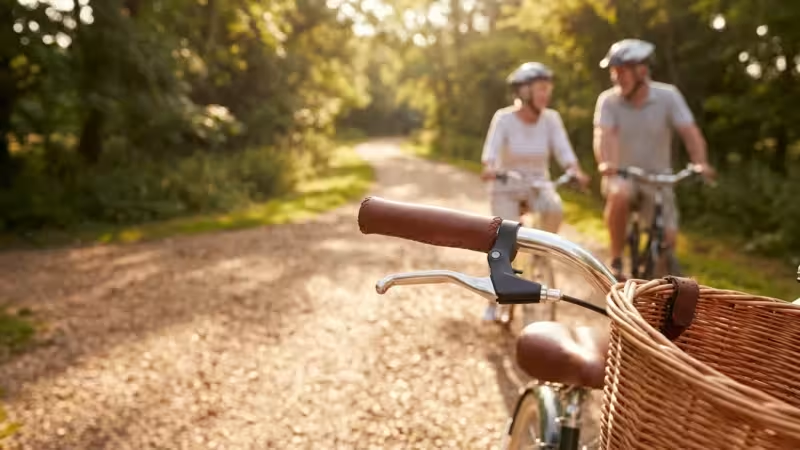
Frequent park visits are a wonderful way to enjoy nature without the costs associated with more elaborate budget-friendly adventure vacations.
Engaging with nature in a park setting significantly boosts your physical health. Regular walks on paved paths or gentle trails improve cardiovascular health, strengthen muscles, and enhance balance. You can enjoy low-impact exercise that keeps you mobile and energized without requiring extensive travel or specialized equipment. Many studies confirm the positive impact of green spaces on physical activity levels across all age groups.
Beyond the physical, park visits nurture your mental and emotional well-being. Exposure to natural environments reduces stress, lowers blood pressure, and improves mood. The sounds of birdsong, the sight of rustling leaves, and the fresh air contribute to a sense of calm and rejuvenation. These experiences offer a powerful antidote to modern life’s pressures, promoting relaxation and mindfulness.
Parks also foster social connection, especially during `senior outings`. You can meet friends for a walk, join a community event, or simply enjoy people-watching from a bench. These interactions combat feelings of isolation and build stronger community ties. Many parks host farmers markets, concerts, or educational programs, providing excellent opportunities for engagement.
Here are some key benefits you gain from visiting `local parks`:
- Improved cardiovascular health and endurance.
- Enhanced balance and flexibility, reducing fall risk.
- Reduced stress, anxiety, and symptoms of depression.
- Greater exposure to natural light, aiding vitamin D synthesis and sleep quality.
- Increased opportunities for social interaction and community engagement.
- Boosted cognitive function and creativity from a change of scenery.
- Cost-effective and accessible recreation.
Finding Your Next Adventure: Locating Accessible Local Parks
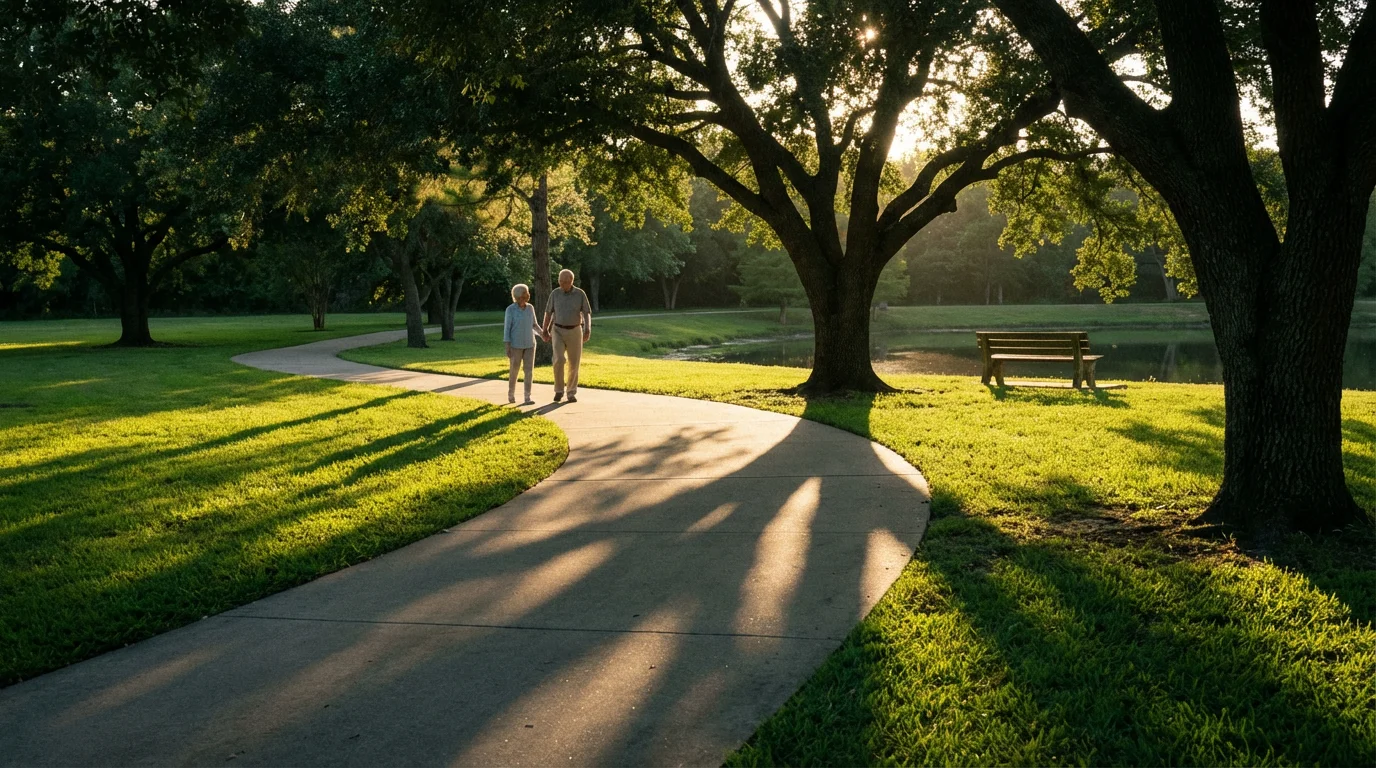
Your adventure begins with knowing where to look. Finding `accessible parks` near you is simpler than you might imagine, thanks to a variety of online and local resources. You have excellent tools at your fingertips to locate the perfect spot for your next `senior outing`.
Discovering these local gems can even become a highlight of longer US road trips as you traverse different states.
Start by exploring your city, county, or state parks and recreation department websites. These official sites often feature comprehensive lists of parks, detailing amenities, trail types, and `accessible parks` features. Look for information on paved paths, accessible restrooms, and designated parking areas. Many also provide downloadable maps or interactive park finders.
Online mapping services, such as Google Maps, allow you to search for “parks near me” and filter results by features like walking trails or playgrounds. You can often view user reviews and photos, giving you a real-world perspective on accessibility and appeal. Utilize the Street View function to visually inspect entrances and parking.
Local senior centers and community organizations frequently compile lists of nearby parks suitable for seniors. They might even organize group trips or walks, offering a social and supported way to explore. Don’t hesitate to ask staff for recommendations; they often possess valuable local knowledge.
The National Park Service website, while focused on larger national treasures, offers general guidance on finding accessible outdoor spaces and promotes the benefits of green areas for all ages. While not directly listing local municipal parks, it reinforces the spirit of exploration. Visit NPS.gov for inspiration and broader park information.
Here is a step-by-step guide to finding your next `local park` adventure:
- Visit Your Local Government Websites: Search for your city or county parks and recreation department online. Look for park directories or maps.
- Utilize Online Maps and Search Engines: Type “parks near me” or “accessible parks in [your city]” into your preferred search engine or mapping application.
- Check with Local Senior Centers: These centers often have resources, flyers, or staff who can recommend suitable `local parks` and sometimes organize group visits.
- Consult Community Bulletins: Local newspapers, library boards, or community center notice boards may list events or features of nearby parks.
- Ask Fellow Enthusiasts: Talk to friends, neighbors, or members of walking groups for their favorite `senior outings` locations and hidden gems.

Activities for Every Pace: Making the Most of Senior Outings
Your `local park` is a versatile playground, offering a range of activities to suit every energy level and interest. Whether you seek gentle relaxation or a brisk exploration, these spaces provide the perfect backdrop for diverse `senior outings`. You can tailor your visit to match your mood and physical capabilities.
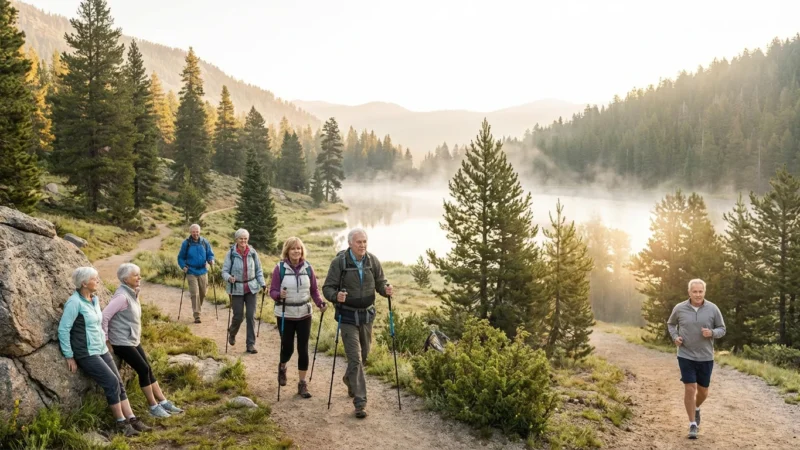
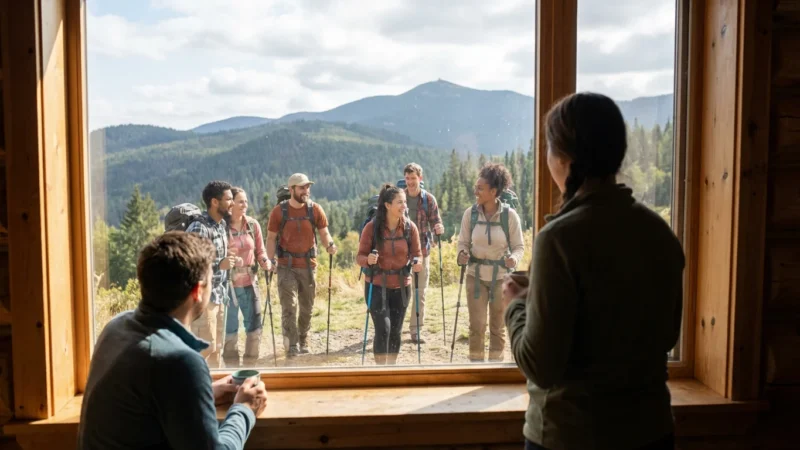
If you enjoy the social aspect of nature, look for local group hikes that utilize these public green spaces.
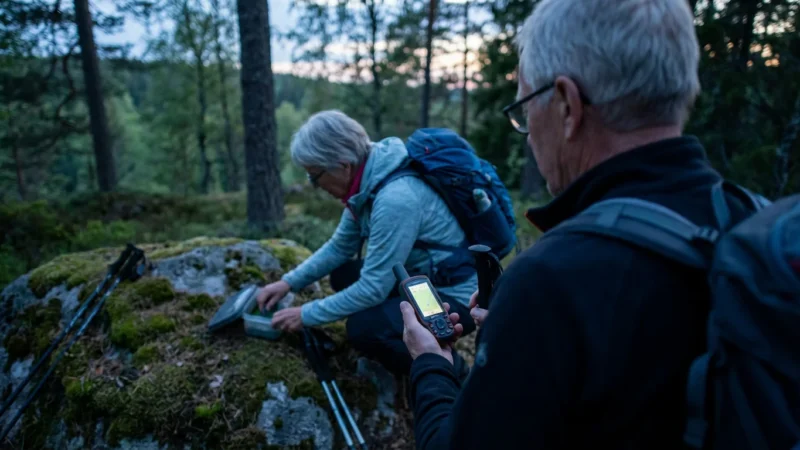
For those seeking a bit of mystery, geocaching offers a fun treasure hunt that turns any park visit into an interactive game.
Focusing on building your stamina for outdoor activities can help you enjoy even more of what these spaces have to offer.
For those who enjoy a leisurely pace, a simple walk along a paved path offers fresh air and scenic views. Many parks feature benches strategically placed for resting and enjoying the surroundings. Birdwatching is another popular activity, requiring only a pair of binoculars and patience. You will be amazed by the variety of avian life in even urban parks.
If you desire more active engagement, consider light stretching or a gentle yoga session in a quiet grassy area. Photography provides an excellent way to capture the beauty of nature and sharpens your observational skills. Pack a picnic basket for a delightful outdoor meal, enjoying the ambiance with loved ones or in peaceful solitude.
“The journey of a thousand miles begins with a single step.” — Lao Tzu
Remember, the goal is enjoyment and engagement, not strenuous exertion. Listen to your body and choose activities that bring you joy without discomfort. These experiences enhance your well-being and deepen your connection with the natural world.
Consider these inspiring activities for your next `senior outing`:
- Gentle Walking: Explore paved trails, boardwalks, or smooth, well-maintained paths.
- Birdwatching: Bring binoculars and a field guide to identify local bird species.
- Picnicking: Pack your favorite snacks and enjoy an outdoor meal with family or friends.
- Photography: Capture the park’s natural beauty, flora, and fauna.
- Sketching or Painting: Find a comfortable spot to unleash your artistic side inspired by nature.
- Reading: Bring a book and relax on a bench under the shade of a tree.
- Meditation or Mindfulness: Practice quiet reflection amidst the calming sounds of nature.
- Horticultural Exploration: Seek out botanical gardens or arboretums within larger parks.
Planning Your Park Visit: Essential Tips for Seniors
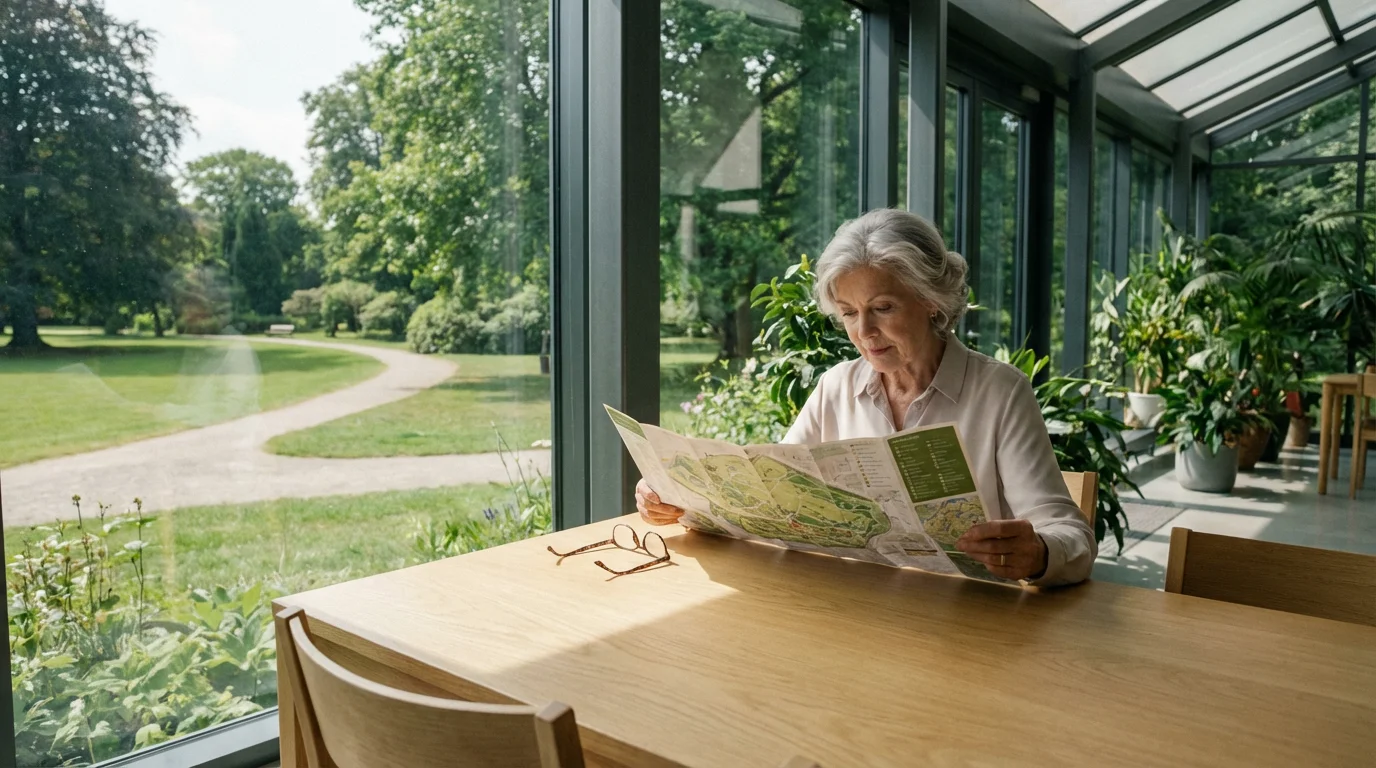
A little preparation goes a long way in ensuring a safe, comfortable, and enjoyable `senior outing` to a `local park`. Thoughtful planning allows you to focus on the experience, minimizing any potential inconveniences. Your proactive approach makes all the difference for a successful adventure.
If your park exploration is part of a mobile lifestyle, ensure you review your essential RV checklist before moving to your next destination.
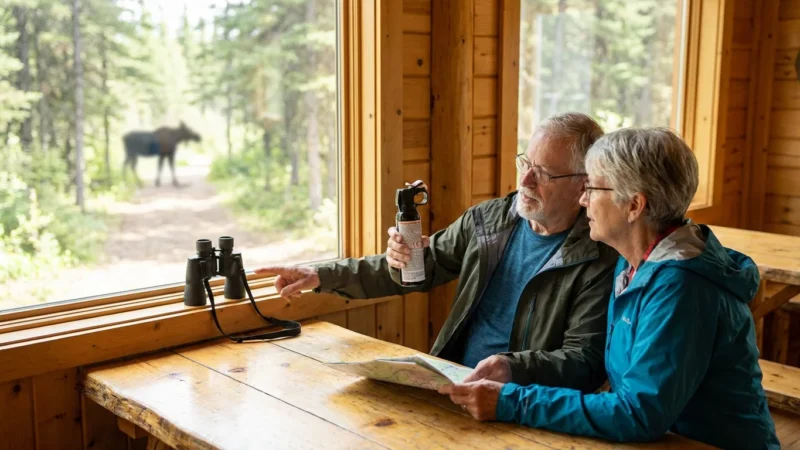
While parks are generally safe, it is still beneficial to know how to avoid wildlife encounters if you wander onto quieter paths.
Before you leave home, always check the park’s operating hours and any specific regulations. Some parks have seasonal closures or restrictions on pets, so verifying this information prevents disappointment. Look for details on restroom availability, water fountains, and picnic areas. Knowing these logistics ahead of time enhances your comfort.
Pay close attention to the weather forecast. Dress in layers to adapt to changing temperatures and bring sun protection like a wide-brimmed hat and sunscreen. Hydration is crucial, so always carry a full water bottle, especially on warmer days. Even short walks can lead to dehydration if you are unprepared.
Inform a family member or friend about your plans, including your destination and estimated return time. This simple safety measure provides peace of mind for both you and your loved ones. If you carry a cell phone, ensure it is fully charged.
Here is a practical checklist to guide your `local park` planning:
- Check Park Hours and Regulations: Verify opening and closing times, specific rules, and any temporary closures online or by calling ahead.
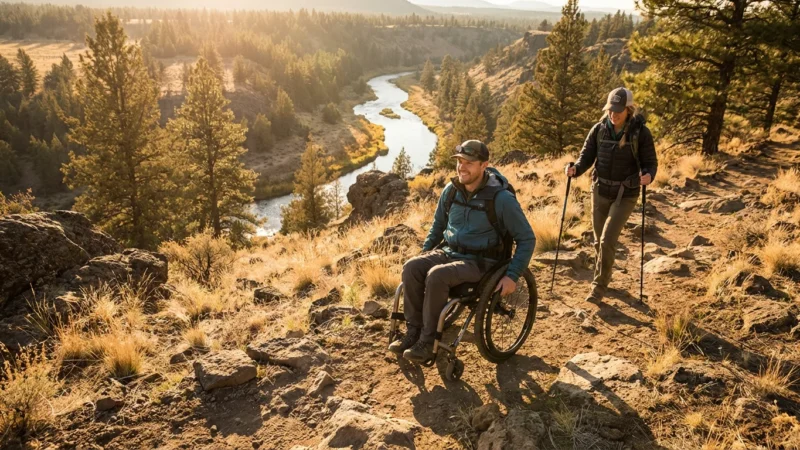
- Assess Accessibility: Research path types, presence of ramps, accessible restrooms, and parking. This is especially important for `accessible parks`.
- Monitor Weather Forecasts: Dress appropriately for the temperature, wind, and potential for rain.
- Pack Hydration and Snacks: Bring a reusable water bottle and energy-boosting snacks to stay fueled.
- Inform Someone of Your Plans: Tell a family member or friend where you are going and when you expect to return.
- Charge Your Phone: Ensure your mobile device is fully charged for emergencies or navigation.
- Carry Identification and Medical Information: Keep a form of ID and a list of any medical conditions or medications on your person.
- Know Your Limits: Plan activities that match your current physical capabilities and do not overexert yourself.
Gear Up for Comfort and Safety
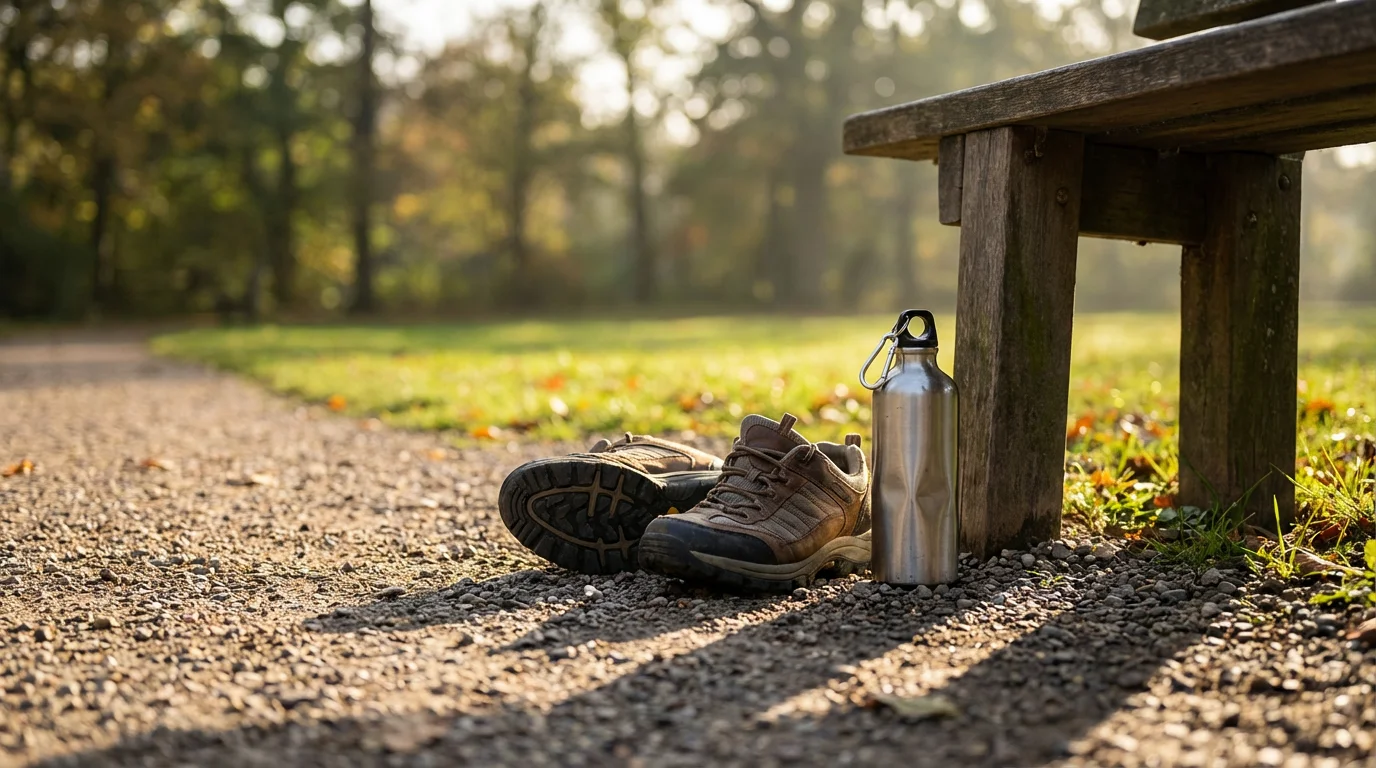
Having the right gear enhances your comfort, safety, and overall enjoyment during your `senior outings` to `local parks`. You do not need specialized equipment, but a few essential items make a significant difference. Investing in these basics ensures a pleasant and worry-free experience.
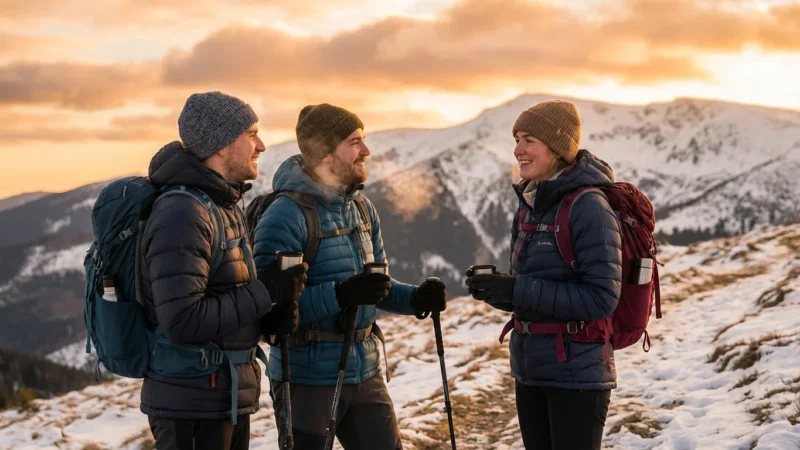
While parks are beautiful year-round, make sure you are prepared for the elements if you are hiking in cold weather.
Your footwear is paramount. Choose comfortable, supportive walking shoes with good traction. Avoid new shoes on longer walks; wear ones you have already broken in. Proper footwear prevents blisters, provides stability, and minimizes fatigue, allowing you to explore more comfortably.
Sun protection is another non-negotiable item. A wide-brimmed hat shields your face and neck from harmful UV rays, and sunglasses protect your eyes. Always apply sunscreen, even on cloudy days, to exposed skin. These measures prevent sunburn and reduce the risk of long-term skin damage.
Carry a small backpack or fanny pack to keep your hands free. This allows you to easily carry your water bottle, snacks, a lightweight jacket, and any personal items. A compact first-aid kit, containing band-aids, antiseptic wipes, and any personal medications, is also a smart addition for minor scrapes or blisters.
Here is a list of recommended gear for your `local park` adventures:
- Comfortable Walking Shoes: Opt for broken-in, supportive shoes with good grip.
- Water Bottle: Stay hydrated with a reusable bottle filled with water.
- Sun Protection: A wide-brimmed hat, sunglasses, and broad-spectrum sunscreen.
- Lightweight Layers: A jacket or vest to adapt to temperature changes.
- Small Backpack or Fanny Pack: To carry essentials hands-free.
- Basic First-Aid Kit: Band-aids, antiseptic wipes, pain relievers, and personal medications.
- Bug Spray: Especially during warmer months or in wooded areas.
- Cell Phone: Fully charged for emergencies and navigation.
- Binoculars: For birdwatching or observing distant features.

Beyond the Path: Unique Features to Discover in Local Parks
Many `local parks` offer much more than just walking paths and open spaces. You can discover unique features that transform a simple visit into a fascinating exploration. These hidden gems often reflect the local history, ecology, or artistic spirit of your community, enriching your `senior outing`.
Seek out botanical gardens or arboretums within larger park systems. These specialized areas showcase diverse plant collections, providing educational opportunities and vibrant displays of color and texture. You can learn about native species and exotic flora, often with informative signage. These spaces are usually very `accessible parks` options.
Look for historical markers, statues, or memorials that tell a story about the area’s past. Many parks occupy sites with significant historical events or honor local figures. These features offer a chance to connect with your community’s heritage while enjoying the outdoors. Public art installations also add an unexpected element of creativity and interest.
Nature centers often reside within larger parks, acting as hubs for environmental education. They provide exhibits, guided walks, and programs that deepen your understanding of the local ecosystem. Engaging with a nature center transforms your visit into an interactive learning experience, perfect for curious minds.
Consider these unique features for your next `local park` adventure:
- Botanical Gardens and Arboretums: Explore specialized collections of plants and trees.
- Historical Markers and Monuments: Learn about the local history embedded within the park landscape.
- Public Art Installations: Discover sculptures, murals, and other artistic expressions.
- Nature Centers: Engage with educational exhibits, live animal displays, and guided programs.
- Community Gardens: Observe local residents cultivating plots and fostering green spaces.
- Outdoor Amphitheaters: Check for free concerts, performances, or movie nights.
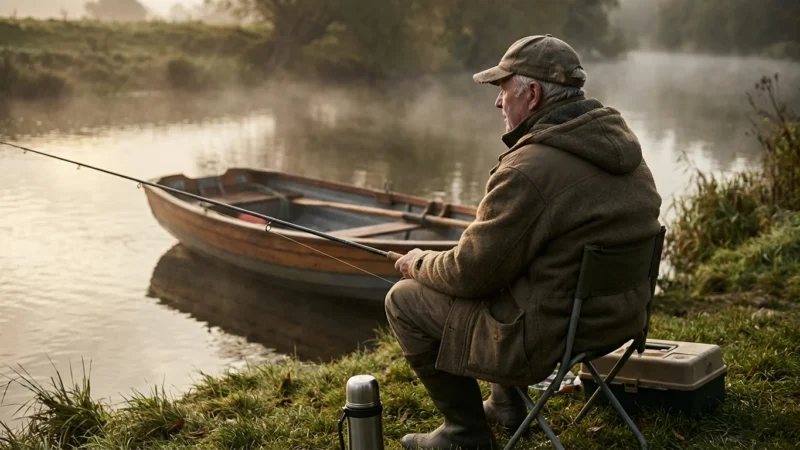
- Fishing Piers or Lakes: Enjoy the tranquility of water features, even if you do not fish.
- Dog Parks: Observe playful canine interactions, often providing entertainment and joy.

Building Community Through Park Exploration
`Local parks` offer more than personal benefits; they serve as powerful catalysts for building and strengthening community ties. Your `senior outings` can become opportunities to connect with others, share experiences, and even contribute to the preservation of these cherished spaces. Engaging with your community enhances the enjoyment of your park visits.
Consider joining a local walking club or a nature group. These organizations often plan regular `senior outings` to various parks, providing a social network and the chance to explore new places with like-minded individuals. Group activities offer motivation, camaraderie, and a sense of shared adventure. Many parks host “Friends of the Park” groups that welcome new members.
Volunteering at your `local park` offers a rewarding way to give back and meet people. You can assist with trail maintenance, planting, clean-up efforts, or even serve as a docent at a nature center. These contributions help maintain the beauty and accessibility of the parks for everyone, including future generations of seniors.
Participate in park-sponsored events such as guided nature walks, bird counts, or seasonal festivals. These events are specifically designed to bring the community together and celebrate the natural environment. They provide excellent opportunities to learn something new and expand your social circle.
Embrace the social dimension of `local parks` and discover the richness that community involvement brings to your adventures:
- Join a Walking or Hiking Club: Discover new trails and make friends with shared interests.
- Participate in Park Clean-Up Days: Contribute to maintaining beautiful, `accessible parks` and meet fellow volunteers.
- Attend Guided Nature Walks: Learn from naturalists and connect with other nature enthusiasts.
- Volunteer at a Nature Center: Share your knowledge or help with educational programs.
- Support Park Foundations: Contribute financially or through advocacy to preserve and enhance local green spaces.
- Engage with Local Birdwatching Groups: Share observations and learn from experienced birders.
- Attend Outdoor Community Events: Enjoy concerts, markets, or art fairs hosted in the park.
Frequently Asked Questions
What are the benefits of visiting local parks for seniors?
Visiting local parks offers numerous benefits, including improved physical health through walking and gentle exercise, enhanced mental well-being by reducing stress and improving mood, and increased opportunities for social interaction and community engagement. Parks provide accessible, low-cost options for staying active and connected.
Where can seniors find nearby accessible parks?
Seniors can find nearby accessible parks by checking their city or county parks and recreation department websites, using online mapping services like Google Maps, and consulting local senior centers or community organizations. These resources often detail amenities, trail types, and accessibility features like paved paths and accessible restrooms.
What should I pack for a senior outing to a local park?
For a comfortable and safe senior outing, pack essentials such as comfortable, supportive walking shoes, a reusable water bottle, sun protection (hat, sunglasses, sunscreen), and lightweight layers of clothing. A small backpack, a fully charged cell phone, and a basic first-aid kit are also highly recommended.
Are local parks typically free to enter?
Most municipal and county local parks offer free admission, making them excellent budget-friendly options for senior outings. Some specialized areas within parks, such as botanical gardens or nature centers, might have a small entrance fee or charge for specific programs, but general park access is usually free.
How can I ensure safety during my park visit?
To ensure safety, inform a trusted family member or friend of your park destination and estimated return time. Carry a fully charged cell phone, stay on marked trails, and be aware of your surroundings. Dress appropriately for the weather, stay hydrated, and know your physical limits to avoid overexertion.
Can I bring my pet to a local park?
Many local parks are pet-friendly, but regulations vary significantly. Always check the park’s specific rules regarding pets on their website or by calling ahead. Look for leash requirements, designated dog parks, and waste disposal guidelines. Respecting these rules ensures a pleasant experience for all park visitors.
Your next great adventure does not always require a plane ticket or a long drive across the country. It often awaits you right in your own community, within the inviting green spaces of `local parks`. These hidden gems provide an accessible, enriching, and rejuvenating experience for every active senior. Embrace the opportunity to explore, discover, and thrive in the natural beauty surrounding you. Lace up your shoes, step outside, and unlock the countless adventures awaiting in your own backyard.
Disclaimer: This article is for informational purposes only. Travel conditions, accessibility, and requirements change frequently. We encourage readers to verify current information with official sources before traveling. Always consult with healthcare providers about travel considerations for your specific health situation.

Leave a Reply